August. The thermometer reads 32°C. My client stands in front of the fitting room mirror in a luxurious powder-colored silk slip dress and asks me the same question I hear every summer: "Olena, will this make me boil?" Spoiler alert: she didn't. But we ultimately rejected this particular dress for a daytime outing.

Frankly, glossy magazines have been selling us a fantasy for years: a girl in smooth silk strolls through a scorching city, looking as fresh as morning dew. Clients come to me terrified of ruining an expensive item and looking unkempt. More often than not, they put it bluntly: Do people sweat in silk? as strong as in synthetics?
Over 14 years of working as a personal stylist, I've learned the most important thing: natural silk really does cool you down, but it has one treacherous weakness that consultants at premium boutiques never mention. Today, I'll tell you how to choose the texture, cut, and color of silk so it complements your status and doesn't create awkward situations. By the way, before we delve into temperature regulation, make sure you're using genuine silk, not viscose or acetate. I've covered this in more detail in our complete guide: How to distinguish natural silk: tips from a stylist.
Do you sweat in silk? Debunking the biggest summer myth
Let's get this out of the way right away. The brutal truth is that people sweat whenever they're hot. It's a basic biological process. No fabric in the world, even the most expensive, works as an antiperspirant or blocks your sweat glands.
But why then has silk been considered a savior from the heat for centuries? The answer lies in chemistry. Natural silk consists of fibroin—a protein fiber whose structure is incredibly similar to that of human epidermis. This is why high-quality silk feels like a "second skin."
From a physics perspective, fibroin has unique thermal conductivity for textiles. It literally transfers excess heat from your body to the outside environment. A silk blouse will physically cool you down compared to a cotton or linen shirt of the same weight. Silk doesn't prevent sweating; it simply prevents your body from overheating to the point where sweat pours down your face.
Access to MioLook for €0.99 — one-time payment
A smart AI stylist will select the perfect summer look and help you put together a capsule wardrobe of breathable fabrics.
Get access — €0.99 onceSilk vs. Polyester: A Battle at 30°C
You've probably experienced this feeling: you put on a beautiful new blouse from a mass-market store (Zara, H&M, or Mango), step outside on a sunny day, and within 15 minutes you feel like you're in a plastic bag. Your skin feels suffocated, sweat runs down your back, and the fabric clings uncomfortably to your body.
This is a typical greenhouse effect of polyester. Polymer fibers are, roughly speaking, recycled plastic. According to the Textile Exchange research institute for 2023, polyester can absorb moisture in the amount less than 1% of its own weight All the moisture your body produces stays on your skin. There's nowhere for it to evaporate.
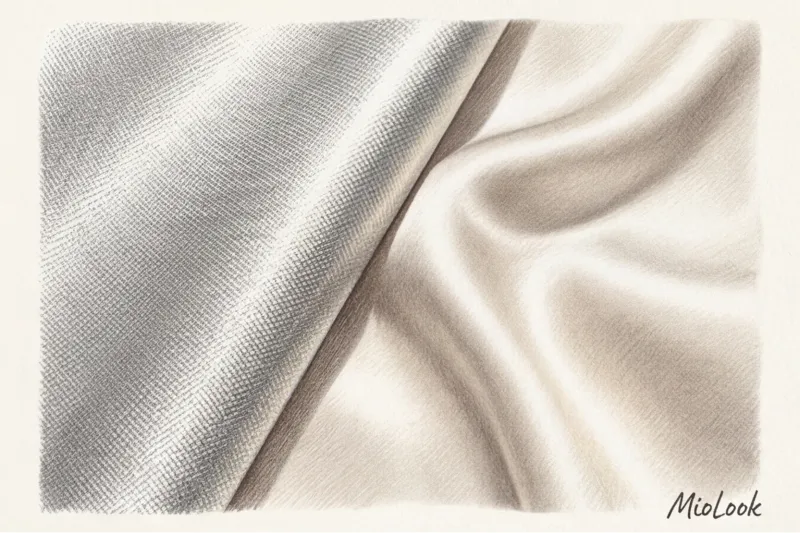
Natural silk, on the other hand, is incredibly hygroscopic. It can absorb up to 30% of its weight in moisture and still feel completely dry to the touch! When you sweat a little while wearing silk, the fabric instantly draws micro-droplets of moisture from your skin and evaporates them just as quickly.
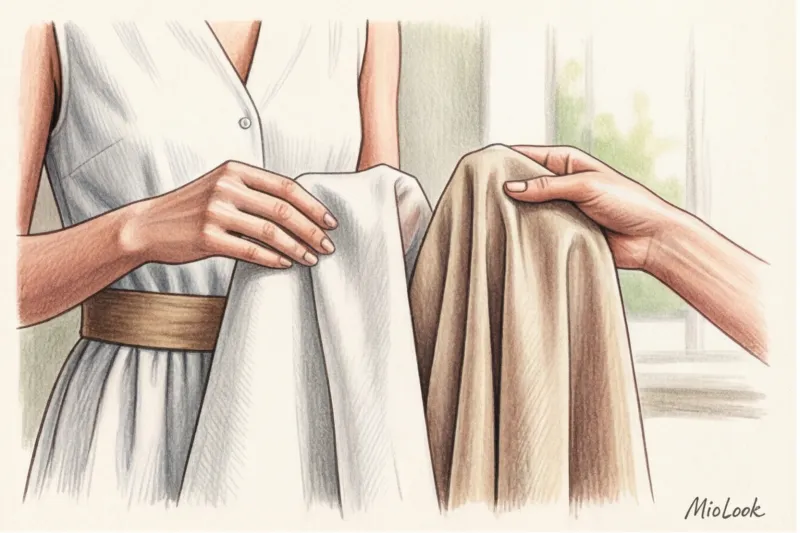
"The difference in the fitting room is always colossal. When we take a client's polyester top off and put on a basic silk camisole, her posture literally changes. Tension melts away, her shoulders straighten. Her body begins to breathe," – from personal observations during a shopping tour.
The main weakness of silk that premium brands keep quiet about
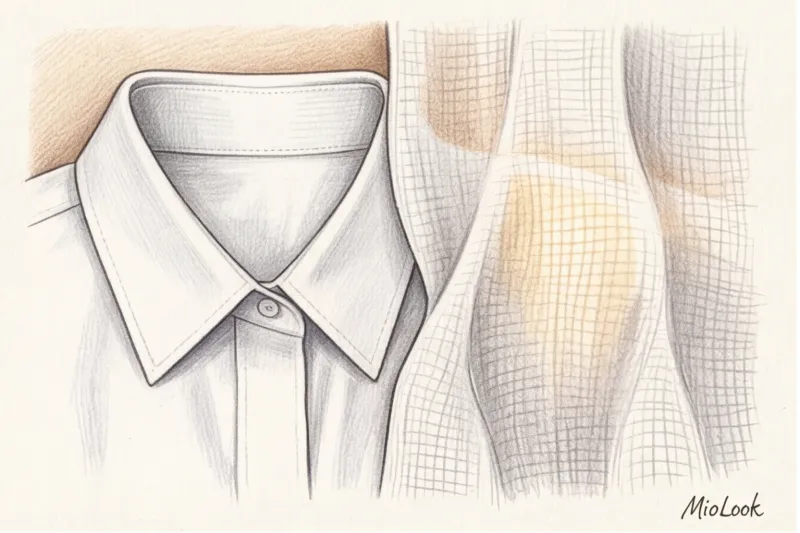
Now about that catch. Silk keeps you cool. But if you do sweat (say, from running for a taxi or being nervous), natural silk thread will instantly change color when wet. It will become two to three shades darker.
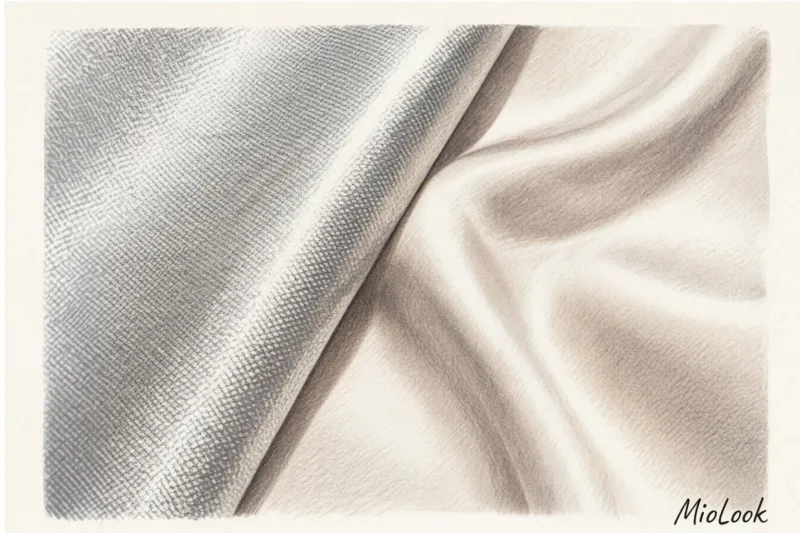
Three years ago, we were preparing a client for an outdoor wedding in Italy. The choice fell on a stunning light powder-colored slip dress. The temperature in Tuscany that day exceeded 32°C. The client wasn't overly hot, but the slightest beads of sweat under her breasts and on her back immediately showed up as dark spots on the light, glossy fabric. She ended up wearing a jacket over her dress the entire evening to hide the marks. If you're planning a similar event, I recommend checking out our article: What shoes should a guest wear to a wedding: stylist advice , there we also discuss the nuances of comfort in the heat.
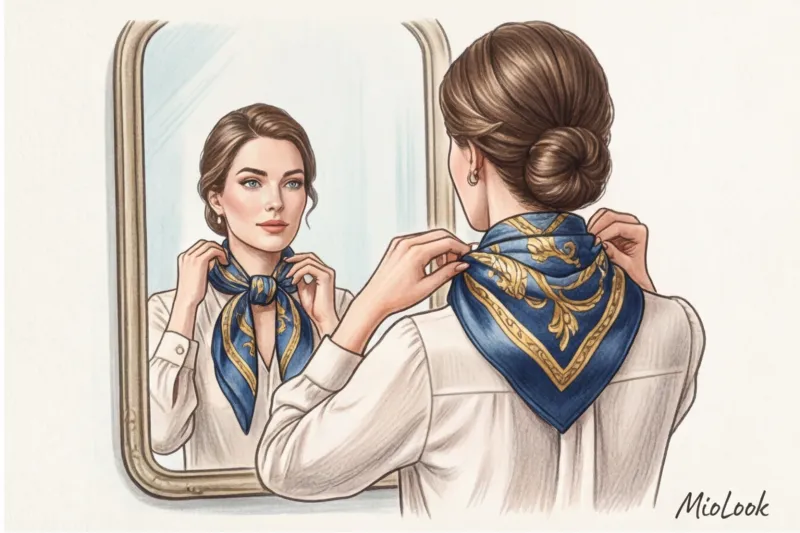
What textures and colors don't show sweat stains?
- Printed silk: A small floral pattern, abstract design, polka dot, or animal print (in the spirit of Dior or YSL's archival collections) works as an optical illusion. On a mottled fabric, areas darkened by moisture are simply lost.
- Deep dark shades: Navy (dark blue), emerald, deep burgundy, or classic black hide moisture much better than dangerous pastels, grays, and powdery tones.
- Matte finish: A glossy sheen reflects light and highlights any changes in texture. Matte silks are much more forgiving.
Your perfect look starts here
Upload photos of your silk items to MioLook, and the algorithm will suggest how to pair them to create a classy summer wardrobe.
Get access — €0.99 onceDensity and weave: which silk to choose to keep you cool
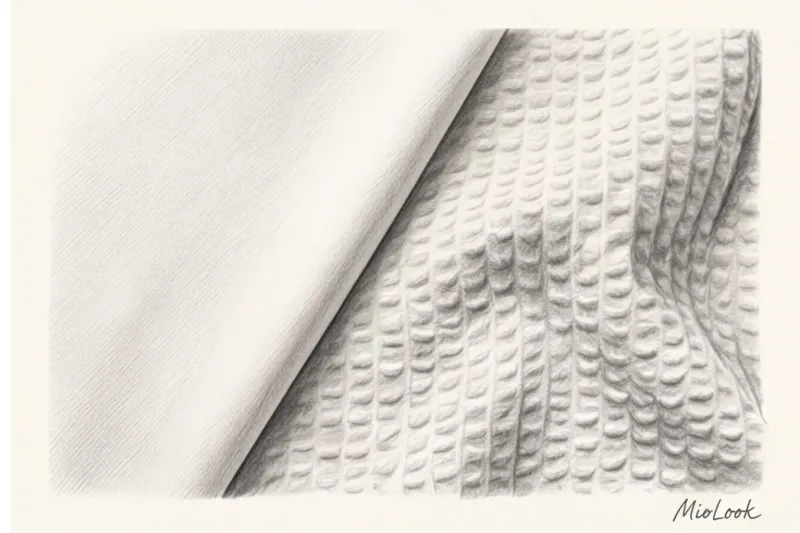
The most common mistake I see women make is buying silk satin for daytime summer walks. Satin looks luxurious, it's thick, heavy, and flows beautifully. But precisely because of its tight, smooth weave, it's the least breathable and instantly clings to the body at the slightest sweat.
Save satin skirts and slip dresses for cool summer evenings or air-conditioned restaurants. For the heat of the day, there are completely different weaves:
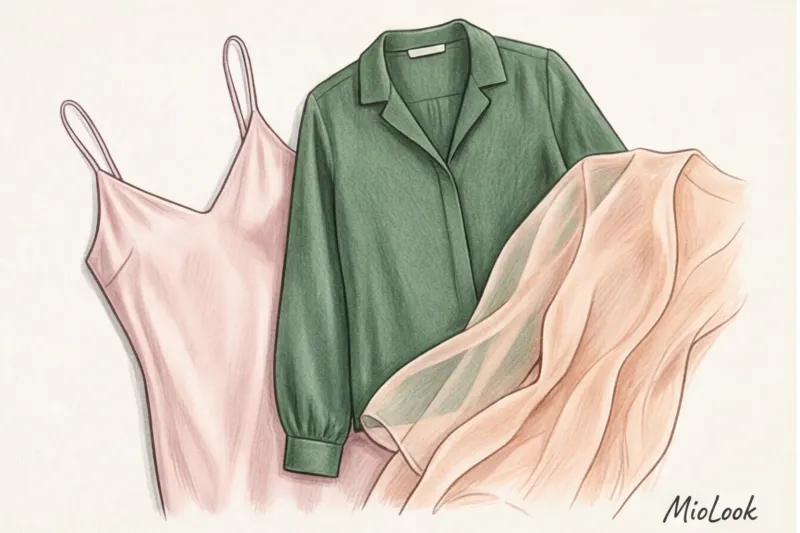
- Crepe de chine and georgette: These fabrics have a slightly rough, grainy texture due to the highly twisted yarns. This "roughness" prevents the fabric from clinging tightly to the skin, creating a micro-air cushion that ensures ideal ventilation.
- Habotai: The lightest, weightless Japanese silk. It's fine, matte, and incredibly breathable. Perfect for relaxed holiday shirts and palazzo pants.
- Silk chiffon: A semi-sheer matte fabric. Its airiness leaves it virtually invisible on the skin, and its transparency perfectly camouflages any moisture.
My golden rule as a stylist: for the office in summer, choose matte crepe de chine, for a relaxed vacation, habotai, and wear smooth satin only after sunset.
Style Decides: How to Wear Silk in Summer and Feel Confident
Even the right crepe de chine won't save you if the garment is cut too tightly. Tight-fitting styles are your worst enemy in hot weather. Silk's magical thermoregulation relies on convection. There should be at least 2-3 centimeters of space between your skin and the fabric for air to circulate.
Avoid tight sleeves. Choose blouses with deep armholes, dropped shoulders, or wide kimono-style sleeves. This is not only comfortable but also looks more modern and classy.
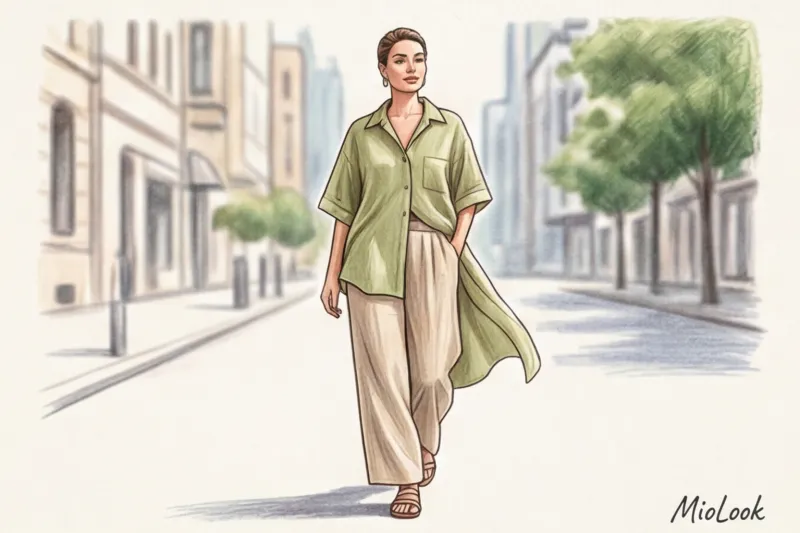
I love using silk in summer layering. Yes, layering is possible in summer! A silk top with thin straps under a loose linen jacket (unlined) works as the perfect temperature regulator. Silk cools the skin, and linen holds its shape and protects from direct sunlight. Read our article for more details on how to put together these looks for work. The difference between smart casual and business casual for creatives.
Ready to update your wardrobe?
Try MioLook's free plan—no commitments required. Artificial intelligence will analyze your items and suggest dozens of new combinations.
Get access — €0.99 onceA stylist's checklist: how to prepare silk items for the hot season
To ensure silk lasts for years and doesn't let you down during important meetings, you need to know a few insider tips on care and preparation. I regularly use these techniques on set and recommend them to my speaker clients.
- Special inserts (dress shields): These invisible cotton pads are attached with double-sided tape to the inside armholes of a shirt or jacket. It's a Hollywood red carpet secret. The pad absorbs all moisture, leaving the expensive silk perfectly dry and clean.
- Aluminum-free deodorant: If you wear light-colored silk, avoid strong antiperspirants containing aluminum salts. It's the aluminum that reacts with sweat, leaving permanent yellow stains on silk. Switch to mineral or enzyme deodorants.
- Invisible T-shirts: For a strict business dress code where you can't remove your jacket, wear a sheer, seamless nude-colored tank top (made of micromodal or viscose) under a silk blouse. It will take the brunt of the impact.
- Avoid frequent washing: Silk doesn't like water. To refresh an item after a day at the office, there's no need to wash it. Simply steam it with a good steamer (hot steam kills bacteria and odors) and hang it out on the balcony for a couple of hours to air out.
Bottom line: is silk worth the money in your summer wardrobe?
To sum it up: silk isn't hot; it can actually cool you down in the summer heat. But it requires a conscious approach to choosing the style, color, and weave.
For me, as a stylist, silk is more than just a functional fabric. It's a powerful tool for conveying status, grooming, and self-love. No polyester, even the highest-quality one from a premium brand, can give you the elegant matte sheen and fluidity of natural thread.

If you're on a budget, I always recommend the following to my clients: instead of three synthetic blouses of dubious quality for the summer, invest in one perfect, loose-fitting silk crepe de chine shirt. Choose a sophisticated, deep shade, take proper care of it, and you'll feel a huge difference in your quality of life. And an app will always help you create flawless looks with this purchase. MioLook.