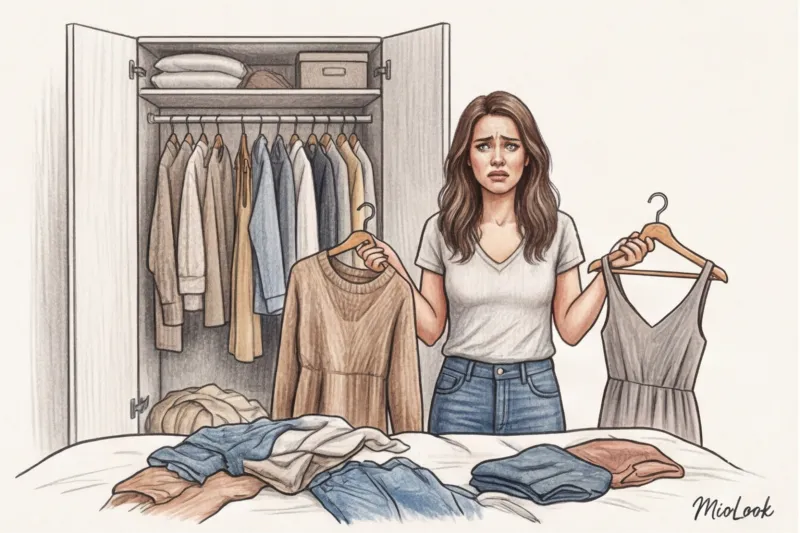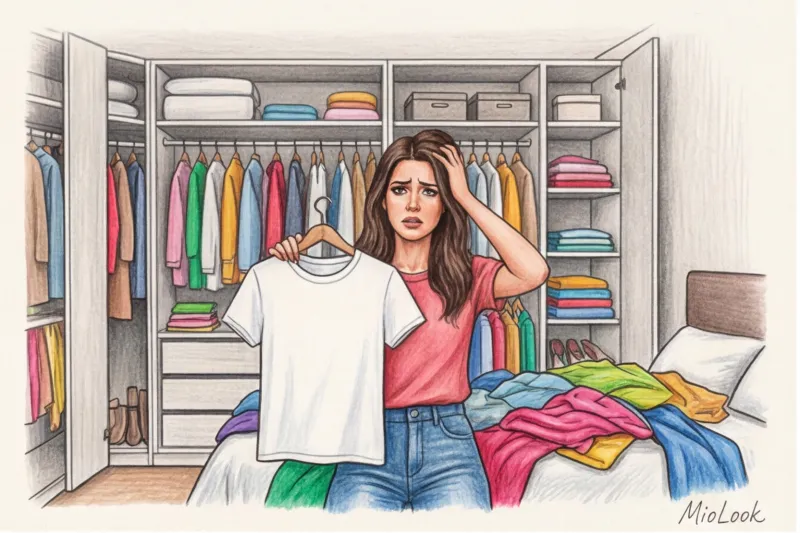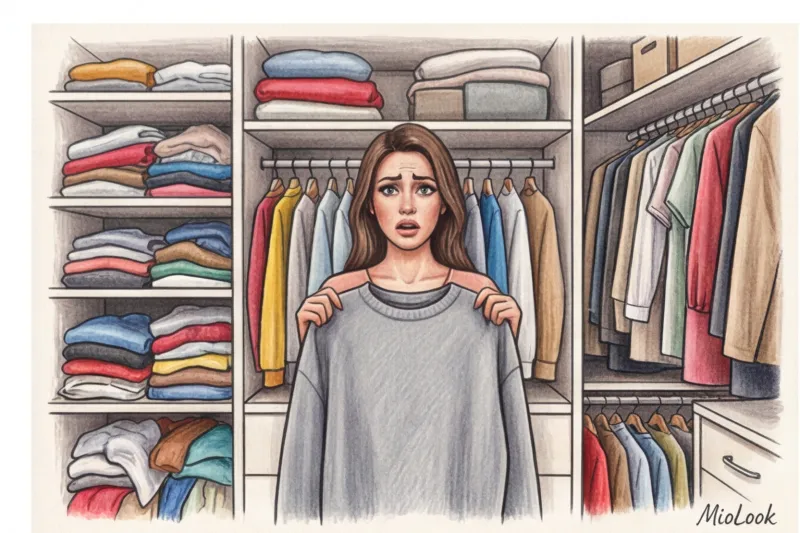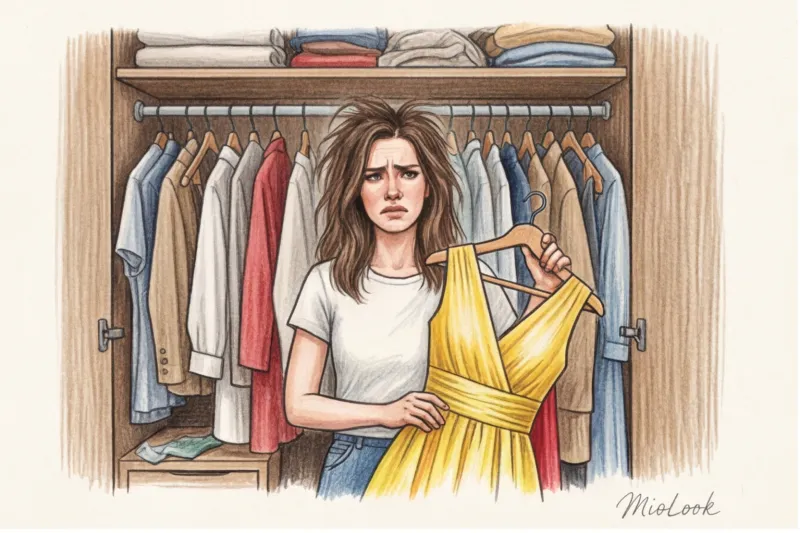
It's a familiar feeling: you open your closet, it's crammed full of clothes, but you have the persistent feeling you've broken into a stranger's apartment. The clothes look like yours, the size is right, but you absolutely don't want to wear them. Your hand rummages through the hangers, and each item evokes a deep irritation. This isn't a whim, not the result of a shopping spree, or even the proverbial "nothing to wear." It's an identity crisis.
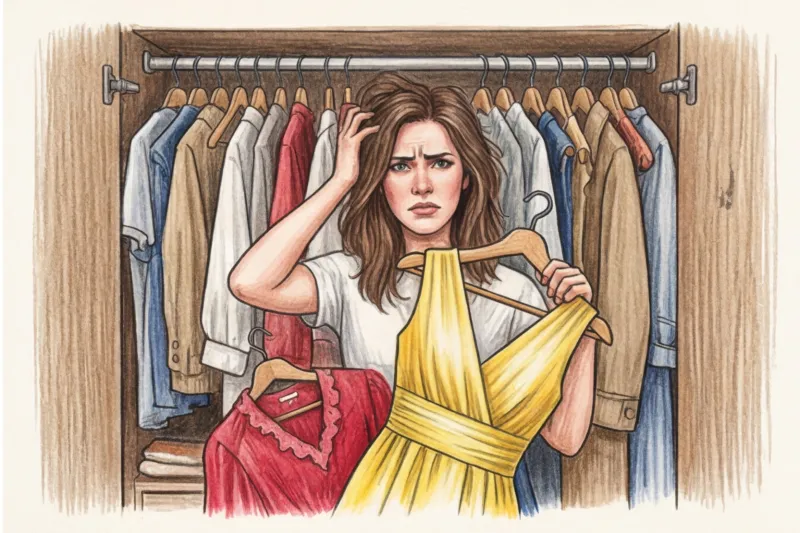
I love numbers and once conducted an experiment: I meticulously tracked my output for six months. The data was relentless—I was saving 80% of my closet contents for my "fantasy self," which never materialized. At times like these, it becomes crystal clear: Changes in clothing style and psychology are much more closely connected than we usually think. Our wardrobe is not just a collection of fabrics, it is an autobiography. And when a chapter ends, the old "uniform" begins to pinch. We have already discussed this phenomenon in more detail in our the complete guide to wardrobe psychology , but today I propose putting emotions aside and taking a strict data-driven approach to personal crisis.
Symptoms: How to Know if You Have an Identity Crisis, Not Just "Nothing to Wear"
Over 12 years of working with wardrobes, I have come up with a clear term for myself - psychological wardrobe lag A technical shortage of essentials can be cured by a trip to Uniqlo for two white T-shirts. Emotional wardrobe rejection can't be cured by shopping—new purchases only deepen the feeling of guilt.
How do you know if your closet is stuck in the past?
- You play a role. Putting on your usual business suit, you feel like an actor in a bad theater. The clothes feel like a masquerade, even though six months ago you considered them perfect.
- Dead tags symptom. Your closet is full of new items in the €100–€300 price range, worn exactly zero times. Looking at them doesn't bring you the joy of purchase, but a burning sense of guilt for wasting your money.
- Compulsive dressing. In the morning, you change your outfit 4-5 times before leaving the house. You're not looking for a color combination, but state , which is no longer present in old things.
An identity crisis in the closet is an indicator that your inner transformations have outpaced your outer shell. And that's good news: it means you've grown up.
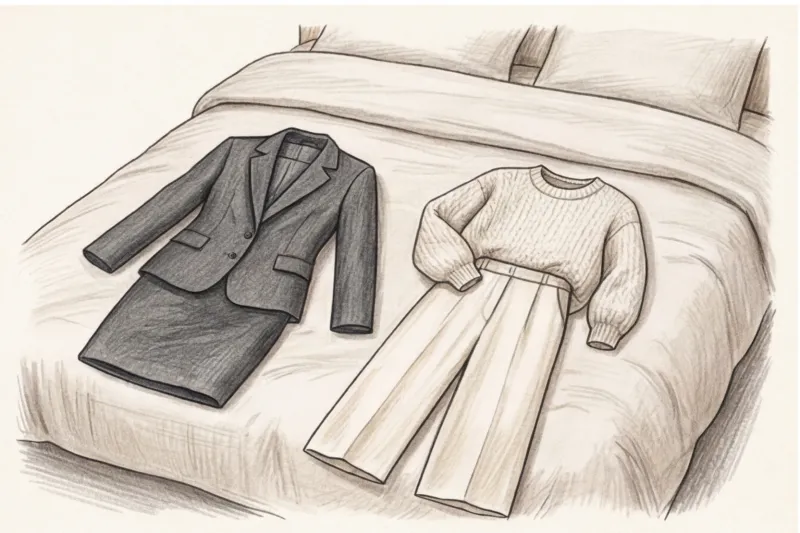
The Anatomy of a Breakup: Why Your Wardrobe Is Living in the Past
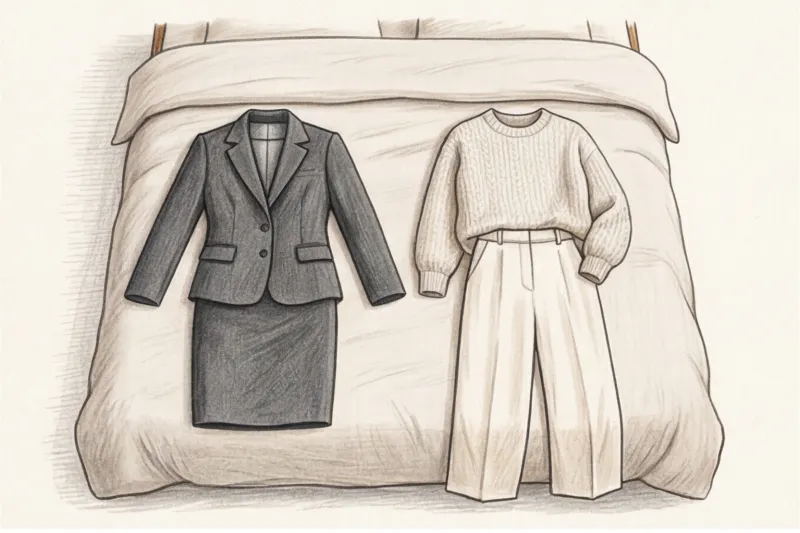
In 1991, William Bridges described a model of life transitions that perfectly fits personal image. Bridges demonstrated that any transition begins with the end of an old stage, followed by a turbulent "neutral zone," and only then does a new beginning begin. Our closet is usually stuck between the first and second stages.
We unconsciously use clothing as a psychological anchor. One of my clients, Marina, bought five silk slip dresses from Massimo Dutti (an average of €150 each) after switching to full remote work. When we started sorting through her wardrobe, it turned out that 90% of her time was spent on Zoom calls and walking the dog. The dresses were bought for mythical "evening outings" to compensate for the lack of social interaction. Reality required a completely different approach—for example, investing in stylish home clothes for remote work , which provides comfort but keeps you in good shape.
Coat Hanger Syndrome
Another common scenario is fear of new responsibilities. I observed this in the case of Anna, an IT developer. She got the team lead position, but continued to wear the baggy hoodie and jeans she'd bought back in her student days to the office. Her outward appearance conveyed: "Don't look at me, I'm still a junior, I was just passing by.".
The discrepancy between internal professionalism and external childishness creates enormous tension. When you're already a manager but dress like an intern, you expend energy every day trying to prove your status despite your appearance.
Your perfect look starts here
Join thousands of users who look flawless every day and build their wardrobe consciously.
Get access — €0.99 onceEnclothed Cognition: Changing Clothing Styles and the Psychology of Self-Perception
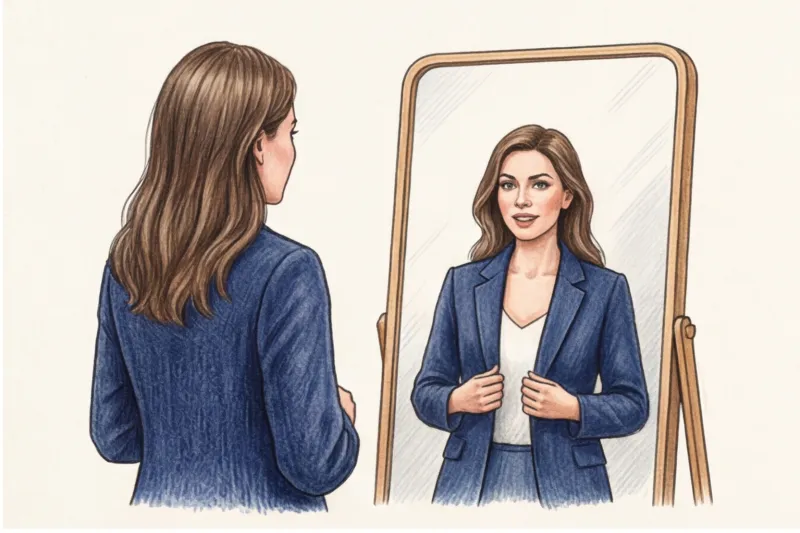
If you think clothing is just fabric on the body, science disagrees. In 2012, researchers Hadjo Adam and Adam Galinsky coined the term Enclothed Cognition (embodied cognition). In their famous experiment, people wearing a white coat (which they were told was a doctor's coat) showed a sharp increase in concentration and attention. When the same coat was described as an "artist's coat," the effect disappeared.
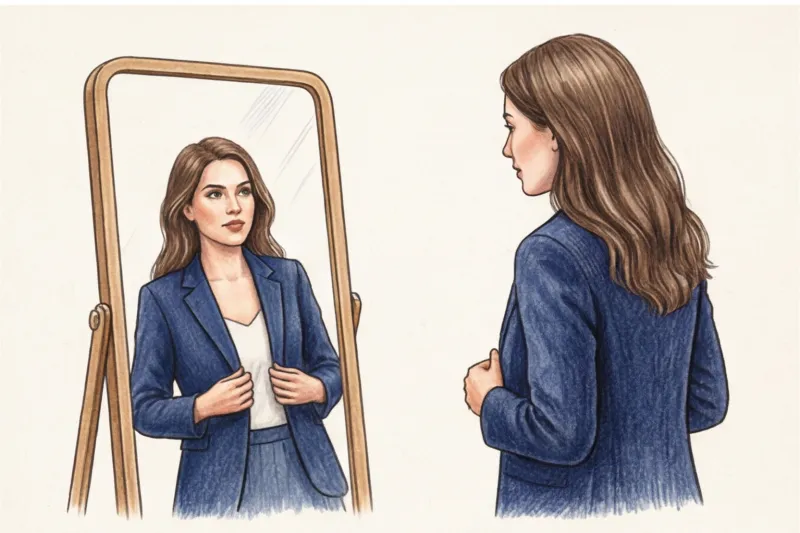
Dr. Karen Pine went further in her book "Mind What You Wear" (2014), demonstrating that clothing physically alters our hormonal balance and cognitive abilities. Wearing a structured jacket with a distinct shoulder line literally alters your neurochemistry—cortisol levels can decrease, and self-confidence can increase.
During periods of identity crisis, we can use this effect as therapy. We can use clothing as an exoskeleton that "pull" our inner state to the desired one. This works even in small things: try applying rule of third things , throwing a thick cardigan or jacket over a simple T-shirt, and you will feel how your posture and tone of voice change on work calls.
The biggest mistake during a crisis: why you shouldn't engage in total decluttering
Now, about what you absolutely mustn't do. The most popular advice online is, "Just get rid of everything you don't wear! Keep only what brings you joy."
As a practitioner, I declare: Marie Kondo's method during a life crisis is dangerous Why? Because during periods of stress or re-evaluation of values, your dopamine system malfunctions. nothing at all It doesn't bring you joy. That perfect €250 cashmere sweater might feel "boring and dull" simply because you're burnt out.
If you get rid of things out of sheer emotion, a couple of months later you'll find yourself with an empty closet, without your basic wardrobe, and facing the prospect of spending thousands of euros to replace what you lost. What should you do instead?
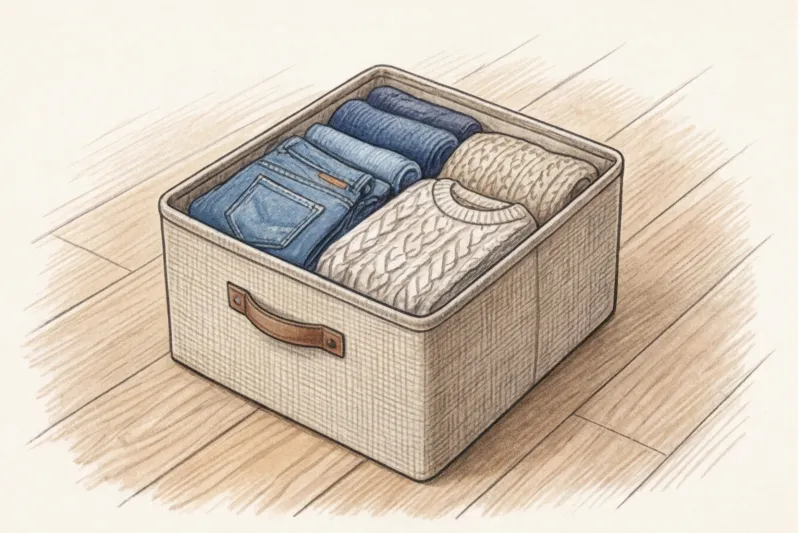
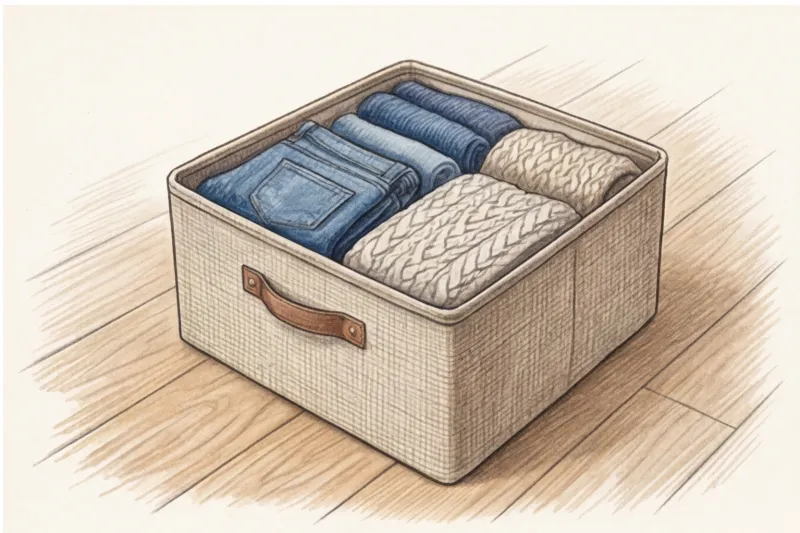
"Don't throw it out—quarantine it. Collect the things that currently irritate you in vacuum-sealed bags or opaque boxes and put them out of sight for 3-6 months. Your goal is to reduce the visual clutter in your closet without making irreversible financial decisions."
There's only one exception to this rule: items that are two sizes too small and hang like a reproach. These should be removed, regardless of your psychological state.
Digitize your wardrobe with MioLook
A smart AI stylist will help analyze your clothes and tell you what you actually wear and what's just taking up space.
Get access — €0.99 oncePractical Plan: How to Reload Style Using the Data Approach
To survive the "valley of death" between the old style and the new, we need to turn off panic and turn on analytics. Here's my step-by-step plan for overcoming the crisis, which I apply in practice.
Step 1: Digitize reality, not fantasy
Take a piece of paper and make a pie chart of your actual workload over the past month. Office work, remote work, walks, sports, dates. Then look at your closet. Surprisingly, 60% of my clients' closets are 50% made up of dressy dresses and heels, even though they only account for 5% of their lives. We need to shift the focus to the area where you spend the most time.
Step 2. Hard tracking method (30 days)
You need accurate data about what you wear. This is where Smart wardrobe functionality in the MioLook app Take a photo of your active base and note what you wear each day. You'll be surprised to discover that you reach for the same 5-7 items every day. This is your fulcrum. The app allows you to collect statistics without the emotional overtones.
Step 3: Create a "safe transition capsule"
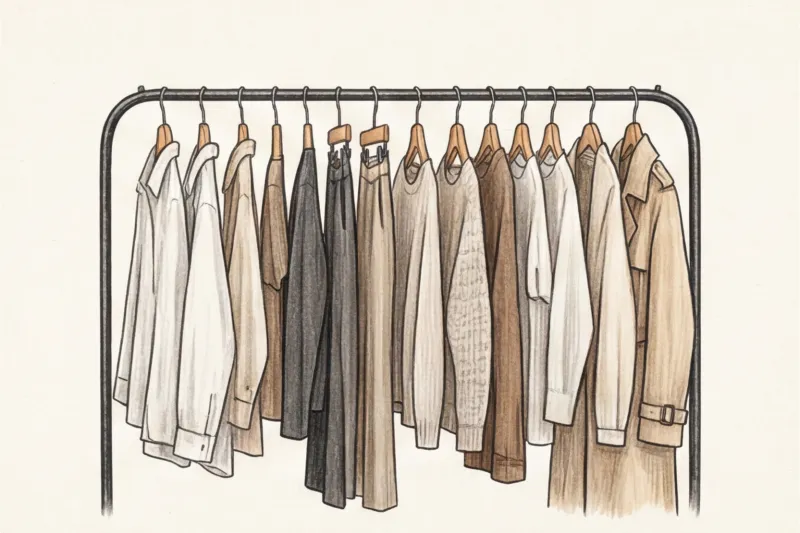
While your new identity is being formed, you need a uniform that doesn't require morning thought. Select exactly 10 items on the rail:
- Two perfect bottoms (for example, straight jeans and wide-leg wool-blend trousers).
- Three comfortable tops (a basic cotton T-shirt with a density of at least 180 g/m², a cashmere jumper, and a loose shirt).
- Two layers (structured jacket or cardigan).
- One versatile pair of shoes and a basic bag of the right size (by the way, don't forget to check, How to choose a bag size based on your height , this is critical for a harmonious silhouette).
Step 4: Focus on tactility, not trends
During periods of turbulence, avoid stiff, uncomfortable textures. No scratchy acrylic or squeaky polyester. Transitional clothing should hug you. Invest in merino wool, thick, smooth cotton, and flowing viscose.
Changing your style isn't a sprint through the mall with bags; it's a marathon of discovering a new you. Give yourself time for this transition. Rather than being a source of morning stress, let your closet be a laboratory where, based on your data and comfort, you gradually assemble a renewed version of yourself.