The Myth of the Gray Mouse and the Firebird: How Clothing Color and Personality Are Actually Connected
Backstage at Milan Fashion Week, where I've worked for over a decade, you can observe a curious paradox. The most modest, socially distant designers often show up to show rehearsals in loud neon sneakers or electric-blue jackets. Meanwhile, the incredibly outgoing, loud top models, off the runway, slink around in bland, baggy gray hoodies. Have you ever noticed anything similar in your own life?
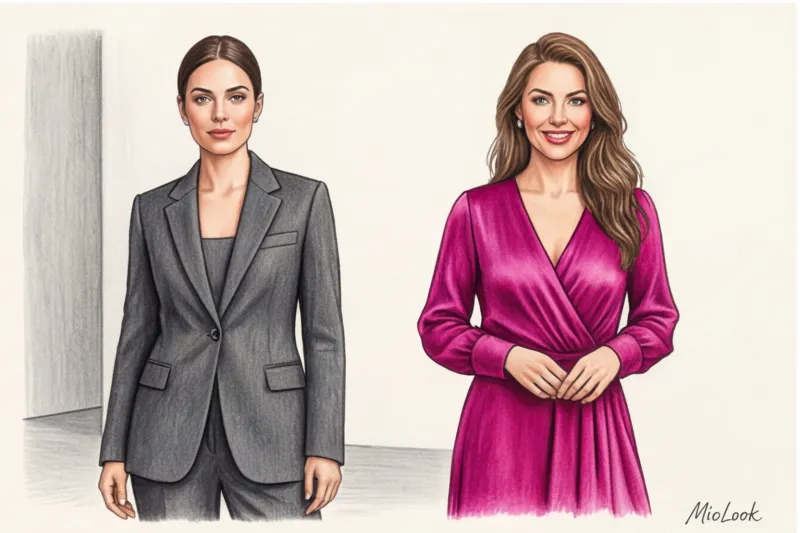
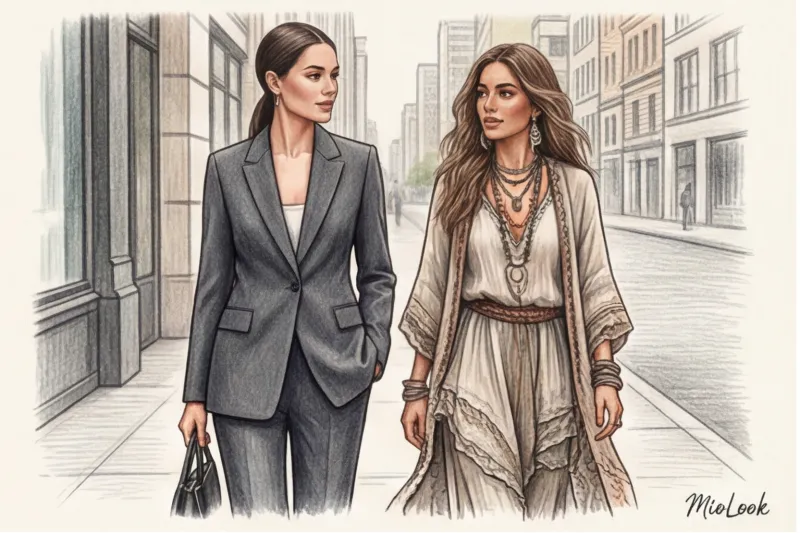
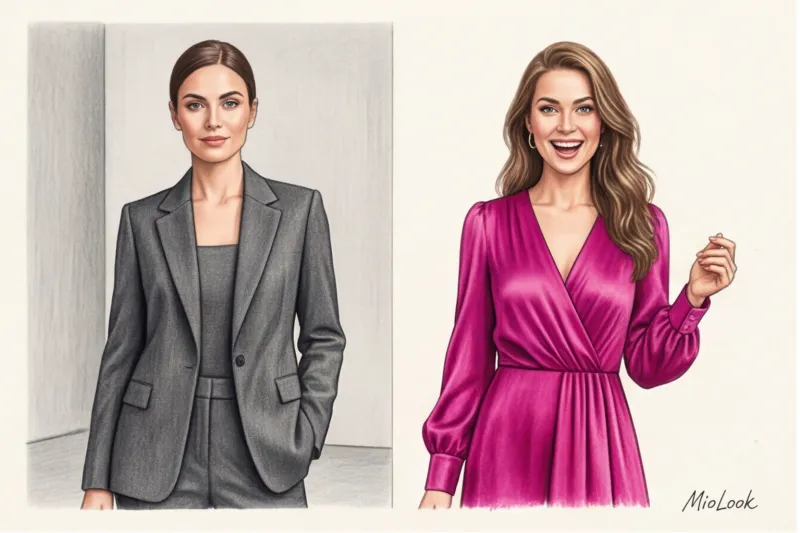
For decades, glossy magazines have fed us a convenient but flat cliché: confident leaders wear red, while shy "gray mice" hide behind beige and black. However, the real connection between the colors we choose the color of clothing and a person's character , is built not on the principle of primitive self-demonstration, but according to the laws of neurobiology and personal energy management.
I wrote more about the basics of color perception in our A complete guide to the psychology of color in clothing: its impact on mood , but today we'll look at the palette through the lens of Carl Jung. Jung divided people into introverts and extroverts not by their level of sociability, but by how do they replenish energy Extroverts are energized by the outside world and stimuli, while introverts thrive in peace and quiet.
"Color is a visual frequency. Each wavelength has a measurable physiological effect on the nervous system," researcher Angela Wright demonstrated back in 1998 in her Color Affects system.
According to neurophysiologists, up to 80% of the sensory load on our brain is visual stimuli. Therefore, choosing a color based on personality type is primarily a matter of sensory tolerance. We intuitively choose the shades that help our nervous system balance.
An Introvert's Wardrobe: Color as a Personal Boundary and Secret Language
If you're an introvert, the world is inherently too loud for you. That's why the concept Serotonin dressing (clothing that boosts serotonin levels—the hormone that promotes calm and security) has become a lifesaver for many. Deep, light-absorbing shades—navy (deep blue), burgundy, taupe, and dark emerald—work as elegant psychological armor.
Miuccia Prada and the Olsen sisters brilliantly captured this principle at The Row. They create "intellectual uniforms" starting at €1,500 that don't shout about themselves, but instead create an impenetrable cocoon of dense cashmere and complex, muted tones around the wearer.
But herein lies a stunning introvert paradox. Have you ever wondered why women who don't like attention sometimes buy incredibly brightly colored handbags? It's a phenomenon. "communication shield" A flashy accessory takes the brunt of the impact. People compliment the bag and discuss the shoes, rather than trying to peer into the person's soul. Attention is diverted from the person to the object.
"Microdosing" of color: hidden accents for your own
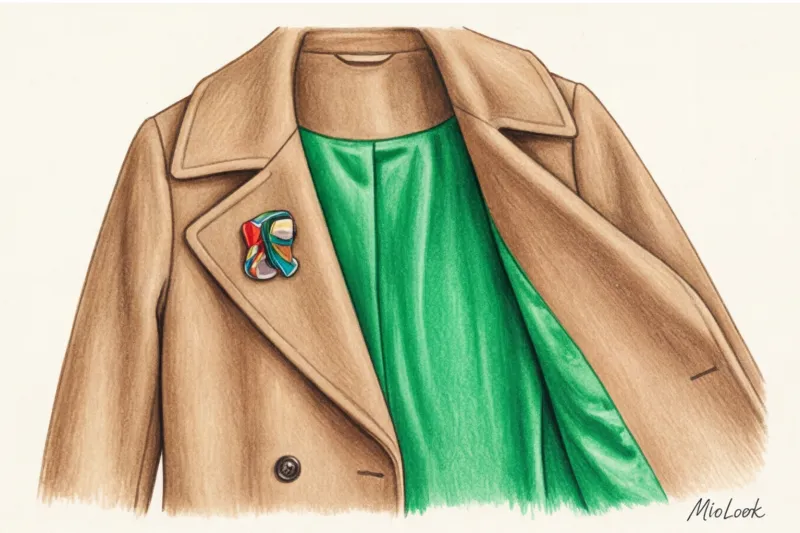
My favorite styling technique for introverted clients is color microdosing. When you crave color but aren't ready to splash it on the entire street, we tap into hidden reserves:
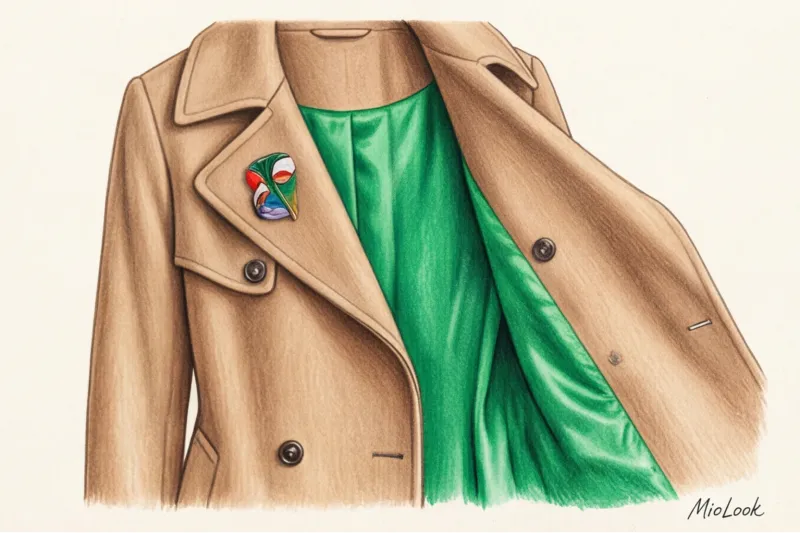
- A vibrant emerald silk lining on a tailored wool coat that only you can see when you take it off.
- Thick fuchsia socks worn with classic pleated trousers (a great way to add a touch of irony to an office look).
- Complex "chameleon" shades (for example, dark chocolate with an eggplant undertone) that appear black indoors, but reveal their color only in the sun.
Access to MioLook for €0.99 — one-time payment
A smart AI stylist will select the perfect look based on your personality type.
Get access — €0.99 onceThe Extrovert's Wardrobe: A Visual Megaphone and Energy Management
If an introvert needs protection from noise, an extrovert needs to create that noise. In modern fashion psychology, this is called Dopamine dressing - the use of open, vibrant colors (orange, neon, electric, pure red) to obtain external stimuli and reactions from others.
For an extrovert, color is a tool of expansion. With a bright chunky knit sweater or neon jacket, a person literally fills a room with their presence before they even have time to say "hello."
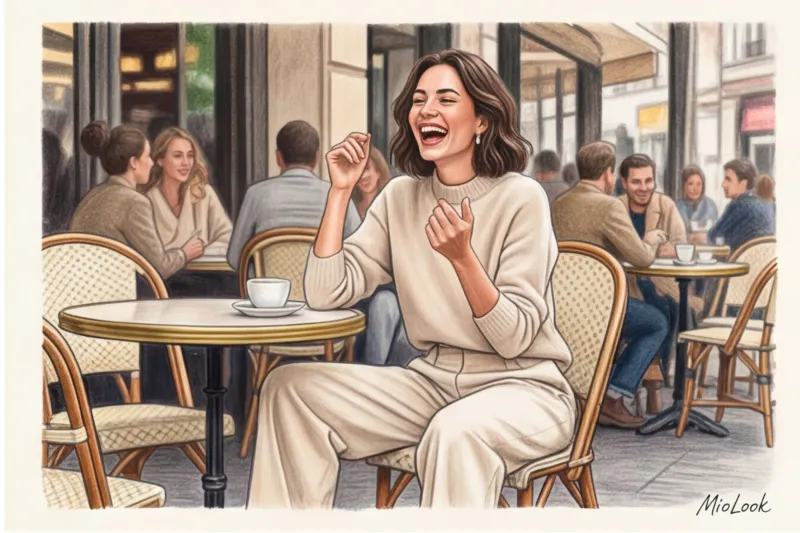
But here lies the main danger: color fading. Clothes not only transmit energy outward, they return it to you. Bright red physiologically increases your heart rate. If you wear it every day, your nervous system is working at high speed.
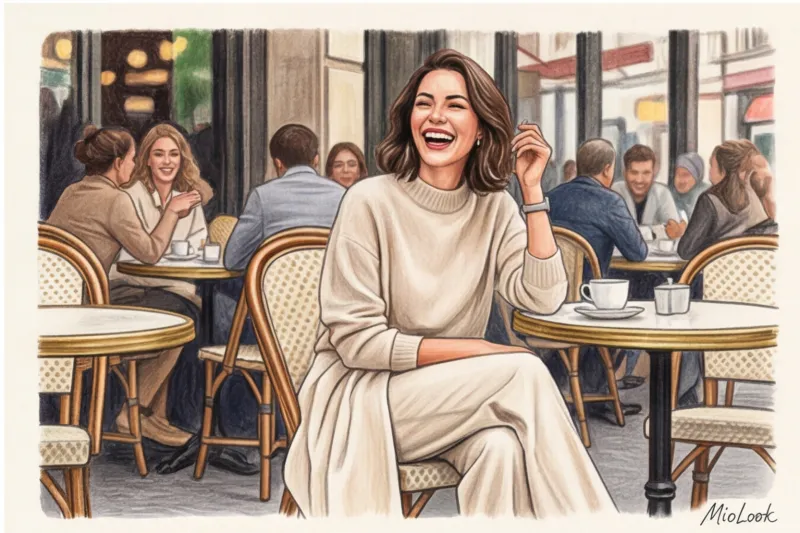
Color Grounding: Why an Extrovert Needs Total Beige
I had a revealing case in my practice. I was working with a client, the CEO of a large IT project, an incredibly charismatic extrovert. She came to me with the following request: "I'm tired of my bright suits; I'm suffocating in them." She was on the verge of burnout due to the constant pitching and conferences.
My decision was counterintuitive. We put together a capsule collection for her in shades of oatmeal, cool beige, and ecru, using basic price-points like COS (in the €80–€150 range) and high-quality knitwear. This is called color grounding At the peak of their activity, extroverts desperately need a monochromatic, neutral palette. It works like a "Mute" button on a remote control, helping to turn down the volume of the outside world and focus on internal business processes.
Your perfect look starts here
Join thousands of users who look flawless every day with MioLook.
Get access — €0.99 onceAmbiverts and Situational Choice: Tuning Your Inner EQ
Pure personality types are rare. Most of us are ambiverts, whose need for stimulation fluctuates depending on the day of the week, our hormonal levels, and the task at hand. For an ambivert, a wardrobe isn't a uniform, but a sophisticated DJ booth.
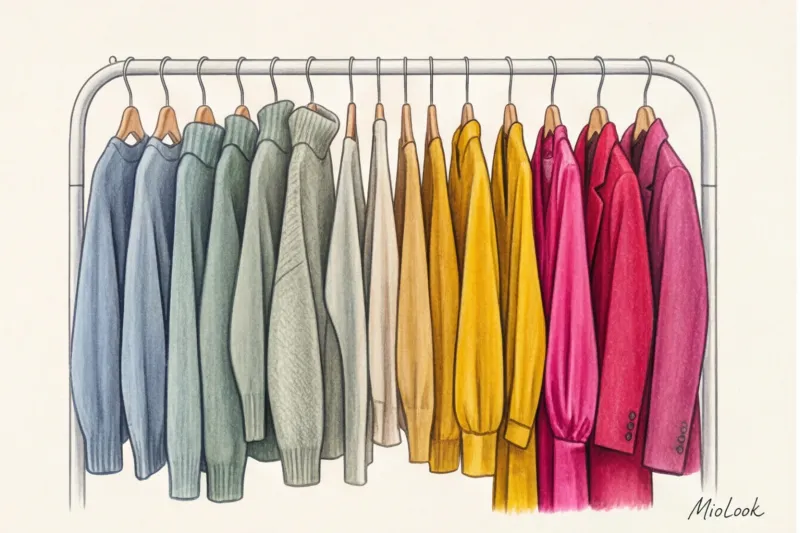
A wise, situational choice of color allows you to consciously shift your archetypes. For example, you have a challenging day ahead. In the morning, you'll be working analytically with documents, requiring concentration (the Sage archetype). The ideal choice: a smooth gray cardigan made of thick cotton (from 180 g/m²). And in the evening, you'll be presenting to investors (the Ruler or Magician archetype). Simply add a cobalt-colored silk scarf for €40 to the gray base, and your visual frequency instantly shifts.
If you find it difficult to organize such a varied wardrobe on your own, try the digitization function in MioLook The app helps you clearly see which shades you have too much of in your closet and which ones you desperately need to create balance.
A practical checklist: how to adapt "foreign" colors to your personality type
Let's say you're an introvert, but the dress code or personal preference dictates adding a touch of red. Or you're an extrovert, but you're required to wear corporate gray. As a stylist, I assure you: there are no wrong colors, only the wrong placement and texture. Here are three rules that work without fail.
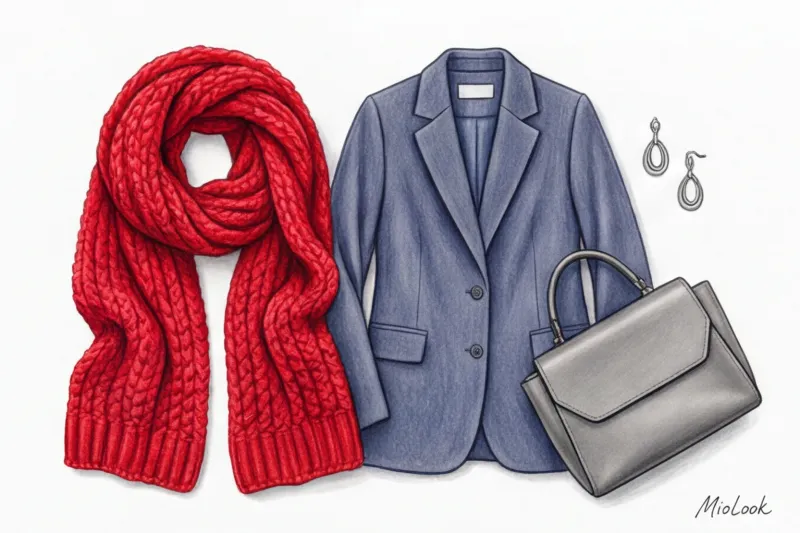
- Portrait zone rule. What's closest to your face influences you the most. If a color tires you, move it down. An introvert might feel uncomfortable in a scarlet sweater, but scarlet shoes or a burgundy midi skirt won't even enter their personal field of vision throughout the day. You project color, but you don't tire of it.
- The rule of textures (for extroverts in gray). Gray wool absorbs light. If a cheerful extrovert wears a matte gray suit, they'll look dull. The solution? Replace the matte texture with a reflective one. A gray patent leather trench coat, a top with silver sequins, or an exaggerated, theatrical jacket (in the style of Balenciaga). The shape and shine compensate for the lack of color.
- Contrast rule. If a color seems too vibrant, tone it down. A combination of pure blue and white always looks sharper and more vibrant than the same combination of blue and beige. Neutral base shades act as softeners for overly bright trends.
It's worth noting one fair caveat: these rules won't work If you have a super-strict corporate dress code (for example, White Collar at a conservative bank), attempting to wear an oversized jacket or red shoes will only raise questions from HR. Within these strict limits, the only remaining tool is microdosing in the form of invisible underwear, linings, and the texture of the fabric itself (for example, choosing a silk blend instead of dry wool).
Summary: Your personality is your main stylist
The connection between clothing color and a person's personality is not a rigid dogma, but a dynamic tool for your personal self-regulation. Your wardrobe shouldn't dictate who you are. It should serve your current state.
Next time you go shopping, don't ask yourself, "Is this fashionable?" Ask yourself, "How will this make me feel?" Try breaking your habits for the sake of experimentation: if you always hide in black, try a terracotta scarf. If you're used to dazzling in fuchsia, try spending a weekend in premium cream cashmere. You'll be surprised how much a change of palette can change your inner rhythm.