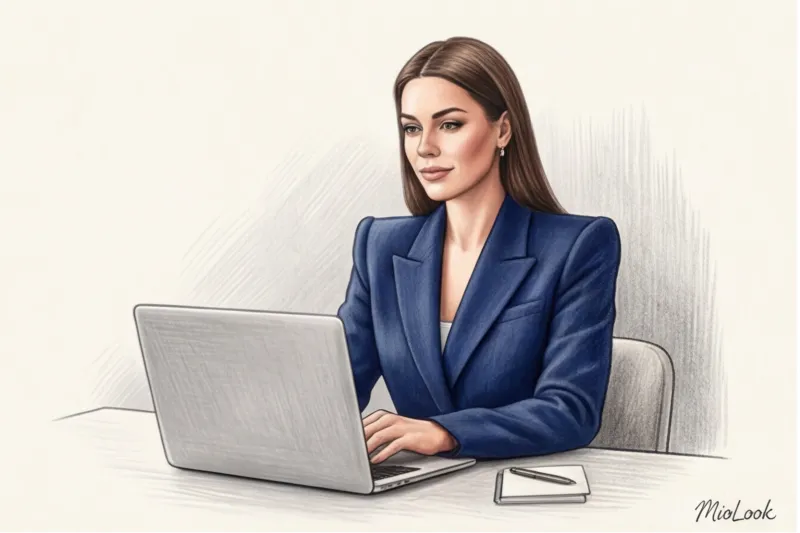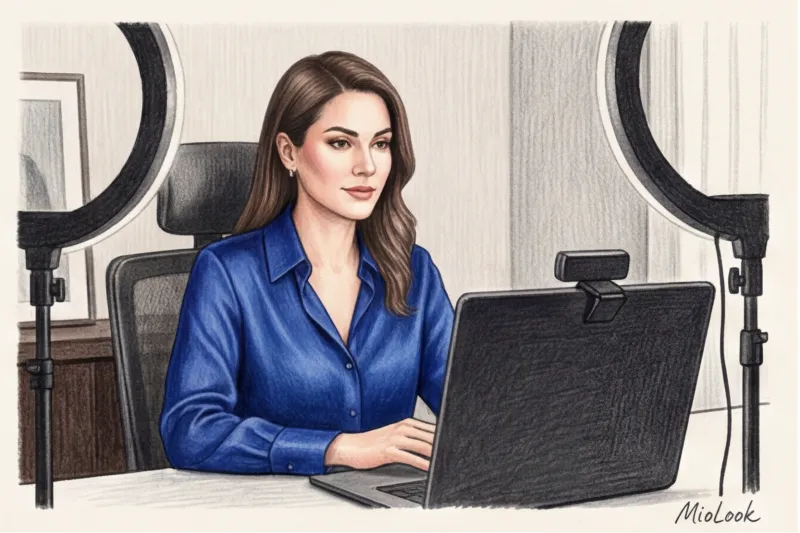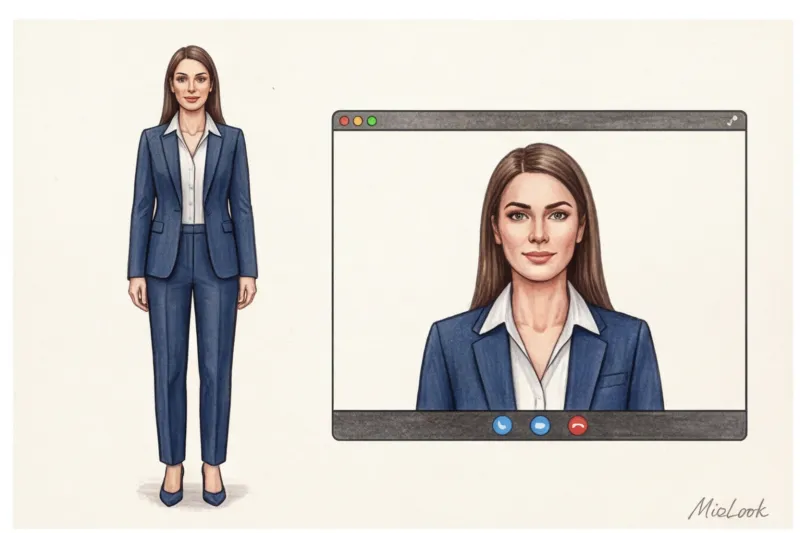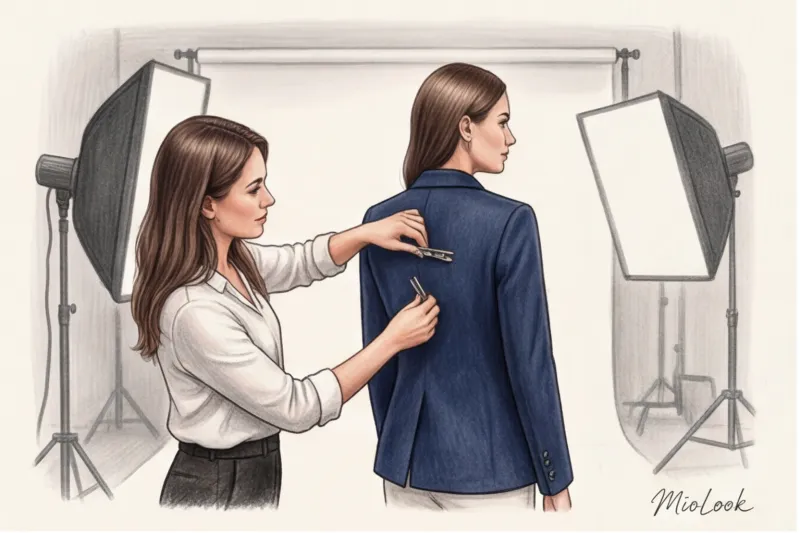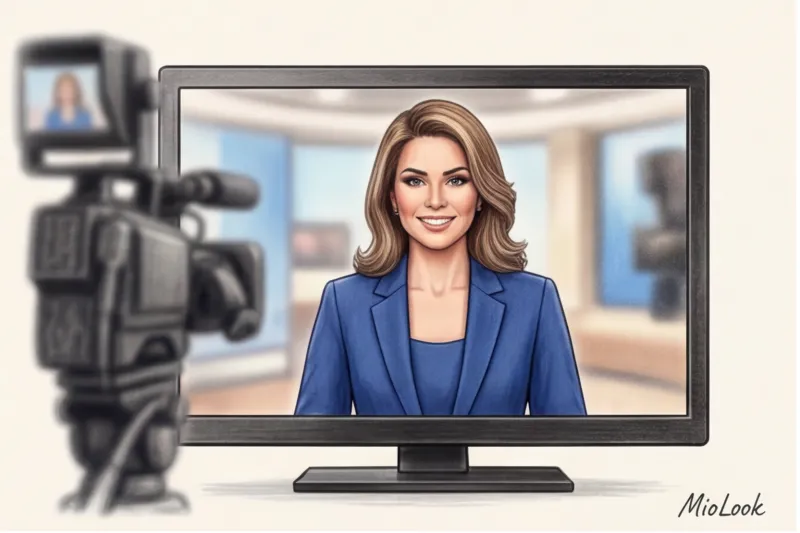
One day, a client of mine, a brilliant top manager at a fintech company, showed up to a taping of a national television broadcast wearing a stunning fuchsia silk blouse. In the dressing room mirror, she looked like a million bucks. But as soon as the studio lights turned on, the fabric gave off a telltale shine, the heavy lavalier microphone pulled her thin collar down to her collarbone, and within five minutes, the heat under the lights had created spots. We miraculously saved the broadcast—my spare matte jacket, which I always keep in the trunk.
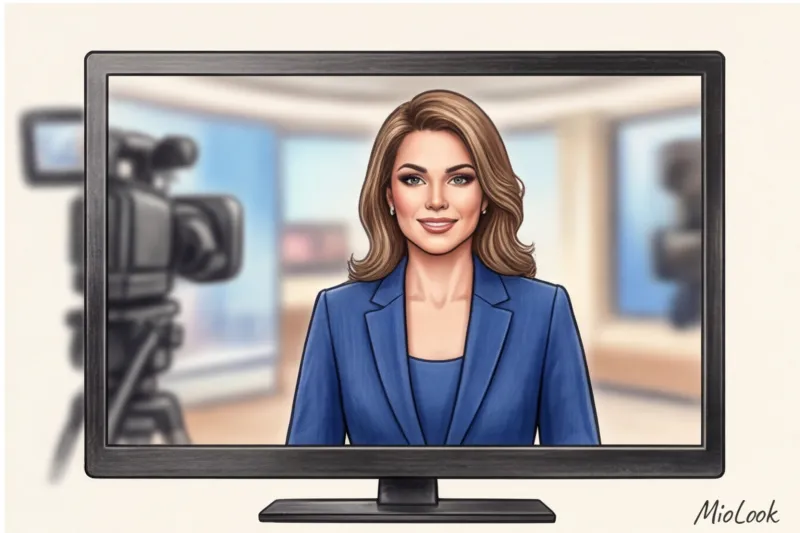
In 12 years of working as a stylist, I've learned one hard and fast rule: what looks gorgeous in real life can turn into a visual disaster under the lens. In our complete guide Dressing for Public Speaking: How to Look Classy We've discussed the psychology of influence through wardrobe in detail. But when the red recording light comes on, the merciless physics of light and optics come into play.
Well chosen clothing for video filming and interviews It's not just a matter of good taste. It's your ability to manage technical distortions. Today, we'll explore not trivial advice like "wear blue," but the real mechanics of how fabric, studio lighting, and modern 4K cameras interact.
The Camera Sees It Differently: Why Your Favorite Costume Might Ruin the Broadcast
The human eye is a perfect instrument that smooths out imperfections and adapts to lighting. Camera lenses work differently. According to the updated BBC Broadcasting Technical Standards (2023) for 4K and 8K formats, modern sensors exaggerate any microtexture. What appears to you as slight sloppiness will appear sloppy on screen.
The camera is unforgiving of pilling, dandruff, pet hair, and even the slightest wrinkle. Ultra HD resolution brings out every lint on your sweater. That's why loose knits and linens are the main enemies of a television shot.
"The perfect shot is built on contrasting textures, not on garish details. Your goal is to make the viewer look at you, not at the intricate cut of your shirt."
My favorite formula for the perfect shot, tested over hundreds of shoots, is this: Thick jacket + matte fabric + medium color saturation = absolute focus on the speaker's face.
Access to MioLook for €0.99 — one-time payment
A smart AI stylist will select the perfect look for any event.
Get access — €0.99 onceOptical Illusions: Colors and Prints That Drive Technology Crazy
Have you ever noticed how a news anchor's jacket starts to strangely "ripple" and shimmer on the screen? It's called the moiré effect. It occurs due to physical interference: when a fine pattern on the fabric (houndstooth, pinstripes, small checks) overlaps the pixel grid of the camera sensor, the camera goes crazy.
Even if a pinstriped suit looks like the epitome of Wall Street in the mirror, it will "dance" on video, leaving the viewer slightly dizzy. Save intricate prints for in-person meetings. For video, always choose solid colors.
Filming on a chroma key (green or blue background), where a virtual studio is then inserted into the graphics, is a different story. If your clothing has even the slightest hint of green (even turquoise or olive), your torso will appear transparent in editing. Always confirm the background color with the producer beforehand!
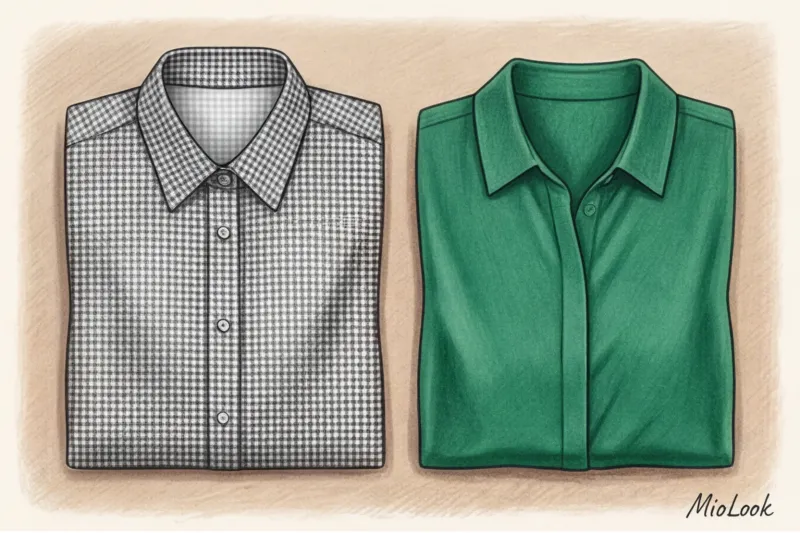
Cameras tend to "eat" up to 15-20% of color saturation. Pastel tones (light blue, pale yellow) often look washed out and dull on video. The ideal palette for broadcast is gemstones: sapphire, emerald, deep burgundy, rich dusty rose, or terracotta.
The Black-and-White Myth: Why Primary Colors Ruin a Shot
This is where the biggest misconception lies. Nine out of 10 of my new clients believe that a white top and black bottom are the safest outfit for video shoots and interviews. As a practicing stylist, I can tell you: for a video camera, this is the worst possible choice.
Why is white the enemy? A crisp white shirt acts as a powerful reflector. Under studio lighting, it becomes the brightest spot in the frame. To prevent the shirt from becoming a luminous blob, the camera operator is forced to close the camera's aperture. The result? Your face is cast into shadow, and your skin looks dull and tired.
Why doesn't black save you? Black absorbs light. In videos, it turns into a flat "black hole," lacking volume and tailoring details. You lose your silhouette.
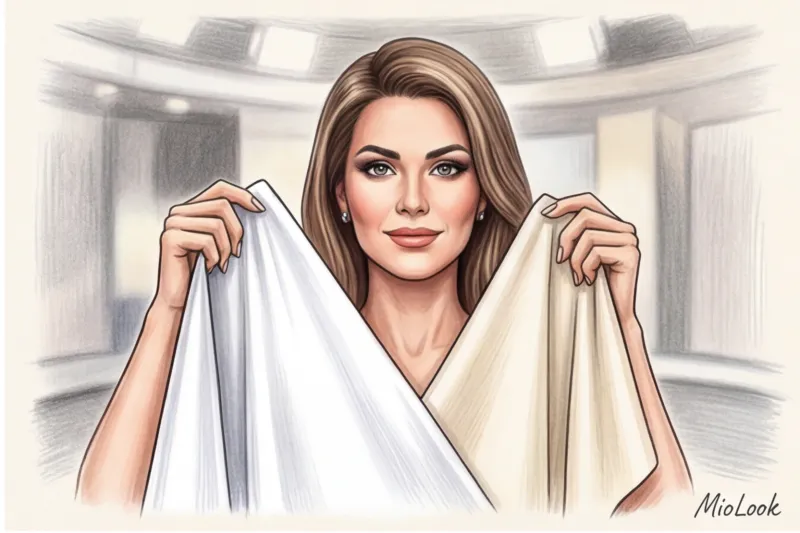
What to replace it with? Instead of stark white, try ivory, ecru, light beige, or pearl gray. Instead of stark black, choose navy blue, deep graphite, or dark chocolate. These shades maintain a sober look while allowing the camera to "read" the texture of the fabric.
Silhouette architecture: seating positioning for microphones and angles
A television look isn't just about how a piece fits you, but also how it handles the integration of equipment. A problem that beginners often forget: a lavalier microphone has weight.
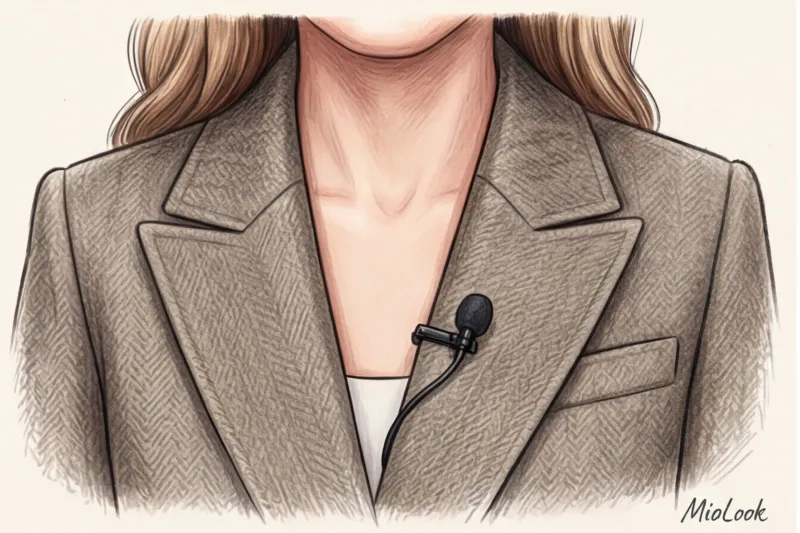
Light silk blouses, fine knits, or unlined viscose dresses inevitably sag under the weight of the microphone clip. This disrupts the shoulder line and sometimes unflatteringly reveals cleavage. Furthermore, the microphone cable needs to be hidden somewhere, and the transmitter itself (a bodypack the size of a deck of cards) needs to be secured to the body.
An insider secret for TV stylists: always check the fabric's density. The lapel of a heavy suit jacket is the absolute best place to attach a lapel microphone. It holds its shape, and the wires are easy to hide under the jacket. For a transmitter, you'll need a strong waistband on your skirt or trousers (the elastic won't support the weight and will slip), or deep pockets.
Your perfect look starts here
Join thousands of users who look flawless every day with MioLook.
Get access — €0.99 onceBy the way, it is for such cases that I recommend using capsule wardrobe feature in the MioLook app I often create a separate capsule collection for my clients called "For Live Events," which features only tried-and-true pieces: with thick lapels, proper pockets, and no flashy details.
Test drive poses: barstool, recliner, or counter
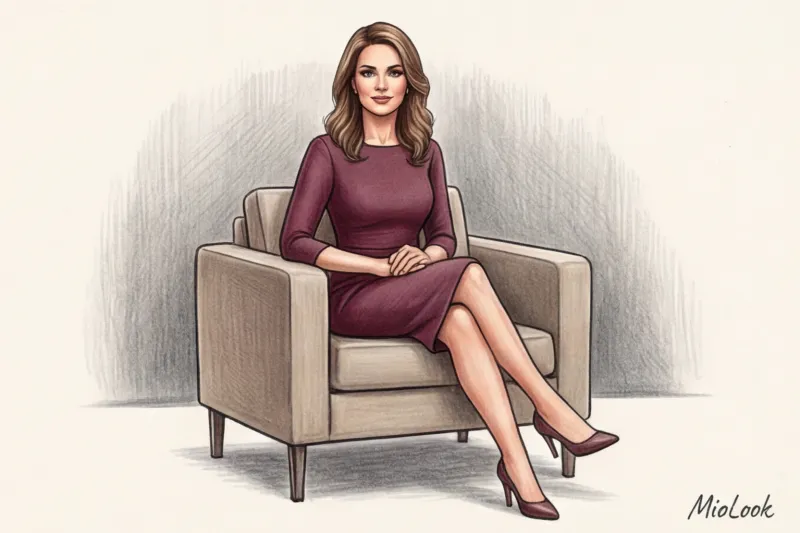
At home, you stand in front of a mirror. In a studio, you'll likely be seated. And that's where the surprises begin.
If you're seated in a deep, soft studio chair, any skirt will instantly rise. The stylists' golden rule applies here: "plus 10 centimeters." A skirt that seems perfect when you're standing may be provocatively short in the chair. Choose a midi length that hits just above the knee.
If the interview takes place on high bar stools, there's a danger for those wearing wide-legged (palazzo) pants—the fabric will sag unattractively between the legs. For both men and women wearing classic pantsuits, the length of their socks is critical. A hairy shin or a strip of white skin between the trouser hem and the shoes is a classic visual flop. Choose over-the-calf socks that match the color of your trousers.
Fabrics under the spotlights: what treacherously glitters and what saves
A studio is an extreme environment. According to research into film set ergonomics, the temperature under direct professional spotlights can be 20-30% higher than room temperature. Add to this the natural anxiety of being in front of the camera, and you have the perfect conditions for profuse sweating.
Thin cotton, silk, and light linen will instantly show wet spots in the armpit area. Furthermore, satin, lurex, patent leather, and sequins act like mirrors, reflecting directional light directly into the lens, creating harsh, eye-scorching highlights.
Life-saving fabrics:
- Matte crepe (perfectly absorbs light and does not wrinkle).
- Thick suit wool (for example, category Super 120s - it breathes but holds its shape).
- High density viscose (from 200 g/m²).
- Thick jersey (fits comfortably and does not restrict movement).
The dense fabric works like a light corset: it gathers the silhouette, hides minor figure flaws and looks expensive in the frame.
Accessories and beauty details: the silent thieves of attention
While camera operators detest gingham, sound engineers detest layered necklaces and dangling earrings. According to a 2024 report by the Cinema Audio Society, up to 15% of interview takes are rejected due to "sound debris" from the speaker's clothing.
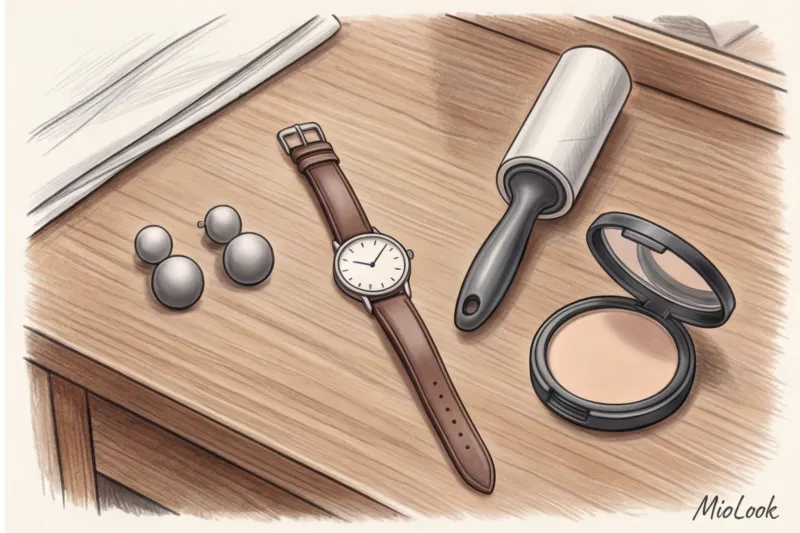
Every time you gesture or turn your head, your metal bracelets jingle, and large earrings knock against your headset or lapel mic. Opt for stud earrings, a watch with a matte leather strap, and avoid brooches on the side of your chest where the microphone will be attached.
Pay special attention to your glasses. If you wear glasses, make sure they have a high-quality anti-reflective coating (AR coating). Otherwise, viewers will see the reflection of ring lights and spotlights in your eyes, not your gaze.
Ready to get started?
Try MioLook's free plan—no commitments or card required.
Get access — €0.99 onceAs for makeup, the camera cuts out contrast and accentuates shine. You'll need twice as much powder as you normally would. Avoid highlighters and lip glosses entirely—under the lights, they'll create the effect of oily, sweaty skin. Only matte textures.
Stylist checklist: 5 steps before the command "Action!"
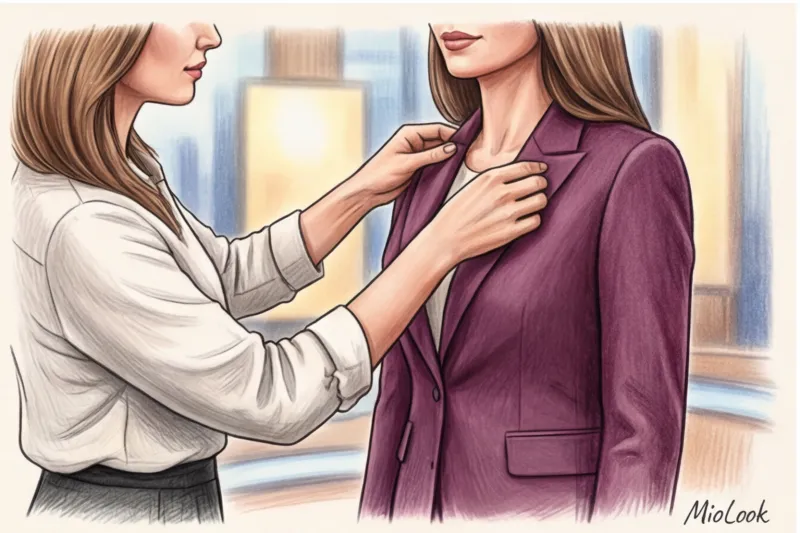
Even if you've chosen the perfect look, the last 60 seconds before the shoot are crucial. Here's a practical algorithm I use on set with every client:
- Go over it with a lint roller. Especially on the shoulders and collar. In the backlighting, every speck of dust glows like a star in the night sky.
- Straighten your jacket. Sit in a chair, unbutton the bottom button of your jacket (if it's a men's suit), and pull the jacket flaps down and back. This will remove the bulge on your stomach and the creases on your chest.
- Check the laundry under the flash. Take a photo with your phone's flash. Seamless beige underwear is the only safe option. A white bra will show through under a white blouse.
- Hide the wires. Make sure the microphone cable runs under your clothing and not dangling over your tie or blouse.
- Take a sip of water. Dry lips look unsightly in close-ups, but light hydration from within works better than any gloss.
Important clarification: This checklist works flawlessly for studio recording and conference rooms, but it won't save If the shoot takes place outdoors in strong winds or below-freezing temperatures, the rules for layering and securing fabrics are completely different for outdoor shoots.
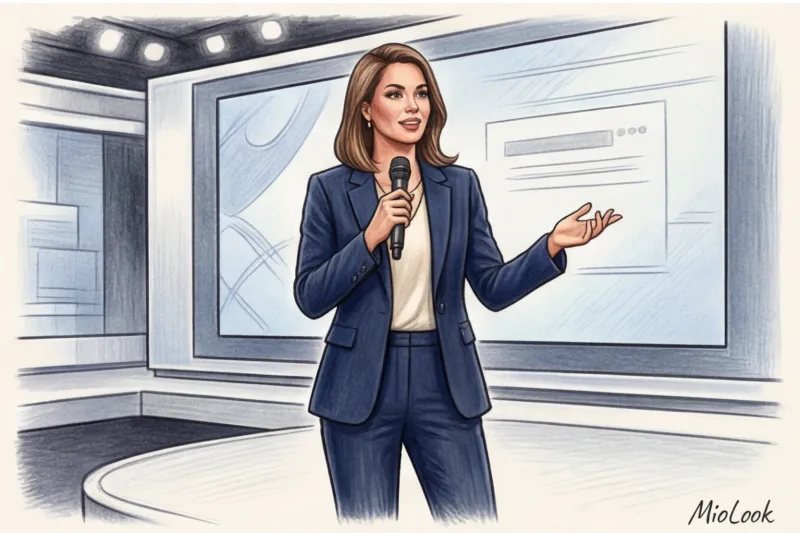
Your style is your second microphone
Your clothing in a video should work for you, not steal the viewer's attention. When you're sitting in a studio explaining your company's growth strategy or presenting a new product, your audience should be listening to your message, not staring at the dancing stripes on your shirt or wondering why you're sweating so much.
Before an important shoot, be sure to test-drive the look at home. Put on your chosen outfit, sit in front of a window or lamp, turn on high-definition video recording on your smartphone, and talk for 2-3 minutes, gesturing actively. You'll immediately spot 90% of potential problems.
To avoid having to think about all these nuances, digitize your wardrobe. Download successful “on-the-go” looks to MioLook marked "For video." And the next time you're called in for an interview two hours before the broadcast, you can simply open the app and choose a look guaranteed to make you the star of the shot.