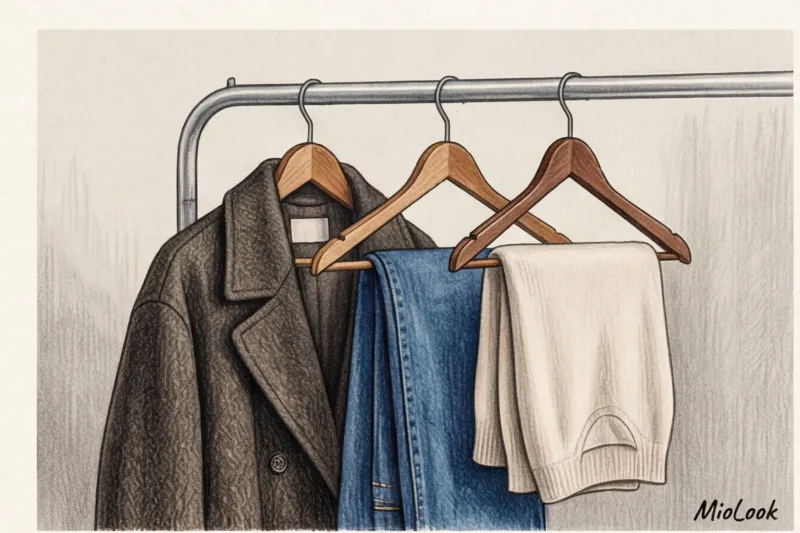
Did you know that about 65% of modern mass-market clothing is essentially plastic? When we buy another acrylic sweater or a coat with barely 20% wool, we're investing in something that will lose its appearance after exactly three washes. Over 14 years as a personal stylist, I've conducted hundreds of wardrobe reviews and can confidently say: clothing quality has plummeted over the past decade. The fabric density and stitch quality of what's sold in the mid-price segment today are inferior to those found in regular department stores in the late 1990s.
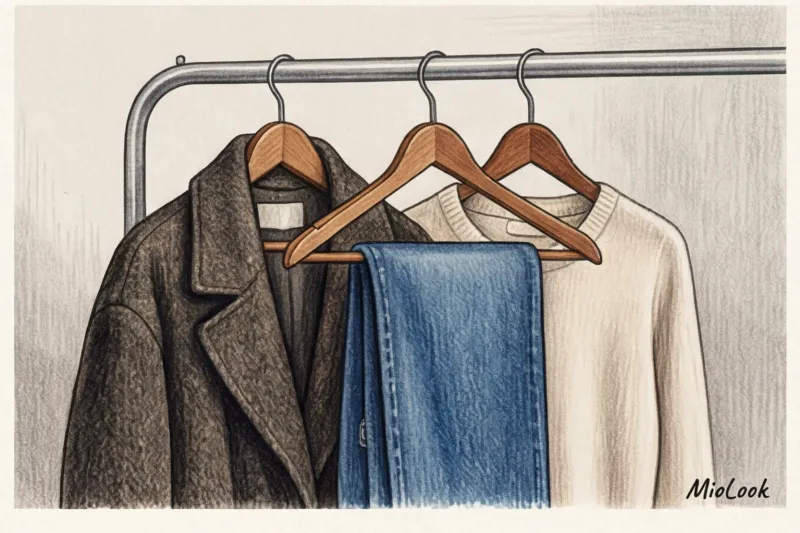
That's why my clients are increasingly choosing vintage. When they ask me, What clothes are best to buy at a second-hand store? Many people expect a list of specific brands. But the logo on the tag is secondary. Much more important are the weight of the fabric, the density of the weave, and the cut architecture. I've already written in more detail about the basics and mechanics of searching in our The complete guide "How to shop second-hand: finding gems" Today we'll explore the technical side of the issue: how to distinguish by touch an item that will last for decades from a disposable rag.
The Holy Trinity of Wardrobe: What Clothes Are Best to Buy at a Second-Hand Store?
The old stylistic rule of "buy basics from the mass market and accents from designers" no longer applies. A modern basic T-shirt made of thin viscose stretches diagonally after a month, and classic trousers are sewn using the flattest possible patterns to save fabric when cutting.
Vintage patterns were created with the body's anatomy in mind. They included darts, proper sleeve fit, and sufficient hip volume. This is 3D modeling, something 90% of items on the racks in shopping centers today lack. That's why I've shifted my clients' focus to resale. Up to 70% of their capsule collections now consist of pieces with a history. If you're just starting out with mindful shopping, focus on three pillars: outerwear, denim, and knitwear.
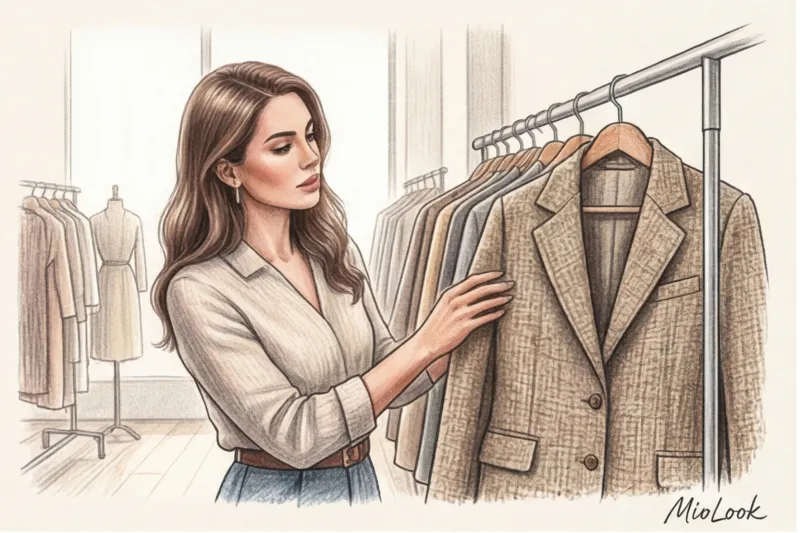
Outerwear: An investment in tailoring and 100% wool
One of my clients, a top manager at an IT company, bought a coat from a well-known premium brand for 800 euros. It was a beautiful camel shade and had a trendy cut. By November, the sleeves were covered in tiny pills, and the hem had become wavy. Why? The manufacturer cut corners on the interlining (the lining that holds its shape) and added 30% polyamide.
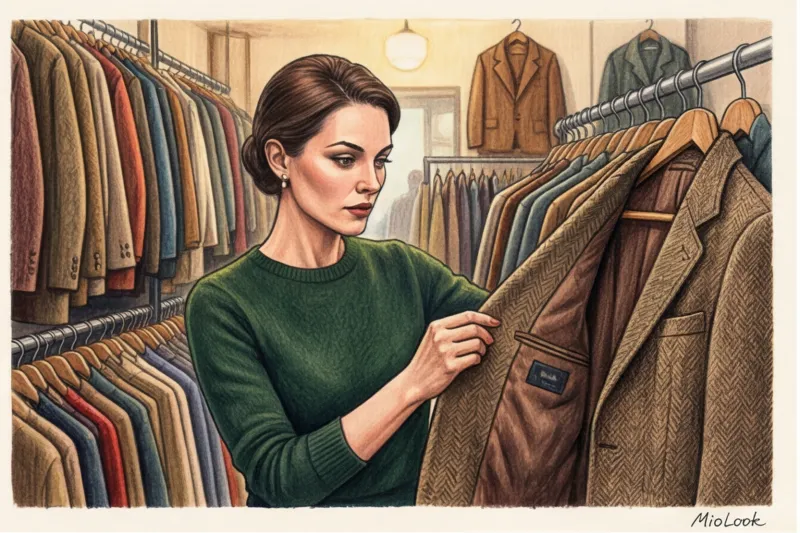
We solved the problem radically: we went to a vintage store and found an original 1980s Burberry trench coat and a thick wool coat from a no-name brand in the men's section for 80 euros. The coat weighed twice as much as her premium purchase because it was genuine, dense 100% wool with a perfect shoulder seam.
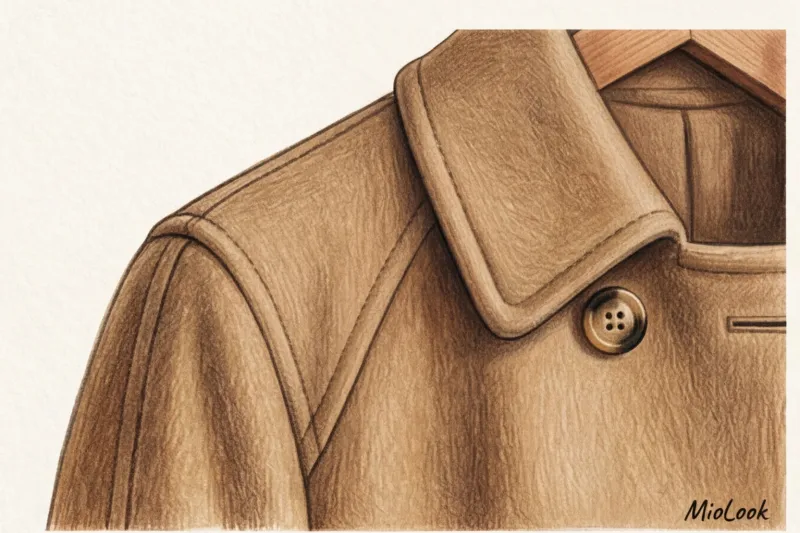
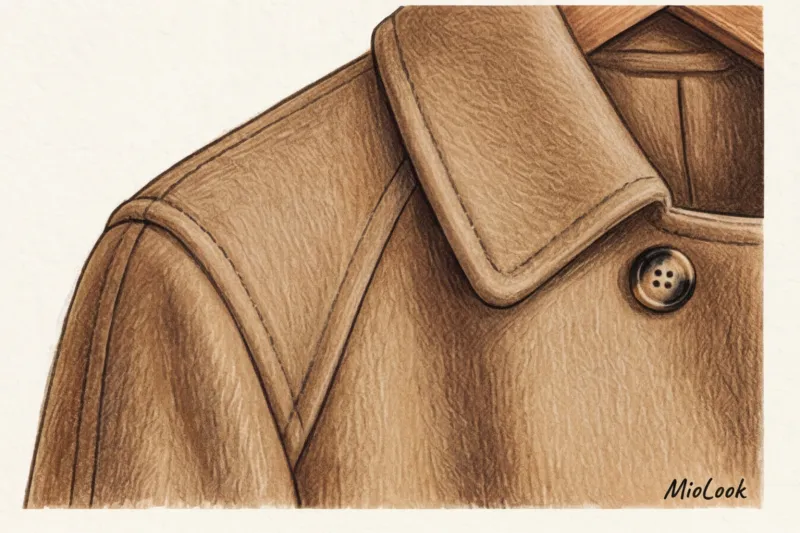
- Check your shoulder girdle: In a quality coat it is stiff and holds its shape even on a hanger.
- Look at the weight: A good coat should be heavy. If it's feather-light, even the wool label claims it won't keep you warm.
- Look in the men's departments: Men's jackets and trench coats from the 80s and 90s are the perfect tool for creating a modern silhouette. power dressing with voluminous shoulders.
Leather jackets and biker jackets: the death of eco-leather
Let's be honest: "eco-leather" is a clever marketing term for polyurethane. The lifespan of such a jacket is 2-3 years. After that, the plasticizers evaporate, and the material begins to crack at the collar and elbows. This is impossible to repair.
Vintage genuine leather behaves differently. Over the years, it develops a patina—a delicate wear pattern that makes the item look more valuable. When choosing a used biker jacket, squeeze the sleeve: the leather should be flexible, not stiff. And be sure to smell the lining—the musty smell is extremely difficult to remove from old leather.
Access to MioLook for €0.99 — one-time payment
A smart AI stylist will create the perfect look with your vintage finds and help you integrate them into your modern wardrobe.
Get access — €0.99 onceReal Denim: Finding the Right Jeans Without Elastane
The evolution of denim is a story of how comfort killed the silhouette. In pursuit of comfort, manufacturers began adding elastane to cotton. While these jeans don't squeeze anywhere, they don't contour the figure either. By evening, they stretch out at the knees and sag at the buttocks.
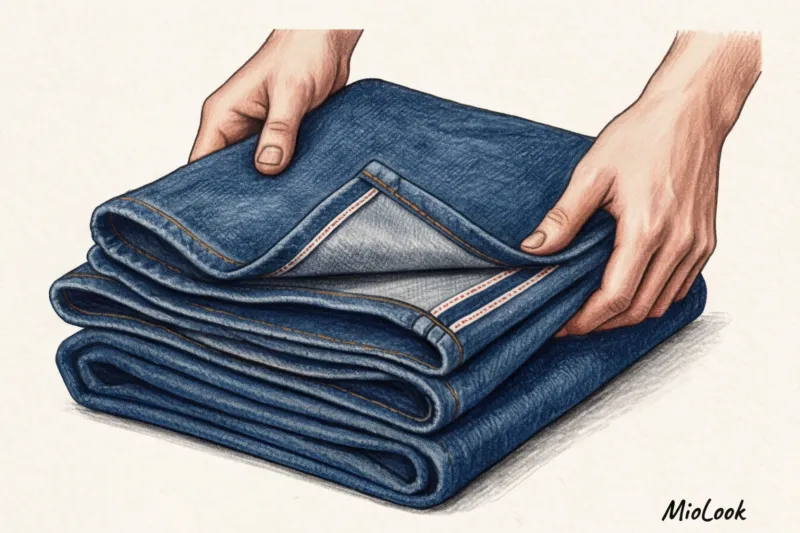
At thrift stores, we hunt for the historical standard of denim. Real jeans are 100% cotton and weigh at least 14 ounces (oz). By comparison, modern mass-market jeans are made from 9-11 oz denim. 14-oz denim initially feels stiff, almost like cardboard. But after a couple of weeks of wear, it fits perfectly and begins to work like a corset, cinching your stomach and hips.
"High-quality vintage denim doesn't stretch; it conforms to your body shape. It's an investment in fit that you can't get from modern stretch fabrics."
How to recognize a masterpiece on a rail?
- Turn the pant leg inside out. If you see a white edge with a red or blue thread woven into it on the side seam, you have the right one. selvedge denim This is a sign of the highest quality of fabric woven on old shuttle looms.
- Evaluate the fittings: copper or brass rivets, punched through with flesh, indicate durability.
- Look at the fading: in the right denim, it is contrasting, creating beautiful "honeycombs" under the knees and "whiskers" in the groin area.
Cashmere vs. Wool: Why Vintage Sweaters Don't Pill
According to the textile industry, the 2010s saw a massive shift to short-fiber raw materials. To reduce production costs, brands began using down from younger goats and short fibers. It is the short ends of the fibers, which rise to the surface and form the pilling (or pills) that form when rubbed.
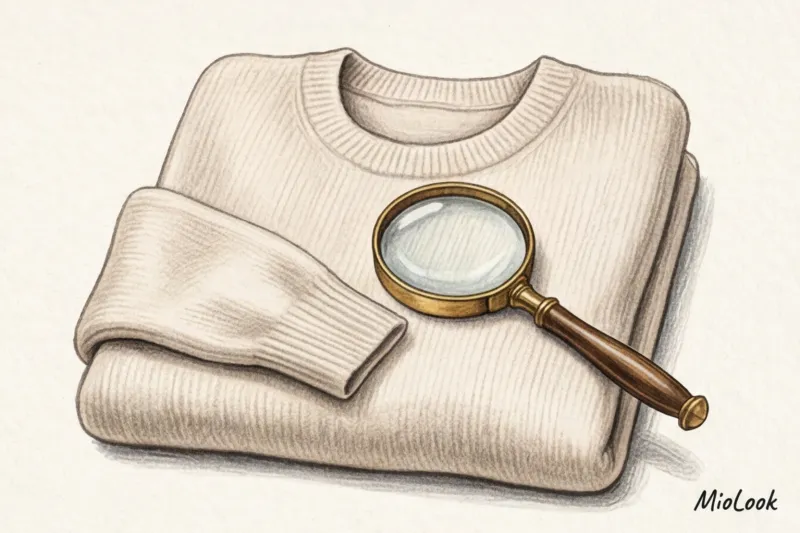
A modern cashmere sweater that won't pill over the course of a season now costs from €400. You can find perfect 100% vintage cashmere at resale stores for €40-70. Look for Italian or Scottish knits from the '90s or early 2000s. Back then, the standard was 2-ply, long-staple yarn.
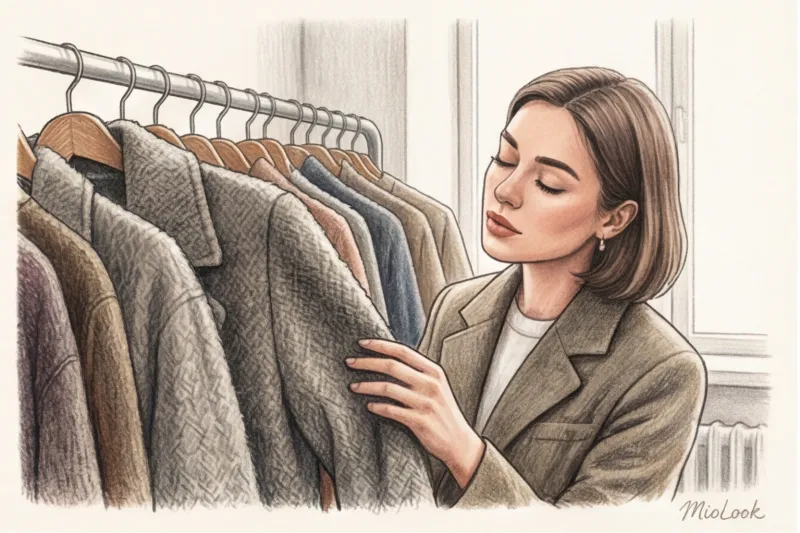
Over the years as a stylist, I've developed my own "blind test," which I now teach to clients. Close your eyes and rub the fabric between your thumb and forefinger. Cheap modern cashmere feels too fluffy, almost oily (often due to chemical softeners). Proper vintage cashmere is dense, springy, and less fuzzy at first glance, but incredibly soft.
Your perfect wardrobe starts here.
Add your vintage cashmere sweaters to the MioLook digital capsule and get daily ideas for stylish combinations.
Get access — €0.99 onceStylist's Stop List: What You Should Never Buy Second-Hand
Now let's debunk a popular myth. Many fashion bloggers recommend searching thrift stores for vintage silk and designer shoes. As a practitioner, I'm categorically against it. Here's why.
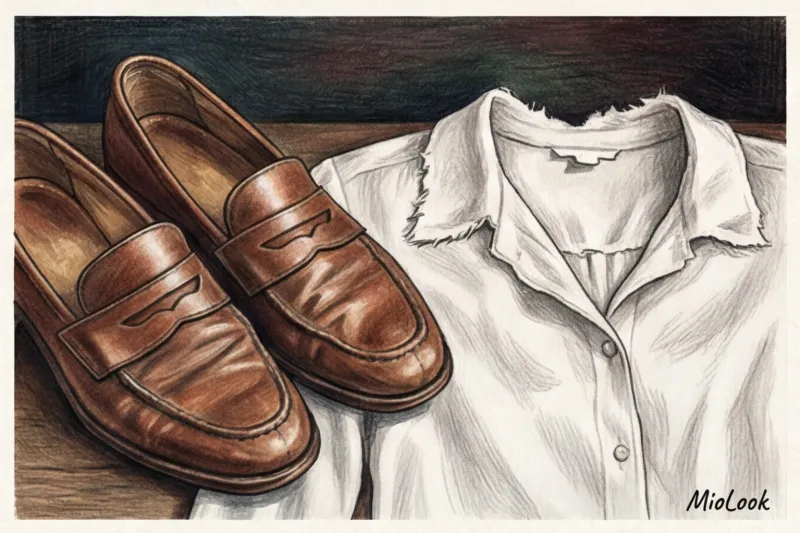
Shoes ruin your posture. Over time, the leather insoles and soles of high-quality shoes become shaped to fit the wearer's foot. By putting on someone else's shoes, even very expensive ones, you're forcing your foot into a different biomechanical matrix. This changes your gait, weight distribution, and ultimately puts stress on your knees and spine. This never works, even if the shoes have only been worn "a couple of times."
Vintage silk and dry rot effect. It's a collector's nightmare. The fabric sits in a closet for decades, exposed to the elements. The blouse looks luxurious, but the threads have already oxidized. You buy it, bring it home, carefully wash it in cool water—and it literally falls apart in your hands. Natural silk over 20 years old is a lottery best avoided.
Also on my stop list are always underwear, swimsuits (for reasons of basic hygiene), and felt hats with a stiff crown—they forever remember the shape of someone else's head, and it is almost impossible to reshape them to suit yourself.
Checklist: 5 steps before buying something at a second-hand store
Finding a treasure is only half the battle. It's important to ensure it won't require restoration, which would cost more than the item itself. Look expensive You can only wear neat, flawless clothes.
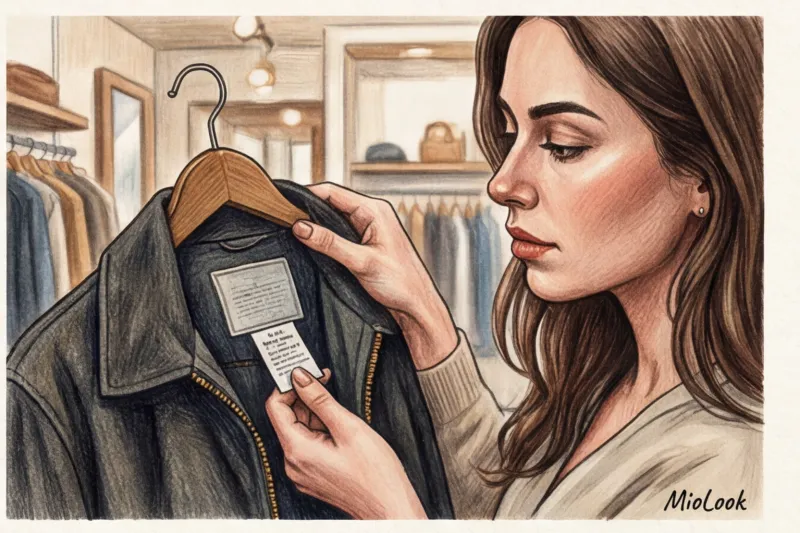
- Inspection of risk areas: Lift your sleeves and check your armpits. Deodorants from previous generations would set into the fabric, bleaching the color of cotton and silk. Check the inside of your jacket collar and the inseam of your jeans for signs of thinning.
- Checking the fittings: Replacing a plastic button is easy. But if a vintage trench coat is missing its original engraved horn button, finding a replacement will be impossible—you'll have to replace the entire set.
- Smell test: The distinctive odor associated with secondhand clothing (often formaldehyde gas) can be removed by regular washing. If the item can't be washed (jackets, coats), dry cleaning or a household ozonizer will help—it breaks down the odor molecules within a couple of hours.
- Fit rating: A tailor can shorten trousers or sleeves without cuffs for next to nothing. But if the shoulder line of a jacket is out of place, or you need to take in jeans at the waist by more than 4 centimeters, skip the purchase. Changing the shoulder or armhole design is expensive and often disrupts the balance of the entire garment.
Summary: Status through Awareness
Buying clothes at resale has long ceased to be a compromise for the sake of savings. Today, it's a conscious choice for people who appreciate fabrics and don't want to overpay for polyester with a big name on the label.
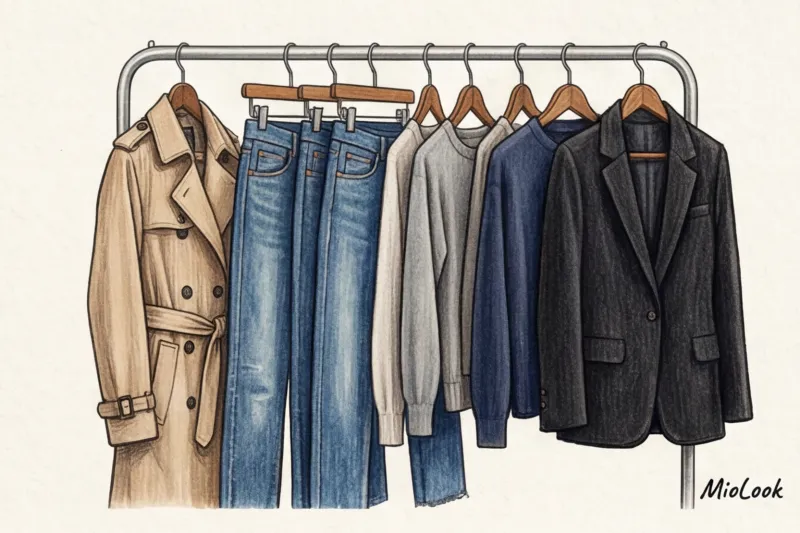
The combination of a heavy vintage coat, the right crisp denim, and thick cashmere automatically elevates your style. You'll stop looking like a mannequin in a store window and gain a unique individuality that's impossible to copy. Take stock of your closet today, write down what's missing from your essentials, and set out on a quest to find your perfect "holy trinity."