The Anatomy of the Ideal Look: What to Wear on Long-Distance Car Trips
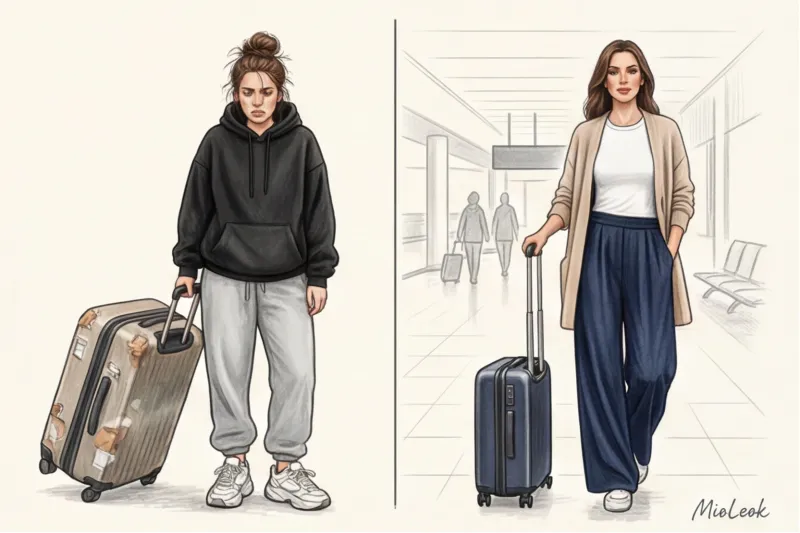
Have you ever gotten out of the car after an eight-hour drive with the feeling of rust in your knees and a seatbelt pattern imprinted on your stomach? Most of us make the same mistake: confusing sleepwear with clothes for prolonged sitting. Old, stretched-out sweatpants and an oversized hoodie might be fine for the couch, but in a car seat, they become instruments of torture, bunching up in hard folds under the belt.
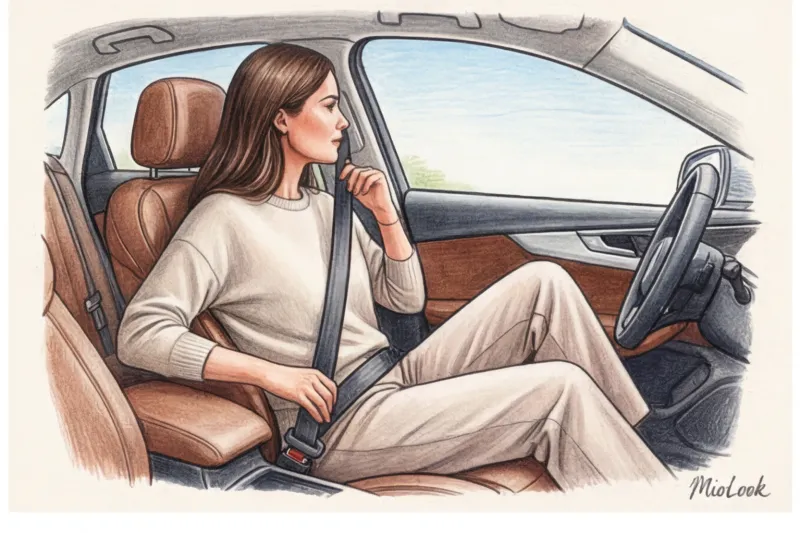
In 2019, I set off on a 15-hour road trip from Milan to Provence. In my haste, I wore my favorite stiff vintage Levi's jeans. By the time I crossed the border, my belt felt like it had cut me in half, and my feet were so swollen I had to take off my sneakers. This painful experience forced me to rethink my travel wardrobe from a biomechanical and textile engineering perspective.
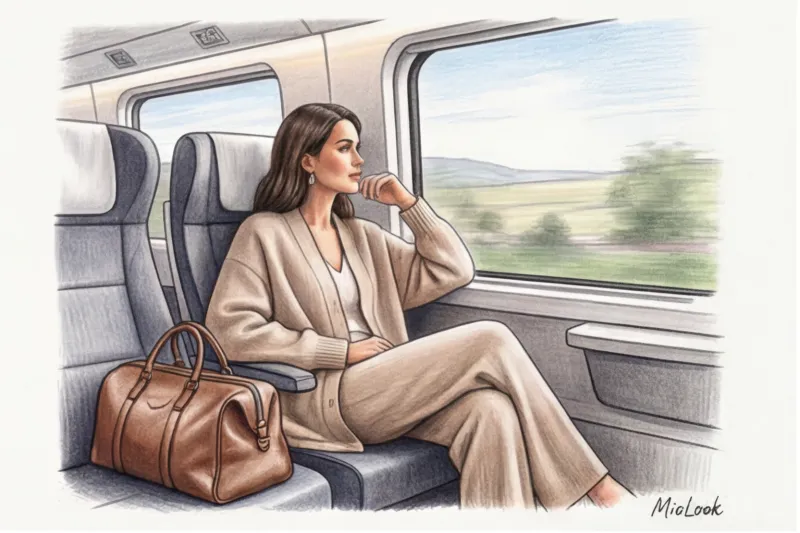
When clients ask me, What to wear in a car for long distances I propose the concept of "Road-Trip Chic." It's a balance between pajama comfort and a poised look that allows you to walk into a decent hotel lobby or a gas station restaurant without embarrassment. Incidentally, the principles of choosing clothes for the car largely overlap with those for air travel. We discussed this in more detail in our The complete guide to stylish and comfortable airplane outfits.
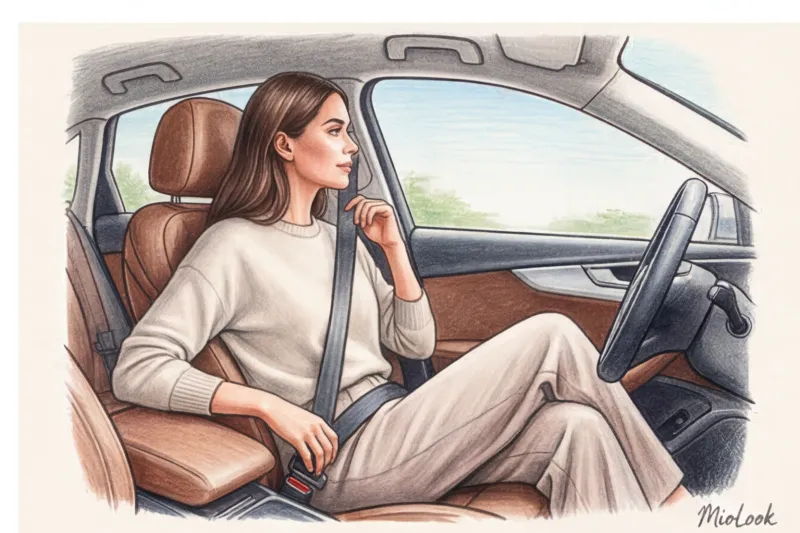
The specifics of car travel are rooted in biomechanics. In most modern car seats, the pelvis is positioned just below the knees. This position shortens the hip flexors and creates constant pressure on the diaphragm and abdominal cavity. Your clothing should not exacerbate this compression.
The Biggest Myth of Road Trips: Why 100% Cotton Is a Bad Idea
If you open a typical travel advice article, the first point will be: "Choose natural, breathable fabrics, such as 100% cotton or linen." As a textile expert, I strongly disagree.
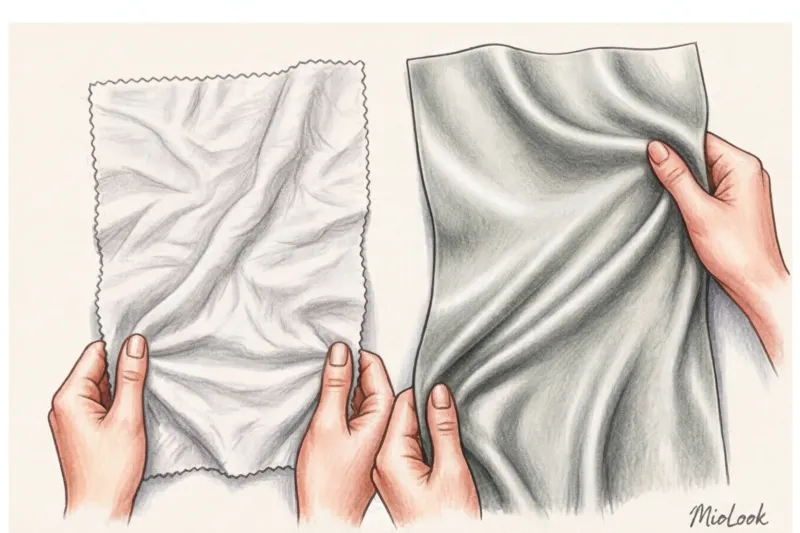
Pure cotton has a zero rating recovery (elastic recovery). This means the fiber, stretched under the pressure of your knees or buttocks, won't return to its original shape until the next wash. The result? After two hours of walking, you'll have unsightly "bubbles" on your knees and hard creases in your groin area that dig into your skin.
"Cotton absorbs moisture well, but releases it very slowly. If you sweat from contact with synthetic seat upholstery (especially leather), a damp cotton T-shirt will turn into a cold compress with the first whiff of air conditioning."
Your best friends on the road are modern synthetic and blended fibers. I recommend looking in the ingredients tencel (lyocell), modal or cupro They are made from wood pulp, have a silky texture, cool the skin, and drape without creating stiff folds.
The ideal formula for a smart travel fabric looks something like this: 70% viscose or tencel (for breathability), 25% nylon or polyester (for durability and wrinkle resistance), and 2–5% elastane (for that recovery and freedom of movement).
Access to MioLook for €0.99 — one-time payment
A smart AI stylist will select the perfect look for your next trip, taking into account the weather and dress code.
Get access — €0.99 onceA base for a long journey: choosing the right "bottom"
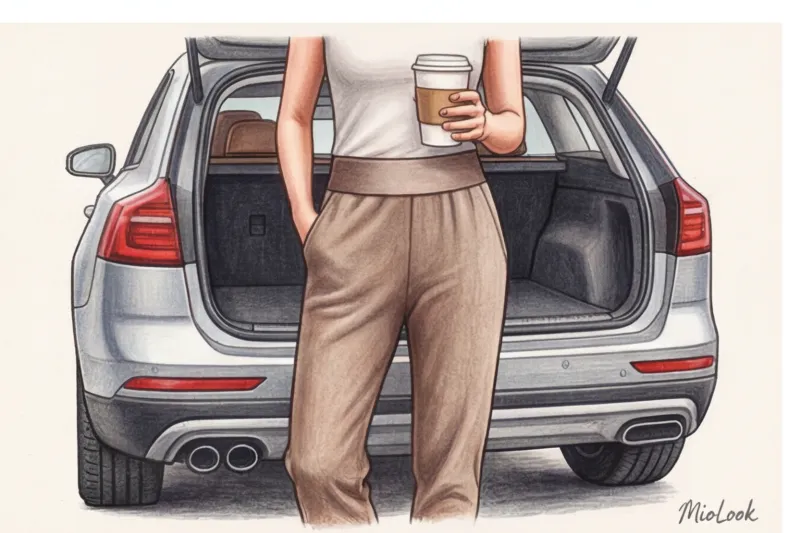
Medical fact: sitting for long periods in clothing with a stiff waistband (especially a leather belt) compresses the iliac vein, impairing blood flow from the lower extremities, and puts pressure on the intestines, causing bloating. Therefore, the main criterion for choosing trousers is a wide, soft, elastic waistband of at least 4-5 centimeters.
One of my clients, a top manager, had to drive six hours to a country business retreat, where she was immediately met by colleagues. Joggers were out of the question. We picked out palazzo pants for her, made of thick viscose jersey (the so-called heavy knit ) with a smooth elastic waistband. In the car, she felt like she was wearing pajamas, and when she got out and threw on a structured blazer, she looked absolutely classy.
Great alternatives for the road:
- Cashmere or merino wool blend joggers (premium level thermoregulation).
- Tencel culottes (they don’t wrinkle, they flow, they don’t cling to the calves).
- Leggings with stirrups made of thick pony-knit fabric (the trouser legs are kept from riding up when you change your position in the chair).
Is it okay to ride in jeans?
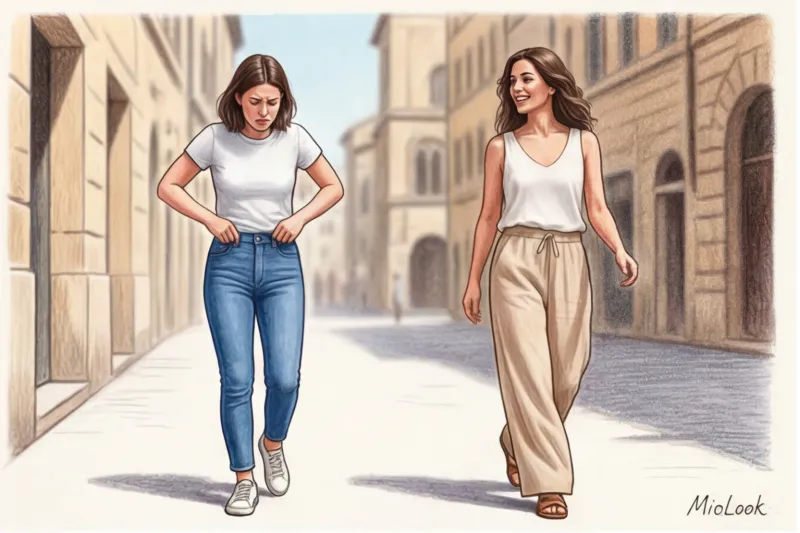
My advice: classic, rigid denim (100% cotton, weight over 12 ounces) is a no-no for trips longer than three hours. But if you can't live without jeans, follow these three rules of travel denim:
- Mid-rise fit. A high-rise waist will dig into your ribs as soon as you lean back in your chair. A low waist will slide down, exposing your lower back under the blast of air conditioning.
- Elastane content not less than 3%. It should be a soft, pliable material.
- No thick seams in the groin area. Make sure the flat felled seam is not too tight, otherwise chafing will occur.
Climate control effect: the principle of multi-layered interior design
The microclimate in a car is unpredictable. On one side, the sun is blazing through the window, on the other, the icy air conditioner is blowing on you. The only way to survive in such conditions comfortably is to layer up properly.
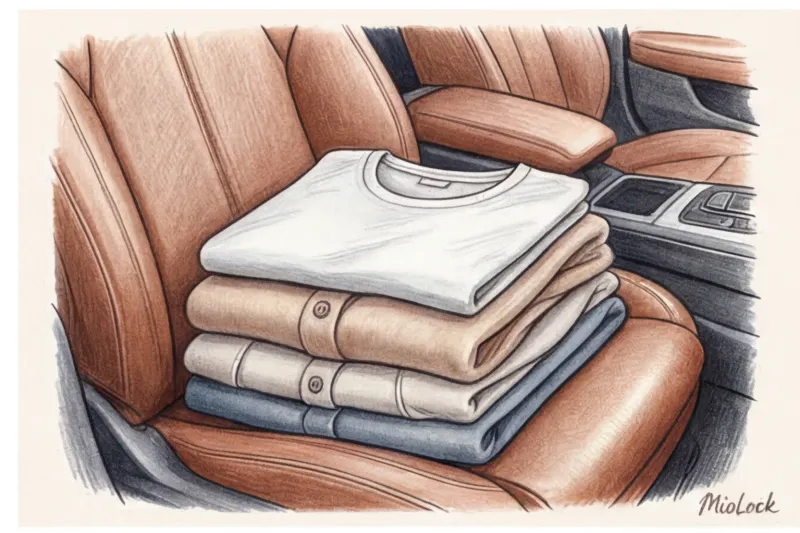
The base layer should fit snugly but not constrictingly. T-shirts or long sleeves made of modal or fine merino wool are ideal. Merino wool is a natural climate control material: it wicks moisture away from the body and keeps you warm, even when you sweat.
I strongly advise against bulky hoodies as an insulating layer. This is counterintuitive advice, as hoodies seem synonymous with coziness. But in practice, a thick hood on your back prevents you from leaning back properly against the car seat's headrest. Your neck is constantly in an unnatural forward bend, which after a couple of hours will lead to neck muscle spasms.
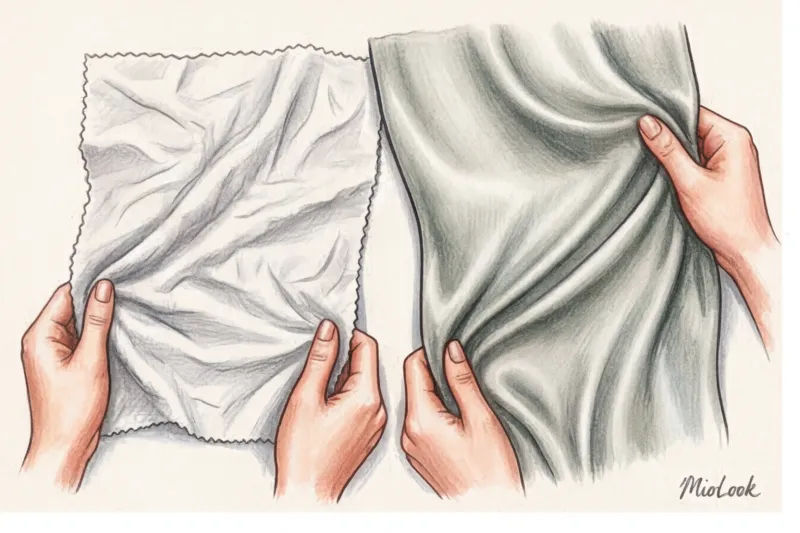
What to replace a hoodie with:
- A chunky knit cardigan with a V-neck (easy to take off with one hand, even while driving).
- A soft knit jacket without a stiff shoulder line.
- A loose flannel or corduroy shirt worn over a basic t-shirt.
Your perfect look starts here
Upload photos of your belongings to MioLook, and the app will assemble them into a stylish capsule for your trip.
Get access — €0.99 onceDriver and Passenger Footwear: Safety Over Fashion
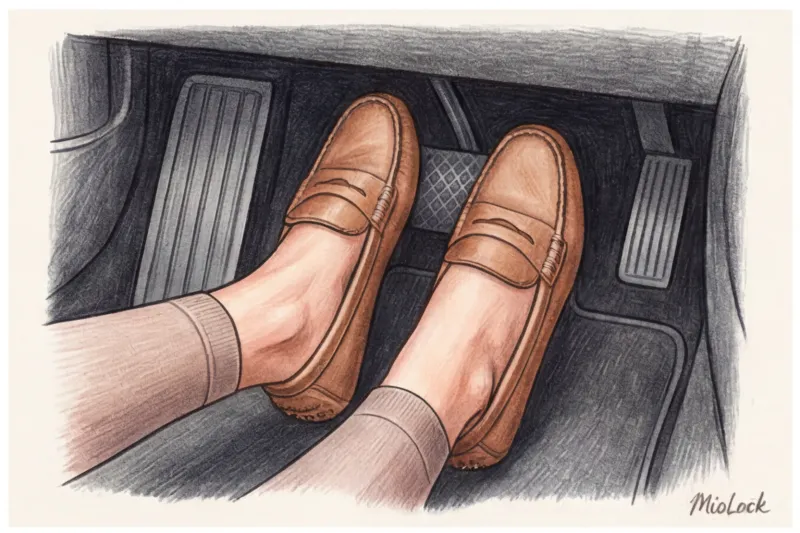
Let's start with drivers. Driving barefoot, in flip-flops, heels, or platform shoes isn't just uncomfortable; it's dangerous. Thick soles (like those found on trendy sneakers) deprive you of tactile feedback from the pedals, increasing your reaction time when braking.
The ideal footwear for a driver is soft leather loafers, moccasins with rubber studs on the heel (they prevent the foot from slipping on the mat and protect the leather from abrasion), or minimalist sneakers with a thin, flexible sole.
For passengers, the main problem is swelling. When sitting, blood accumulates in the lower extremities. If you put on tight-fitting shoes in the morning, you simply won't be able to lace them up in the evening. Passenger shoes should adapt to the changing foot volume (slip-ons, sneakers with elastic Flyknit uppers).
But my secret weapon that I make all my clients buy before long trips is compression stockings According to recommendations from international phlebological associations, compression of 15–20 mmHg is necessary to prevent deep vein thrombosis (DVT) during trips longer than 5 hours. Today, brands are producing stylish knee-high socks that look like regular thick socks but actually protect your veins and relieve "heavy legs" syndrome.
An Invisible Threat: Sun Protection Through Car Glass
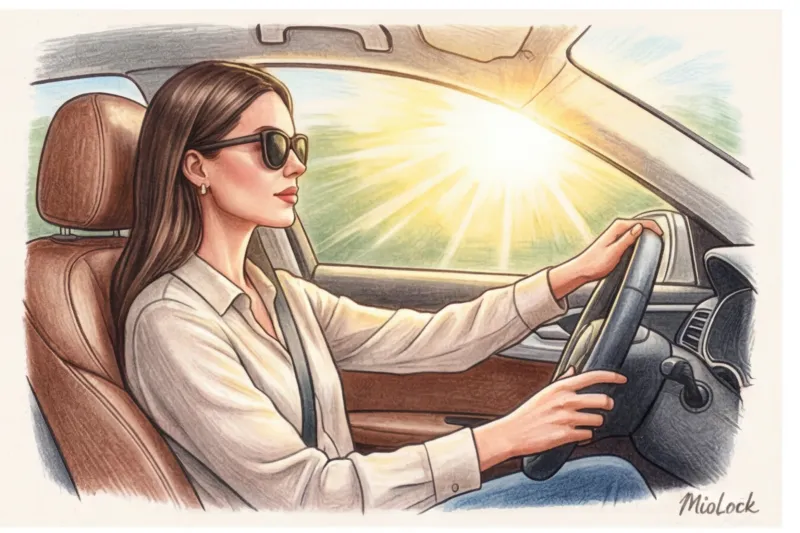
Few people consider this factor when choosing clothing. Most of us think, "I'm in the car, why should I cover my hands?" But dermatologists' data is unwavering. While a car's windshield, according to safety standards, has a film that blocks up to 98% of UVA and UVB rays, tempered side windows transmit up to 30% of UVA rays.
UVA rays are the rays that age. They penetrate deep into the dermis, destroying collagen. In dermatology, there's even a term for it: "left-sided photodamage" (for countries where traffic drives on the right side of the road), which refers to the phenomenon where the left side of a driver's face and left hand age significantly faster and become pigmented.
That's why, for summer road trips, I always choose long-sleeved shirts made of lightweight but tightly woven fabrics. A regular white cotton T-shirt has a UPF rating of about 5, allowing 20% of the sun's rays through. If you're traveling south, look for clothing specifically labeled UPF 30+ or opt for dark, heavy silk blouses.
And, of course, don't forget high-quality sunglasses. Drivers should definitely wear polarized sunglasses, which eliminate dangerous glare from wet pavement and the hoods of oncoming cars.
Ready to get started?
Organize your wardrobe with artificial intelligence. Try MioLook's free plan—no commitments.
Get access — €0.99 onceChecklist: Assembling the "Road-Trip Chic" Capsule
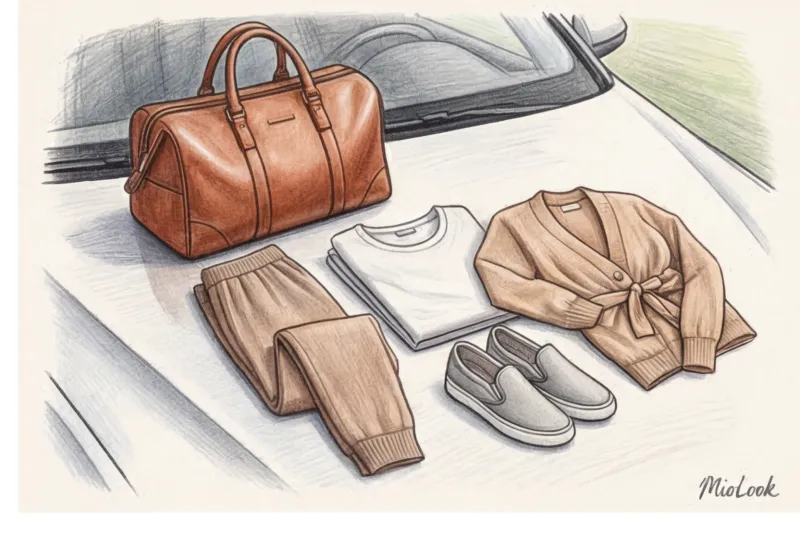
To avoid standing in front of your closet at 5 a.m. on your departure day, pack a mini capsule in advance. The beauty of this is that these same items will serve as your base for your vacation. In the app MioLook You can arrange these items in advance and make sure they match in color.
Formula for the ideal image:
- Soft drawstring trousers made of Tencel or viscose blend.
- A smooth modal top or long sleeve (it doesn't bunch up under the seat belt).
- A loose cardigan or a soft knit blazer.
- Loafers or slip-ons + compression socks.
Color palette:
This is one of those times when I recommend avoiding all-black and stark white. Road dust, snack crumbs, and pet hair (if you're traveling with a pet) will instantly show up on black. White will show up the occasional coffee drip on a bump. Ideal choices are melange shades (gray, beige), sophisticated taupe, olive, or muted blue. The melange texture visually conceals any minor creases and stains.
Smart accessories:
Instead of a hard bag, take a soft crossbody bag. You don't need to take it off at gas stations, and your documents and cards are always within reach. And be sure to pack a voluminous cashmere or fine wool scarf. When rolled up, it makes a great lumbar pillow, and when the air conditioning is on, it makes a luxurious blanket.
A road trip is a metaphor for freedom. And this freedom should be felt not only in your route choices but in every movement of your body. Properly chosen clothing doesn't just make the trip comfortable; it preserves your energy so that upon arrival, you can immediately enjoy the new destination, rather than dreaming of a hot shower and lying down.