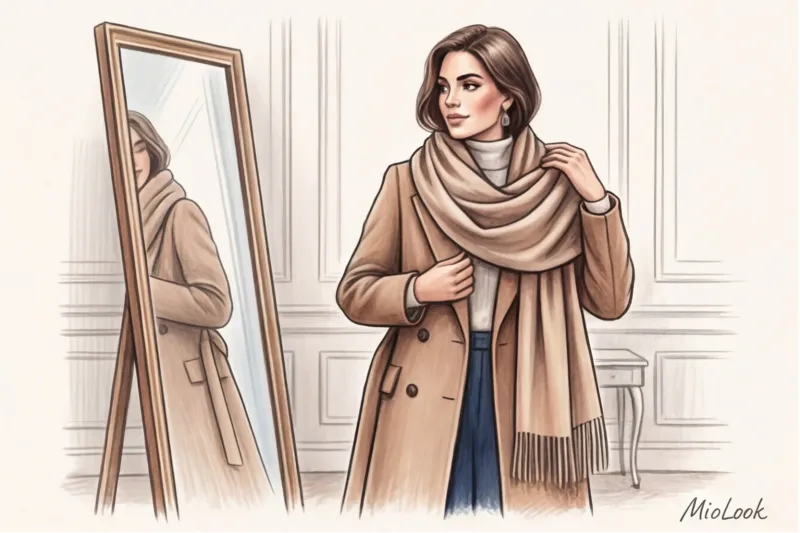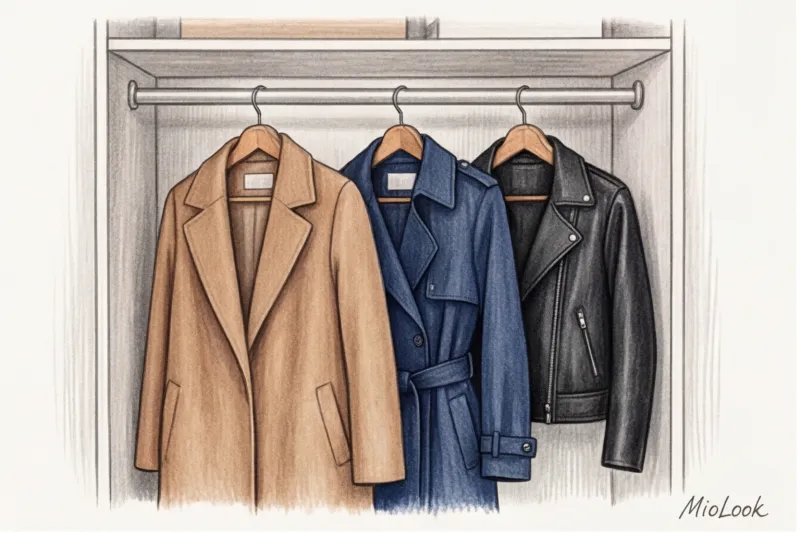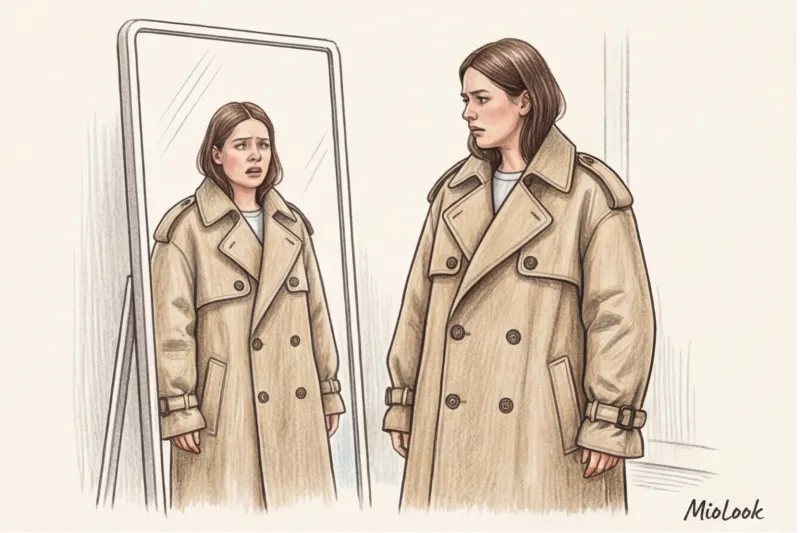
In my 12 years as a personal stylist, I've heard the same phrase hundreds of times: "Isabella, I bought that perfect beige trench coat that's on every must-have list, but for some reason I look like Inspector Gadget in it." If this sounds familiar, breathe a sigh of relief—there's nothing wrong with you. The problem isn't your figure, but outdated fashion dogmas.
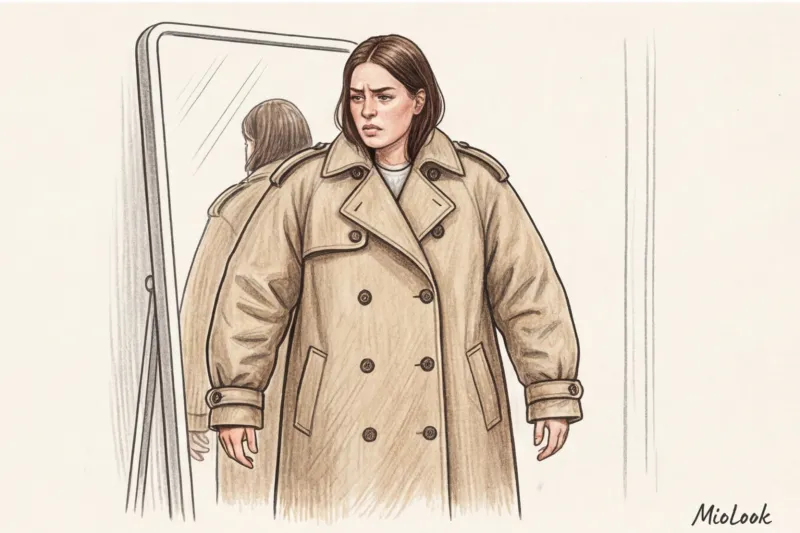
In this article we will look at what it really should be like basic women's trench coat in the realities of modern life. As we already discussed in our guide Basic Outerwear: Putting Together a Smart Capsule There are no universally appropriate items. The ideal foundation is built around your lifestyle, your way of getting around the city, and your unique body shape, not around abstract lists from glossy magazines.
The Beige Classic Myth: Why a Rugged Trench Coat Isn't Always Your Basic
About three years ago, a client named Elena came to see me. She proudly showed off her investment—an iconic €1,500 Burberry trench coat made of heavy gabardine. The problem was, she'd worn it exactly twice all season. Why? The stiff fabric dug into her neck while driving, and the abundance of detailing made her petite figure appear bulky.
Let's take a look back at history. The trench coat (literally "trench coat") was created by Thomas Burberry in 1914 for the British Army. Every detail had a practical purpose: the epaulettes served to attach rank insignia and a gas mask, the rifle flap on the right shoulder cushioned the recoil of the rifle, and the D-rings on the belt were for grenades.
"We continue to wear early 20th-century military uniforms, trying to fit them into the rhythm of the modern city woman. It's no surprise that the classic double-breasted cut often flatters the female figure, widening the ribcage and creating a boxy silhouette."
Petite women often get overwhelmed by the abundance of these historical details. If you're shorter than 160 cm, a classic trench coat can visually pin you to the ground. That's why we need to rethink our approach to choosing this wardrobe item.
A Basic Women's Trench Coat: The Anatomy of the Perfect Cut for Your Figure
The design of your outerwear determines how others perceive your proportions. Simply changing the shape of a sleeve or removing a row of buttons can transform your silhouette beyond recognition.
Double-breasted or single-breasted: which to choose?
A double-breasted cut (two rows of buttons and wide lapels) always adds extra volume to the chest and stomach. It looks stunning on tall women with a narrow chest (like those with a rectangle or inverted triangle body shape).
But what should those with a full bust (D cup and larger) or an apple-shaped figure do? Your savior is single-breasted coat (often called a macintosh or simply a "mac"). The lack of a second layer of fabric over the stomach and the hidden button placket create that vertical line that visually elongates the figure and makes you look a couple of sizes slimmer.
Stylist's secret: set-in sleeve against raglan
Pay attention to the shoulder line - this is a critical detail that 90% of shoppers forget about.
- Set-in sleeve (a distinct seam at the shoulder joint) creates a strict, put-together, businesslike silhouette. But it has a major drawback: it's practically impossible to wear a bulky, chunky-knit sweater or a jacket with shoulder pads underneath. The armholes will be treacherously tight.
- Raglan sleeve The raglan (the seam runs diagonally from the armpit to the neck) softens the shoulder line. It's an ideal choice for relaxed looks. The raglan allows for easy layering, layering the trench coat over a hoodie or oversized jacket.
Your perfect look starts here
Join thousands of users who look flawless every day with MioLook. Our smart AI stylist will help you find the perfect trench coat for your wardrobe.
Get access — €0.99 onceThe Mathematics of Length: How to Avoid Cutting Your Height
Forget about knee-length or knee-length dresses. In 2024, such a length is hopelessly outdated—it cuts off the leg in the worst possible place and makes the look a bit provincial, especially if the hem of a dress of a different length is visible beneath the coat.
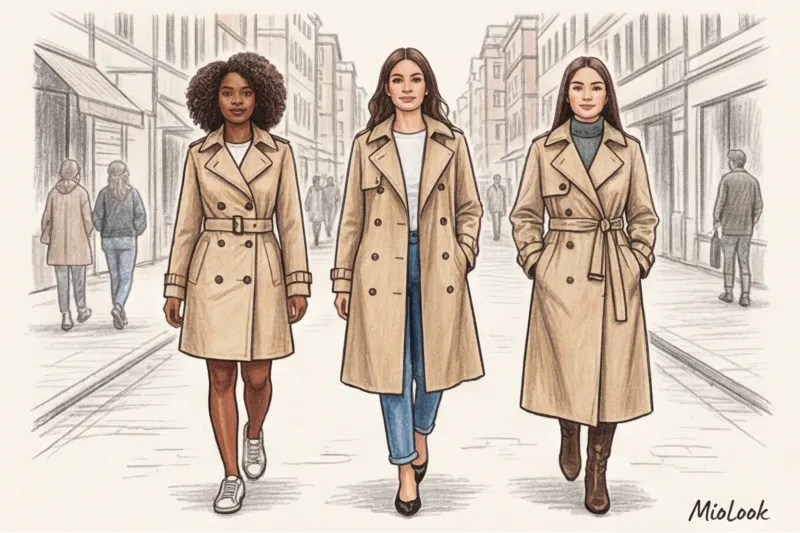
My favorite ideal length formula The hemline should end 10-15 cm below the knee (mid-calf) or a hand's breadth above the ankle. Midi and maxi lengths solve the main problem—they completely cover any skirt or dress, creating a seamless, luxurious silhouette.
Limitation: If you're petite (under 160 cm), a maxi trench coat can actually make you look shorter, BUT only if you wear it buttoned up with contrasting shoes. Wear it open with a monochrome base layer (like a black turtleneck and black trousers) and you'll appear taller!
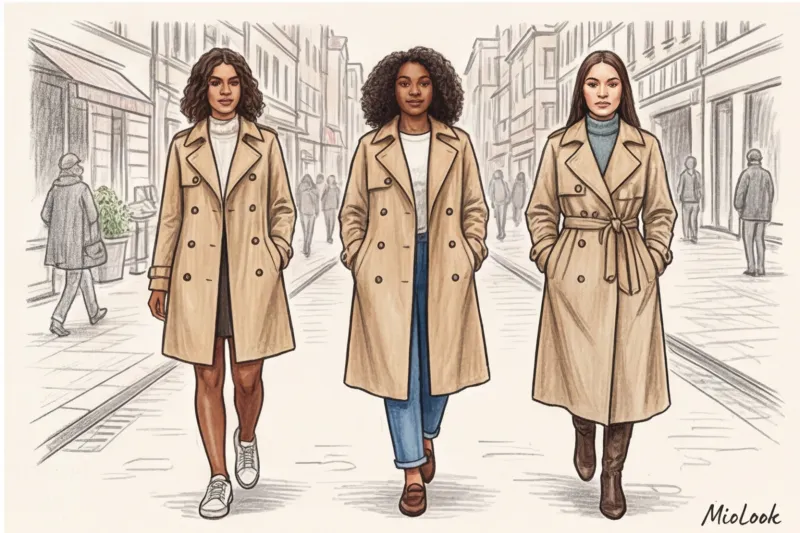
Fabric makes all the difference: from armor to Mediterranean lightness
According to a large-scale textile market study by McKinsey (2024), consumers are increasingly abandoning rigid, shape-supporting fabrics in favor of comfort and freedom of movement. And I wholeheartedly support this trend.
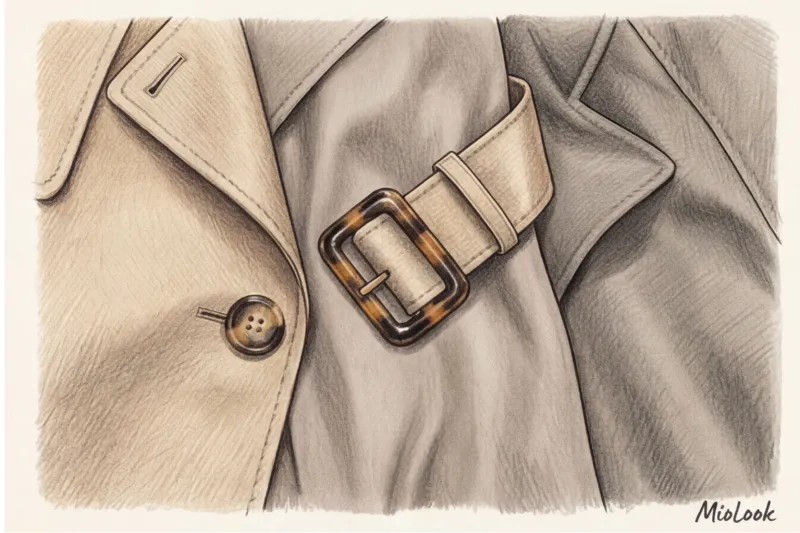
Let's compare the three main options:
- Classic gabardine (100% thick cotton). It protects against the wind well and holds its shape. However, it wrinkles a lot at the folds (elbows, back after sitting in the car) and often becomes stiff.
- Blended fabrics (cotton + polyester/nylon). The choice of practical city dwellers. A water-repellent finish will protect you from drizzle, while the synthetic fiber blend will prevent wrinkles on public transportation.
- Lyocell, Tencel and Cupro. My absolute favorites for creating a "quiet luxury" effect. These eco-friendly fabrics flow over the body, drape beautifully as you walk, and don't add bulk.
But I'll be honest: A flowing lyocell trench coat won't save you from an icy autumn downpour. This is a story about aesthetics, Mediterranean chic, and comfort in dry weather (or for those who travel exclusively by car).
Basic Trench Coat Color: Going Beyond Sand
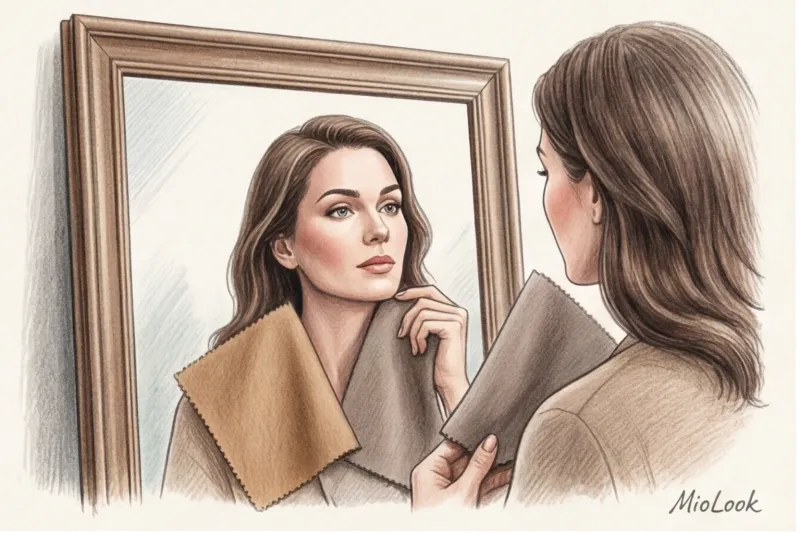
Classic camel (reddish beige) is a tricky color. It often blends in with fair Slavic skin, highlights under-eye circles, and makes the face look tired. In its 2024-2025 report, the Pantone Color Institute emphasizes a shift in the basic palette toward deeper, more complex, natural hues.
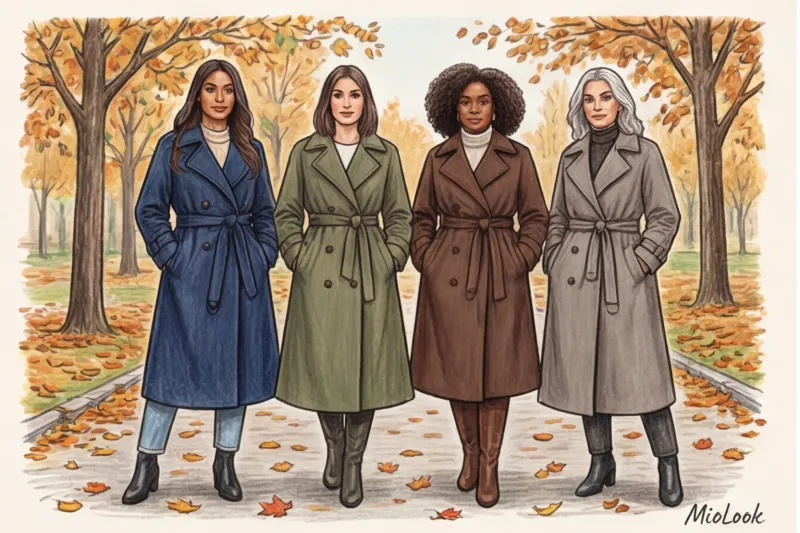
Instead of buying “the same as everyone else,” choose a shade that matches your coloring (read more about this in the article 12 Color Types of Appearance: A Guide to Choosing a Palette ):
- For cold color types (Summer, Winter): deep blue (navy), graphite gray, dusty rose or cool taupe (gray-beige without yellowness).
- For warm color types (Spring, Autumn): olive, khaki, dark chocolate, warm caramel.
A dark blue or chocolate-colored raincoat looks much more expensive and prestigious, and the dirt from spring puddles is practically invisible on it.
How to Wear a Basic Trench Coat: 3 Win-Win Formulas from a Stylist
I don't believe in things that just hang in the closet. Things have to work. Here are three of my signature formulas that you can replicate tomorrow.
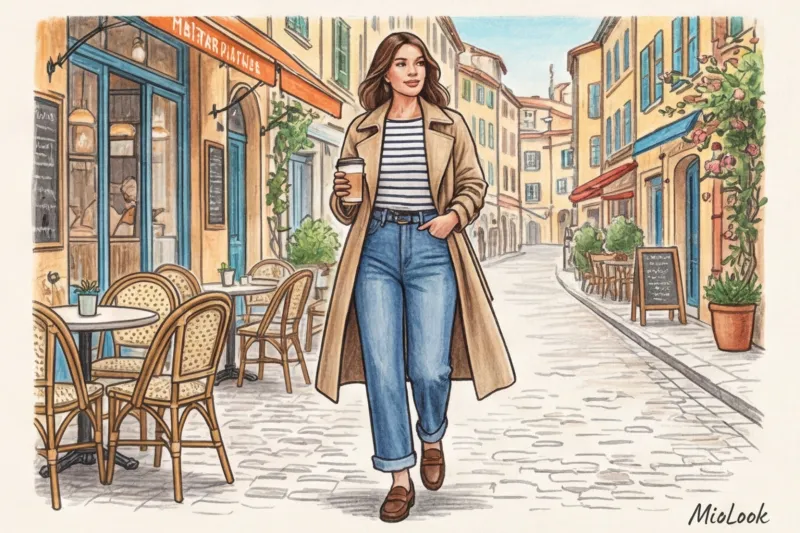
Formula 1: Mediterranean Casual
Flowing khaki trench coat + Breton top + wide-leg blue jeans + suede loafers.
My favorite trick is to leave the coat unbuttoned. Simply tie it at the waist with a belt or leave it completely open, tying the belt in a knot at the back. It creates a casual, slightly slouchy look.
Formula 2: Smart Office
Single-breasted trench coat (navy) + loose trouser suit + basic white sneakers.
Ideal for dress codes that require a professional but not overly conservative look. If you'd like to delve deeper into this aesthetic, check out our article. Smart Casual for Women: A Style Guide for the Office Sneakers tone down the formality of the suit, while a crisp coat brings the look together.
Formula 3: Sports Chic for the Weekend
Oversized trench coat (raglan) + knitted suit with a hoodie + chunky sneakers + baseball cap.
The contrast between classic outerwear and overtly sporty bottoms is what makes the look sharp and modern. The main rule: the hood of the hoodie should always be tucked out over the coat collar.
Access to MioLook for €0.99 — one-time payment
A smart AI stylist will select the perfect look for your new trench coat, taking into account the weather and your plans for the day.
Get access — €0.99 oncePre-purchase checklist: test drive in the fitting room
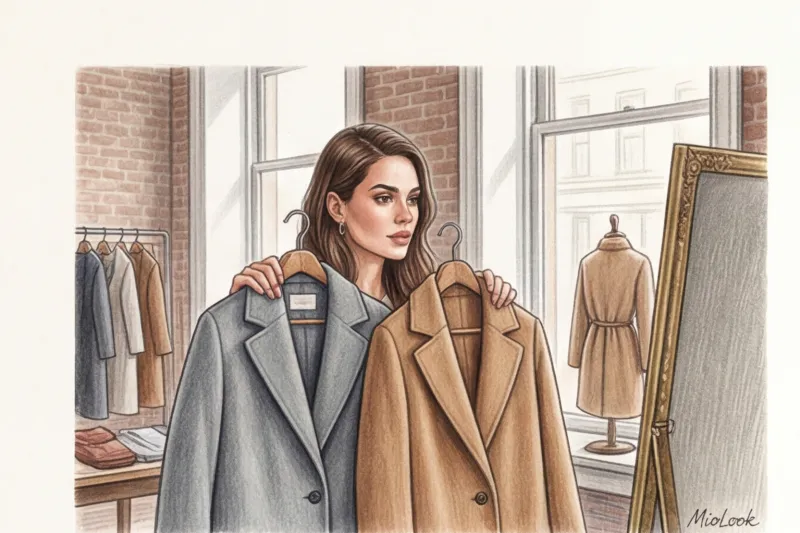
Before you take an item to the checkout, give it a thorough test drive. In my experience, 8 out of 10 outerwear returns occur because women try it on while standing still in front of a mirror.
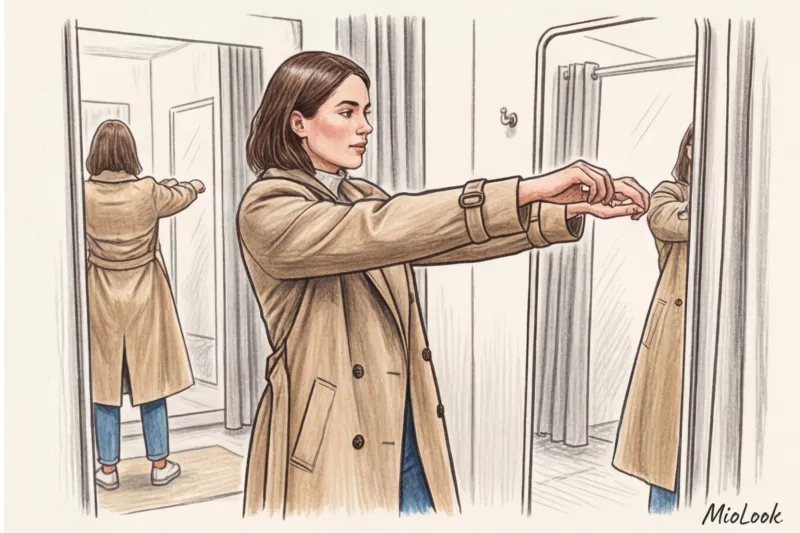
- The "hug" rule. Put on your coat, button it up, and wrap your arms tightly around your shoulders. The back shouldn't be bursting at the seams, and the sleeves shouldn't ride up above your wrist bone.
- Multilayer test. Never try on fall outerwear over a thin silk T-shirt. Ask the sales associate in the salon for a thick jacket or oversized sweater and wear a trench coat over it.
- Checking the fittings. Cheap plastic buttons instantly give away a budget item. If a coat fits perfectly but the buttons are bad, buy it and take it to a tailor to have the hardware replaced with horn or tortoiseshell. It costs pennies, but the item will look three times more expensive.
- Belt test. Tie the belt in a knot (stylists rarely use a buckle for its intended purpose). Look in the mirror from behind: the fabric should form beautiful, soft folds, not stick out like a bubble.
Conclusion: Your Personal Efficiency
At the beginning of this article, we talked about a client who spent €1,500 on a piece, wearing it twice. In the styling world, there's the concept of cost-per-wear. A €1,500 coat worn twice costs you €750 per wear. But a flowy €200 trench coat from a quality mid-market brand (like Massimo Dutti or COS), which you throw on every day over jeans and dresses (say, 100 times per season), costs you just €2 per wear.
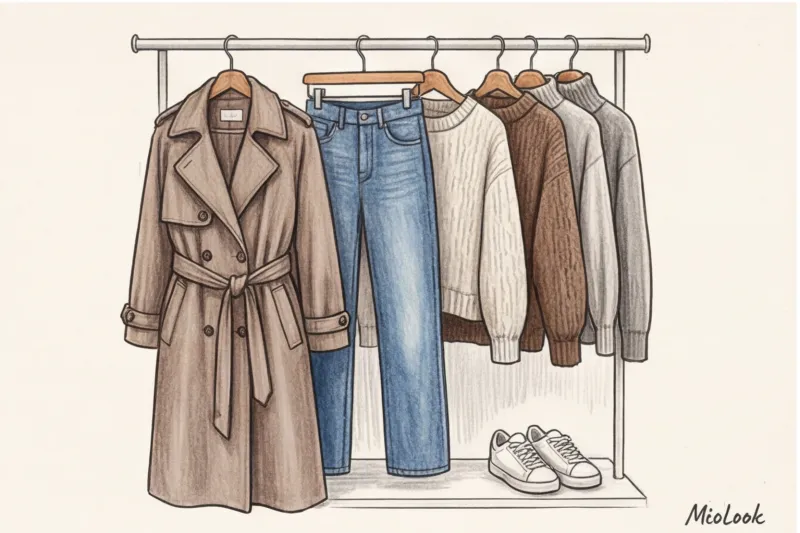
The perfect basic trench coat isn't the one hanging on a mannequin in a shop window. It's the kind you can grab without even looking, running out the door for coffee, to an important meeting, or on a date, and feel absolutely fabulous, free, and confident in.
Analyze your lifestyle, choose a comfortable fabric, and don't be afraid to ditch beige if it doesn't make you happy. Style begins where patterns end.