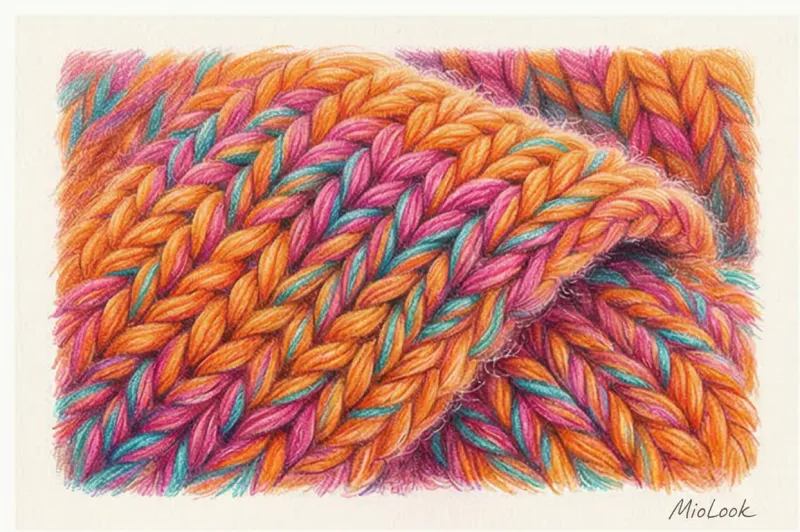
What is acrylic?
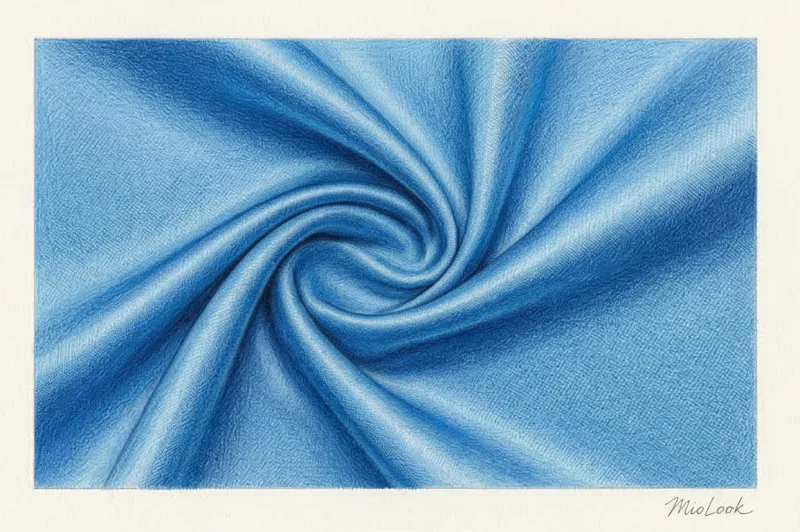
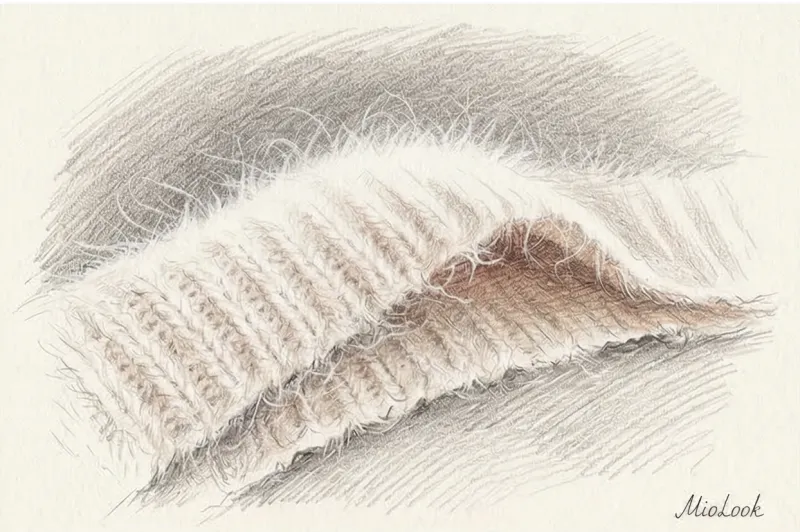
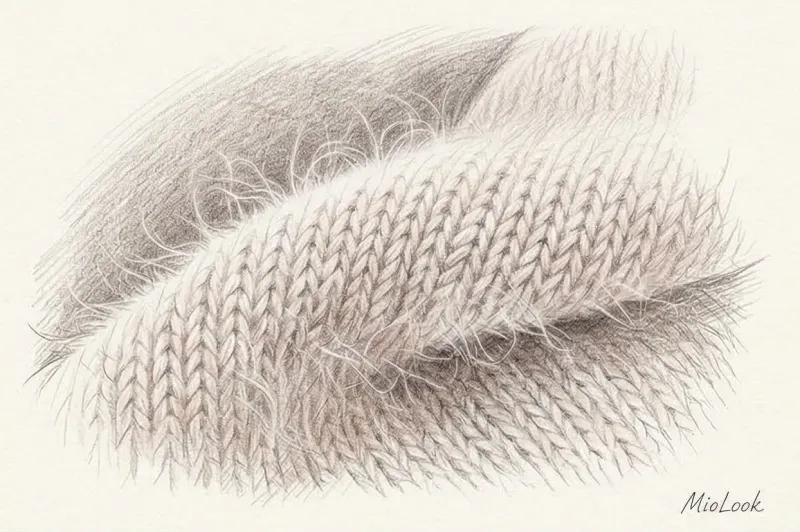
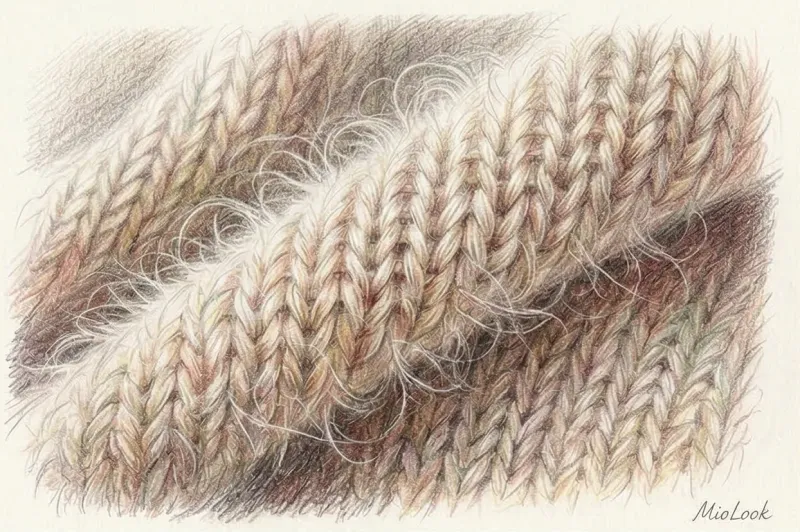
Acrylic — is a synthetic fiber obtained from polymers (polyacrylonitrile), which is often called "artificial wool" in the textile industry.
The material was first developed in the 1940s by DuPont under the brand name Orlon. It was created as a lightweight and durable alternative to natural yarn.
In modern fashion, acrylic is widely used to create thick knitwear. This material is used to make sweaters, oversized cardigans, winter hats, scarves, and gloves.
Synthetic fiber is used both in its pure form (100% acrylic) and in blended fabrics. It is often combined with natural wool, mohair, cotton, or viscose to reduce production costs and increase the durability of the finished product.
Distinctive features
The main advantage of acrylic products is their high thermal insulation and minimal weight. They retain heat well but weigh significantly less than similar items made from dense sheep's wool.

Unlike natural wool, synthetic fiber is hypoallergenic. It doesn't cause itching, irritation, or redness, making it an ideal choice for those with sensitive skin.
Acrylic is characterized by high color fastness. The thread is highly dyeable, resulting in vibrant, rich colors that do not fade after repeated washings or exposure to UV rays.
Among the material's drawbacks is its low breathability, which can cause acrylic to create a "greenhouse effect" during temperature fluctuations. Furthermore, synthetics are highly static and prone to rapid pilling in areas of constant friction.
At the same time, the material is resistant to deformation and pests. Acrylic yarn is moth-resistant, does not shrink when washed at the correct temperature, and holds its shape well.
How to care for acrylic
Acrylic items require gentle machine or hand washing at temperatures no higher than 30°C. For cleaning, it is recommended to use mild liquid detergents to avoid damaging the structure of the synthetic fibers.
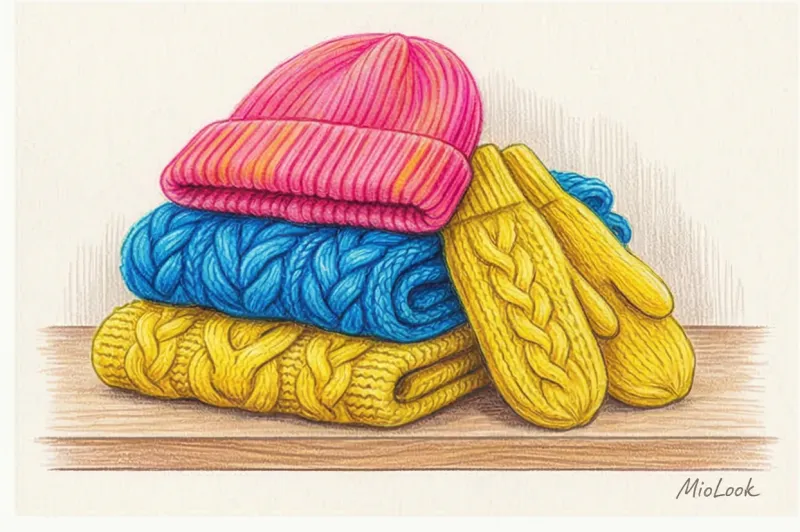
Dry acrylic items flat on a horizontal surface, away from radiators. Hanging them to dry will cause damp knitwear to stretch under its own weight and permanently lose its shape.
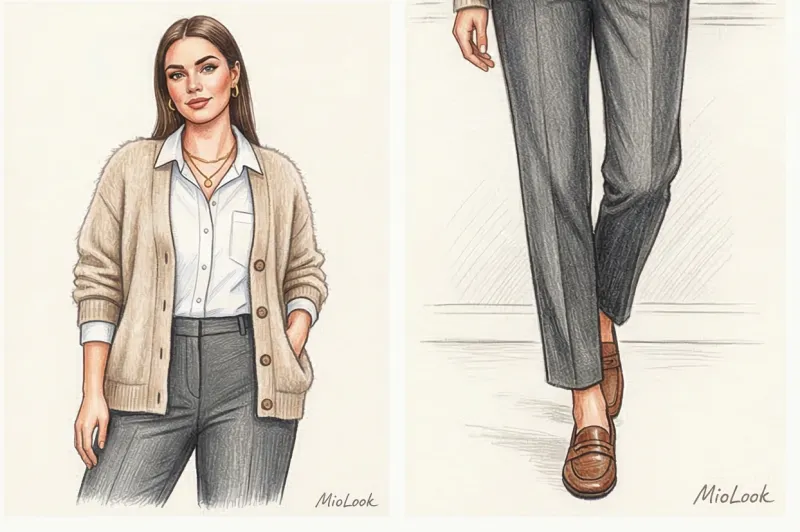
The material rarely wrinkles, so ironing is rarely required. If necessary, acrylic can be ironed only at the lowest temperature, using a damp cotton cloth, or gently steamed from a distance.
To reduce static buildup, add fabric softener or apply an anti-static spray to the dry garment during washing. Pills that form during wear should be regularly removed with a knitwear trimmer.