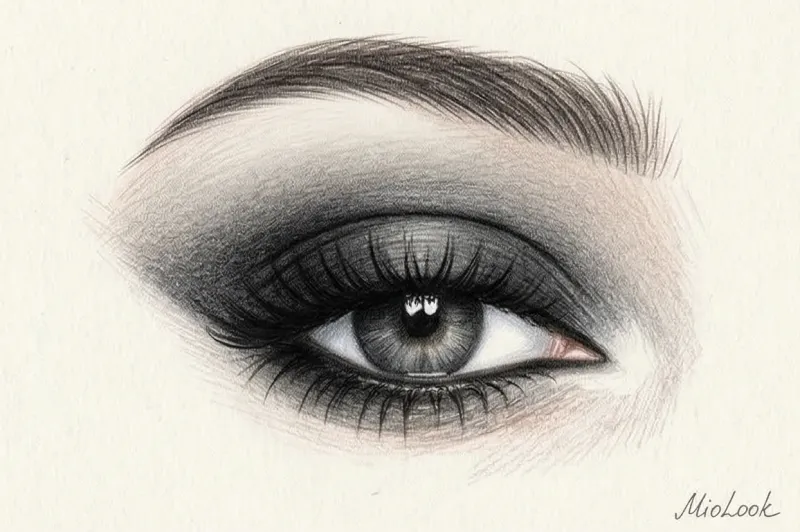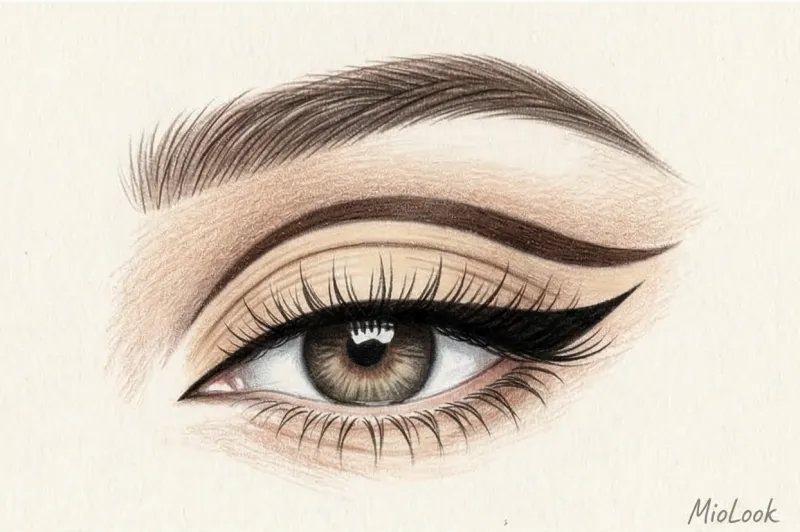
Cut crease is an eye makeup technique where the fold of the upper eyelid is sharply defined with a contrasting concealer or eyeshadow. This method relies on a distinct, unblended boundary between the light mobile lid and the darker crease. It is widely used in evening and stage makeup.
What Is Cut Crease Makeup
The term literally translates to cutting the fold, which perfectly describes the visual effect of the process. Instead of creating a seamless, smoky transition between the colors on the eyelid and the brow bone, a makeup artist uses a liquid or cream product to carve out a harsh, graphic line. This sharp contrast creates an optical illusion, making the eyes appear significantly larger, deeper, and more open.
While the technique feels incredibly modern, its roots trace back to the 1960s. Icons like Twiggy and Audrey Hepburn popularized the look by drawing a stark, dark line directly into their socket to emphasize their eye shape. The style experienced a massive resurgence in the 2010s. Driven by drag culture and the rise of YouTube beauty bloggers, it evolved into a highly technical, colorful, and graphic element of contemporary makeup artistry.
Because the term is often heard rather than read, people frequently search for it using phonetic spellings such as kat kris, cut cris, or kat kris makeup. Despite these common misspellings, the professional terminology remains cut crease, and the fundamental principles of the application do not change.
Main Types of the Technique
Depending on the desired intensity and the specific shape of the eye, makeup artists utilize several variations of this graphic style. Each type offers a different level of drama and requires a slightly different approach to blending.
Full Cut Crease
This is the most dramatic and traditional version of the look. A crisp, uninterrupted line runs along the entire length of the eyelid crease, starting from the very inner corner and extending all the way to the outer corner. Often, this sharp boundary is pulled outward into a long, graphic wing that mirrors the eyeliner. This variation heavily emphasizes an almond eye shape and provides a massive canvas on the mobile lid for bright pigments, intricate details, or heavy glitter.
Half Cut Crease
A softer, more wearable alternative that bridges the gap between graphic artistry and classic smoky eyes. The crease is only carved out with concealer on the inner half or inner two-thirds of the eyelid. As the light base reaches the outer corner, it is gently blended into darker eyeshadows. This creates a hazy, diffused finish on the outer edge while maintaining the bright, open effect on the inner portion of the eye. It is highly versatile and works beautifully for bridal or formal event makeup.
Double Cut Crease
An advanced, highly editorial variation that involves creating two parallel lines within the crease area. The artist carves out the lid but leaves a deliberate gap between the dark crease shadow and the light lid base. This negative space can be left bare to show the natural skin tone, or it can be filled with a striking accent line using liquid glitter, neon eyeliner, or metallic pigment. It requires a steady hand and is mostly reserved for creative photo shoots and stage performances.
Key Characteristics and Features
Understanding which variation suits a specific eye shape is crucial for achieving a flattering result. The table below outlines the primary characteristics of each style.
| Technique Variation | Difficulty Level | Best Eye Shape | Primary Visual Effect |
|---|---|---|---|
| Full Cut Crease | High | Round, Almond, Deep-set | Dramatic elongation and sharp, theatrical definition |
| Half Cut Crease | Medium | Hooded, Close-set, Downturned | Lifting the outer corner, balanced wearable drama |
| Double Cut Crease | Expert | Monolid, Prominent | Artistic graphic effect, emphasis on negative space |
How to Apply the Makeup
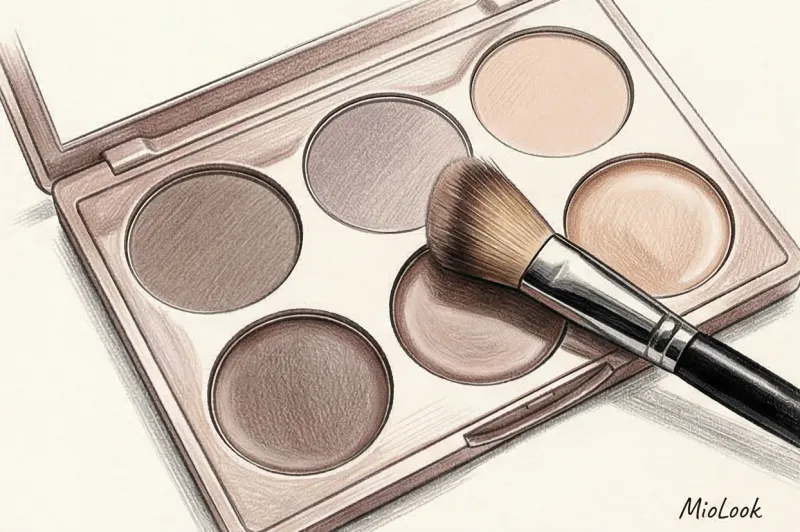
Executing this look requires precision, the right tools, and an understanding of product textures. The process always begins with building the transition shades and deepening the crease with matte eyeshadows. Once the dark base is established, the cutting process begins.
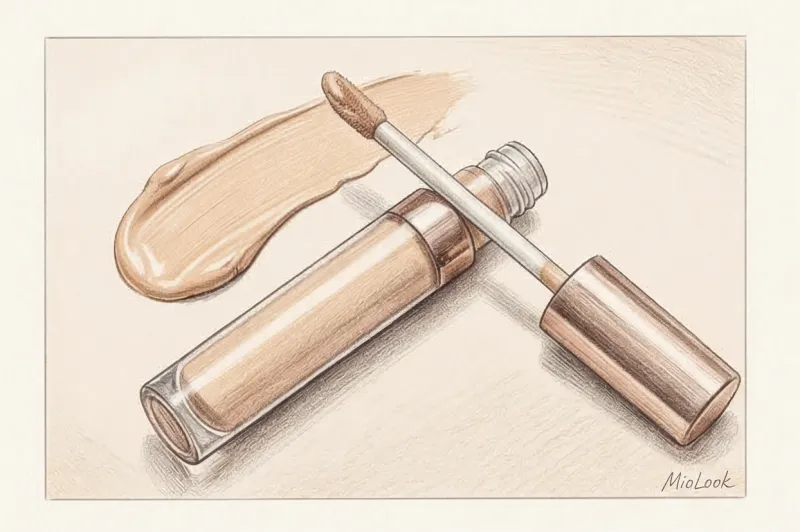
To create the crisp edge, you need a small, flat synthetic brush and a full-coverage, light-colored concealer or a dedicated eyeshadow primer. Synthetic bristles are essential because they pick up cream products without absorbing them, allowing you to stamp a smooth, continuous line across the skin. You apply the concealer starting from the inner corner, carefully mapping out the new crease line.
A crucial step in the technique is securing the wet base. Liquid concealer on the mobile lid will inevitably crease and transfer when you blink if left unset. You must immediately lock the wet texture in place using dry products. You can press matte eyeshadow, shimmering pigments, or translucent setting powder over the concealer. This not only prevents the product from rolling into the natural folds of the skin but also intensifies the color payoff of whatever shadow you place on top.
Who Benefits from This Style
Beyond its aesthetic appeal, this technique serves a highly functional purpose in facial geometry correction. It is particularly beneficial for individuals with hooded eyes or drooping eyelids. When a person with hooded eyes applies standard eyeshadow, the color often disappears when they open their eyes because the upper skin folds over the mobile lid.
By using a concealer to draw a fake crease slightly above the natural fold, you create the illusion of a higher, deeper socket. This technique reclaims the visible space on the eyelid, allowing colors and glitters to remain visible regardless of the eye's natural structure. Because of its high contrast and dense coverage, it remains a staple for evening looks, red carpets, and professional photography, though it is generally considered too heavy for standard daytime or corporate environments.