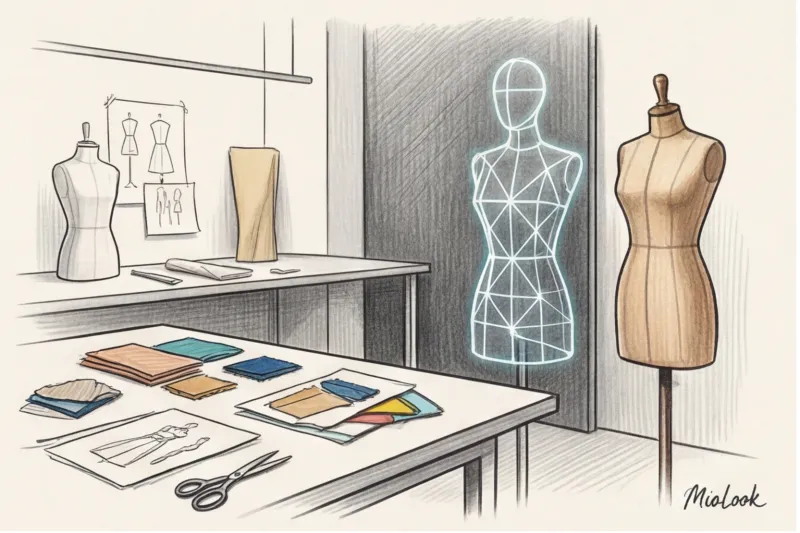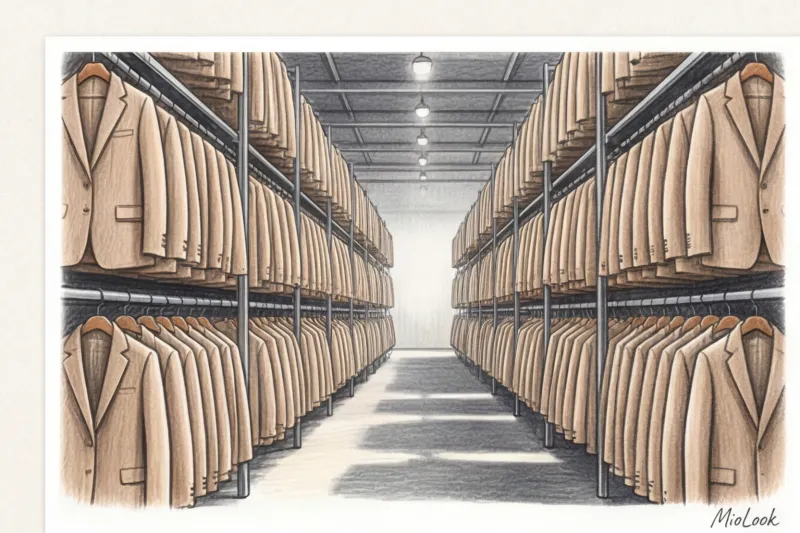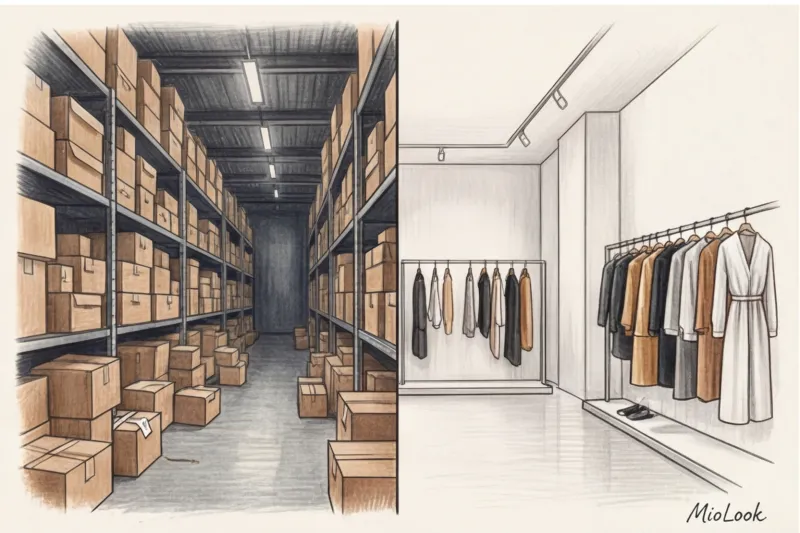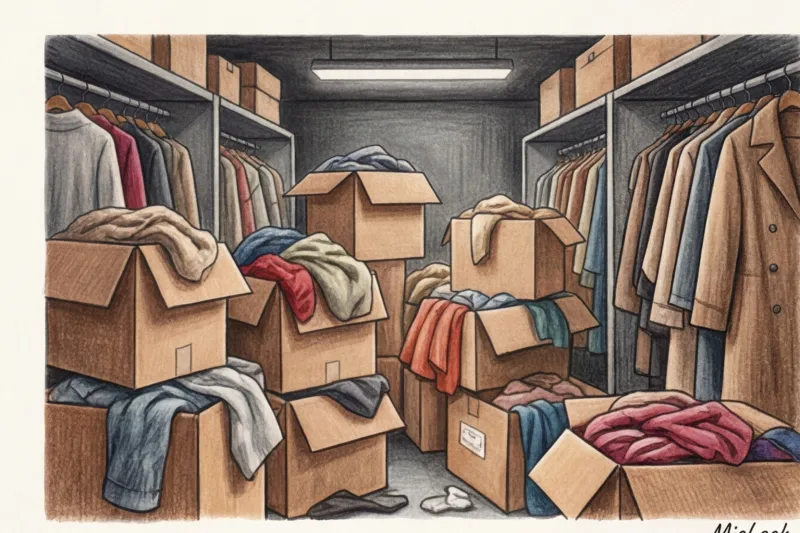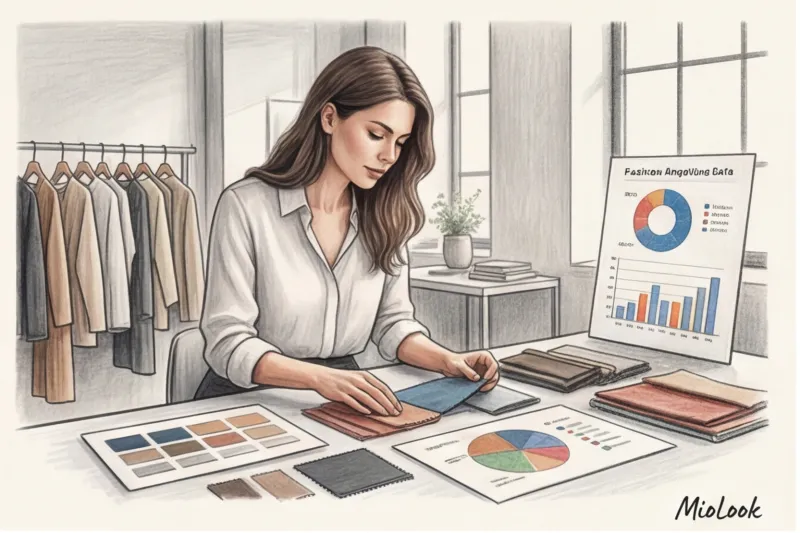
Several years ago, a client of mine—the owner of a well-established local clothing brand—proudly showed me sketches of his new collection. They were launching production on 50,000 pairs of classic skinny jeans. When I cautiously asked about the silhouette's relevance, he replied, "Elena, they're basics. Basics always sell." Spoiler alert: two years later, the company was still paying for the warehouse space where these unwanted items were gathering dust. The brand had lost a huge amount of money simply because it had ignored an obvious signal: customers were embracing the relaxed baggy silhouette en masse.
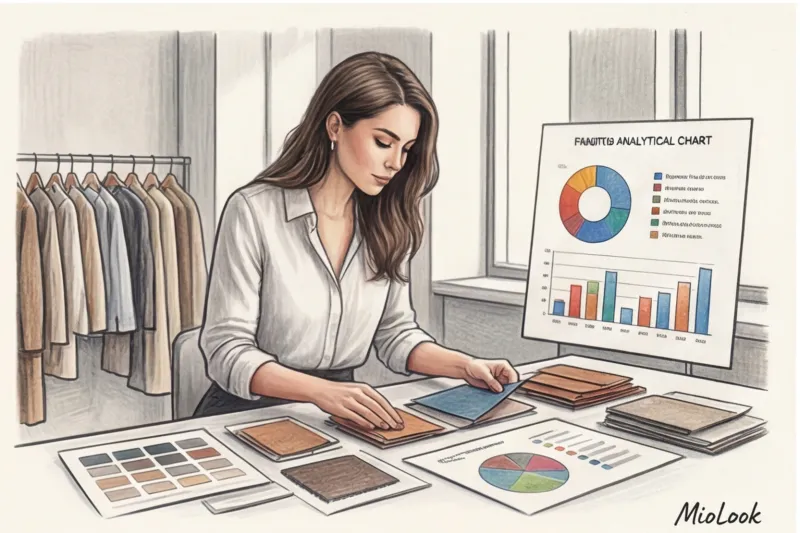
If this situation happened today, artificial intelligence would prevent such a mistake. Modern forecasting fashion trends has long ceased to be a matter of reading tea leaves. Today, it's mathematics, capable of saving a business from millions in losses. We've already covered the evolution of analytical tools in more detail in our The complete guide to analytics for the fashion business Now let's figure out how exactly algorithms got into our closets and why the designer's "sixth sense" no longer works.
How Algorithms Have Changed Fashion Trend Forecasting
In my 14 years as a stylist, I witnessed a time when buyers would fly to Milan shows, sketch in notebooks, and try to guess what would sell six months from now. Intuition was their primary tool. The problem is that intuition is often wrong, and the price of this error in the fashion industry is overproduction.
Today, the era of subjective mood boards is becoming a thing of the past. Traditional trend bureaus are being replaced by machine-learning-based predictive analytics platforms like Heuritech and EDITED. According to McKinsey's "State of Fashion" report (2024), the implementation of AI analytics allows brands to reduce overstock by 20-30%. Demand forecasting accuracy using neural networks reaches 90%, while the classic "intuitive" approach yielded only 50-60%.
What Exactly Does AI Analyze: A Look Under the Hood
When you look at a street style photo, you see "a beautiful girl in a cool coat." When a computer vision algorithm looks at the same photo, it decomposes the image into hundreds of parameters.
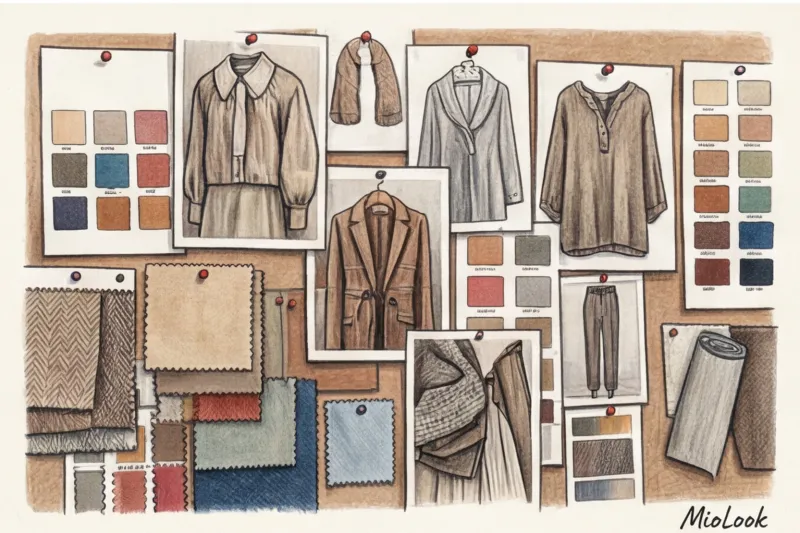
The machine "swallows" up to 3 million images from social media daily. The neural network records: double-breasted cut, 8 cm lapel width, burgundy color, wool-blend fabric, midaxi length. The AI discerns the smallest nuances of shades. For example, in my practice, it often happens like this: a client asks for "something green." But for analytics, "green" doesn't exist. The algorithms see that search queries for muted sage green are growing by 45% per quarter, while neon green is rapidly falling to the bottom of the demand charts.
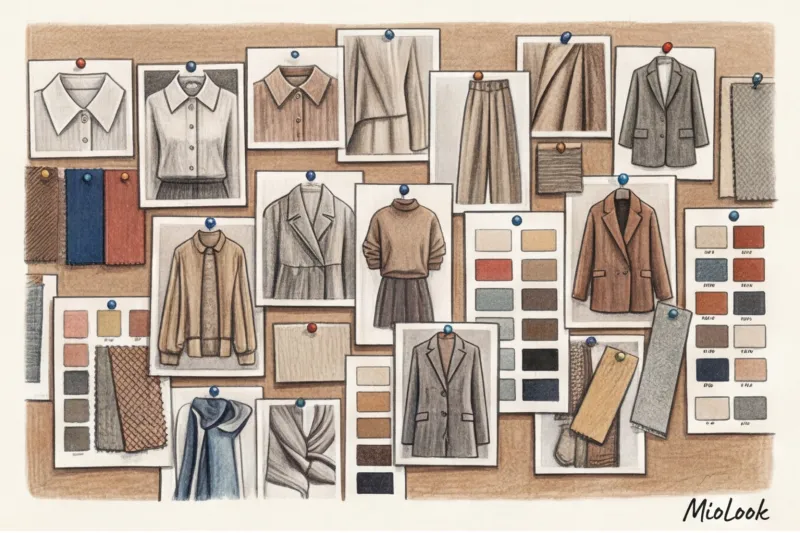
From the Catwalk to Street Style: Where the Signal Is Born
The most interesting thing about AI is its ability to filter out information noise. Today, brands are buying up advertising from bloggers en masse. If a hundred influencers post a photo wearing the same Miu Miu skirt in one day, an inexperienced analyst might think it's the latest hit. But AI can distinguish paid influencer marketing (when a spike in mentions occurs unnaturally quickly and only among major accounts) from organic audience interest, when ordinary people on the street start adopting a piece.
The Myth of the "Eternal Base": The Main Trap for Fashion Brands
This is where many brand owners fall into the biggest misconception: "We don't make those TikTok microtrends; we produce basic wardrobes, so we don't need analytics." As a practicing stylist who regularly sorts through dozens of closets, I can tell you: this is a death trap for business.
The concept of a "classic basic" mutates every two to three years. A white shirt in 2015 was a fitted silhouette made of thin cotton with a stiff collar and darts. Today, a white shirt is a straight or oversized cut, dropped shoulders, and heavy poplin (from 120 g/m²). To the average person, both are "just a white shirt." To the algorithm, they are two fundamentally different items, one of which will sell out in a week, while the other will be sent to the dumpster.
"The biggest danger for the fashion business is not missing out on a fleeting trend like 'mob wife,' but the false belief that the basics are immutable."
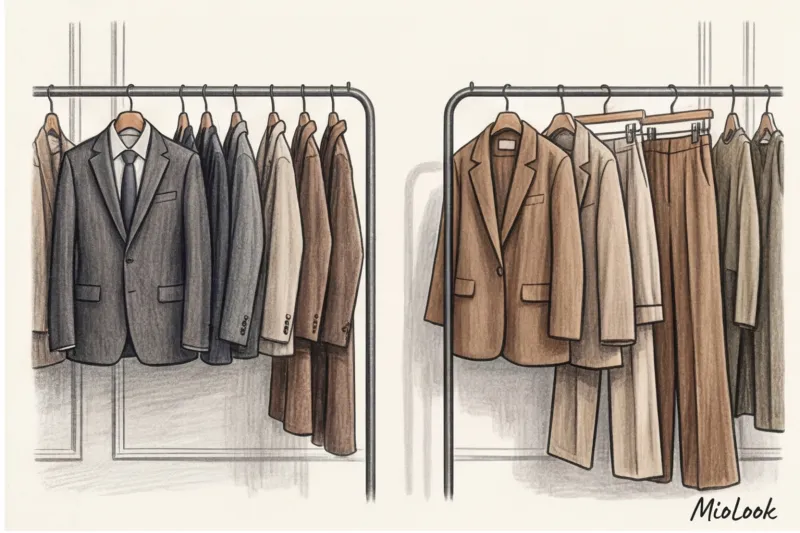
A business wear brand once approached me for a consultation. They had frozen almost €50,000 in classic, fitted, mid-thigh jackets. "But that's an office classic!" the owner was perplexed. But if they had used predictive analytics, they would have seen that the macro trend for relaxed tailoring and a hybrid office wardrobe (as in the concept) business casual ) was formed a year and a half ago. Their patterns were hopelessly outdated even before the fabric reached the cutting room.
Your perfect look starts here
Join thousands of users who look flawless every day with MioLook.
Get access — €0.99 onceThe life cycle of a trend through the eyes of a neural network
To successfully plan collections, it's important to understand how algorithms calculate how quickly a trend moves through all phases: from its inception among early adopters to its mass-market peak and inevitable demise.
AI clearly distinguishes between two concepts:
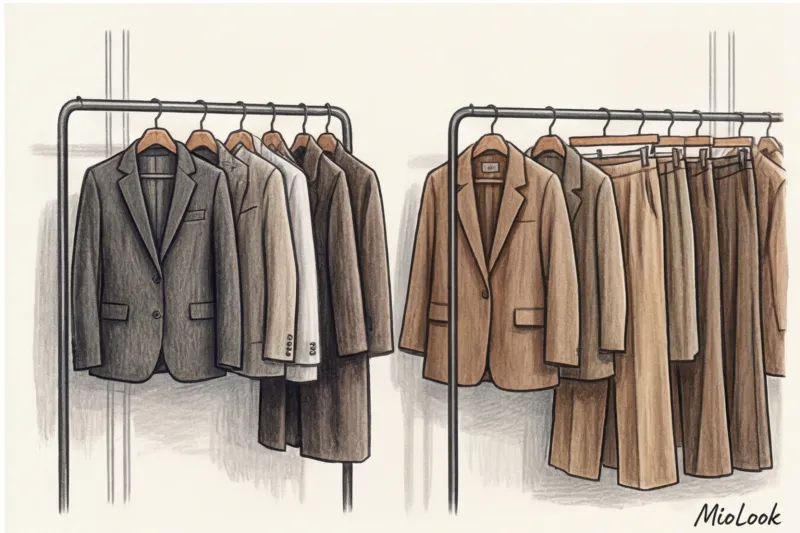
- Fad (microtrend). It flares up quickly and lasts 3 to 5 months. Examples: the "barbiecore" aesthetic or bows on everything. Investing large budgets in this is risky—by the time you've finished producing a batch, the trend will be dead.
- Macro-trend (macro-trend). It develops slowly, reflects a changing societal lifestyle, and lasts for 3–5 years. Examples include a less formal dress code or a demand for total comfort after the pandemic.
WGSN data shows that the optimal strategy for a commercially successful brand is to allocate the production budget in a ratio of 70% to macrotrends (an updated base) and 30% to cautious testing of microtrends in small capsules.
How to Use Analytics for Business: A Step-by-Step Plan
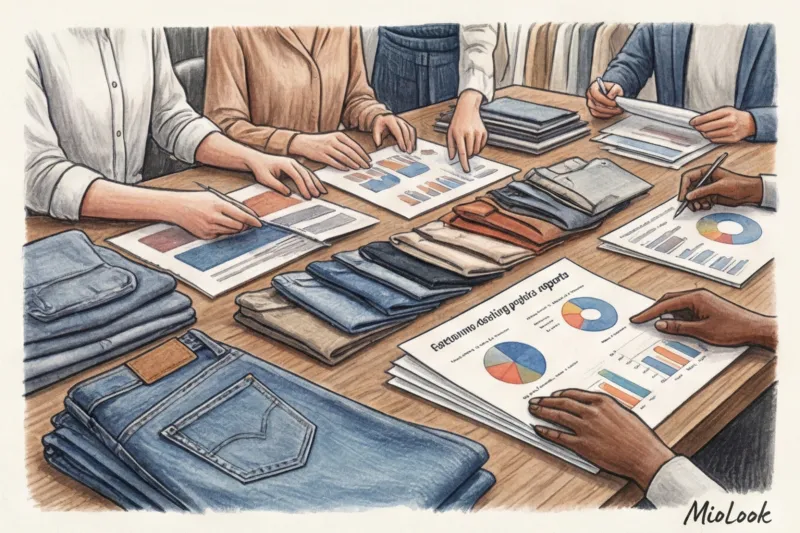
It's fair to say that subscriptions to advanced predictive analytics platforms like Heuritech cost thousands of euros, which is often unaffordable for small businesses. Does this mean local brands should give up? No. Here's a practical plan of action I recommend to my entrepreneurial clients:
- Audit of the current matrix based on open data. Explore free aggregated reports. For example, Pinterest Predicts' annual forecast provides stunning statistics on user visual searches long before a trend hits the streets.
- A/B testing of patterns. Never produce a batch of 1,000 pieces of a new design. Produce 50 pieces, collect feedback, and analyze first-week sales. Use the smart retail principles we mentioned in the article about increase in the average bill.
- Sentiment analysis of reviews. Keep track not only of what people are buying but also of what your competitors are complaining about. If customers are constantly commenting, "It's a shame there aren't pockets," make a model with pockets.
When does this NOT work? Let's be honest: predictive analytics is absolutely useless for niche avant-garde brands. If you're creating art, deconstruction in the spirit of early Margiela, and developing your own visual language from scratch, algorithms won't help you. AI predicts commercial demand, not creates brilliant art.
Access to MioLook for €0.99 — one-time payment
A smart AI stylist will select the perfect look.
Get access — €0.99 onceAI vs. Stylists: Who Will Dictate the Fashion of the Future?
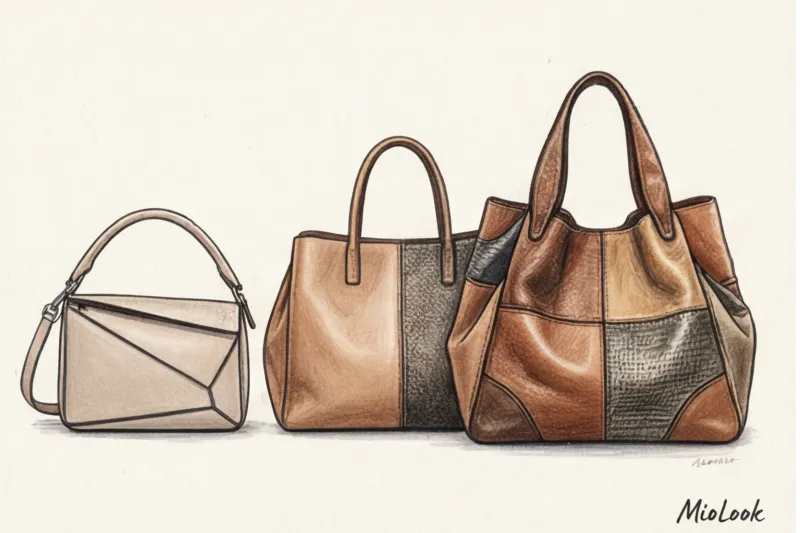
Will artificial intelligence replace designers and stylists? My answer: definitely not. The algorithm is brilliant at working with the past and present, plotting graphs for the future, but it lacks empathy and context. The machine knows, What will buy next season (for example, a burgundy textured knit cardigan). But only a stylist understands, Why And How The 35-year-old female executive will incorporate this cardigan into her hybrid work wardrobe.
The future of fashion is synergy. Brands need data to stop producing tons of unnecessary clothes that pollute the planet. And we need smart assistants to manage our closets. This is the philosophy behind the app. MioLook — where algorithms help digitize and structure your things, analyze combinations, but the final decision about what you feel confident in this morning is always yours.
The main conclusion to draw right now is that trends no longer appear out of nowhere at the whim of mysterious couturiers. They are formed based on our daily clicks, likes, and search queries. And the winner is the one who can read this data faster than others, without losing common sense.