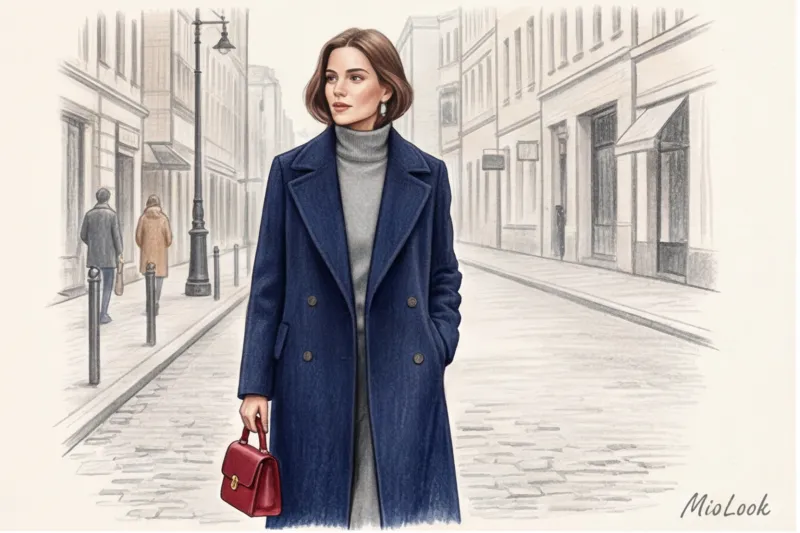
What is the 60-30-10 rule in clothing and why intuition is powerless here
Recently, a client from Warsaw contacted me. She bought a stunning red double-breasted coat for €350, but she hadn't worn it once all season. "Katarzyna, I feel like a fire engine in it; everyone's looking at me," she complained. The problem wasn't the cut or her figure. It was the violation of the strict mathematics of style: the color red, which by nature should be a subtle accent, suddenly took up a huge area of her look.
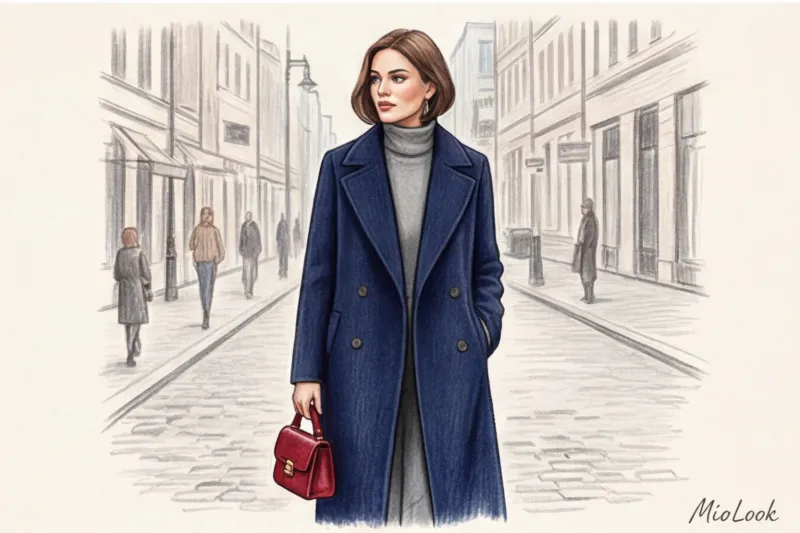
This is where it comes into play 60 30 10 rule in clothing — a formula for harmoniously distributing shades that protects us from the "Christmas tree" effect. We covered the basic concepts of base construction in more detail in our complete guide. Capsule Wardrobe Formulas: The Mathematics of Perfect Looks , but today I want to talk specifically about color and money.
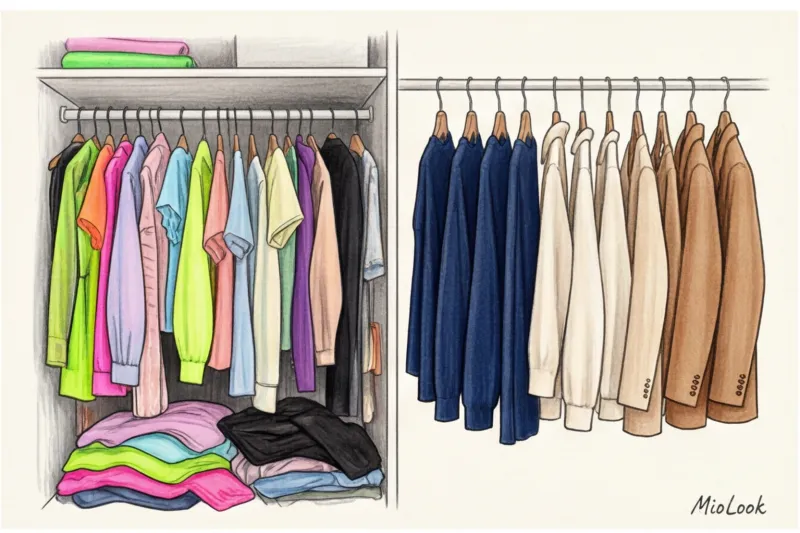
According to a large-scale 2023 study by the British organization WRAP, women regularly wear only 20-30% of their wardrobes. The rest simply sits on hangers. After 12 years of wardrobe analysis, I've come to understand the main reason for this statistic. We go to the store and buy emotions—bright blouses with complex prints, shiny skirts, loud cardigans (that same 10%). And then we stand in front of the closet because there's no calm "canvas" for these emotions (60%).
The 60-30-10 rule originally came into fashion from interior design. Architect Mark McCauley demonstrated that the human eye is most relaxed at a ratio of 6:3:1. This isn't just a stylist's invention; it's a visual expression of the golden ratio, later adapted by specialists at the Pantone Color Institute to create fashion collections.
If you want to stop blowing your budget on one-off items, you'll have to turn off your shopping "intuition" and turn on your calculator.
Access to MioLook for €0.99 — one-time payment
A smart AI stylist will select the perfect look based on the 60-30-10 rule from your real clothes.
Get access — €0.99 onceAnatomy of a Formula: How to Distribute Colors in a Single Image
Let's break this proportion down into concrete elements. Imagine your image as a painting. You can't paint a masterpiece consisting only of bright highlights; you need a background, shadows, and, finally, the finishing touches.
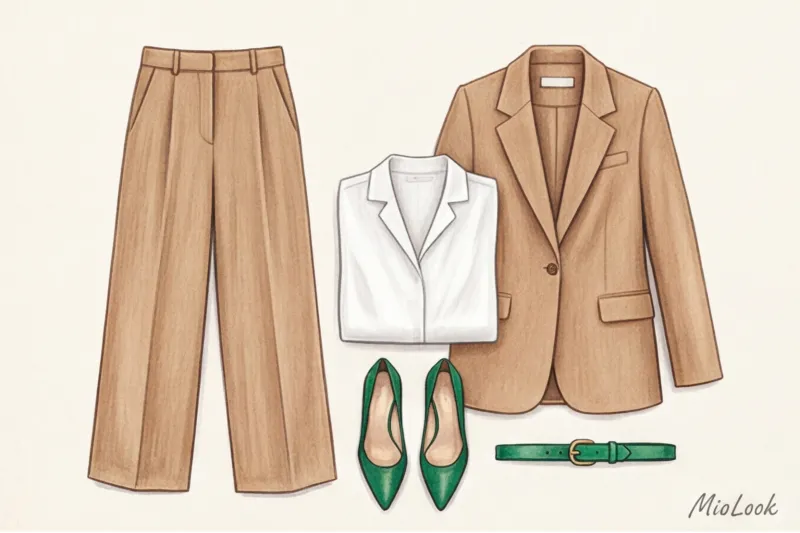
60% - Your canvas (Base and dominant)
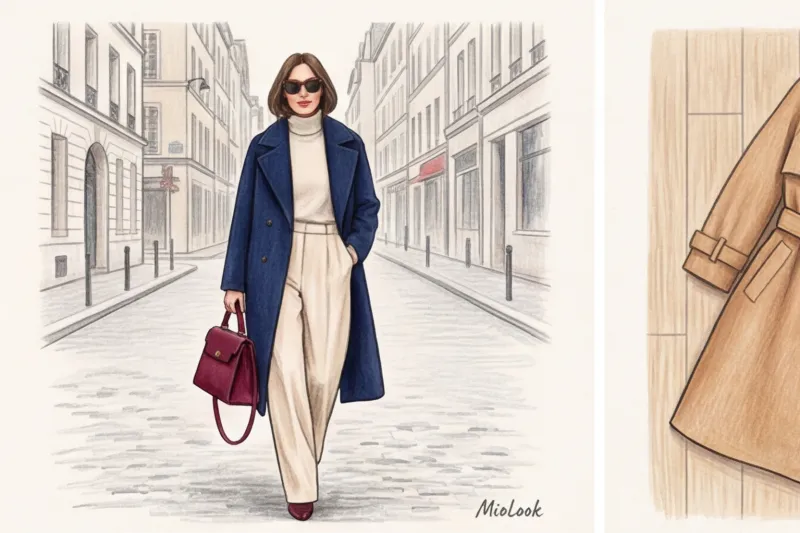
This is the foundation of your outfit, the part that takes up the most surface area of your body. In the fall and winter, this includes outerwear (coats, trench coats), two-piece pantsuits, long dresses, or a combination of pants and a voluminous jacket.
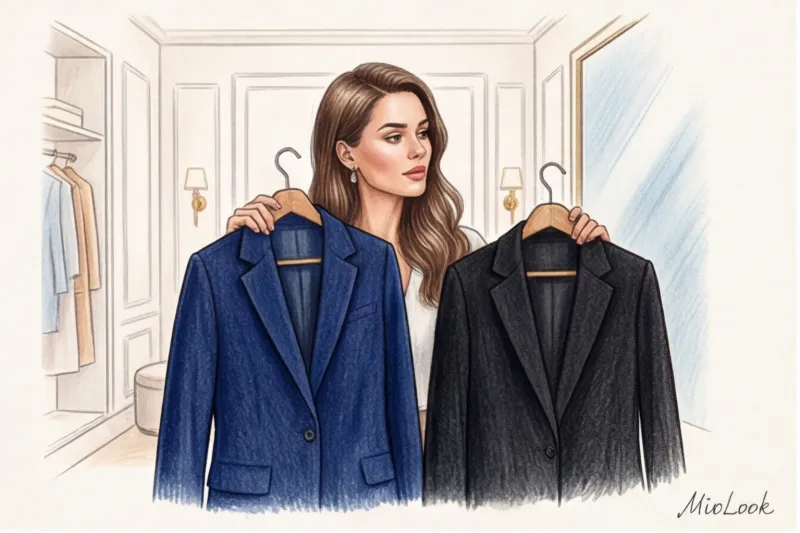
This color should be neutral, deep, or muted. Forget neon coats unless you're a street style blogger. Ideal colors for the 60%: classic navy, camel, graphite gray, dark chocolate, or deep khaki. When my clients choose a coat for €200-300 at Massimo Dutti or COS, I always insist on these shades—they look expensive in any light.
30% - Link (Additional)
This color supports the base, creates depth, but doesn't compete with the dominant color for attention. The 30% includes shirts, blouses, basic knitwear (turtlenecks, cardigans), and shoes, if they match the bottom.
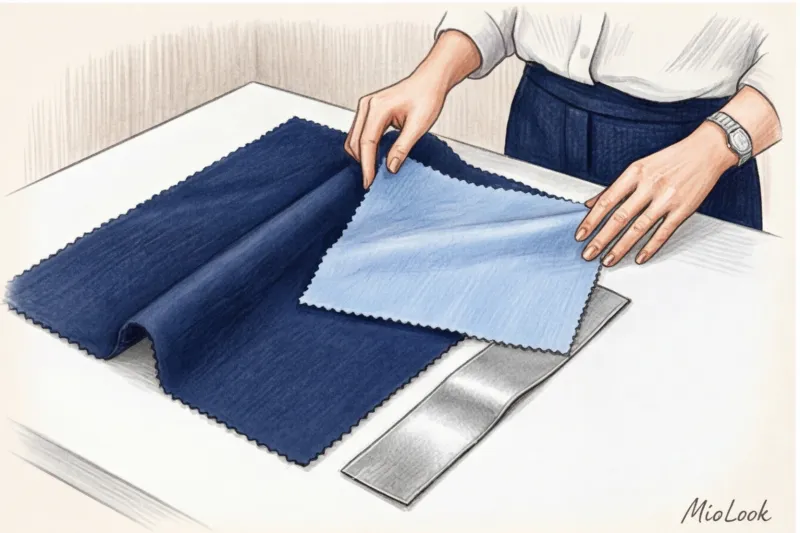
The connecting link should be different from the canvas, but related or complementary. For example, if your 60% is a navy suit, then 30% could be a light blue shirt made of heavy cotton (at least 120 g/m²). If the base is beige, add a cream or powder-colored jumper. This transition creates that layering we love so much on Pinterest.
10% - Focal Point (Accent)
Now you can add emotion! 10% are micro-details that catch the eye: bags, belts, silk scarves, statement shoes, chunky jewelry, or even just classic red lipstick.
If you remove these 10% from your look, it will remain normal, but it will become boring. It's this tiny detail that completes the outfit. And the best part is, you can change the accents every day, transforming the same basic suit from formal workwear to relaxed evening wear.
The biggest mistake beginners make: why bright colors cheapen a look by 10%
This is perhaps the most important insight I want to share with you. Glossy magazines often say, "Add a bright accent!" And women go buy an acid-yellow bag made of cheap polyurethane from a mass-market store for €20.
I'll say it straight: accent is not synonymous with neon or fuchsia Bright colors are unforgiving to the quality of materials. A red, smooth calfskin bag from a luxury brand is one thing, but a garish, faux leather bag with crooked stitching and the cheap shine of the plastic is quite another. A bright color on a cheap material always cheapens the entire look, even if your coat (60%) costs a pretty penny.
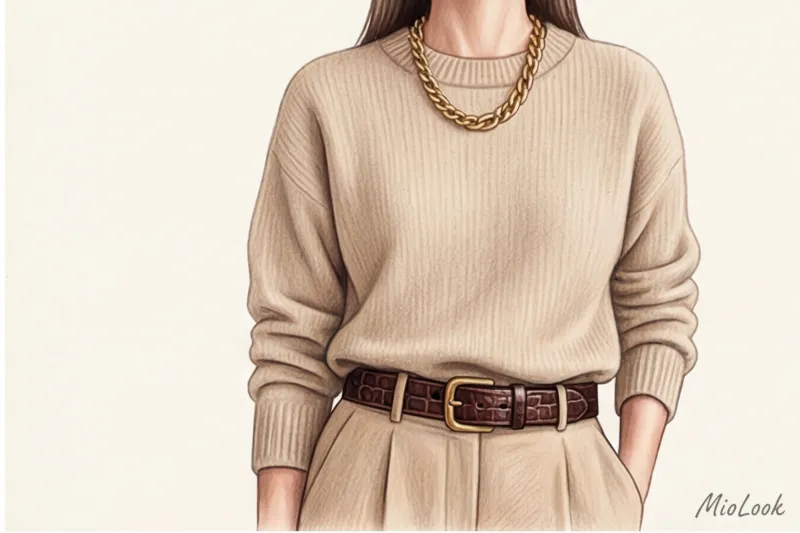
To create a prestigious European look, your 10% might not be about color at all, but about texture. Crocodile-effect embossing, the smooth, cool metal of large hardware, patent leather, or natural silk all work much better as an accent than a simple pop of color.
In my practice, I often create monochromatic looks for my clients. We use a total beige from Zara, but for a 10% accent, I add a chunky gold necklace or a wide dark chocolate-colored belt with a large brass buckle. The eye is drawn to the contrast in textures (soft wool versus harsh metal and leather), and the 60-30-10 rule works flawlessly, even though we only used basic shades.
Practice: 3 scenarios for applying the rule based on European brands
Theory is dead without practice. Let's see how this style math works in real life. I've compiled three ready-made formulas you can copy.
Scenario 1: Strict office classics (in the COS style)
Ideal for an interview or an important presentation where you need to look professional but not boring.
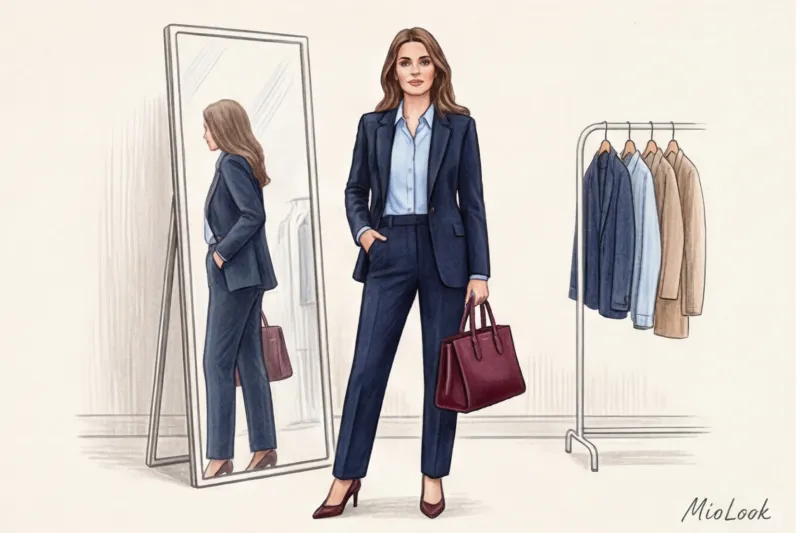
- 60%: Dark blue loose-fitting trouser suit (wool with 5% elastane for comfort).
- 30%: A light blue crisp poplin shirt, unbuttoned at the top two buttons.
- 10%: A burgundy rigid bag and leather loafers to match the bag.
Burgundy against a dark blue background looks noble and restrained, without violating office etiquette, but demonstrating your knowledge of trends.
Scenario 2: Relaxed Casual Weekend (Zara & H&M)
When you're going to brunch with friends or strolling around the city on a cool day.
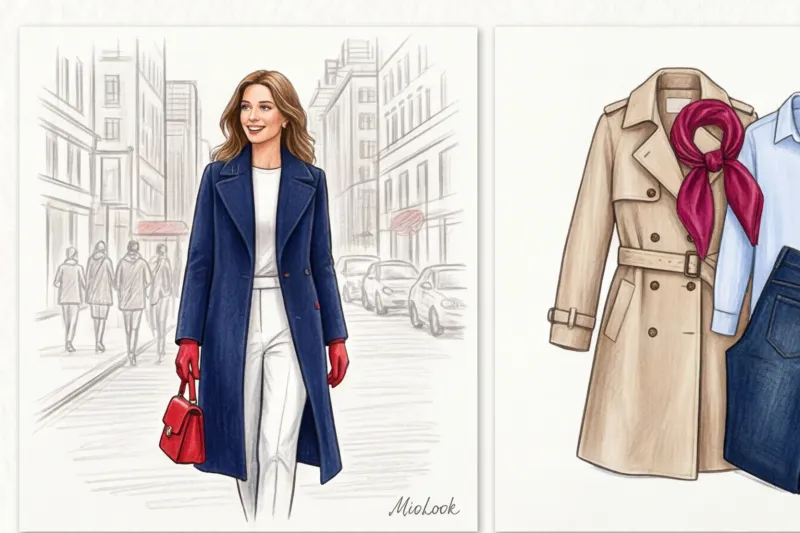
- 60%: A classic beige midi trench coat and straight-leg blue jeans (here they merge into a single basic canvas).
- 30%: White bulky sweater (cotton or semi-wool).
- 10%: Leopard print ballet flats (the print here works as a pop of color) or a finely knit red beanie.
Your perfect look starts here
Join thousands of users who look flawless every day with MioLook. Upload your items and get ready-made look formulas.
Get access — €0.99 onceScenario 3: "Quiet Luxury" in Monochrome (&Other Stories)
How to apply the rule if you hate contrasting colors and love minimalism?
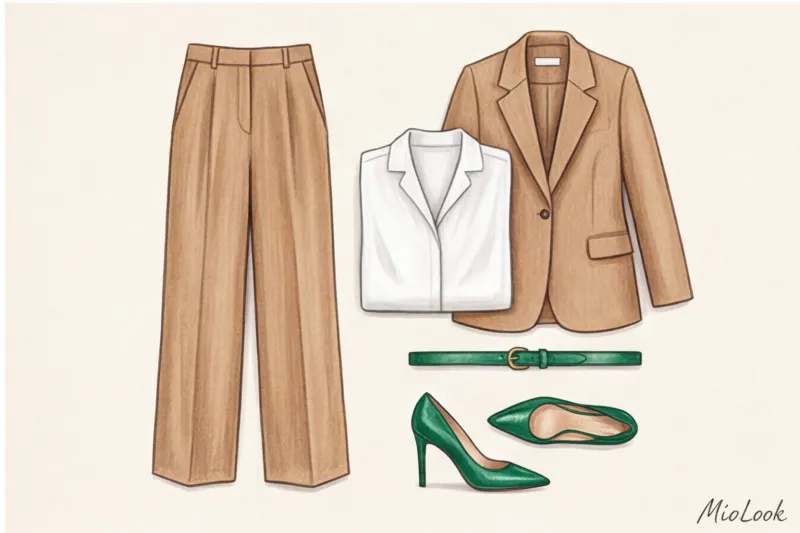
- 60%: Long camel colored coat.
- 30%: A cashmere sweater and wide trousers in a light sand color (a couple of shades lighter than the coat).
- 10%: Dark brown leather belt with matte gold buckle and tortoiseshell sunglasses.
Here the emphasis is on the depth of the chocolate shade and the texture of the metal and plastic frame.
How the 60-30-10 Rule Saves the Budget: A Smart Shopping Formula
And now the most interesting part. The 60-30-10 rule in clothing isn't just about visual harmony, it's also about your finances. One of the main problems my clients have is misusing their budget. They might buy a sequined evening top for €150 and then end up freezing in a thin acrylic coat for €40 because "I don't want to spend money on basics; they're boring."
Apply the color rule to your shopping budget. 60% of your money should go to items that make up 60% of your look.
Coats, jackets, quality trousers, and basic bags shape how others perceive you. If you've budgeted €500 for a seasonal update, spend €300 (60%) on a great, perfectly cut wool coat. It will last you 3-5 years.
Spend another €150 (30%) on a quality accessory: a couple of nice shirts or a thick sweater. You can save a little here by choosing high-quality cotton in the mid-price range (for example, €50–80 for a sweater).
Save the remaining €50 (10%) for accents. For this money, you can buy a great silk scarf on sale, a stylish leather belt, or trendy jewelry. Or, conversely, you can save for years on the trendy 30% to make a strategic investment in a premium bag (10%), which will instantly elevate any mass-market item to a luxury level.
Of course, this financial approach doesn't work for everyone. If you're a public figure, an artist, or work in the creative industry, your 10% (outrageous details) can take up the lion's share of your budget. But for 90% of women, this math saves thousands of euros in everyday life.
Checklist: How to Incorporate the 60-30-10 Rule into Your Wardrobe Tomorrow
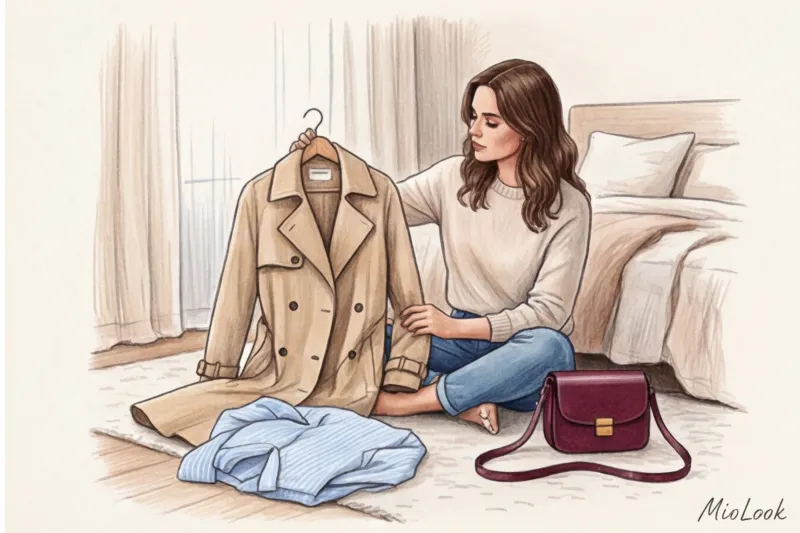
Enough theory, let's get practical. No need to rush to the mall right now. Try these four steps in your own bedroom.
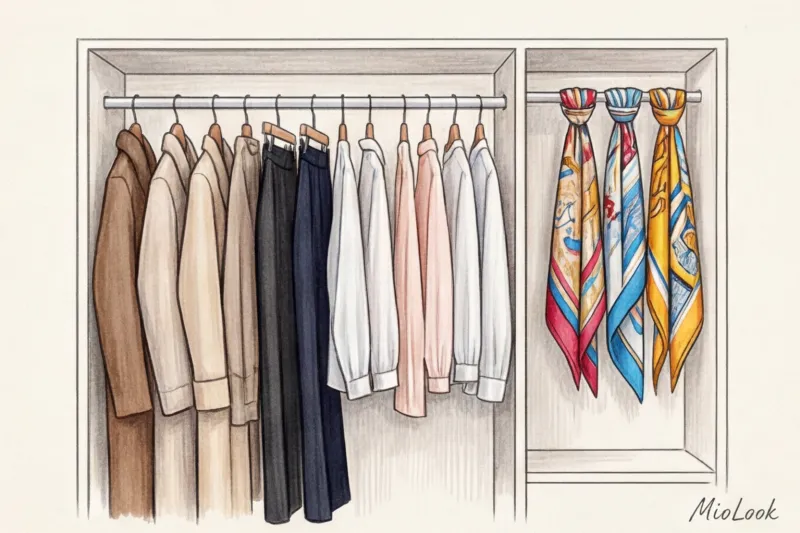
- Step 1: Conduct a canvas audit. Open your closet and find three or four items that will be your 60% this season (a coat, a jacket, a basic suit). Evaluate their color. If they're a complex print or neon, you're struggling with your basics.
- Step 2: Find the connecting links. For each coat or suit, find 2-3 tops (sweater, blouse) in your closet that make up 30% of the wardrobe and complement the base. Lay them out on the bed next to each other.
- Step 3: Find focal points. Check your accessory drawer. Do you have belts with interesting textures? Scarves? Statement shoes? Try pairing them with the items laid out on the bed. You'll immediately see how the look comes to life. If you're having trouble visualizing combinations, open the MioLook app — You can digitize your things and assemble outfits on your phone screen, saving time in the morning.
- Step 4: Make a smart shopping list. Buy EXCLUSIVELY what's missing from the formula. Do you have a blue suit and a light blue shirt, but the look seems boring? You don't need an extra blouse, you need a leopard-print belt (10%).
Result: from color chaos to strict mathematics of style
The 60-30-10 rule in clothing is often perceived as a limitation on creativity. In reality, it's your bulletproof vest against bad taste, the "nothing to wear" syndrome, and unnecessary spending. When you understand the specific role a piece will play in your ensemble (canvas, garnish, or accent), you'll stop buying random trends on sale.
Correct, well-balanced proportions of color and texture make an outfit appear more expensive, even if all items are purchased from affordable European brands in the €30–€100 range.
My advice for today: don't try to overhaul your entire wardrobe in one evening. Try putting together just one look for tomorrow's workday using this formula. Choose a base, add a complementary color, and finish the outfit with the right accessory. I'm sure you'll notice the difference not only in the mirror but also in how confident you feel.