Over 12 years of working as a stylist, I've noticed a striking paradox. Successful women who spend hours choosing the perfect jacket for the boardroom and meticulously build their personal brand often go to the gym in a faded T-shirt emblazoned with the logo of a 2018 IT conference. "It's just to break a sweat," they say. And they're making their biggest fitness mistake.
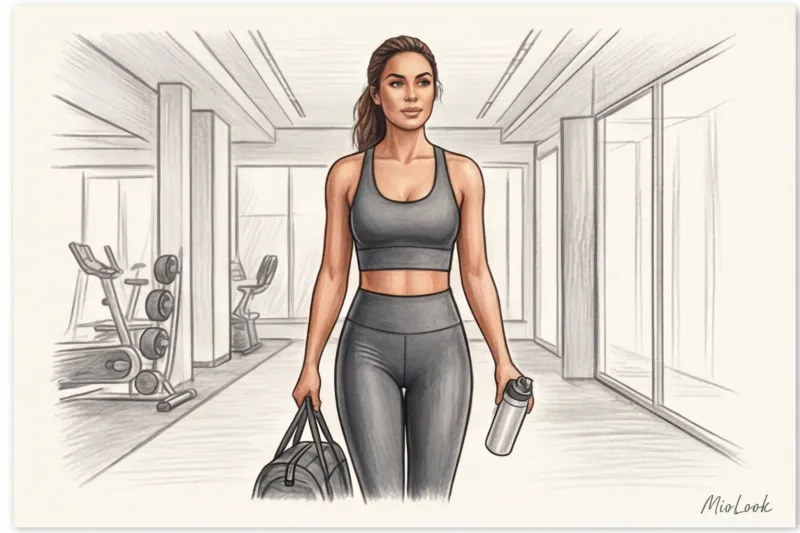
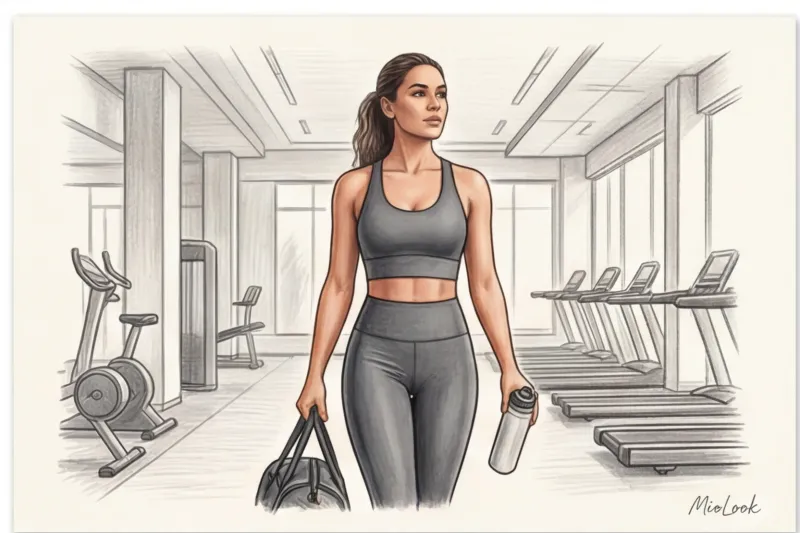
Correctly selected women's gym clothes — this isn't just a utilitarian fabric for collecting sweat. It's high-tech architectural gear that directly impacts your biomechanics, body temperature, and, most importantly, your motivation. We've already discussed the philosophy of this approach in more detail in our The complete guide to creating a premium sports capsule , and today we'll look at purely practical mechanics: how to put together a fitness wardrobe that works for you.
Why an old t-shirt is your biggest enemy during training
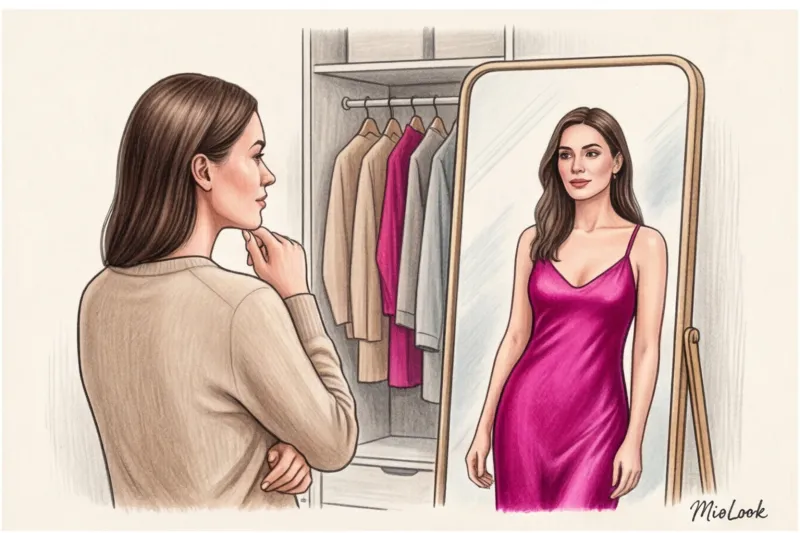
Let's start with neurobiology. In 2012, Journal of Experimental Social Psychology A study was published that coined the term "Enclothed Cognition." Scientists have proven that what we wear alters our cognitive processes and even physiological responses. When you put on a stretchy sweatshirt, your brain receives the signal: "We're about to relax" or "We're doing menial, unpleasant work." Your heart rate slows, and your focus dissipates.
One of my clients, a marketing director at a large company, complained about constantly losing motivation in the gym. We completely ditched her "workout pajamas" and put together a capsule set of eight premium architectural pieces. The result? Her workout frequency increased by 40% in two months. She admitted: "I feel like the Terminator in these leggings. I just can't do half-assed lunges when I look so put-together.".
Now let's debunk the biggest fitness myth: "You need natural, breathable cotton clothing for sports." 100% cotton is the worst material for the gym. According to the laws of textile engineering, cotton fiber can absorb 27 times its own weight in moisture. However, it doesn't wick away the water. The fabric instantly becomes heavy, loses its shape, clings to the body, and, cooling between sets, causes muscle hypothermia. Add to this the harsh friction of wet fabric against the skin, and you have the perfect recipe for microtrauma.
Try MioLook for free
A smart AI stylist will find the perfect look for your workouts.
Start for freeThe Perfect Capsule Formula: Women's Gym Clothes Without Breaking the Bank
According to a 2024 McKinsey analytical report, the average woman spends eight minutes choosing her pre-workout outfit. This is an unaffordable luxury. A workout wardrobe should work like a Lego set: you can pick up any two pieces with your eyes closed, and they fit together perfectly.
The math for the basic capsule looks like this (8 items total, giving over 15 combinations):
- 3 bottom options (long leggings, cropped 7/8, cycling shorts or shorts);
- 3 top options (2 crop tops with varying levels of support, 1 loose-fitting tank top made of moisture-wicking mesh);
- 2 layers for warming up (zip-hoodie or technical long sleeve, plus a light bomber jacket).
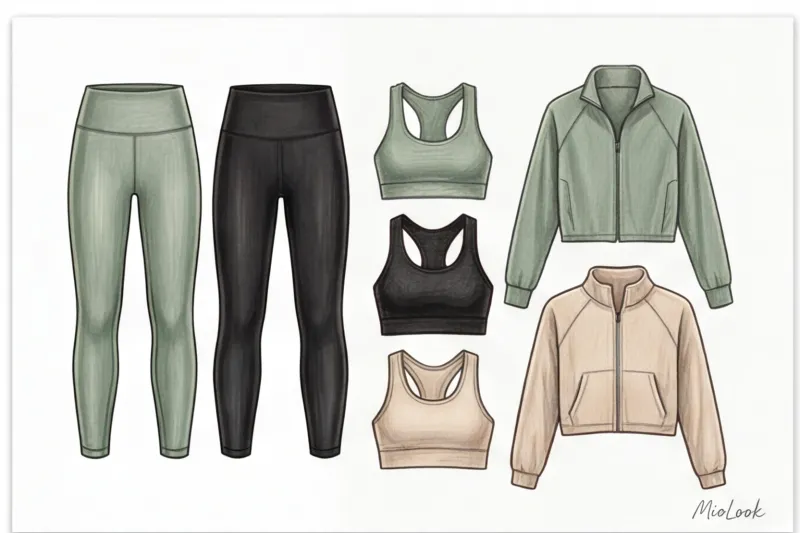
Implement the "Sandwich Rule." Before and after your workout, your silhouette should be built on contrasting volumes: a fitted base (leggings + top) and a voluminous top (oversized zip-up). This creates a classy, relaxed aesthetic.
As for color: eschew chaotic neon in favor of a refined monochrome. A base in shades of graphite, sage, dark chocolate, or deep burgundy looks far more expensive. You can add one bright accent color (for example, electric blue or neon lime), but only as details or as a single top coat. My clients often upload their finished capsule collection to MioLook so that the system itself generates combinations for the week ahead - this saves morning willpower for the workout itself.
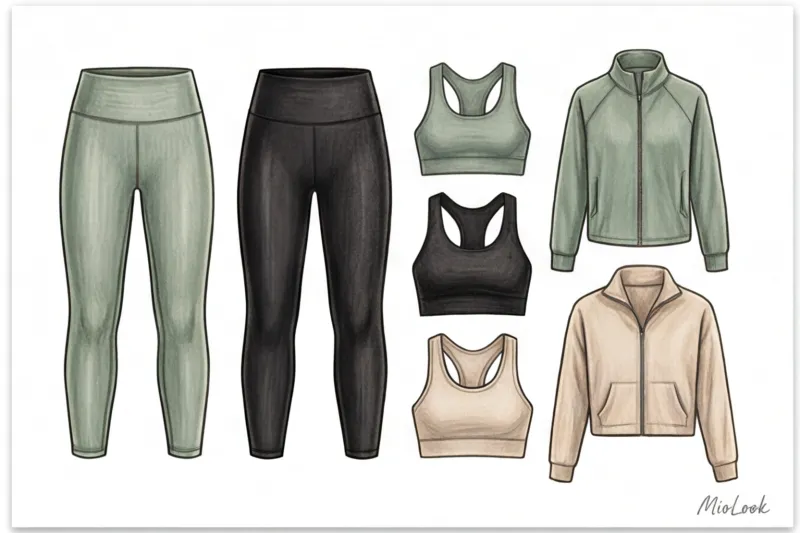
Base layer: bras and tops with the right architecture
The most dangerous mistake is doing burpees in a soft yoga bra. Sports bras are categorized by support levels (Low, Medium, High Impact), and this isn't a marketing ploy, but rather a calculation of the resistance of the materials.
Look for tops with encapsulation , not compression. Cheap bras simply flatten the breasts, pressing them against the rib cage (compression), which cuts off circulation and interferes with deep breathing. A proper bra (encapsulation) has separate, anatomically shaped cups that support each breast individually. Look for seamless seams: there should be no stiff threads in areas of high friction (armpits, underbust).
Bottom: leggings, shorts and cycling shorts
The anatomy of ideal leggings is built on two pillars: the waistband and the gusset. The waistband should be wide, with a V-shaped cut at the waist—this creates gentle compression around the abdomen and prevents the fabric from slipping when bending over. The gusset (the diamond-shaped panel between the legs) is an absolute must. Without it, the fabric will cut into the body, creating awkward folds.
As for length, to visually elongate your legs, choose a 7/8 length that reveals the narrowest part of the ankle. This instantly creates a lighter and more dynamic silhouette.
Tissue analysis: where to invest and where to save?
If you want your gym clothes (women's or men's—the rule is universal) to last, learn to read the ingredients. The gold standard in the fitness industry is a nylon/spandex blend. Nylon provides incredible strength and smoothness, while elastane provides shape memory.
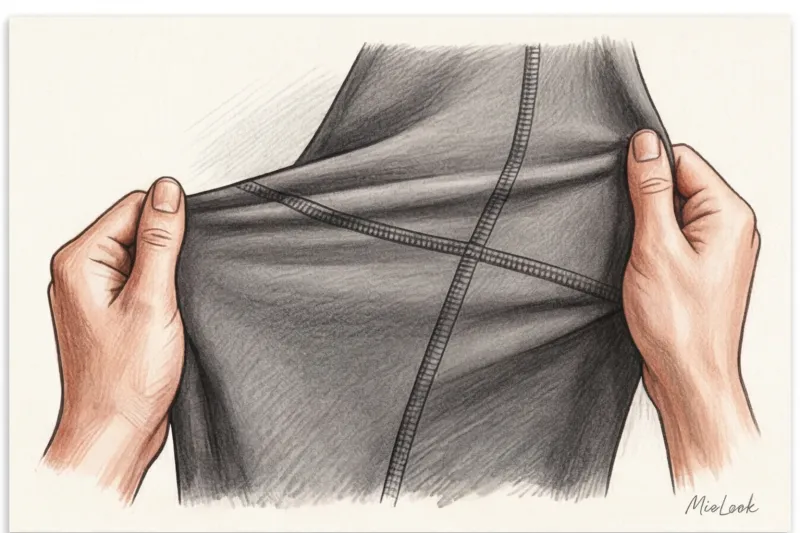
Stylists' secret: strength training leggings should have strictly from 15% to 20% elastane (spandex/lycra) If you see 5-8% elastane in the composition, return the item to the shelf. It will sag at the knees after the first set of squats.
Polyester is a double-edged sword. On the one hand, it wicks away sweat incredibly quickly (perfect for intense cardio). On the other hand, polyester fibers tend to accumulate bacteria, causing an unpleasant odor that becomes impossible to remove over time. Therefore, for tops and t-shirts, it's best to look for polyester with a special antibacterial treatment.
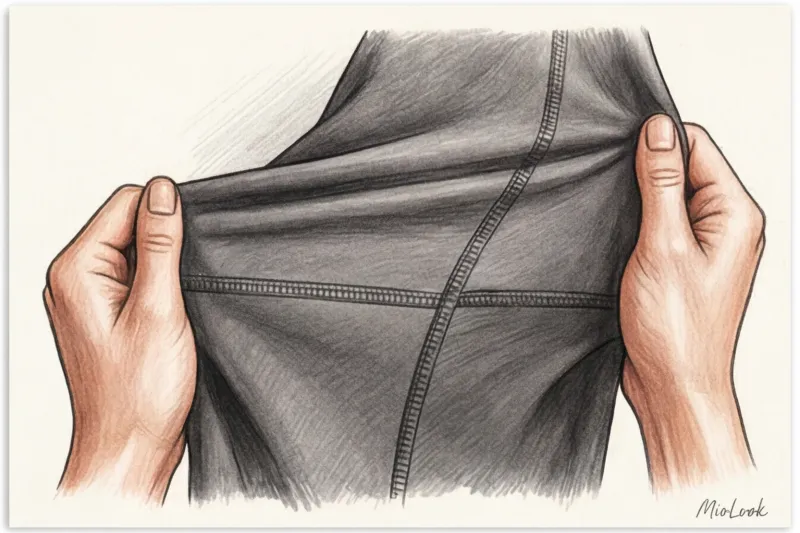
Let's calculate the real cost-per-wear. Premium leggings for €130 with the right composition will last about 150 washes without losing compression (€0.86 per wear). Mass-market leggings for €25 with cheap elastane will start to show through and fall off after 10 washes (€2.50 per wear). A cheapskate pays twice, and in the context of sportswear, this also means constantly adjusting the slipping waistband.
Your perfect look starts here
Join thousands of users who look flawless every day with MioLook.
Start for freeChoosing clothes depending on the type of workout
There's no one-size-fits-all approach. What works perfectly in Pilates will become torture in CrossFit.
Strength training. Proper compression and protection are key here. When I started tracking my workout looks in an app six months ago, I was surprised to discover that out of five pairs of leggings, I was constantly washing and wearing only two. It turned out that only these two had the right amount of fabric tension to prevent the bar from scraping my shins during deadlifts, and a waistband that didn't bunch up under my weight belt.
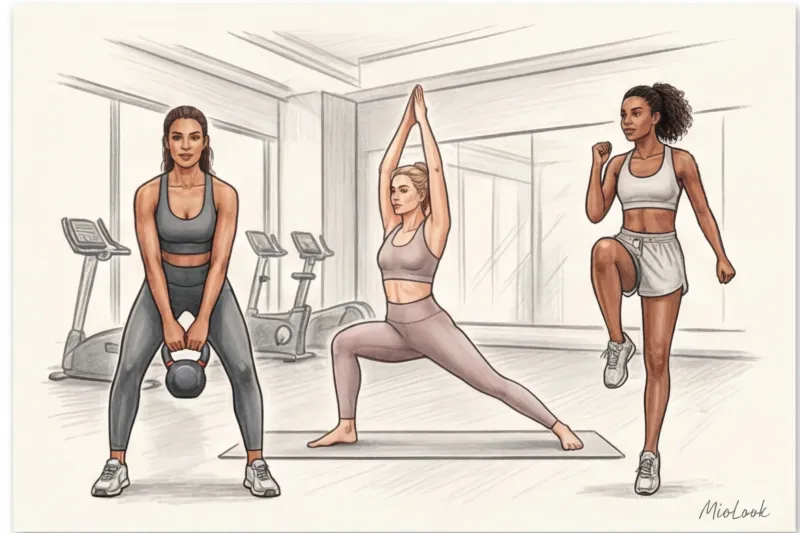
Cardio and HIIT (interval training). The number one priority is bust support and maximum heat dissipation. Look for high-impact tops with mesh inserts in the back and neckline. Leggings can be replaced with loose-fitting technical shorts with an inner compression layer.
Yoga and Pilates. The main requirement is 4-way stretch. A rule of thumb from trainers: never wear tops or bras with zippers or hooks in the back to Pilates. During roll-ups on the mat, the hard hardware will cause bruising on the spine. Important limitation: This advice doesn't work for women with a D cup or larger—they anatomically require a structural back closure for adequate support.
Checklist: 5 Fitting Room Tests Before Buying
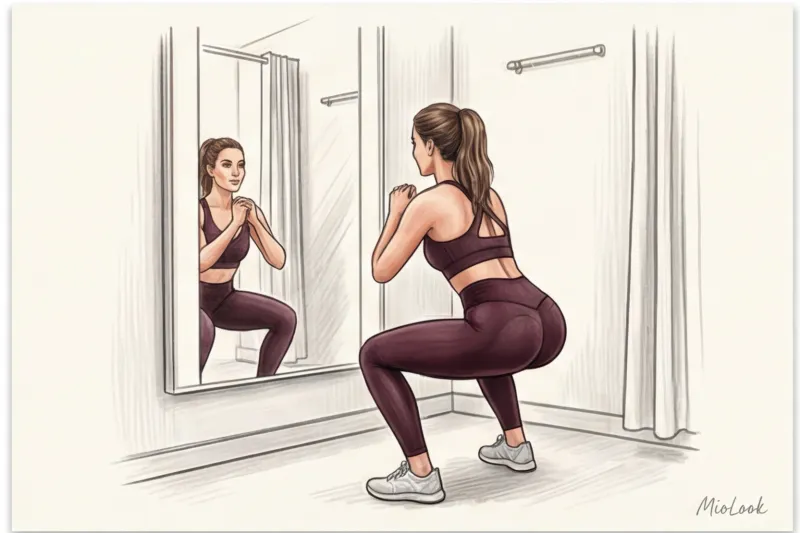
Never buy sports gear just by twirling in front of a mirror. Crash test it in the fitting room. Here's my 5-step process:
- Squat test. Turn your back to the mirror in the brightest fitting room lighting and do a deep squat. Check the transparency rating: if you can see the outline of the underwear or its pattern, the fabric has failed the test.
- Jump test. Do 10 jumping jacks. Your top shouldn't allow your chest to bounce more than a couple of centimeters, and the waistband of your leggings shouldn't roll down.
- Camel toe test. Carefully inspect the groin area. If there's a stiff vertical seam down the center (and no gusset), the fabric will form unsightly folds at the slightest tension.
- Belt elasticity test. Slide one finger between the leggings' waistband and your waist. It should fit with slight pressure. If it takes a whole palm to fit, the leggings will slip down during your workout; if you can't slide your finger in, the fabric will constrict your lymph flow.
- Twist test. Move your ankles. Skinny pants should not twist around the axis of your leg.
Caring for your sportswear: how to avoid damaging the technical fabric in a month
Even €200 leggings can be ruined in three washes if you don't understand the laws of chemistry. The number one, absolute enemy of any sportswear is fabric softeners.
How does it work? Fabric softeners create a thin wax film on the surface of the fibers to make the fabric feel soft. For high-tech elastane, this is a death sentence: the wax clogs the micropores, rendering the fabric unable to wick away sweat. Furthermore, paradoxically, it's the fabric softener that causes the unbearable odor in athletic wear. The wax film traps bacteria and sebum within the fibers, making it impossible for regular detergent to remove them.
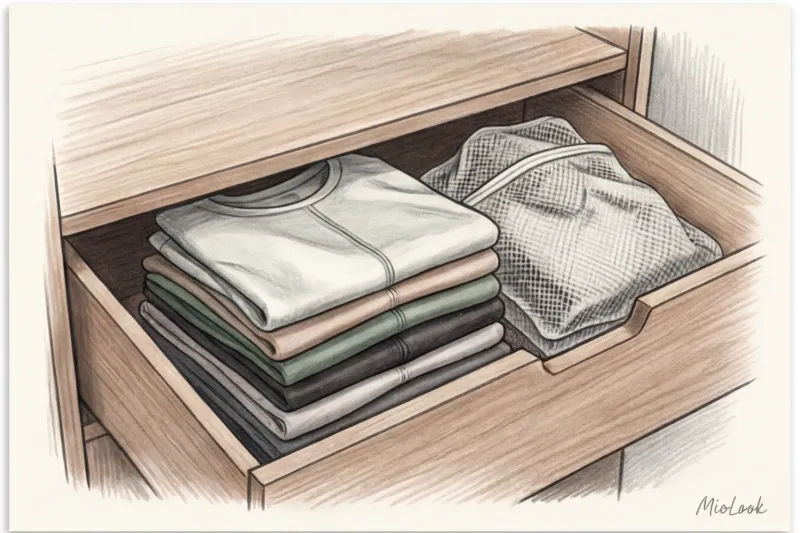
The second ironclad rule: elastane hates high temperatures. Wash strictly at 30 degrees Celsius (maximum 40 degrees, if stated on the care label). Forget about tumble drying or drying on hot radiators. Heat damages the elastic threads within a couple of weeks—the fabric will become wavy and lose its compressive properties forever.
Ready to get started?
Try the MioLook plan for free—no commitments required—and start building your fitness capsule today.
Start for freeUltimately, a well-assembled sports capsule wardrobe is an investment not in fashion, but in your discipline. When your gear fits perfectly, conceals what needs to be concealed, and supports where needed, there's no longer any excuse to skip a workout. Build your wardrobe wisely, read the ingredients, and remember: in the gym, you're building the best version of yourself, and your clothing should match that ambition.