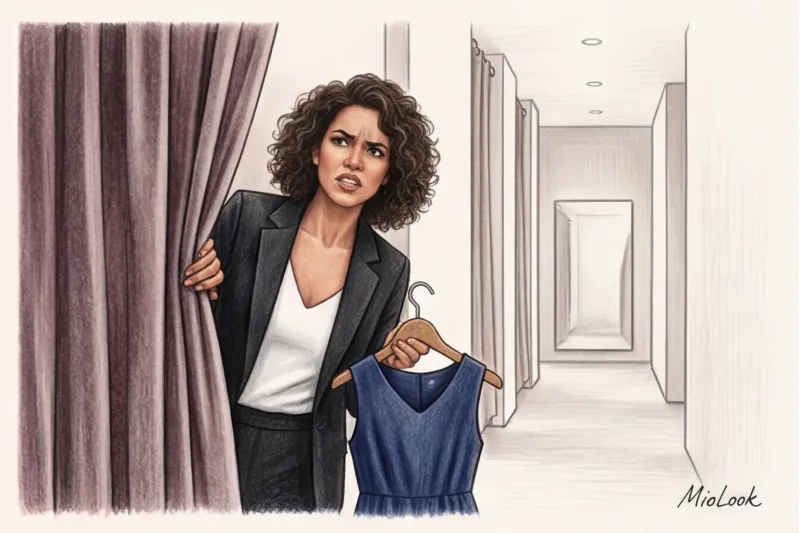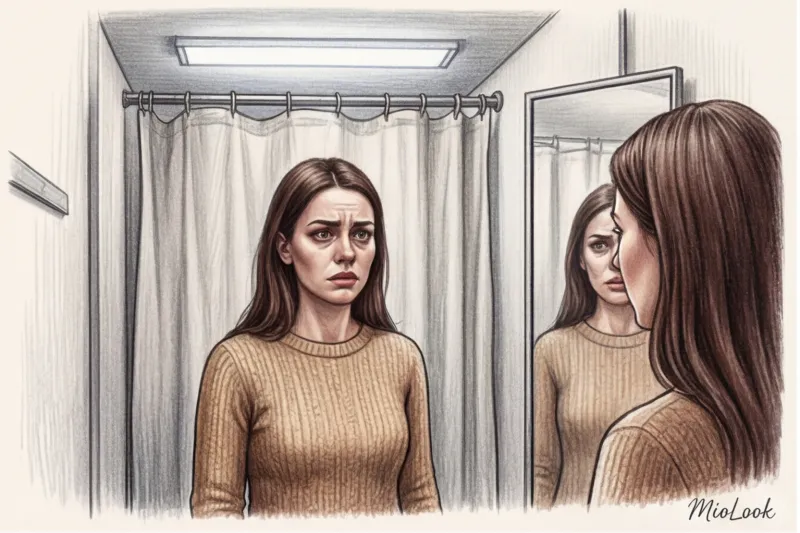
А вы когда-нибудь заходили в примерочную кабинку с охапкой красивых вещей и в прекрасном настроении, а выходили оттуда в слезах, с твердой уверенностью, что вам срочно нужно худеть на десять килограммов? За годы работы персональным стилистом я слышала эту историю сотни раз. Женщины винят свою талию, бедра, возраст или съеденный вчера круассан. Но правда в том, что если вам категорически не нравится фигура в примерочной, в 90% случаев с вашим телом все абсолютно в порядке.
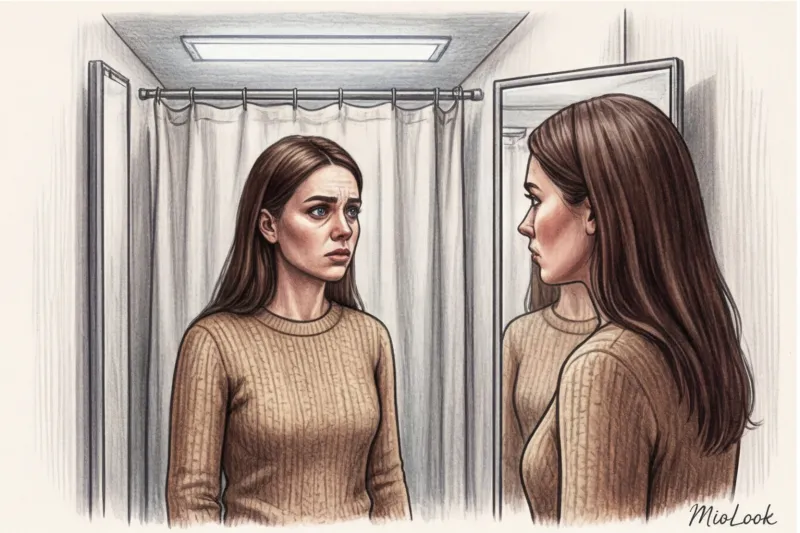
Проблема кроется в агрессивной архитектуре ритейла. Дешевый верхний свет, искажающие зеркала и плоские лекала масс-маркета целенаправленно (хоть и ради экономии) уродуют пропорции тела. Подробнее о том, как стресс провоцирует нас на покупку ненужных вещей-компромиссов, мы рассказали в нашем полном гиде по психологии шопинга. А сегодня я хочу поговорить о физике процесса: почему кабина в торговом центре — это комната кривых зеркал, и как вернуть себе контроль над своим отражением.
Анатомия иллюзий: почему вам не нравится фигура в примерочной
Около пяти лет назад ко мне пришла клиентка Елена. Она наотрез отказывалась идти на шопинг в торговый центр. Оказалось, что тремя годами ранее она испытала настоящую паническую атаку в примерочной популярного фаст-фэшн бренда: свет выявил у нее целлюлит даже на руках, а платье село так, будто у нее вырос живот. Три года Елена покупала только мешковатые свитшоты без примерки. Когда я отвела ее в бутик с правильным освещением и архитектурным кроем, она заплакала — но уже от того, насколько красивой себя увидела.
По данным масштабного исследования Journal of Retailing (2022), более 70% женщин испытывают резкое падение самооценки именно после посещения примерочных в масс-маркете. Ритейл-архитектура в бюджетном сегменте создана не для того, чтобы вы чувствовали себя комфортно, а для того, чтобы на квадратном метре поместилось максимум кабин. Добавьте к этому нехватку свежего воздуха (в кабинках часто душно, что физиологически повышает кортизол) — и вы получите идеальную среду для стресса.
Жестокие тени: как верхний свет меняет наше лицо и тело
Самый большой враг вашей красоты прячется на потолке. В недорогих магазинах используют мощные галогенные или дешевые LED-споты, направленные строго сверху вниз. Этот тип освещения в профессиональной среде фотографов называют «светом монстра».
- Тени под глазами: Верхний свет создает глубокие черные провалы под глазами и носом, визуально старя лицо на 5–10 лет.
- Рельеф кожи: Он подчеркивает малейшие неровности. Целлюлит, который совершенно незаметен при рассеянном дневном свете, под прямыми лучами кажется катастрофическим.
- Индекс цветопередачи (CRI): Дешевые лампы имеют низкий CRI (ниже 80). Из-за этого ваша кожа в зеркале приобретает нездоровый зеленоватый или землисто-серый оттенок.
В идеальной ситуации свет должен падать фронтально — по обе стороны от зеркала, равномерно заливая силуэт, как это делают в профессиональных гримерных.
Зеркала: маркетинговые трюки и искажение пропорций
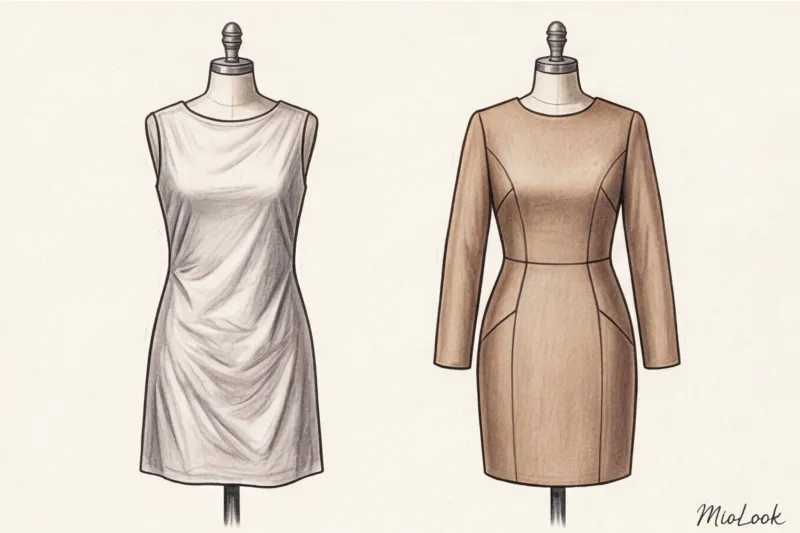
Вы наверняка замечали: в одном магазине вы кажетесь себе Дюймовочкой, а в соседнем — ваши ноги стали короче, а бедра шире. Дело в банальном монтаже зеркал. Некоторые бренды намеренно слегка наклоняют зеркало верхним краем к стене (это визуально вытягивает силуэт и стройнит). Другие же, экономя на ремонте, клеят тонкие зеркальные полотна прямо на неровные стены. Такое зеркало идет волнами и безжалостно ломает геометрию вашего тела.
Еще одна проблема — отсутствие дистанции. Чтобы объективно оценить посадку вещи, нужно отойти от зеркала минимум на 2–2,5 метра. В стандартной кабине 1x1 метр вы можете разглядывать себя только в упор, что искажает перспективу и визуально увеличивает ту часть тела, которая находится ближе всего к стеклу.
Доступ к MioLook за €0,99 — разовый платёж
Умный AI-стилист подберёт идеальный образ без стресса от магазинных примерочных
Открыть доступ — €0,99 разовоЛовушка фаст-фэшна: как дешевые лекала ломают самооценку
«Со мной что-то не так, у меня нестандартная фигура» — эту фразу я запрещаю произносить своим клиенткам. Запомните: если вещь сидит на вас плохо, это вина производителя, сэкономившего на разработке лекал.
Быстрая мода работает на объемах. Одежда в диапазоне 30–80 € кроится на плоскости (так называемые 2D-лекала) под усредненный манекен, который не имеет ничего общего с реальным женским телом. Производители намеренно убирают вытачки, сложный крой рукава и выверенные проймы, потому что прямой кусок ткани сшить быстрее и дешевле.
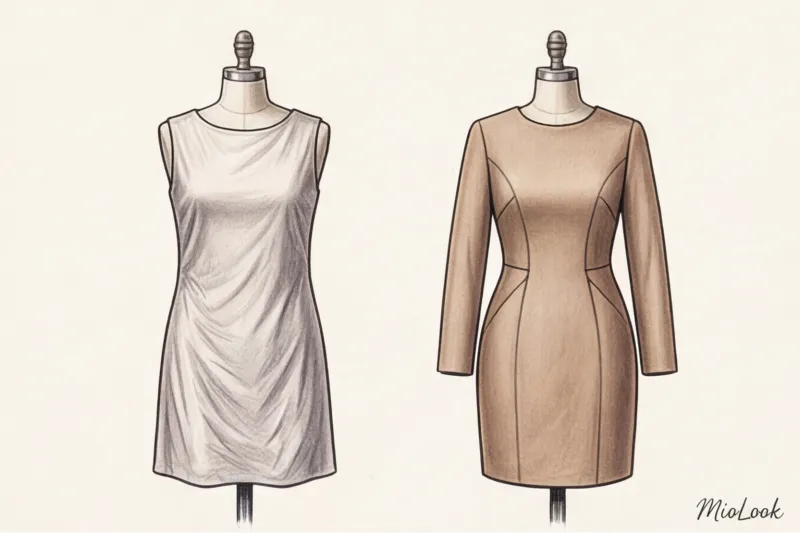
Давайте сравним. Возьмем жакет из Zara и классический смокинг от Max Mara.
- Масс-маркет: Плечо мягкое, пройма вырезана низко, чтобы жакет налез на любую полноту руки. В итоге, когда вы поднимаете руку, за ней тянется весь жакет. Тонкая синтетическая ткань облегает каждую складку на теле.
- Люкс: Используется 3D-архитектура. Жакет имеет жесткую бортовку (внутренний каркас), высокую пройму, дающую свободу движения, и ткань (например, плотную шерсть), которая моделирует ваш силуэт, а не обтягивает его. Вы надеваете такой жакет — и у вас волшебным образом появляется королевская осанка.
«Допустимая погрешность (tolerance) при массовом фабричном пошиве составляет до 3 см. Это значит, что два платья размера M, висящие на одной стойке, могут отличаться в объеме на 6 сантиметров!» — делятся технологи британского института Central Saint Martins.
Психологическое давление: теснота, шторки и спешка
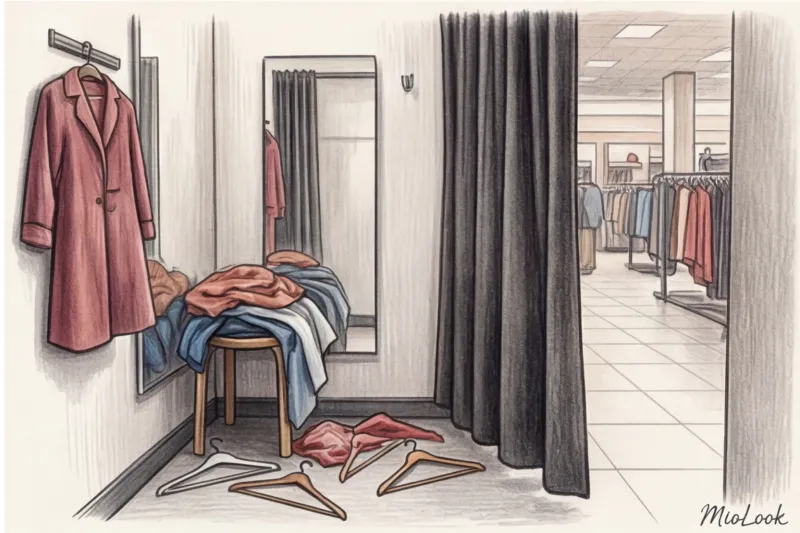
Покупка одежды требует концентрации, но магазины создают условия сенсорной перегрузки. Громкая ритмичная музыка заставляет вас двигаться быстрее. В затылок дышит очередь из недовольных покупателей. А тонкая шторка, которая постоянно норовит отъехать в сторону и показать вас полуголой всему торговому залу, лишает базового чувства безопасности.
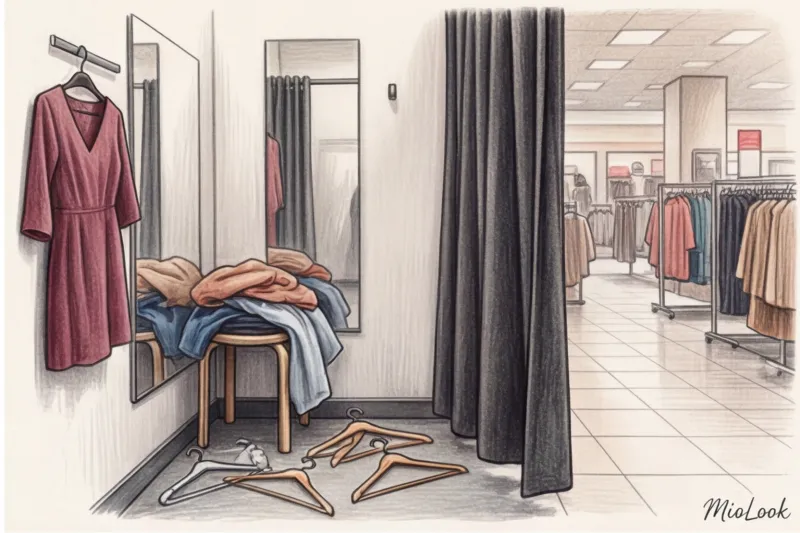
Ограничение «не более 5 вещей в одни руки» работает как мощный психологический триггер. Вы вынуждены торопиться, принимать решения молниеносно. В состоянии такого давления мозг ищет самый простой выход: купить хоть что-то, что «вроде бы село неплохо», и поскорее сбежать. Именно так в наших шкафах оседают унылые компромиссные вещи, которые мы надеваем один раз и забываем. Это классический сценарий формирования гардероба по принципу «шкаф забит, а надеть нечего».
Ваш идеальный образ начинается здесь
Присоединяйтесь к тысячам пользователей, которые каждый день выглядят безупречно с виртуальной примерочной MioLook.
Открыть доступ — €0,99 разовоСтандарт люкса: как должна выглядеть идеальная примерка
Когда я работала стилистом в Милане и сопровождала VIP-клиентов в бутики Dior и Loro Piana, я поняла, что примерка — это не функциональный процесс, а ритуал повышения уверенности в себе. Пространство там работает на вас, а не против вас.
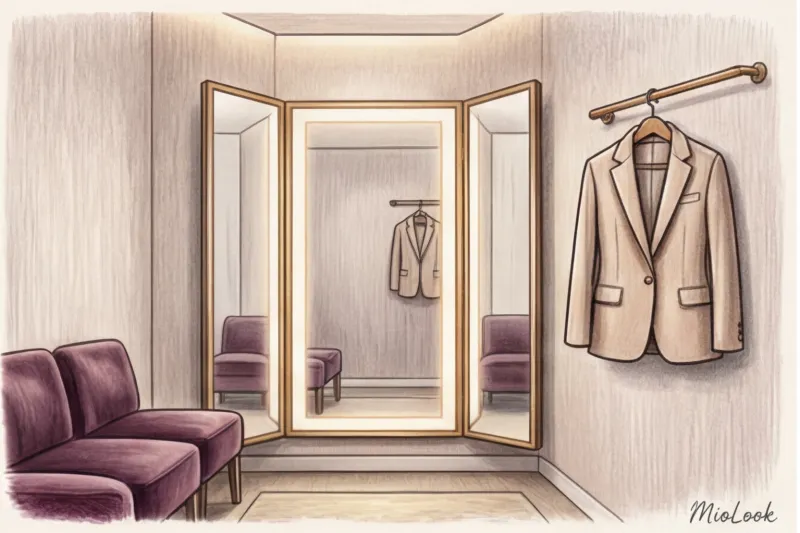
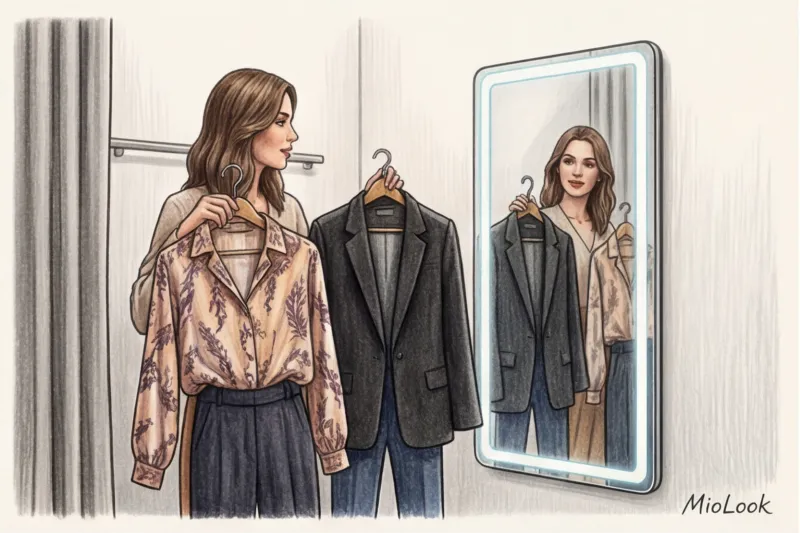
В люксе примерочная — это просторная комната, где есть диван, столик и возможность пройтись. Освещение мягкое, теплое, льющееся спереди, как кольцевая лампа блогера, что моментально выравнивает тон кожи. Главный элемент — трехстворчатое зеркало (трюмо), которое позволяет оценить посадку сзади и сбоку без необходимости выворачивать шею. Никаких очередей и лимитов на вещи: вам предложат кофе, принесут туфли вашего размера, чтобы вы оценили брюки под нужный каблук. В такой обстановке вы покупаете не просто пальто за 3000 €, вы покупаете лучшую версию себя.
Технологии сберегают нервы: переход на онлайн-примерку
К счастью, сегодня не обязательно тратить тысячи евро, чтобы избежать унизительного опыта в кабинках ТЦ. Будущее осознанного шопинга — это перенос примерки к вам домой.
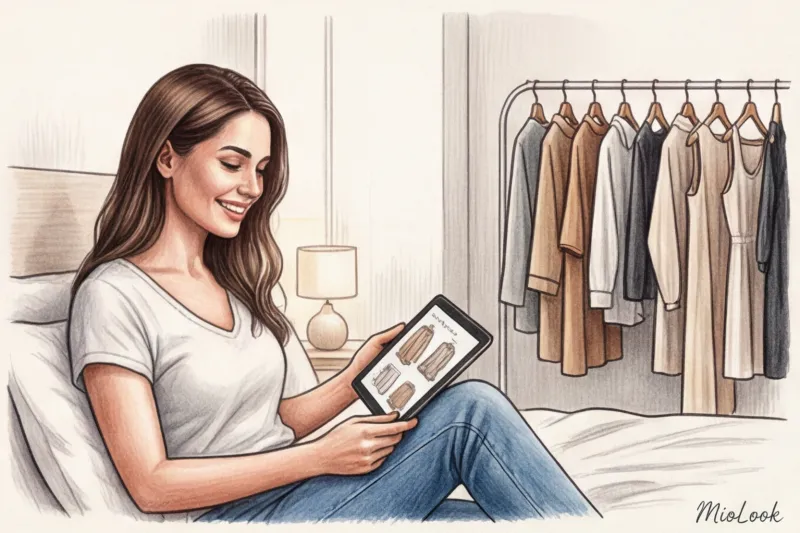
Я всегда рекомендую клиентам заказывать вещи онлайн с доставкой на дом. Вы примеряете одежду при естественном дневном свете, без спешки, с вашей любимой обувью и аксессуарами. Вы можете сразу понять, сочетается ли новый свитер с теми тремя юбками, что уже висят в вашем шкафу.
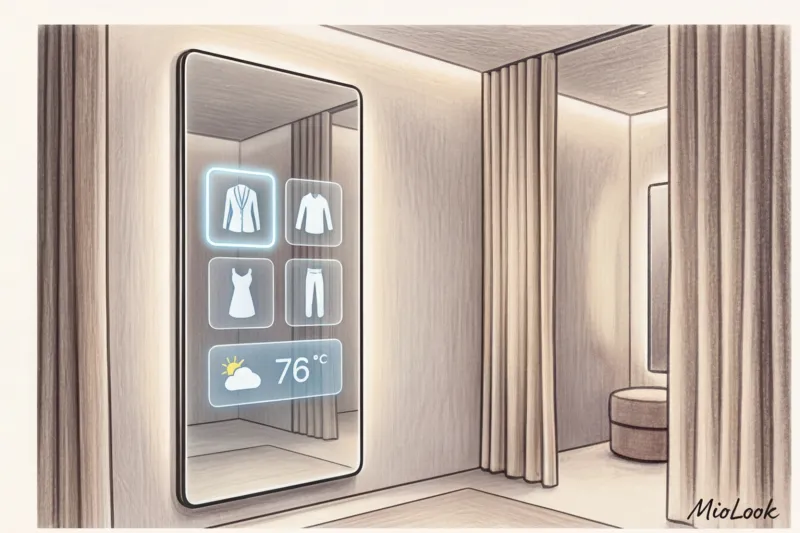
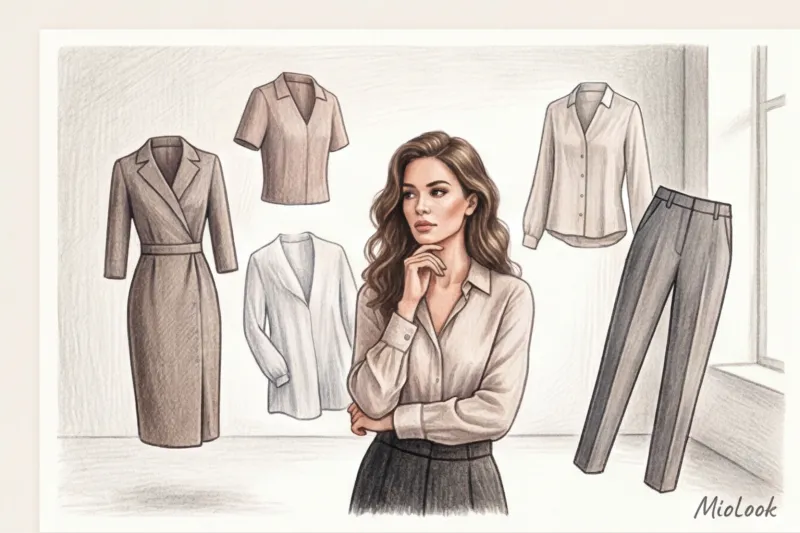
Но настоящий прорыв — это AI-технологии. Сегодня вы можете оценить посадку вещи даже до того, как оформите доставку. Например, используя функции умного гардероба в приложении MioLook, вы можете создать цифровую версию себя и визуализировать, как конкретный фасон сядет на вашу фигуру. Это кардинально снижает когнитивную нагрузку: вы перестаете заказывать 10 платьев в надежде, что подойдет хотя бы одно.
Конечно, онлайн-примерка не сработает на 100%, если вам критически важно тактильно ощутить фактуру сложного тяжелого шелка или кашемира перед покупкой. Но для базового и капсульного гардероба это абсолютное спасение нервной системы.
Чек-лист стилиста: как вернуть контроль над шопингом
Если вам все же необходимо отправиться в торговый центр (например, за джинсами, которые я всегда советую мерить вживую), подготовьтесь. Вот мой профессиональный протокол, который я выдаю каждому клиенту перед самостоятельным походом по магазинам:
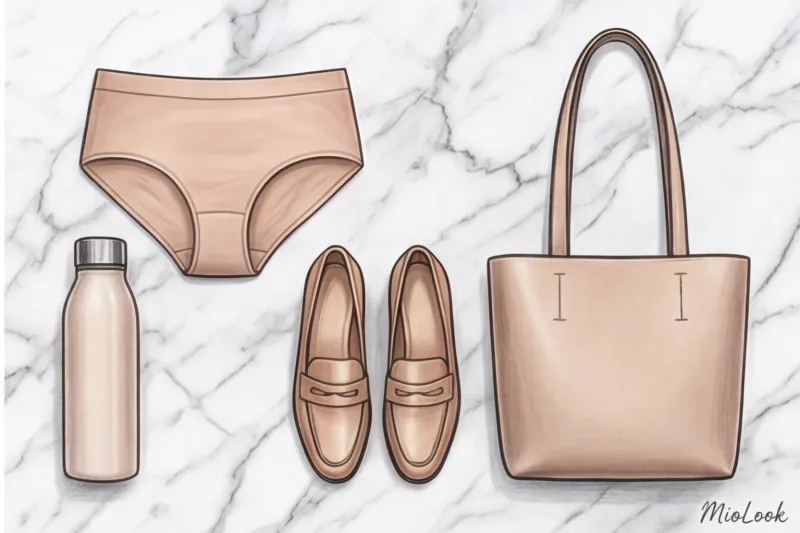
- Фундамент — это белье. Надевайте только гладкое, бесшовное белье телесного (нюдового) цвета. Никаких кружев, врезающихся резинок или черных бюстгальтеров под светлые блузы. Правильный лифчик, держащий форму груди, решает половину проблем с посадкой топов.
- Правило «чистой головы». Не ходите на шопинг в плохом настроении, без макияжа (если вы обычно его носите) или с грязными волосами. Вы будете смотреть в зеркало и неосознанно переносить недовольство своим лицом на одежду.
- Снимайте на видео, не смотрите в зеркало. Это мой любимый лайфхак. Зайдите в кабинку, наденьте вещь, поставьте телефон на полку, включите запись видео, отойдите на максимум и просто покрутитесь пару секунд. Зеркало искажает, а камера телефона (если ее не наклонять) дает гораздо более объективную картинку. Смотрите видео только выйдя из кабинки!
- Практика «отложенной покупки». Никогда не несите вещь из примерочной сразу на кассу. Отложите ее на кассе на час и идите выпить кофе. Если через 40 минут вы продолжаете думать об этом жакете — возвращайтесь и покупайте. В 8 случаях из 10 вы за ним не вернетесь.
В следующий раз, когда вы задернете за собой шторку и поймаете себя на мысли «какой ужас, мне ничего не идет», сделайте глубокий вдох. Вспомните, что над этим отражением поработала дешевая лампа, кривое стекло и лекало, скроенное на картонный квадрат. Оставьте эти вещи в магазине — вы заслуживаете одежды, которая служит вашей красоте, а не требует от вас идеальности.