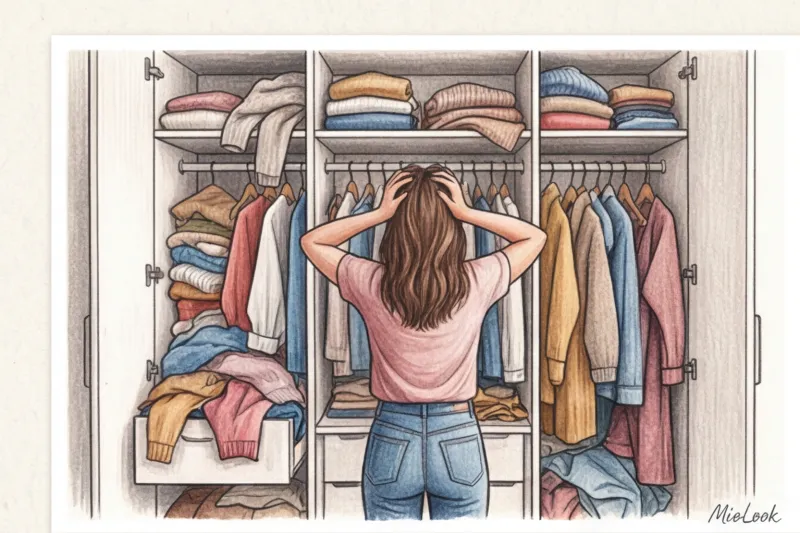
За 14 лет работы фэшн-журналистом и практикующим стилистом я видела сотни гардеробных в Париже, Милане и Нью-Йорке. Но одну из них я не забуду никогда. Моя клиентка, успешный IT-директор, стояла перед огромным встроенным шкафом, доверху забитым брендовыми вещами от COS до Prada. Внезапно она просто закрыла лицо руками и расплакалась. «Здесь висит столько денег, а мне буквально нечем дышать», — сказала она.
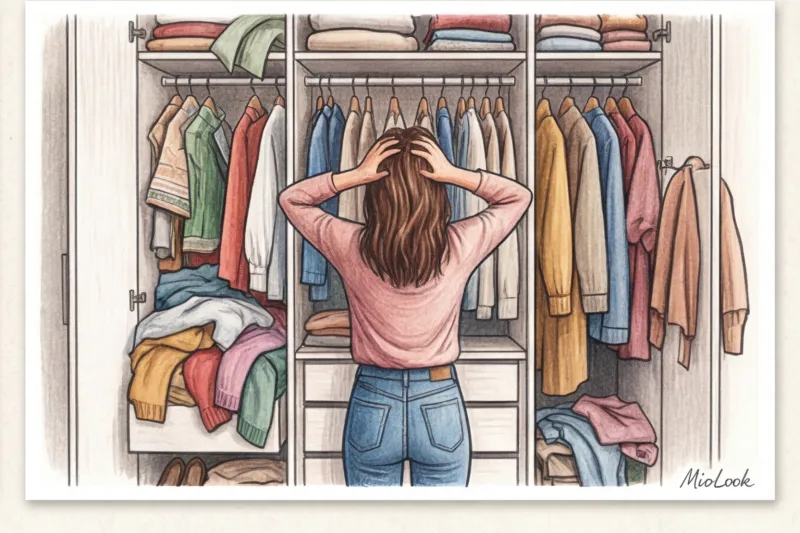
Это был момент истины. В тот день я окончательно убедилась: мы имеем дело не с организацией бытового пространства. Для огромного числа современных женщин расхламление гардероба — психотерапия в её самой чистой, соматической форме. Подробнее о том, почему полный шкаф вызывает утренний ступор, мы рассказывали в нашем полном гиде по психологии гардероба. В этой статье мы пойдем дальше.
Мы не будем учиться складывать носки в идеальные прямоугольники. Мы поговорим о том, как избавиться от когнитивной перегрузки, синдрома упущенных возможностей и «гардеробного выгорания».
Расхламление гардероба и психотерапия: почему хаос на полках повышает кортизол
Если при взгляде на свои полки у вас учащается пульс, с вами всё в порядке — это базовая нейрофизиология. В 2012 году исследовательский центр UCLA CELF (Center on Everyday Lives of Families) опубликовал революционное исследование: ученые зафиксировали прямую связь между количеством визуального шума в доме и уровнем кортизола (гормона стресса) у женщин.
Каждая неношеная юбка, каждая блузка с оторванной пуговицей и каждый свитер, который вы обещаете себе надеть «когда-нибудь» — это не просто ткань. Это микро-задача. Ваш мозг считывает переполненный шкаф как огромный список незавершенных дел. А 300 вешалок работают как 300 непрочитанных рабочих писем в воскресенье утром.
«Как викторианский корсет физически сдавливал женское тело, лишая возможности сделать глубокий вдох, так современный вещевой хаос сдавливает наше ментальное пространство».
Пустой шкаф с выверенной капсулой сегодня — это не признак ограниченного бюджета. Это привилегия обладать ясностью ума. Высвобождая физическое пространство в гардеробе, мы буквально снижаем тревожность.
Синдром «фантазийного Я»: почему нам так трудно прощаться с одеждой
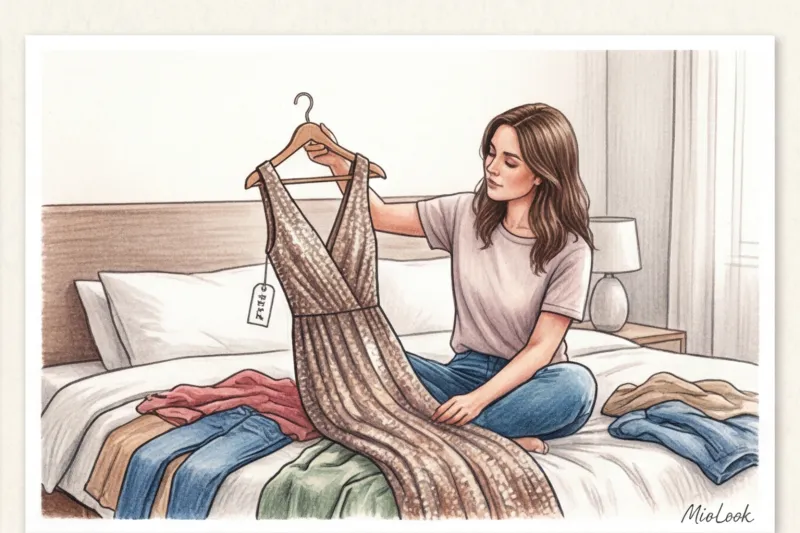
Знакомая ситуация: вы открываете створку и видите вещи для «лучшей версии себя». Джинсы на два размера меньше, строгие жакеты для руководящей должности (которую вы уже не хотите), платья для средиземноморского климата, хотя вы живете в средней полосе. Это гардероб вашего «фантазийного Я».
На моей практике была клиентка, которая 5 лет после ухода во фриланс хранила безупречные деловые костюмы от Massimo Dutti на общую сумму около 1500 €. Когда мы попытались их убрать, она испытала настоящую панику. Почему? Потому что избавиться от костюмов значило окончательно попрощаться с идентичностью корпоративного топ-менеджера. Мы храним эти вещи не потому, что собираемся их носить, а потому, что боимся отпустить иллюзию.
Вторая ловушка — это когнитивное искажение «невозвратные затраты» (sunk cost fallacy). Вы купили лодочки за 250 €. Они адски натирают. Вы их не носите, но и не отдаете. Мозг кричит: «Если я их выброшу, я признаю, что впустую потратила 250 €!». Ирония в том, что деньги уже потрачены. Храня эти туфли, вы лишь оплачиваете свою ошибку ежедневным чувством вины.
Конечно, здесь есть исключения. Если речь идет о винтажном твидовом жакете вашей бабушки — это эмоциональный якорь, его нужно оставить. Но важно честно отличать ценную вещь-воспоминание от токсичной вещи-балласта.
Парадокс выбора: как пустой шкаф лечит утреннюю тревожность
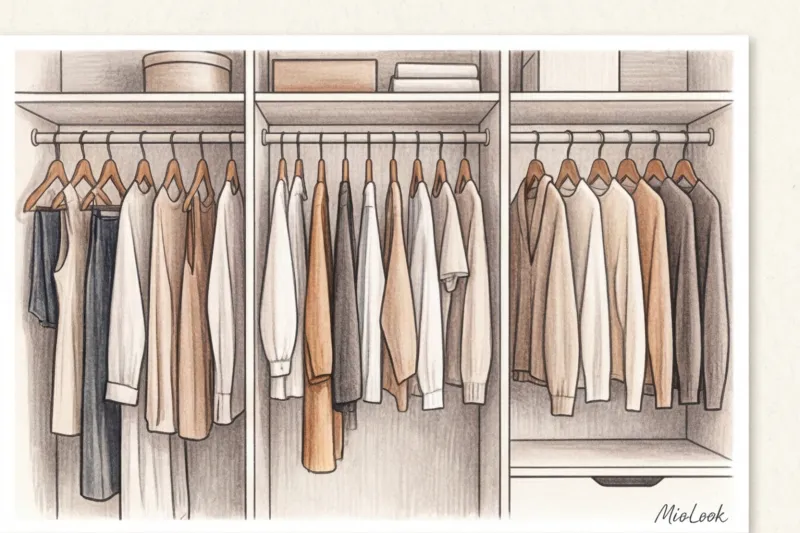
В 2004 году психолог Барри Шварц ввел понятие «парадокс выбора». Его суть проста: обилие вариантов не делает нас свободнее, оно нас парализует. Примените это к утренним сборам.
Представьте, что у вас есть 1500 возможных комбинаций одежды. Из них 1450 сидят плохо, не сочетаются по цвету или требуют сложной глажки. Каждое утро вы тратите колоссальный объем когнитивной энергии, просто чтобы отфильтровать визуальный мусор. Неудивительно, что статистика неумолима: 80% времени мы носим лишь 20% вещей из нашего шкафа. Это феномен «гардеробного выгорания».
А теперь математика осознанного гардероба: 25 идеально сидящих, сочетающихся между собой вещей дают больше реальных комплектов, чем 150 хаотичных покупок. Когда между вешалками появляется пространство, этот «воздух» переносится в ваше расписание и в ваши мысли. Вы начинаете утро не с раздражения, а с уверенности.
Доступ к MioLook за €0,99 — разовый платёж
Умный AI-стилист проанализирует ваши вещи и подберёт идеальный образ за секунды, избавляя от утренней парализующей тревоги выбора.
Открыть доступ — €0,99 разовоКонтринтуитивный подход стилиста: почему марафонские чистки не работают
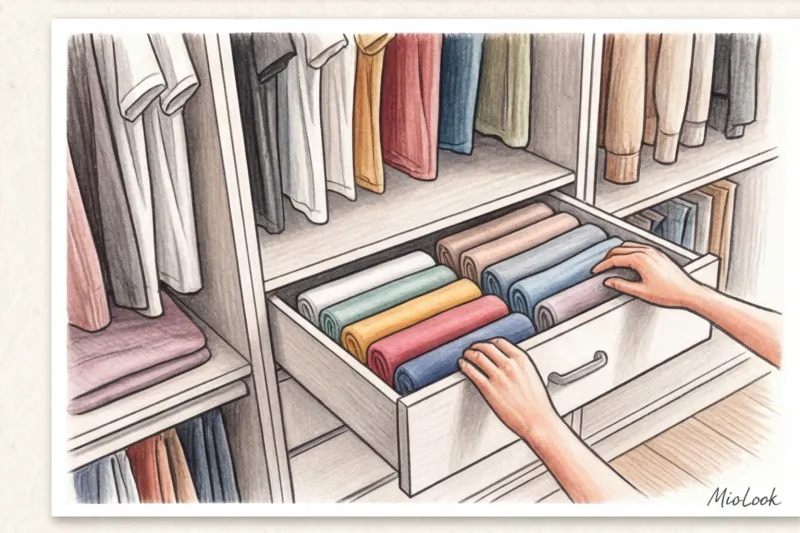
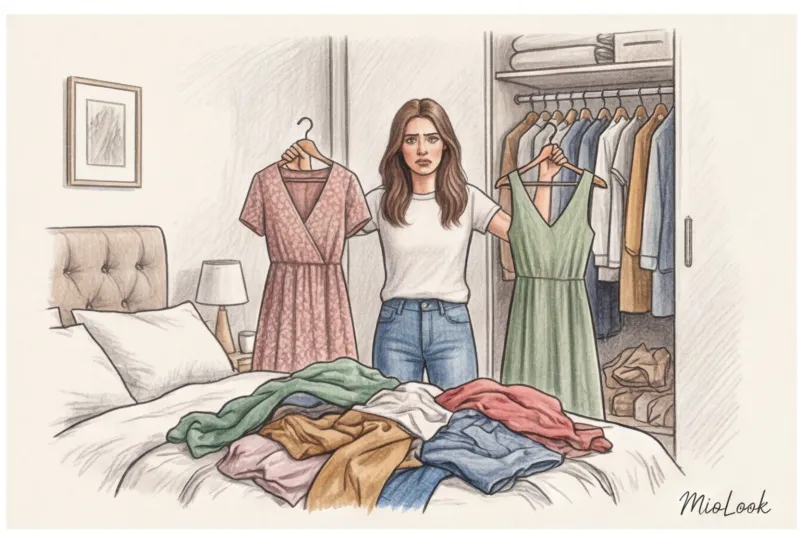
Если вы читали популярные книги по организации пространства, вы наверняка знаете главное правило: «Вытащите все вещи из шкафа, сварите их в огромную кучу на кровати и разберите за один раз». Как практикующий стилист, я официально заявляю: это ошибка.
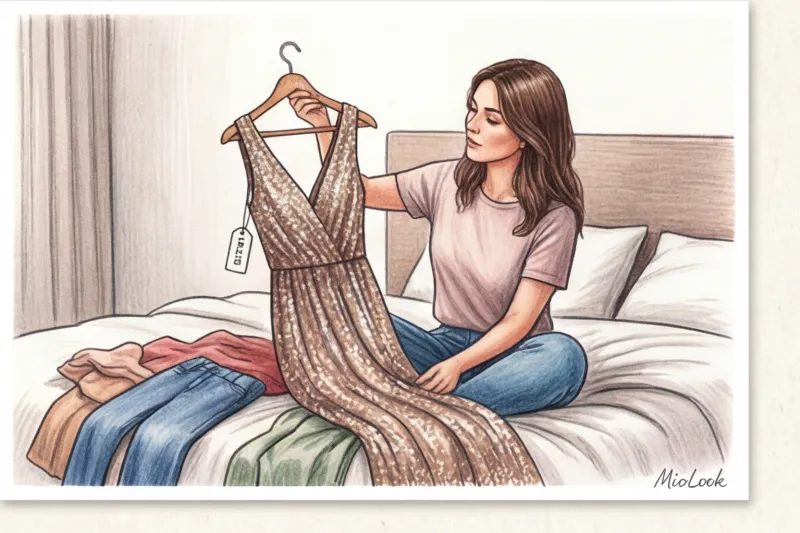
Я категорически запрещаю своим клиенткам проводить такие марафоны без моего участия. Причина кроется в нейробиологии — это называется «усталость от принятия решений» (decision fatigue). Наш мозг способен принять ограниченное количество качественных решений в день.
Когда вы достаете 200 вещей на кровать, первые 20 вы оцениваете трезво. На 40-й вещи уровень глюкозы падает. К сотой вы уже ничего не чувствуете, перестаете искать абстрактные «искры радости» и начинаете засовывать хлам обратно в шкаф просто от бессилия и жалости. А вечером спите в обнимку с горой неразобранного трикотажа.
Мой метод: микро-сессии. Выделите 15 минут. Разберите ровно один ящик с нижним бельем. Или только полку с джинсами. Или только верхнюю одежду. Маленькие, контролируемые победы дают выброс дофамина и мотивируют продолжать.
Терапевтическая практика: пошаговый план расхламления без стресса
Чтобы расхламление стало психотерапевтической практикой, важно создать безопасную среду. Включите любимый плейлист без слов (слова отвлекают), обеспечьте яркий свет, поставьте большое зеркало. И главное — никогда не начинайте разбор гардероба на голодный желудок или после тяжелого рабочего дня.
Правило трех коробок с психологическим твистом
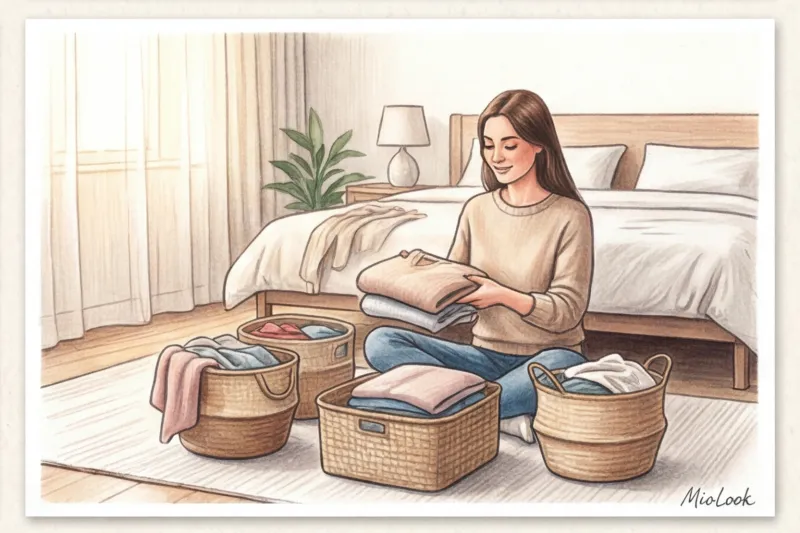
Стандартная сортировка предлагает три категории: Оставить, Отдать/Продать, Выбросить. Я добавляю четвертую, самую важную: Карантин (или «Возможно»).
Психологически нам очень тяжело навсегда расстаться с вещью прямо сейчас. Возникает паника потери. Коробка «Карантин» служит переходным объектом. Сложите туда все вещи, в которых сомневаетесь, заклейте скотчем, напишите дату (сегодня + 3 месяца) и уберите с глаз долой.
Если за 90 дней вы ни разу не вспомнили про бордовый свитер из этой коробки и не полезли за ним — можете смело отдавать её на благотворительность, даже не открывая. Ваш мозг уже отпустил эти вещи.
Вопросы-фильтры, которые заменят абстрактные «искры радости»
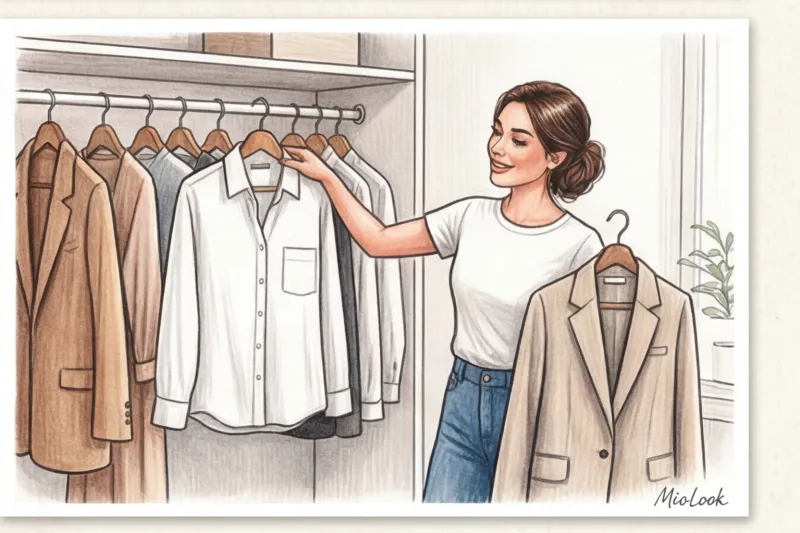
Искать «искру радости» в базовой белой футболке или строгих черных брюках довольно сложно. Они не радуют, они работают. Поэтому я предлагаю своим клиентам более прагматичные вопросы-фильтры:
- Купила бы я это сегодня за полную стоимость? Если блузка стоила 80 €, и сейчас вы смотрите на неё и думаете: «Ну, за 10 € на распродаже я бы её взяла» — ей не место в шкафу.
- Соответствует ли эта вещь моему текущему образу жизни? Не тому, который был до декрета. Не тому, который будет после похудения. А тому, который есть в этот четверг.
- Сняла бы я в этом короткое видео для соцсетей прямо сейчас? Если вещь заставляет вас прятаться от камеры — она разрушает вашу самооценку.
Жизнь после чистки: как закрепить эффект и не захламить шкаф снова
Самое обидное в расхламлении — это обнаружить через полгода, что полки снова забиты. Чтобы этого не произошло, нам нужно изменить паттерн потребления.
Первое золотое правило: «One in, one out» (Одна вещь пришла — одна ушла). Купили роскошный шерстяной кардиган? Отлично. Какая старая вещь из вашей коллекции трикотажа покинет дом, чтобы освободить ему место на вешалке? Эта практика мгновенно отсекает импульсивные покупки низкого качества.
Второе — оцифровка гардероба. Современные технологии позволяют видеть всю картину целиком. Добавив свои вещи в умный гардероб MioLook, вы перестанете покупать пятую по счету бежевую водолазку просто потому, что забыли о четырех предыдущих. Приложение позволяет составлять капсулы на ладони, планировать образы в метро или за кофе, превращая хаотичный шопинг в стратегический.
Ваш идеальный образ начинается здесь
Присоединяйтесь к тысячам пользователей, которые каждый день выглядят безупречно и навсегда забыли о проблеме «нечего надеть» благодаря MioLook.
Открыть доступ — €0,99 разовоРезюме: ваш шкаф — это отражение ваших личных границ
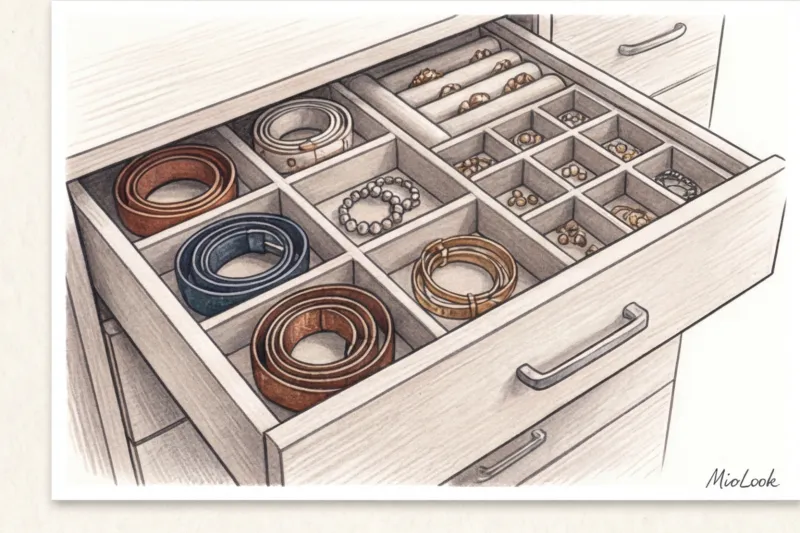
Наведение порядка на полках — это не история про аккуратность. Это ежедневная тренировка личных границ. Соглашаясь терпеть в своем шкафу колючий свитер, блузку, которая полнит, и туфли, приносящие боль, вы приучаете свою психику к компромиссам с дискомфортом.
Умение сказать твердое «нет» неподходящей одежде удивительным образом конвертируется в навык говорить «нет» токсичным отношениям, неоплачиваемым переработкам и чужим ожиданиям. Оставляя в гардеробе только то, что вас украшает и поддерживает, вы совершаете мощный акт любви к себе. И это, пожалуй, лучшая инвестиция в ваше спокойное утро.