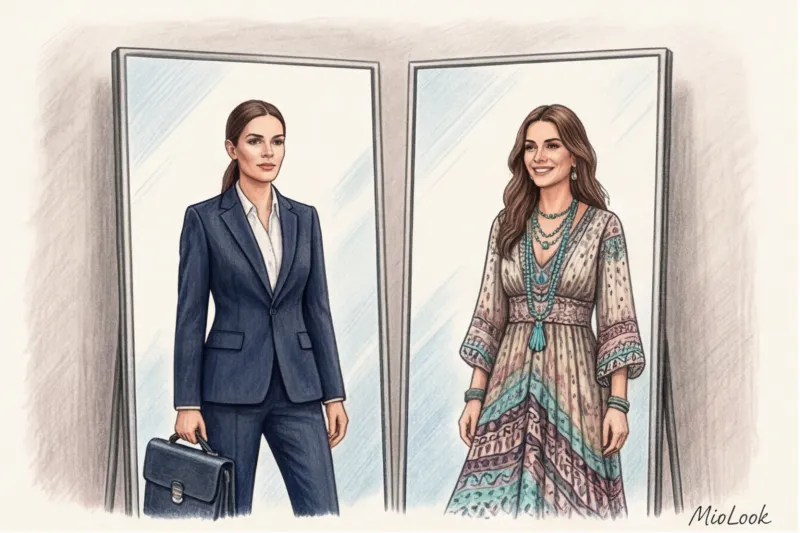
Представьте: вы заходите в переговорную, еще не успели сказать ни слова, а потенциальные клиенты уже подсознательно решили, можно ли доверить вам свои деньги или коммерческие тайны. Звучит как магия? На самом деле это чистая нейробиология.
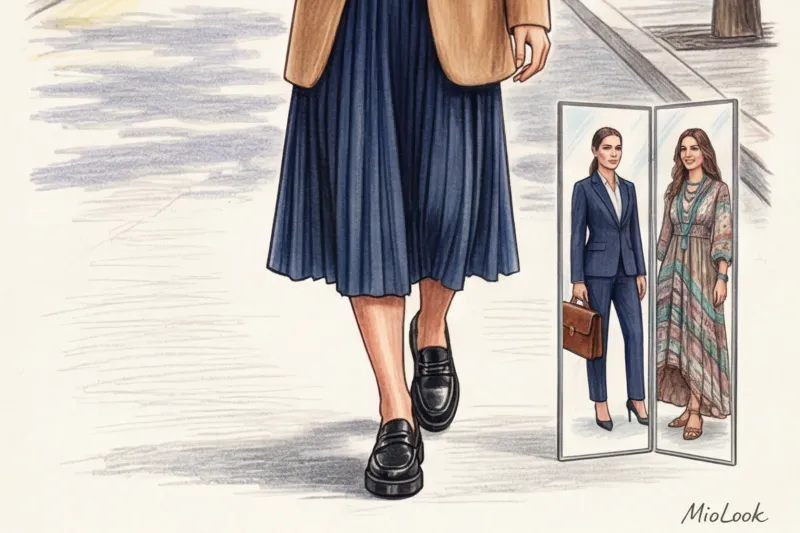
Исследование Принстонского университета (Janine Willis и Alexander Todorov, 2006) доказало: нашему мозгу требуется ровно одна десятая секунды, чтобы сформировать первое впечатление о компетентности человека исключительно по визуальным сигналам. Ваш костюм, фактура ткани и даже геометрия воротника уже провели презентацию за вас.
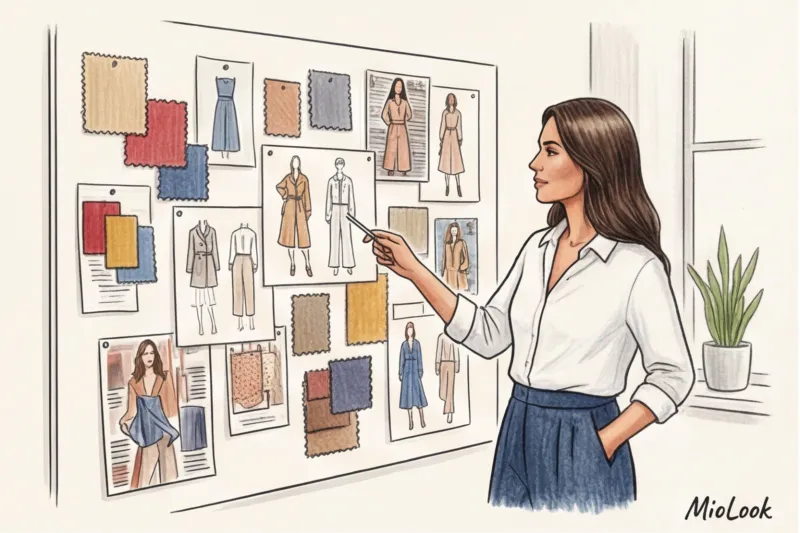
Именно здесь на сцену выходят архетипы в стиле — мощнейший инструмент управления впечатлением. Подробнее о базовых принципах построения профессионального гардероба мы рассказывали в нашем полном гиде: Имидж эксперта: гардероб для вашего личного бренда. А сегодня я, Изабелла Гарсия, покажу вам, как перестать одеваться «просто красиво» и начать одеваться так, чтобы ваш внешний вид продавал вашу экспертность.
Что такое архетипы в стиле и почему это не «костюмированная вечеринка»
Концепция архетипов берет начало в теории коллективного бессознательного Карла Юнга. В 2001 году Маргарет Марк и Кэрол Пирсон в своей книге «Герой и бунтарь» блестяще адаптировали эту теорию для брендинга, выделив 12 узнаваемых образов, которые мгновенно считываются любым человеком.
За 12 лет работы персональным стилистом я заметила одну критическую ошибку, которую совершают 90% экспертов. Они воспринимают архетипы буквально. Прочитав, что их ведущий архетип — «Искатель», они приходят на бизнес-завтрак в ботинках для хайкинга и штормовке. Или, обнаружив в себе «Правителя», начинают одеваться как члены британской королевской семьи на официальном приеме.
Архетипический стиль — это не театральный костюм. Это искусство «микро-сигналов». Мы транслируем нужные смыслы не через прямые ассоциации, а через фактуру ткани, линии кроя и геометрию аксессуаров.
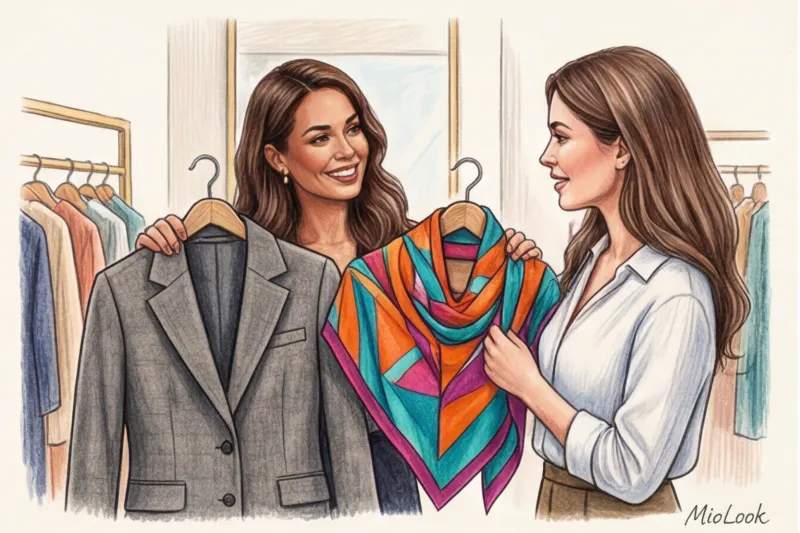
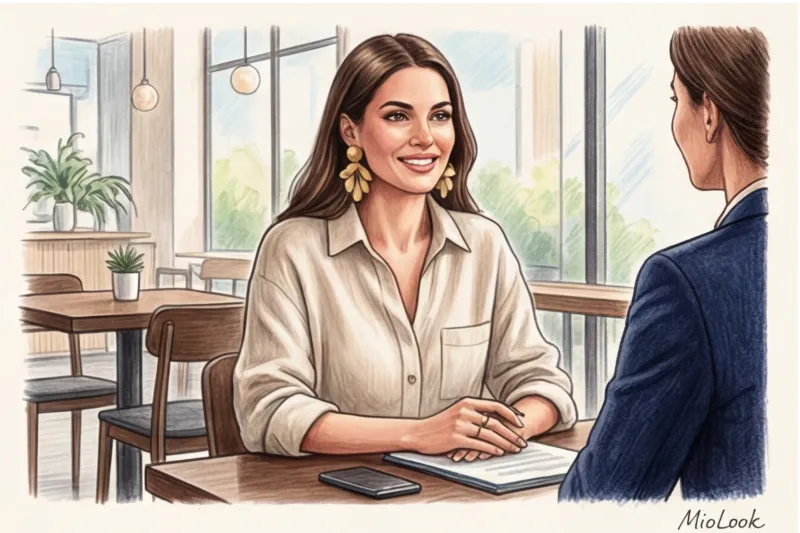
Например, в своей практике я обожаю использовать средиземноморский подход к стилизации: мы берем жесткую, бескомпромиссную структуру «Правителя» (идеально скроенный жакет) и смягчаем ее акцентными золотыми серьгами ручной работы. Это дает необходимый статус, но убирает отталкивающий снобизм.
Доступ к MioLook за €0,99 — разовый платёж
Умный AI-стилист подберёт идеальный образ на основе ваших целей и архетипа.
Открыть доступ — €0,99 разовоПсихология доверия: как архетипы продают вашу экспертность
Замечали ли вы когда-нибудь чувство легкого дискомфорта при общении с профессионалом, хотя он говорил правильные вещи? Скорее всего, вы столкнулись с визуальным диссонансом.
Согласно данным аналитического агентства WGSN за 2023 год, синхронизация визуальной идентичности с вербальным посылом повышает уровень доверия к личному бренду более чем на 30%. Если ваши слова кричат: «Я смелый инноватор, который перевернет ваш бизнес!», а ваш костюм шепчет: «Я консервативный клерк в полиэстеровом пиджаке из 2014 года», клиент поверит костюму.
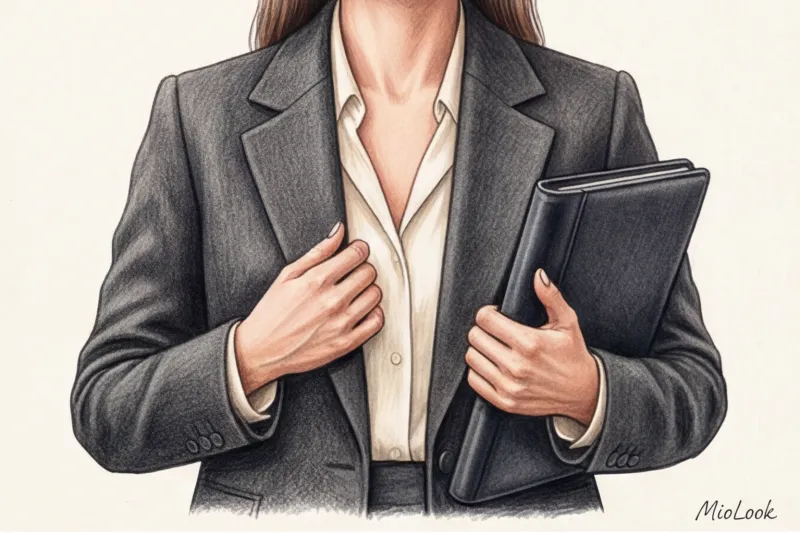
Ваш гардероб должен решать скрытую боль вашей аудитории. Люди приходят к вам не за услугой, они приходят за состоянием — за безопасностью, статусом, инновациями или заботой. И ваш внешний вид должен обещать им это состояние с первой секунды.
12 архетипов через призму гардероба: найдите свою формулу
Чтобы не запутаться в стилистических дебрях, давайте разобьем 12 архетипов на 4 мотивационные группы и посмотрим, как перевести их психологические характеристики на язык реальных вещей.
Группа Стабильности: Правитель, Опекун, Творец
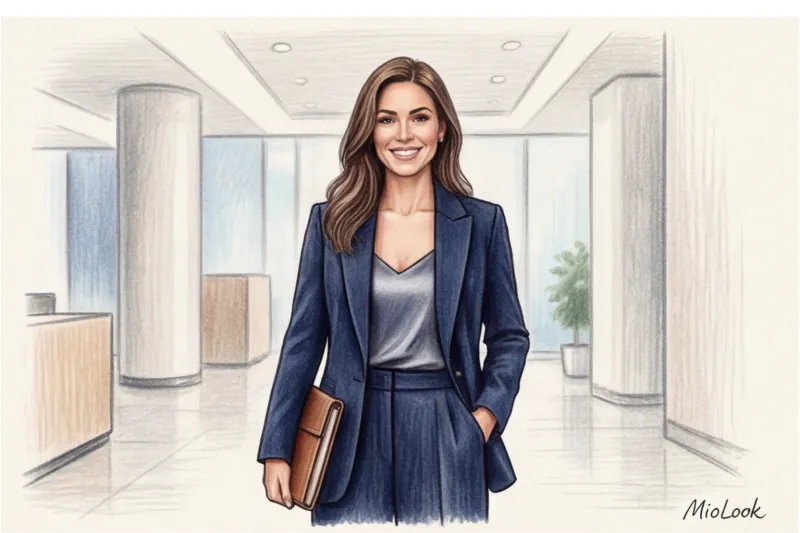
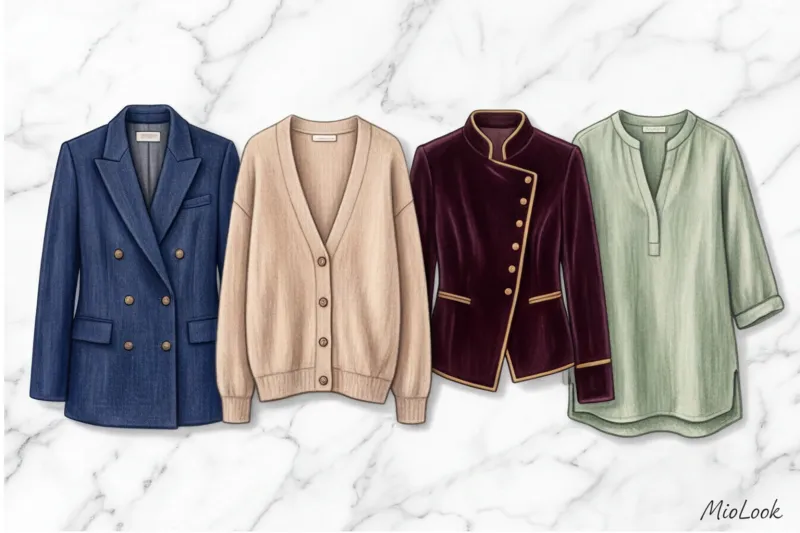
- Правитель: Транслирует статус и контроль. В гардеробе это выражается через абсолютную симметрию, жесткие формы, которые держат силуэт, и дорогие гладкие ткани. Выбирайте плотную шерсть (super 120s и выше), матовый шелк, структурированные сумки жесткой формы. Никакой небрежности.
- Опекун: Обещает безопасность и комфорт. Линии кроя становятся мягкими, обволакивающими. Главный инструмент здесь — тактильность. Кашемировые свитеры, мягкая замша, оттенки camel, теплого бежа и молочного шоколада. Клиенту должно хотеться вас обнять (метафорически, конечно).
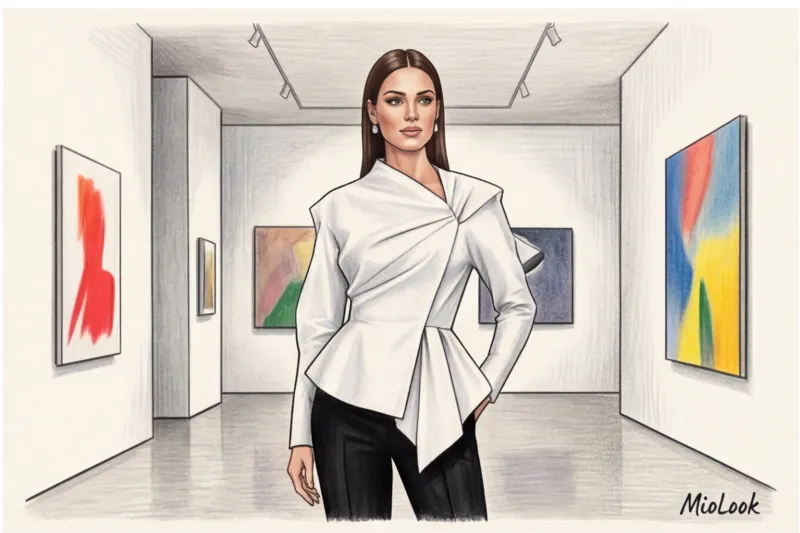
- Творец: Предлагает новаторство. Это асимметрия, архитектурный сложный крой (вспомните эстетику COS или Issey Miyake), авторские украшения геометричных форм и глубокие, нетривиальные цветовые сочетания.
Группа Мастерства: Герой, Бунтарь, Маг
- Герой: Динамика и достижение цели. Стиль строится на минимализме с элементами спорт-шика. Четкая, даже утрированная линия плеча, гладкая кожа, контрастные сочетания (глубокий черный, кипенно-белый, насыщенный красный). Обувь всегда удобная, но статусная.
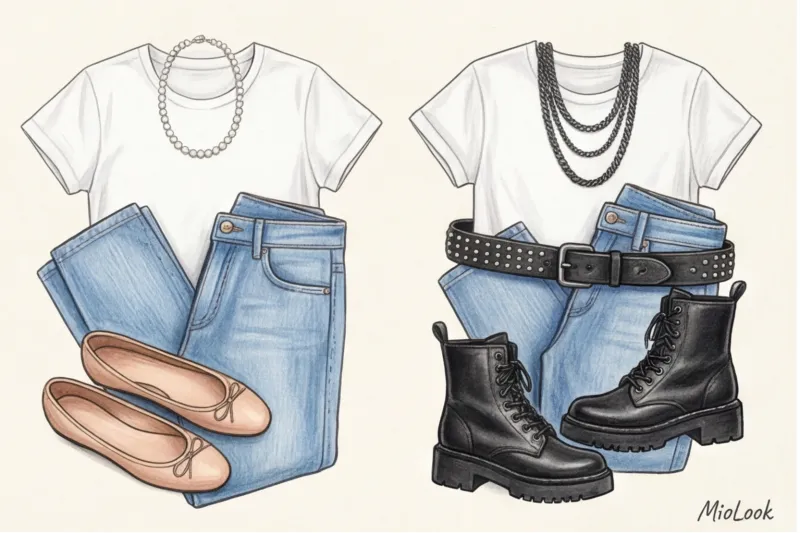
- Бунтарь: Разрыв шаблонов. Деконструкция, элементы гранжа, намеренное смешение несочетаемого. Например, грубые ботинки на массивной подошве в паре со струящейся шелковой юбкой.
- Маг: Трансформация и видение скрытого. В одежде это проявляется через глубокие, сложные оттенки (изумруд, полуночный индиго, глубокий винный), струящиеся многослойные ткани, бархат и скрытые детали кроя.
Группа Независимости: Мудрец, Искатель, Простодушный
- Мудрец: Истина и объективность. Максимальная лаконичность, полное отсутствие лишних отвлекающих деталей, монохром. Ставка делается на безупречное качество базовых вещей. Никаких кричащих логотипов — только чистые линии.
- Искатель: Свобода и аутентичность. Многослойность, природная палитра (хаки, охра, терракота), натуральные дышащие материалы (плотный лен, фактурный хлопок). Обувь, в которой можно пройти 10 километров, но выглядеть при этом стильно (например, качественные челси).
- Простодушный: Открытость и оптимизм. Светлая, пастельная палитра, мелкие ненавязчивые принты, легкие ткани и максимально понятные, открытые силуэты без жесткого каркаса.
Группа Связи: Эстет, Славный малый, Шут
- Эстет (Любовник): Чувственность и наслаждение. Подчеркнутая женственность, струящийся шелк, деликатное кружево, глубокие, но благородные вырезы. Ткани должны скользить по телу.
- Славный малый: Принадлежность и равенство. Умный кэжуал, премиальный деним, качественный трикотаж, рубашки из шамбре. Образ говорит: «Я такой же, как ты, мне можно доверять».
- Шут: Радость и игра. Яркие цветовые акценты, ироничные детали, смешные принты (в умеренных дозах), неожиданная игра с пропорциями.
Ваш идеальный образ начинается здесь
Присоединяйтесь к тысячам пользователей, которые каждый день выглядят безупречно с MioLook.
Открыть доступ — €0,99 разовоГлавный миф: «Мне нужно выбрать только один архетип»
Если вы попытаетесь выстроить гардероб вокруг одного чистого архетипа, вы будете выглядеть плоско и неестественно. Самый контринтуитивный инсайт, к которому я пришла за годы практики: успешный личный бренд всегда строится на конфликте или дополнении двух архетипов.
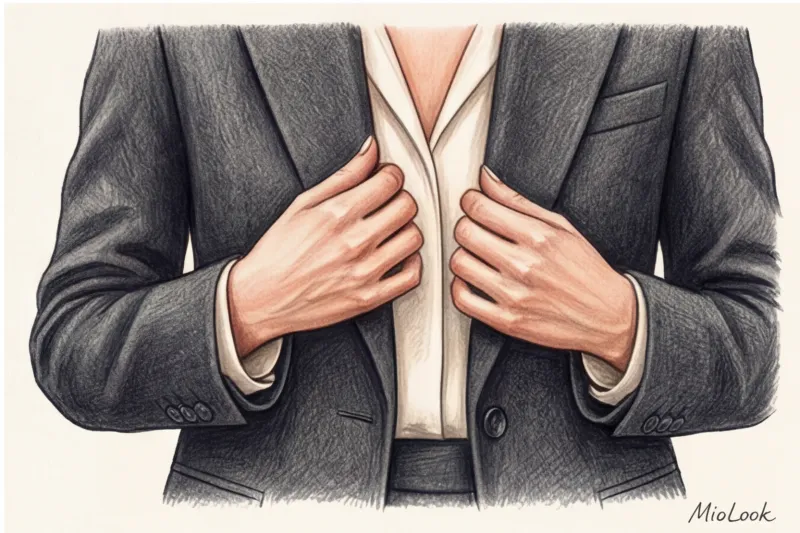
Формула звучит так: Базовый архетип (кто вы по своей сути) + Вспомогательный архетип (что нужно вашему клиенту от вас).
Позвольте рассказать историю из моей практики. Одна из моих клиенток — гениальный финансовый консультант. Ее базовый архетип — чистый «Мудрец». Она обожала строгие серые костюмы-двойки, гладкие укладки и полное отсутствие украшений. Проблема была в том, что клиенты боялись задавать ей вопросы о своих долгах — она выглядела как строгий экзаменатор.
Мы не стали ломать ее суть, но добавили фактуры «Опекуна». Жесткие серые пиджаки заменили на плотные кашемировые кардиганы песочного цвета, которые держали форму, но были мягкими на ощупь. Добавили замшевые лоферы вместо жестких лодочек. Результат? Конверсия из первой консультации в долгосрочный контракт выросла на 40%. Клиенты наконец-то почувствовали, что перед ними не холодный калькулятор, а заботливый и мудрый наставник.
От теории к шкафу: готовые outfit-формулы для экспертов
Я не верю в абстрактные советы вроде «выбирайте качественные вещи». Давайте перейдем к конкретным формулам, которые вы можете применить уже завтра.
- Для коучей и психологов (Мудрец + Опекун): Вам нужно транслировать глубокие знания, но при этом создавать безопасное пространство. Формула: Матовая шелковая блуза свободного кроя + брюки палаццо из плотной вискозы (дают красивую драпировку) + лоферы из мягкой замши. Цветовая гамма: сложные оттенки серо-бежевого (taupe), припыленный синий.
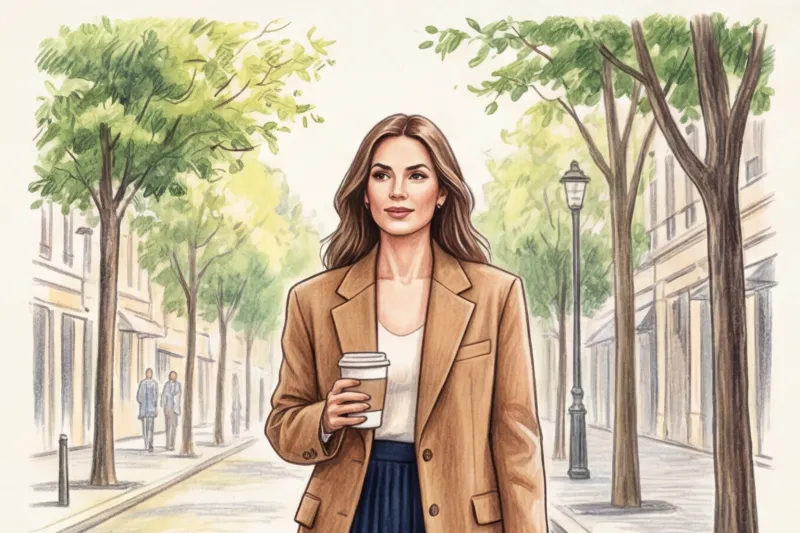
- Для топ-менеджеров и юристов (Правитель + Эстет): Статус, который не выглядит сухим. Формула: Структурированный двубортный жакет из шерсти + платье-комбинация длины миди (выглядывающее из-под жакета) + акцентные золотые серьги. Это моя любимая средиземноморская интерпретация власти — уверенная, женственная, непоколебимая.
- Для креативных директоров (Творец + Маг): Инновации с налетом тайны. Формула: Асимметричный топ или рубашка сложного кроя + широкие брюки из матовой эко-кожи + обувь с архитектурным, необычным каблуком.
Чек-лист: как внедрить архетипы в стиль без потери индивидуальности
Сразу оговорюсь: есть один случай, когда работа с архетипами НЕ работает. Это происходит, когда вы пытаетесь натянуть на себя маску, которая вам абсолютно чужда. Если вы глубокий интроверт-«Мудрец», не нужно играть в пестрого «Шута» только потому, что вам сказали, будто это повышает охваты в социальных сетях. Фальшь считывается так же быстро, как и компетентность.
Чтобы внедрить архетипы экологично, пройдите эти 4 шага:
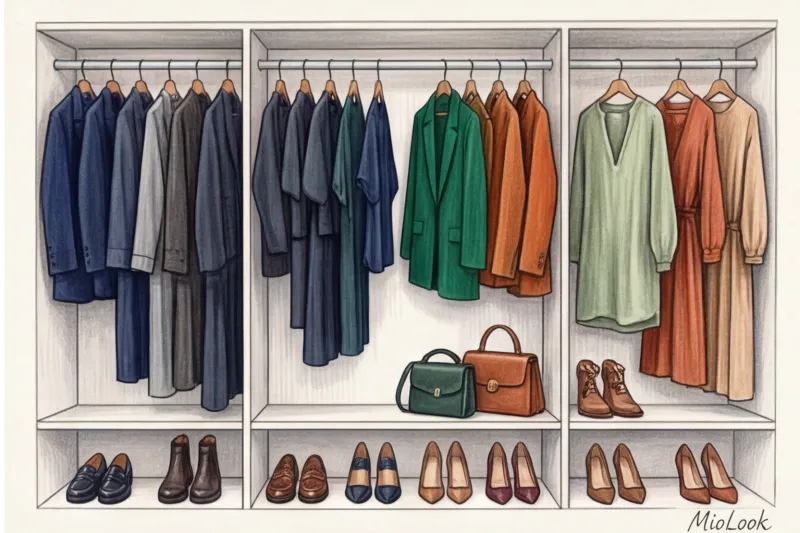
- Проведите аудит текущего гардероба: Откройте шкаф и честно спросите себя: «Какие сигналы посылают мои любимые вещи прямо сейчас?». Если вы эксперт по масштабированию бизнеса, а в шкафу висят только уютные худи «Славного малого», у нас проблема.
- Определите 3 ключевых прилагательных вашего бренда: Как вас должны описывать клиенты после встречи? (Например: статусный, эмпатичный, современный).
- Начните с аксессуаров: Не нужно сразу выбрасывать всю одежду. Попробуйте изменить звучание привычного образа. Замените жесткую сумку-тоут (Правитель) на мягкую сумку-хобо (Опекун), и градус строгости сразу снизится.
- Инвестируйте в правильную базу: Особенно если готовитесь к бизнес-фотосессии. Кстати, именно для таких случаев я рекомендую использовать функцию «умный гардероб» в MioLook — приложение проанализирует ваши вещи и покажет, как скомбинировать их под нужную архетипическую задачу, сэкономив вам часы раздумий перед зеркалом.
Готовы начать?
Попробуйте бесплатный план MioLook — без обязательств. Загрузите свои вещи и получите готовые формулы образов.
Открыть доступ — €0,99 разовоРезюме: ваш стиль — это ваш лучший безмолвный питч
Одежда давно перестала быть просто прикрытием для тела. В современном деловом мире это полноценный инструмент управления впечатлением, ваш личный маркетолог, который работает 24/7. Архетипы в стиле дают вам четкий, понятный словарь, чтобы говорить с клиентом на языке визуальных символов, минуя фильтры критического мышления.
Не пытайтесь изменить весь свой имидж за один день. Начните с малого. Соберите всего один образ, который идеально, на 100% отражает вашу экспертность и закрывает потребности вашего идеального клиента. Наденьте его на следующую важную встречу. Я гарантирую: вы не только увидите другую реакцию аудитории, но и сами почувствуете совершенно новый уровень внутренней уверенности.