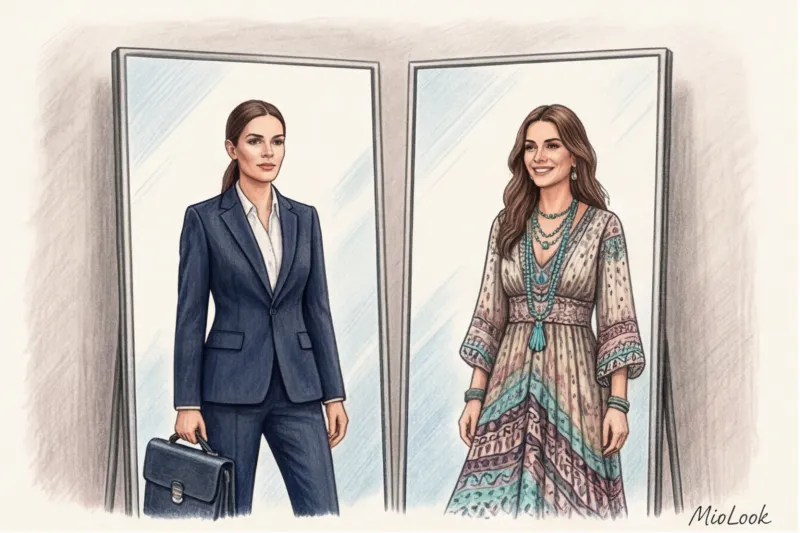
Imagine: you walk into a meeting room, before you've even said a word, and your potential clients have already subconsciously decided whether they can trust you with their money or trade secrets. Sound like magic? It's actually pure neuroscience.
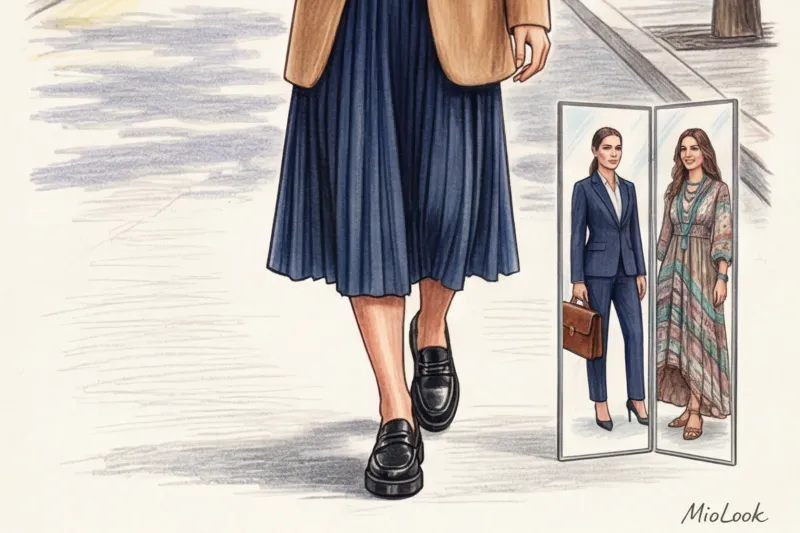
A Princeton University study (Janine Willis and Alexander Todorov, 2006) proved that it takes our brain exactly one-tenth of a second to form a first impression of a person's competence based solely on visual cues. Your suit, the texture of the fabric, and even the geometry of your collar have already done the talking.
This is where the stage comes in archetypes in style — a powerful tool for impression management. We covered the basic principles of building a professional wardrobe in more detail in our complete guide: Expert Image: A Wardrobe for Your Personal Brand And today, I, Isabella Garcia, will show you how to stop dressing "just nice" and start dressing in a way that sells your expertise.
What are style archetypes and why is this not a "costume party"?
The concept of archetypes originates in Carl Jung's theory of the collective unconscious. In 2001, Margaret Mark and Carol Pearson brilliantly adapted this theory to branding in their book, The Hero and the Rebel, identifying 12 recognizable images that are instantly recognizable to anyone.
Over 12 years of working as a personal stylist, I've noticed one critical mistake 90% of experts make. They take archetypes literally. After reading that their leading archetype is "Explorer," they show up to a business breakfast in hiking boots and a windbreaker. Or, having discovered their inner "Ruler," they start dressing like members of the British royal family at an official reception.
Archetypal style isn't a theatrical costume. It's the art of "micro-signals." We convey the desired meanings not through direct associations, but through the texture of fabric, the lines of cut, and the geometry of accessories.
For example, in my practice, I love using a Mediterranean approach to styling: we take the rigid, uncompromising structure of the "Ruler" (a perfectly tailored jacket) and soften it with accentuated, handcrafted gold earrings. This gives the necessary status, but removes any off-putting snobbery.
Access to MioLook for €0.99 — one-time payment
A smart AI stylist will select the perfect look based on your goals and archetype.
Get access — €0.99 onceThe Psychology of Trust: How Archetypes Sell Your Expertise
Have you ever noticed a slight feeling of discomfort when interacting with a professional, even though they're saying the right things? Chances are, you're experiencing visual dissonance.
According to 2023 data from the WGSN analytics agency, aligning your visual identity with your verbal message increases trust in your personal brand by over 30%. If your words scream, "I'm a bold innovator who will revolutionize your business!" and your suit whispers, "I'm a conservative clerk in a polyester jacket from 2014," the client will trust the suit.
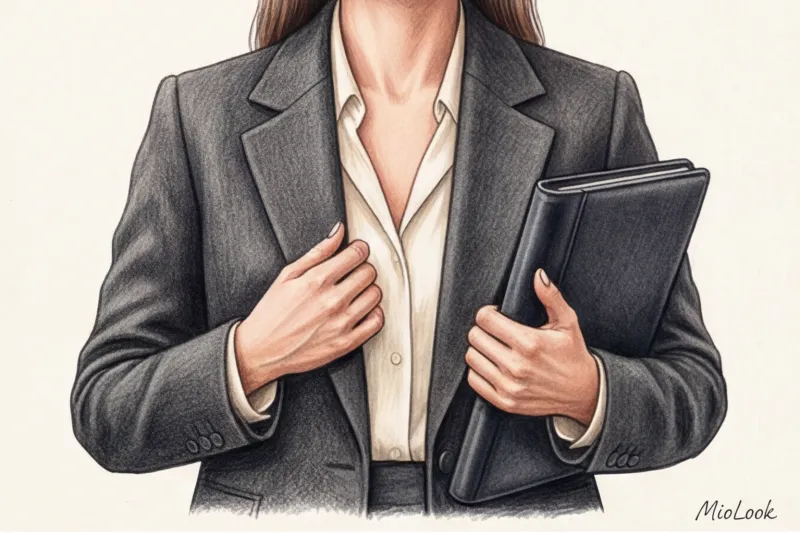
Your wardrobe should address your audience's hidden pain points. People don't come to you for a service; they come for a feeling—security, status, innovation, or care. And your appearance should promise them that feeling from the very first moment.
12 Archetypes Through the Prism of Wardrobe: Find Your Formula
To avoid getting lost in the stylistic thicket, let's break the 12 archetypes into 4 motivational groups and see how to translate their psychological characteristics into the language of real things.
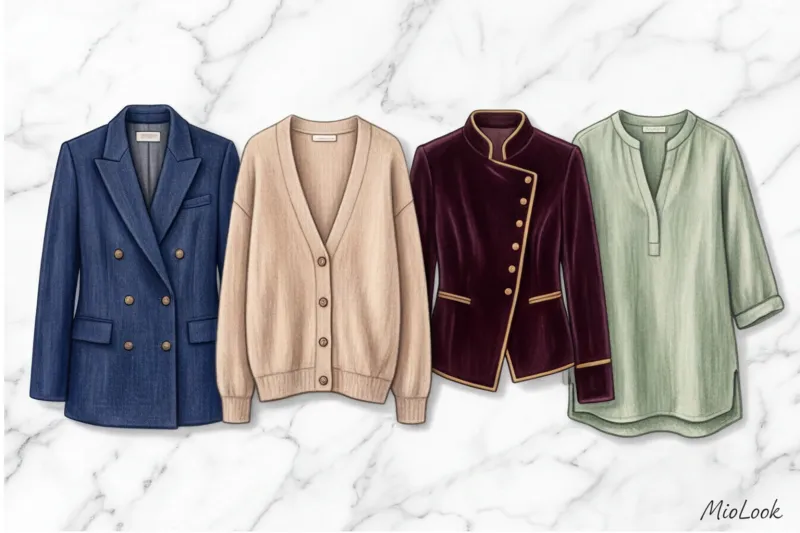
Stability Group: Ruler, Guardian, Creator
- Ruler: Conveys status and control. This is expressed in the wardrobe through absolute symmetry, rigid shapes that hold the silhouette, and luxurious, smooth fabrics. Choose heavy wool (super 120s and above), matte silk, and structured, rigidly shaped bags. No sloppiness.
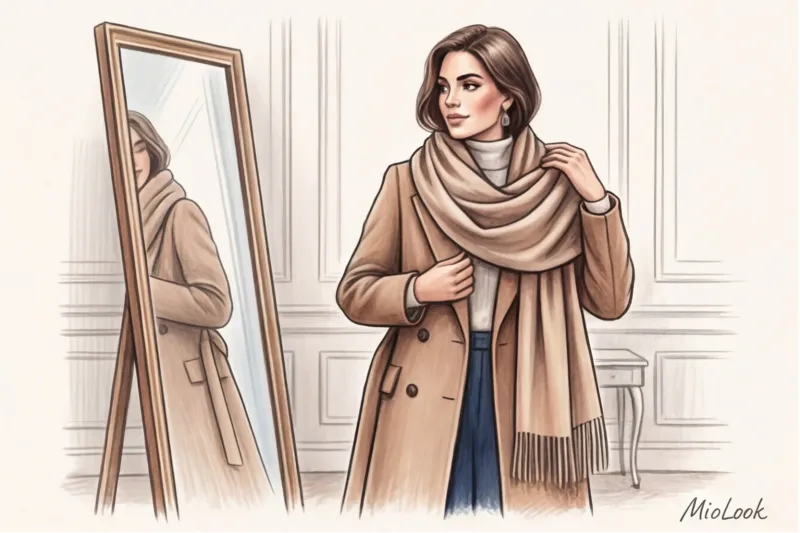
- Guardian: Promises safety and comfort. The lines are soft and enveloping. Tactility is the key here. Cashmere sweaters, soft suede, shades of camel, warm beige, and milk chocolate. The client should want to hug you (metaphorically, of course).
- Creator: Offers innovation. This includes asymmetry, architecturally complex cuts (think of the aesthetics of COS or Issey Miyake), designer embellishments in geometric shapes, and deep, original color combinations.
Mastery Group: Hero, Rebel, Mage
- Hero: Dynamic and goal-oriented. The style is built on minimalism with elements of sporty chic. A clear, even exaggerated shoulder line, smooth leather, contrasting combinations (deep black, crisp white, rich red). The shoes are always comfortable yet classy.
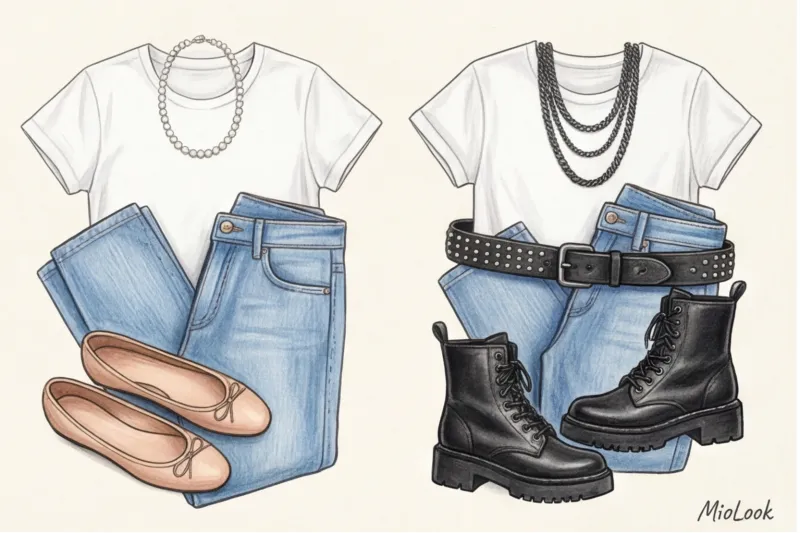
- Rebel: Breaking the mold. Deconstruction, grunge elements, and the deliberate mixing of the incongruous. For example, chunky boots with chunky soles paired with a flowing silk skirt.
- Mage: Transformation and vision of the hidden. In clothing, this is expressed through deep, complex shades (emerald, midnight indigo, deep wine), flowing, layered fabrics, velvet, and hidden tailoring details.
Independence Group: Sage, Seeker, Simple-minded
- Sage: Truth and objectivity. Utmost simplicity, a complete absence of unnecessary distracting details, monochrome. The emphasis is on the impeccable quality of basic items. No flashy logos—only clean lines.
- Seeker: Freedom and authenticity. Layering, natural colors (khaki, ochre, terracotta), natural, breathable materials (heavy linen, textured cotton). Shoes you can walk 10 kilometers in and still look stylish (like high-quality Chelsea boots).
- Simple-minded: Openness and optimism. A light, pastel palette, small, subtle prints, lightweight fabrics, and minimalist, open silhouettes.
Link Group: Aesthete, Nice Guy, Jester
- Aesthete (Lover): Sensuality and pleasure. Emphasized femininity, flowing silk, delicate lace, deep yet elegant necklines. Fabrics should glide over the body.
- Nice guy: Belonging and equality. Smart casual, premium denim, quality knitwear, chambray shirts. The look says, "I'm just like you, you can trust me."
- Jester: Joy and playfulness. Bright color accents, ironic details, playful prints (in moderation), unexpected plays with proportions.
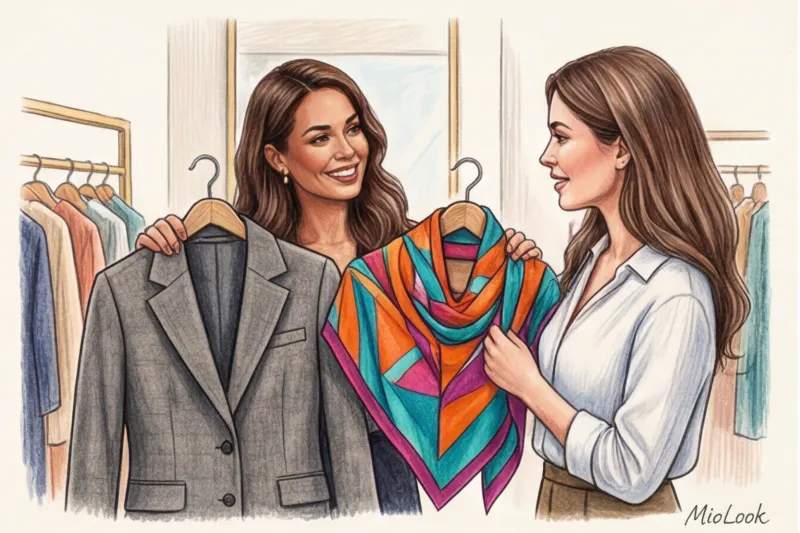
Your perfect look starts here
Join thousands of users who look flawless every day with MioLook.
Get access — €0.99 onceThe Biggest Myth: "I only need to choose one archetype."
If you try to build your wardrobe around a single, pure archetype, you'll look flat and unnatural. The most counterintuitive insight I've come to over the years is that a successful personal brand is always built on the conflict or complementarity of two archetypes.
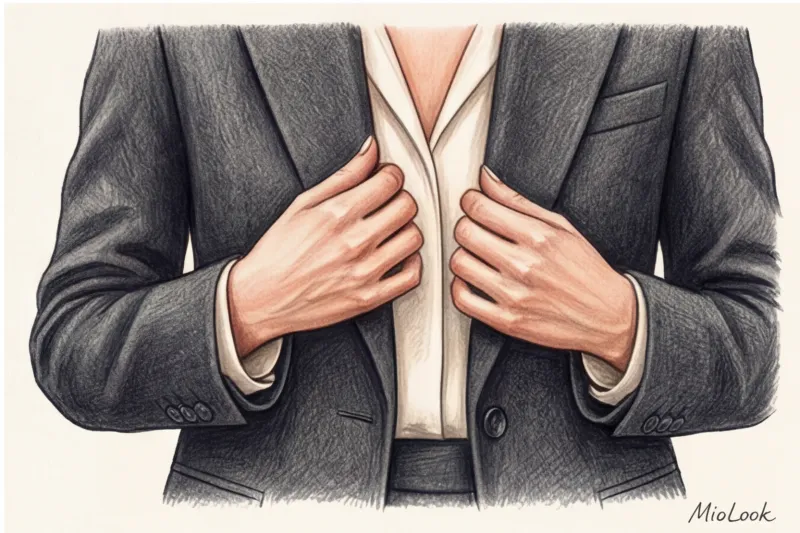
The formula sounds like this: Core Archetype (who you are at your core) + Supporting Archetype (what your client needs from you).
Let me tell you a story from my practice. One of my clients was a brilliant financial consultant. Her basic archetype was a pure "Sage." She adored strict gray two-piece suits, sleek hair, and a complete lack of jewelry. The problem was, clients were afraid to ask her about their debts—she looked like a stern examiner.
We didn't change its essence, but we added textures to the "Guardian" look. We replaced the stiff gray jackets with thick, sand-colored cashmere cardigans that held their shape but were soft to the touch. We added suede loafers instead of stiff pumps. The result? Conversion from initial consultation to long-term contract increased by 40%. Clients finally felt like they were dealing with a caring and wise mentor, not a cold calculator.
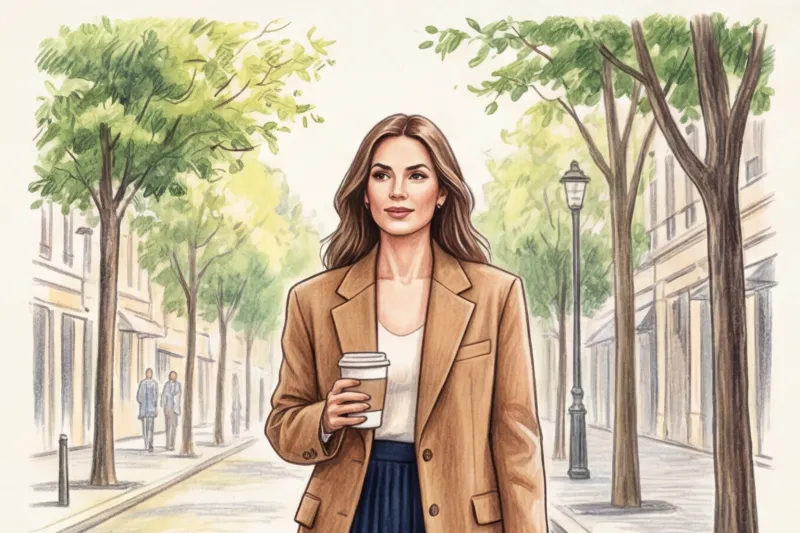
From Theory to the Closet: Ready-Made Outfit Formulas for Experts
I don't believe in abstract advice like "choose quality items." Let's move on to concrete formulas you can apply tomorrow.
- For coaches and psychologists (Sage + Guardian): You need to convey deep knowledge while also creating a safe space. Formula: A loose-fitting matte silk blouse + heavy viscose palazzo pants (they provide beautiful drape) + soft suede loafers. Color palette: complex shades of taupe, dusty blue.
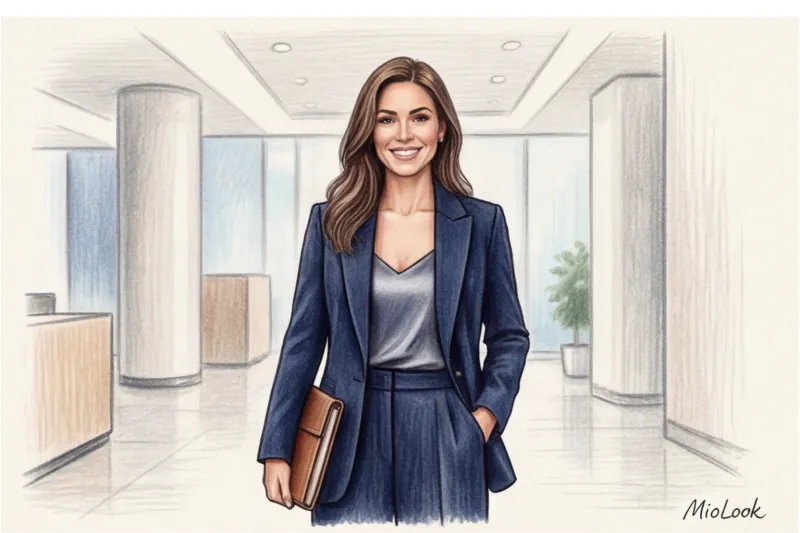
- For top managers and lawyers (Ruler + Aesthete): A statement that doesn't look dry. Formula: A structured double-breasted wool jacket + a midi slip dress (peeking out from under the jacket) + statement gold earrings. It's my favorite Mediterranean interpretation of power—confident, feminine, and unwavering.
- For creative directors (Creator + Magician): Innovation with a touch of mystery. The formula: an asymmetrical top or a complexly cut shirt + wide-leg matte faux leather trousers + shoes with an architectural, unusual heel.
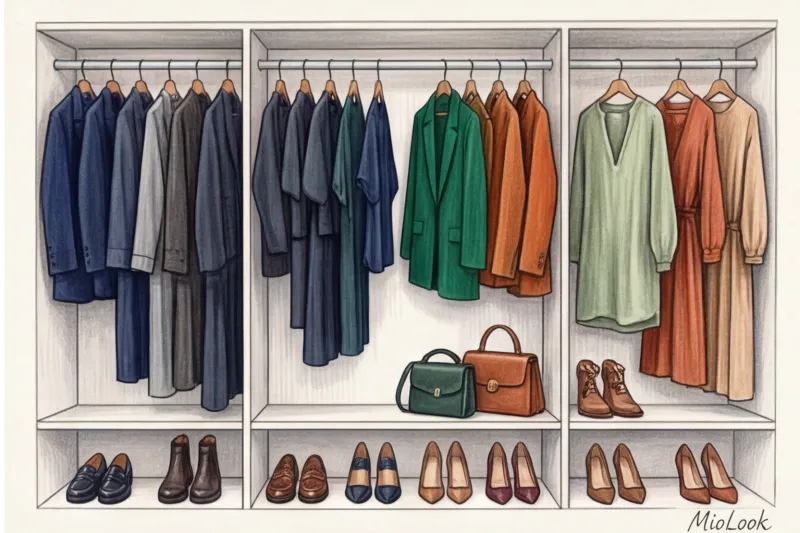
Checklist: How to Incorporate Archetypes into Your Style Without Losing Your Personality
Let me make it clear right away: there is one case when working with archetypes DOESN'T work. This happens when you try to put on a mask that's completely alien to you. If you're a deeply introverted "Sage," don't play the colorful "Jester" just because you've been told it increases your social media reach. Falsehood is detected just as quickly as competence.
To implement archetypes sustainably, follow these 4 steps:
- Conduct an audit of your current wardrobe: Open your closet and honestly ask yourself, "What signals are my favorite items sending right now?" If you're a business scaling expert and your closet is filled only with cozy "Good Guy" hoodies, you've got a problem.
- Identify 3 key adjectives of your brand: How should clients describe you after a meeting? (For example: prestigious, empathetic, modern).
- Start with accessories: Don't throw out all your clothes right away. Try changing the tone of your usual look. Swap out your hard tote bag (Ruler) for a soft hobo bag (Guardian), and the severity will immediately drop.
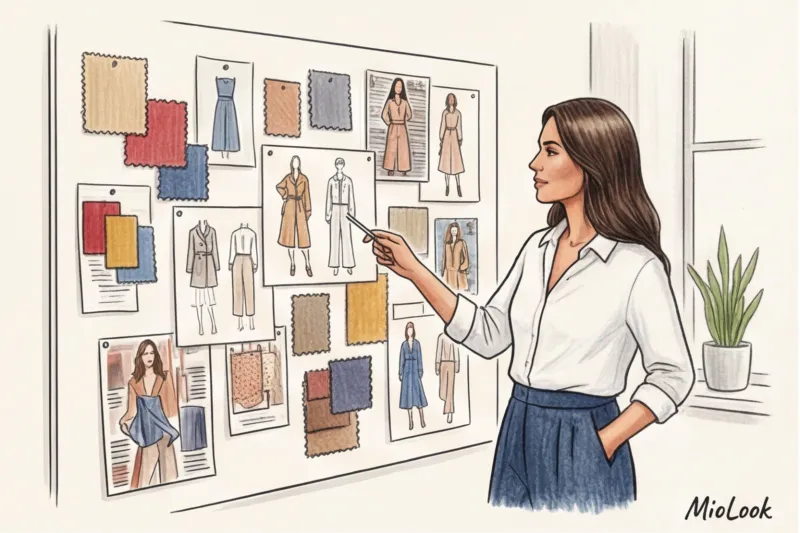
- Invest in the right base: Especially if you're preparing for a business photo shoot. Incidentally, it's for such occasions that I recommend using the "smart wardrobe" feature in MioLook — the app will analyze your items and show you how to combine them to achieve the desired archetypal goal, saving you hours of mulling over them in front of the mirror.
Ready to get started?
Try the MioLook plan for free—no commitments required. Upload your items and get ready-made look formulas.
Get access — €0.99 onceSummary: Your style is your best silent pitch.
Clothing has long ceased to be simply a covering for the body. In the modern business world, it's a fully-fledged impression management tool, your personal marketer working 24/7. Style archetypes provide you with a clear, understandable vocabulary for communicating with clients in the language of visual symbols, bypassing the filters of critical thinking.
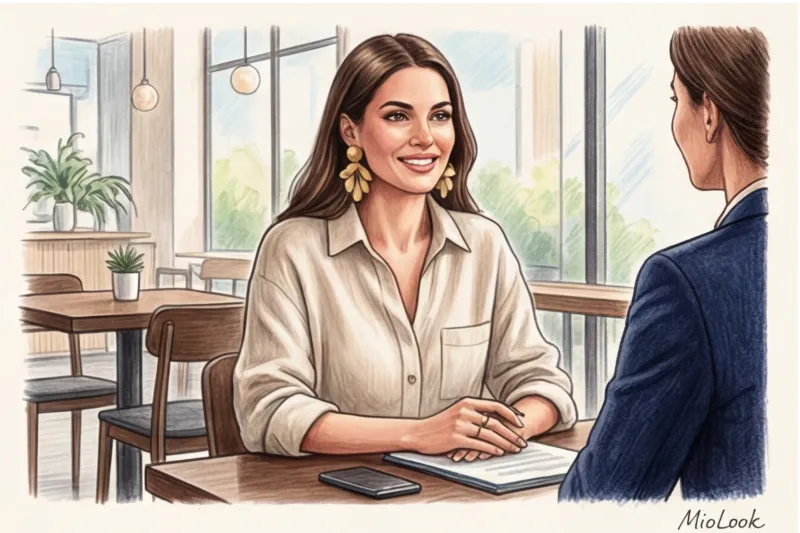
Don't try to change your entire image in one day. Start small. Create just one look that perfectly, 100% reflects your expertise and meets the needs of your ideal client. Wear it to your next important meeting. I guarantee: you'll not only see a different reaction from your audience, but you'll also feel a whole new level of inner confidence.