A client and I stood in front of her open trunk, filled to the brim with shopping bags filled with mass-market groceries. "I'll recycle all this and get tons of discounts!" she declared proudly, looking forward to another shopping spree. At that moment, I had to ask her a very awkward question: why had we just spent two weeks decluttering if tomorrow those same bags would be back in the house, just with new tags?
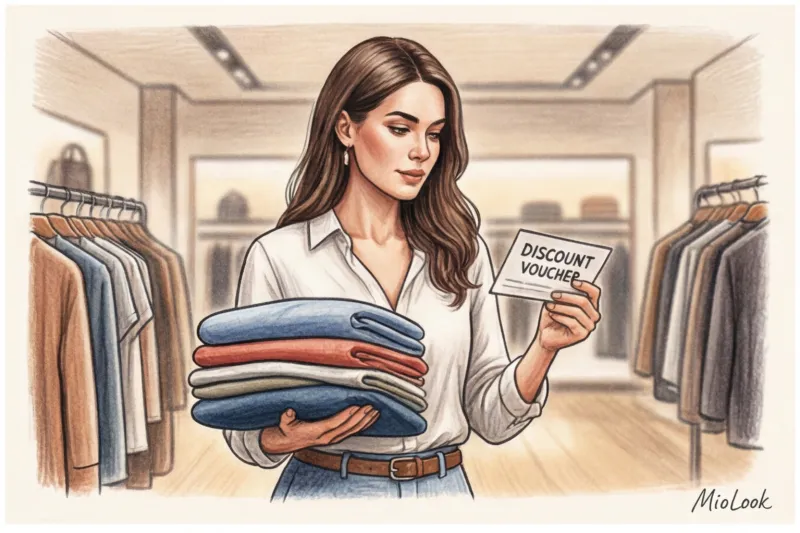
Today many people are looking for shops that accept old clothes in exchange for a nice bonus. Eco-boxes are available in almost every major shopping center, and brands are vying with each other to offer discounts of 10% to 15% for bringing in a bag of old T-shirts. If you're looking for a detailed list of all the collection points and charitable initiatives, I've covered this in detail in Our complete guide: where to donate old clothes But as a stylist and fabric specialist, I want to talk about something else.
Let's be honest: donating items for coupons is often a trap that perpetuates a cycle of hyper-consumption. Today, we'll explore how to use these programs strategically, turning unwanted items into high-quality essentials, and why it's sometimes better to forego the discount altogether.
Hidden Motives: Why Brands Offer Discounts on Old Clothes
Recycling gives us a powerful rush of endorphins. The guilt over an unworn dress with a price tag instantly vanishes—we've "helped the planet." The brand thoughtfully gives us a coupon, and on this wave of euphoria, we go shopping again.
Now, some cold, hard numbers. According to a major report by the Ellen MacArthur Foundation (2023), less than 1% of all old clothing collected globally is recycled using the closed-loop method (that is, turning an old T-shirt into a new one). The vast majority of collected textiles are downcycled—turned into cleaning rags, furniture stuffing, or soundproofing.
"By throwing away a bag of cheap polyester to buy a new bag of polyester at a discount, you're not saving the environment. You're simply funding overproduction, falling into a well-designed loyalty marketing funnel." This is what I tell every client before shopping.
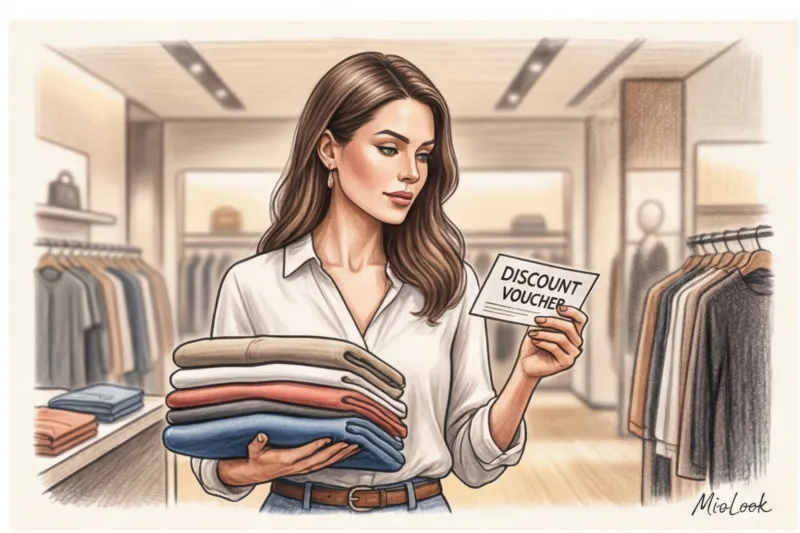
Brands don't offer discounts out of charity. A 15% coupon (which is usually only valid on new collections without discounts) forces you to buy the item at full price. This is a classic incentive for impulse buying. My approach is different: don't view the coupon as an excuse to buy. more , but as a tool to buy better.
Stores that accept old clothes: an up-to-date list
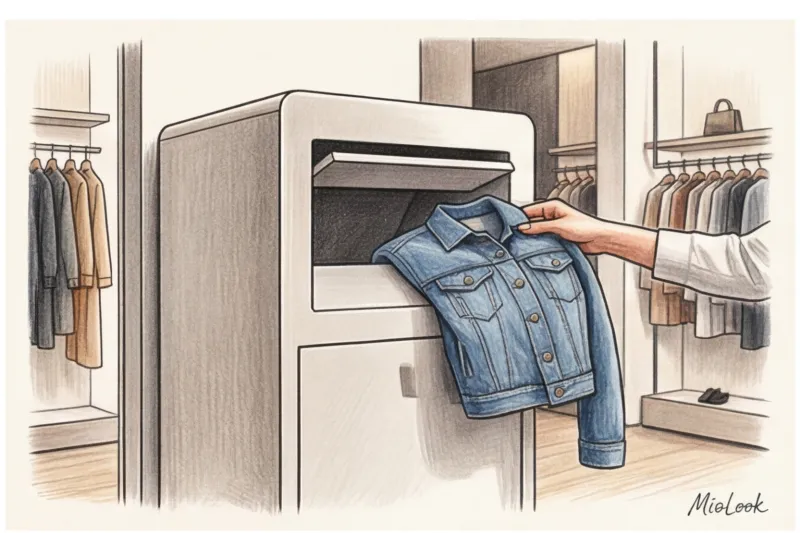
The textile collection infrastructure has changed significantly in recent years. Many foreign giants have left, but nature abhors a vacuum. Most effective programs now operate in partnership with large foundations (for example, "Second Wind" in Russia and the CIS), which take on the actual sorting.
Where you can currently donate items at a discount (conditions may vary locally, always check at the checkout):
- Mass market chains (Zarina, Befree, Sela, Love Republic): Drop-off boxes are often installed in large flagship stores. They typically offer a 10-15% discount on new purchases. They accept all textiles except underwear and leather.
- Premium Base (12Storeez): They accept clothes in good condition for donation or recycling. This is a great example of a high-end brand embracing the circular economy.
- Men's Classics (Henderson): They accept men's clothing in exchange for coupons. A great way to recycle worn-out office shirts.
Try MioLook for free
A smart AI stylist will select the perfect look based on your wardrobe and save you from unnecessary purchases.
Start for freeHow shoe recycling works: the nuances of Rendez-Vous and other chains
With footwear, things are much more complicated than with textiles. A boot is a multi-component monster: leather, toxic glue, metal fittings, rubber, cardboard. Separating all this into fractions is incredibly expensive.
Shoe chains like Rendez-Vous or Ekonika periodically run take-back campaigns for old pairs. These are usually sent to the Dmitrov Rubber Plant (or similar facilities), where the shoes are literally crushed into crumbs. This rubber mixture is then used to make safe surfaces for playgrounds and sports fields. By donating your old sneakers, you usually receive a fixed discount (the equivalent of €5-10), but remember this strict rule: these coupons almost never combine with seasonal sales. Keep this in mind when calculating your purchase price. Cost Per Wear your future purchase.
A stylist's checklist: what can be donated and what will go to the trash
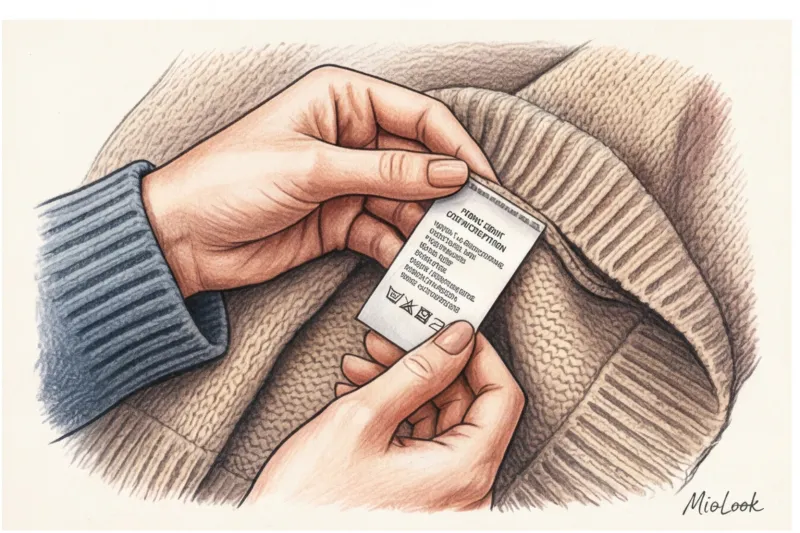
I often visit sorting stations and see how the process works from the inside. Throwing things into a pretty container doesn't mean they'll be reused. There are strict rules of physics and fabric chemistry.
Before you take your bag to the store, check it against this checklist:
- Total cleanliness. Items must be washed. If a sweater with a damp smell or contaminated with bodily fluids ends up on the sorting belt, it will be thrown in the trash. Sorters work manually; no one will wash out your stains.
- Elastane test. Check the label. Cotton, linen, and pure wool are all recycled perfectly. But if your skinny jeans or top contain more than 5% elastane (spandex), that's a problem. When cotton is processed into new yarn, the elastane begins to melt and clog the equipment, ruining the entire batch.
- Underwear, tights and swimwear. Only a few (only specialized, narrow projects) accept them. They can't be thrown into the general waste bins of mass-market stores for sanitary reasons—they'll go straight to the landfill.
Expert advice: There's no need to cut off buttons or rip out zippers. Modern industrial guillotines at regenerated fiber factories automatically cut away hardware along with stiff seams.
Where to put premium "error items"
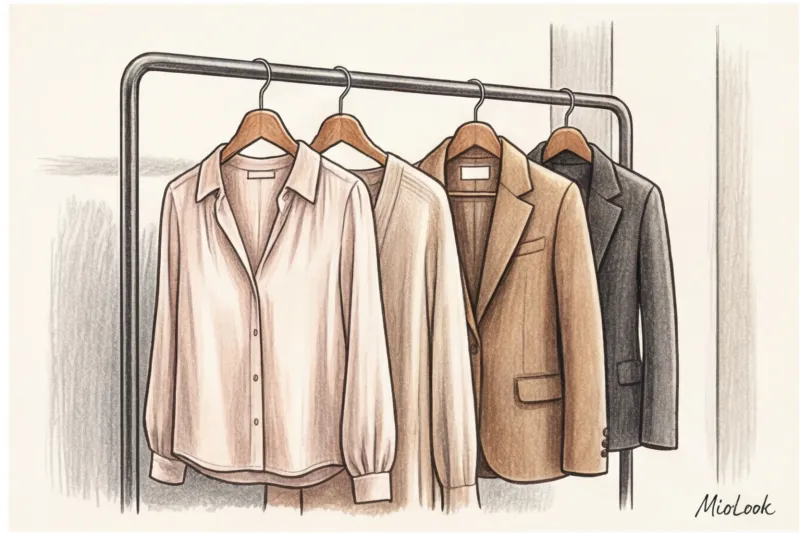
One of my clients is a top manager at an IT company. During our first wardrobe audit, we found a silk top for €150, a cashmere cardigan for €300, and pants with price tags. These were impulse buys. She wanted to throw them in a regular H&M box to "avoid the hassle."
I'm categorically against this approach. High-quality natural fabrics should continue to exist in their original form. Recycling (even the most technologically advanced) shortens the fibers, making the fabric worse. If you have brand-name items in perfect condition, your best bet is resale.
Platforms like Oskelly, TSUM Collect, or Second Friend Store offer a concierge service. You simply give them your items, they take photos, verify authenticity, and sell them. Yes, they take a commission of 15% to 35%, but that's real money. With that same client, we sold 15 branded "mistakes," and with the proceeds, we bought her one perfect, high-status watch. No clutter—clean, uncluttered. a smart investment in a capsule wardrobe.
The Coupon Trap: How to Spend a Discount Wisely and Avoid Buying More
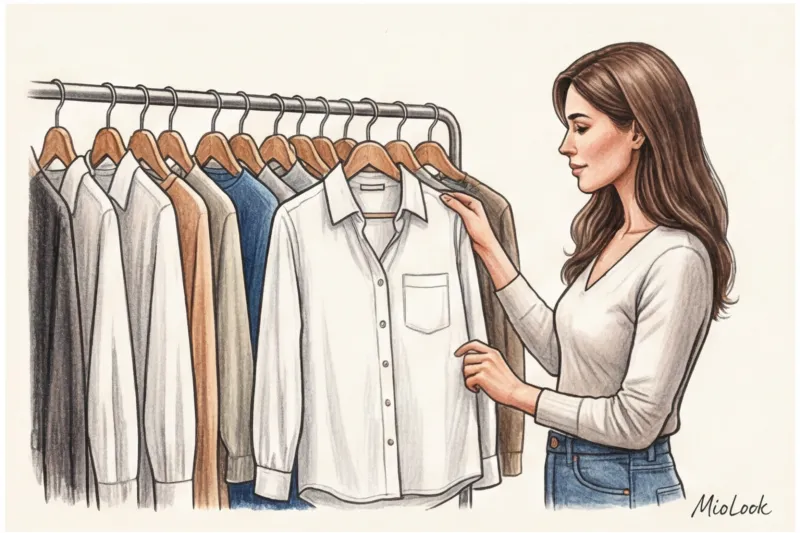
If you do get that coveted 15% off coupon at a store, use it with surgical precision. Don't buy a trendy neon blouse for just one season. That's a recipe for an overstuffed closet.
My golden one-to-one rule It works like this: we hand over a bag of junk and buy just one flawless item. What are the recycling discounts worth spending on?
- To the base that doesn't survive until the sales. Pristine white T-shirts made of heavy cotton (from 180 g/m²), classic straight-leg jeans without fraying, and formal office shirts. The brand rarely makes changes to these items. seasonal discounts , so your coupon will come in handy.
- To increase the level of quality. Let's say your sweater budget is €50. For that price, you could buy acrylic. But with a 15% discount, you can reach the €60 price tag and buy a wool blend. Use the coupon to upgrade to a better blend, not to buy two cheap items instead of one.
The app is very helpful here. MioLook Before you activate the coupon at the checkout, check on your phone: what will this potential purchase pair with that's already hanging in your closet?
Your ideal image begins Here
Join thousands of users who look flawless every day with MioLook without buying anything extra.
Start for freeAlternatives: Charitable Trusts and Zero-Discount Swaps
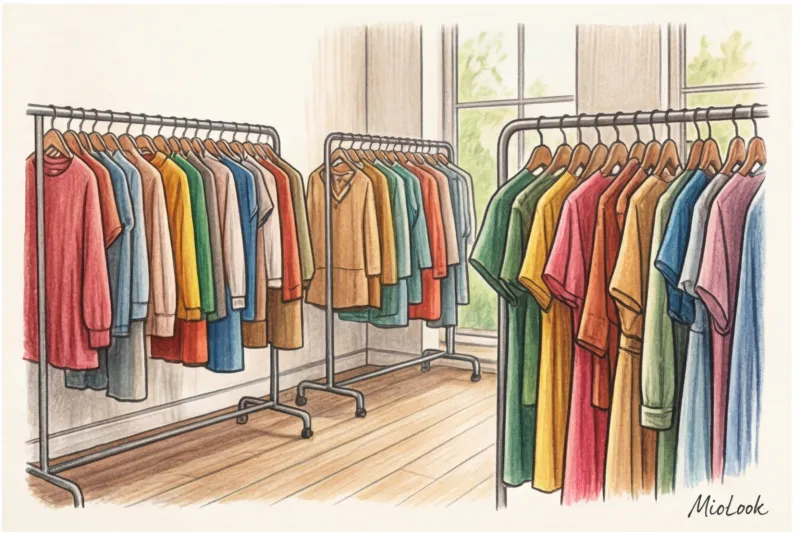
If an item is in good condition (no holes, not worn to the point of pilling), the most environmentally friendly way to recycle it is to give it to someone else. According to statistics from major foundations, about 70% of good clothes, after sorting, are sent to needy families in the regions. They keep real people warm, rather than ending up in an industrial shredder.
When you don't need a discount, pay attention to:
- Projects like "Second Wind" and Charity Shop. They distribute items to charities, and what is completely unwearable is sent to be collected by auto repair shops.
- Swap parties. This is a format where you bring your great but tired clothes and swap them for other participants' items for free. Perfect for a Friday night with friends.
- Upcycling brands. Many local designers will happily rip apart your old Levi's jeans or vintage leather coat to transform them into fashionable corsets or bags.
Of course, there is a limitation: obviously dirty, torn, or washed-out items are not accepted for swaps or charity. They go only to textile recycling bins.
Instructions: Preparing items for donation step by step
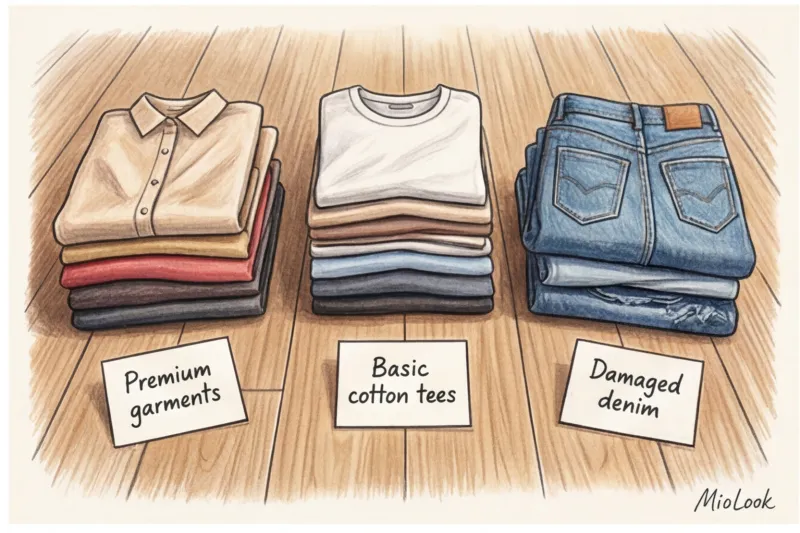
To declutter quickly and eco-friendly, don't try to clear out your entire closet in one evening. Set aside 30 minutes and use the three-pile method.
- Heap 1: For resale. Branded items, high-quality materials (silk, cashmere), items with price tags. We pack separately for Oskelly or similar platforms.
- Pile 2: Charity. Mass-market and mid-range items in good condition. No holes, with working zippers.
- Pile 3: For rags and recycling. Washed-out T-shirts, sweaters with indelible wine stains, lonely socks.
Critical rule: absolutely everything must be washed and perfectly dried A single slightly damp T-shirt left in an eco-box for a week will cover the entire 100 kg container with black mold. This batch will have to be incinerated, wasting the work of dozens of people.
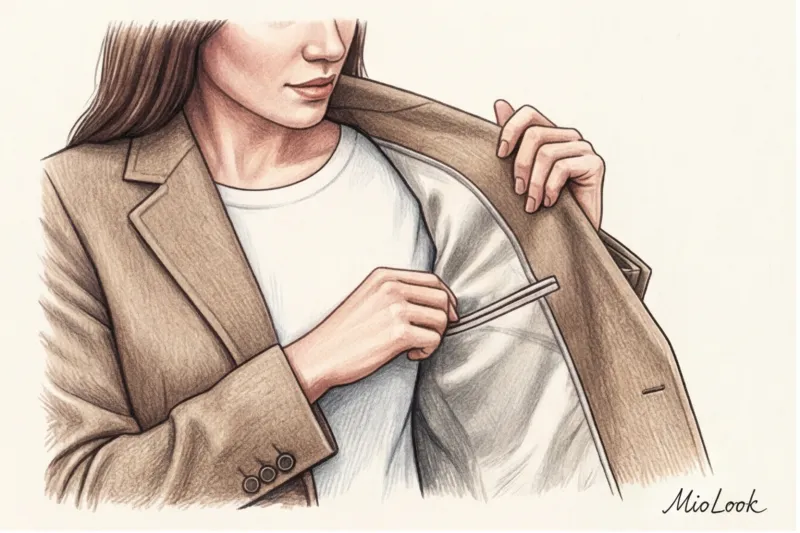
And finally, check the pockets. Sorters regularly find passports, car keys, and wedding rings in the pockets of old coats.
Mindfully decluttering isn't just tidying up. It's therapy. When you physically carry bags of "mistakes" out of your home, you learn to understand your style. You begin to see which fabrics let you down, which styles never saw the light of day. The next time you're standing at the checkout with a coupon in hand, you'll remember the weight of that bag—and buy only what truly enhances your wardrobe.