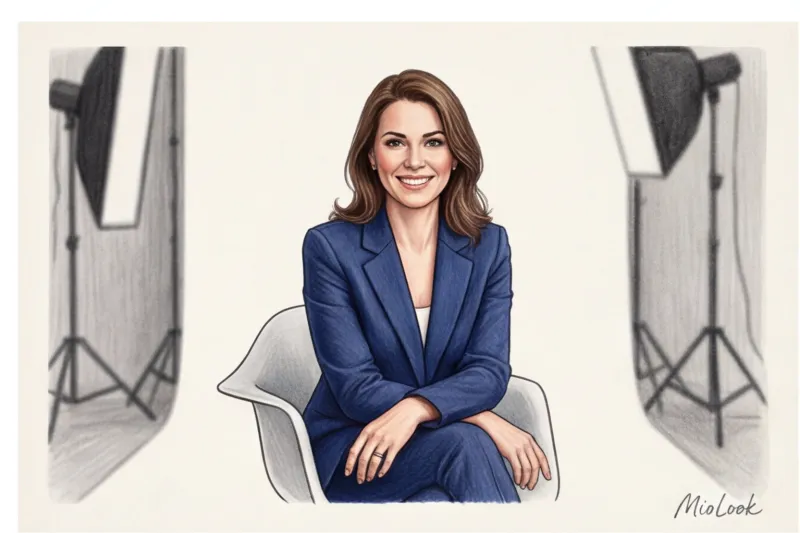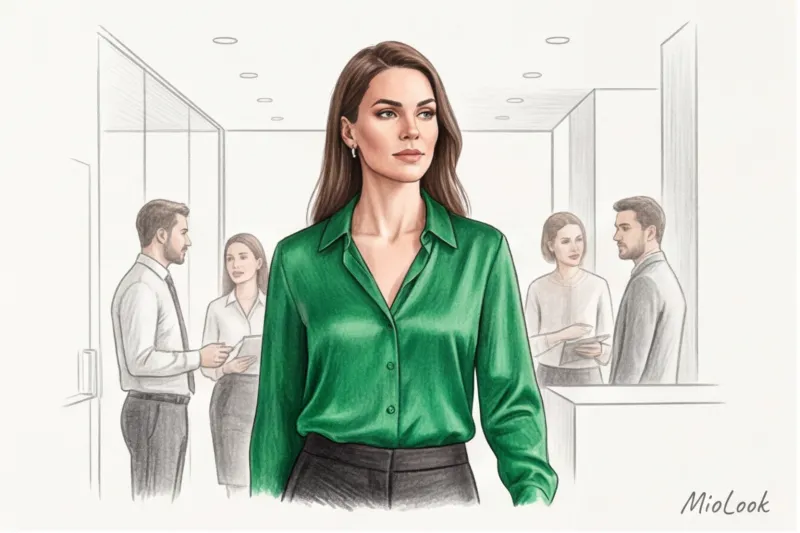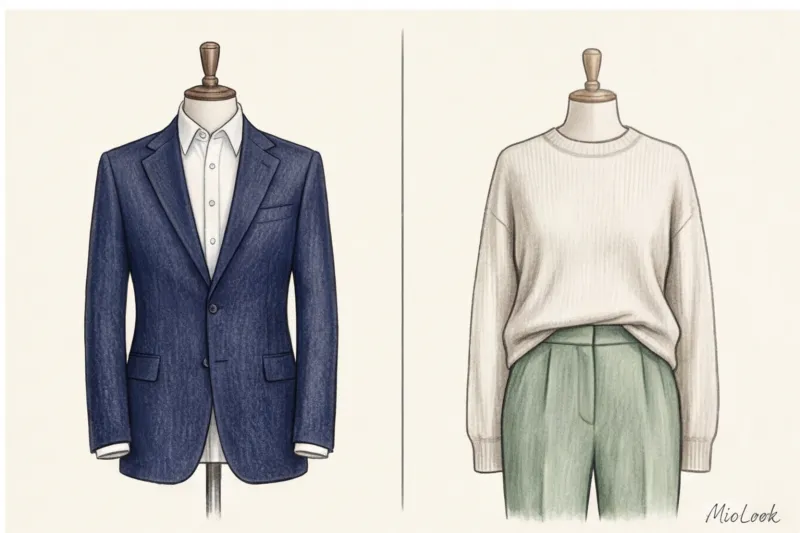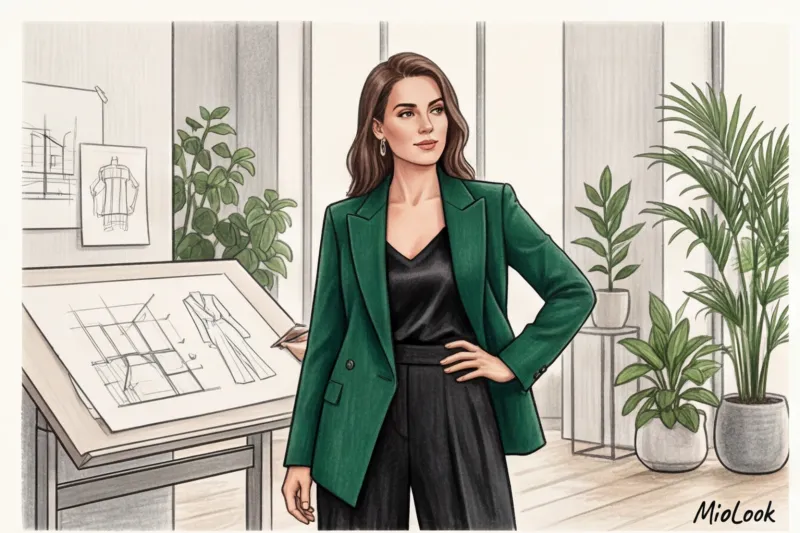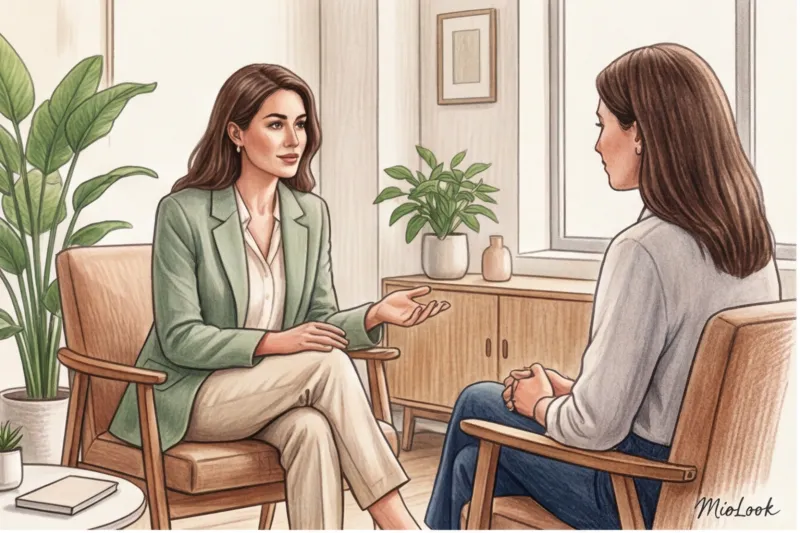
Якось до мене прийшла клієнтка-психоаналітик із незвичайним запитом: «Мої клієнти стали частіше скасовувати сесії. У терапії ми просуваємося добре, але на етапі складних трансформацій вони немов лякаються і зникають». Ми почали розбирати її робочий гардероб, і я побачила нескінченну низку безформних сірих кардиганів, розтягнутих светрів і тотального бігу, що зливався зі стінами. Її логіка була зрозумілою: вона хотіла бути «непомітною», щоб не відсвічувати і давати простір клієнту. Але на практиці цей візуальний код працював проти неї.
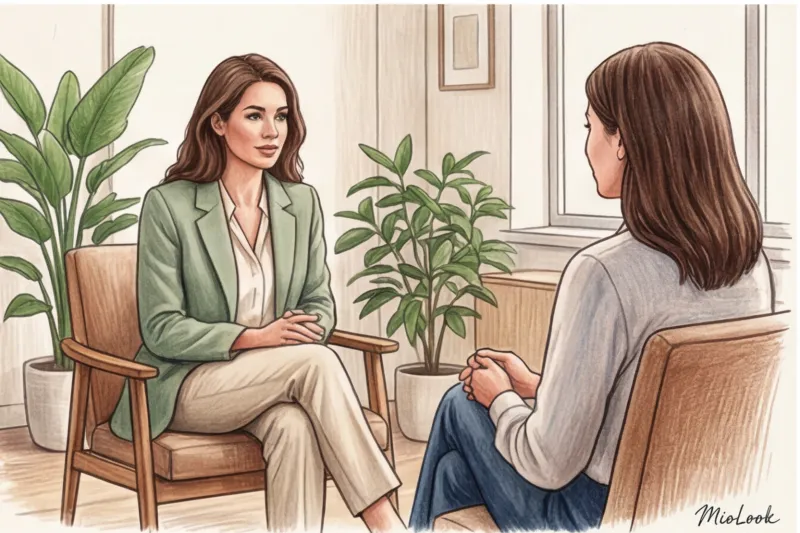
За 12 років роботи fashion-журналістом і стилістом я засвоїла одне жорстке правило: ваш зовнішній вигляд говорить за вас до того, як ви скажете «Здрастуйте, проходьте». Імідж психолога чи коуча – це не про моду. Це робочий інструмент управління кордонами, перенесенням та довірою. Докладніше фундаментальні принципи побудови такого гардеробу ми розібрали в нашому повному гіді з іміджу експерта та особистого бренду , а сьогодні поговоримо про тонкі налаштування для практиків, що допомагають.
Імідж психолога vs. Імідж коуча: у чому фундаментальна різниця?
Головна помилка, яку роблять фахівці - спроба використовувати один і той же візуальний шаблон для всіх професій, що допомагають. Але завдання цих фахівців полярні.
Вектор часу в психотерапії часто спрямований у минуле і сьогодення: це зцілення, уповільнення, проживання болю. Вектор коучінгу – це завжди майбутнє: досягнення, швидкість, прорив. І ця різниця має відображатися в лініях вашого одягу.
Якщо спиратися на теорію архетипів Пірсон-Марра (засновану на працях Карла Юнга), психолог найчастіше транслює суміш Опікуна та Мудреця. Коуч працює на енергіях Героя, Шукача або Мага. Як це перекладати мовою фактур?
Гардероб терапевта: контейнування та безпека
Одяг терапевта є візуальним «контейнером» для емоцій клієнта. Тут критично важливі матові фактури, які поглинають, а не відбивають світло: замша, щільна бавовна, кашемір, букле. Силуети повинні бути обволікаючими, але не розхлябаними.
- Багатошаровість: створює відчуття захищеності (наприклад, шовкова блуза + м'який жилет або кардиган щільної в'язки).
- Низький контраст: відсутність різких переходів кольору (чорний/білий), які несвідомо ріжуть силует і викликають напругу зорового нерва.
- Приглушена палітра: складні, змішані із сірим відтінки.
Гардероб коуча: динаміка та досягаторство
Коуч має виглядати так, начебто він уже знаходиться там, куди веде свого клієнта. Тут доречна чіткіша геометрія.
- Гладкі тканини: гладка вовна, щільний шовк, шкіра - матеріали, що відображають світло і задають динаміку.
- Допустимість розмаїття: колор-блок або поєднання світлого низу та темного верху покажуть енергійність.
- Статусність: елементи, що підкреслюють успішність, але без відходу в агресивний люкс, що створює дистанцію.
Доступ до MioLook за €0,99 — разовий платіж
Розумний AI-стиліст підбере ідеальний образ для ваших сесій з урахуванням вашої професії
Відкрити доступ — €0,99 разовоАнатомія довіри: як одяг працює на несвідомому рівні
А тепер давайте зруйнуємо головний міф професій, що допомагають, — ідею про те, що психолог повинен бути «чистим листом» і зливатися зі шпалерами. Це небезпечна помилка.
«Клієнту, який приносить до кабінету свій хаос і біль, не потрібна м'яка безформна хмара. Йому потрібний сильний, стійкий дорослий, здатний витримати цей удар. Безформний трикотаж лякає – він несвідомо зчитується як слабкість та відсутність внутрішніх опор».
Класичне дослідження Альберта Мерабіана (1971) довело, що 55% першого враження формується виключно візуально. У вас є всього 7-10 секунд, за які лімбічна система клієнта приймає рішення: «Чи безпечно тут? Чи можу я тут плакати? Чи впорається ця людина зі мною?»
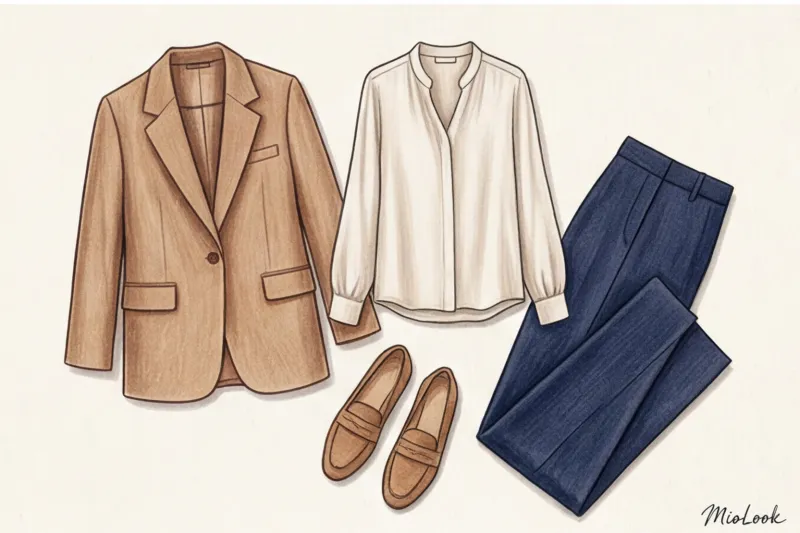
Рішення криється в концепції, яку я називаю «структурована м'якість». Що це означає на практиці?
- Вибирайте жакети, але без жорсткого чоловічого борту в плечах. Вони задають рамку (я – професіонал, я тримаю кордони), але залишаються пластичними (я – емпатичний).
- Якщо трикотаж — то щільний, вагою від 300 г/м², який має форму, а не висить ганчірочкою.
- Штани повної довжини із защипами замість обтягуючих джинсів-скінні.
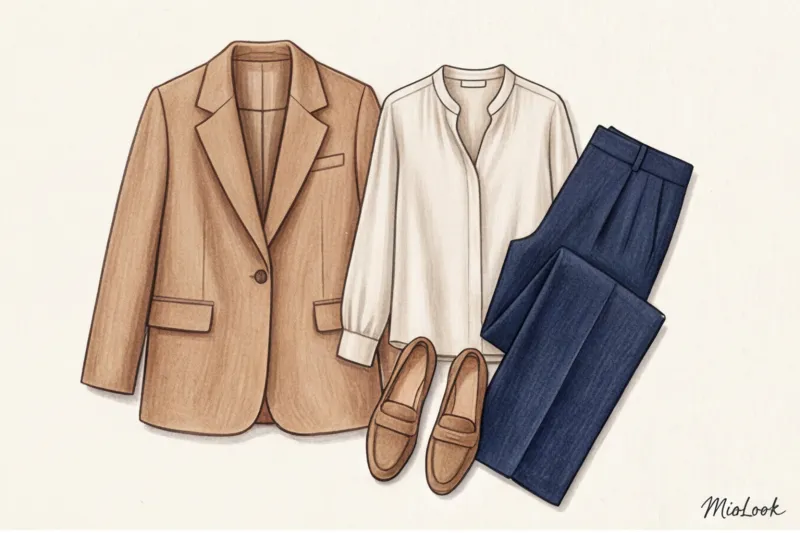
У науці це називається Занурення Cognition (Уречевлене пізнання). Дослідження Північно-Західного університету (США, 2012) довело, що одяг впливає не лише на того, хто на вас дивиться, а й на власні когнітивні здібності. Надягаючи структурований жакет, ви самі починаєте краще тримати професійну позицію.
Колір та фактура в кабінеті: що заспокоює, а що тригеріт
Фактура тканини в кабінеті психолога важливіша за крою. Клієнти перебувають у вразливому стані, їхнє сенсорне сприйняття загострене. Вони візуально «обмацують» вас.
Кашемір, матовий шовк, вовна з додаванням віскози – ці матеріали працюють як візуальне заспокійливе. А ось жорстка крохмальна бавовна, блискучий атлас або скрипуча синтетика створюють мікро-напругу.
Окрема тема – колір. Я часто бачу, як фахівці-початківці кутаються в тотальний чорний, вважаючи його найбезпечнішим і професійнішим. Але в контексті терапії глухий чорний колір працює як непроникна стіна. Він каже: "Я закритий, я не впускаю тебе".
За даними досліджень Інституту кольору Pantone, чисті спектральні кольори мають прямий фізіологічний вплив. Наприклад, велика кількість чистого червоного кольору здатна підвищити частоту серцевих скорочень спостерігача на 10-15%. Уявіть собі травматерапевта в червоному светрі - це катастрофа для рапорту.
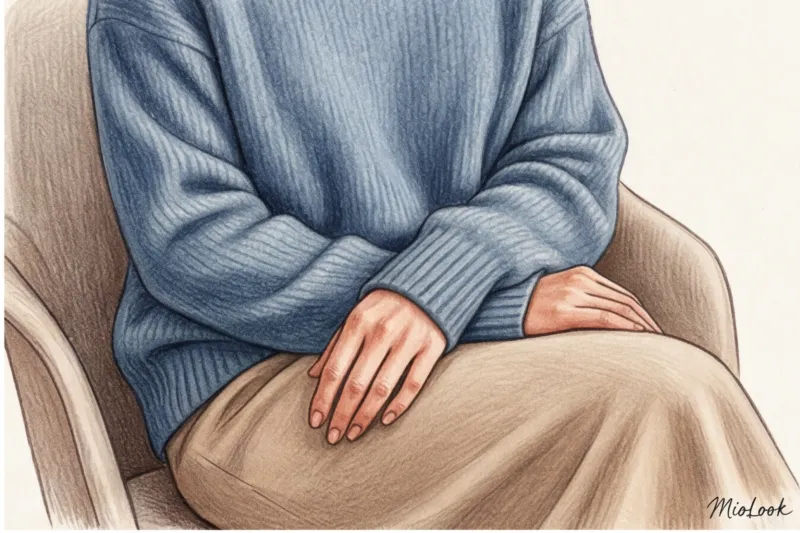
Що використовувати натомість?
Складні, припилені відтінки. Замість смарагдового – полиновий. Замість електрика - колір грозового неба або курно-синій. Замість кип'яно-білого – колір вівсянки чи екрю. Ці кольори не перетягують увагу, але виглядають глибоко та благородно.
Ваш ідеальний образ починається тут
Приєднуйтесь до тисяч користувачів, які щодня виглядають бездоганно з MioLook.
Відкрити доступ — €0,99 разовоОнлайн-сесії: специфіка іміджу для роботи в Zoom
Пандемія назавжди змінила формат роботи, і тепер маємо справу з феноменом «поясного портрета». У Zoom або Skype верхня частина вашого тіла бере на себе 100% смислового навантаження. Те, що добре працювало в кріслі кабінету, на веб-камері може зіграти злий жарт.
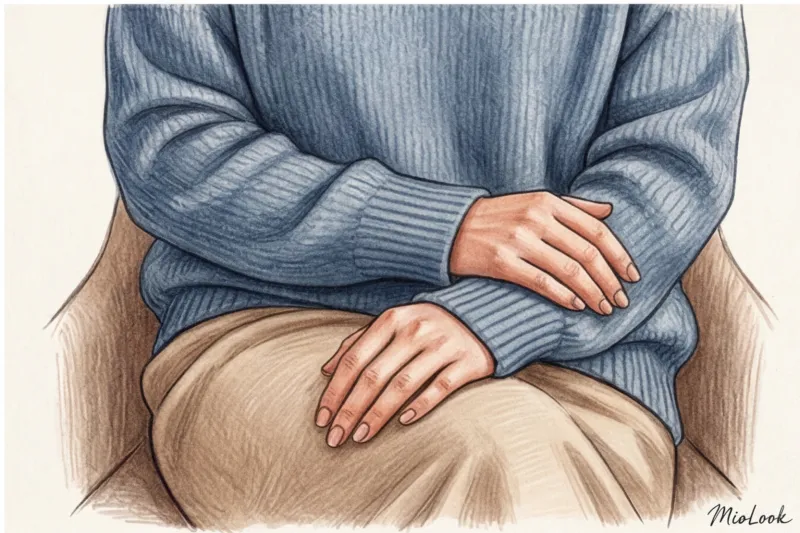
Ось три правила, які я перейняла у телевізійних стилістів:
- Обережно із принтами. Дрібна клітка, тонка смужка або «гусяча лапка» створюють на камері ефект муару — зображення починає рябити і мерехтіти, викликаючи у клієнта головний біль вже через 15 хвилин.
- Уникайте чистого білого обличчя. Більшість веб-камер автоматично налаштовують експозицію по найсвітлішій плямі. Якщо на вас біла сорочка, ваше обличчя на екрані стане темним та землістим.
- Фокус на портретну зону. V-подібний або U-подібний виріз відкриває шию та ключиці, транслюючи відкритість. Глухий комір-гольф під горло, навпаки, створює бар'єр.
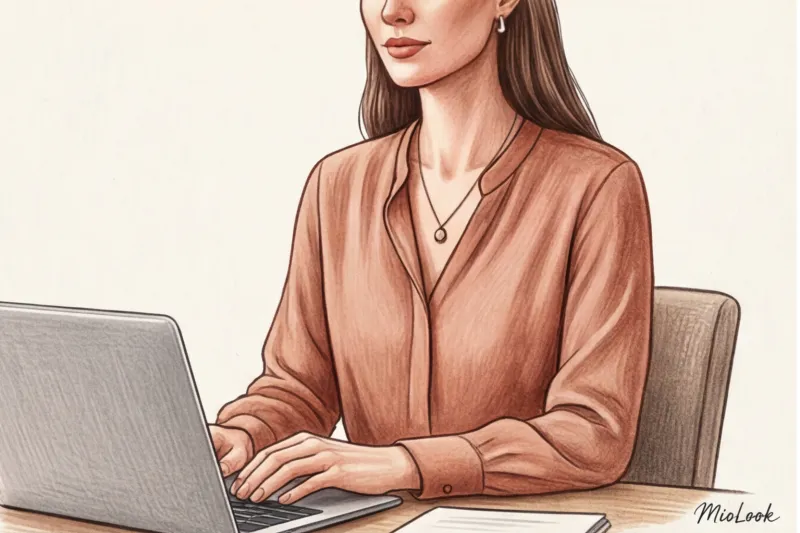
Лайфхак із практики: перед тим як впровадити нову річ в онлайн-гардероб, зателефонуйте самі з собою в Zoom, увімкніть запис на 30 секунд і рухайтесь. Ви відразу побачите, чи не бликує тканину і чи не зливаєтеся ви з фоном.
Табу в гардеробі практика, що допомагає: помилки, які руйнують раппорт
Звісно, у стилі завжди є місце виняткам. Якщо ви працюєте у жорсткому провокативному підході, ви можете порушувати правила. Але для 90% фахівців є жорсткі табу.
1. Дзвінки та відволікаючі прикраси
Багатоярусні браслети, які б'ються об стіл, або потужні сережки-люстри. Для EMDR-терапевтів (ДПДГ) та гіпнологів це абсолютна заборона – будь-який сторонній ритмічний звук або відблиск збиває процес переробки травми.
2. Логоманія та кричачий люкс
У мене був кейс роботи з коучем рівня PCC ICF. Вона скаржилася, що клієнти часто йдуть після настановної сесії, посилаючись на те, що не потягнуть. Ми проаналізували її образ: ремінь Gucci з величезною пряжкою, браслети Cartier, сумка Louis Vuitton у кадрі.
Для клієнтів із синдромом самозванця (а таких у коучингу більшість) цей візуальний шум кричав: «Я кращий за тебе, я успішніший». Це зміщувало фокус із процесу клієнта на нарцисичну частину самого фахівця. Ми замінили брендові речі на якісний мінімалізм від COS та Massimo Dutti (або їх аналоги у преміум-сегменті на зразок The Row), і конверсія зі знайомства в контракт зросла вдвічі.
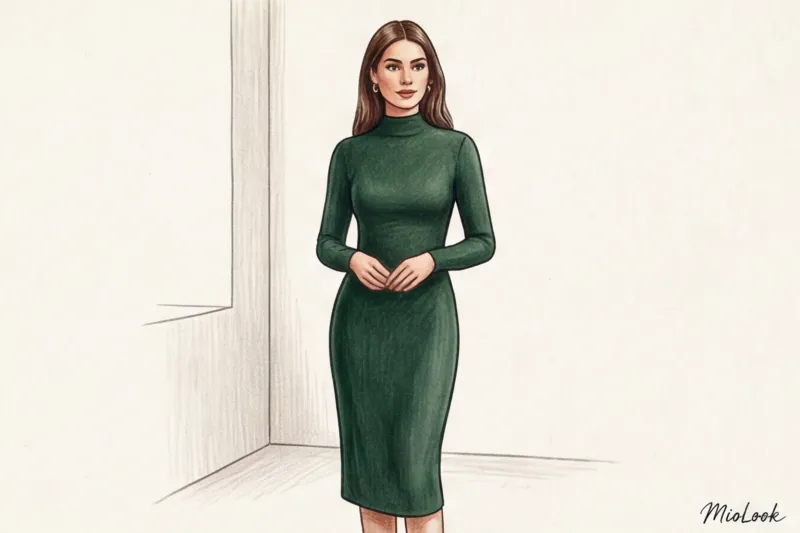
3. Зайва розслабленість
Піжам стиль, розтягнуті худі, футболки з написами. Вдома, за екраном ноутбука, велика спокуса розслабитися. Але пам'ятайте: клієнт платить вам не лише за знання, а й за те, що ви перебуваєте у сильній, зібраній професійній позиції.
Чек-лист: збираємо капсулу для психолога та коуча
Вам не потрібна величезна шафа. Грамотно зібрана капсула з 10-12 речей закриє всі потреби для очних та онлайн-сесій. Базова формула виглядає так:
- 2 жакети м'якого крою: один базового кольору (неві, кемел, графіт), другий - складного відтінку (полин, курна троянда). Вибирайте суміші (вовна + віскоза), вони менше мнуться, коли ви сидите.
- 3-4 блузи або топа: з матового шовку, купро або віскози щільністю не менше ніж 150 г/м². Жодного прозорого шифону.
- 2 пари штанів правильної посадки: палацо або прямі зі стрілками. Вони задають ту саму «структуру».
- 1 сукня довжини міді: А-силуету або прямого крою, без глибокого декольте.
Окрема увага взуття. Навіть якщо на вулиці +30 ° C, відкриті босоніжки в кабінеті терапевта недоречні це занадто інтимно. Вибирайте закритий мис: лофери з м'якої замші, балетки з мигдалеподібним носом або туфлі на стійкому підборі 3-5 см. Шпильки залиште для світських виходів - вони транслюють напругу та нестабільність.
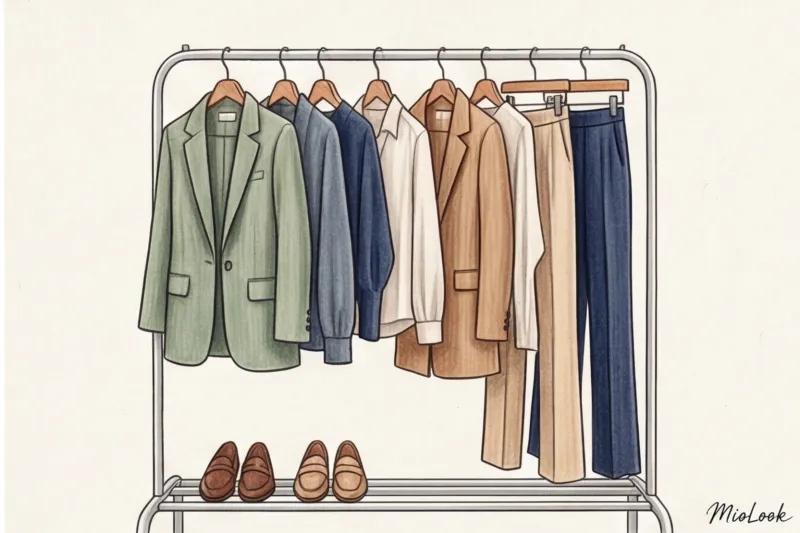
Щоб не витрачати ранковий годинник на роздуми "що з чим поєднувати", я настійно рекомендую оцифрувати свій гардероб. Завантажте речі вашої робочої капсули програма MioLook - Штучний інтелект сам збере готові комплекти і покаже, якщо в капсулі не вистачає сполучної ланки.
Одяг практика, що допомагає, — це не просто тканина. Це ваш перший терапевтичний чи коучинговий інструмент. Коли ваш зовнішній вигляд транслює впевненість, стійкість та емпатію, ви заощаджуєте місяці на вибудовування довірчого рапорту. Інвестуйте у правильні фактури, позбавтеся безформного трикотажу, і ви побачите, як зміниться динаміка ваших сесій.