За 12 лет разбора гардеробов в Париже и Милане я регулярно вижу одну и ту же картину: стопки выцветших, перекошенных базовых футболок из «100% премиального хлопка», купленных всего пару месяцев назад за 40–60 €. Мои клиентки часто искренне не понимают, почему дорогая вещь из полностью натурального материала так быстро превратилась в тряпку для пыли. И каждый раз, когда мы собираем капсулу заново, я предлагаю им нарушить главное модное правило прошлого века: перестать слепо гнаться за чистым хлопком.
Сегодня качественная база строится на технологичных блендах, и главным героем здесь выступает ткань модал, свойства которой буквально перевернули индустрию. Подробнее об эволюции таких материалов мы рассказывали в нашем полном гиде по экологичным тканям: тенселю, модалу и лиоцеллу, но сегодня я хочу поговорить о модале глазами практика. Мы разберем, как эта ткань меняет посадку вещей по фигуре и почему она незаметно вытеснила классический трикотаж из коллекций ваших любимых брендов.
Что такое модал: природа, рожденная в лаборатории
Давайте сразу закроем терминологический вопрос: модал — это искусственная ткань, но не синтетическая. Разница колоссальная. Синтетику (полиэстер, акрил) делают из нефтепродуктов. Искусственные ткани делают из природного сырья, но с помощью химической обработки.
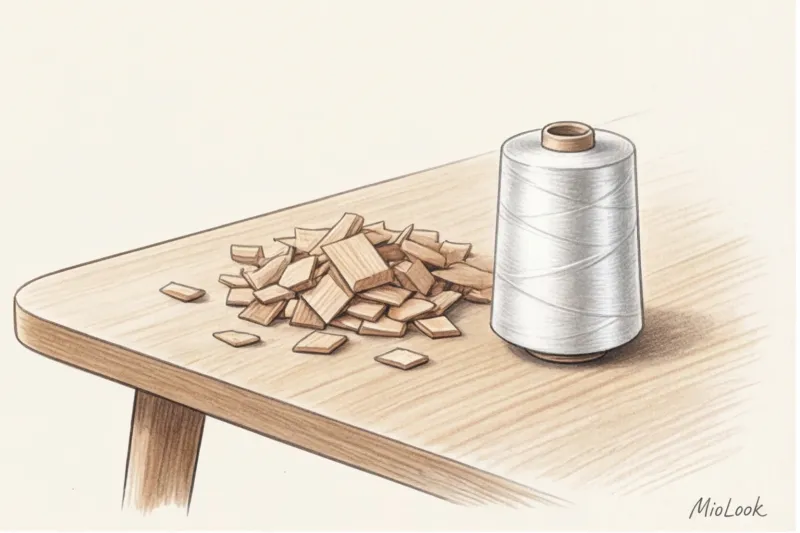
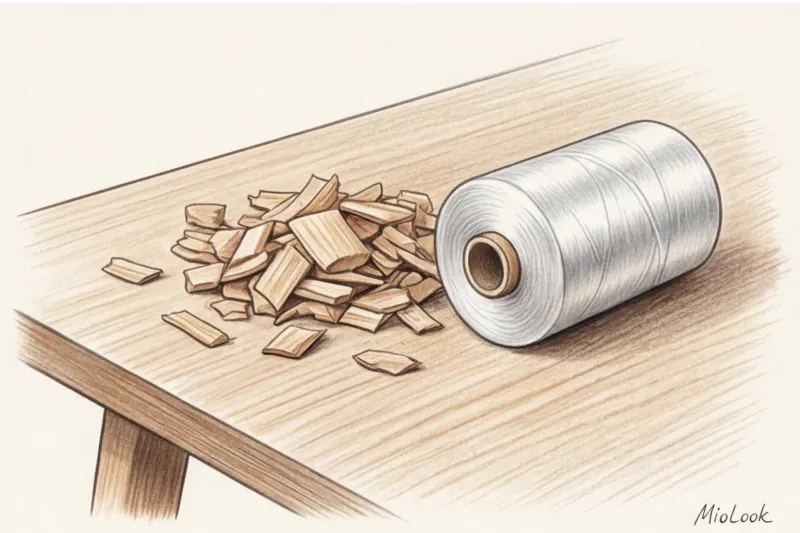
Основа модала — целлюлоза из древесины бука (реже эвкалипта или сосны). По сути, это усовершенствованная версия вискозы. Обычная вискоза всем хороша, пока вы ее не постираете: в мокром виде она теряет до 50% прочности, легко рвется и непредсказуемо садится. В 1960-х годах технологи начали искать способ сделать вискозу прочнее.
«Настоящий прорыв совершила австрийская компания Lenzing AG, запатентовавшая технологию производства микромодала. Они изменили процесс формования волокна, получив материал, который сохраняет геометрию даже после десятков циклов в стиральной машине».
Интересный факт для тех, кто заботится об экологии: по данным Lenzing (создателей стандарта TENCEL™ Modal), при производстве модала тратится в 10–20 раз меньше воды, чем при выращивании аналогичного объема хлопка.
Организуйте свой гардероб с умом
Загрузите свои базовые вещи в виртуальный шкаф и отслеживайте, какие ткани служат вам дольше всего.
Открыть доступ — €0,99 разово
Ткань модал: свойства, которые заставили бренды забыть о хлопке
Почему бренды мидл-сегмента и премиум-маркет (от COS до Brunello Cucinelli) так полюбили это волокно? Дело не только в себестоимости, но и в физике самого материала.
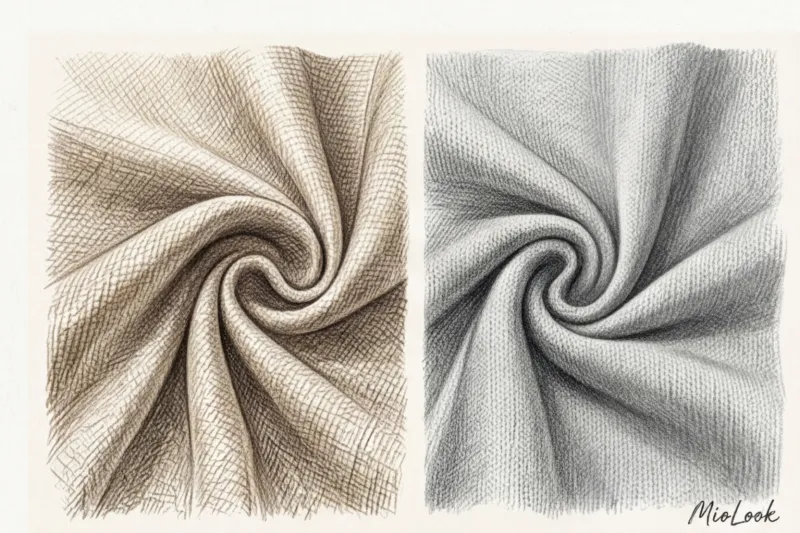
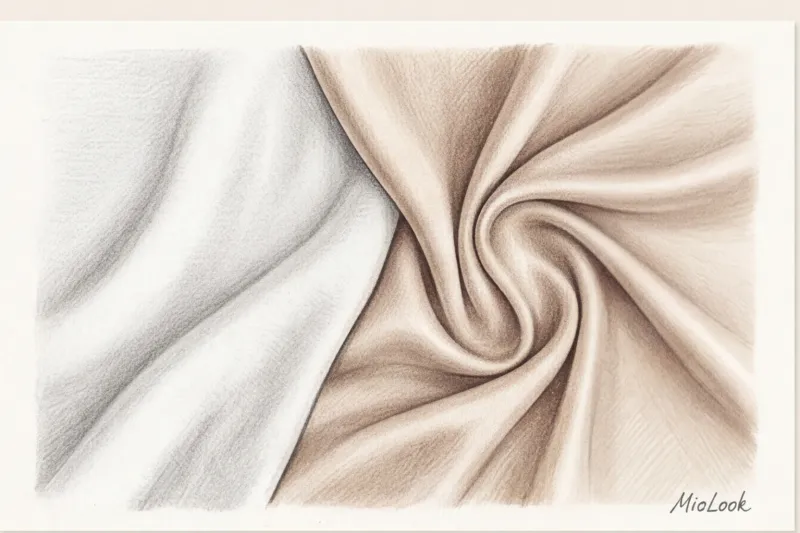
- Тактильность «персиковой кожи». Волокна модала невероятно тонкие и гладкие. Они не имеют чешуек, как шерсть, или микрошероховатостей, как хлопок. На ощупь ткань напоминает плотный, тяжелый шелк.
- Глубокая цветопередача. Модал впитывает краситель глубоко в структуру нити и не отдает его при стирке. На моей практике был показательный тест: две черные водолазки (хлопок и модал). Через 30 стирок хлопковая приобрела графитово-седой оттенок, а водолазка из модала осталась угольно-черной, как в день покупки.
- Аномальная гигроскопичность. Модал впитывает влагу на 50% эффективнее обычного хлопка. Он мгновенно отводит пот от тела, не создавая ощущения мокрого компресса.
- Отсутствие пиллингования. Длинные и гладкие волокна качественного модала практически не скатываются, в отличие от рыхлой вискозы или коротковолокнистого хлопка.
Ложка дегтя: минусы модала и частые ошибки при выборе
Читая описания брендов, можно подумать, что найдена идеальная ткань. Но как стилист я обязана вас предупредить: модал коварен, и стопроцентный состав часто работает против вас.
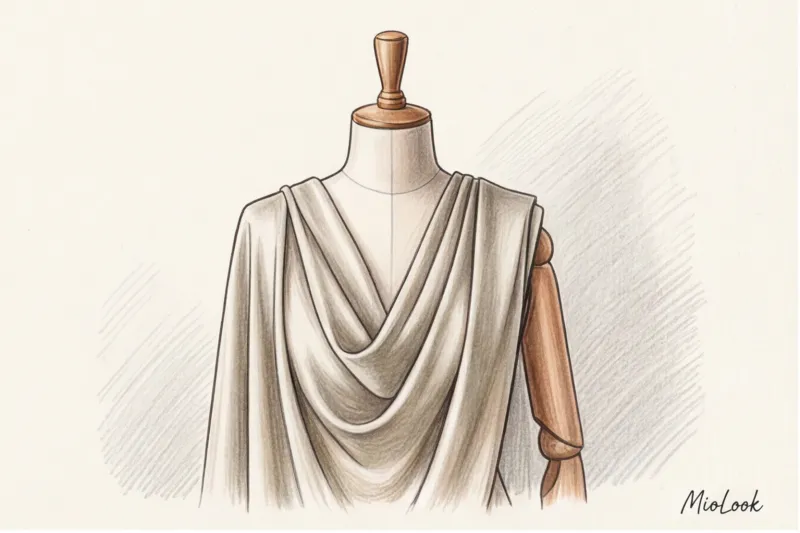
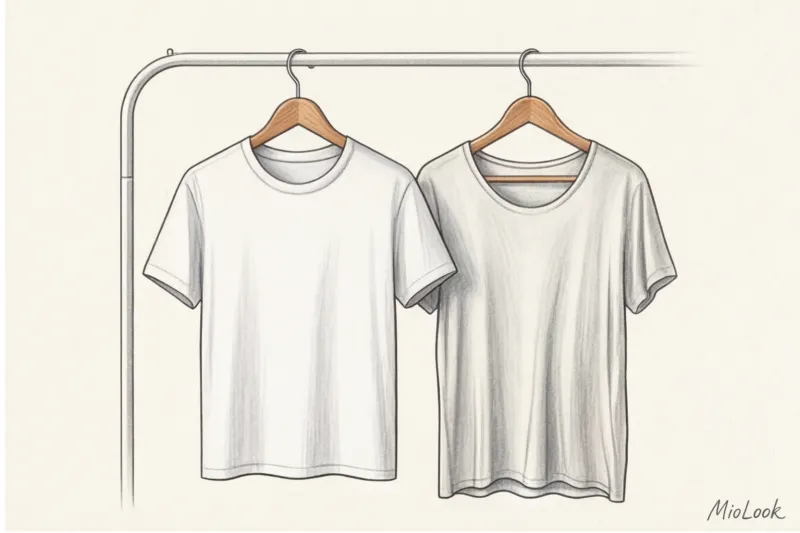
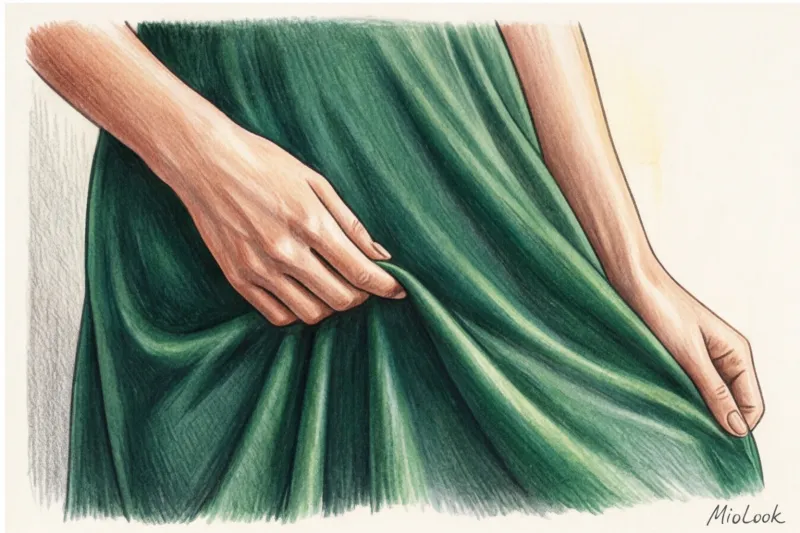
Главный недостаток 100% модала — его абсолютная «текучесть». Эта ткань не имеет собственной структуры. Если плотный хлопок (от 180 г/м²) способен создать жесткий каркас, скрыть складки на талии и задать силуэт, то чистый модал облепит вас, как вторая кожа.
Это рождает так называемый «эффект гусеницы». Если вы наденете платье из 100% тонкого модала, окружающие увидят всё: контуры кружевного белья, малейший рельеф кожи, швы колготок. На фигурах plus-size (да и на стандартных размерах при неплотном прилегании) тонкий модал часто выглядит неряшливо, обвисая там, где нужна поддержка.
Второй минус — хотя модал прочнее вискозы в мокром виде, он всё еще уязвим при стирке. Агрессивный отжим может непоправимо растянуть горловину любимого топа.
Не знаете, с чем сочетать базовые вещи?
Попробуйте MioLook бесплатно: Умный AI-стилист подберёт идеальный образ для вашей фигуры и стиля жизни.
Открыть доступ — €0,99 разово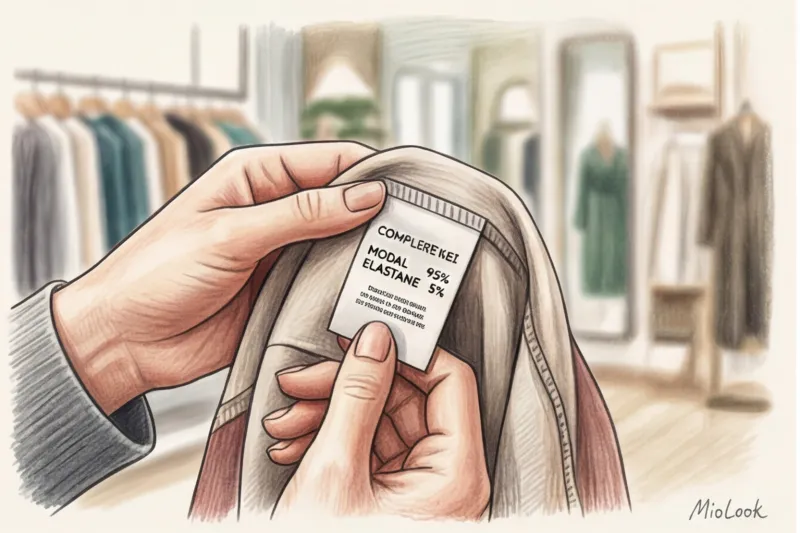
Как модал меняет посадку: читаем этикетки как профессиональный байер
Секрет дорогого и опрятного гардероба кроется в умении читать составы. Искать на ярлычке «100% модал» для футболок или платьев — плохая идея. Эта ткань раскрывает свои лучшие свойства именно в блендах (смесях).
Вот три формулы, которые я всегда ищу в шоурумах и магазинах для своих клиенток:
- Модал + Хлопок (обычно 50/50 или 40/60). Золотой стандарт для идеальной базовой футболки. Хлопок дает вещи структуру и плотность, а модал не позволяет ей выцветать, садиться и добавляет легкий благородный блеск. Такие футболки (в диапазоне 30–50 €) выглядят втрое дороже своей цены.
- Модал + Эластан (95/5 или 90/10). Идеальная база для бельевого стиля: лонгсливы, боди, водолазки, легинсы и нижнее белье. Добавление эластана заставляет ткань упруго растягиваться и возвращаться в исходную форму. Это тот самый эффект «второй кожи», за который ценят базовые коллекции Intimissimi или COS.
- Модал + Кашемир / Шерсть. Премиальная комбинация для межсезонья. Модал удешевляет стоимость изделия (чистый кашемир обойдется от 200 €), но при этом делает шерсть более легкой, струящейся и, главное, не колючей. Такие свитеры часто встречаются у Massimo Dutti в сегменте 80–120 €.
Кстати, если вы часто забываете, какие составы преобладают в вашем шкафу, функция умного гардероба в MioLook позволяет один раз оцифровать свои вещи и собирать комплекты, учитывая не только цвет, но и фактуру тканей.
Кому и для каких случаев идеально подходит одежда из модала
Помимо очевидной роли в базовом капсульном гардеробе, вещи из модала — это секретное оружие для конкретных жизненных сценариев.
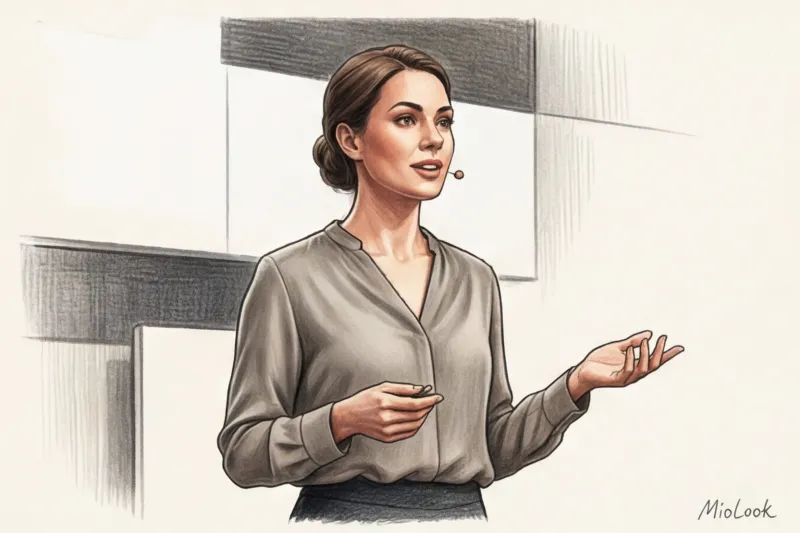
Для публичных выступлений и вебинаров. Если вам предстоит выступать под софитами или ярким кольцевым светом на Zoom-конференции, откажитесь от шелка и глянцевой синтетики. Шелковая блуза от волнения покроется пятнами пота, а дешевый полиэстер будет дешево бликовать в камеру. Матовая водолазка из плотного модала выглядит статусно, поглощает лишний свет и мгновенно отводит влагу.
Для многослойных деловых образов (смарт-кэжуал). Когда вы надеваете классический жакет, вам нужен нижний слой (топ или лонгслив), который не будет сковывать движения или создавать лишний объем в рукавах. Тонкий бленд модала с эластаном скользит по подкладке пиджака, обеспечивая идеальную посадку.
Для долгих перелетов. В отличие от льняных костюмов, которые выглядят как изжеванная бумага уже через час полета, костюмы в спортивном стиле из модала и хлопка вообще не мнутся.
Чек-лист: как ухаживать за вещами из модала
Модал неприхотлив, если не совершать одну критическую ошибку — не пытать его высокими оборотами при отжиме. Вот моя краткая инструкция по уходу, которая продлит жизнь вашим базовым вещам на пару лет:
- Стирка строго до 30–40 °C. Горячая вода разрушает структуру целлюлозного волокна.
- Снизьте обороты. Ошибка №1 — отжим на 1000+ оборотов. Ставьте максимум 600. В мокром состоянии модал тяжелеет, и центрифуга просто вытягивает нити.
- Выворачивайте наизнанку. Это защитит лицевую сторону от микротрения о барабан (особенно важно для черных и темно-синих вещей).
- Никакого скручивания. Если стираете руками, не выжимайте вещь, скручивая ее жгутом. Просто мягко сдавите, чтобы ушла лишняя вода.
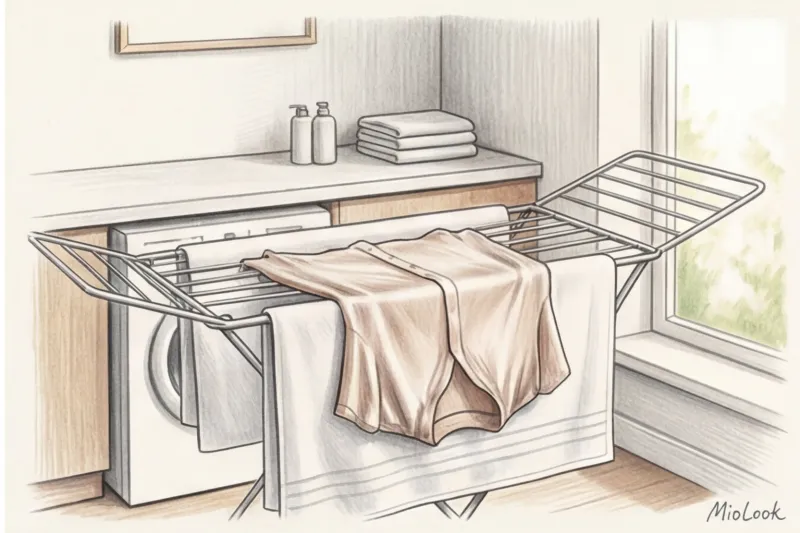
- Сушка и глажка. Тяжелые вещи (например, плотные платья или объемные кардиганы с добавлением модала) лучше сушить горизонтально на полотенце. Гладить — только с изнанки на минимальной температуре («Шелк»), но в идеале используйте ручной отпариватель — модал разглаживается за секунды.
Ваш идеальный образ начинается здесь
Присоединяйтесь к тысячам пользователей, которые каждый день выглядят безупречно с MioLook. Соберите свою идеальную капсулу из правильных тканей.
Открыть доступ — €0,99 разово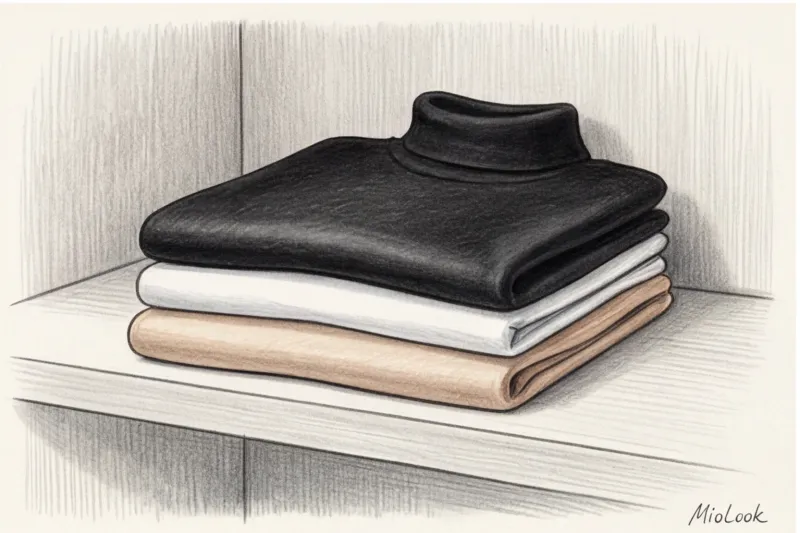
Резюме стилиста: стоит ли переплачивать за эту ткань?
Сегодня стереотип о том, что одежда должна быть из 100% натуральных тканей (только лен, хлопок или шерсть), безнадежно устарел. Да, если мы говорим о жестком дениме или структурной рубашке — хлопок вне конкуренции. Но для прилегающих силуэтов, водолазок, боди и футболок технологичный бленд с модалом — это лучший выбор современного гардероба.
Разница в цене между обычной хлопковой футболкой из масс-маркета за 15 € и футболкой с добавлением модала за 35–50 € окупается в первые три месяца. Модал — это инвестиция не просто в одежду, а в вашу опрятность. Вещи дольше выглядят «как новые», не выцветают на солнце и не деформируются после стирок.
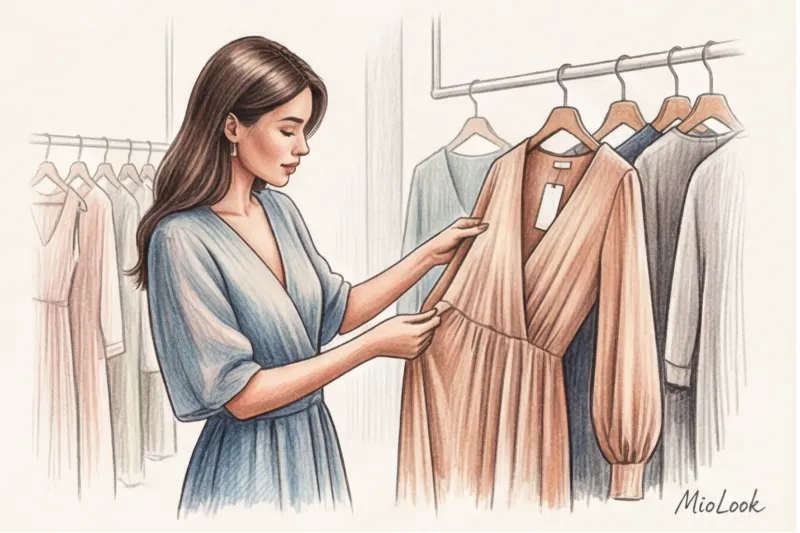
При следующем шопинге сделайте простую вещь: прежде чем идти в примерочную, переверните этикетку. Если в составе базового топа вы увидите 45–50% модала, берите не раздумывая — эта вещь отработает каждый вложенный в нее цент.