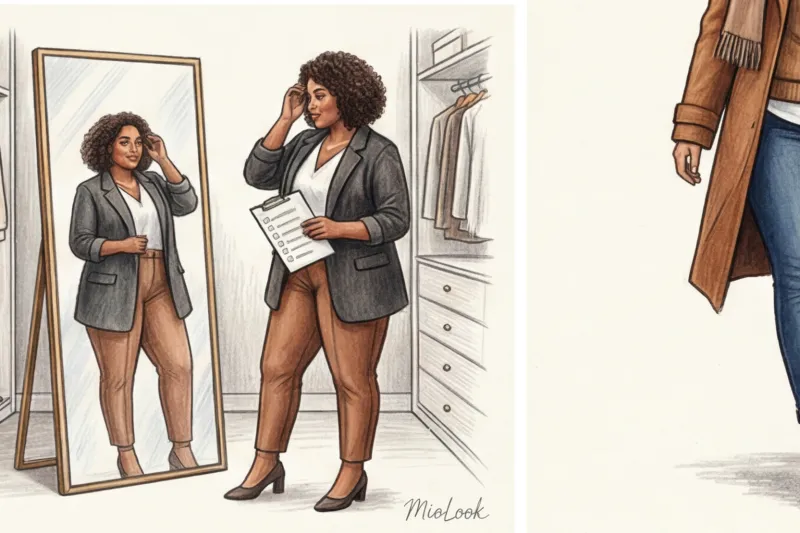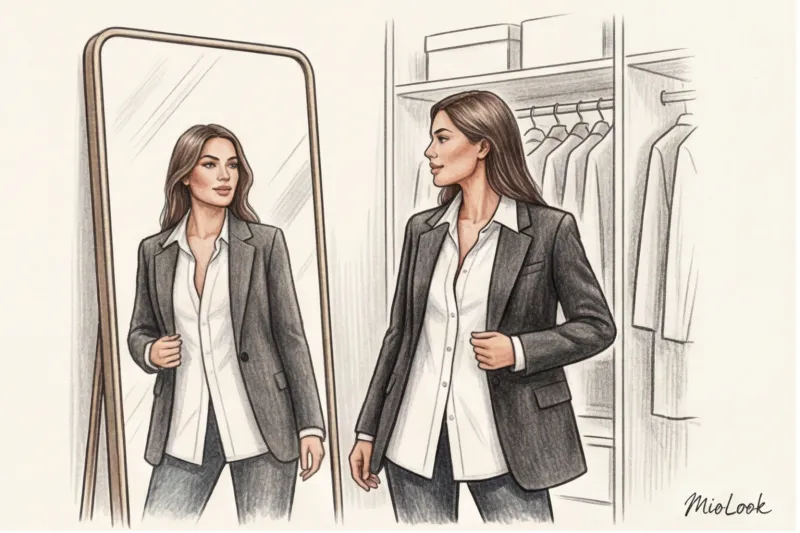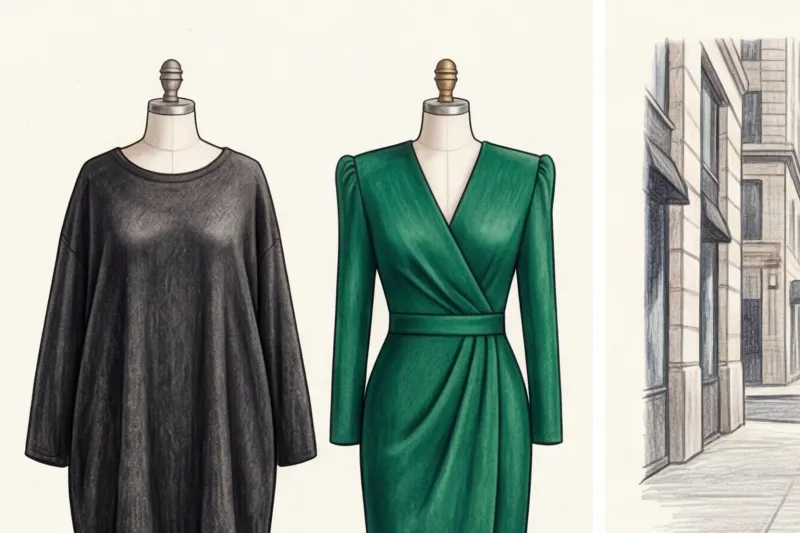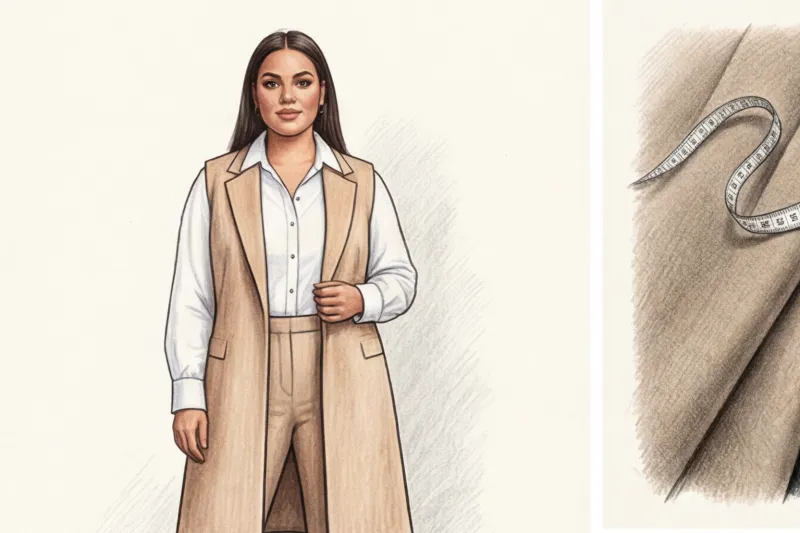
Пару лет назад перед Неделей моды в Париже ко мне на консультацию пришла клиентка 52-го размера. Она принесла с собой чемодан черных, бесформенных балахонов и туник из тонкого трикотажа со словами: «Я просто хочу спрятаться». Я молча отложила её вещи в сторону. Вместо этого я дала ей плотную белую рубашку из поплина, а сверху накинула структурированный удлиненный жилет из тяжелой костюмной шерсти, оставив его расстегнутым. Когда она подошла к зеркалу, то буквально ахнула. Без диет и спорта, за две минуты она визуально «потеряла» пару размеров. Почему? Потому что мы перестали укутывать тело и начали заниматься архитектурой.
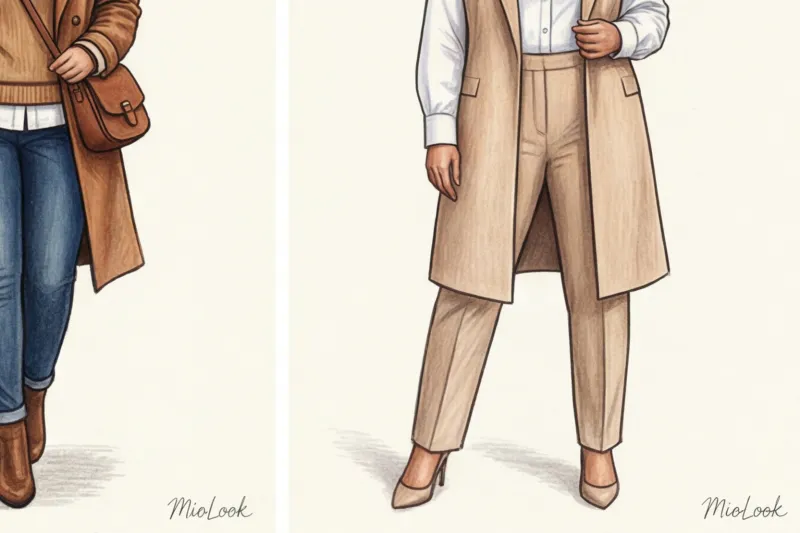
Многим кажется, что многослойность для полных женщин — это прямой путь к эффекту «капусты». Мы привыкли думать: чем больше на нас надето, тем шире мы кажемся. Но это огромное заблуждение. Грамотное наслоение — это ваш главный инструмент моделирования фигуры. Подробнее о базовых правилах наслоения для любой фигуры мы рассказывали в нашем полном гиде: Многослойность в одежде: как создавать стильные образы. Здесь же мы разберем продвинутые техники, которые помогут использовать слои как скальпель хирурга — отсекая лишнее и подчеркивая лучшее.
Архитектура вместо балахона: почему многослойность для полных женщин — это спасение
За 10 лет работы в индустрии я заметила опасную тенденцию: женщины plus-size часто выбирают глухое черное платье-чехол, веря в его магические стройнящие свойства. Но в реальности сплошное черное пятно создает четкий, монолитный контур. Окружающие мгновенно считывают его реальную ширину. Если же вы разбиваете этот монолит на слои, глаз наблюдателя путается: он больше не видит единый блок, он видит сложную игру линий и фактур.
Представьте себе здание. Мы не накидываем на красивую, но массивную постройку гигантский брезент. Мы используем колонны, пилястры и контрастные фасады, чтобы задать ей правильные пропорции. В стайлинге всё работает абсолютно так же: мы отказываемся от стратегии «спрятать тело» в пользу стратегии «выстроить новые линии».
Иллюзия Мюллера-Лайера в стайлинге
В оптике существует знаменитая иллюзия Мюллера-Лайера — закон, согласно которому отрезки одинаковой длины кажутся разными в зависимости от направленности стрелок на их концах. В конструировании одежды мы используем похожий трюк.
Когда вы надеваете поверх базового топа расстегнутый жакет, кардиган или пальто, вы создаете две мощные внутренние вертикали. Эти вертикали работают как искусственные границы фигуры. Человеческий глаз ленив — он всегда считывает только внутренний, более яркий или контрастный блок (ваш топ), игнорируя боковые объемы, скрытые под темными полами расстегнутого верхнего слоя. Таким образом, вы можете «срезать» до 1/3 реальной ширины туловища.
Главный миф: «Тонкие ткани стройнят». Почему мы выбираем плотность
«Я надену тоненькую кофточку, она ведь ничего не весит, а значит, не добавит мне объема» — слышали такое? Это главное заблуждение, которое портит миллионы образов. Тонкий хлипкий трикотаж, кулирка или дешевая вискоза не имеют собственного веса и плотности. Они покорно облегают каждую складку тела, предательски подчеркивая то, что вы хотели скрыть.
Аналитический отчет института прогнозирования WGSN за 2024 год подтверждает глобальный сдвиг: мода уходит от бесформенного оверсайза в пользу полуприлегающего кроя (Semi-fitted tailoring). И для размера plus-size это отличная новость. Нам нужен жесткий каркас.
«Структурированная ткань (плотная шерсть, деним, качественная кожа) создает свой собственный, идеальный контур — outline — внутри которого ваше тело кажется более хрупким».
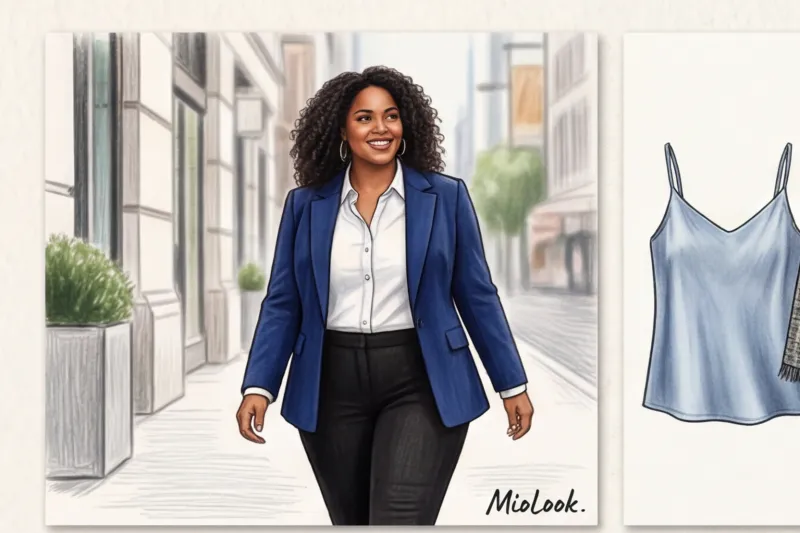
Золотое правило разницы плотности: верхний слой всегда должен быть минимум на 30% плотнее нижнего. Например, правильный жакет должен иметь плотность от 250 г/м². Да, такие вещи стоят дороже — качественный структурированный блейзер от COS или Massimo Dutti обойдется в 130–200 €, но это инвестиция в ваш силуэт. И не бойтесь подплечников! Небольшие, аккуратные подплечники расширяют плечевой пояс, что визуально сужает бедра и делает талию тоньше.
Доступ к MioLook за €0,99 — разовый платёж
Умный AI-стилист подберёт идеальные комбинации из ваших вещей, учитывая их фактуру и посадку.
Открыть доступ — €0,99 разовоПравило вертикалей: как вытягивать силуэт с помощью слоев
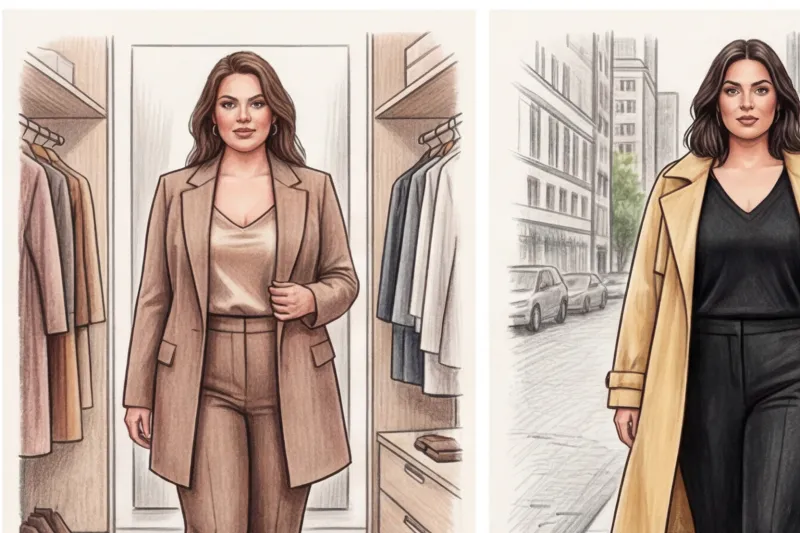
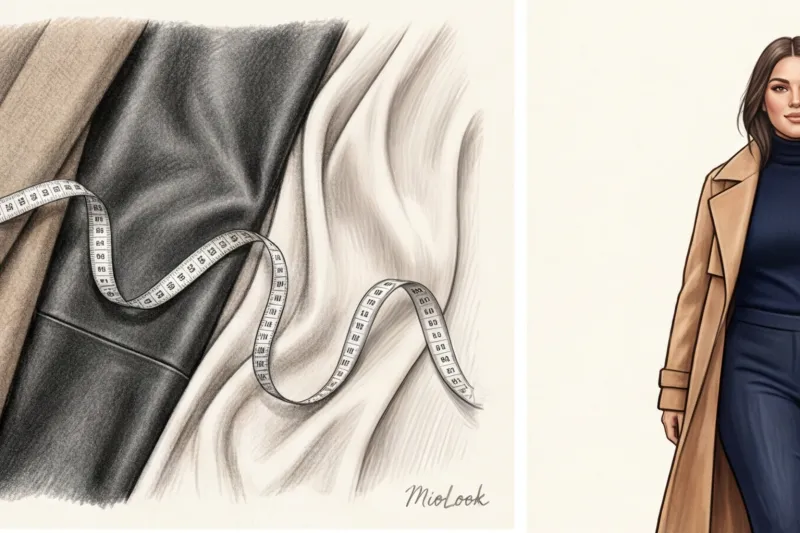
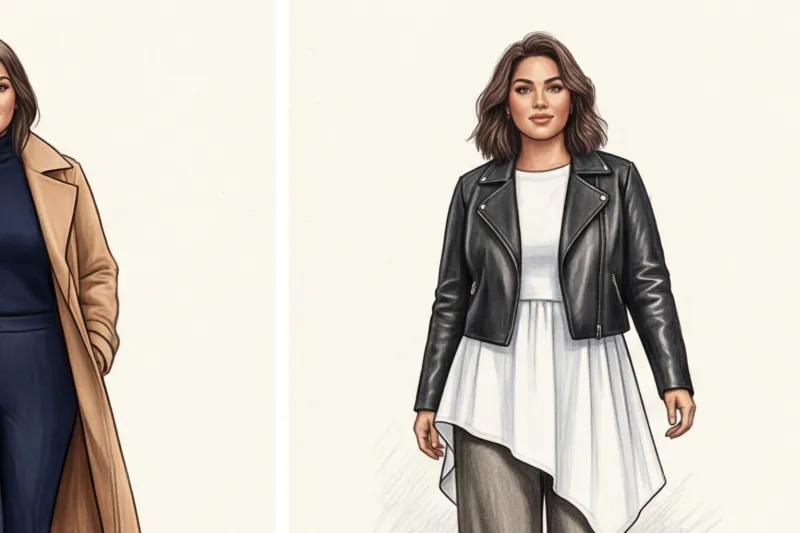
Один из самых мощных приемов, которые я наблюдала на Неделях моды — это создание монохромной колонны под контрастным верхним слоем. Взгляните на коллекции Michael Kors: дизайнер часто выпускает моделей plus-size в темно-синих или черных водолазках с брюками в тон, а сверху накидывает светлое расстегнутое пальто или тренч.
Что происходит в этот момент? Внутренний темный монохром вытягивает силуэт вверх (поскольку нет визуального горизонтального разрыва между верхом и низом), а светлый верхний слой работает как рама. Главными инструментами здесь становятся удлиненные жилеты, прямые плотные кардиганы и классические тренчи.
Отдельно скажу про принты. Многие любят мелкий цветочный узор, но в многослойности он часто проигрывает. Мелкий цветочек на округлых формах растягивается и деформируется, добавляя объем. Выбирайте строгую геометрическую полоску — вертикальная линия на рубашке, надетой под свитер с V-образным вырезом, задаст отличный ритм.
Длины и пропорции: геометрия умного наслоения
Любая горизонтальная линия в одежде визуально расширяет ту часть тела, по которой она проходит. Отсюда вытекает железное правило: подолы ваших слоев никогда не должны заканчиваться на самом широком месте фигуры (обычно это середина бедра или самая полная часть икр).
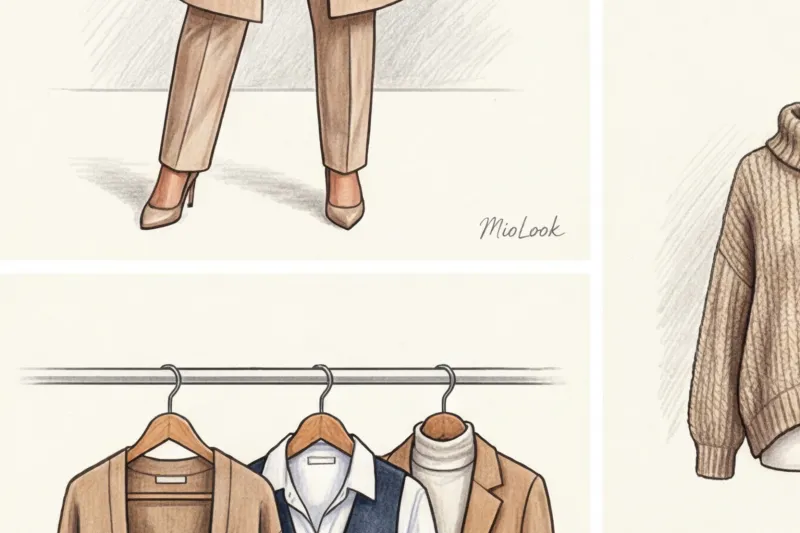
Вместо этого играйте с перепадами длин. Идеальная формула выглядит так: короткий нижний топ (заправленный в брюки на высокой посадке) + расстегнутая рубашка средней длины (чуть ниже тазовой кости) + длинный жилет или тренч (ниже колена). Такой ступенчатый перепад заставляет взгляд скользить по вертикали.
Обратите внимание на «зоны сужения» — запястья, щиколотки, зону под грудью. Это ваши козыри. Собирая многослойный образ, обязательно откройте запястья: закатайте рукава жакета вместе с рукавами рубашки (так называемый J.Crew roll). Это добавит воздуха в плотный образ.
Опасные комбинации, которые действительно полнят
Конечно, этот подход работает не безупречно в 100% случаев. Я честно предупреждаю своих клиенток об опасных сочетаниях:
- Горизонтальное дробление по животу: белый топ заканчивается на талии, из-под него торчит черный ремень, ниже синие джинсы, а сверху красный короткий жакет. Вы просто «разрезали» себя на четыре кубика.
- Двубортный пиджак, застегнутый на все пуговицы поверх свитера: это убьет фигуру, создав эффект шкафа. Оставьте двубортные модели расстегнутными.
- Глянец под матовым верхом: атласная блуза будет отражать свет и оптически выдаваться вперед, ломая геометрию матового жакета.
Ваш идеальный гардероб начинается здесь
Присоединяйтесь к тысячам женщин, которые каждый день выглядят безупречно, составляя образы вместе с MioLook.
Открыть доступ — €0,99 разовоФактуры и ткани: идеальные комбинации для размера plus-size
Просто надеть три хлопковые вещи друг на друга недостаточно. Столкновение фактур — вот что цепляет взгляд и делает образ интеллектуальным. Гладкое должно встречаться с шероховатым, мягкое с жестким.
Профессиональный секрет: учитывайте светоотражение. Матовые ткани (шерсть, плотный хлопок, замша) поглощают свет и визуально уменьшают объем. Глянцевые и пушистые (атлас, люрекс, мохер, букле, ангора) — отражают или рассеивают свет, прибавляя визуально до 5 килограммов.
Вот две безотказные формулы фактур, которые я использую постоянно:
- Формула 1: Матовый шелк или вискоза (низ) + плотная матовая кожа (верх). Например, шелковая юбка миди с базовой футболкой под структурированной кожаной курткой-косухой (обязательно удлиненной, не заканчивающейся на самой широкой части бедра).
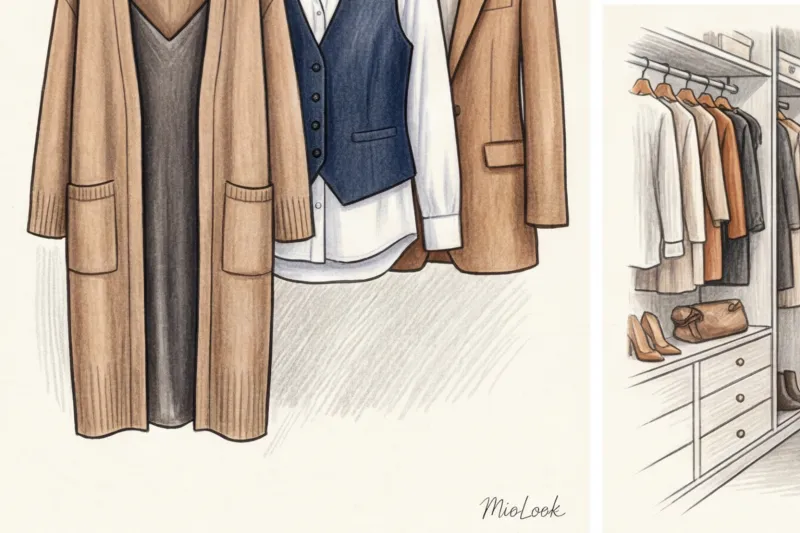
- Формула 2: Хлопковый поплин + тонкий кашемир + структурированная шерсть. Классическая рубашка, поверх тонкий джемпер с V-вырезом, а сверху — шерстяное пальто.
Практикум: 3 формулы многослойности на каждый день
Теория мертва без практики. Если вы не знаете, с чего начать уже завтра утром, возьмите эти три готовые схемы, которые легко интегрируются в любой капсульный гардероб. Они собраны из универсальных вещей, которые, скорее всего, уже есть в вашем шкафу.
Формула Casual (Для выходных и встреч с друзьями)
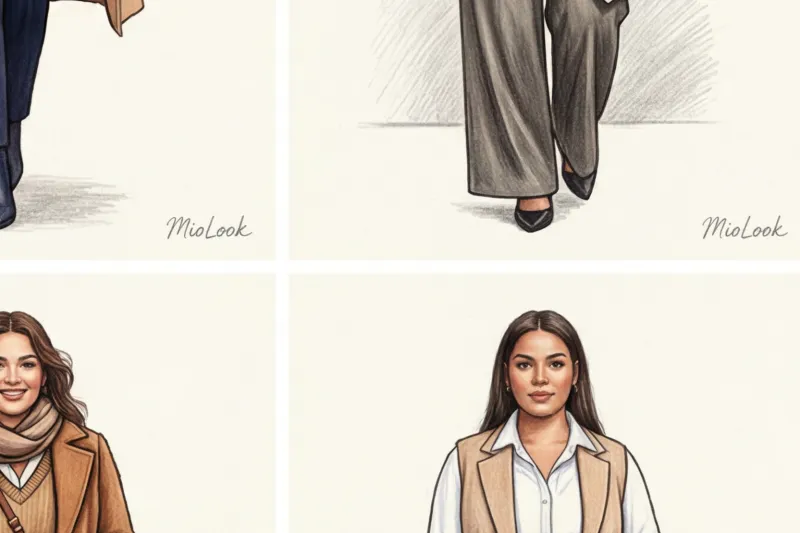
Базовая белая рубашка мужского кроя (хлопок от 180 г/м²) + трикотажный жилет плотной вязки с V-образным вырезом + прямые темно-синие джинсы. Рубашка должна выглядывать из-под жилета снизу на 5-7 сантиметров, прикрывая паховую зону. Рукава рубашки подвернуты. Этот образ отлично работает с лоферами или минималистичными кедами.
Формула Office (Для работы без строгого дресс-кода)
Платье-комбинация полуприлегающего кроя (ни в коем случае не в облипку!) длины миди из матовой вискозы + строгий удлиненный жакет прямого кроя + ремень. Важный нюанс: ремень мы надеваем только поверх жакета, а не под него. Это создаст талию, но при этом скроет возможные неровности фигуры под плотной тканью блейзера.
Формула Smart (Для ужина или выставки)
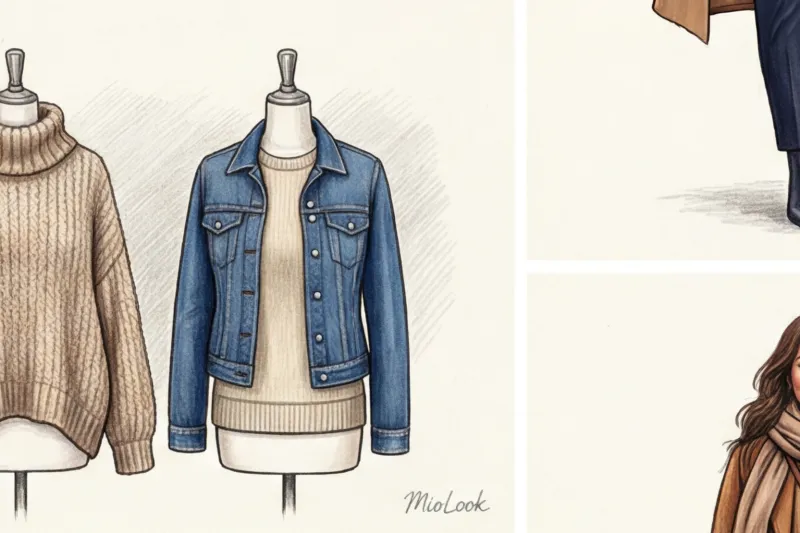
Тонкая водолазка в рубчик темного оттенка + рубашка из плотного денима (надетая поверх водолазки, не застегивая ни одной пуговицы) + пальто-халат базового цвета (camel, серый или хаки). Деним отлично держит форму и создает ту самую заветную вертикаль.
Если сомневаетесь, как сочетать вещи из своего шкафа, загрузите их в MioLook — алгоритм покажет оптимальные комбинации фактур и длин.
Чек-лист стилиста: проверяем образ перед выходом
Перед тем как выйти из дома, задайте себе четыре коротких вопроса. Это своеобразный action-plan, который убережет от ошибок:
- Видна ли разница фактур? (Если вы надели хлопок на хлопок — образ будет плоским. Добавьте шерсть, кожу или замшу).
- Создает ли верхний слой две вертикальные линии? (Расстегните верхнюю вещь, чтобы вытянуть силуэт).
- Не заканчивается ли подол верхней вещи на самом широком месте? (Сдвиньте линию на 5 см выше или ниже).
- Открыты ли самые тонкие места? (Шея, запястья, щиколотки должны дышать).
И мой любимый лайфхак: сфотографируйте себя в зеркале и наложите на фото черно-белый фильтр. В монохроме цвет перестает отвлекать, и вы моментально увидите, где ткань предательски обтянула тело, а где удалось создать правильную геометрию.
Финальный штрих: как носить многослойность с уверенностью
Я твердо убеждена: настоящий стиль начинается ровно там, где заканчивается страх собственного тела. Многослойность для полных женщин — это не рамки, не свод запретов и точно не способ «спрятать» лишние килограммы. Это искусство управления чужим вниманием. Вы сами решаете, куда будет смотреть собеседник.
Но помните: ни один, даже самый дорогой и архитектурно выверенный жакет не сработает, если вы сутулитесь. Осанка — это ваш внутренний каркас. Расправьте плечи, позвольте структурированным тканям сделать свою работу, и вы увидите, как сильно изменится не только ваше отражение в зеркале, но и то, как вы себя ощущаете.