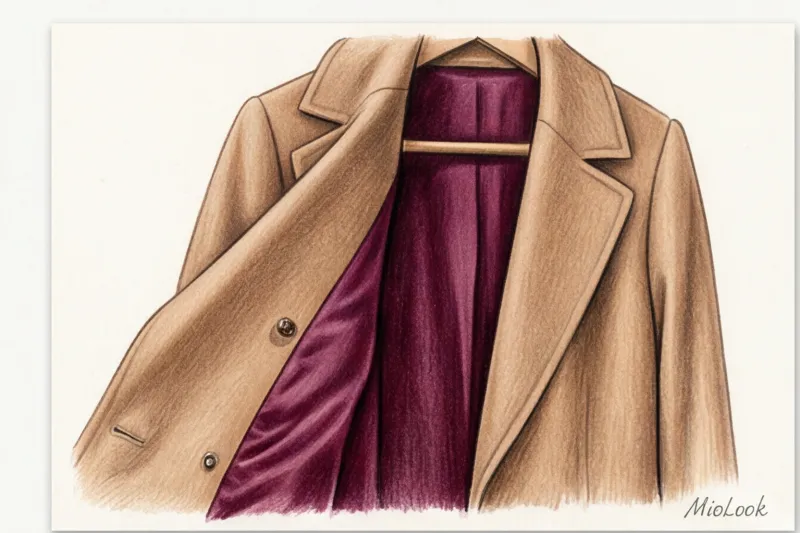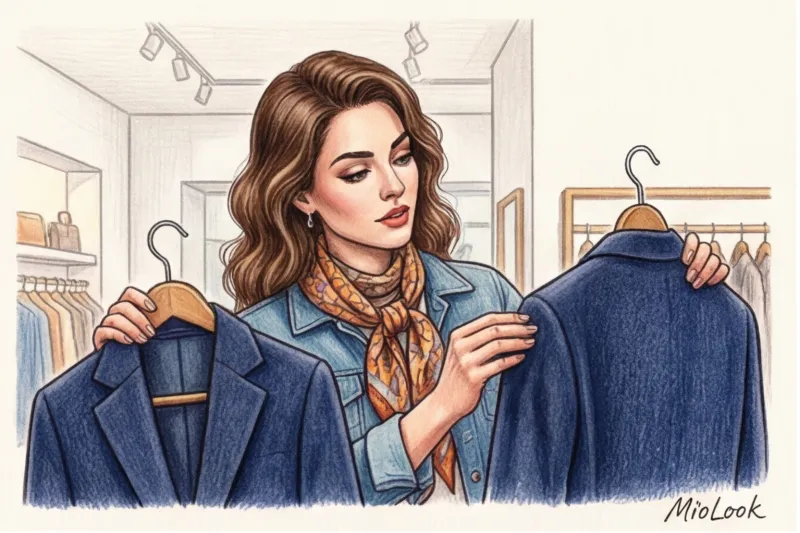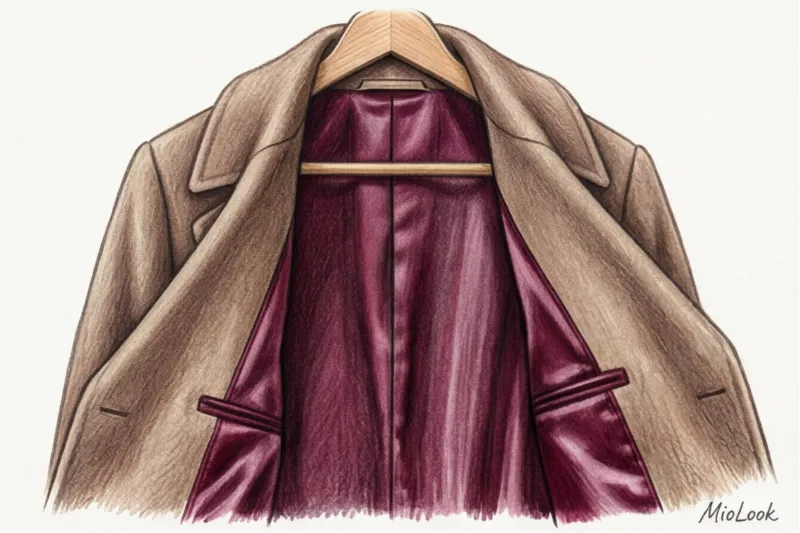
Кілька років тому у шоурумі під час Тижня моди у Парижі я приміряла розкішне двобортне пальто. Щільна, важка шерсть, ідеальна посадка по плечах, цінник у районі 2000€. Але варто мені провести в ньому буквально десять хвилин, як я відчула себе всередині пластикової теплиці. Знявши пальто, я зазирнула усередину. Діагноз підтвердився: 100% дешевий поліестер. У цей момент розкішна річ миттєво перетворилася для мене на дорогу бутафорію.
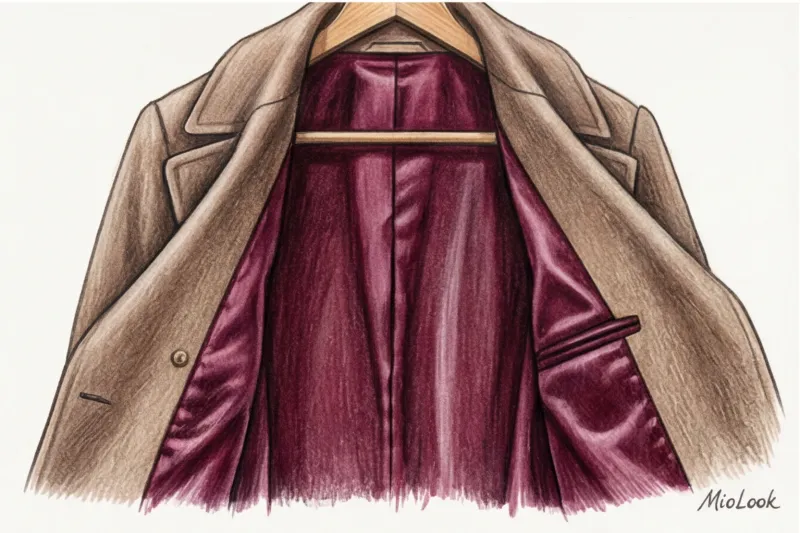
Більшість жінок при купівлі одягу дивляться лише на лицьову сторону та склад основної тканини. Але правда в тому, що саме виворот визначає, чи будете ви носити річ роками, чи вона осяде в шафі після першого ж виходу. Розуміти, як вибрати підкладкову тканину означає володіти навичкою «детективного шопінгу», який назавжди змінить ваш підхід до гардеробу. Детальніше про базові правила оцінки матеріалів ми розповіли у нашому повному гіді по тканинам та якості одягу.
Анатомія вивороту: чому підкладка - це фундамент вашого одягу
Коли мої клієнтки скаржаться, що у дорогому вовняному діловому костюмі за 1000 € вони пітніють так само сильно, як у мас-маркеті, я завжди прошу їх вивернути жакет навиворіт. Зворотний бік — це паспорт виробу. Це місце, де бренд фізично не може приховати свою жадібність.
Підкладка виконує три критично важливі функції, про які ми рідко замислюємося:
- Архітектура та каркас. Вона бере на себе основний натяг, захищаючи ніжну вовну або шовк від витягування на ліктях, колінах та сідницях.
- Ковзання. Згадайте, як дратує, коли вовняна спідниця «повзе» вгору колготками. Правильне виворот забезпечує безперешкодне ковзання шарів одягу.
- Мікроклімат. Це найважливіший пункт. Закони термодинаміки в гардеробі працюють безжально: 100% кашемірове пальто повністю втрачає всі свої властивості, що дихають і зігрівають, якщо воно посаджено на глуху синтетику. Волога від тіла не випаровується, ви потієте, а потім миттєво замерзаєте на вітрі.
«Підкладка – це інфраструктура речі. Ви можете побудувати красивий фасад з італійської вовни, але якщо труби всередині іржаві, жити в цьому будинку буде нестерпно», - це правило я повторюю на кожному розборі гардеробу.
Ваш ідеальний гардероб без помилок
Втомилися купувати речі, які потім незручно носити? Завантажте свій гардероб у MioLook та дозвольте AI збирати стильні та комфортні капсули на кожен день.
Відкрити доступ — €0,99 разовоЯк бренди економлять на невидимому: прихована ціна поліестеру
Математика сучасного фаст-фешну (і, на жаль, багатьох мідл-сегментів) гранично цинічна. Якщо ви купуєте гарний жакет за 200€, яка ймовірність, що всередині буде якісна віскоза? З кожним роком вона прагне нуля. За даними звіту Textile Exchange Preferred Fiber and Materials Report за 2023 рік, використання первинного поліестеру у виробництві одягу досягло 54% від усього ринку волокон, і левова частка цього обсягу йде саме у підкладкові матеріали.
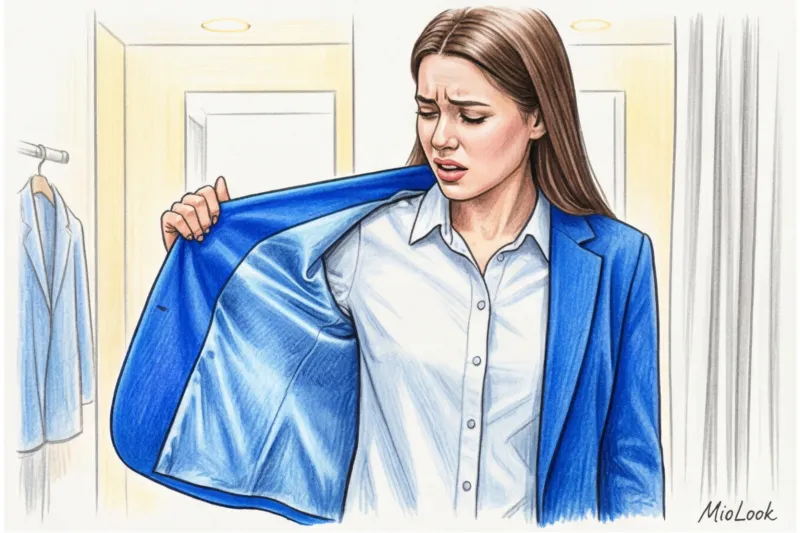
Різниця в собівартості разюча. Погонний метр висококласного купро коштує бренду приблизно в 8–12 €, тоді як метр дешевого поліестеру коштує близько 0.50 €. У масштабах тисячних тиражів економія колосальна. Але цю різницю зрештою оплачуєте ви.
Виникає «проблема бутерброда»: коли дешева синтетична підкладка треться про вашу шовкову блузу або бавовняну сорочку, генерується потужна статична електрика. Але що ще гірше, за даними досліджень Плімутського університету, саме тертя синтетичного вивороту про базові шари одягу провокує активне обсипання мікропластику при носінні, який потім потрапляє в повітря і наші легені.
У додатку MioLook є функція відстеження Cost Per Wear (вартості однієї шкарпетки). Я часто бачу закономірність: речі з поганою підкладкою надягають у 4 рази рідше просто тому, що у них некомфортно. У результаті жакет за 150 €, одягнений двічі, коштує вам 75 € за вихід. А якісний піджак за 400€, який ви носите роками, коштує копійки.
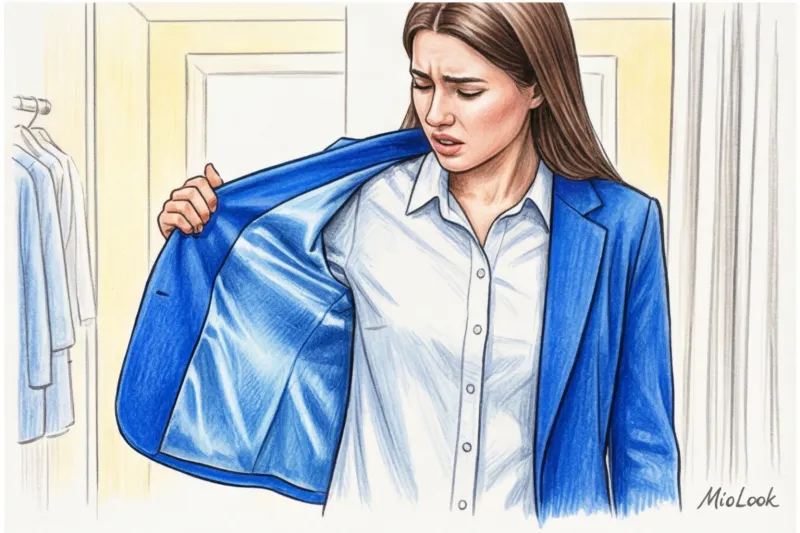
Як вибрати тканину підкладки: гід за матеріалами від текстильного експерта
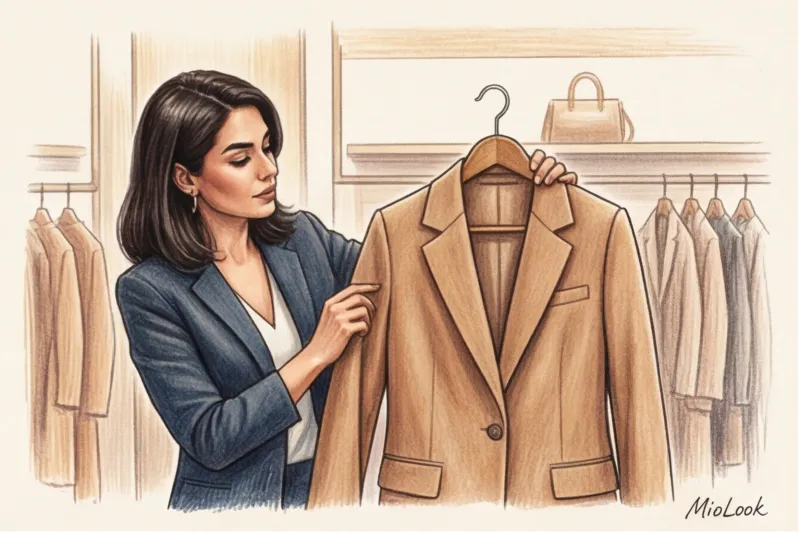
Питання про те, як вибрати тканину підкладки, повинен виникати у вас ще в примірювальній, до того, як рука потягнеться до банківської картки. Золоте правило статусного гардеробу звучить так: якість підкладки ніколи не повинна поступатися якістю тканини верху.
Купро (Bemberg) та Віскоза: золотий стандарт тейлорингу
Якщо ви зайдете до будь-якого історичного ательє на лондонській Севіл-Роу, ви не знайдете там синтетики. Кравці працюють з купро (Часто його називають запатентованим ім'ям Bemberg). Це штучне волокно, що отримується з бавовняного пуху. Воно поєднує в собі гладкість шовку, але при цьому має видатну зносостійкість. Купро дихає, чудово відводить вологу і не електризується.
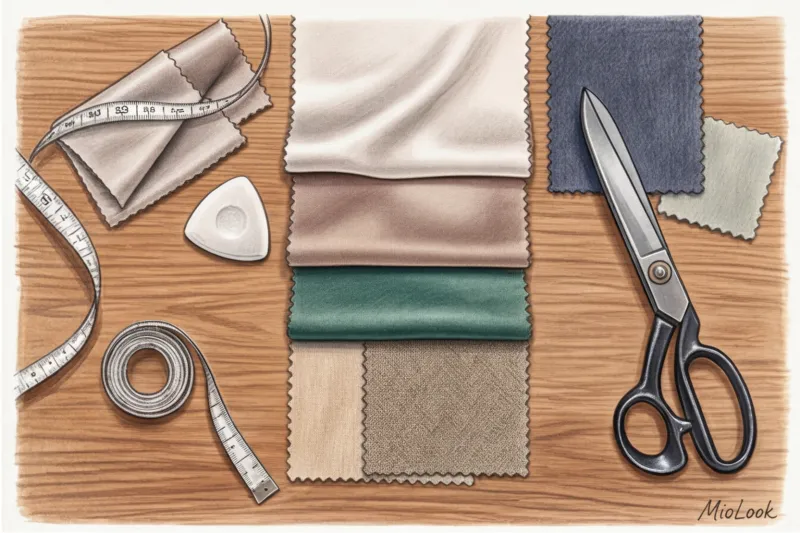
Віскоза - Більш доступна, але відмінна альтернатива. Важливий нюанс: звертайте увагу на густину плетіння. Ідеальний варіант - віскоза саржевого переплетення (діагональний рубчик). Показники MVTR (Moisture Vapor Transmission Rate — швидкість пропускання парів вологи) у якісної віскози в 4–5 разів вищі, ніж стандартний поліестер. Саме тому у віскозі комфортно навіть у теплому офісі.
Шовк та Ацетат: розкіш та компроміси
Багато хто думає, що натуральний шовк — це вершина еволюції для вивороту. Тактильно – так. Але на практиці це примхливий вибір. Шовк має низьку міцність на розрив у вологому стані. У проймах рукавів, де тканина відчуває натяг і контактує з потом, шовкова підкладка буквально розповзається по швах вже через сезон активного носіння.
Ацетат - Частий гість у мідл-сегменті. Консультанти в магазинах люблять продавати його як "майже шовк". Розвінчую міф: ацетат справді ефектно блищить, але він катастрофічно боїться вологи. Під впливом поту волокна ацетату втрачають до 30% міцності та швидко протираються.
Створюйте образи як професійний стиліст
Інтегруйте свої найкращі речі в цифрову капсулу. Розумний алгоритм MioLook підкаже свіжі поєднання з вашим улюбленим одягом.
Відкрити доступ — €0,99 разовоПоліестер: коли він справді виправданий?
Мій підхід до стійкої моди позбавлений фанатизму, і я завжди чесно говорю про те, коли загальні правила не працюють. Є категорія речей, де поліестер на вивороті — це не економія, а технологічна потреба.
Спортивний одяг, тренчі-дощовики та пуховики. Тут вологовідштовхувальні властивості та міцність синтетики на розрив важливіші за дихаючі якості. Але навіть тут є різниця між переробленим високотехнологічним поліестером із плетінням rip-stop (як у професійних аутдор-брендів) і тонкою, дешевою, «скляною» тканиною з мас-маркету.
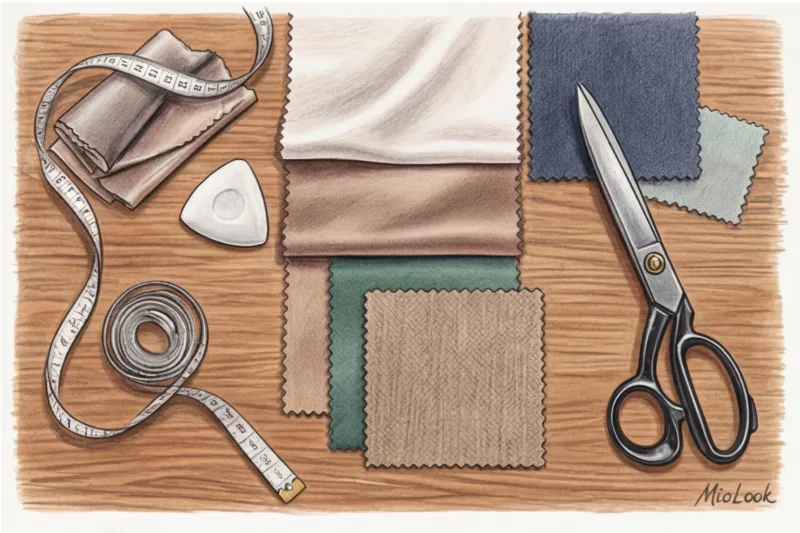
Тест-драйв у примірювальній: 5 ознак якісної обробки вивороту
Однією лише правильної тканини недостатньо – важлива інженерія пошиття. За 12 років роботи стилістом я вивела для себе та своїх клієнтів чек-лист перевірки вивороту.
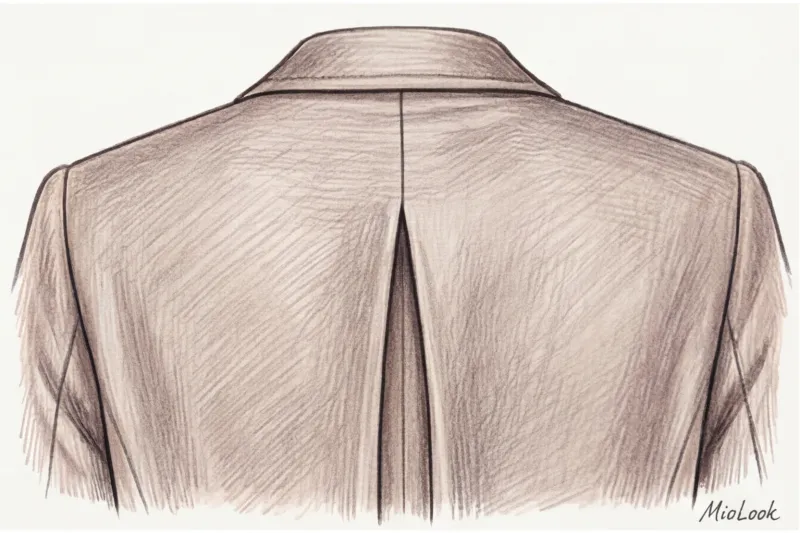
- Секрет кравця: складка на свободу облягання (ease pleat). Викрутіть жакет. По центру спинки, прямо під коміром, має йти закладена складка тканини. Це не дефект прасування! Це особливий запас натягу. Коли ви зводите руки перед собою (наприклад, за кермом), складка розкривається. Якщо її немає - підкладка лусне по шву на спині через місяць.
- Гонконзька обробка швів. Якщо річ зшита без підкладки або з напівпідкладкою (тільки у плечовій зоні), подивіться на внутрішні шви. У якісних виробах вони не просто оверлочені, а акуратно окантовані косою бейкою.
- Плаваюча поділ. У гарних пальто та спідницях підкладка ніколи не пришивається намертво до нижнього краю виробу. Вона повинна «гуляти» вільно, кріплячись до подолу лише тонкими нитковими перемичками. Інакше при найменшій усадці вовни після хімчистки підкладка натягнеться і поділ піде хвилями.
- Прихований припуск. У якісних штанах унизу залишено запас основної тканини (мінімум 3-4 см), щоб їх можна було подовжити.
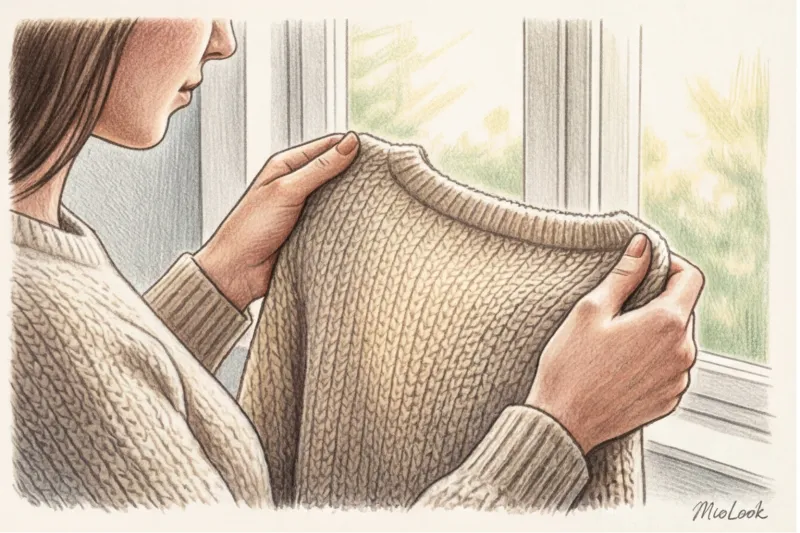
- Сліпий тактильний тест. Це мій улюблений лайфхак. Закрийте очі у примірювальній, сумнівайте виворот у кулаку на 5 секунд і відпустіть. Якщо тканина хрумтить, б'є струмом і залишається зжованим папером - вішайте назад. Якісна віскоза м'яко струмує і швидко розправляється.
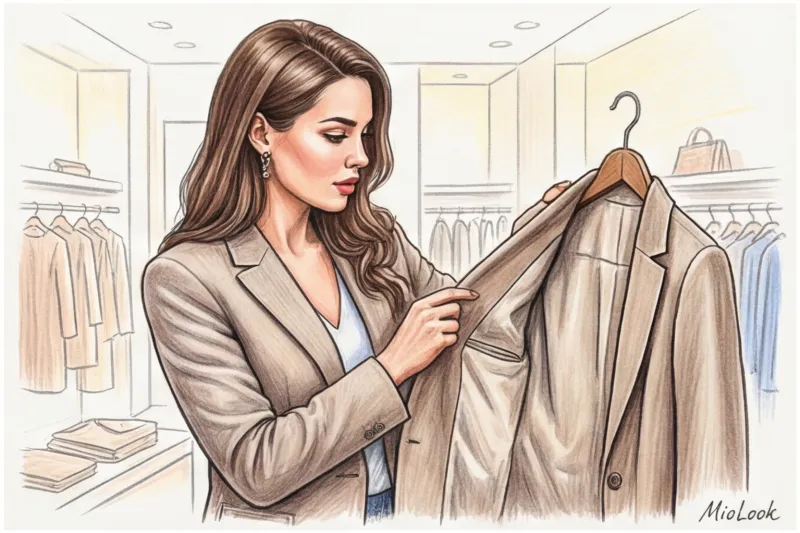
Усвідомлене споживання: чи можна врятувати річ із поганою підкладкою?
Що робити, якщо верх пальта чи жакета – це ідеальна, щільна шерсть фантастичного крою, а всередині – скрипучий пластик? Не поспішайте відмовлятися від покупки, якщо це вінтажна знахідка.
Якось я знайшла в комісійному бутіку приголомшливий жакет Yves Saint Laurent кінця 80-х. Верх був із бездоганного габардину, але стара підкладка повністю зотліла по швах. Я віднесла його в перевірене ательє і попросила замінити старе виворот на щільну віскозу насиченого смарагдового кольору. Заміна коштувала мені приблизно 60 €, але я отримала абсолютно унікальну, персоналізовану річ з преміальним комфортом.
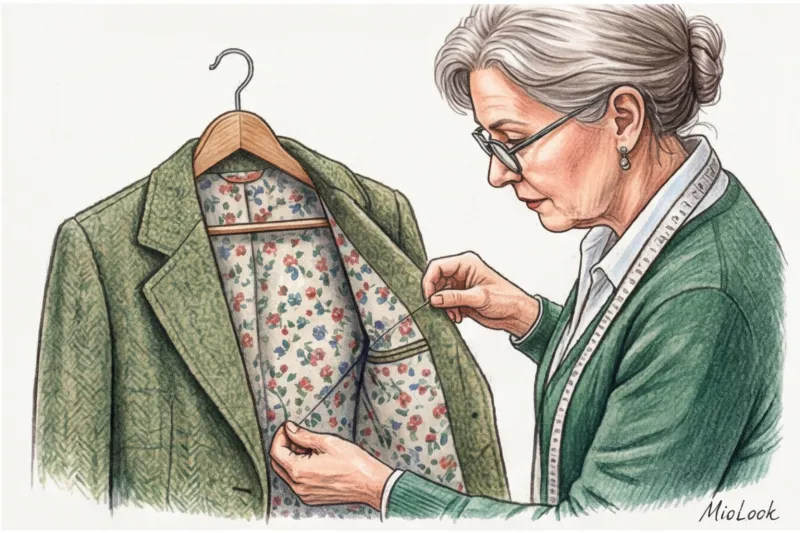
Математика перешиву проста: якщо річ коштує 100 €, а перешивши підкладки в ательє обійдеться ще в 50-80 € - це має сенс тільки в тому випадку, якщо верхня тканина дійсно високого класу (вовна, кашемір, щільна бавовна). Міняти підкладку в поліестеровому жакеті безглуздо.
Контринтуїтивний інсайт: Часто відсутність підкладки - це ознака дорожчої речі, ніж її наявність. Наприклад, пальто за технологією double-face (з подвійної тканини, де шари вовни сплетені між собою, а всі шви заховані усередину вручну). Таке пальто без підкладки дихає ідеально і сідає по фігурі як кардиган. Краще купити якісну річ double-face, ніж жорстке пальто з дешевим поліестером усередині, яке стоятиме колом.
Резюме: чек-лист «детективного шопінгу»
Підводячи підсумок, давайте переведемо теорію в конкретні дії для наступного шопінгу. Запам'ятайте цей алгоритм:
- Знайдіть вшивний ярлик. Склад підкладки завжди вказується окремо (часто під словом Lining або Doublure ). Шукайте слова Viscose, Cupro, Bemberg, Rayon, Cotton.
- Зробіть сліпий тактильний тест на м'якість та статику.
- Перевірте центральний шов на спинці – шукайте рятівну складку на свободу облягання (ease pleat).
Якщо річ проходить цей тест, вона гідна зайняти місце у вашій шафі. А щоб керувати своїми найкращими знахідками, сфотографуйте їх та завантажте в MioLook. Розумний гардероб дозволить вам складати десятки нових комплектів з якісних речей, заощаджуючи ранковий час і назавжди позбавляючи проблеми «нема чого надіти».