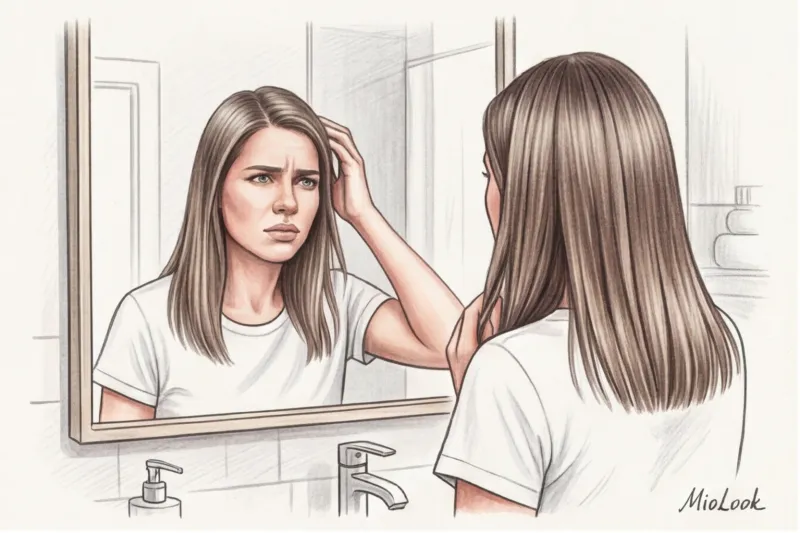
Знакома ли вам ситуация: вы садитесь в кресло к мастеру, просите визуально добавить густоты, и он уверенно произносит волшебное слово — «каскад». Через час вы смотрите в зеркало. Свежая укладка на брашинг выглядит неплохо, но после первого же мытья головы концы превращаются в прозрачную паутинку, а от объема не остается и следа. Ко мне, как к стилисту, годами приходят девушки с этой болью. Они скупают литры уплотняющих спреев, но проблема кроется не в косметике, а в фундаментальной ошибке архитектуры прически.
Подробнее об этом мы рассказывали в нашем полном гиде по умным стрижкам по структуре волос. Спойлер: чтобы волосы казались густыми, нужно перестать их безжалостно кромсать слоями. Правильно подобранные стрижки для тонких и редких волос для объема строятся на законах геометрии, а не на количестве вылитого лака.
Анатомия тонких волос: почему классические советы из интернета не работают
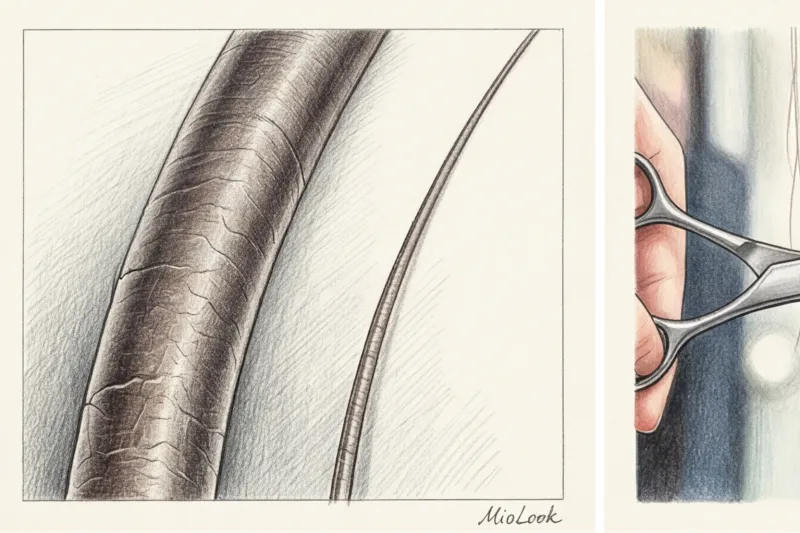
Для начала давайте разделим два понятия, которые часто путают: «тонкие» и «редкие» волосы. Тонкий волос — это характеристика его диаметра (около 50 микрон против 100-120 микрон у жесткого азиатского типа). Редкие волосы — это низкая плотность фолликулов на квадратный сантиметр кожи головы. Чаще всего мы имеем дело с комбо: волосков мало, и сами по себе они по структуре напоминают детский пух.
По данным Международной ассоциации трихологов (IAT), тонкий волос имеет всего 4–10 слоев кутикулы, тогда как жесткий — до 12. Что это значит на практике? Ваши волосы физически не способны удерживать агрессивный стайлинг и сложную градуировку. Под тяжестью муссов они просто опадают.
«Главный миф парикмахерского искусства гласит: слои дают объем. Это правда для густых и тяжелых волос. Но для редких прядей сильная градуировка — это приговор. Забирая массу с концов ради короткой макушки, мы делаем нижнюю треть прически визуально прозрачной и неухоженной».
Концепция «умной стрижки» заключается в том, что форма должна держаться за счет точного геометрического среза. Это архитектурный подход: мы выстраиваем несущий каркас, который сам ложится в нужную форму после сушки феном без расчески.
Доступ к MioLook за €0,99 — разовый платёж
Умный AI-стилист подберёт идеальный образ с учетом вашей структуры волос и формы лица.
Открыть доступ — €0,99 разовоПравило плотного среза: архитектурный секрет визуальной густоты
В философии легендарной школы Vidal Sassoon, чьи методы я активно использую в практике, есть понятие «бэклайн» (backline) — базовая краевая линия стрижки. Для тонких волос она должна быть идеально ровной, монолитной и тяжелой.
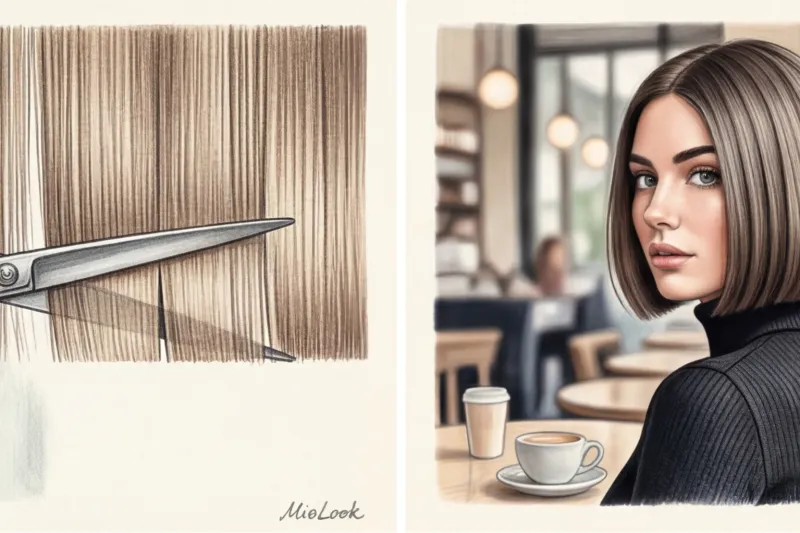
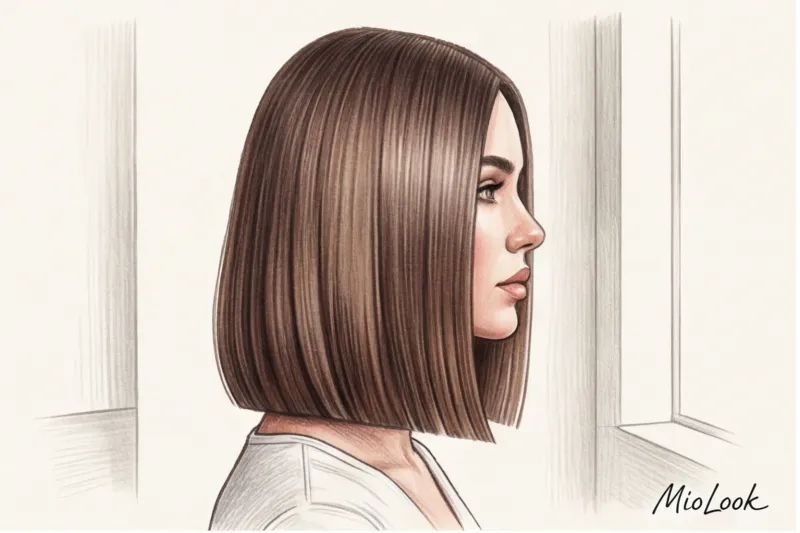
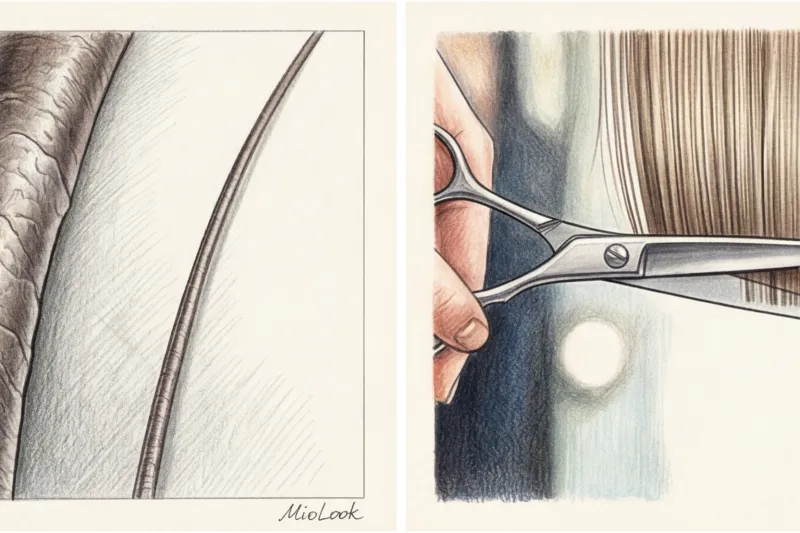
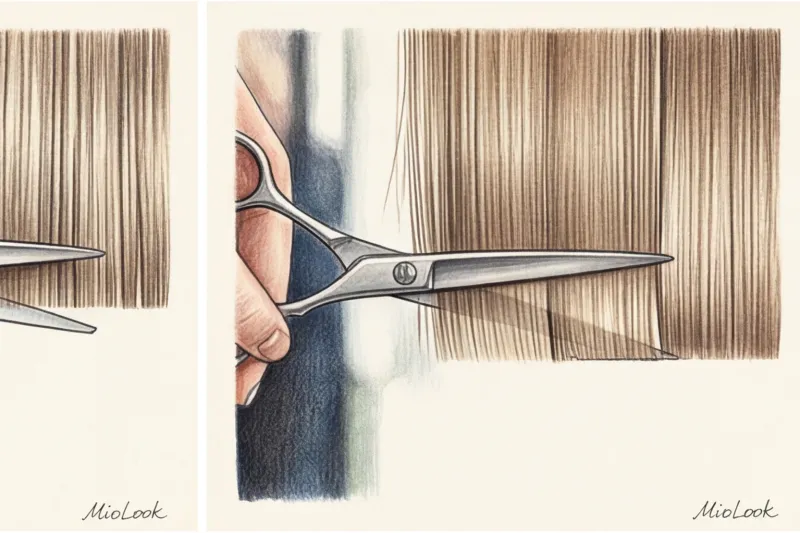
Категорически запретите своему мастеру доставать филировочные ножницы или бритву. Филировка уменьшает массу волос на концах до 30%. Для девушки, у которой каждый грамм волос на счету, это катастрофа. Наша цель — техника blunt cut (тупой срез). Когда все кончики обрезаются на одном уровне, словно по линейке, человеческий глаз воспринимает эту плотную границу как иллюзию толстой, густой косы.
Более того, секрет идеальной повседневной носки заключается в угле оттяжки прядей во время стрижки. Если мастер работает правильно, слегка изменяя угол наклона пальцев при срезе нижних и верхних слоев (разница буквально в миллиметры), край волоса начнет самопроизвольно подворачиваться внутрь. Это и есть та самая магия Wash and Go («помыла и пошла»), не требующая вытягивания на брашинг.
Правильные стрижки для тонких и редких волос для объема: 4 эталонные формы
Подбор правильной стрижки для тонких и редких волос для объема всегда начинается с анализа того, как пряди распадаются естественно. Забудьте о формах, которые нужно укладывать по 40 минут. Если стрижка требует ежедневных танцев с бубном, значит, она подобрана неверно. Вот четыре архитектурные формы, которые работают безотказно.
Блант боб (Blunt Bob): Максимальная масса
Короткое каре с идеально ровным срезом до линии челюсти или середины шеи — абсолютный чемпион по созданию густоты. Эта форма идеальна для прямых тонких волос. За счет полного отсутствия слоев вся масса волос концентрируется на одной линии. На моей практике 9 из 10 клиенток, перешедших от отросшего каскада к блант-бобу, признавались, что у них появилось ощущение «копны» на голове.
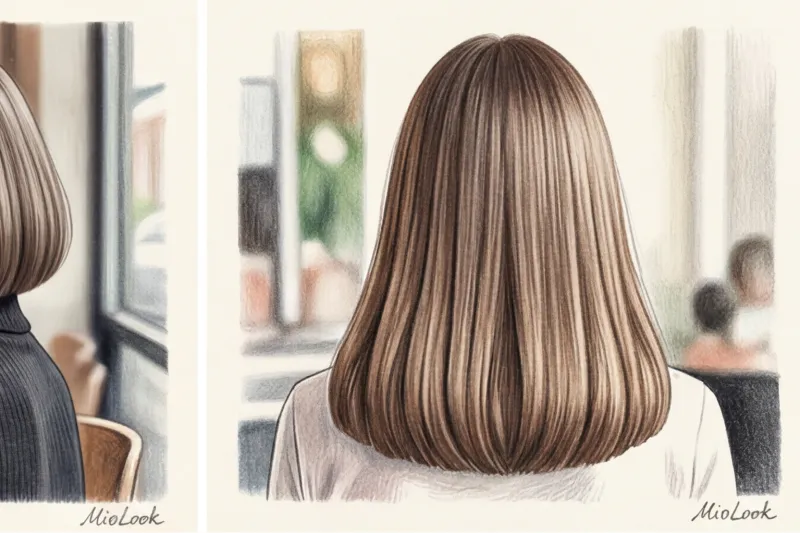
Кстати, это отличный вариант, если вы ищете способы, как красиво уложить каре за 5 минут — плотный срез практически не требует стайлинга, достаточно текстурирующего спрея.
Пикси с удлиненной плотной челкой
Многие боятся пикси, считая, что короткая стрижка оголит проблему редких волос. Это ошибка. Хитрость правильного пикси заключается в смещении акцентов: мы делаем затылок максимально коротким, приподнимая макушку, но оставляем массивную, плотную челку спереди. Лицо обрамляет солидный объем волос, создавая нужную иллюзию. Текстура здесь создается техникой пойнт-кат (точечный срез кончиками ножниц), а не варварской филировкой. Это также один из лучших вариантов в категории стрижек, которые молодят после 40, так как форма визуально подтягивает овал лица.
Лоб (Long Bob) с невидимыми внутренними слоями
Если короткий боб пугает, ваш выбор — удлиненный боб (лоб). Но здесь есть инсайдерский секрет: техника ghost layers (волосы-призраки). Мастер выстригает короткие слои глубоко внутри полотна волос, абсолютно не затрагивая гладкий верхний слой и плотную краевую линию.
Эти невидимые внутренние коротыши работают как жесткий каркас: они физически отталкивают и приподнимают длинные верхние пряди от корней. Вы получаете ровный, густой срез снаружи и потрясающий прикорневой объем внутри. Это идеальная база, если вам нужна идеальная прическа office siren с гладкой, но объемной текстурой.
Мягкий Шегги (Soft Shag) для вьющихся тонких прядей
Я всегда говорю, что слои на тонких волосах — это зло. Но здесь кроется главное исключение: это НЕ работает, если у вас кудрявые или сильно вьющиеся волосы. Прямой плотный срез на тонких кудрях превратит вас в треугольник.
Для природного завитка нужен Soft Shag. Слои здесь должны быть очень длинными и деликатными, ни в коем случае не затрагивающими нижнюю треть длины. Наша задача — позволить кудрям лечь в их естественную спираль, а не вытягивать их утюжком.
Длина имеет значение: точка невозврата для тонких прядей
Физику не обмануть. Как бы вы ни старались изучить лайфхаки, как сделать прикорневой объем, собственный вес длинной пряди неумолимо тянет ее вниз, расплющивая корни.
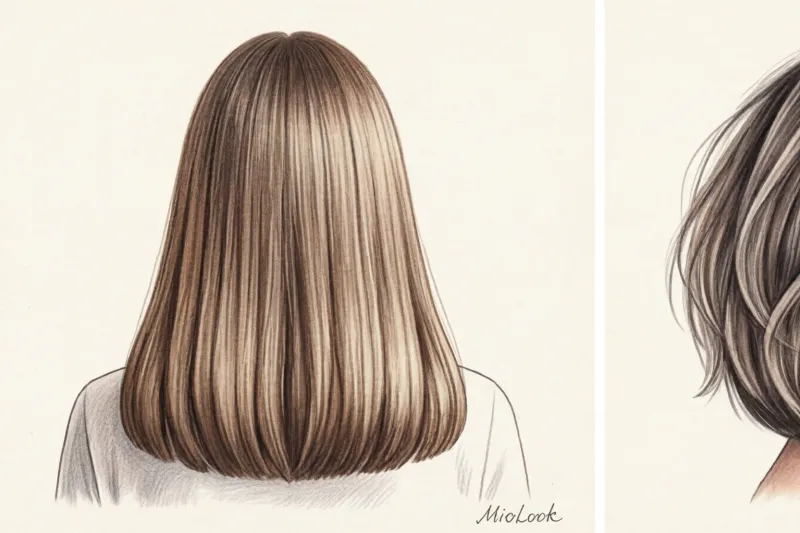
В парикмахерской геометрии есть термин «точка распада». Для тонких волос критическая длина — это линия ключиц (clavicle line). Как только пряди опускаются ниже лопаток, плотность на концах критически падает. Начинается так называемый эффект «сосулек»: волосы разбиваются на тонкие прозрачные прядки, сквозь которые просвечивает одежда. Если ваша цель — выглядеть дорого и ухоженно, лучше иметь плотный, здоровый срез до ключиц, чем редкие, безжизненные пряди до талии.
Ваш идеальный образ начинается здесь
Загрузите свое фото в MioLook и посмотрите, какая длина стрижки сделает ваши волосы визуально гуще.
Примерить образ в AIИллюзия объема: как цвет меняет восприятие плотности стрижки
Одна из моих клиенток жаловалась, что после идеальной геометрической стрижки объема все равно не хватает. Мы не тронули длину ни на миллиметр, но изменили схему окрашивания. Результат? Визуально волос стало в два раза больше.
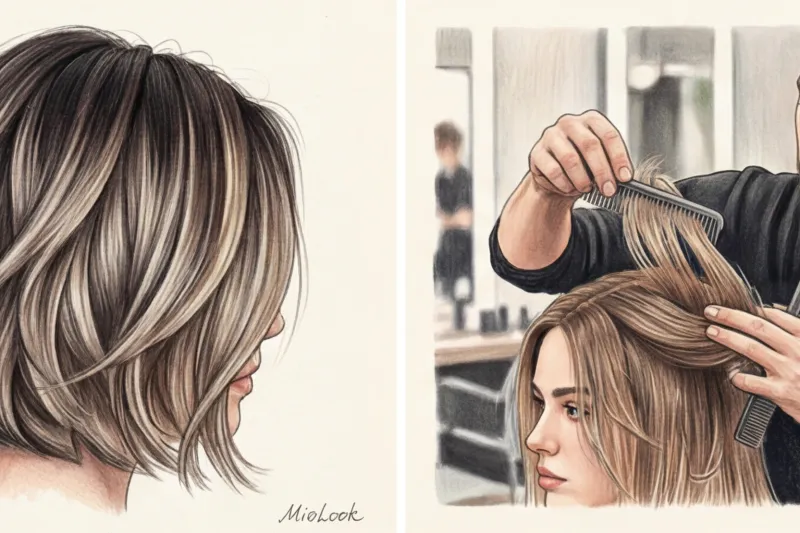
Сплошной, плотный моно-цвет (особенно тотальный иссиня-черный или пепельный тотал-блонд) работает как ровный холст — он делает прическу «плоской». Человеческий глаз воспринимает объем через игру света и тени.
- Shadow roots (затемнение корней): Создает искусственную глубину. Темные корни на фоне более светлой длины визуально приподнимают волосы.
- Микро-мелирование и балаяж: Тонкие блики работают как 3D-контуринг. Светлые пряди выступают на передний план, темные уходят в тень, расширяя форму.
Однако помните об опасности агрессивного обесцвечивания. Потеря липидного слоя и разрушение кутикулы ведут к критическому истончению. Волос превращается в вату, которая не способна держать форму стрижки. Инвестируйте в щадящие техники и качественные салонные уходы — в Европе средняя стоимость деликатного контуринга с защитой связей волоса составляет около 120–250 €, и это оправданная инвестиция в качество структуры.
Чек-лист: как понять, что мастер правильно стрижет ваши волосы
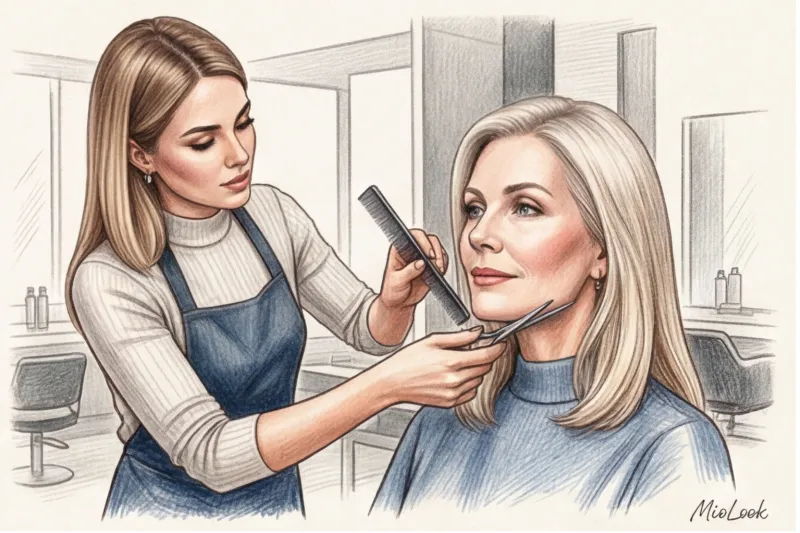
За 12 лет в индустрии красоты я вывела четкий алгоритм. Вы можете легко проверить компетентность стилиста прямо в кресле. Если вы хотите, чтобы укладка держалась долго без тонны средств, обратите внимание на эти маркеры:
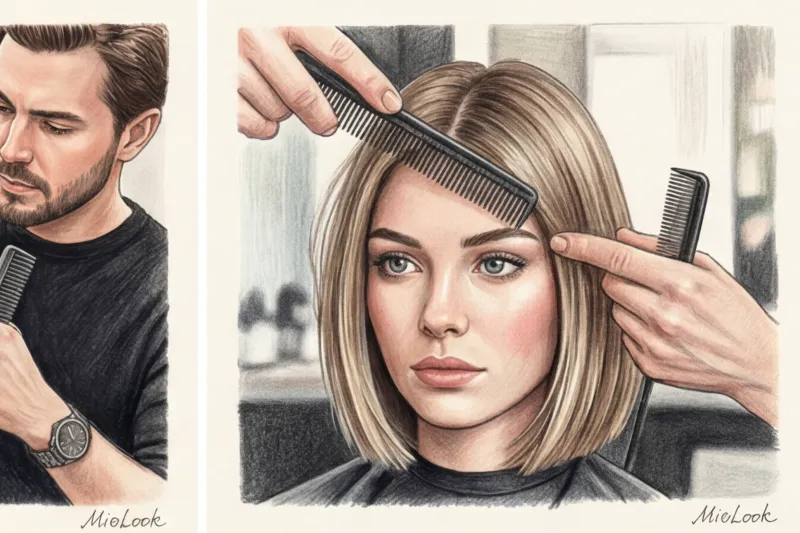
- Анализ на сухую: Хороший архитектор никогда не потащит вас сразу к мойке. Он должен посмотреть, как распадаются ваши волосы в естественном сухом состоянии, где находятся вихры и какова краевая линия роста.
- Инструментарий: Как только вы видите в руках мастера филировочные ножницы с зубчиками («сейчас мы тут для объема проредим») — вежливо, но твердо просите остановиться. Это убийство для тонких волос.
- Проверка баланса: Во время стрижки мастер постоянно отчесывает пряди в разные стороны, проверяя геометрический баланс, а не стрижет «на глаз».
- Честный финал: В конце процедуры вам предлагают просто высушить волосы феном, направляя воздух по росту волос (wrap drying), чтобы показать реальную форму стрижки. Если мастер судорожно накручивает вас на самый мелкий брашинг, обильно поливая корни пудрой и лаком экстра-сильной фиксации — он просто пытается «продать» вам плохую форму за счет агрессивной укладки. Дома вы это не повторите.
Вывод: свобода от стайлинга и жизнь с «умной формой»
Постоянная борьба за объем на тонких волосах изматывает. Но проблема чаще всего не в вашей генетике, а в устаревших шаблонах парикмахеров, которые всем подряд стригут слоистый каскад.
Секрет визуальной густоты кроется в трех простых правилах: идеально ровный, плотный срез (blunt cut), правильная длина не ниже ключиц и полный отказ от филировки. Найдите мастера, который мыслит категориями архитектуры, а не стайлинга. Качественная геометрическая форма возвращается на место от простого взмаха головы, освобождая вам по 30 минут каждое утро. Изучайте свою структуру, носите правильную длину и наслаждайтесь свободой Wash and Go.