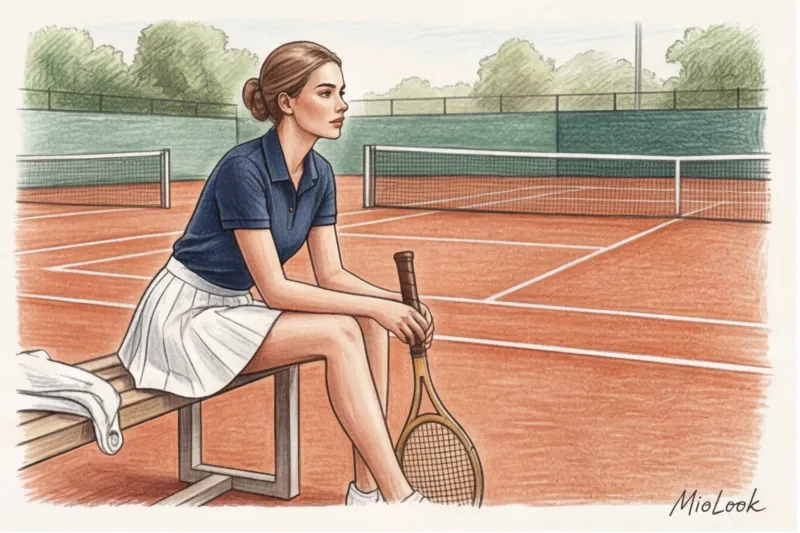
The Tenniscore Phenomenon: Why Mass-Market Aesthetics Are Harming Your Game
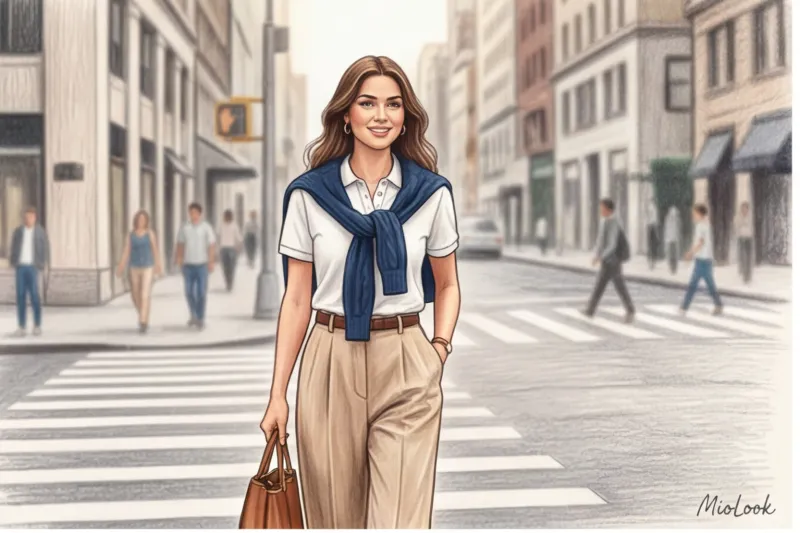
Have you noticed how, after the release of Zendaya's film "Contenders," social media feeds were flooded with pleated miniskirts, white polos, and wristbands? The Tenniscore aesthetic looks flawless in photos from match point or brunch at a country club. But when it comes to the actual game, there's a vast difference between "dressing for photos" and "dressing for an aggressive set."
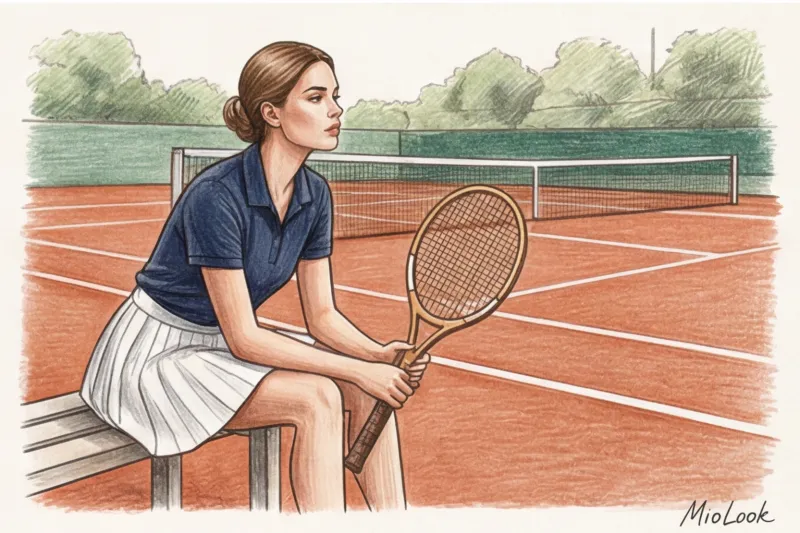
Last month, a client came to me asking about putting together a stylish sports wardrobe. Inspired by Pinterest, she bought a tennis dress from a popular fast-fashion store (100% cheap polyester). The result of her first outdoor court workout? A greenhouse effect, severe chafing on her thighs, and a complete lack of support for her breasts. I had to completely change my approach. We discussed the architecture of functional clothing in more detail in our The Complete Guide: Sports Wardrobe: How to Assemble a Premium Capsule.
High quality women's tennis clothing — this isn't just a nod to Old Money style. It's high-tech gear. Let's do the math on the cost-per-wear. A mass-market tennis skirt for €30 will lose its shape and become covered in pills after just five washes—the cost per wear is €6. A premium model made of dense polyamide for €150 will withstand over 100 aggressive washes without losing compression. Its cost per wear is only €1.50. Investment in high-tech fabrics pays for itself in one season.
The Right Tennis Clothing for Women: Capsule Anatomy
A tennis wardrobe is built on two biomechanical principles: absolute shoulder freedom during the serve and reliable compression support for the core during sharp changes of direction. If the armhole seam digs into the armpit when lifting the racket, the garment is poorly tailored, no matter how beautiful it may be.
What about the traditional white? Many consider the Wimbledon dress code a relic of aristocratic snobbery. However, it has a strict functional basis. According to research by the Hohenstein Institute (2023), which studies the thermoregulation of sportswear, white, thanks to the albedo effect (reflection of sunlight), reduces the surface temperature of the fabric by 3–5°C compared to darker shades. On a scorching summer hard court, these degrees literally protect against heatstroke.
Access to MioLook for €0.99 — one-time payment
A smart AI stylist will select the perfect look and help you create a functional sports capsule wardrobe.
Get access — €0.99 onceTennis Skirts and Dresses (Skorts): Hidden Details
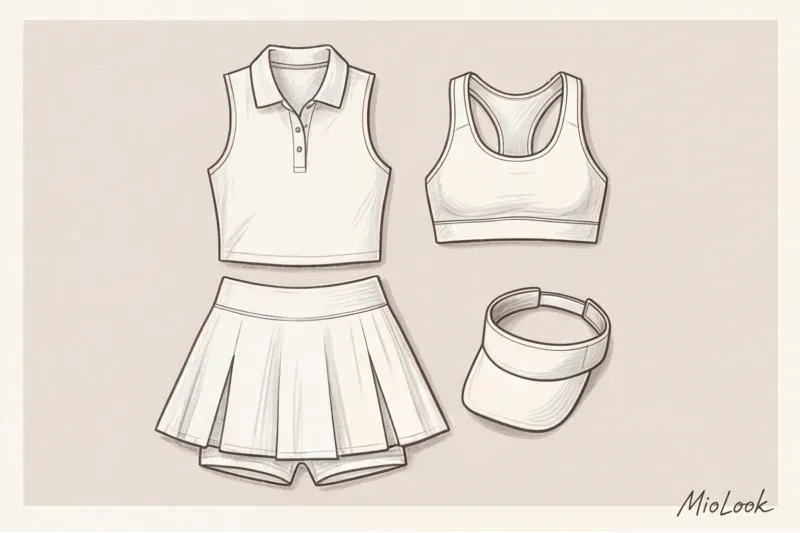
A classic tennis skirt is always a 2-in-1 design (skort). The real work here isn't done by the top layer, but by the hidden compression shorts. They should be long enough to prevent chafing on the inner thigh, and the silicone band along the hem should securely hold the fabric to the leg.
"The secret to the perfect skirt is the inverted pockets on the inner shorts. When trying it on, always do a test: place your phone in the pocket (it simulates the weight of a tennis ball) and do a couple of quick jumps. If the pocket sags or the shorts slide down, leave the item in the store." – from my experience choosing sports capsules.
When it comes to the top layer, choosing between a classic pleated or A-line silhouette is not only a matter of taste but also aerodynamics. Pleated silhouettes offer more freedom when walking long, but in windy conditions, an A-line silhouette made of a dense fabric (from 220 g/m²) performs more stable.
Tops, Bras, and Polos: Balancing Support and Style
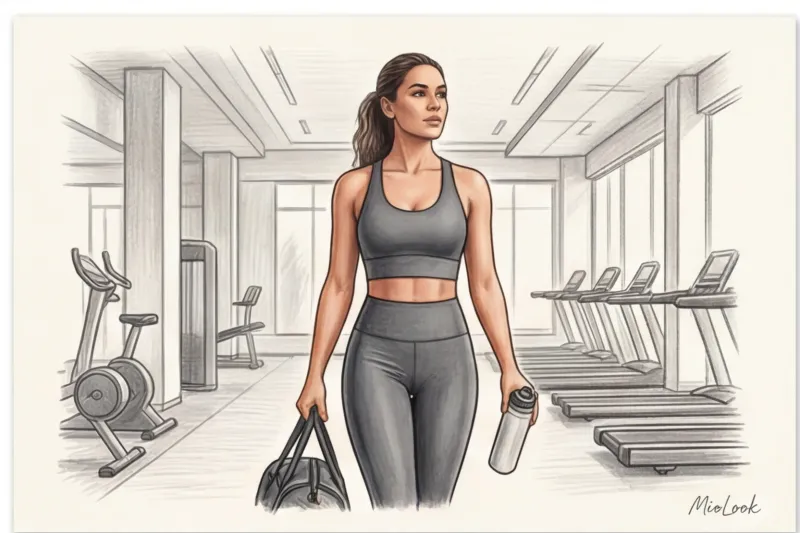
Sharp cuts, jumping for drop balls, and powerful serves require a high-impact sports bra. Even if you have a smaller bust, basic yoga bras won't cut it. Look for styles with wide, backless straps (like Racerbacks) to relieve strain on your neck.
The top combination depends on the club's dress code. A classic polo with a stiff collar looks perfect with pleated skirts (hello, Ralph Lauren aesthetic). But if you choose a fitted crop top, balance it with a slightly longer, high-waisted A-line skirt to maintain your figure's proportions.
Tennis and Squash: Subtle Differences in Wardrobe
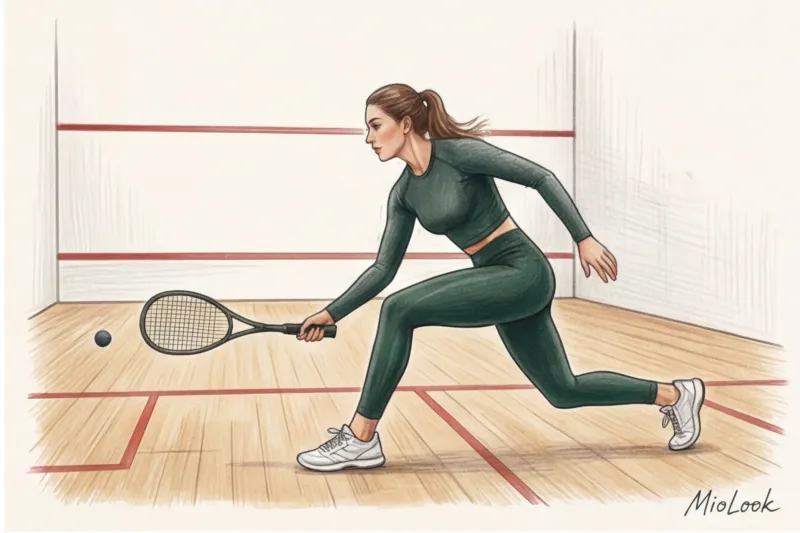
Here's a truthful point that fashion magazines often gloss over: what works perfectly on the tennis court can be a disaster in squash. Squash's biomechanics rely on extremely low, deep lunges. In these positions, the classic tennis miniskirt rides up, and the skin of the thighs experiences tremendous friction.
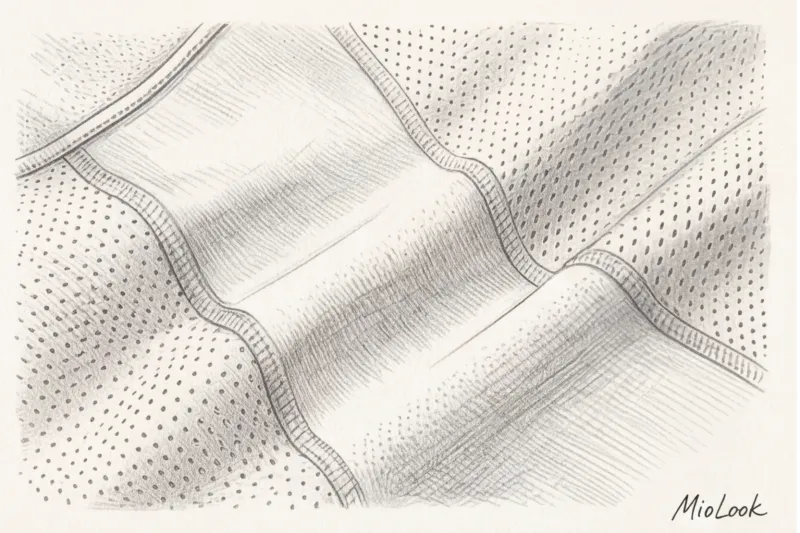
That's why I always recommend my clients wear long compression shorts (biker shorts) or 3/4-length leggings for squash. Also, consider the climate: squash is a closed "box" with minimal ventilation and maximum sweating. You'll need ultra-thin mesh panels on the back of your top.
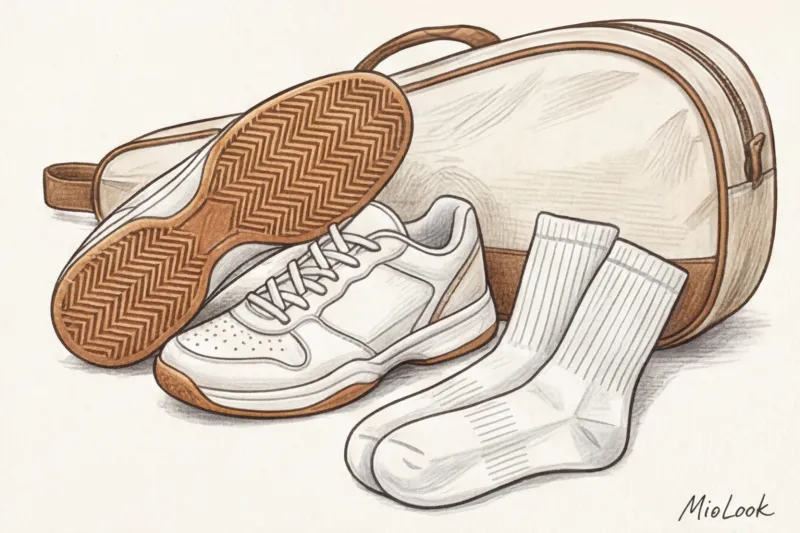
And the World Squash Federation's (WSF) strictest rule: shoes must have non-marking soles. Regular tennis shoes with black clay soles are simply not allowed on the court.
Materials Science: Fabrics That Work Like a Second Skin
It's time to debunk one of the biggest style myths. We're used to thinking that 100% cotton pique is an Old Money icon and the best choice for sportswear. Absolutely not. For a truly intense game, cotton is the worst enemy. It absorbs sweat like a sponge, becomes heavy, clings to the body, chafes the seams on overheated skin, and disrupts thermoregulation. After half an hour of play, a cotton polo shirt looks unkempt and weighs twice as much.
True premium fabrics today are patented blends made from high-quality polyamide (nylon) and elastane (for example, in a ratio of 75% to 25%). Why are they more expensive than cotton? Because of Moisture-wicking technology. The threads in these fabrics have a special cross-section (not round, but star- or polygon-shaped), which instantly wicks moisture away from the skin via capillaries to the outer surface of the fabric, where it evaporates.
Another critical parameter is sun protection factor. According to a study published in Textile Research Journal (2022), cheap sports fabrics lose up to 40% of their ultraviolet protection (UPF) after just 10 washes. Premium gear has UPF 50+ built into the yarn structure, not sprayed on, which blocks 98% of harmful rays. For outdoor summer court play, this is more important than sunscreen.
Your ideal image begins Here
Join thousands of users who invest wisely in their wardrobe and look flawless every day with MioLook.
Get access — €0.99 onceShoes and status accessories: what you shouldn't skimp on
Hitting the court in your favorite running shoes is a surefire way to the traumatologist. Running shoes are designed for a straight forward motion (heel-to-toe transition) and have a high-cushioning sole, which makes the foot unstable during lateral movements. Medical publication Sports Health (2023) confirms that the use of non-specialized shoes in racket sports increases the risk of ankle sprains by 60%.
Tennis shoes should have firm lateral support, a reinforced toe (for protection when serving), and a low profile for court feel. They should be paired with anatomically shaped tennis socks—with a terry cloth foot for micro-cushioning and a compression band on the arch.
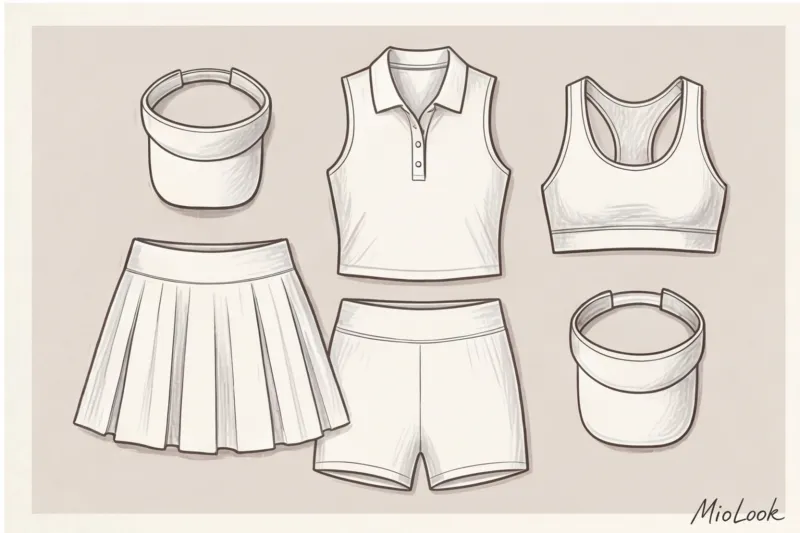
As for the stylish accessories that complete the Tenniscore look: choose visors instead of caps (they allow your scalp to breathe), wristbands made of premium Egyptian cotton (from €20), and racket covers made of high-quality canvas with leather inserts. These details are the ones that convey a deep understanding of style.
A stylist's checklist: putting together an investment capsule
To avoid buying random items, I always use the formula for a minimal sports capsule. You can easily digitize and assemble it right in the app. MioLook to see all the combinations in advance.
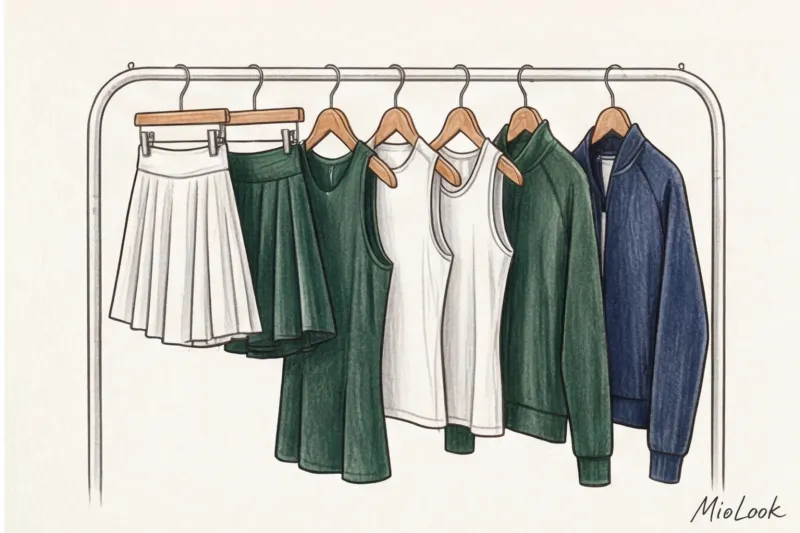
- 2 bottoms: A classic skort and compression leggings (3/4 or full length) for cooler evenings or squash.
- 3 tops: A basic sports bra with an open back, a classic polo for tournaments, and a technical long-sleeve with a stand-up collar (and UPF 50+) for sunny days.
- 1 insulating layer: A chunky knit tennis cardigan (to throw over your shoulders after the game) or a technical zip-up track jacket.
To create the "Old Money" aesthetic, use the two-color rule. The base is always white (or off-white), and the accents are deep and refined: dark green (Forest Green), rich blue (Navy), or burgundy. Avoid neon accents and giant logos on the chest—true premium is always minimalist.
Caring for your technical gear: maintaining compression and color
Buying premium gear is half the battle. The other half is proper care. In my 12 years of work, I've seen dozens of Lululemon and Alo Yoga items ruined simply because they weren't washed properly.
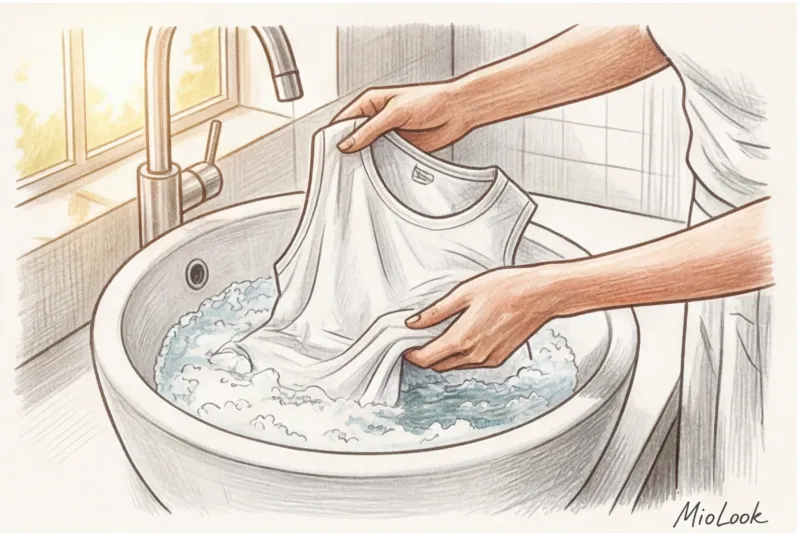
The main enemy of technical fabrics is ordinary fabric softener. The waxy substances in it clog the fabric's micropores, completely destroying its moisture-wicking properties. After using fabric softener, a sports polo shirt turns into an impenetrable plastic bag.
Wash tennis gear only with liquid detergent (ideally, specially formulated for sportswear) at temperatures no higher than 30°C. Hot water literally "cooks" the elastane fibers, causing the built-in shorts to lose their elasticity and begin to sag. Drying such items on a radiator or in direct sunlight is strictly prohibited—air dry them flat at room temperature.
Ready to get started?
Try the MioLook plan for free—no commitments required. Organize your wardrobe and create stylish capsule collections in just a few clicks.
Get access — €0.99 onceThe best compliment to your athletic form is when you don't even think about it during the deciding set. By investing in the right fit, high-tech fabrics, and a well-designed cut, you're buying not just a nod to the Tenniscore trend, but confidence in every move on the court.