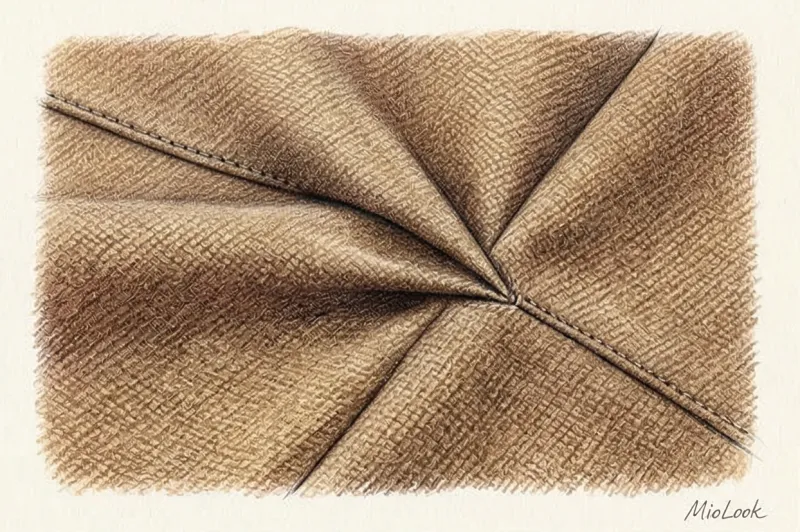
A dart in clothing is a folded and sewn wedge of fabric that tapers to a point to shape a garment. This element removes excess material around curves like the bust, waist, or shoulders. Tailors use these folds in woven shirts and dresses to ensure a precise anatomical fit.
What Are Darts in Clothing and Why Do We Need Them?
To understand the true meaning of darts in clothing, you have to look at the basic geometry of fashion. Fabric is inherently flat and two-dimensional, while the human body is three-dimensional, featuring various curves, hollows, and angles. A dart acts as a structural bridge between the two. By pinching out a wedge of fabric and stitching it down to a sharp point, a designer forces the flat textile to cup and mold around the body.
Technically, this tailoring element consists of two main parts: the legs (the two lines that are brought together and sewn) and the apex or point (the sharp end where the stitching tapers off). The folded fabric remains on the inside of the garment, leaving a clean, shaped seam on the outside. While modern stretch fabrics and knitwear can hug the body using their own elasticity, traditional woven fabrics like rigid cotton, wool, and silk rely entirely on darts to create an anatomically correct fit.
What Does "Darted" Mean in Clothes?
When you see the word "darted" in a product description, it directly refers to the garment's silhouette and intended fit. A darted piece of clothing is intentionally shaped to follow the contours of the wearer. This is the exact opposite of a boxy, straight, or oversized cut.
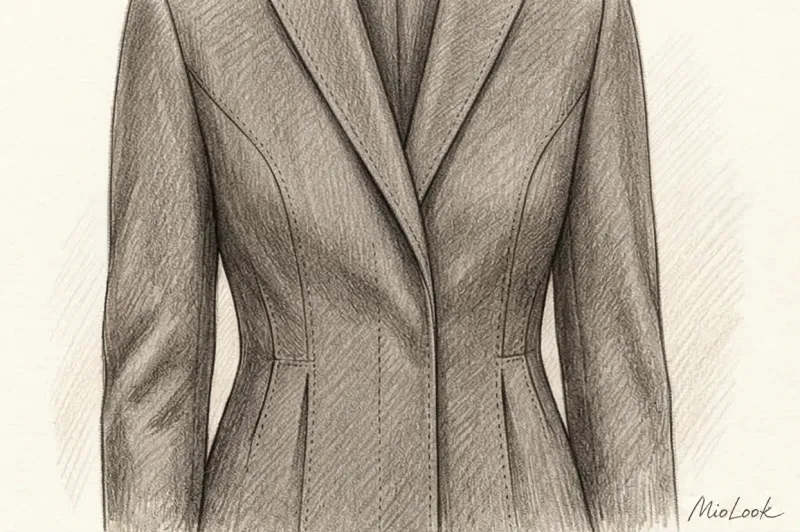
For example, a darted blazer will nip in at the waist and flare out slightly over the hips, creating a sharp, structured look. The presence of these sewn folds indicates a higher level of tailoring. It shows that the designer has considered the specific proportions of the body rather than just creating a generic tube of fabric. If you prefer clothing that highlights your natural waistline or provides a crisp, professional appearance, darted garments are the ideal choice.
Main Types of Darts in Fashion
Different areas of the body require different shaping techniques. Depending on where the fabric needs to be reduced, tailors utilize several specific types of darts.
- Bust darts: Located on the front of a women's garment, these usually start from the side seam, armhole, or shoulder. They always point toward the apex of the bust, providing the necessary volume for the chest while keeping the fabric flat against the ribcage.
- Waist darts: These are vertical folds found on skirts, trousers, dresses, and tailored shirts. They remove excess fabric at the narrowest part of the torso, creating a smooth, flattering transition down to the hips or up to the chest.
- French darts: A more complex and elegant cut, French darts are diagonal lines that start at the waistline on the side seam and extend upward toward the center of the chest. This technique combines the functions of a waist and bust dart into one continuous line, eliminating unnecessary seams on the front of a dress or blouse.
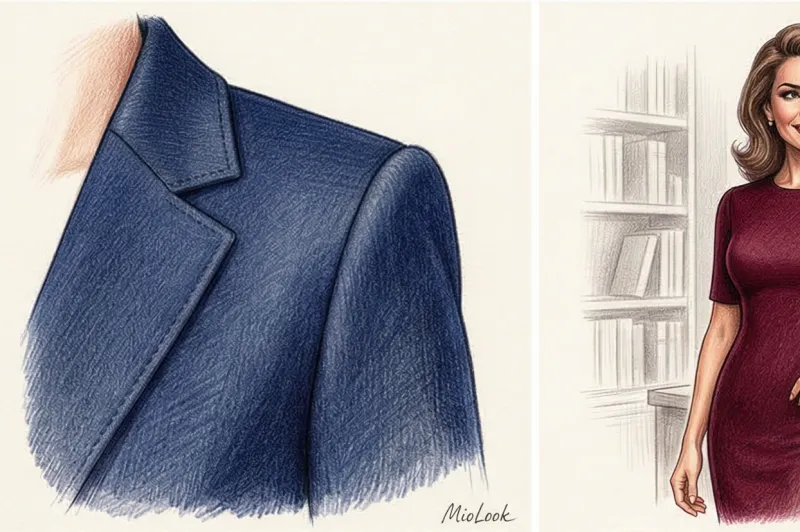
- Shoulder and neck darts: Used primarily in the construction of outerwear, classic jackets, and heavy blazers. They ensure a precise fit along the curve of the upper back and shoulder blades.
- Contour darts: Also known as double-ended darts, these are wide in the middle and taper to a point at both ends. They are frequently used in sheath dresses and fitted tunics to shape the waistline without breaking the vertical panel of fabric.
Characteristics of Common Clothing Darts
| Dart Type | Typical Placement | Primary Function | Common Garments |
|---|---|---|---|
| Bust Dart | Side seam to bust apex | Accommodates chest volume | Blouses, women's blazers, dresses |
| Waist Dart | Vertical at the waistline | Reduces bulk at the waist | Trousers, pencil skirts, dress shirts |
| French Dart | Diagonal from lower side seam | Combines waist and bust shaping | Vintage-style dresses, silk tops |
| Contour Dart | Vertical through the midsection | Shapes the torso seamlessly | Sheath dresses, long tailored coats |
| Shoulder Dart | Back shoulder seam | Shapes fabric over shoulder blades | Tailored suits, heavy wool coats |
What Are Darts on a Shirt?
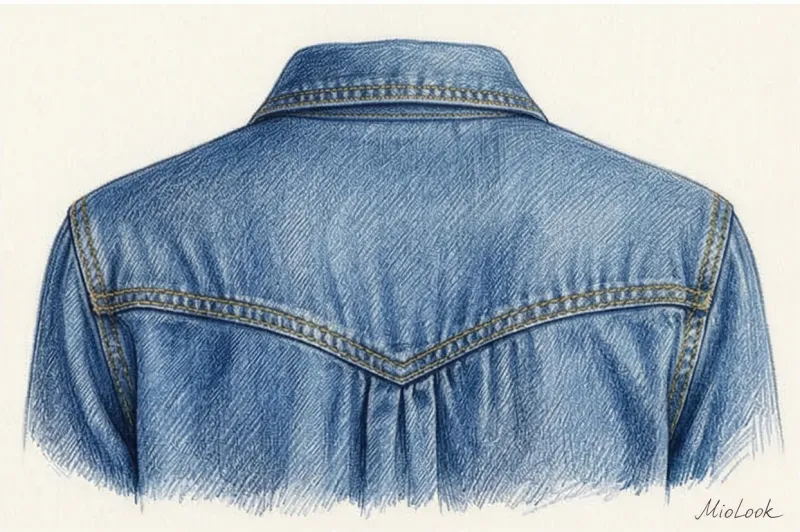
When shopping for formal wear, you will often encounter the term in relation to shirting. Darts on a shirt are typically found on the back panel, appearing as two long, vertical seams positioned symmetrically on either side of the spine. Their primary purpose is to remove excess fabric around the lower back and waist.
Without these folds, a standard dress shirt tends to bunch up and balloon over the belt when tucked into trousers. By incorporating back darts, shirtmakers create a sleek, tapered profile that looks sharp under a suit jacket. Women's button-down shirts usually feature both back darts for waist definition and front bust darts to accommodate the chest, ensuring the buttons do not pull or gape.
How to Choose and Adjust Darted Garments
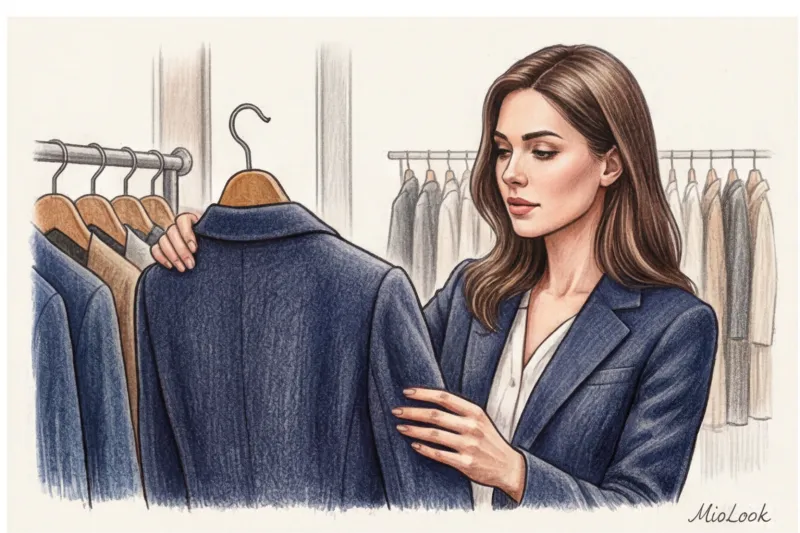
Darted clothing creates a rigid, structured silhouette, which means getting the fit right is crucial. When purchasing ready-to-wear clothing, pay close attention to the placement of the bust dart. The sharp point of the fold should aim directly at the fullest point of the bust, but it must end about 1.5 to 2 centimeters short of it. If the dart extends too far, it creates an unflattering pointed shape. If it sits too high or too low, it indicates that the garment was tailored for someone with a different torso length.
Fortunately, darts are highly adjustable. Waist darts on the back of trousers or skirts are one of the easiest elements to alter in a tailor's shop. Deepening them helps eliminate the dreaded waistband gap, which is especially important for individuals with a significant difference between their waist and hip measurements. Conversely, if a garment feels slightly too tight around the middle, a tailor can often let the darts out, releasing extra fabric to provide a more comfortable fit.