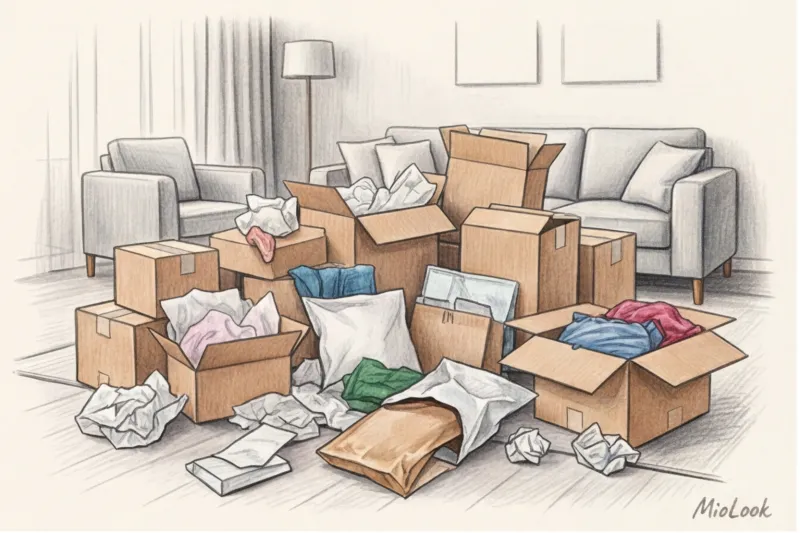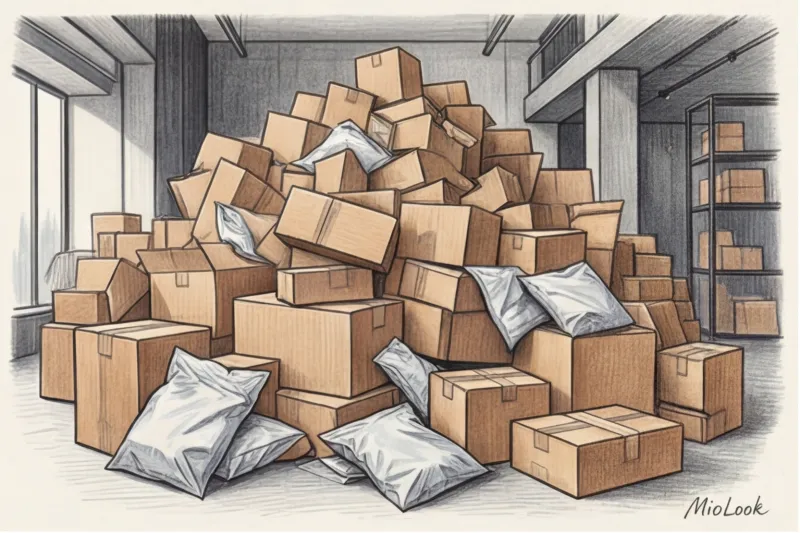
Have you ever ordered three adjacent sizes of the same jacket, knowing in advance that two (or even all three) of them will be returned to the warehouse? In the industry, this phenomenon is known as "brasketing." We're used to thinking of it as a convenient service, but behind the magic of free returns lies an environmental and financial disaster. When I started out as a stylist, I also advised clients to "bring more to try on." Now, knowing the ins and outs of the industry, I'm categorically against this approach.
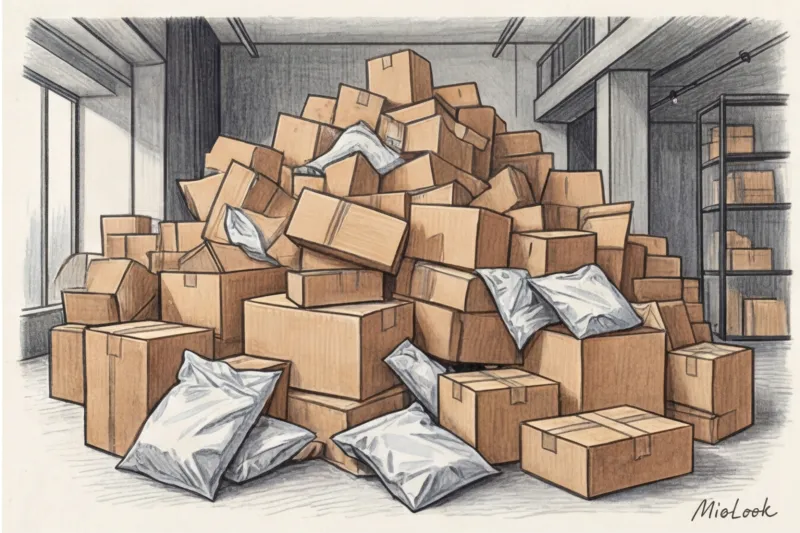
As a sustainable fashion expert, I see only one way out of this impasse: precise digital predictive analysis. And here virtual fitting room for an online store is no longer just a fun IT toy, but is becoming a critical tool for brand survival. We've covered how technology is blurring the lines between online and offline experiences in more detail in our The Complete Guide to Omnichannel Retail In this article, I want to explore why neural networks are so good at predicting body geometry, but regularly stumble over fabric physics, and how this impacts our wardrobes.
The Hidden Cost of Mistakes: Why Returns Are Killing the Fashion Industry and the Environment
Let's look at the numbers. According to the National Retail Federation (NRF) for 2023, the average return rate in fashion e-commerce reached a staggering 30–40%. Imagine: every third item produced, packaged, and delivered is returned. Moreover, each return generates an average of 400 grams of CO₂ emissions. This includes logistics, repackaging, dry cleaning, and often a direct route to landfill, because it's cheaper for a brand to dispose of an inexpensive item (for example, a €30 blouse) than to inspect it for defects and return it to retail.
The Ellen MacArthur Foundation's reports are relentless: returns logistics are one of the main drivers of the fashion industry's carbon footprint. Why do we so often get our sizes wrong? Because traditional sizing charts are long dead. The standard "M" size in Zara, COS, and Massimo Dutti's patterns are three completely different universes. Moreover, even within a single brand, sizing can fluctuate depending on the factory that supplies it.
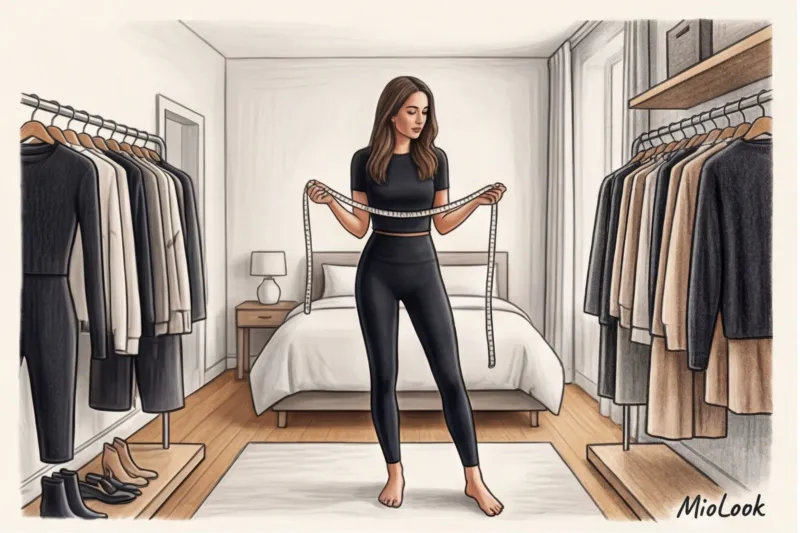
"The problem isn't that shoppers don't know their measurements. The problem is that a flat chart with chest and hip measurements can't convey the three-dimensional architecture of the human body or the fit of a specific garment."
In this reality, a virtual fitting room for online stores is becoming an ecological necessity. By choosing the exact size the first time, we literally reduce the number of trucks on the road and plastic bags in warehouses. If you're interested in how technology is changing the shopping process, I recommend reading this article. Try on clothes virtually online: shopping without returns.
How a virtual fitting room for an online store works in practice
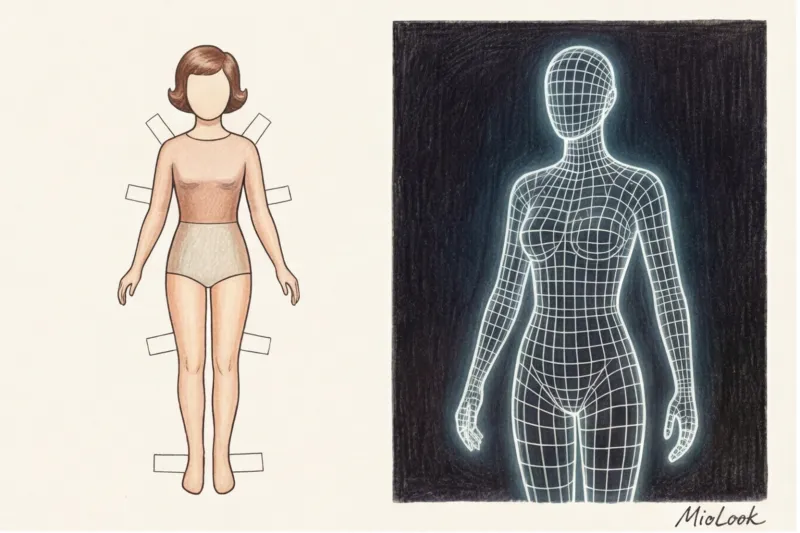
From a technical perspective, fitting rooms have come a long way, from silly 2D overlays (remember the cardboard "dress-up" rooms of the 2000s) to full-fledged biometric 3D modeling. How does it work today, without all the complex IT jargon?
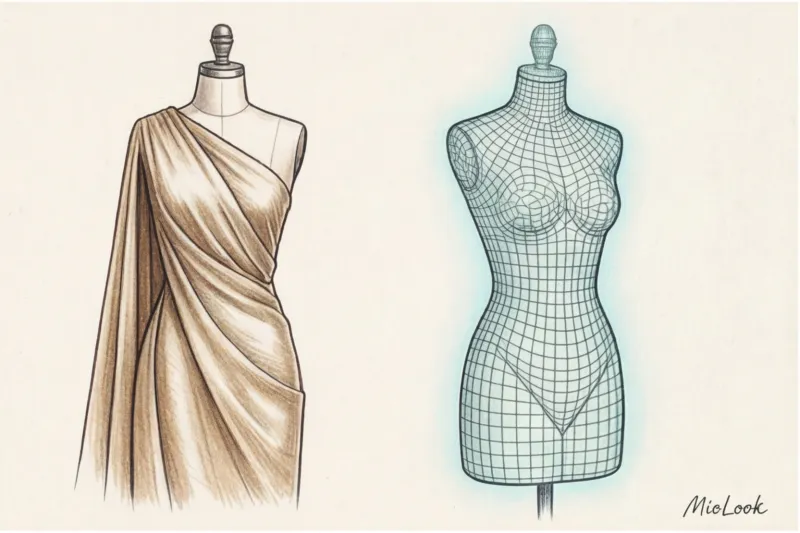
Modern algorithms don't simply "glue" a photo of a dress over your photo. They create a digital twin of you—a 3D avatar. You either enter basic parameters (height, weight, age, body type) or take a couple of photos in form-fitting clothing. The AI analyzes your body topography: the slope of your shoulders, the arch of your lower back, and the distribution of your volumes.
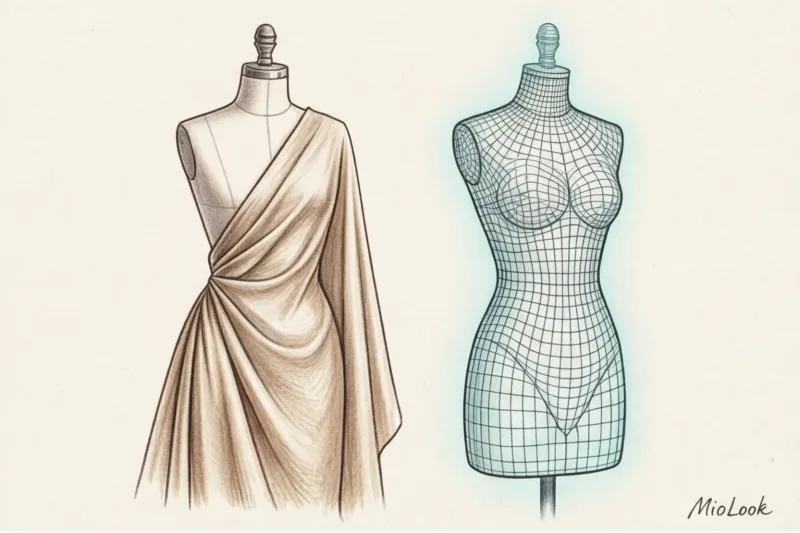
The system then matches this 3D wireframe with the digitized garment patterns. It literally "stretches" the digital fabric onto your digital mannequin, displaying a heat map of tension: where the garment will be tight (red zones) and where it will hang loose (blue zones).
Integration with an omnichannel retail strategy
The real fun begins when this data is transferred to the physical world. In my practice implementing smart wardrobes, we strive for a seamless experience. You try on a coat in the app one evening at home, save it to your favorites, and then visit the brick-and-mortar boutique the next day. The salesperson already sees your digital profile, knows your measurements, and immediately brings you the right size from the warehouse, without making you wander between the racks. The boundaries between the shopping cart in the browser and the hanger in the store are completely blurred.
Ready to get started?
Try a free plan—no commitments required. Create your digital profile and build a smart wardrobe without size errors.
Get access — €0.99 onceThe Illusion of a Perfect Fit: What IT Solution Developers Are Keeping Quiet
Now let's take off our rose-colored glasses. As a fabric expert, I must say something that tech startup marketers prefer to keep quiet about. The virtual fitting room is a triumph of geometry, but it often fails when confronted with physics.
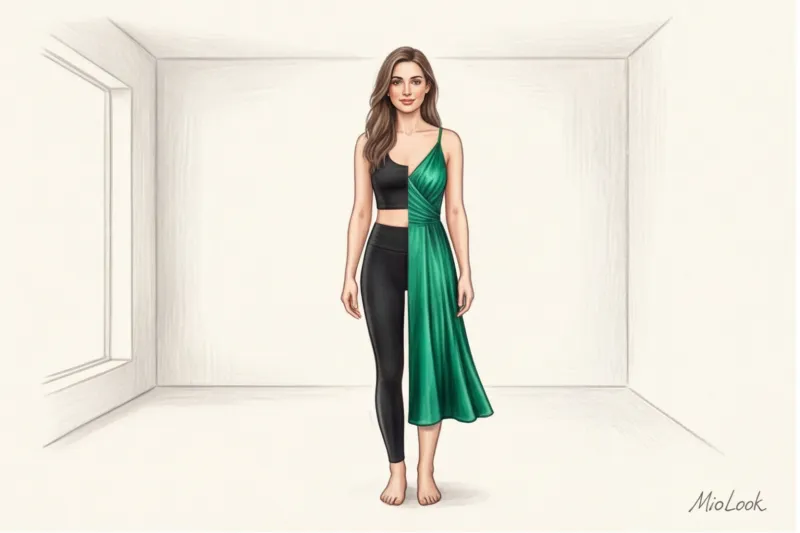
I had a client who was preparing for an important event. We found a slip dress on a premium brand's app (in the €150-€250 range). It looked divine on the 3D avatar: the fabric flowed softly, gently framing her hips. We ordered it without hesitation. When the courier delivered the box and the client tried it on, disaster struck—that very same "textile disappointment."
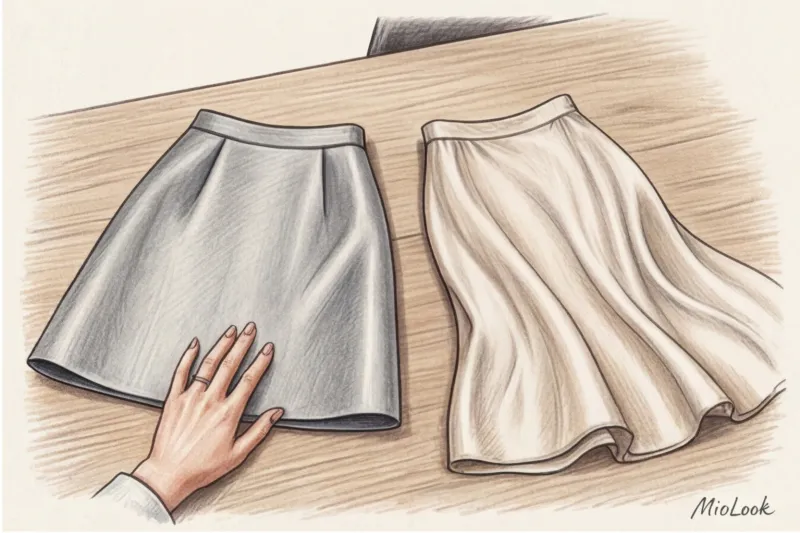
What was the problem? The algorithm calculated the girth measurements down to the millimeter. But the dress was made of stiff, static-prone, low-quality polyester, not the dense silk muslin we expected. Instead of draping softly, the fabric sat stiffly on the hips and bunched up in unsightly creases at the crotch. AI understands waist circumference, but not thread density or surface friction coefficient.
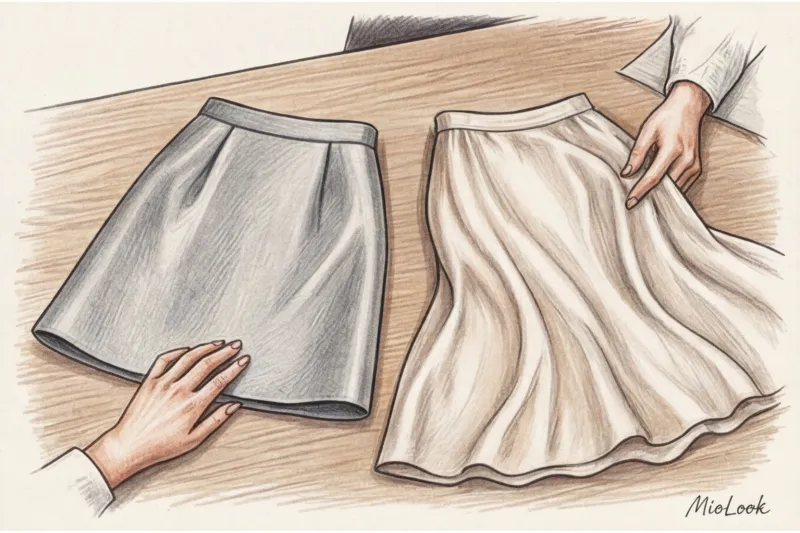
No amount of augmented reality can save poorly crafted patterns and cheap synthetics. If a brand skimps on materials, a virtual fitting room will only heighten the contrast between digital anticipation and the harsh reality in your hallway mirror.
The Economics of Implementation: How AI Reduces Return Rates by 30%
However, for quality brands, the math works out perfectly. The economics of implementing AR tools are astounding. The average online store spends between €10 and €20 on processing a single return (logistics, condition assessment, repackaging).
According to analytical agencies, a high-quality virtual fitting room for an online store can reduce return rates by 20–30%. For a business with tens of thousands of orders per month, this translates into millions of euros in savings, which more than offsets the cost of SaaS integration.
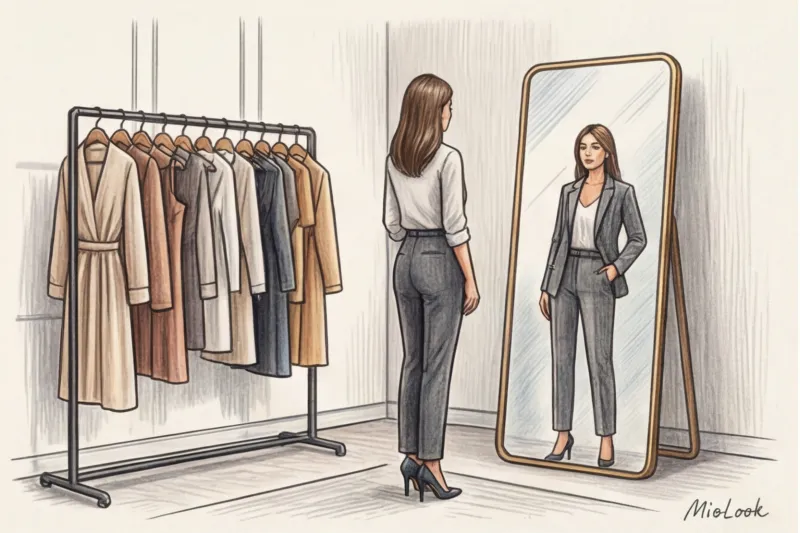
But it's not just about brands saving money. The psychology of the buyer is changing. When you see how a piece (for example, a complex asymmetrical top) fits your replica, the fear of making a mistake disappears. Purchase confidence grows, which means higher conversion rates. Customers stop using their online shopping cart as a fitting room, ordering mountains of items to choose from.
Your ideal image begins Here
Join thousands of users who look flawless every day with MioLook. Our intelligent AI stylist will take your unique features into account and suggest only the pieces that truly suit you.
Get access — €0.99 once5 Signs of a Quality Virtual Fitting Room: An Expert's Checklist
If you're a brand owner or a customer looking to use this tool effectively, here's my checklist. A good virtual fitting room should meet five strict criteria:
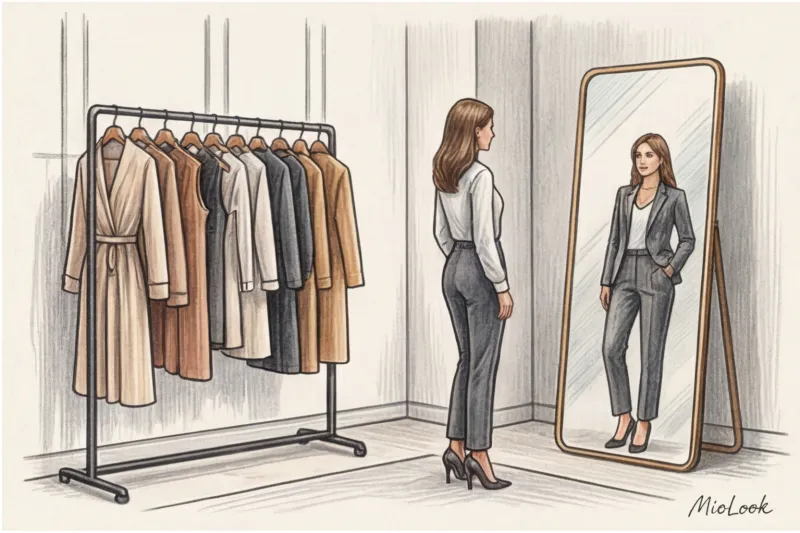
- Adaptability to non-standard figures. The system must be able to handle asymmetries, narrow shoulders with wide hips, and non-standard heights. If the algorithm only offers you idealized hourglass shapes, it's a bad algorithm.
- Taking into account the properties of the fabric. Advanced systems can now request composition data from brands. They understand the difference between 120 g/m² cotton and 14 oz heavyweight denim, and they also take into account the presence of elastane (stretch factor) when rendering the stretch at the hips.
- Omnichannel integration. The fitting room should be linked to actual inventory. There's nothing worse than finding the perfect fit on an item that's out of stock online or at your local store.
- Seamless UX (User Experience). Customers shouldn't have to download a heavy, 500MB third-party app just to try on a sweater. Everything should work right in their mobile browser via a widget.
- Contextual styling. The best algorithms (like those integrated into the MioLook ecosystem) don't just tell you whether a skirt will fit. They offer entire capsules: what to wear it with, what shoes go with that length, and how to integrate the item into your current digital wardrobe.
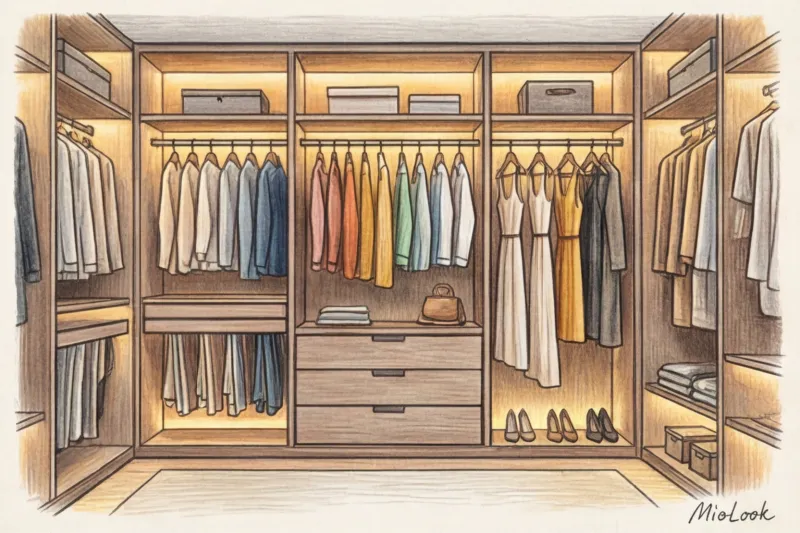
From Sizing to Smart Wardrobe: The Future of Shopping
Today, we're witnessing a stunning transformation. The virtual fitting room is no longer just a utilitarian "ruler" for choosing sizes. It's evolving into a personal AI stylist living inside your smartphone.
For me, as a proponent of conscious consumption, this is the biggest breakthrough of the decade. We're finally learning to buy less, but more accurately. We're no longer chasing the thrill of unpacking a mountain of parcels, half of which will be returned, leaving a carbon footprint.
Brands that ignore this technology will face a massive loss of loyal customers within the next five years. Shoppers no longer want to play the guessing game of size charts. The future of fashion belongs to those who can guarantee that what you see on screen will become your favorite in real life.
Access to MioLook for €0.99 — one-time payment
A smart AI stylist will select the perfect look and help you visualize your future wardrobe without endless returns to stores.
Get access — €0.99 once