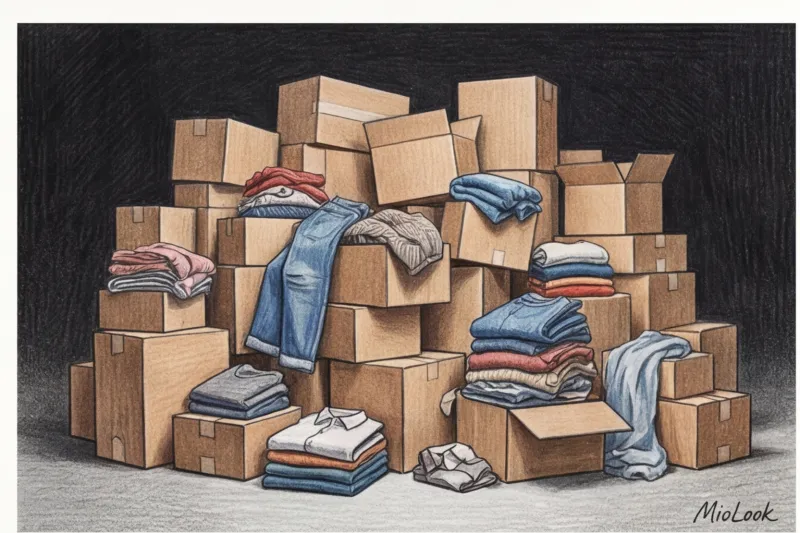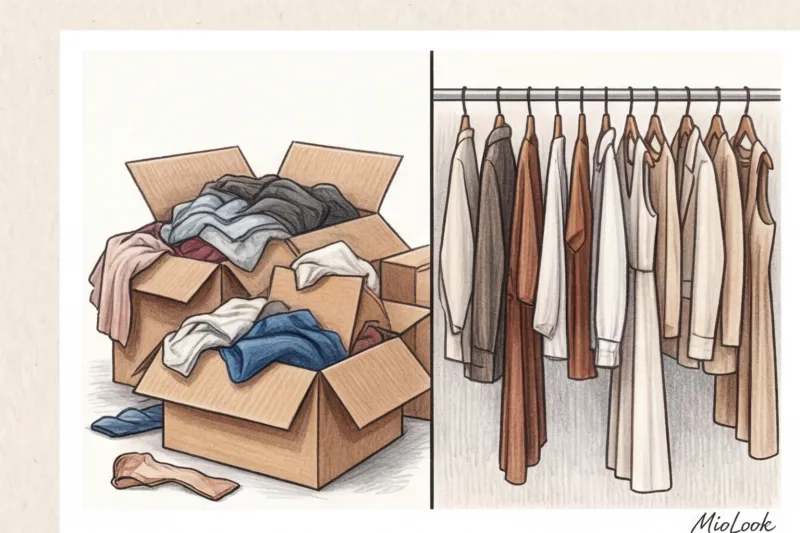

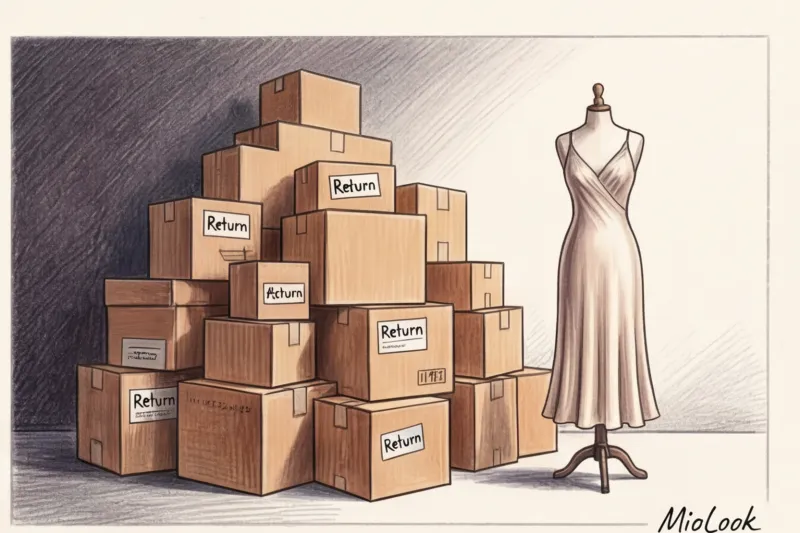
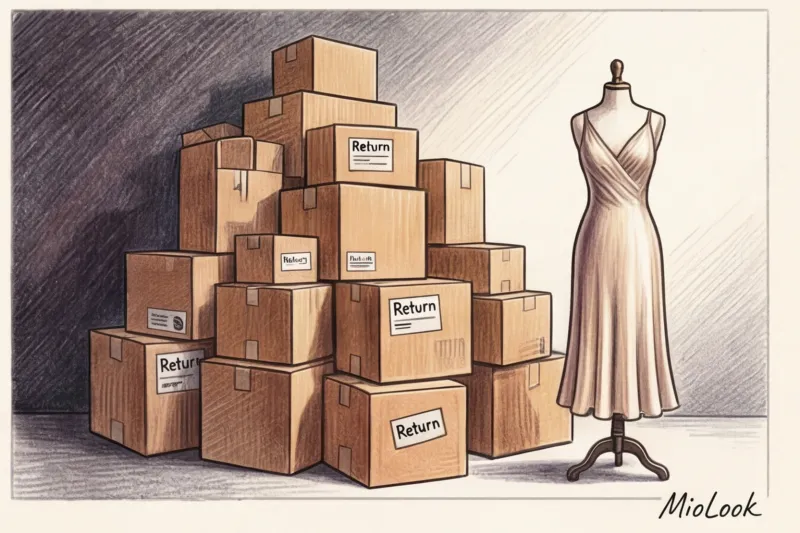
One of my clients, Anna, the owner of a premium multi-brand boutique, called me in tears one Tuesday morning. The day before, the courier service had returned her luxurious $1,200 silk slip dress. The dress was hopelessly ruined: there were foundation stains on the collar, and the fabric was soaked in a heavy niche perfume. The client had ordered three sizes to choose from, tried them on before a party, kept one, and returned the other two. This phenomenon in e-commerce is called bracketing, and it eats up a significant share of fashion retail profits.
When brands ask me what the real deal is virtual fitting price , I always answer: it's measured not only in invoices from IT contractors, but also in the cost of dry cleaning, repackaging, and devaluation of returned items. We covered the technical side of the issue in more detail in our a complete guide to integrating virtual fitting rooms , and today I propose looking at this technology through the eyes of business. As a fashion investment that should pay off.
What a virtual fitting room consists of: price and hidden costs
The biggest mistake brands make when planning their budget is treating AI fitting rooms like a software box that can be bought once and forgotten. In my experience, integrating this technology is more like getting a bespoke suit. You pay not only for the patterns, but also for each fitting, the fit, and the quality of the threads.
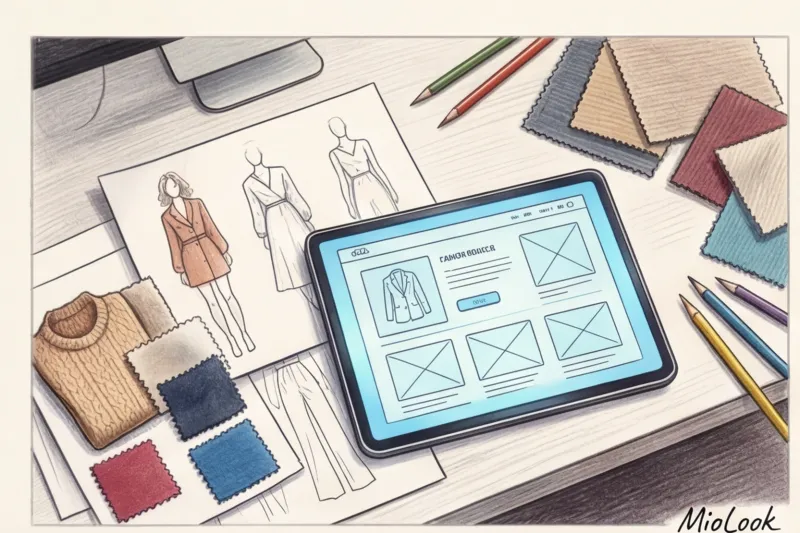
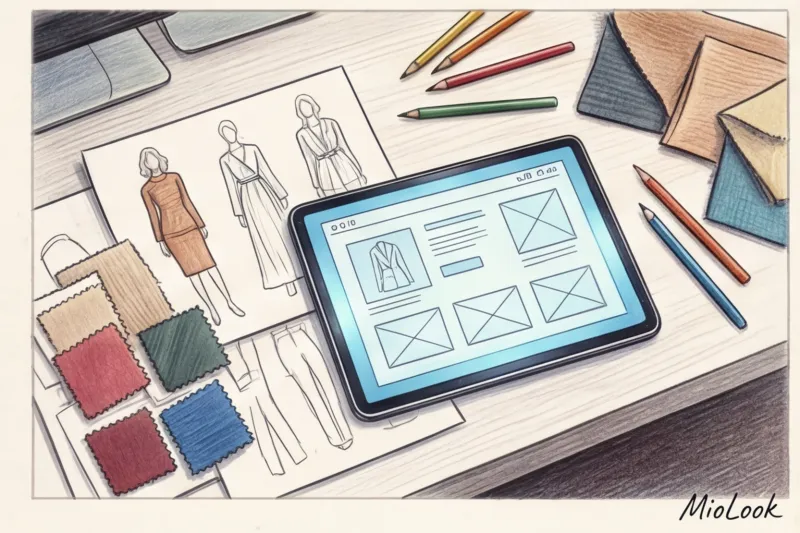
The main hidden cost that IT sales managers often fail to mention is the digitization of your catalog. Neural networks can't take a simple photo from a phone and magically "slip" it onto a customer's 3D avatar while preserving the fabric's physics.
The cost of digitizing a single SKU varies dramatically:
- Basic items (T-shirts, hoodies made of thick cotton): from $15 to $25 per unit. Their shape is predictable.
- Complex cuts and textures (draped silk, bouclé tweed, chiffon): From $60 to $100 and up. 3D designers have to manually create the flow and shape of the fabric.
If your collection has 500 items, content preparation alone will cost at least $10,000. This should be taken into account before you sign a contract for the software itself.
Ready-made SaaS solutions vs. custom development
I often tell brand owners: you don't need to buy a textile mill to sew one perfect jacket. Developing a virtual fitting room in-house for the average brand is a financial utopia. Creating a neural network from scratch would cost hundreds of thousands of dollars and require years of programming.
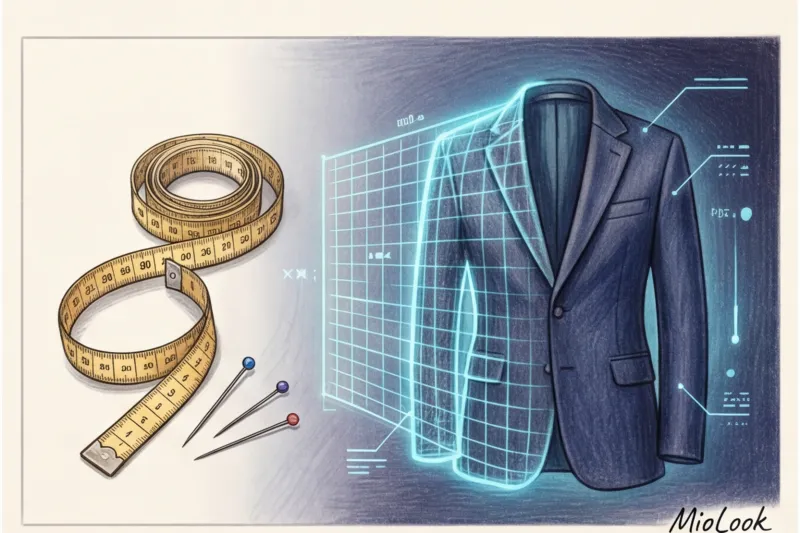
Custom development is only feasible for giants like the Kering Group (Gucci, Balenciaga) or Inditex (Zara). For 99% of fashion businesses, the only viable option is SaaS (white-label) solutions. You rent ready-made technology via a subscription, integrate it into your website via an API, and all algorithm updates are handled under the hood by the developer.
Access to MioLook for €0.99 — one-time payment
A smart AI stylist will select the perfect look and help you visualize the clothing catalog.
Get access — €0.99 onceHow much does implementation cost: real figures and rates for businesses
The fashion IT solutions market is vast, and the price range can be confusing. Let's break down the pricing so you understand exactly what you're paying for.
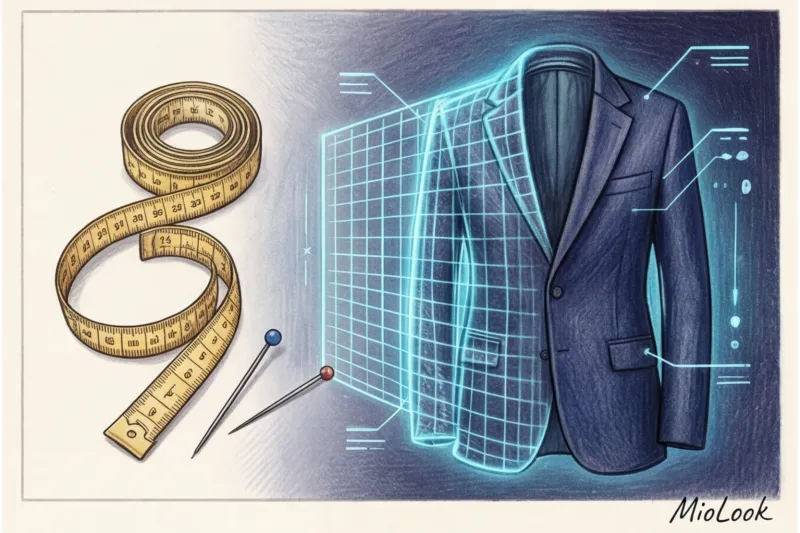
There are three main pricing models:
- Pay-per-SKU (fee for digital catalog). Ideal for brands with a small but stable product range. For example, capsule collections SaaS subscriptions in this segment typically start at $200–500 per month.
- Pay-per-API-call (payment for the number of fittings). You pay for each image generated by a user. If you have a lot of traffic, your bills can grow exponentially. On average, it's $0.05–$0.10 per sample.
- Enterprise (fixed subscription). For large retailers (10,000 SKUs and up). Prices start at $2,000–$3,000 per month and include a dedicated manager and integration with your warehouse software.
Don't forget to budget for the integration programmer. Linking a fitting room widget to your CMS (Shopify, 1C-Bitrix, or WooCommerce) typically costs between $500 and $1,500 one-time. While many promise one-click installation, in practice, customization of the design is always required. your brand's corporate identity and aesthetics.
Investment or Loss? Calculating ROI for an Online Fashion Store
As a stylist, I teach my clients to calculate cost-per-wear. As a business consultant, I encourage them to calculate the cost of retained margin.
According to McKinsey's "The State of Fashion" (2024) report, the return rate in fashion e-commerce reaches a disastrous 30-50%. Now let's turn to the National Retail Federation's hard numbers: processing one returned item (reverse logistics, defect inspection, steaming, and repackaging) costs the retailer $10-20.
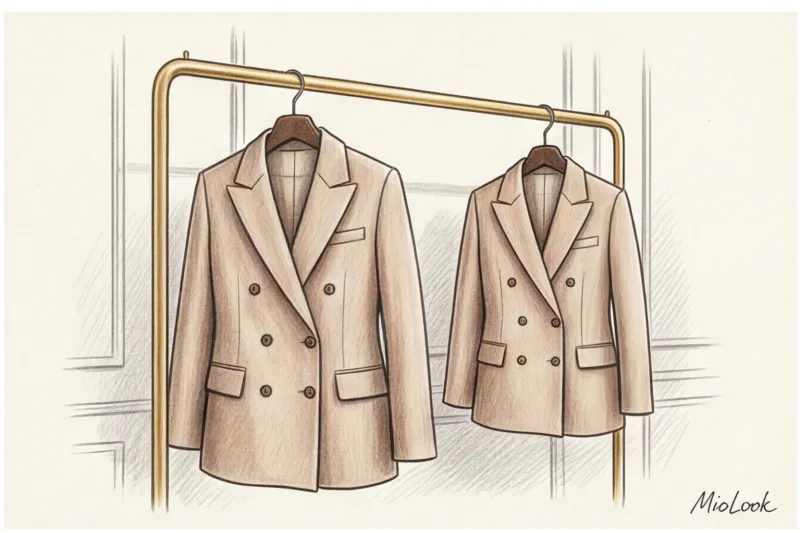
Imagine a double-breasted wool jacket. While a customer orders two sizes, tries them on at home, considers the fit, sends one back, and it goes to the warehouse for inspection, 2-3 weeks pass. The sales season is quickly ending. As a result, a perfectly basic jacket that could have been sold at full price is now on sale at a 50% discount. This is a direct loss of profit.
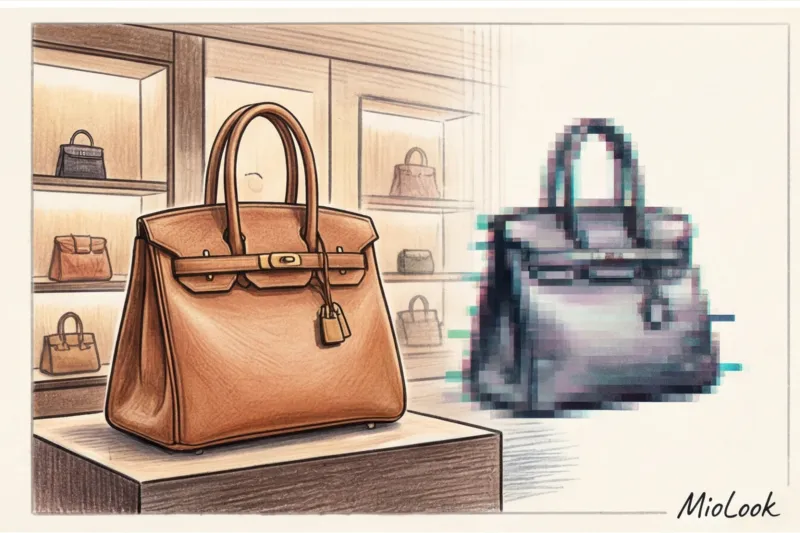
"A virtual fitting room doesn't just increase conversion. It protects your inventory from physical wear and tear during the endless journey between the warehouse and customers."
I recently consulted for a mid-upper-class women's clothing brand. They implemented an AI fitting room for $1,000 per month. In the first month, the rate of returns due to "wrong size/style" dropped by 18%. In absolute terms, they saved $4,500 on courier costs alone. The ROI was positive from day one.
Your perfect look starts here
Join thousands of users and brands who work with the MioLook smart wardrobe every day.
Get access — €0.99 onceWhy Cheap 'Size-Sizing' Widgets Are Killing Brand Premiumness
I'll be categorical here. If your budget doesn't allow for a full-fledged AR visual solution, it's best not to install anything at all. This is a case where poor integration is worse than none at all.
Trivial size calculators (where a customer enters a height of 170 cm and a weight of 60 kg, and the system returns "Your size is M") are so last century. They don't take into account body features such as torso length, shoulder width, or chest size.
But the worst thing is cheap 3D plugins that create the "uncanny valley" effect. Imagine this: you're selling a flawless suit that fits strict dress code for a female manager It's made from fine Italian Super 130s wool. And the cheap widget stretches a plastic, unnaturally shiny 3D model over the customer's photo, looking like armor from an old computer game.
Poor graphics instantly cheapen the perception of an expensive item. Realistic textures, the way light falls on velvet, the way creases form in linen—all these are critical for luxury and premium products. If a customer sees a polyester nightmare on the screen, they'll never pay $800 for the original.
Checklist: How to choose a contractor and avoid wasting your budget
If you've decided your business needs this technology, here's my personal checklist for choosing a provider. As a brand advocate, I always ask IT companies these four questions:
- Request a stress test on a complex part number. Don't let them show you a demo on a basic white T-shirt. Give them your most complex dress with sequins, an asymmetrical cut, or sheer panels. If the algorithm can handle that, it can handle anything.
- Check your mobile download speed. Over 70% of fashion purchases are made on smartphones. If your AR widget takes longer than 3-4 seconds to load, customers will close the tab. Beautiful graphics are pointless if they hinder sales.
- Check the rights to 3D models. Who owns the digitized copies of your clothing? Make sure the contract retains the rights so you don't have to pay for the digitization again if you change providers.
- Demand an analytical dashboard. The fitting room is a treasure trove of data. You should be able to see which items are tried on 100 times a day but never purchased. It might not be the price, but rather a poorly cut armhole that's putting customers off when they visualize them.

The Future of E-Commerce: Technology That Saves Businesses
The era when a virtual fitting room was simply a fun toy (a wow factor) for PR campaigns is gone forever. Today, with rising logistics fees and environmental concerns, it's a hygienic minimum for business survival.
Moreover, AI opens up incredible opportunities for cross-selling. Technology already allows for the creation of a "smart wardrobe" directly on a product page. When the algorithm not only shows how pants fit, but also instantly generates looks, suggesting a matching jacket and shoes from your catalog (similar to how it's implemented in an app) MioLook (for personal use), the average bill grows organically, without intrusive banners.
The cost of a virtual fitting room should always be considered in the context of savings. Spending $500 per month on a high-quality SaaS product to save $3,000 on returns logistics and protect premium fabrics from damage isn't an expense. It's an elegant business solution worthy of a prestigious brand.