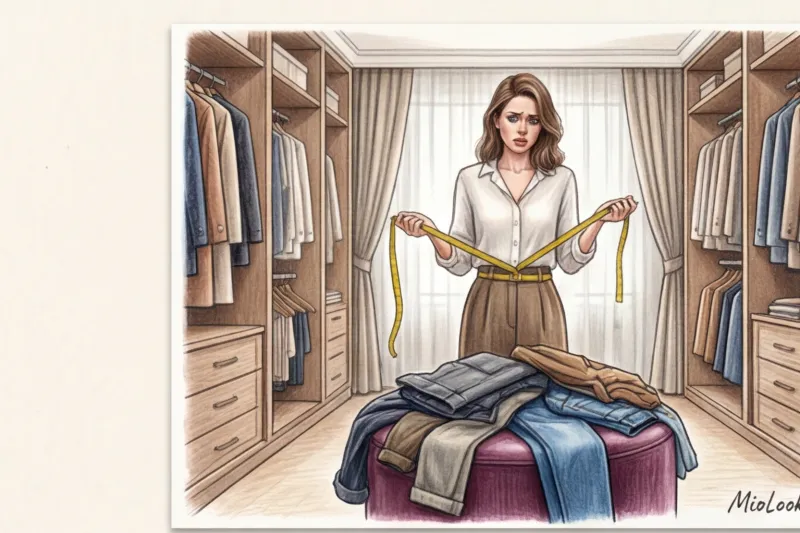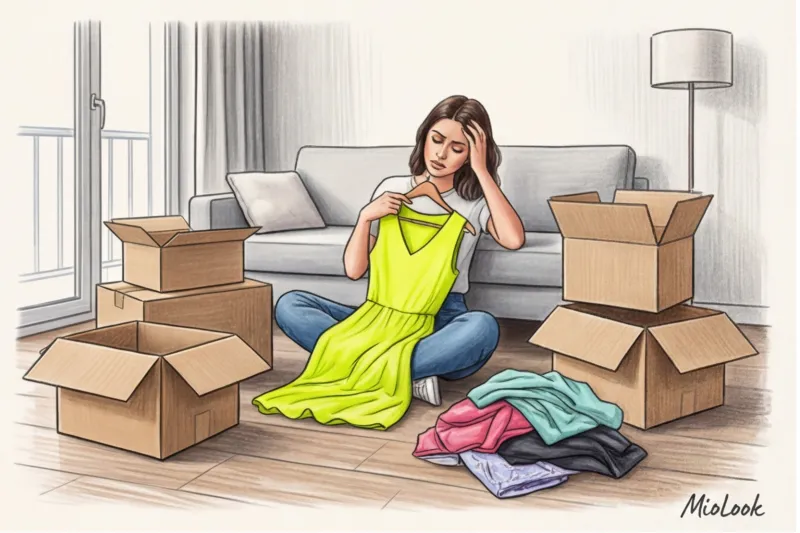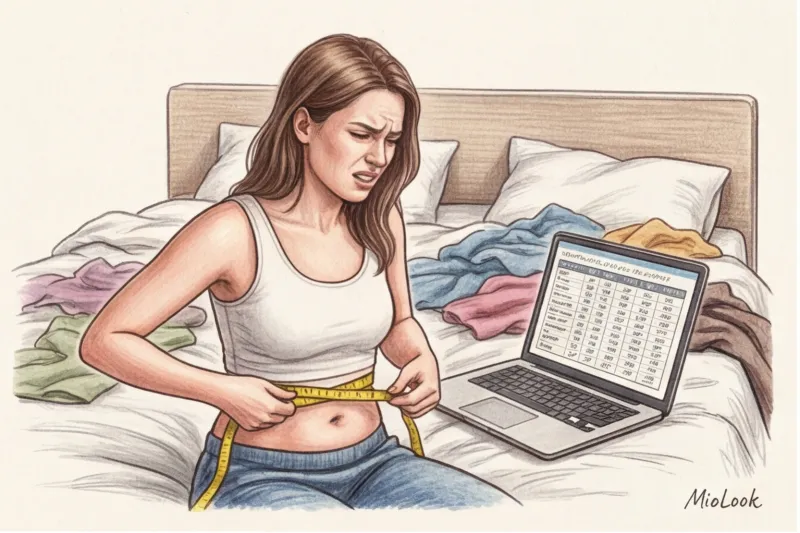
Last week, my client ordered a linen dress from Zara's new collection in four sizes at once—from XS to L. When I asked her why, she replied irritably, "Katarzyna, last month their size M trousers didn't fit me, and the size S sweater was too big. I don't want to guess anymore." And she's not alone in her frustration.
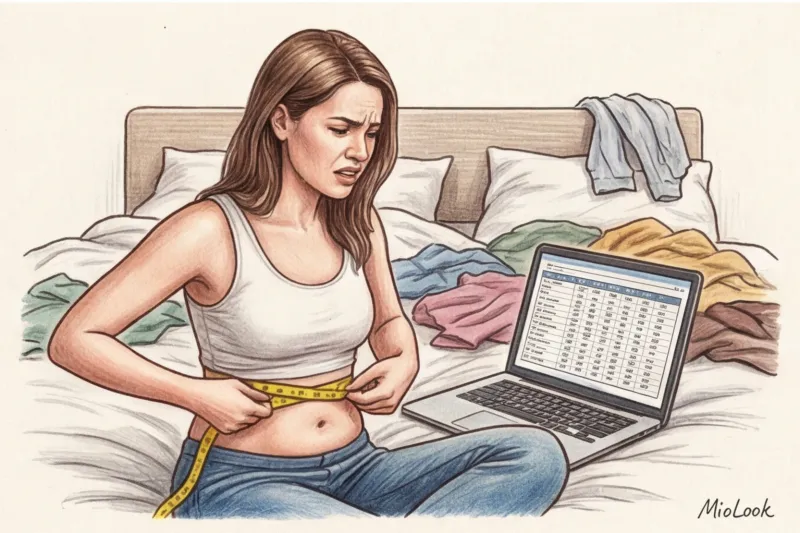
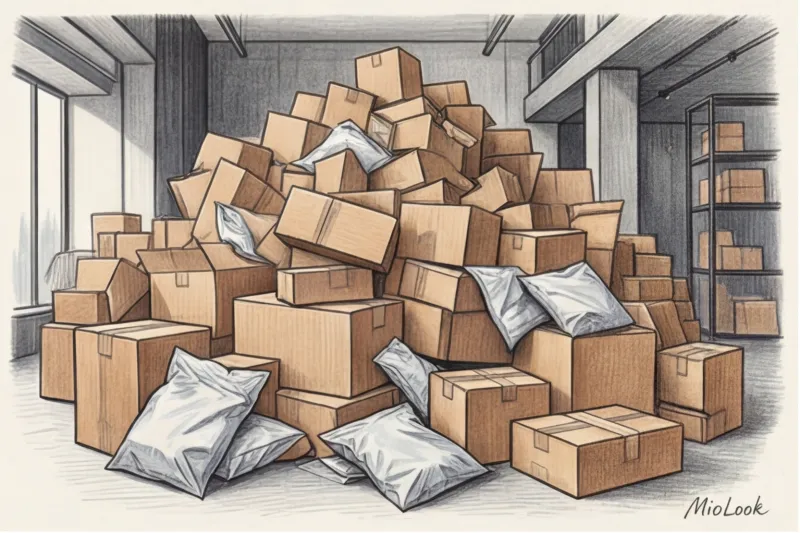
For a customer, guessing the right size is stressful and leaves money frozen on their card. For fashion businesses, it's a logistical nightmare, eating up to 30% of margins. The problem of mass returns has reached such proportions that retailers have been forced to admit: traditional measurement charts no longer work. The industry needs a fully-featured, intelligent clothing size selection system on-line. We discussed the architecture and technical nuances of such solutions in more detail in our article. a complete guide to integrating virtual fitting rooms.
Over 12 years of working as a personal stylist, I've seen the underbelly of both the mass market and the premium segment. Today, we'll explore the evolution of online fitting rooms not through dry IT jargon, but through the lens of customer psychology. You'll learn why women systematically cheat the measuring tape, how neural networks are replacing the eye of a professional tailor, and why AI implementation is no longer a fashion fad, but a matter of e-commerce survival.
The Illusion of Control: Why Classic Size Charts Are Killing Conversions
Logic dictates: the more information you provide to the buyer, the more accurate the choice will be. For years, online stores have published endless tables with measurements of chest, waist, hip, sleeve length, and shoulder width. But contrary to expectations, this hasn't reduced the return rate. Why?
Firstly, we encountered a phenomenon Vanity sizing (flattering sizes). Brands intentionally change their labeling to make customers feel slimmer. A size M at Massimo Dutti and a size M at H&M are physically different sizes, designed for different women. Each brand has its own unspoken "ideal customer," for whom its grading is based.
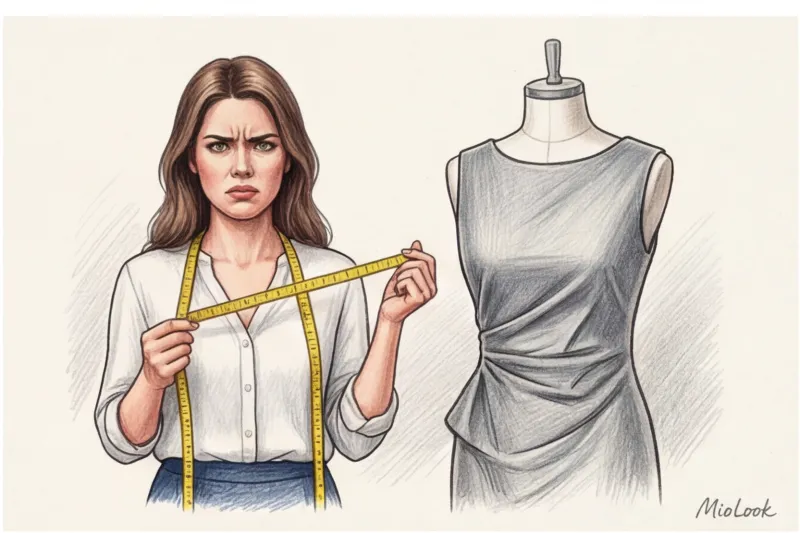
Secondly, psychology comes into play. Over the years of fitting, I've noticed one consistent detail: 9 out of 10 women take their measurements incorrectly. They unconsciously suck in their stomachs, tighten the tape measure, or measure their waist where they want it to be, rather than along the anatomical line. As a result, the resulting numbers bear no resemblance to reality.
"The paradox of data overload: when you ask a customer to compare five body measurements with a chart on a website, you cause choice paralysis. Instead of buying, she simply closes the tab, thinking, 'I'll try it on later in the store.'"
This confirms a counterintuitive insight: overly detailed size charts with measurements for every seam reduce conversion. Buyers want reassurance, not cognitive overload.
Your perfect look starts here
Join thousands of users who look flawless every day with MioLook. Create your own virtual capsule wardrobe without any size errors.
Get access — €0.99 onceEvolution of solutions: from tape measure to neural networks
Recognizing the failure of traditional spreadsheets, fashion e-commerce began searching for technological solutions. This approach can be divided into three stages.
Stage one: static guides. Those same PDF instructions "How to Take Measurements Correctly" with their hand-drawn silhouettes. They required the buyer to have a tape measure handy (which millennials and Zoomers usually don't have at home) and patience. Their effectiveness was practically nonexistent.
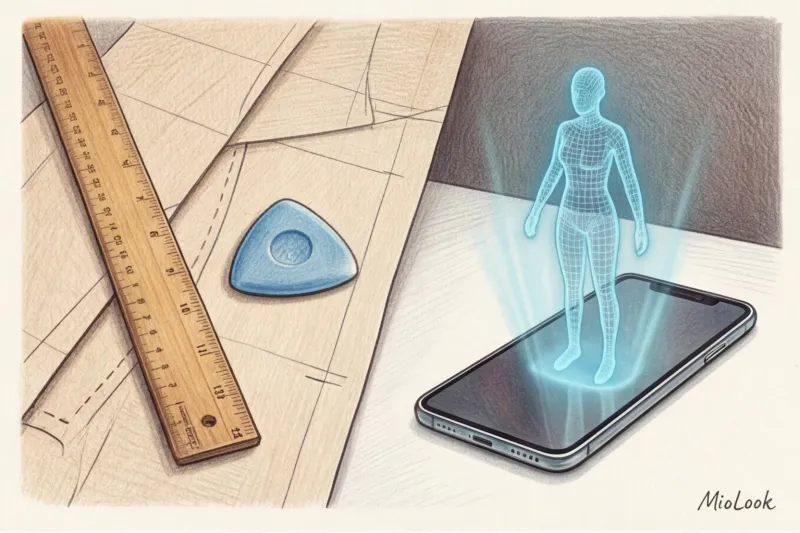
Stage two: interactive calculators. The advent of simple widgets that required users to enter their height, weight, and age was a huge step forward in terms of user experience (UX). However, such systems often failed for complex body types or when purchasing items with unusual cuts (for example, asymmetrical dresses or palazzo pants).
Stage three: AI recommendations. The modern smart clothing size selection system on the website uses machine learning. According to the Shopify Commerce Trends (2024) report, the implementation of personalized AI widgets and augmented reality elements increases product page conversions by up to 40%. The system no longer asks for bust measurement—it analyzes millions of purchases by similar people.
How algorithms replace the eye of a professional stylist
When I work with a client in person, one glance is enough for me to understand: these jeans won't fit because of the difference between the waist and hips. Artificial intelligence does the same, but based on big data.
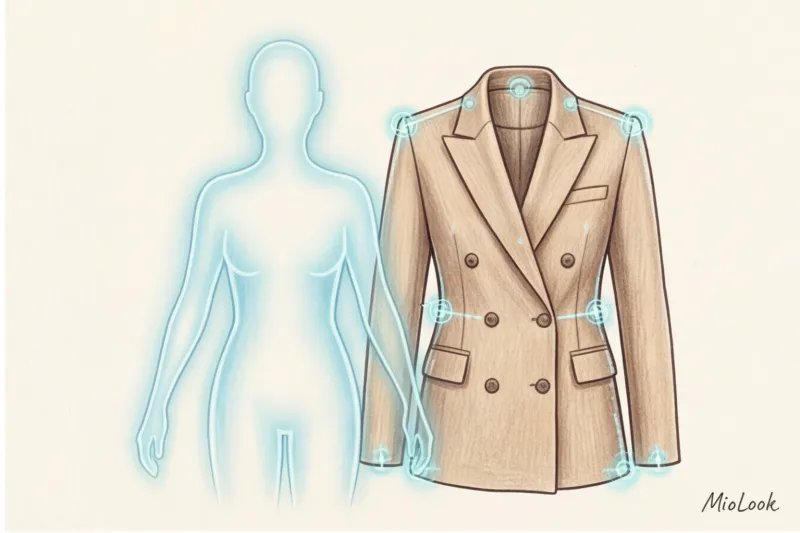
How does data mapping work? AI compares a specific brand's patterns with a probabilistic 3D model of the customer. The smart algorithm also takes into account the intended fit. It understands that a voluminous hoodie should be loose, while a classic jacket should have a defined shoulder line. You can specify your preferences: whether you prefer a slim fit or a relaxed silhouette.
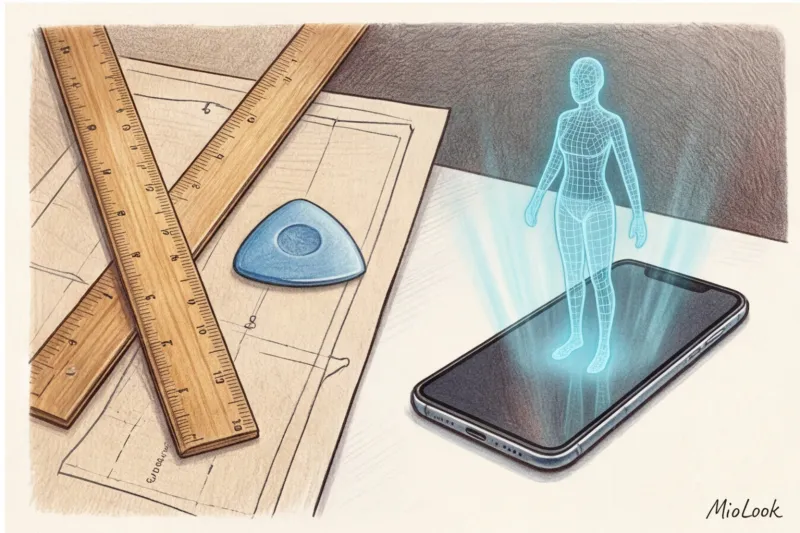
The most valuable thing about neural networks is their ability to learn. Every item returned to the warehouse with the "too small in the chest" label instantly adjusts the algorithm for all future buyers with a similar build.
Implementation Economics: Calculating the ROI of Smart Sizing
Let's shift the conversation from the realm of beautiful IT features to the dry language of profit and loss (P&L). The main enemy of fashion retail today is bracketing (bracketing).
Bracketing is the same situation we mentioned at the beginning of this article, where a customer orders adjacent sizes (S, M, L), knowing in advance they'll only buy one and return the rest. For the customer, free returns are a service. For the business, it's a disaster.
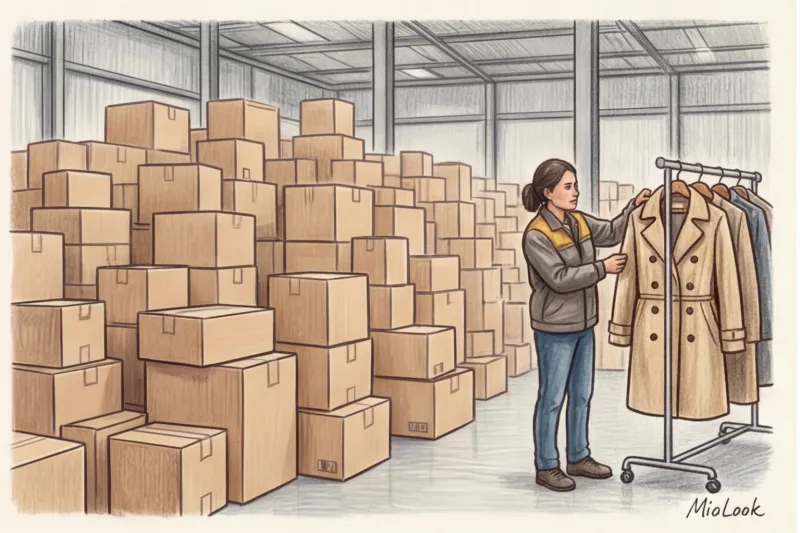
According to the extensive McKinsey State of Fashion Report (2023-2024), up to 70% of all online clothing returns are due to "wrong size." Now let's do the math:
- Payment for courier delivery there and back.
- Operation of the sorting center.
- Checking the item for defects and signs of wear.
- Steaming, repackaging and returning to the shelf.
On average, processing one returned item costs a retailer $10–$20. If an item from a trendy seasonal collection has been in delivery for a month, it will have to be sold at a discount. Implementing a precise AI widget reduces the return rate by an average of 25–30%, while simultaneously increasing the conversion rate, as it removes the main barrier to purchase—the fear of error.
Ready to take your business to the next level?
Try integrating smart AI solutions to visualize clothing and reduce returns.
Get access — €0.99 onceThe biggest mistake retailers make: why complex virtual fittings are turning customers away
I have an important confession to make here. Not all technologies are created equal. A few years ago, the body scanning trend swept the industry—startups offered apps that scanned a client's body with a smartphone camera to create an accurate 3D avatar.
Most of these projects failed. Why? Because of a critical misunderstanding of the customer journey.
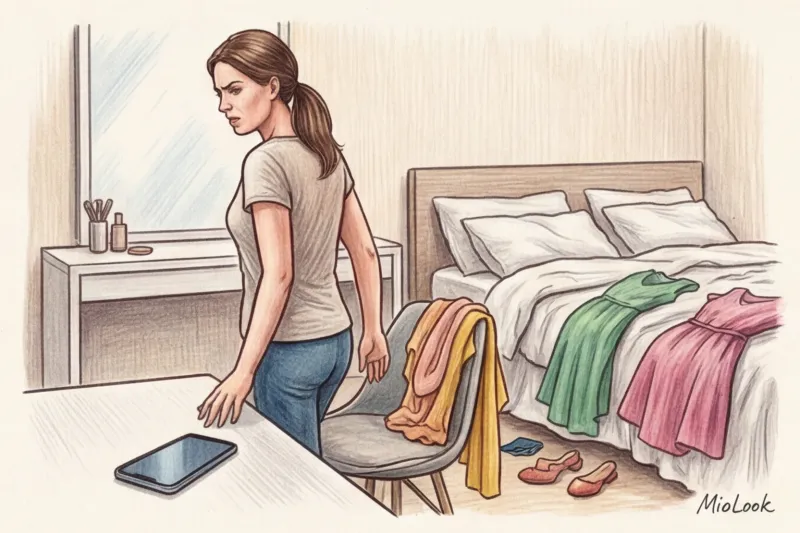
Requiring someone to strip down to their underwear or put on tight clothing, position the phone at a specific angle in good lighting, and take three photos is a colossal barrier (friction). TrueFit statistics show that such a complex process kills conversion rates by 80%. A woman lying in bed with an iPad at night, choosing a dress, simply won't go to the mirror and take a photo in leggings.
Honest conclusion: Clients want a "magic button," not a tailor's work. The balance between precision fitting and interface simplicity is the key to successful integration. (By the way, if you're choosing wardrobe for video conferences, where shoulder fit is important, I recommend studying our material about clothing color for a video call ).
B2B Checklist: How to Choose a Smart Clothing Size Selection System for Your Website
If you're an e-commerce owner or product director and are currently faced with choosing an AI widget, here's my strict checklist, based on real-world UX analysis. A good system should meet four criteria:
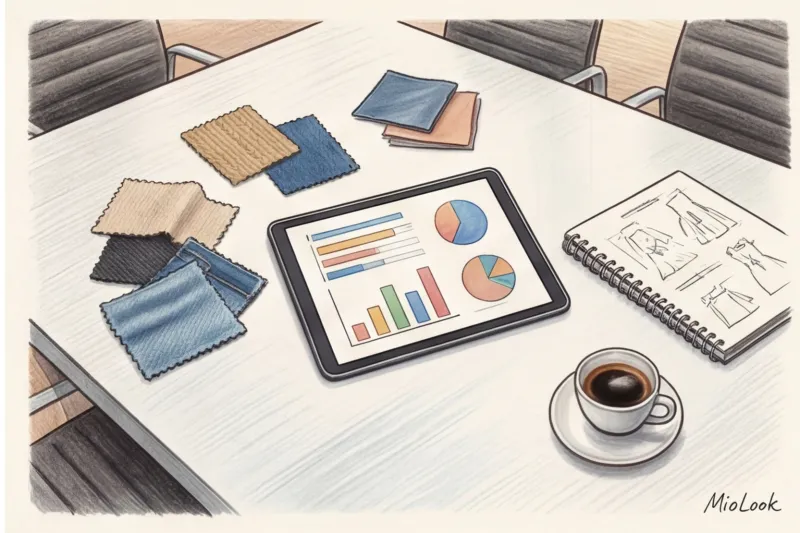
- In-browser operation (no third-party applications). The widget should open directly on the product page in a couple of clicks. A trip to a third-party site equals a lost lead.
- Minimum steps (three-click rule). Ideally, the system should only ask for basic parameters: height, weight, age, and (very important!) the brand and size the customer usually wears and that fits them well. The algorithm will automatically match patterns from, say, Uniqlo to your product.
- Access to the analytical dashboard. You need to be able to see not just the fact of a return, but the underlying pattern errors. If 80% of clients return a skirt because it's too tight in the hips, the problem isn't with the clients, but with your pattern designer.
- Seamless integration. The solution should be easily integrated into popular CMS platforms (Shopify, 1C-Bitrix, Magento) without rewriting half the site's code.
The Future of Fashion E-Commerce: Predictive Selection and the Digital Wardrobe
We're on the cusp of a global shift. The fashion industry is moving away from the concept of one-time, emotional purchases to long-term wardrobe management. And precise sizing is just the foundation.
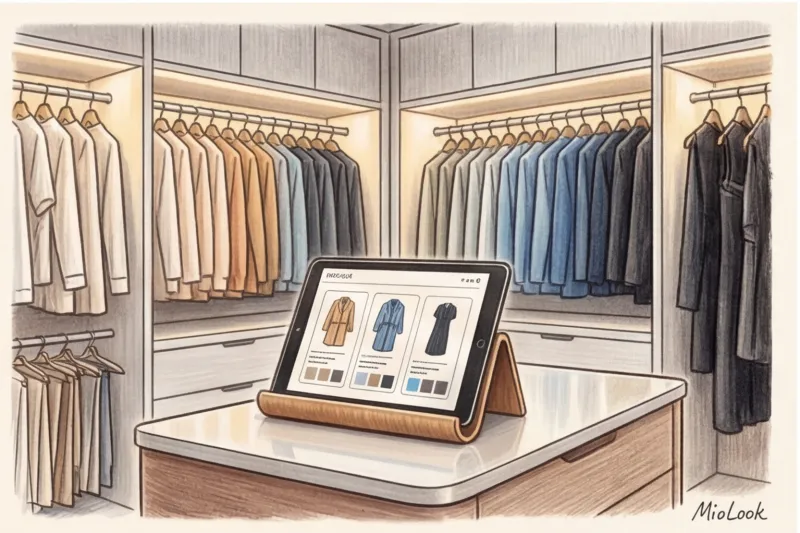
Once the size issue is resolved, personal AI stylists come into play. Imagine: you go to an online store, and the system not only shows you clothes in your size, but also puts together ready-made capsule collections based on the items already in your closet. This is the philosophy of a smart wardrobe that we're developing in MioLook , where the algorithm helps not only find a thing, but also integrate it into your personal style.
In 2025, selling clothes online without a smart sizing widget will be as strange and ineffective as selling them without photos today. It's time for businesses to understand: digital customer experience is the best investment in loyalty, one that pays off with the first unreturned box.