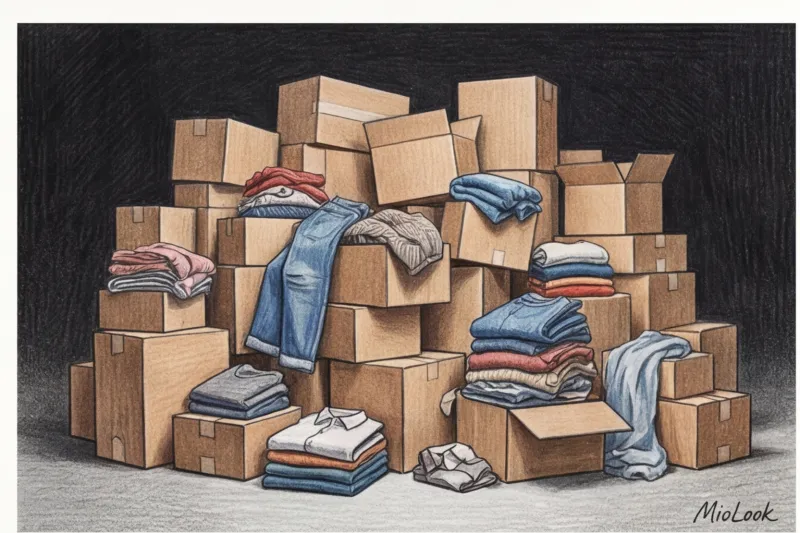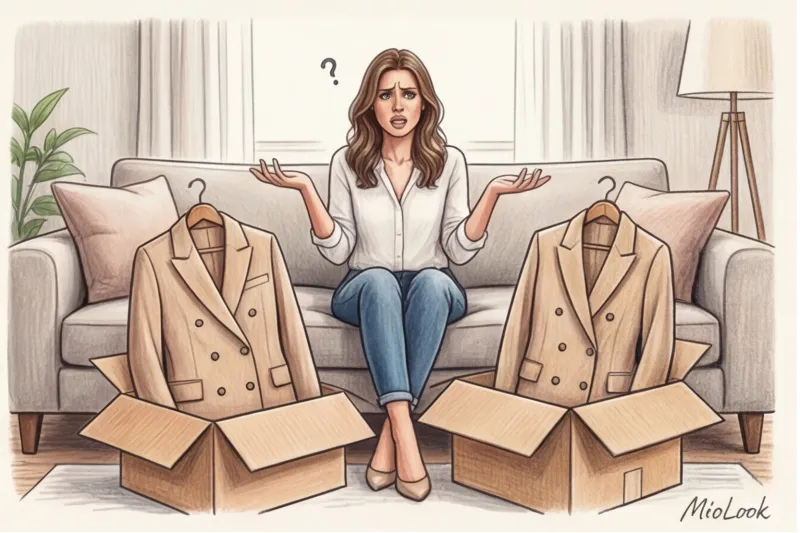
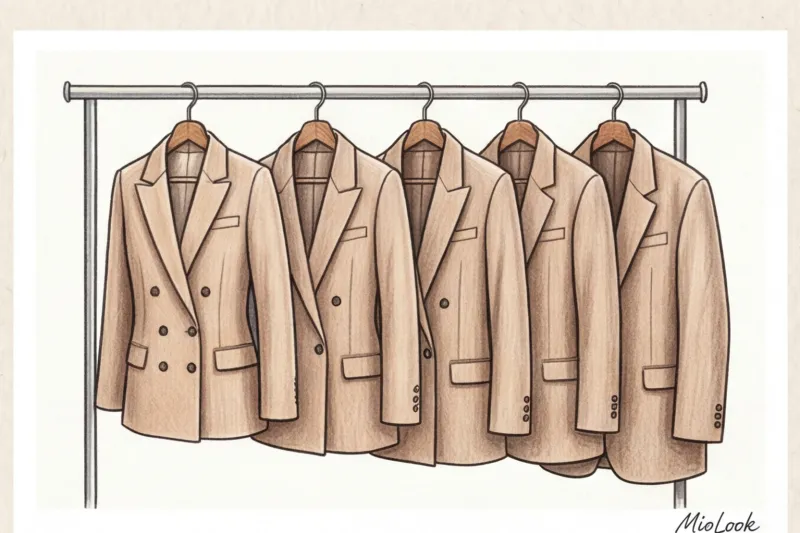
Picture this: a courier hands you a huge cardboard box. Inside are three identical beige jackets, but in sizes S, M, and L. Last week, my client Anna placed exactly this order. Why? "Isabella, I just have no idea how this thing will fit on my shoulders, and in the photos in the app, the model is half-turned," she explained. For Anna, this means lost money on her card until the return, and for the store, a net loss.
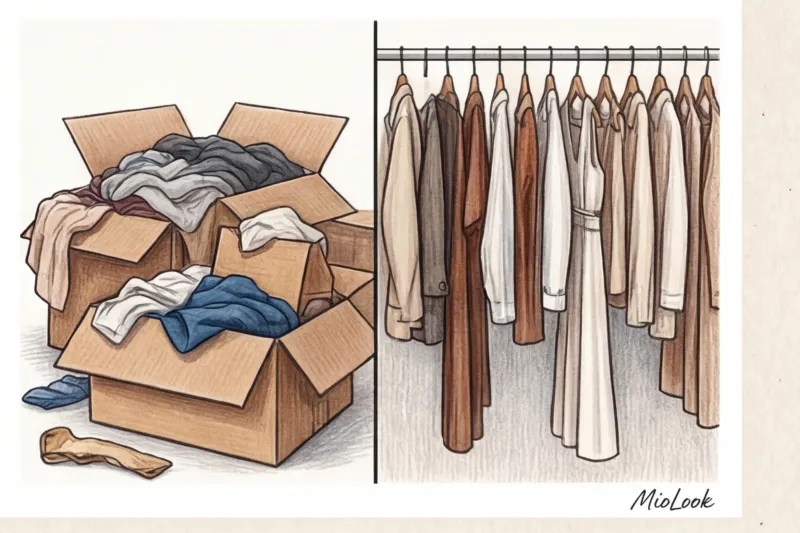
As a stylist, I see emotions on the other side of the screen. But for the fashion business, these emotions are converted into dry and frightening numbers. We discussed the technical side of this global problem in more detail in our a complete guide to virtual fitting rooms for the website Today I want to talk about mobile. High-quality virtual fitting room in the app — This isn't just a pretty 3D toy. It's the only way to bring a stylist's expertise and a mirror from the showroom directly to a customer's smartphone.
Why you need a virtual fitting room in a mobile app: salvation from the "financial hole" of returns
Mobile shopping is fundamentally different from shopping on a laptop. We buy in a taxi, over our morning coffee, in line. Decisions are made impulsively, the screen is small, and the fear of choosing the wrong size is enormous. When in doubt, customers either close the app or order too much.
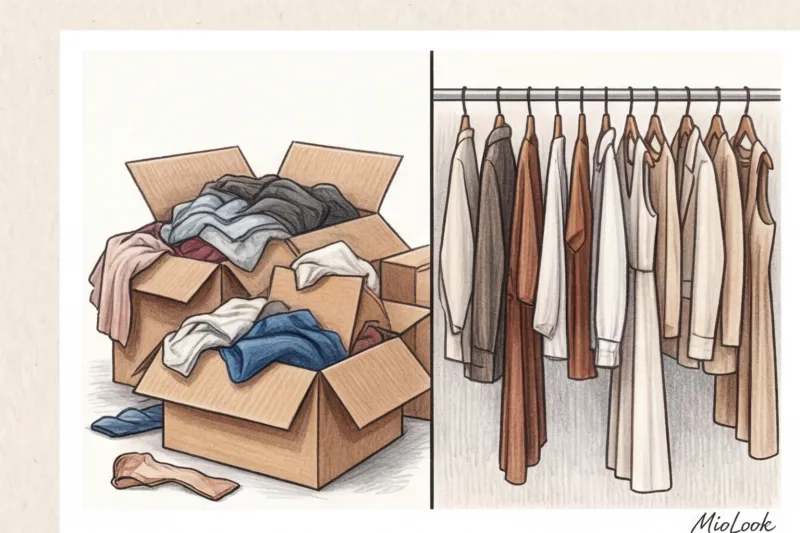
According to a global McKinsey study (2023), the return rate in fashion e-commerce reaches a catastrophic 30-50%. Moreover, processing one return (logistics, inspection, repackaging, dry cleaning) costs retailers an average of $10-20. If the item is inexpensive, it's literally cheaper for the store to keep it for the customer than to ship it back.
The implementation of AI tools transforms this experience. Instead of feeling disappointed in front of a mirror at a pickup point, a woman feels confident even before clicking the "Buy Apple Pay" button. In my experience, implementing a high-quality landing page preview has reduced brands' abandonment rates by 30-40%.
The Bracketing Phenomenon: Why Customers Overorder
What my client Anna did is called in retail language bracketing — purchasing an item in several related sizes (or colors) with the intention of returning the one that doesn't fit.
In mobile apps, this figure is off the charts. Why? On a smartphone, it's harder to open size charts, find a measuring tape, and compare your hip measurements with a specific brand's size chart. Virtual fitting algorithms eliminate this pain instantly, providing a clear answer: "Your size with this brand is M, and here's how it will look on your body."
Access to MioLook for €0.99 — one-time payment
A smart AI stylist will select the perfect look for your figure and goals.
Get access — €0.99 onceFrom AR to AI: How a Virtual Fitting Room Works in an App
Let's break down the mechanics without complex IT jargon. Imagine the algorithm as an experienced tailor who needs to take your measurements through your phone screen. Three approaches dominate the market today:
- AR (Augmented Reality): It works in real time using a smartphone camera. It's ideal for glasses, hats, and sneakers. However, AR still struggles with complex clothing—it looks like cardboard stickers.
- 3D modeling: Creating an exact digital twin of yourself. It's technically complex, takes a long time to load, and quickly drains your smartphone's battery.
- AI generation based on photos (2D to 2D / 2D to 3D): The gold standard for modern mobile. A neural network takes your photo, analyzes the proportions, and "fits" a digital replica of the dress, taking into account shadows and fabric physics.
For a mobile app, split seconds are critical. If the fitting takes longer than 3-5 seconds to load, the user will leave to look at the reels. That's why hybrid AI technologies are currently outperforming heavyweight 3D.
Integration Features: A Checklist for Fashion Businesses
A few years ago, I consulted for a promising mid-range brand. They invested a huge budget in custom development of a "smart size calculator." Do you know why it failed within the first month? Upon entering the fitting room, users were asked 15 questions: waist circumference, shoulder width, height, weight, body type, preferred style... No one wanted to fill out a questionnaire on their smartphone.
The main rule of integration is minimal friction. Ask only for height, weight, and age; the AI will fill in the rest. When choosing between ready-made SaaS solutions and development from scratch, 90% of brands find it more cost-effective to choose API-based SaaS—technologies become obsolete faster than you can write your code.
Digitalization of fabrics is a major challenge for retailers
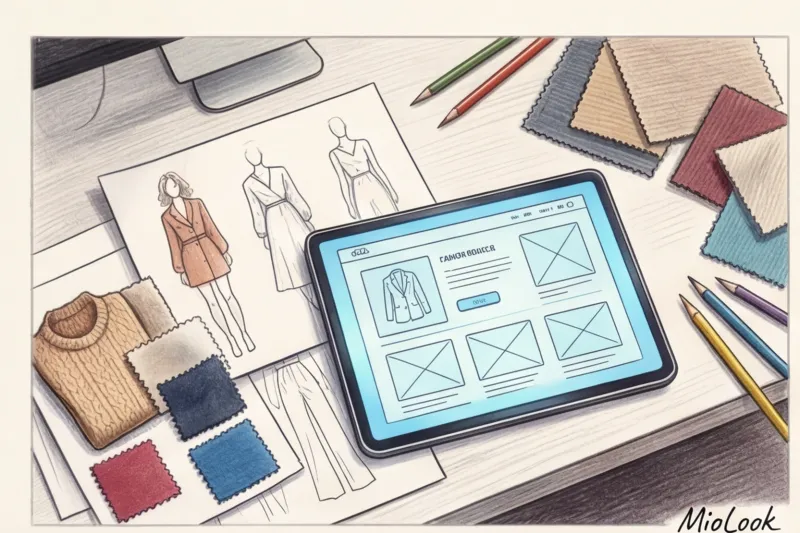
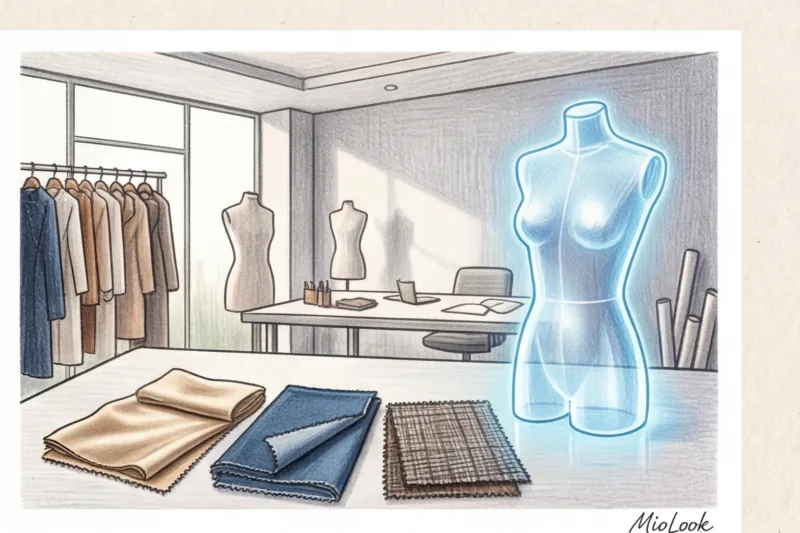
A standard catalog photo on a white background isn't enough. The magic (and the main challenge) lies in conveying the physical properties of materials.

Rigid 14-ounce denim holds its shape, creates architectural creases, and visually widens the silhouette. Flowing silk, on the other hand, clings to curves. If your virtual fitting room stretches the texture of a denim jacket like it does a silk blouse, you'll get angry reviews instead of increased sales.
User interface (UI/UX) in mobile
The "Try It On" button should be located next to the "Add to Cart" button. No redirects to external browsers. It's crucial to implement text prompts: the algorithm shouldn't just show an image, but also say: "It's a tight fit in the shoulders, so we recommend going up a size if you plan to wear it with a sweater.".
The biggest mistake brands make is ignoring fit intent.
Herein lies my favorite paradox, which developers rarely talk about. A perfect 3D avatar is useless if the algorithm doesn't understand the designer's intent.
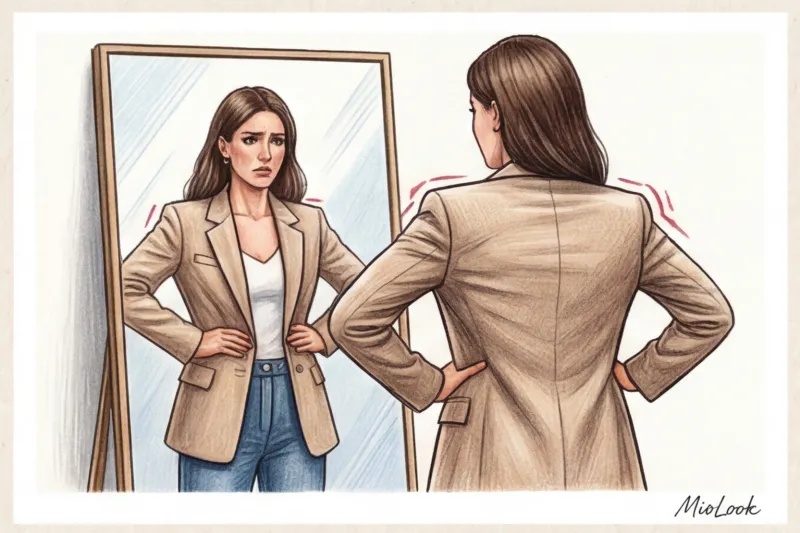
Imagine: a size 42 (S) woman chooses an oversized jacket cut in a boyfriend fit. A poorly trained algorithm would say, "This is too big, go with an XS." The customer buys the XS, the jacket fits tightly, the proportions are ruined, and all the charm of the relaxed style is lost. Return.
A good AI fitting room should know the concept Fit Intent (designer fit) The program should say: "This is a size S. It will fit you loosely, just as the designer intended."
Your perfect look starts here
Join thousands of users who look flawless every day with MioLook. Find out how clothes will look on you.
Get access — €0.99 onceIntegration Economics: Will the Investment Pay Off?
The average subscription price for a B2B SaaS fitting solution ranges from $500 to $3,000 per month, depending on traffic volume. Sounds expensive? Let's do the math.

Shopify platform data shows that conversion rates for product cards with AR/VR interaction capabilities increase by up to 94%. But the real ROI lies elsewhere: reducing returns by at least 20% pays for any license within the first quarter.
Moreover, a confident customer buys more. Seeing how things go together makes them more likely to add not only pants but also a belt, shirt, and bag to their cart. You're not just selling things, you're selling ready-made capsule.
MioLook Ecosystem: A Virtual Fitting Room as a Personal Stylist
The future of fashion retail isn't just about trying on a single item in a vacuum. The real breakthrough comes when a store's catalog connects with a customer's digital wardrobe.
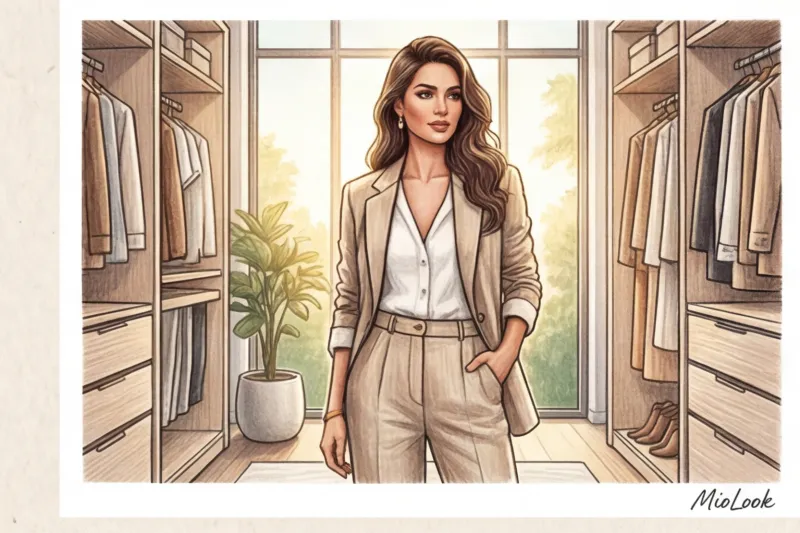
Imagine: you choose clothes for online performances You find a great blazer in the store app. How do you know what to wear it with? By integrating MioLook capabilities A virtual fitting room can analyze your existing items (basic white T-shirts, classic trousers) and show you how a new purchase will fit into your current looks. This isn't just e-commerce anymore; it's personalized styling in your pocket.
Action Plan: 5 Steps to Launching a Virtual Fitting Room in an App
If you're a business owner or product manager, don't try to digitize your entire inventory in a week. Here's a step-by-step plan that will save you from blowing your budget:
- Returns audit: Identify the top 20 items most frequently returned because of "size/style not fitting." These typically include trousers with complex cuts, sheath dresses, and jackets. Start with these. (Important: technology won’t help if your factory patterns are inconsistent and size S is sewn differently each time).
- Selecting a technology: Ditch heavy 3D models in favor of 2D-to-3D neural networks that run fast even on mobile internet.
- Test digitization: Take high-quality photos of your flagship collection on an invisible mannequin with proper lighting to convey texture.
- A/B testing: Launch the feature for only 10-15% of your app's users and track the funnel: how many people opened the try-on, how many added to cart, and what the return rate was in this cohort.
- Scaling: Add onboarding (short instructions in the app) and implement the functionality throughout the entire catalog.

"A virtual fitting room on mobile is a tool for reducing anxiety. When a customer understands how the fabric will react dynamically on their hips, they stop buying out of fear and start buying out of pleasure."
A virtual fitting room in an app has long ceased to be a marketing gimmick for press releases. Today, it's a basic business hygiene tool, just like fast delivery or convenient payment. But remember: the perfect code won't work if you forget the laws of style, the physics of fabric, and how the designer intended the garment to fit. Treat technology as your best digital stylist, and your clients will respond with absolute loyalty.