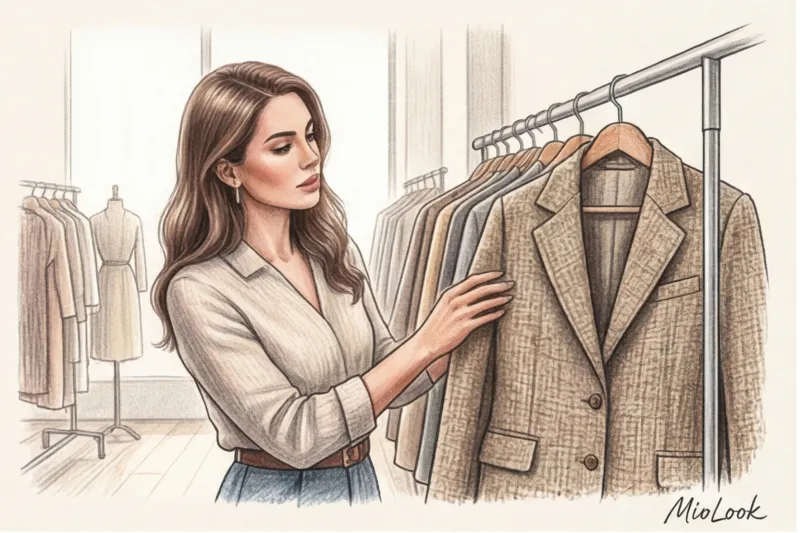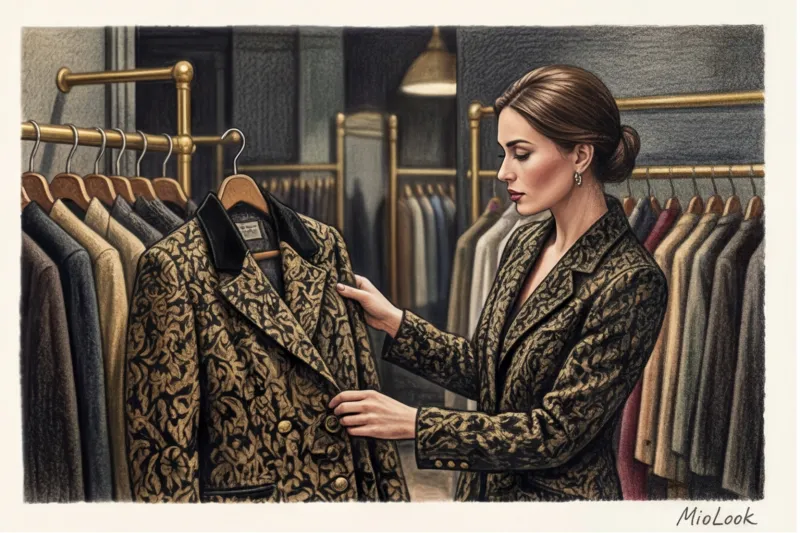
Last week, a client of mine, a top manager at a major IT corporation, proudly showed me a new tweed jacket from the latest collection of a well-known premium brand. The price tag was over two thousand euros. But when I ran my hand along the inside and gently tugged at the lapel, I was disappointed: the lining was stiff polyester and the seams were taped, ready to fray after the first dry cleaning. For comparison, I pulled out of my trunk an original Yves Saint Laurent jacket from the 1980s, bought in a Parisian archive for the same price. Heavy silk lining, hand-flashing lapels, perfect shoulder fit. The difference was colossal.
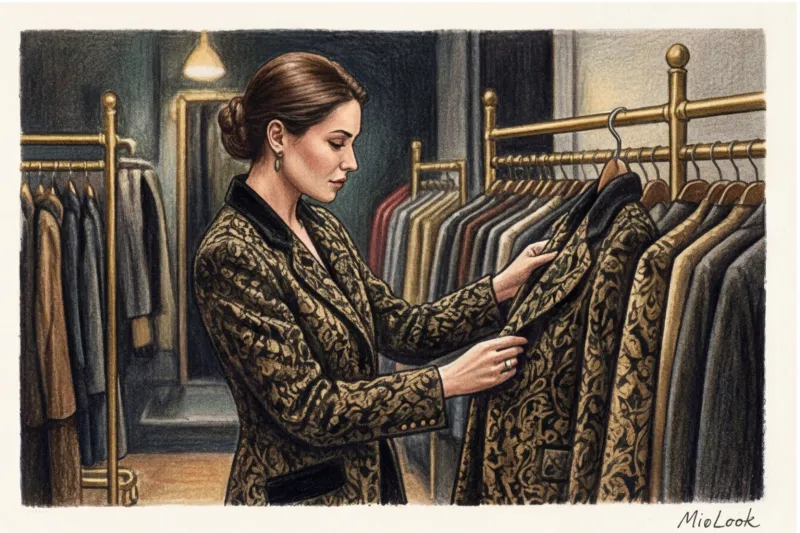
Having worked as a stylist for over ten years, I often notice that women are afraid to look at the secondary market simply because of the confusion in terminology. Many still don't fully understand What's the difference between vintage and second-hand? , and why modern retro-style pieces are often the worst investment in your wardrobe. Today, we'll explore these concepts not as mere glossary terms, but through the lens of quality, cut architecture, and financial literacy.
By the way, if you are just starting your journey to conscious consumption, we discussed the basic principles of resale in more detail in the full guide about How to shop thrift stores and find real gems Now let's delve into the investment side of the issue.
The difference between vintage and second-hand: the main investment criteria
Let's get this straight. Second-hand is a category of consumption. Vintage is a category of art and archival value. The difference between them is not only in age but also in the cultural significance of the item.
The term "second-hand" refers to any item that has already been owned. This could be a pair of Zara jeans bought a month ago and donated to a consignment store, or a sweater from last year's collection. The primary motive for purchasing these items is utility and savings.
Vintage officially begins at 20 years of age (items over 50 are considered antiques). But age isn't enough. True vintage is a time capsule. It's a piece that vividly and uncompromisingly reflects the style, spirit, and, most importantly, technologies of its era.
"High fashion in the past was created by textile engineers. Today, it is created by marketers."
Have you ever noticed how your mom's wool cardigan from the '90s still hasn't pilled, while your new mass-market sweater loses its shape after a month? It's all about fabric architecture. According to a 2023 study by the global non-profit Textile Exchange, the share of synthetic fibers in the mass market has increased by 60% since the end of the last century. The quality of raw materials is steadily declining. That's why the transition from mindlessly consuming used items to seeking out vintage is a smart step toward premium quality, which now costs an exorbitant amount.
Second-hand: A second life for utilitarian items
Don't be snobby about secondhand. In the premium resale segment, it's the perfect tool for building a base. Finding the perfect basic cashmere sweater from The Row, an impeccable Max Mara coat, or a classic white shirt from Jil Sander at 70% off the original price is a sign of financial acumen. Secondhand meets our everyday needs for high-quality, practical clothing without compromising the environment or our wallet.
Vintage: Historical Value and Era Codes
This is where the 20-year rule comes into play. You'll be surprised, but the famous Fendi baguette bag from 2005 is already a bona fide vintage piece, coveted by collectors. But a pair of excellent Levi's jeans from 2018 are still just secondhand.
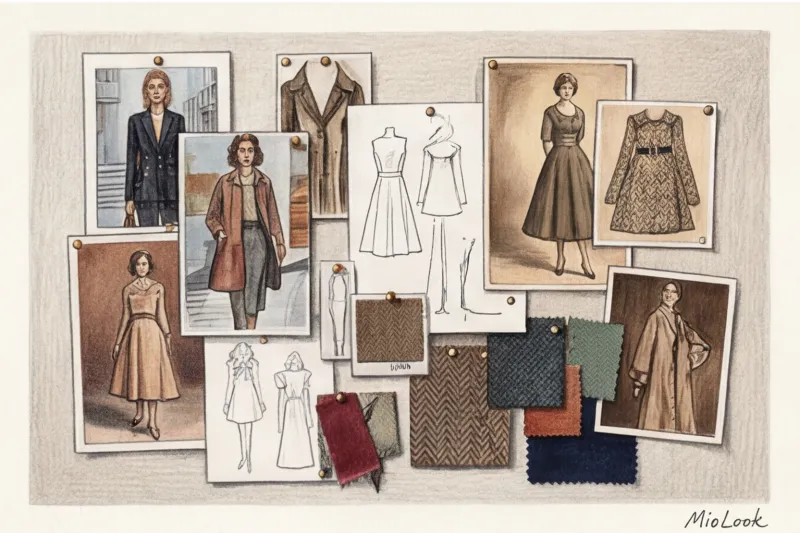
The difference between "just old clothes" and "vintage finds" lies in their symbolism. A label, specific hardware, and a recognizable silhouette (for example, the exaggerated shoulders of the '80s or the minimalism of the '90s) transform a piece of fabric into an investment piece.
Access to MioLook for €0.99 — one-time payment
A smart AI stylist will select the perfect look and help you seamlessly incorporate vintage finds into your modern wardrobe.
Get access — €0.99 onceRetro style: an illusion of the past or a marketing trap?
And now for my favorite paradox. Many brands are now releasing collections labeled "retro." These are modern pieces stylized to reflect the aesthetics of past decades. Polka dot dresses in the style of the '50s, New Look silhouettes, flared jeans in the style of the '70s, sewn literally yesterday.
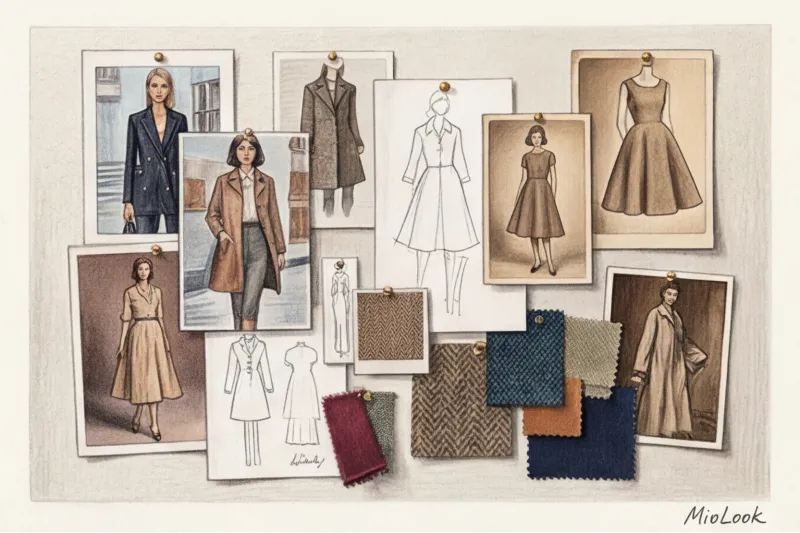
I argue: retro items are often your worst investment. Why? Because you're buying a design from the past, but getting quality from a cheap present.
For example, consider a modern fast-fashion dress with a '60s feel, and an original vintage dress from the same period. The modern brand will imitate the shape using thin polyester, bonded interfacing (which makes the fabric feel like cardboard), and cheap plastic buttons. The original, however, will offer thick viscose or heavy cotton, a stitched hem, and horn or glass buttons. Imitating a style without maintaining technological standards looks flat and cheapens the look.
When is buying a retro item justified? Let's be honest, there are exceptions. Vintage lingerie, swimwear, and everyday shoes are categories where modern hygiene and orthopedic standards trump history. Shoe lasts from the past are often too narrow for modern feet, and the insole materials dry out. Here, high-quality modern retro from a reputable brand always wins out over vintage.
Three major misconceptions about clothing with history
The stigma around second-hand goods is still strong, but it is based solely on myths.
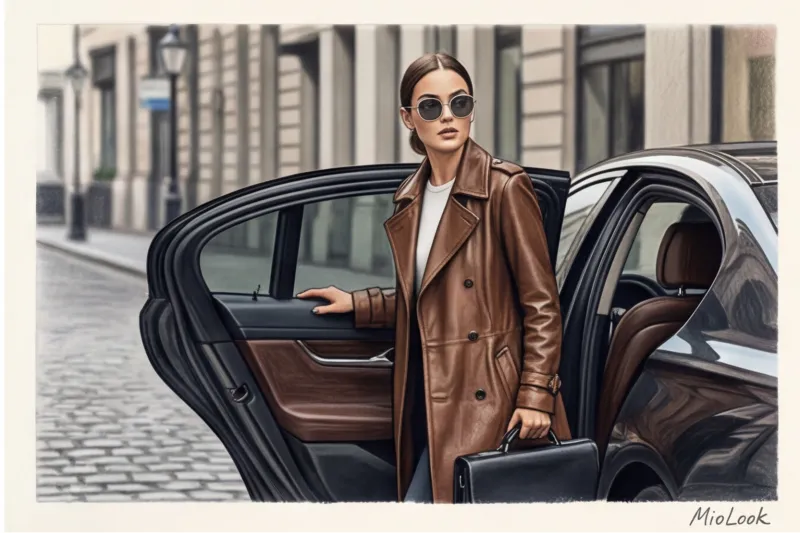
Myth 1: “Vintage and second-hand clothes are a way to escape poverty.”
Reality has long since changed. Hunting for old Celine archives from the Phoebe Philo era or '90s Chanel jackets is the preserve of the intellectual and financial elite. According to a 2024 report by the Vestiaire Collective platform, demand for vintage accessories among high-income millennials has grown by 140%. Buying vintage today means demonstrating taste, a keen eye, and an understanding of true value, not just walking into a boutique and buying what's hanging on a mannequin.
I had a telling case in my practice. We were choosing looks for a business photo shoot for a client, the managing partner of a law firm. Instead of buying a typical suit from TsUM, we found a stunning double-breasted Giorgio Armani blazer from the early 90s. It looked so monumental and prestigious in the photographs that half of our colleagues later wanted to know where she had ordered such a custom-made suit.
Myth 2: “Old things are unhygienic.”
Modern premium resale platforms and vintage boutiques don't hang items on bag rails. They perform deep eco-dry cleaning, ozone treatment (which kills 99% of bacteria and any odors), and restoration. An item from a good vintage store is cleaner than a mass-market blouse that's been tried on by 20 people at the mall.
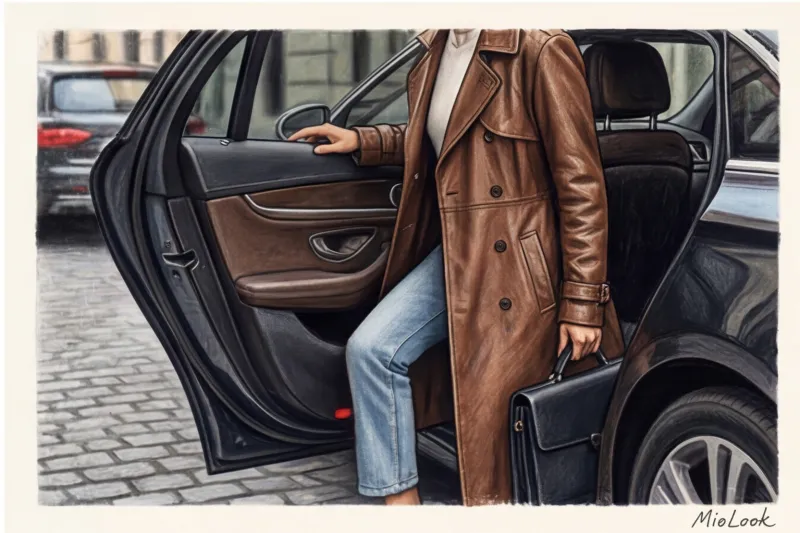
Myth 3: “Everything that’s lying on grandma’s attic is vintage.”
This is a painful misconception. Basic Soviet tights or a bland, mass-produced cotton shirt have no collectible value. Vintage is a dress from the Krasnaya Zarya factory with a complex cut reflecting the era, or a hand-stitched silk scarf. Value is determined by design, not simply age.
Your perfect look starts here
Join thousands of users who look flawless every day with MioLook. Digitize your vintage finds and combine them in one click.
Get access — €0.99 onceHow to Identify True Vintage: A Stylist-Appraiser's Checklist
How do I know if I'm looking at the right item when I walk into a vintage boutique in Milan or Paris? I have a strict inspection protocol.
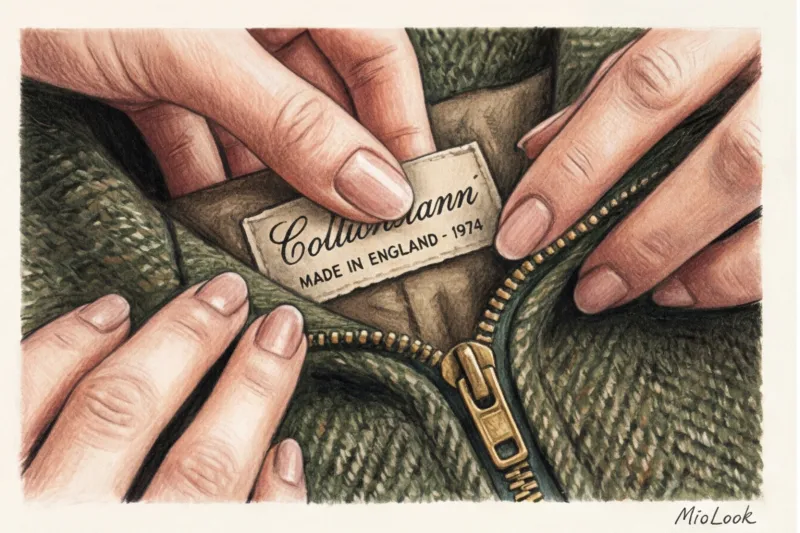
- Studying tags: If the tag has a website address (www...), the item is from the 2000s. Detailed machine-wash symbols only became widespread in the 1970s. Look for Union tags on American-made items—they're a guarantee that the item was made before production moved to Asia.
- Fittings: This is the product's data sheet. Metal Talon zippers or older YKK models are a great sign. If an expensive-looking silk dress has blatantly plastic buttons where mother-of-pearl, metal, or bone should be, that's cause for concern (perhaps the original has been lost, or it's a clever modern counterfeit).
- Back quality: Turn the garment inside out. True premium vintage is as beautiful on the inside as it is on the outside. It features a closed French seam, a hand-stitched hem, and a heavy, natural cupro lining (a breathable, silk-like material).
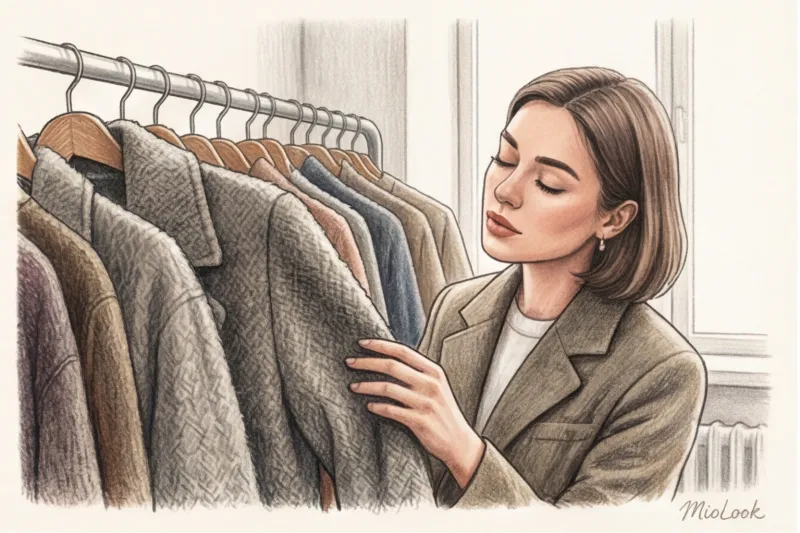
- Tactile test: Close your eyes and touch the fabric. High-quality vintage silk flows but has a pleasant heft; it doesn't clutter or "squeak" in your hands like modern polyester and elastane. The density of cotton from yesteryear (180 g/m² and up) makes modern T-shirts feel like gauze.
But be careful: This won't work if the item shows signs of wear and tear. Never buy vintage knitwear that has lost its shape (it won't recover), items with dried-out elastic, dry rot (when the fabric tears with the slightest tension), or items with a persistent mothball smell that has penetrated the fiber structure.
What to Invest in? Categories of Things with the Highest Return on Investment
If you're looking to invest in more than just a beautiful piece, consider the classification criteria of auction houses like Sotheby's or Christie's.
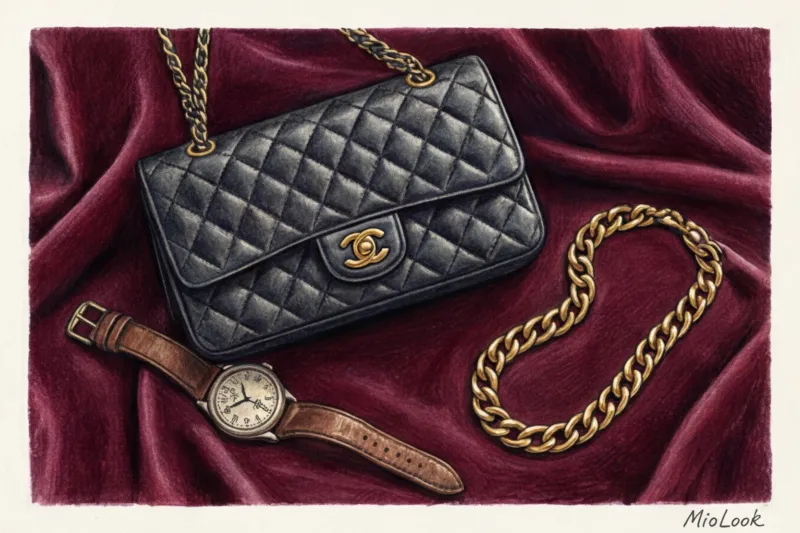
Status accessories: Leather bags (Hermes, early Gucci with bamboo handles, classic Chanel) and Swiss mechanical watches from the 1970s-1990s (for example, vintage Cartier Tanks) are the absolute leaders. According to statistics from research agencies, the price of authentic luxury vintage watches in perfect condition increases by an average of 12-15% annually. The quality of Italian leather from that era is unmatched by modern mass-market brands.
Structured Tailoring: Look for wool jackets, heavy gabardine trench coats, and men's blazers with wide shoulders from the '80s and '90s. They hold their shape perfectly thanks to the correct horsehair binding, not the fusible interlining.
Natural silk and cashmere: Blouses with 70s-style bows, scarves with hand-rolled edges. Modern, high-quality cashmere costs a fortune, while vintage Scottish or Italian sweaters have a tight knit that's virtually pilling-free.
Ready to get started?
Try the MioLook plan for free—no commitments required. Create your own virtual capsule wardrobe and see how a vintage jacket pairs with your favorite jeans.
Get access — €0.99 onceIntegration into a modern wardrobe: the 80/20 rule
The biggest mistake beginners make is buying several chic vintage pieces and wearing them all at once. You're guaranteed to look like an actress at a costume party who escaped from the set of a period film.

My formula for the perfect look, which I apply to all my clients, is extremely simple: 80/20 rule The look should be 80% modern, strict, and relevant, with only 20% vintage accents.
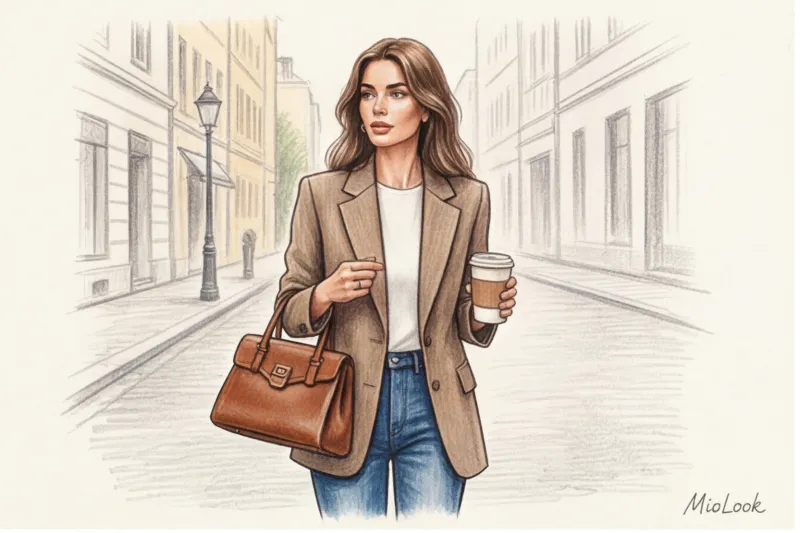
What does this look like in practice? Imagine a Friday office dress code or a smart-casual meeting. You wear modern, high-waisted straight-leg jeans, a crisp, white, heavy cotton T-shirt, and trendy square- or pointy-toe shoes. And on top of all this, a vintage Yves Saint Laurent jacket with gold buttons. Or you pick up a vintage Kelly bag from an obscure but high-quality Italian brand from the 1970s.
A modern base acts as a canvas that "calms" the complex cut or vibrant print of a historical piece, making the look not old-fashioned, but deep and intellectual.
Vintage isn't about nostalgia for a bygone era. It's about respecting yourself and your wardrobe. In an era when clothes are made for one season and fall apart after three washes, finding pieces with a history, crafted to now-lost quality standards, is your greatest asset. Stop paying for the marketing illusions of retro style and start investing in the architecture of real clothing.