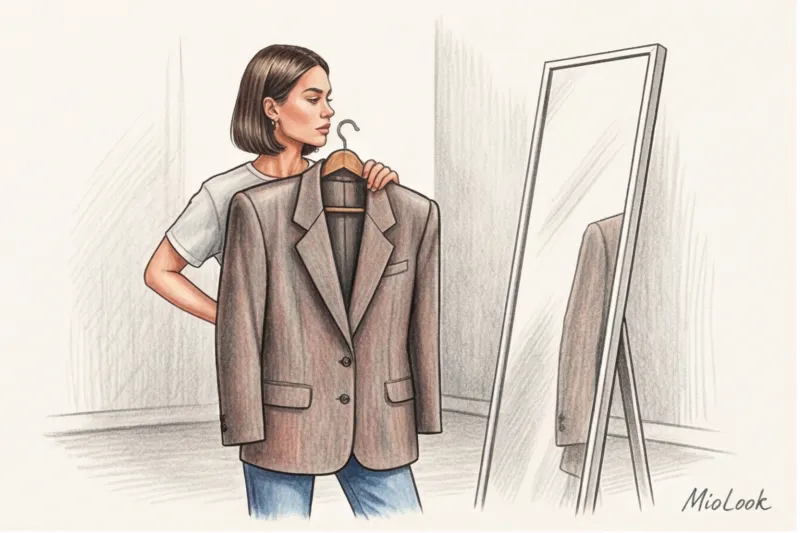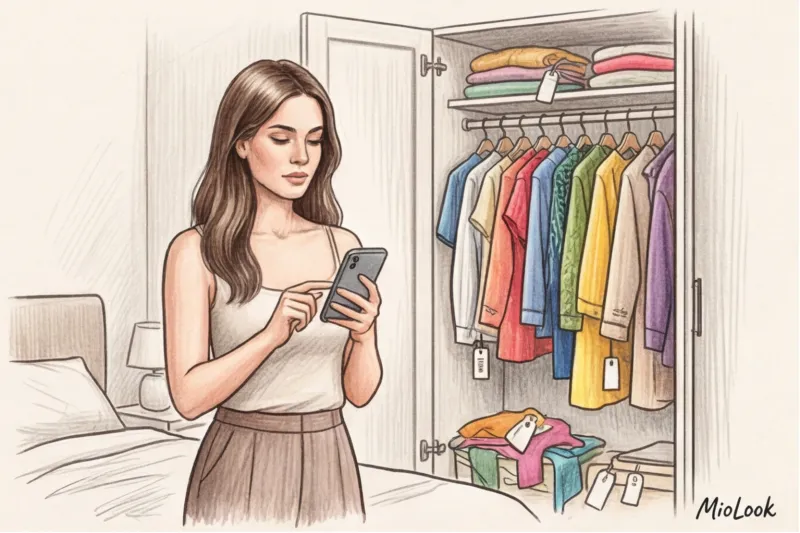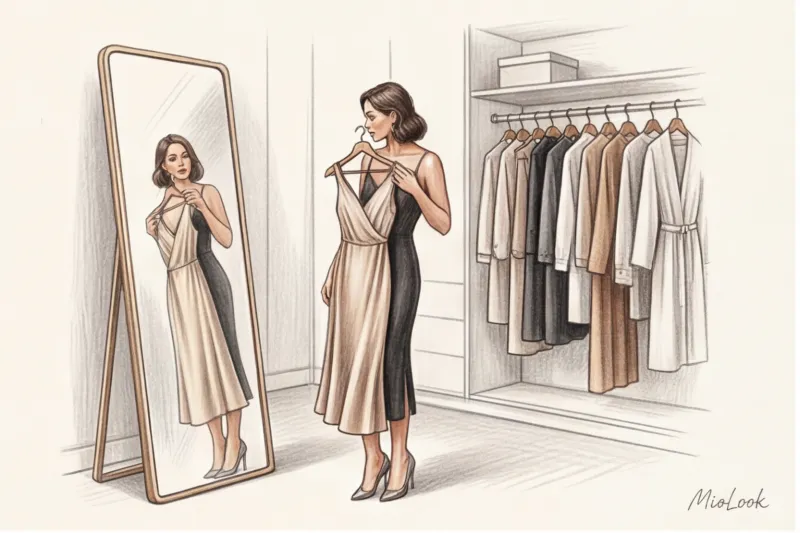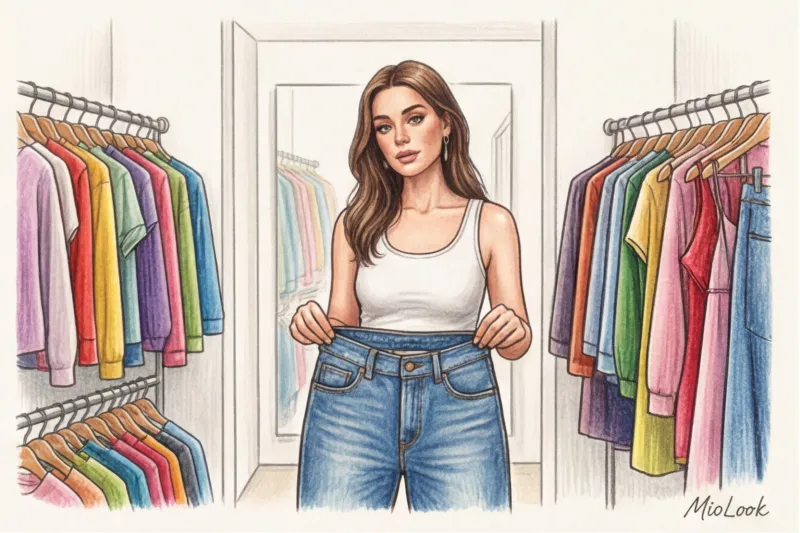
I vividly remember the moment my 35-year-old client looked at a pair of vintage Diesel jeans with an extremely low waist and whispered, "I thought we agreed to leave this nightmare behind in 2004." The panic is real. The 2000s aesthetic—with its crop tops, parachute pants, and micro-bags—has made a triumphant return to the runways and streets. But it's one thing to look at Bella Hadid, and quite another to integrate these complex, sometimes unflattering silhouettes into your adult wardrobe.
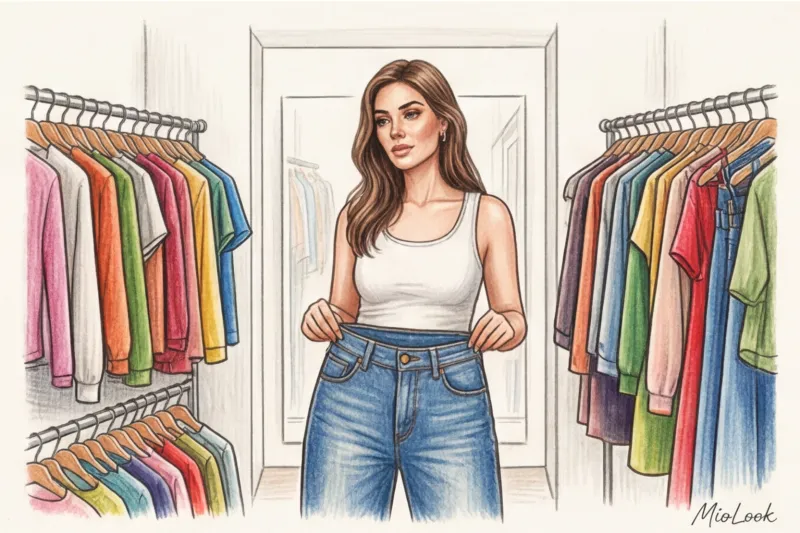
If you want to embrace this trend without buying mountains of dubious polyester, you need a safe testing ground. And that's where technology comes in. We've covered the origins of this phenomenon in more detail in our comprehensive guide. Y2K Style in Clothing: How to Wear 2000s Trends Today In this article, I'll show you how the ability to try on Y2K style online saves not only your nerves and wallet, but also the planet's ecology.
The millennium is back: why do we need a virtual fitting room?
According to fashion historian James Laver's famous law, it takes exactly 20 years for any trend to go from "ridiculous" to "cool again." We've crossed that threshold. According to Lyst data for 2024, searches for items inspired by the 2000s have grown by more than 140%. However, behind this boom lies a huge problem: blind buying.
Millennial-era garments possess incredibly complex geometry. Asymmetrical hems, halterneck tops, and dropped waistlines—all of this is impossible to adequately appreciate from a studio photo of a size 40 model. Over 12 years of working as a stylist, I've come up with a dismal statistic: 8 out of 10 of my clients return Y2K items ordered in a fit of nostalgia. They simply get the fit wrong.
According to a McKinsey report (2024), approximately 30% of clothes ordered online for experimental style are returned. And, most alarmingly, more than half of these returns end up in landfills, leaving a colossal carbon footprint.
Digital technologies are changing the rules of the game. When you decide to try on Y2K style online, you're using a neural network as an eco-friendly filter, weeding out inappropriate microtrends before the courier even knocks on your door.
Access to MioLook for €0.99 — one-time payment
A smart AI stylist will select the perfect look.
Get access — €0.99 onceTry on Y2K style online: How a neural network adapts the trend to your body shape
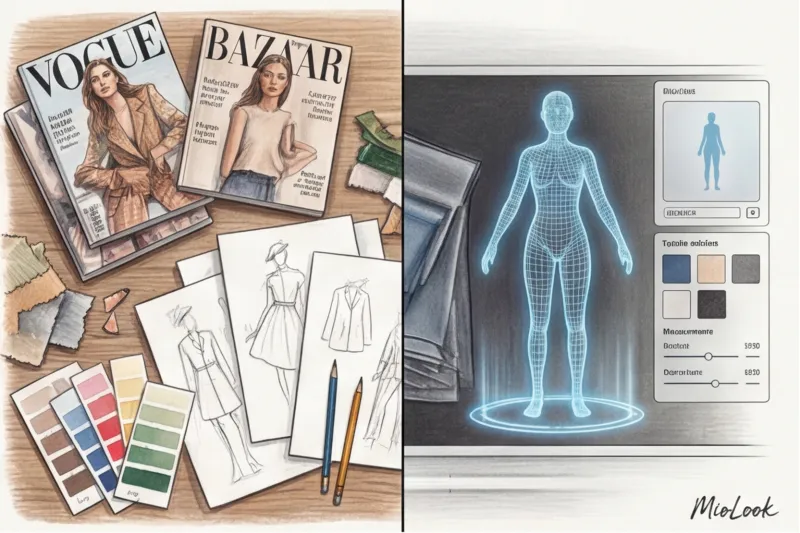
Modern AI fitting rooms have evolved far beyond the primitive process of overlaying a photo onto another. Algorithms analyze your body's vector points: shoulder width, hip height, and waist curve. This is critical to the aesthetics of the 2000s.
Recently, my client Anna (35, a top manager) and I were looking for a way to integrate fashionable cargo pants into her casual wardrobe. Anna was terrified of the extra bulk around her hips. Instead of ordering five pairs from different brands, we fed her photo into an AI generator. On the fifth iteration, the algorithm found the perfect formula: mid-rise cargo pants made of thick cotton with patch pockets positioned closer to the knee. The visual bulk was reduced, elongating the silhouette. After seeing this with her own eyes, she bought exactly one pair, which fit perfectly.
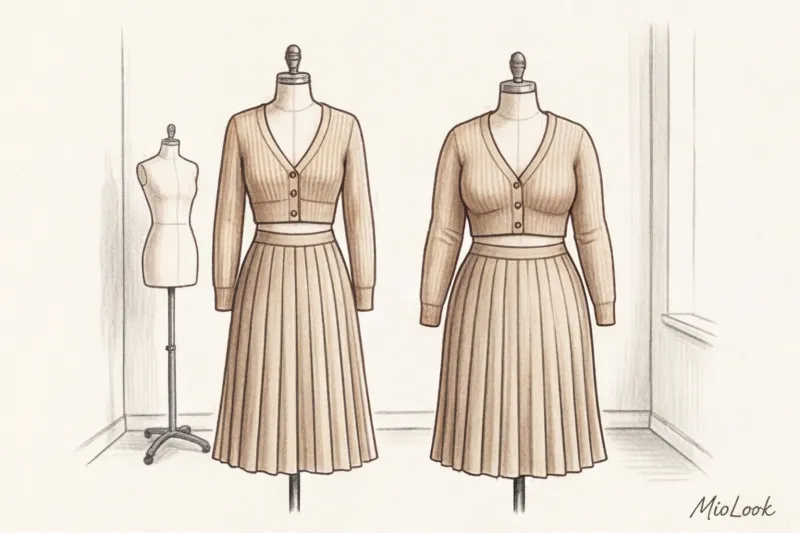
From low-rise to crop tops: working with complex silhouettes
The Y2K style has three danger zones:
- Open belly: cuts the silhouette in half.
- Thin, fitted knitwear: emphasizes the slightest nuances of the figure.
- Hyper-oversized at the bottom: makes walking difficult.
The neural network is great for visualizing the golden rule of styling—the "one-accent rule." Want to wear a crop top? The AI will show you how it would look not with a miniskirt, but with a strict, structured straight-cut jacket. A balance of exposed and covered skin is the key to looking trendy, not like you're going to a school dance.
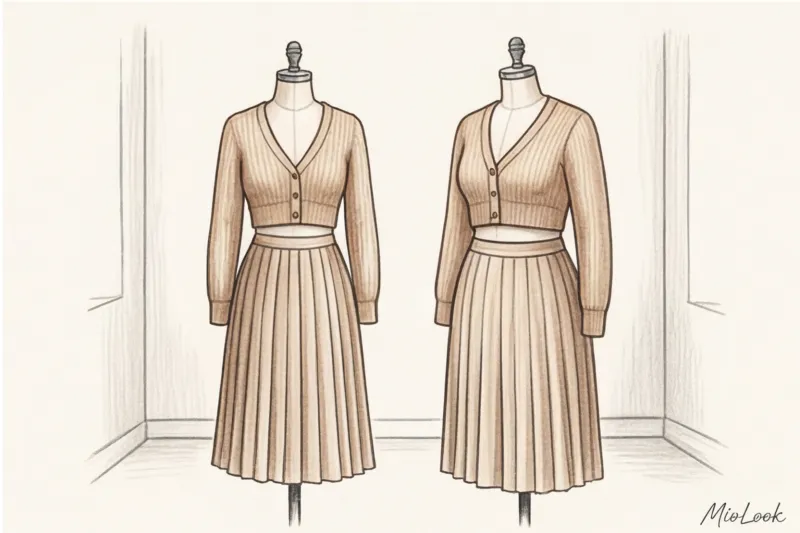
A Sustainable Approach to Nostalgia: Why AI-Based Try-On Is Saving the Planet
Let's be honest: the early 2000s was the era of the emergence of aggressive "fast fashion." Cheap acrylic, squeaky polyester, one-season T-shirts. Today's comeback of this style should not repeat the same environmental mistakes.
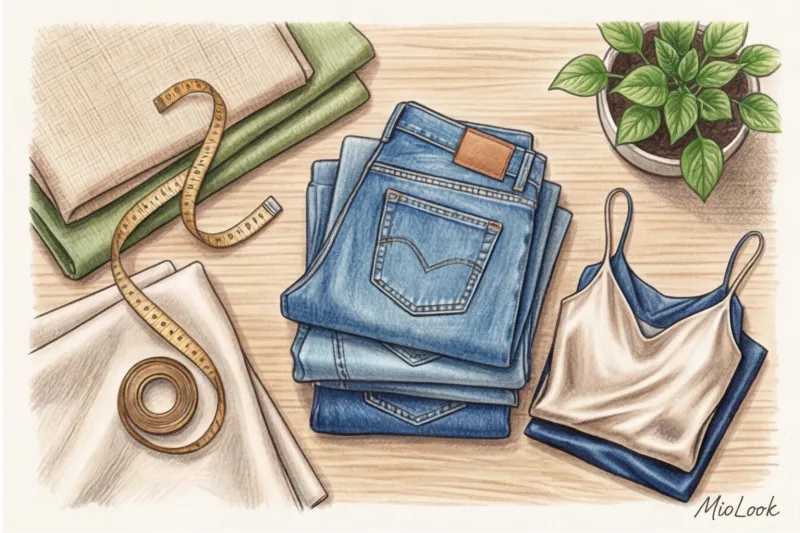
I always tell my clients: invest in texture, not logos. Modern Y2K demands high-quality materials. If it's a slip dress, look for natural silk (19-m/m) or high-quality viscose. If it's jeans, look for heavyweight denim (12-14 oz). Virtual fitting is the main barrier to conscious consumption here. You'll get bored with crazy acid colors and micro-skirts during the rendering stage, but you'll end up buying one truly high-quality item for your real closet.
Your perfect look starts here
Join thousands of users who look flawless every day with MioLook.
Get access — €0.99 onceTop 5 Iconic Things from the 2000s Worth Uploading to a Neural Network
According to the ThredUp Resale Report (2024), demand for millennial vintage is at an all-time high. If you're looking to experiment, here are the top five items to try virtually:
- Cargo pants / parachutes. AI will help you choose the right leg size so that they don't make you look shorter.
- Baguette bag. The neural network does a great job of showing how the size of an accessory relates to your height. A small bag might get lost next to a voluminous trench coat.
- Slip dress. Try creating a look where the dress is worn over a basic white 180g/m² T-shirt—a classic 2000s layering look.
- Bootcut jeans. Slightly flared jeans from the knee are a legit cheat code for visually lengthening your legs (especially when paired with shoes with chunky soles).
- Top-halter. Assessment of shoulder girdle geometry. Important limitation: This advice doesn't work if you have pronounced shoulder asymmetry—in this case, a halter will only emphasize the disproportion.
How to distinguish high-quality vintage Y2K from "tired" elastane
If after an AI try-on you decide to head to a vintage store for the original, be careful. As a textile expert, I often encounter the problem of elastane yarn degradation. The lifespan of elastane rarely exceeds 10-15 years.
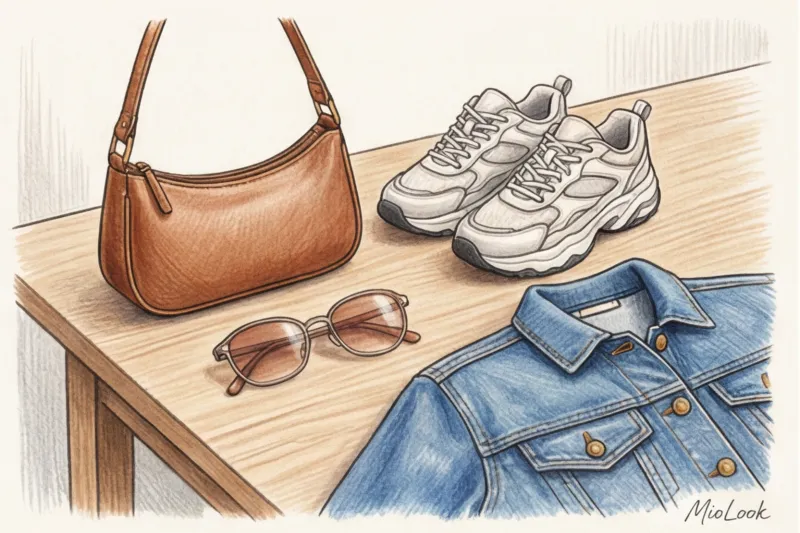
Vintage stretch jeans from 2005 are likely to rip at the seams the first time they're washed. Look for 100% heavyweight cotton (like old Levi's 501s or classic Diesel) or buy modern eco-denim to recreate the look the AI has created for you.
Debunking the Myth: Is Y2K Only for Teens?
There's a persistent stereotype that 2000s style is all about childishness, rhinestones, and pink plush. This is completely wrong. The modern, mature Y2K aesthetic is all about status and elegance. Just look at the latest Miu Miu shows: they proved that dropped waists and layering can be seen as "quiet luxury" with a touch of daring.
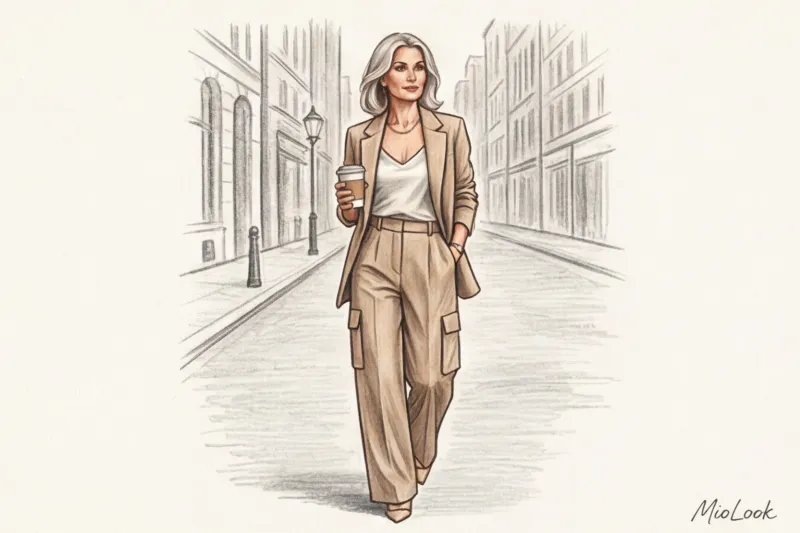
You can even integrate Y2K elements into your business wardrobe. Imagine a deep wine-colored silk halter top under a tailored, oversized suit from Massimo Dutti. Or a classic baguette bag paired with a beige trench coat. It looks fresh, but completely appropriate for a Friday dress code. smart wardrobe feature in the MioLook app , you can literally "dim" the volume of a trend by mixing it with your usual base.
Instructions: Create your perfect Y2K image in the app
To ensure your virtual fitting experience doesn't disappoint you in real life, follow this algorithm, tested on dozens of my clients:
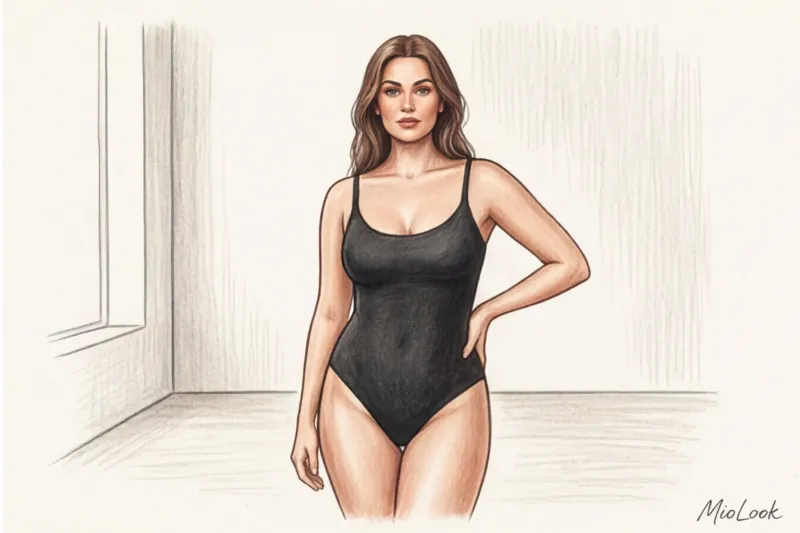
- Step 1: The right base photo. No bulky sweaters in the original. Wear a form-fitting bodysuit or sports top with leggings. The light should fall evenly, without deep shadows that distort the figure.
- Step 2: Adjusting the proportions. Be honest with the AI. Enter your actual height and body features. Our goal isn't to create a pretty picture for social media, but to provide a technical specification for future shopping.
- Step 3: Mix of eras. Never go for a total 2000s look (unless you're going to a themed party). Pair one Y2K statement piece (like an asymmetrical neckline top) with your modern staples, like straight-leg Zara jeans or classic loafers.
- Step 4: Cold analysis. Assess the result without emotional attachment to the brand. Don't look at the logo of the virtual item. Focus on how the cut interacts with your hip line.
Conclusion: A conscious step into the fashionable past
2000s style today isn't about blindly copying old glossy magazines. It's about incorporating a wry, subtle quotation into your modern look. We live in an amazing time when technology allows us to take only the best from the past, leaving fashion mistakes and disastrous environmental consequences behind.
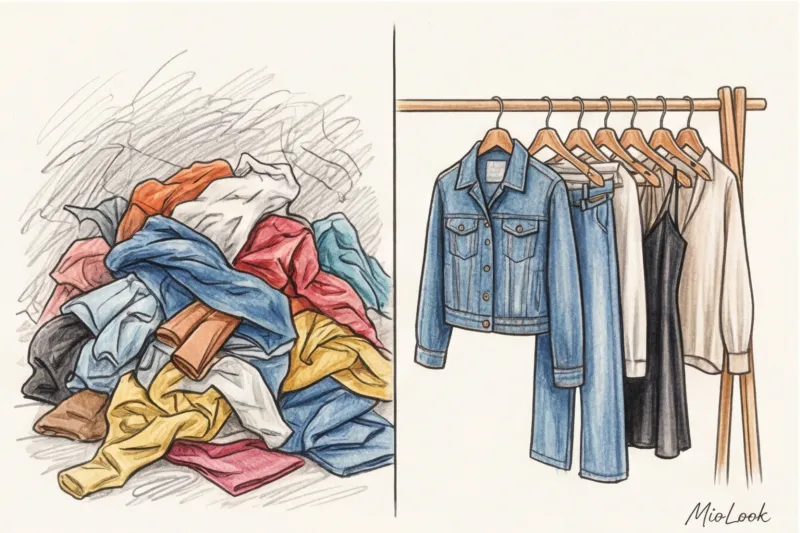
Why risk your budget and encourage textile overproduction? Upload a photo of yourself to your smart wardrobe, try on that low-rise style you've been dreaming about, and find your perfect proportions. Conscious fashion starts with the right experimentation.