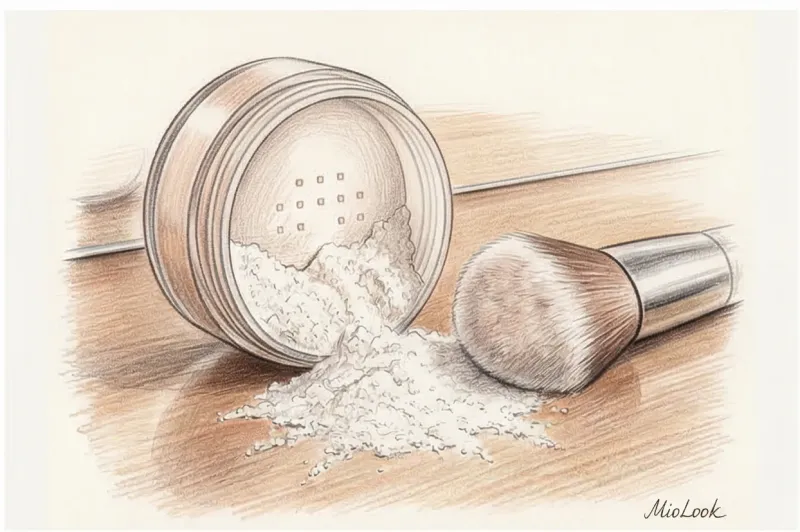
Translucent powder is a colorless cosmetic product designed to set makeup without altering your foundation shade. The formula relies on ultra-fine particles like silica or mica to create a smooth blurring effect. It is used daily and in professional photography to eliminate shine.
What Is Translucent Powder and What Does It Mean in Makeup?
In the cosmetic industry, the term translucent refers to a product that allows light to pass through it while scattering the rays. This optical property creates a soft-focus finish on the skin. When you look at translucent powder in its packaging, it usually appears stark white. However, once applied and blended correctly, it becomes entirely invisible, leaving no white cast or color payoff behind.
Unlike traditional tinted face powders, which provide additional coverage and can change the undertone of your foundation, a translucent formula focuses purely on texture and longevity. It does not oxidize throughout the day, meaning your carefully chosen foundation shade remains true from morning until night.
Originally, makeup artists relied on this invisible product for film and photo shoots. High-definition cameras and harsh studio lighting easily highlight any unwanted shine or uneven texture on the face. A quick dusting of colorless powder instantly removed the glare without adding heavy, cakey layers of pigment to the actor's skin.
The Main Purpose of Translucent Powder
Many people wonder what translucent powder actually does and why it deserves a step in a daily makeup routine. Its primary function is to lock liquid and cream products in place. Foundation, concealer, and cream blush tend to slide around, melt, or transfer onto clothes if left unset. A light layer of powder acts as a protective seal.
Beyond setting makeup, this product serves several other crucial purposes:
- Mattifying the skin: Ingredients like talc, silica, and cornstarch absorb excess sebum. This keeps oily and combination skin looking fresh and shine-free for hours.
- Blurring imperfections: The ultra-fine milling of the powder fills in microscopic texture. It visually minimizes the appearance of enlarged pores, fine lines, and minor blemishes, acting much like a real-life photo filter.
- Preventing creasing: Liquid concealers often settle into the fine lines under the eyes. Pressing a small amount of powder over the concealer sets it immediately, keeping the under-eye area smooth.
Main Types of Translucent Powder
Manufacturers formulate these powders in various formats to suit different skin types, lifestyles, and application techniques. Choosing the right type depends entirely on your daily needs and how you prefer to touch up your makeup.
| Format | Best For | Finish | Key Characteristics |
|---|---|---|---|
| Loose Powder | At-home application, baking technique | Matte or Satin | Ultra-fine milling, lightweight veil, requires a brush or sponge, messy for travel. |
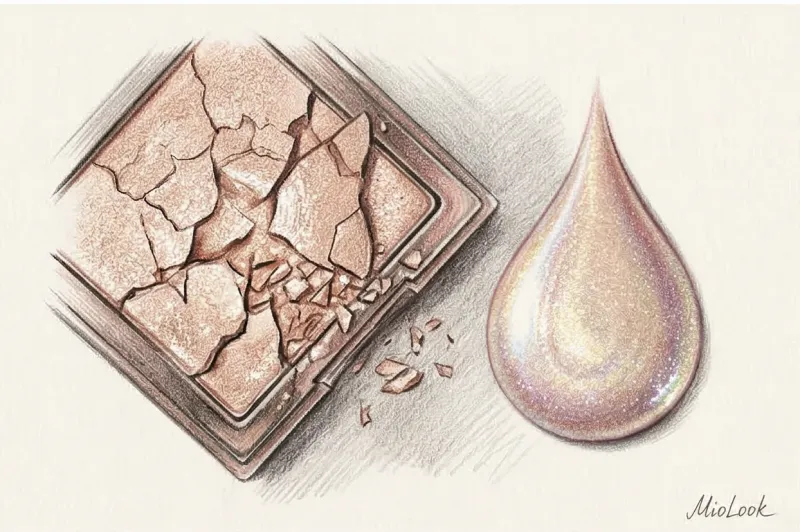
| Pressed (Compact) | Travel, quick touch-ups on the go | Matte | Solid form, includes a mirror and puff, controls shine instantly without spilling. |
| Mattifying | Oily and combination skin | Ultra-Matte | Contains high levels of absorbents like silica or clay to control heavy sebum production. |
| Luminous (Satin) | Dry and mature skin | Radiant | Infused with micro-pearls or mica to reflect light, prevents the skin from looking flat. |
How to Use Translucent Powder Correctly
Applying this product requires the right tools and a gentle touch. The most common tool is a large, fluffy brush made of soft natural or high-quality synthetic bristles. A brush picks up a minimal amount of product and disperses it evenly, creating a thin, breathable layer over the face.
To apply, dip the brush into the powder and tap off the excess on the back of your hand or the edge of the lid. Lightly press or roll the brush over your skin. Avoid dragging or swiping motions, as this will move the foundation underneath and create streaks. Focus primarily on the T-zone—the forehead, the bridge of the nose, and the chin—where oil production is usually the highest.
For a more concentrated application, especially under the eyes or around the nose, use a damp makeup sponge or a velour puff. Press the sponge into the loose powder and stamp it directly onto the skin. This pressing motion forces the powder into the cream products, ensuring maximum longevity.
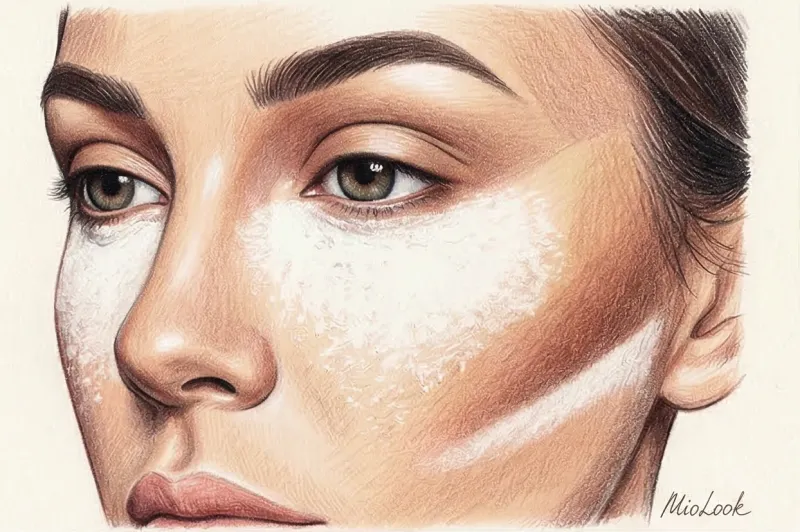
You can also use this product for the baking technique. This involves applying a thick, visible layer of loose powder over concealed areas and leaving it to sit for five to ten minutes. The heat from your face sets the base makeup firmly. Afterward, you simply sweep away the excess powder with a clean fluffy brush, leaving a flawless, brightened finish.
Common Mistakes to Avoid
While translucent powder is a versatile staple, incorrect application can ruin an otherwise perfect makeup look. The most notorious issue is the flashback effect. Powders heavily formulated with silica reflect light strongly. In natural daylight, the skin looks flawless. However, if someone takes a photo of you using a flash, bright white patches will appear under your eyes and on your forehead. To avoid this, use silica-based powders sparingly and blend them thoroughly, or opt for talc-based formulas if you know you will be photographed with a flash.
Another frequent mistake is over-powdering. Applying too much product, especially on dry skin, leads to a heavy, cakey appearance that accentuates wrinkles and dry patches. Always start with a tiny amount. You can always add more later, but removing excess powder without ruining the foundation is incredibly difficult.
Finally, never apply powder immediately over wet foundation. Give your liquid base a minute to settle and dry down slightly. If you apply powder while the foundation is still entirely wet, the powder will clump, creating uneven, patchy spots on your face.