What is a swatch?
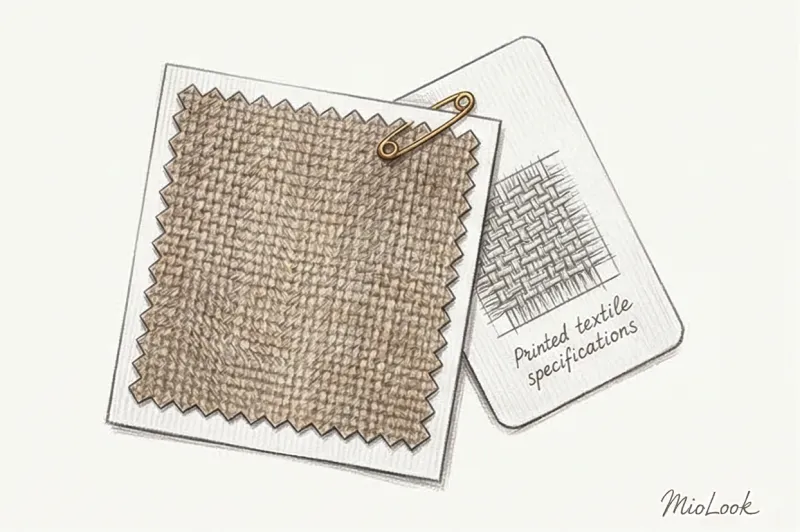
Swatch — is a small reference sample of fabric, leather, yarn or fittings, designed to evaluate the visual and tactile properties of the material.
In the fashion industry, this tool allows designers, tailors, and buyers to examine the texture, density, and color of textiles in person before purchasing a full roll or launching a production run. Working with physical samples eliminates errors associated with color distortion on computer screens.
The standard format is most often a square or rectangular piece measuring between 5x5 and 15x15 centimeters. Its edges are usually finished with special zigzag scissors to prevent fraying and maintain a neat appearance during transportation.
Main types
Textile factories and suppliers offer materials in several basic formats, each of which addresses specific needs when developing collections.
- Single samples (solids). Individual pieces of fabric attached to a cardboard tag (header). It contains technical information: article number, exact composition, roll width, and material weight per square meter.
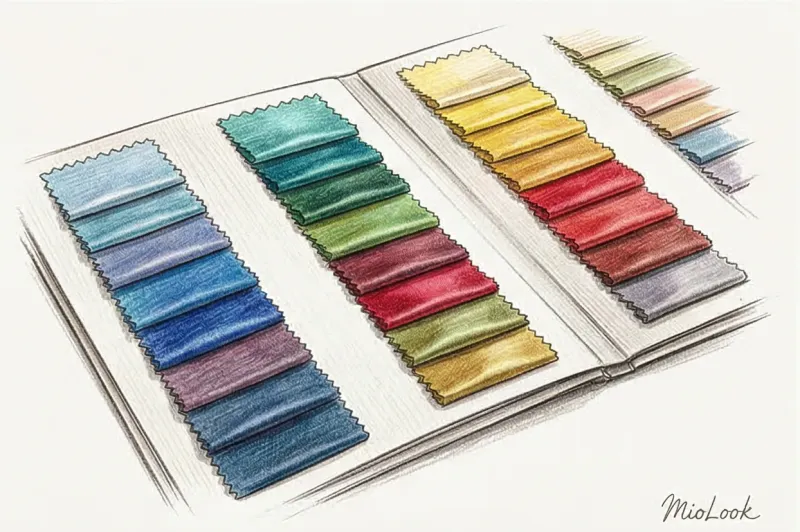
- Swatch cards (color cards or palettes). A sample catalog of a single fabric, presented in all available shades from a specific manufacturer. The samples are arranged in a book or fan-shaped format for easy, quick color selection.
- Hangers (samples on a hanger). Large pieces of fabric measuring 30x30 centimeters or more, thrown over a thick cardboard or plastic hanger.
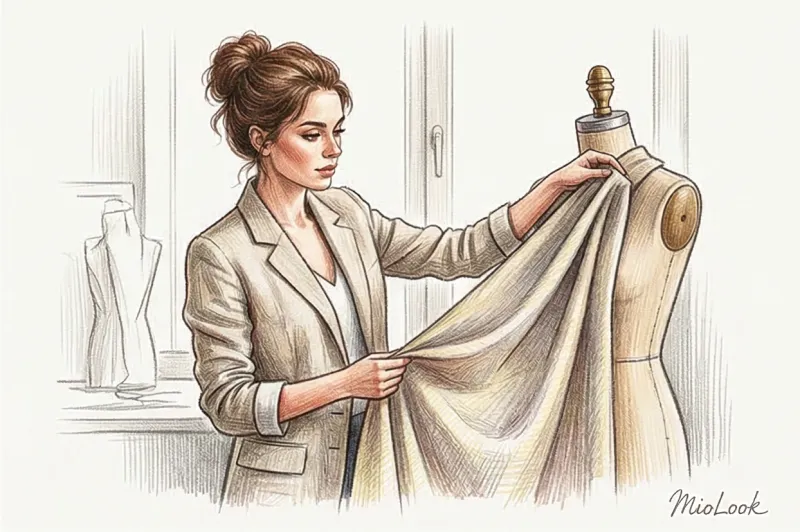
The hanger format allows a specialist to evaluate not only the color, but also the drape, plasticity, and weight of the fabric in a freely suspended state.
How to use
The first step in working with a sample is a visual and tactile assessment. The swatch should be viewed in natural daylight and artificial light to detect any color distortions (metamerism). To test the fabric for wrinkling, squeeze it firmly in your hand for several seconds.
The sample is then used for technical testing. A small sample is used to check the material's shrinkage after washing or heat treatment, dye fastness, reaction to high ironing temperatures, and pilling.
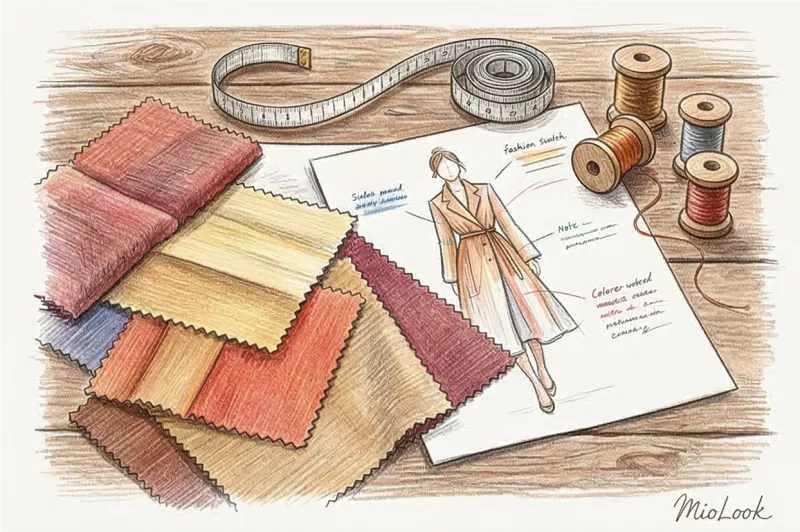
When designing collections, swatches of different materials are pinned onto mood boards. Designers lay them out next to each other to test the harmonious combination of textures (for example, thick tweed and smooth silk) and shades when creating a capsule wardrobe or a complex, layered look.