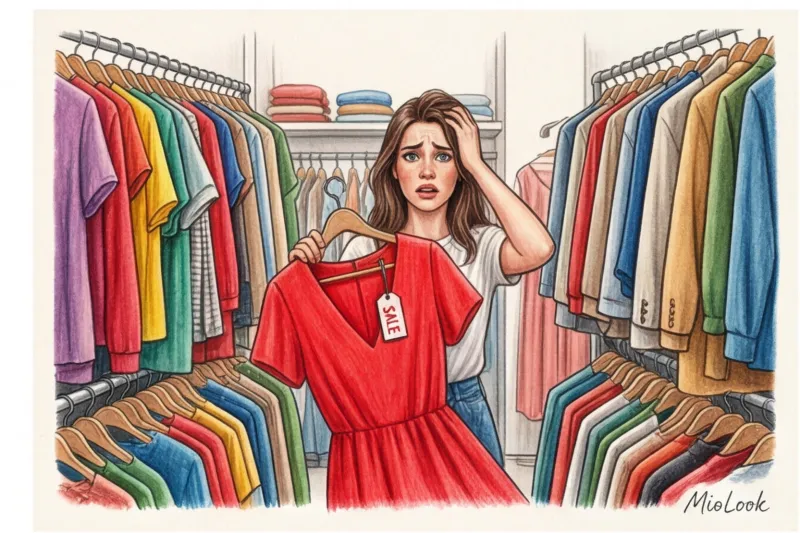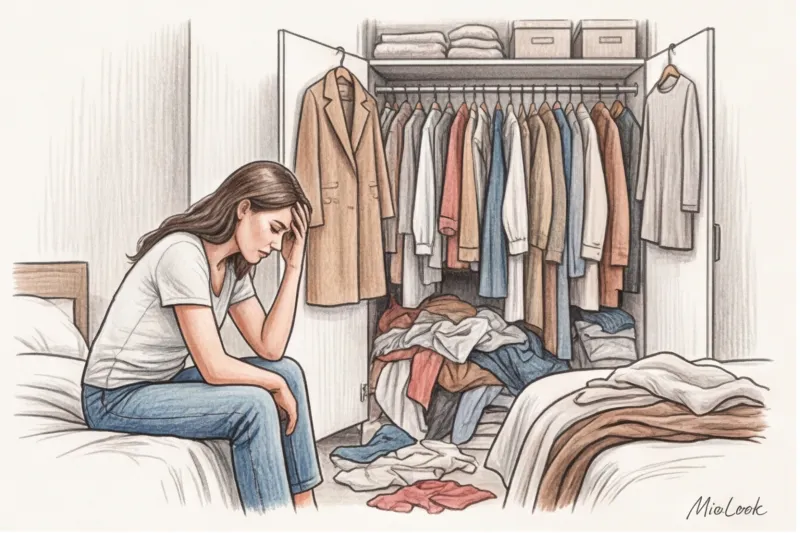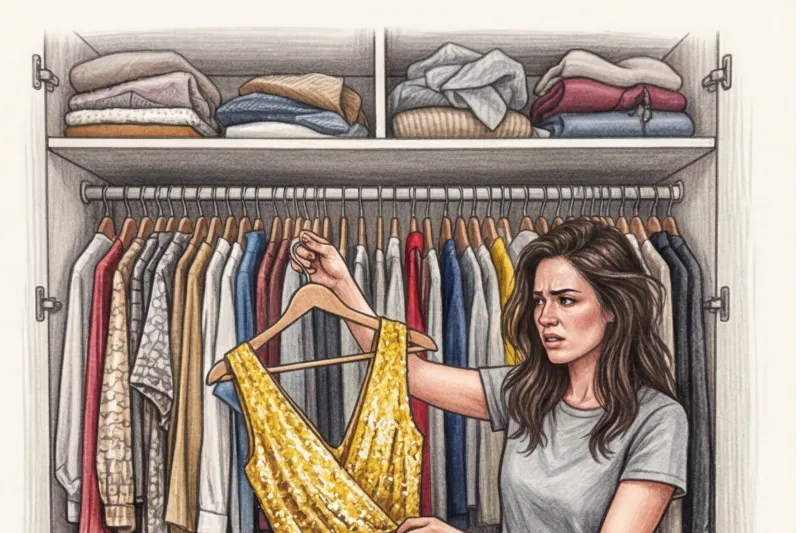
In 12 years of working as a personal stylist, I've learned one symptom by heart. New Year's Eve, summer wedding season, or an invitation to an important corporate event trigger the same scenario for my clients. Panic sets in. The closet is bursting with clothes, the hangers are tightly packed, but there's absolutely nothing to wear. Sound familiar?
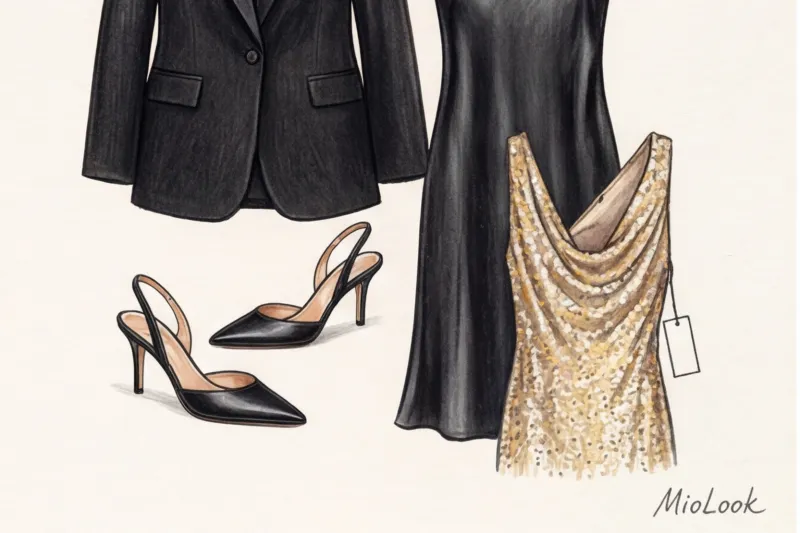
It's at moments like these that the brain throws up a "saving" idea: I need to urgently buy something incredible. Something completely different from myself. I constantly hear the same question from women: Isabella, How to stop buying one-time dresses and start collecting a wardrobe that works for me, and doesn’t collect dust?
We talked about the systems approach in more detail in our the complete guide to creating a fancy capsule , but today, let's get to the root cause of the problem. We'll discuss why sequins in mass-market stores are so enticing, and how professional buyers calculate the true cost of each purchase.
The Psychology of "One-Stop Shopping": Why We Buy Outfits We Don't Wear
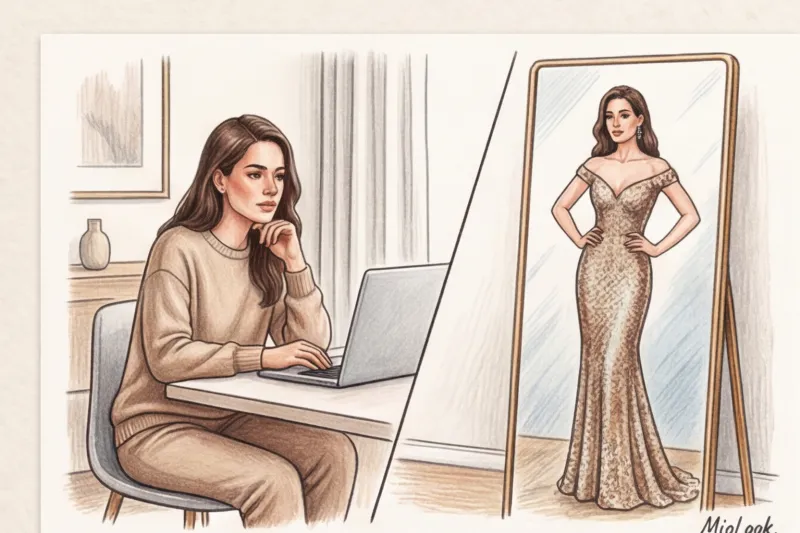
Let's be honest: when we buy an evening dress, we're often not buying clothes. We're buying a fantasy of who we'll be that particular evening. I call it the "Cinderella effect"—the illusion that a hyper-dressy, unconventional piece of clothing will completely change your life at the stroke of midnight.
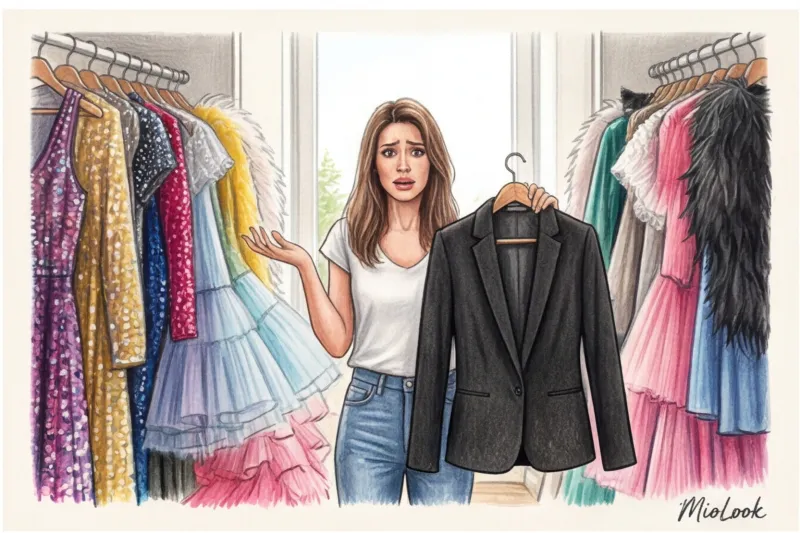
Last year, I audited my client Anna's wardrobe. In the far corner of her enormous walk-in closet, we found a treasure trove: eight polyester dresses, generously strewn with glass beads and sequins. Brands ranged from Zara to H&M. Anna had worn each one exactly once. Why? A fear of social media comes into play. "My colleagues have already seen me in it, and there's a photo from a previous corporate event on Instagram." “— she explained.
Herein lies my main stylistic paradox: buying a striking "accent" dress for a wedding or special occasion is the worst way to stand out. The brighter and more recognizable the print or embellishment, the less likely you are to wear it again in the same company without feeling awkward. Invest in "boring" but textured pieces with complex cuts.
When you choose a fireworks-themed outfit, you become hostage to a single photograph. And fast fashion manufacturers are just waiting for this, churning out tons of shiny plastic for each holiday season.
The Mathematics of Style: Why a Disposable Dress Costs More Than a Luxury Dress
Professional stylists and buyers don't think in terms of "expensive/cheap" at the checkout. We use metrics. Cost-Per-Wear (CPW) — the actual cost of one outfit. The formula is simple: divide the price of the item by the number of times you wear it (plus the cost of dry cleaning, if needed).
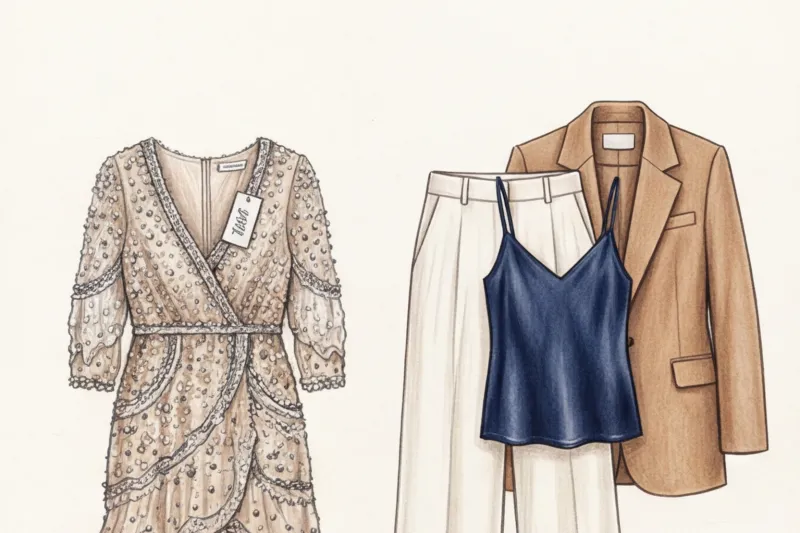
Let's calculate my client Anna's wardrobe. Eight spontaneous dresses cost her an average of €80 each. Total: €640 for eight outings (CPW = €80). Now imagine the perfect wide palazzo pants made of thick suit wool for €200. You'll wear them to a corporate event with a silk top, to the theater with a jacket, to an exhibition with a sweater, and 15 more times to the office. CPW is a paltry €13.
According to a 2023 report by the environmental organization Ellen MacArthur Foundation, the average number of wears per fast-fashion item has dropped to 7-10, while evening dresses are worn on average only 1.5 times during their life cycle. The illusion of savings in mass-market fashion comes at an astronomical cost to your wallet. You're paying not for high-quality patterns, but for a short-term hit of dopamine at the checkout.
Your perfect look starts here
Join thousands of users who look flawless every day with a smart AI stylist.
Get access — €0.99 onceHow to Stop Buying Dresses for One Time: 5 Rules for Mindful Shopping
To break the vicious cycle, you need a clear system of filters when shopping. I encourage my clients to apply these rules even before they step into the fitting room.
- The rule of three stylizations. Are you holding the item in your hands? Excellent. Now tell me three completely different looks with it right off the bat. What would you wear it with for a special occasion? What would you wear it with this weekend? And what would you wear it with to the office (if the dress code allows)? If there's no answer, the item goes back on the rack.
- Refusal of total accents. Avoid the "everything at once" combination: mini-length + sequins + plunging neckline + leopard print. Choose just one.
- The emphasis is on texture, not on fittings. Cheap rhinestones always reveal their price. But dense matte silk (19mm and up), heavy velvet, flowing viscose, or high-quality suiting wool look expensive in their own right.
- The rule of your comfort zone. If you wear jeans, trousers, and oversized hoodies 364 days a year, don't buy a bandage minidress for day 365. You'll spend the entire evening tugging at your hem and sucking in your stomach. Opt for an elegant tuxedo—you'll stay true to your style DNA, but up the dress factor.
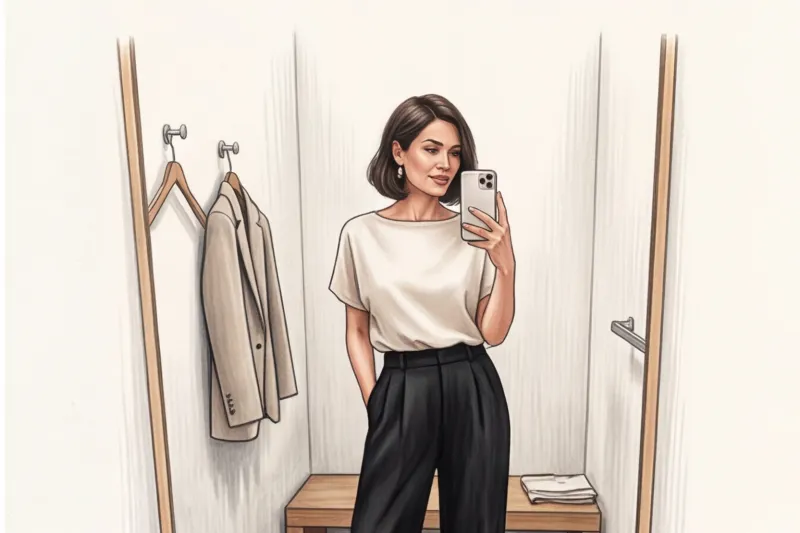
I should point out: this rule does NOT apply if your event has a strict black tie dress code. There, a classic full-length evening gown is a protocol requirement. But let's be honest, for 90% of our social events, a cocktail or festive casual dress code leaves a lot of room for maneuver.
Stylists' secret: why separates are always better than dresses
A dress is a closed ecosystem. It's a complete look that's incredibly difficult to change. You can change the shoes and earrings, but it'll still be that same red dress with ruffles.
Separates are a construction kit. A 2024 study by Lyst found that searches for three-piece evening suits and silk maxi skirts increased by 42% compared to classic cocktail dresses. And it makes sense!
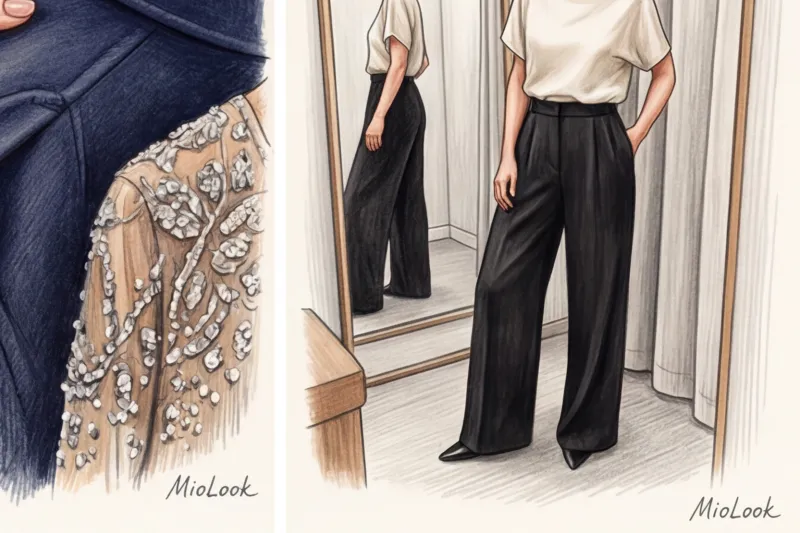
My favorite formula for clients: A silky spaghetti strap top + high-waisted palazzo pants + statement sculpted earrings = instant polish without the "too much" factor..
Evening Capsule Wardrobe: Escape the Trap
Chaotic shopping results from a lack of a foundation. An evening foundation is a mathematically precise system where everything fits together. You don't have to reinvent the wheel every time.
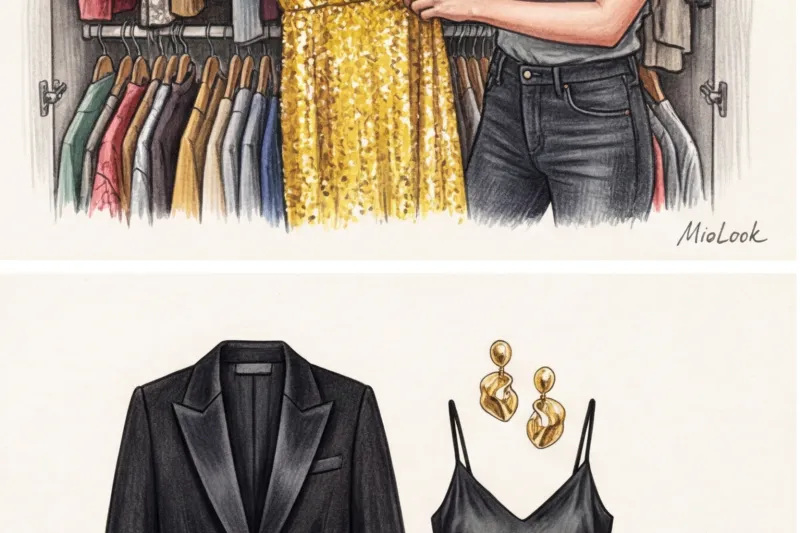
Here are the top 5 investments for your evening capsule:
- Tuxedo or architectural jacket. Black, cream, or deep wine. Worn barefoot (with the right tape for the chest), it looks incredibly sexy. Worn over a T-shirt, it's relaxed.
- Perfect straight trousers or palazzo pants. Made of dense fabric that holds the arrow well.
- Silk slip dress. Lingerie style is perfect for layering.
- Accent top. This is where you can indulge in sequins, feathers, or intricate draping. A top takes up less body space than a dress, so it's less of an eyesore when worn again.
- Pumps or slingbacks with a comfortable heel. Forget about 12-centimeter stilettos that only make you look good at the buffet table.
Accessories give these basic pieces an evening edge: makeup, hair, chunky jewelry, and a micro bag.
Access to MioLook for €0.99 — one-time payment
A smart AI stylist will select the perfect look for you and help you create a capsule wardrobe from your existing items.
Get access — €0.99 onceThe Art of Down-dressing: What to Do with Dresses You've Already Purchased
What to do with those dressy pieces already hanging in your closet with the tags still attached? Don't throw them away, repurpose them! There's a wonderful styling technique called down-dressing—intentionally reducing the dressiness of an item through contrast.
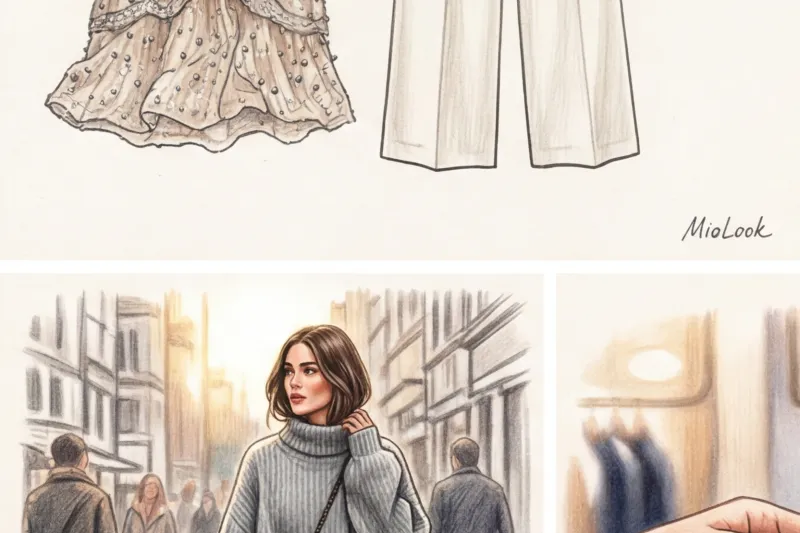
It works like this: we take the most complex, shiny evening piece and mercilessly collide it with a casual, rough or sporty base.
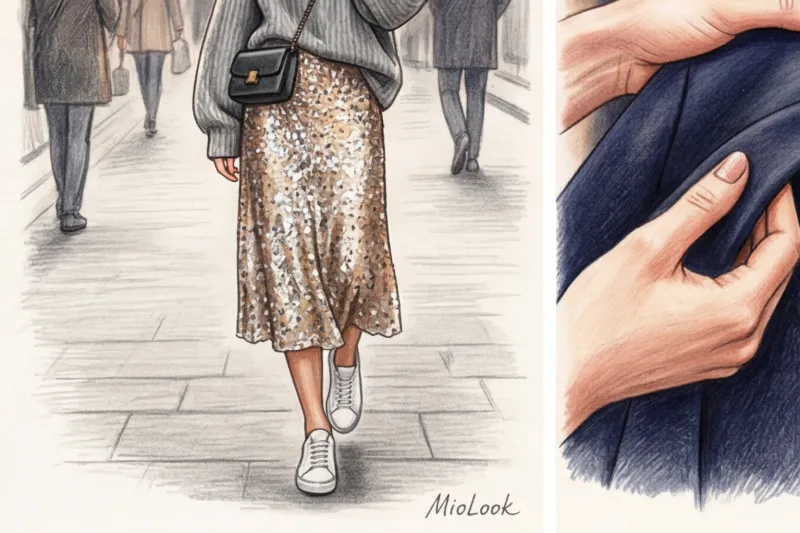
- Calming down the sequins. Layer a chunky cashmere or thick wool sweater over a shimmery dress. Keep the shimmery hem of the dress as a statement skirt. Pair with Chelsea boots or minimalist sneakers.
- Silk and grunge. Silk evening slips look stunning with chunky lace-up boots (in the style of Dr. Martens) and a voluminous men's jacket. The contrast of the delicate texture and the rugged shape is the height of style.
- Denim as a neutralizer. That dressy corset or feathered top you wore to a party will look great this summer paired with straight-leg jeans and flats.
Checklist: Test for the Perfect Outfit at the Checkout
The next time you're tempted to reach for that €60 daytime dress, stop. Go into the fitting room, try it on, and ask yourself four tough questions.
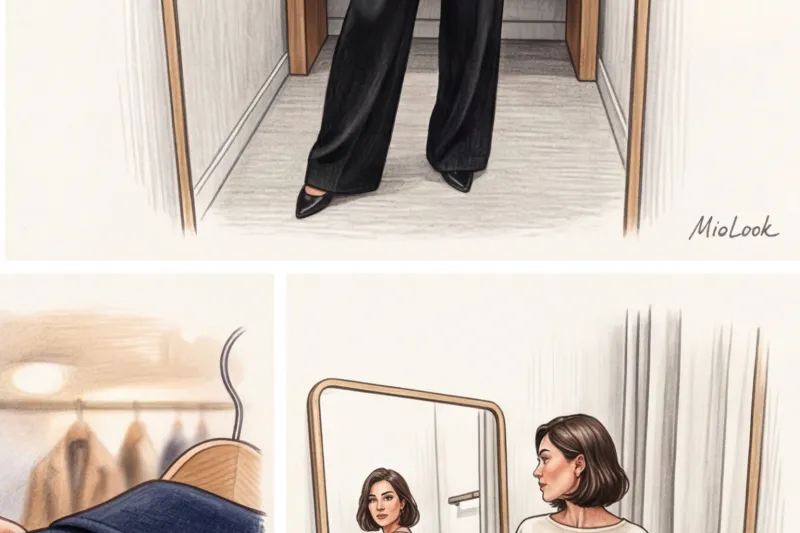
- Can I wear this item with flat shoes? If the dress looks good only With high heels, its functionality is reduced by 80%. The ideal item should look great with pumps, loafers, and sneakers.
- Can this outfit be broken? (Question for suits and sets) Can I wear this skirt on its own with my sweaters?
- Does this base layer fit under this? If you need a special silicone bra to achieve an open back or a sophisticated neckline that will peel off after two hours of dancing, skip the purchase. Comfort is more important than trends.
- Do I feel like myself? Are you playing someone else's role? Evening wear should be an extension of you, just 20% more elegant.
Stopping buying one-time dresses doesn't mean depriving yourself of a special occasion. It means stopping investing in a wardrobe for an imaginary woman who walks the red carpet. Start investing in luxurious, high-quality, transformable basics for your real, beautiful, and active life. Trust me, the perfect pair of palazzo pants will earn you far more compliments than a polyester dress that makes you afraid to take a deep breath.