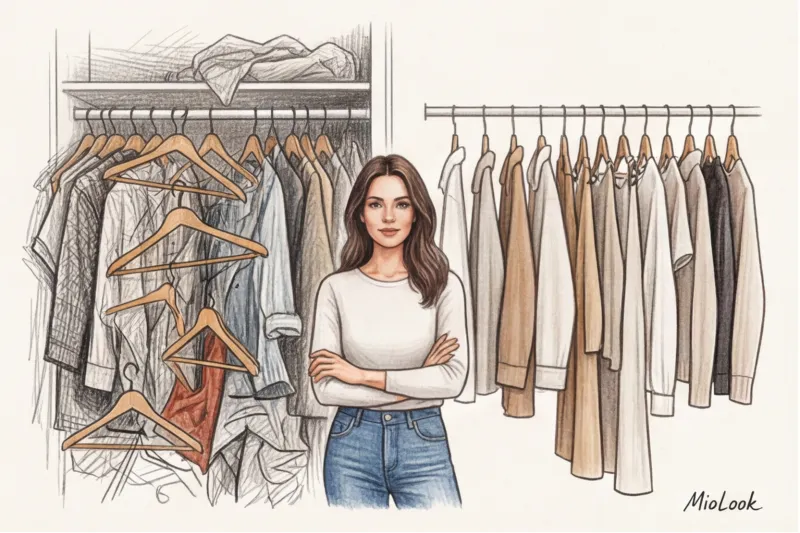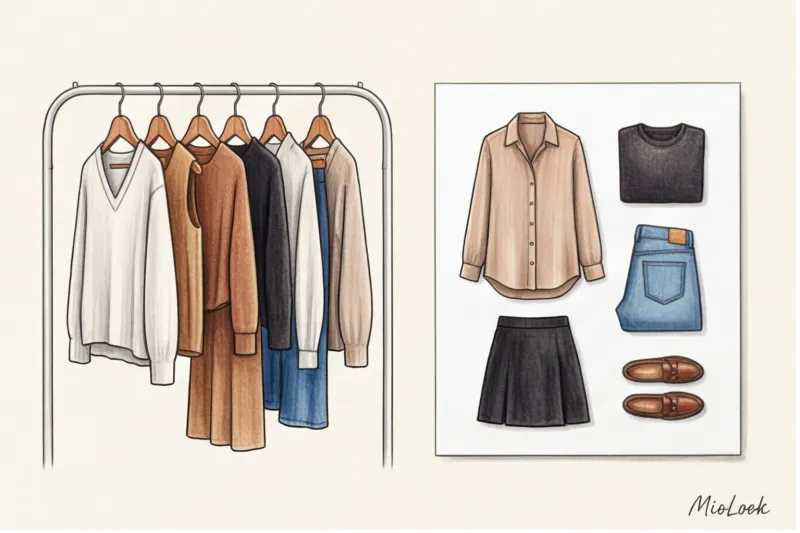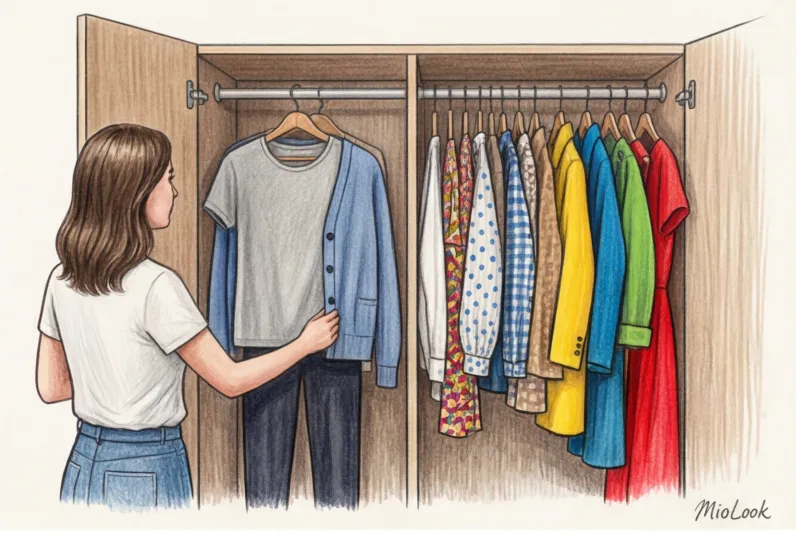
Six months ago, I conducted a ruthless experiment: I began obsessively recording every item I wore. The results were a sobering revelation. It turned out that, despite being a stylist with years of experience, I only regularly wore 18% of my closet's contents. The remaining 82% was a museum of unfulfilled ambitions, spontaneous purchases on sale, and items "for a special occasion" that never arrived. To avoid keeping track of everything in a notebook, I downloaded electronic wardrobe application , which took over the entire routine and illuminated my blind spots. We talked in more detail about how technology is changing our approach to clothing in the complete guide to Fashion tech technologies in 2024 , but today I want to talk about the purely practical side.
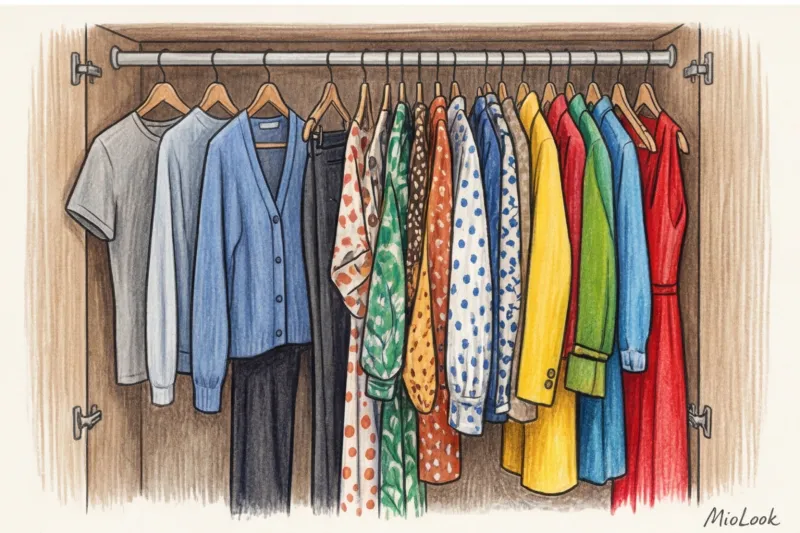
Digitizing your belongings is no longer a game of "housewife" for those with nothing better to do. It's a pragmatic tool for managing your personal finances and time. Let's explore how to make algorithms work for your style, and why trying to photograph all your belongings in one weekend is the worst idea to start.
Why You Need a Smart Wardrobe: Hard Data vs. Illusions
According to the McKinsey State of Fashion (2024) report, the fashion industry is undergoing a major shift. The hype around virtual fitting rooms in metaverses is fading, and utilitarian solutions are taking center stage—apps that genuinely help people reduce excess consumption. We sincerely believe we wear all our sweaters and pants, but harsh statistics confirm the Pareto principle: we wear 20% of our clothes 80% of the time.
The main argument in favor of digitalization is the ability to automatically calculate Cost Per Wear (CPW) , or the cost per wear. The formula is simple: the cost of the item (plus dry cleaning costs) divided by the number of days you wore it.
A perfect €300 cashmere sweater worn 60 times a season costs you €5 per occasion. And a stunning polyester dress bought on sale for €50 and worn once to a corporate event costs you €50. The app makes this math clear, forever discouraging you from buying disposable clothing.
The Hidden Black Holes of Your Closet
Data visualization instantly reveals two key problems with any wardrobe:
- Clone items: You think you have nothing to wear, so you go to the store and buy... your fifth white shirt. Your brain chooses safe, familiar patterns.
- Single items: Expensive, textured, or intricately tailored items that don't physically go with any of your basic skirts or pants. They hang with the tags on for years.
Electronic Wardrobe: An App as Your Personal Stylist-Analyst
It's important to understand the difference. A photo gallery on your phone, organized into folders, is not a smart wardrobe. What does electronic wardrobe app Truly useful? Algorithms.
Modern platforms use artificial intelligence to generate new combinations based on your real-life wardrobe. You tick the tags "office," "fall," and "smart casual," and the system produces 15 ready-made looks from what's already on the rack. That's why I recommend using specialized tools like MioLook — they take on the role of an analyst, showing which things are lying idle and which are working at 200%.
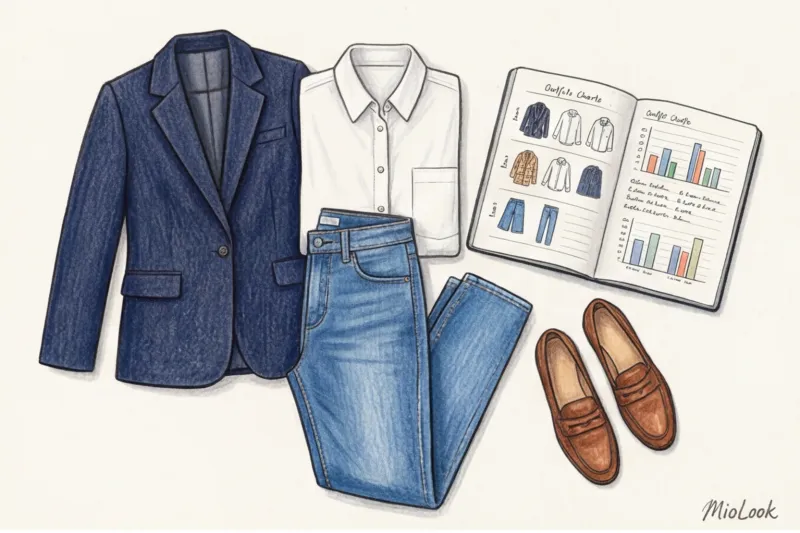
Access to MioLook for €0.99 — one-time payment
A smart AI stylist will select the perfect look based on your real-life wardrobe.
Get access — €0.99 onceThe biggest mistake beginners make: why you shouldn't photograph everything at once
Over my 12 years of practice, I've seen dozens of inspired women decide, "This Saturday, I'm going to digitize my entire closet!" And do you know how that ends? At the fifty-seventh item (somewhere between summer T-shirts and scarves), total burnout sets in. They delete the app, and a pile of clothes are left lying on the bed.
I insist on the method "Slow digitization" Don't touch anything that's just hanging in your closet. Add items to the app only in two cases:
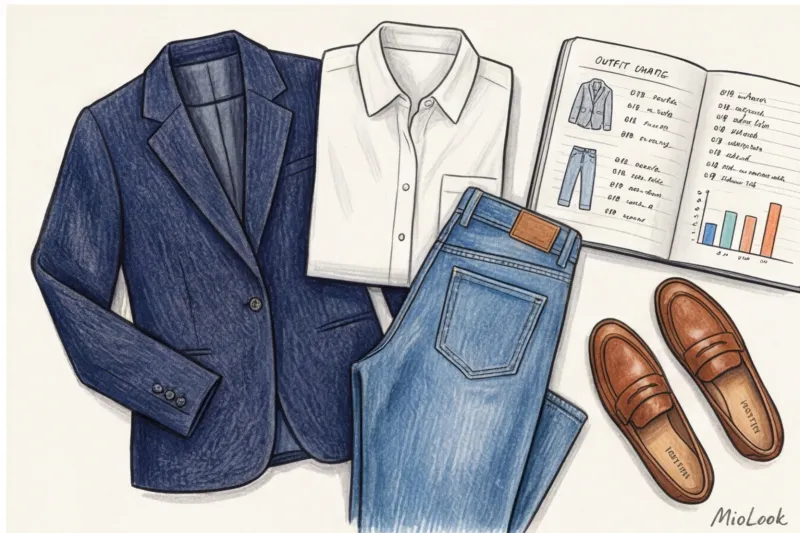
- When you put them on in the morning.
- When you take them out clean from the washing machine or dry cleaner.
This method acts as a fantastic natural filter. Anything that doesn't make it into your digital catalog within two months (within a single season) can be safely donated to charity or sold—you don't wear it.
Fair Limit: This method does NOT work if you downloaded the app on Wednesday and need to pack a compact capsule for a two-week business trip to Asia on Friday. In this case, you'll have to spend a couple of hours quickly photographing exactly what you'll be packing.
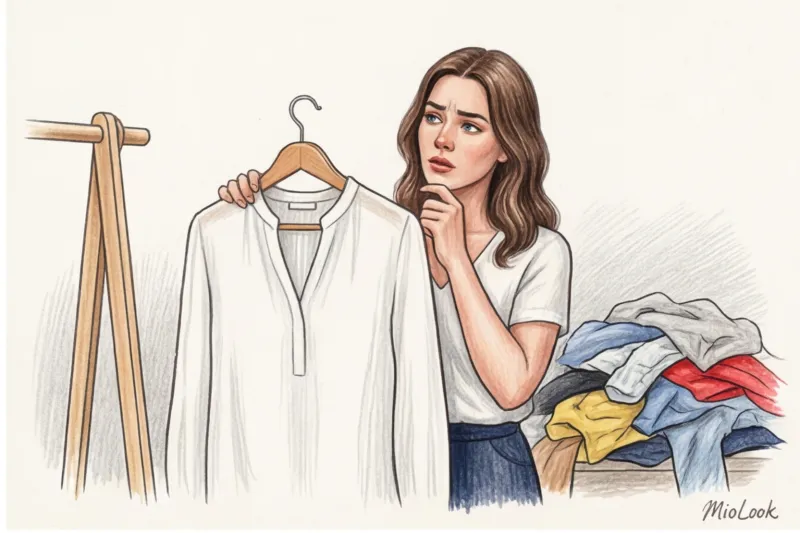
A step-by-step plan: how to properly digitize your belongings
For the image generation algorithms to work correctly and the built-in AI to remove the background from the photo cleanly and without jagged edges, the item must be photographed correctly. Forget about taking photos on hangers—shoulders will stretch and collars will become crooked.
Rules for a perfect flat lay:
- Light: Only shoot in daylight from a window. Avoid yellow chandeliers—the AI will distort the color rendering, and you won't be able to properly match shades on the screen.
- Background: Use a clean, contrasting background. A light wooden floor, a white door, or even a piece of poster board. The key is to make sure the background doesn't blend in with the item.
- Form: Lay the garment flat on the floor, removing any heavy creases. It's best to bend the sleeves of shirts and jackets slightly at the elbows (as if you were moving naturally) rather than stretching them out at the seams.
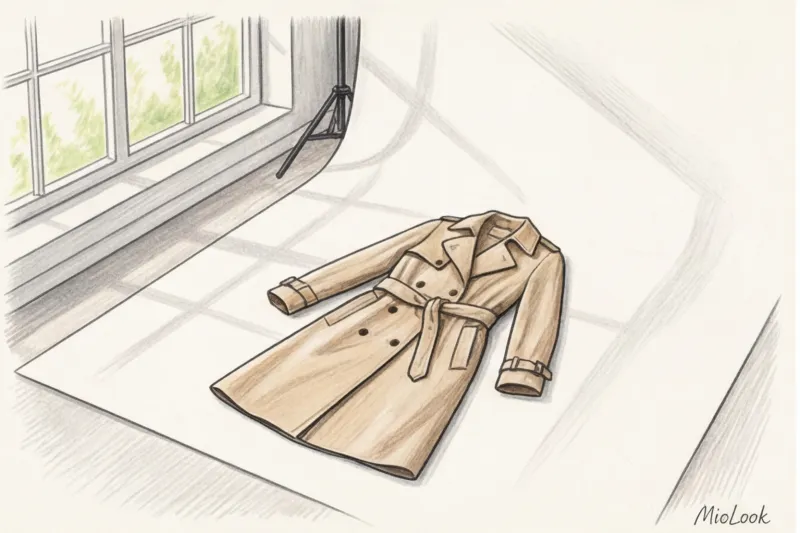
After uploading your photos, the categorization stage begins. Don't be lazy when adding tags. Include the brand (for example, COS or Massimo Dutti), season, primary color, and dress code. The more information you provide, the more accurate its recommendations will be.
Ready to get started?
Try the MioLook free plan—no commitments required. Start digitizing your favorite essentials.
Get access — €0.99 onceWorking with the base and accents
Now for an insider tip: digitize your shoes and bags first. Accessories set the tone for the entire look. Jeans with a white T-shirt and loafers are a casual office look. The same jeans and T-shirt, but with accent boots and a fringed bag, are a party look. After shoes, move on to basic bottoms: trousers, jeans, and skirts. They will become the canvas for your tops.
How digitalization protects you from impulse buying
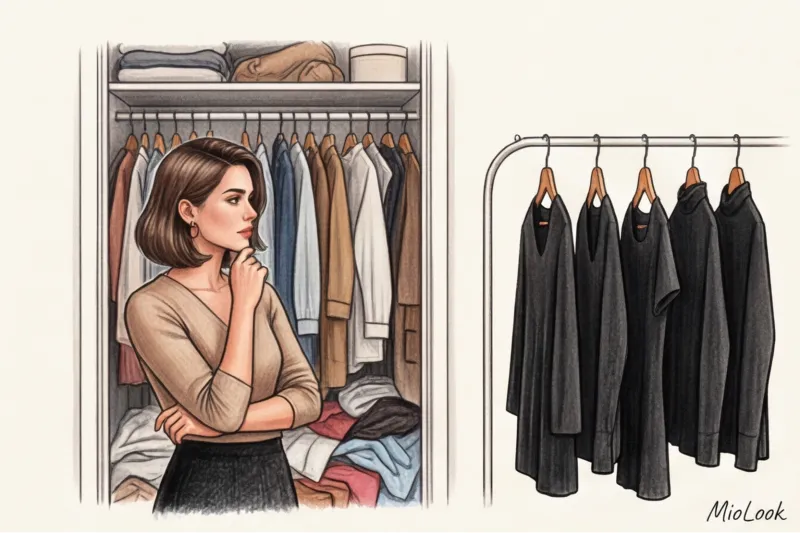
One of my clients, corporate lawyer Anna, complained that she had nothing to wear to meetings. When we digitized her closet, the app impartially revealed that she owned eight black jackets. Eight! From fitted wool jackets to oversized blended fabrics. The average price for each was €150–€200. Over €1,200 was locked up in practically identical items because, in the store, her hand automatically gravitated toward the "clear and safe" ones.
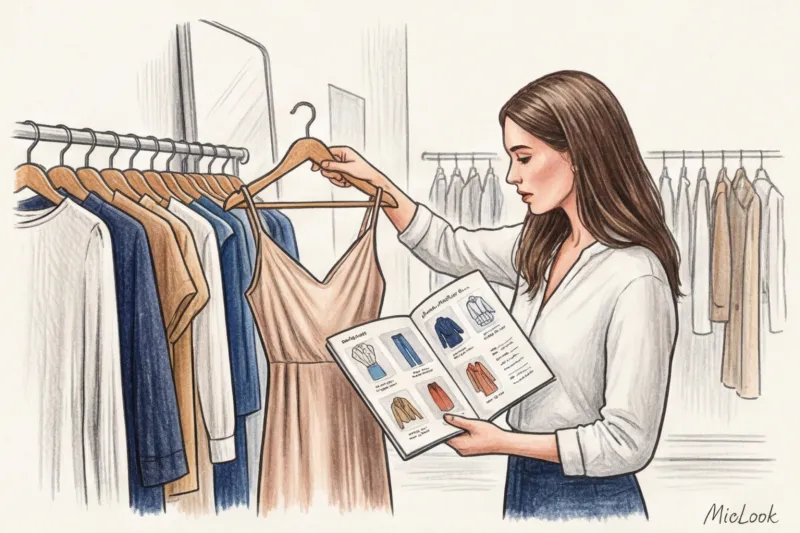
Digital wardrobe is being implemented into your life 10-second rule You're standing in the fitting room at H&M or Zara with yet another charming blouse. You take out your phone, open the app, and visually compare it to your other items. If it doesn't pair with at least three existing bottoms (skirts or trousers), you leave it in the store. No compromises.
Integration with the capsule approach
For me, the pinnacle of using smart apps is creating mini-capsules for specific tasks. Instead of thinking in abstract categories like "work clothes," you create a folder in the app called "Friday office (jeans allowed)" or "weekend out of town."
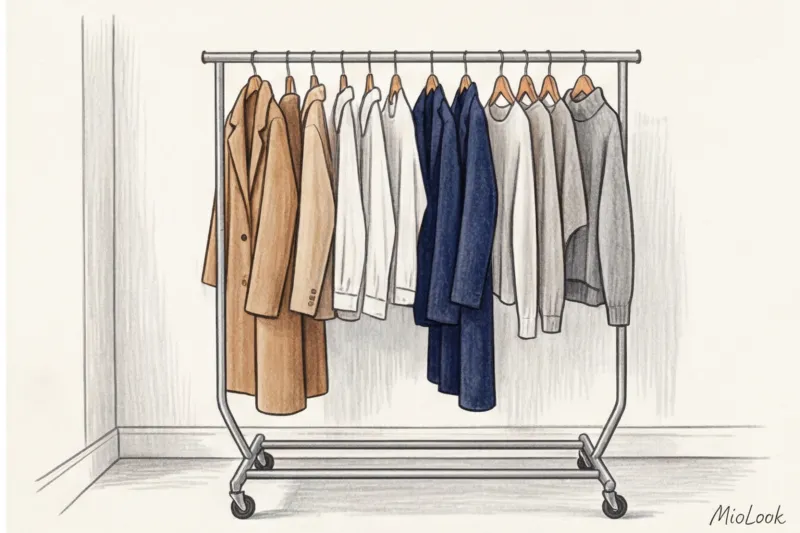
Here, the app helps you identify real gaps. You might discover that your luxurious viscose wide-leg trousers and formal skirts would be perfectly complemented by a basic ivory silk top, instantly creating 15 new looks. You stop buying clothes haphazardly and start investing selectively, filling the gaps in your capsule collections.
Your perfect look starts here
Join thousands of users who look flawless every day with MioLook. Collect capsules in one click.
Get access — €0.99 onceChecklist: A Weekly Digital Wardrobe Routine
The app won't work if you only log in once every six months. To ensure the system pays dividends in terms of saved time and money, integrate it into your routine.
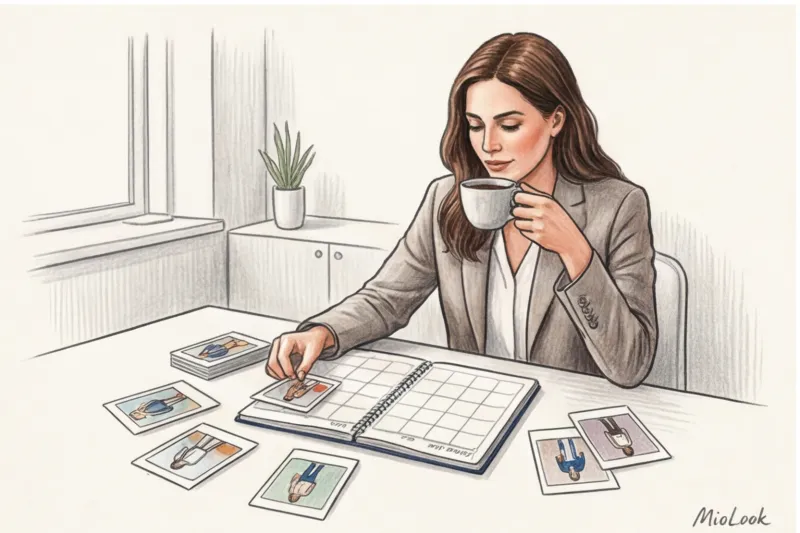
- Sunday Planning (10 minutes): Grab a coffee, open the app, and put together five outfits for the work week, taking the weather into account. Save them to your calendar. No more panicked fittings at 7:30 AM.
- Daily Mark (1 minute): When you take off your clothes in the evening, click the "Worn Today" button. Without this data, wear statistics will be useless.
- Quarterly Audit (30 minutes): At the end of each season, open the analytics section. Sort items by Cost Per Wear or "Never Worn." Be honest with yourself—if a sweater sits untouched all winter, you won't need it next winter either.
Digitizing your wardrobe is a process of getting to know your real self. You stop dressing that fantasy version of yourself who wears silk slip dresses to social events every day, and start creating a stylish, comfortable foundation for your real, active life. Ultimately, the main resource a smart wardrobe saves isn't closet space, but the mental energy you spend making daily decisions.