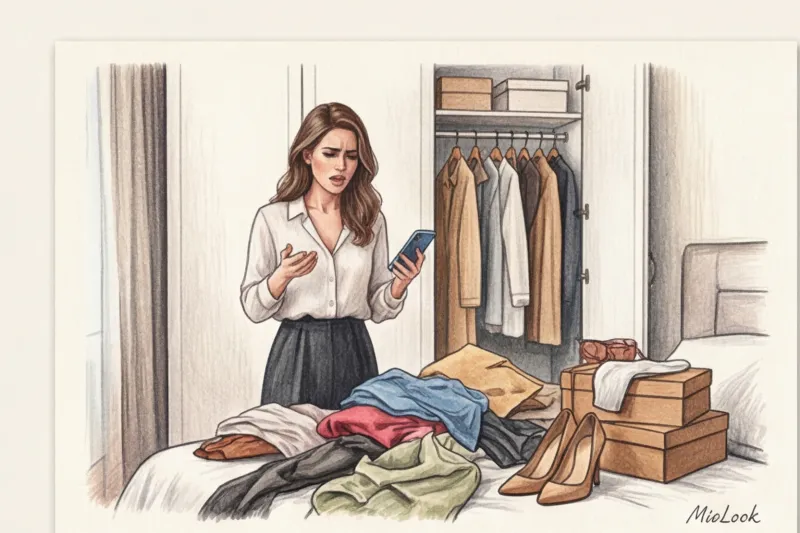
Do you have an item of clothing hanging in your closet with a tag you bought two years ago? Or maybe jeans that are too tight, but you keep them as motivation to lose weight? I, Katarzyna Nowak, see this picture in nine out of ten closets I clean. We tend to treat clothes as static objects, when in fact they are financial assets that are rapidly depreciating. If you're wondering, Where can I donate clothes for money? , you're already on the right track. You're ready to turn your idle textile waste into cash for smart investments in your style.
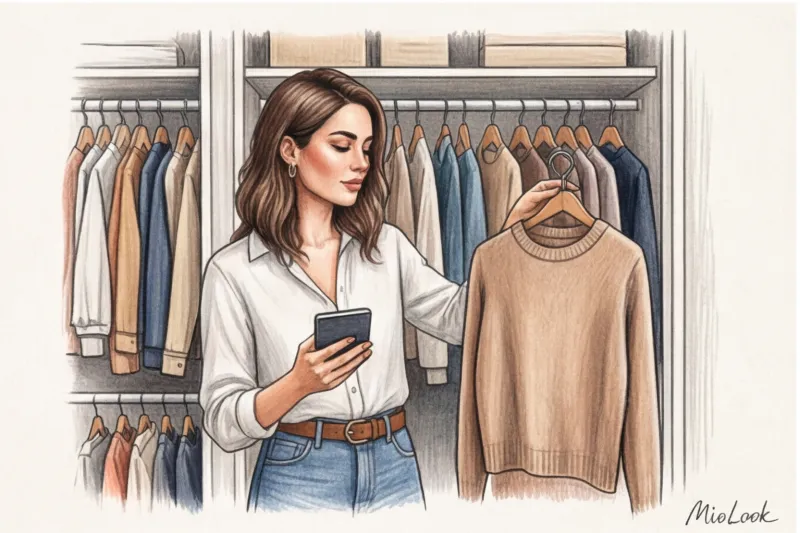
By the way, you can't sell illiquid items made of pure polyester or obviously worn-out basics—they're best recycled. We covered this in more detail in our a complete guide to recycling old clothes But what has retained its marketable appearance is bound to bring you profit.
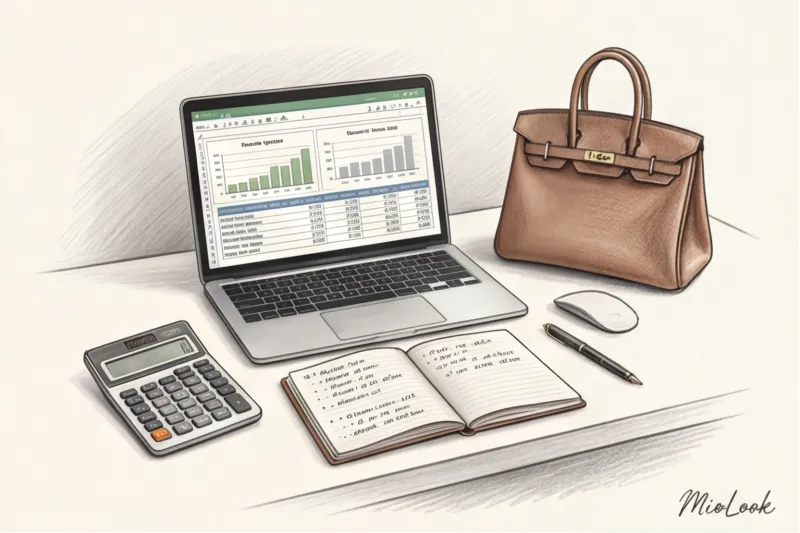
Wardrobe Math: Why Storing Unworn Clothes Is a Loss of Money
In my practice as a stylist, "offboarding" (the proper disposal of items) is the first and most painful stage of working with a client. The psychology of clutter is simple: guilt over spending €150 makes us hang on to uncomfortable shoes for years. We think that as long as they sit in the box, the money isn't completely lost.
It's an illusion. There's a concept called "clothing depreciation." According to resale market analysis, an item loses up to 50% of its value the moment you cut off the cardboard tag. After its first season of relevance, it depreciates by another 20-30%. Simply because the cut changes, the hardware, or the color fades.
According to a 2023 report by the Ellen MacArthur Foundation, the average number of times an item is worn has decreased by 36% over the past 15 years. We buy more, wear less, and our closets are turning into storage areas. Over the course of 12 years, I've learned a rule: an overstuffed closet inevitably leads to "morning decision paralysis." You stare at a hundred hangers and don't know what to wear. It's much better to save €30 on a sweater now and invest it in a quality base than to keep it for three years until someone buys it, even for €5.
Access to MioLook for €0.99 — one-time payment
A smart AI stylist will analyze your current wardrobe and suggest which items to keep and which to sell.
Get access — €0.99 onceWhere to donate old clothes for money: a review of effective sites
The choice of platform depends on how much time you're willing to spend selling. Different wardrobe segments require different approaches.
C2C (user-to-user) marketplaces
International platforms like Vinted, Depop, or local classifieds are excellent choices for the mass market and mid-market. Here, you set your own price. The main drawback: you'll have to communicate with buyers, answer questions about measurements, and face harsh price dumping. People come here for the best deal.
Specialized fashion resale
Giants like Vestiaire Collective or The RealReal are ideal for premium and luxury items. They handle authentication and often logistics. While commissions can reach 15-25%, buyers' trust in the platform allows them to sell items for a higher price.
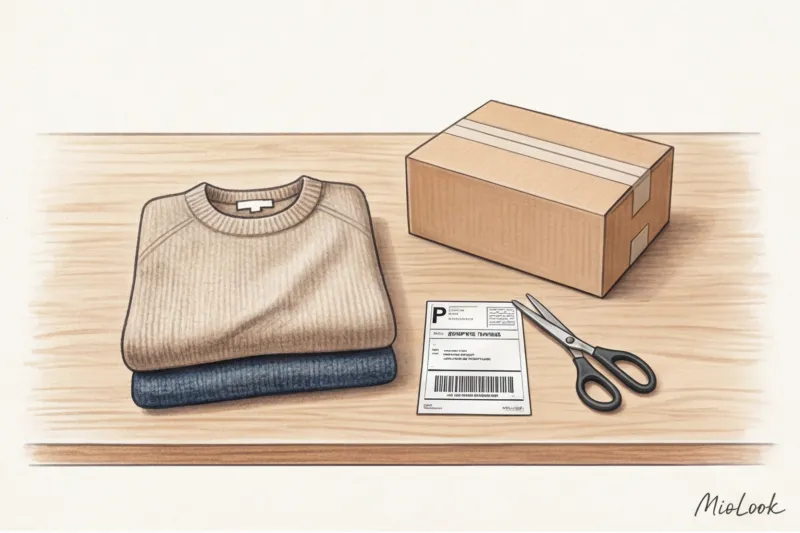
"The main rule of security on any platform: if a buyer asks you to switch to a third-party messenger or sends a link to 'arrange secure delivery,' it's a scam. Always communicate and make payments only within the official app."
Offline consignment shops and buyers: when you need to sell everything at once
If you don't have time to photograph every T-shirt and go to the post office, your option is the offline Buy-Sell-Trade model. You bring a bag of items, the buyer evaluates them in 20 minutes and offers either cash upfront (usually around 30-40% of the selling price at their store) or a deposit on purchases in the same store (up to 50-60%).
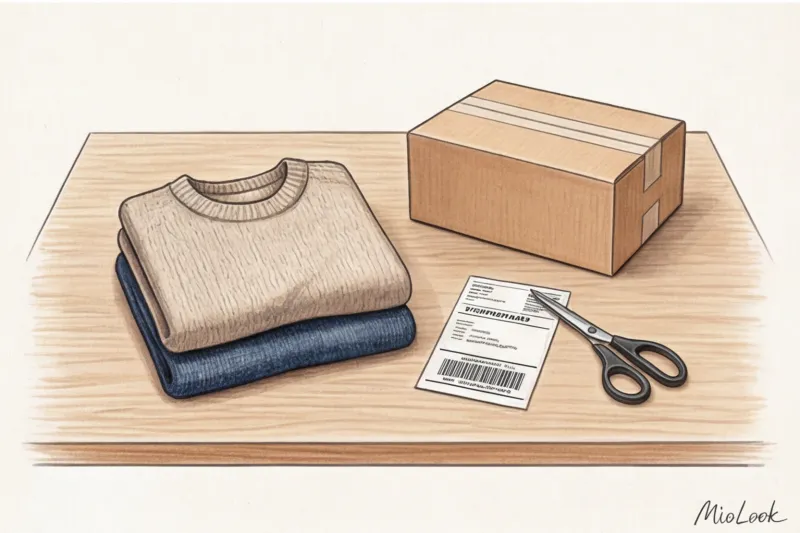
Does this seem like robbery? Actually, it's not. It's the price you pay for saving your time. You get rid of a bag of things in one day, freeing up physical and mental space.
Mass-market vs. premium: which actually sells faster?
There is a cast-iron myth: “Nobody needs mass market in the secondary market, Where can I donate clothes for money? "If it's not Prada?" This is absolutely wrong. The ThredUp Resale Report for 2024 confirms: the demand for affordable essentials is colossal.
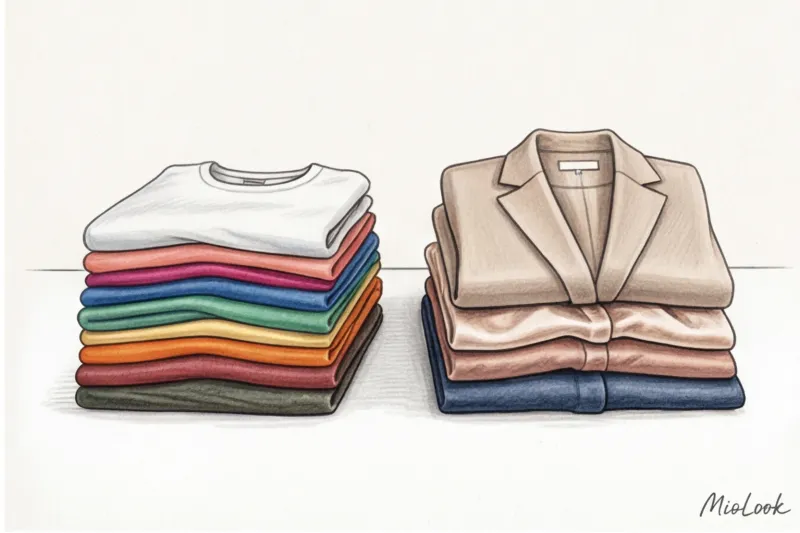
In my experience, current mass-market brands (Zara, Mango) in pristine condition sell much faster than outdated premium ones. Why? Because a student will buy a basic Zara coat for €40 tomorrow, while a vintage, intricately cut jacket from a niche designer for €200 will take months to find a buyer.
- The middle segment is a gold mine of resale: Brands like COS, Massimo Dutti, &Other Stories, and Arket sell out instantly, especially if they contain wool, cashmere, or silk.
- Strength of the composition: According to statistics from major platforms, items made from 50% natural fabrics sell 40% faster than their synthetic counterparts.
- Premium and luxury: They require confirmation. Without a dust cover, receipt, or box, the price drops drastically.
Absolutely deadstock, not worth wasting your time on—no-name polyester and five-year-old mass-market items with snags. If a blouse costs €15 in the store, it'll fetch a maximum of €2-3 on resale, and shipping will be even more of a hassle.
Your perfect look starts here
Join thousands of users who look flawless every day with MioLook. Digitize your closet today.
Get access — €0.99 onceA stylist's guide to getting your clothes ready for sale so they're a hit
Online shoppers can't touch fabric; they buy with their eyes. Proper pre-sale preparation increases the final bill by 20–30%.
First, the appearance. A pilling machine and a good steamer are your best investments. A wrinkled, pilled sweater looks like a doormat, even if it's 100% cashmere.
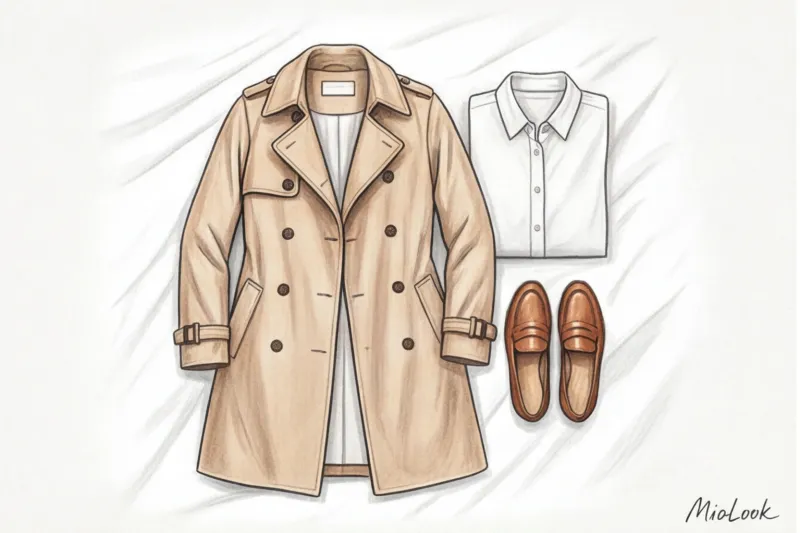
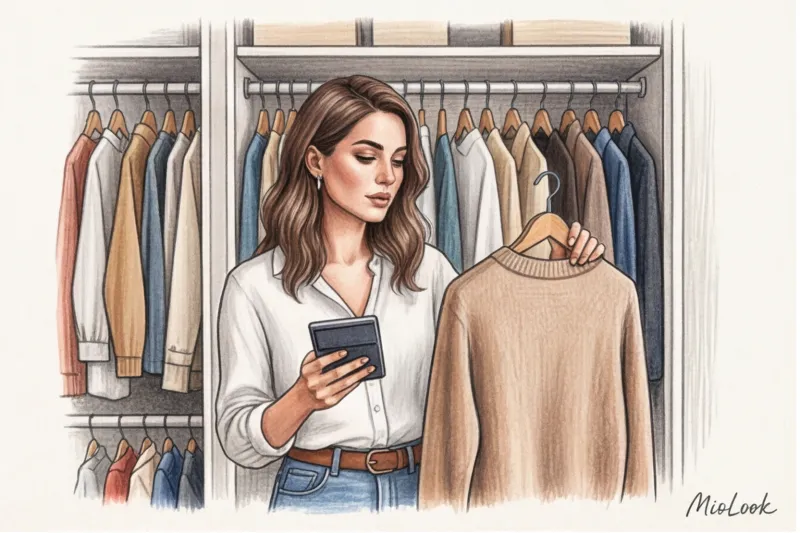
Secondly, forget about photos on a plastic hanger against a backdrop of yellowish wallpaper. That's bad advertising. Photos of yourself in a finished, stylized look sell best. Photograph the sweater you're selling not on its own, but tucked into trendy jeans and a belt. You're not selling a piece of fabric; you're selling aesthetics and a finished product.
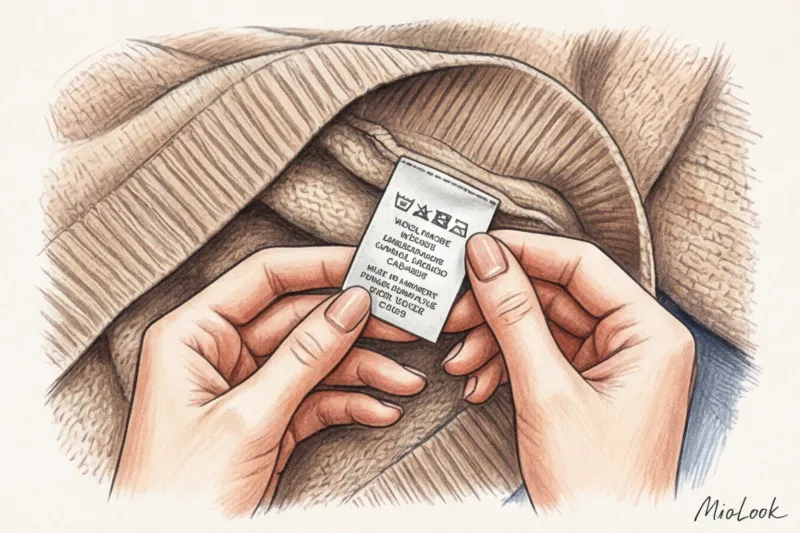
Third, a well-written SEO description (yes, resale has SEO too). Your ad should include:
- The exact brand name and category (Double-breasted jacket Massimo Dutti).
- The size on the tag and the actual size (for example, it is indicated as M, but it is much larger and would fit L).
- Measurements in centimeters: back length, half-bust (HB), sleeve length. Without these, half of your customers will simply go to your competitors.
- Honest description of defects. A hidden micro-hole will result in a return and a bad review.
Common Mistakes: Why Your Stuff Hangs for Months
The biggest mistake I regularly see is the "I bought it for €200" syndrome. Emotional attachment makes you overprice something. But the market dictates price, not your memories of where you wore it.
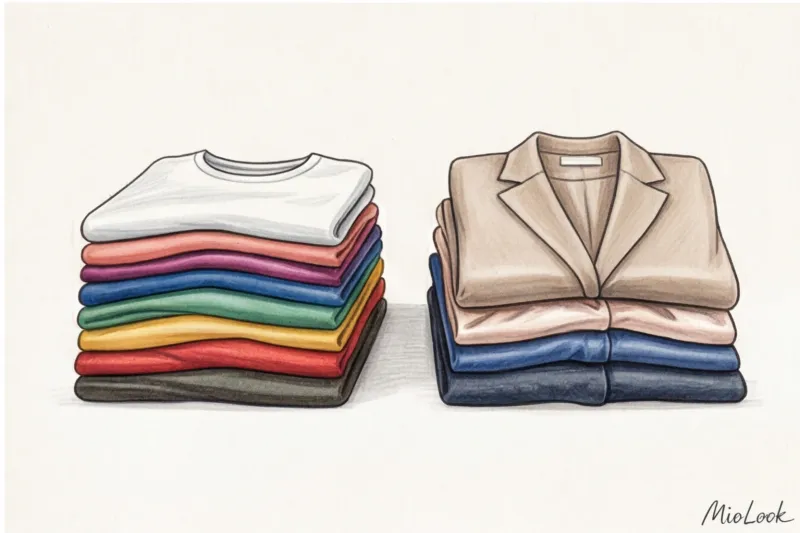
My strict pricing rule: mint condition with tags is 40-50% off the retail price. Mint condition, but worn a couple of times is 50-60% off. Good condition with signs of wear is 70% off. The only exceptions are collectible vintage items (like original Levi's 501s from the '90s) or high-profile collaborations like H&M x Mugler—they can sell for even more than retail.
The second mistake is ignoring seasonality. Trying to sell light goods linen blend items In November, it's a lost cause, even with a huge discount. People buy resale items they want to wear tomorrow. We sell wool in September, swimsuits in May.
Reinvesting wisely: how to spend money from selling old clothes
The worst thing you can do is spend your hard-earned euros on more random, impulsive mass-market purchases. You're simply restarting the cycle of waste.
One of my clients, Anna, realized after returning from maternity leave that 70% of her wardrobe wasn't enough. She packed three huge bags of clothes that she seriously considered throwing out. After proper preparation and display on platforms, she earned a net profit of €450 in two months. We didn't spend that money buying polyester blouses. We bought one. the perfect basic bag for every day made of thick leather and a well-tailored wool jacket.
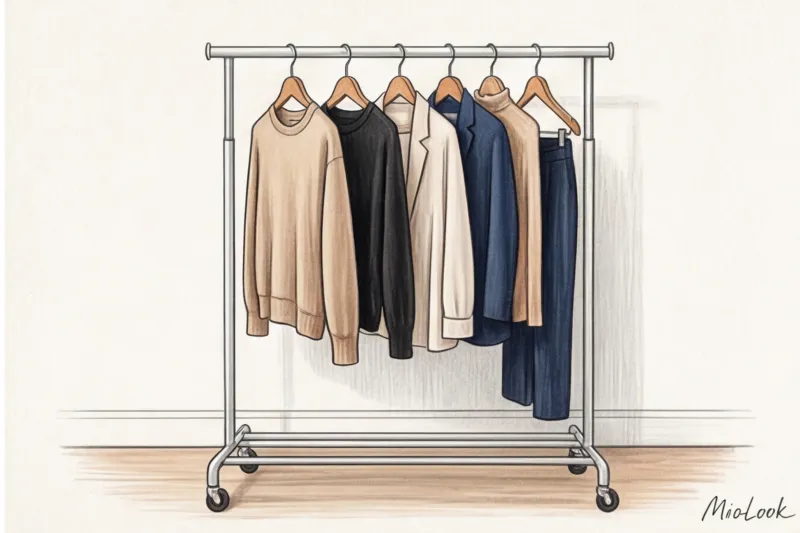
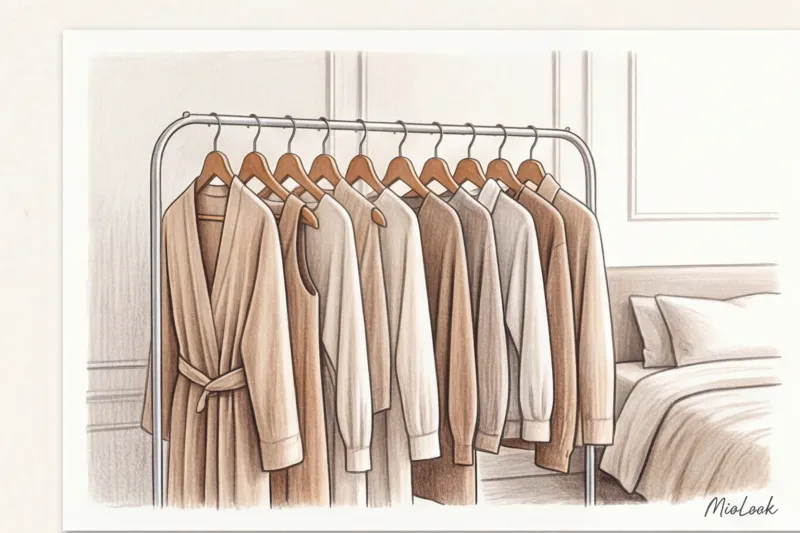
This is called the wardrobe upgrade concept. You sell five cheap or unsuitable items to finance one truly prestigious one. This way, your wardrobe begins to finance itself, improving its quality without any additional infusions from the family budget.
Think of resale not as a flea market, but as a financial tool for managing your style. Clear out your closet of liabilities, convert them into currency, and make a targeted investment in a piece you'll wear for years to come.