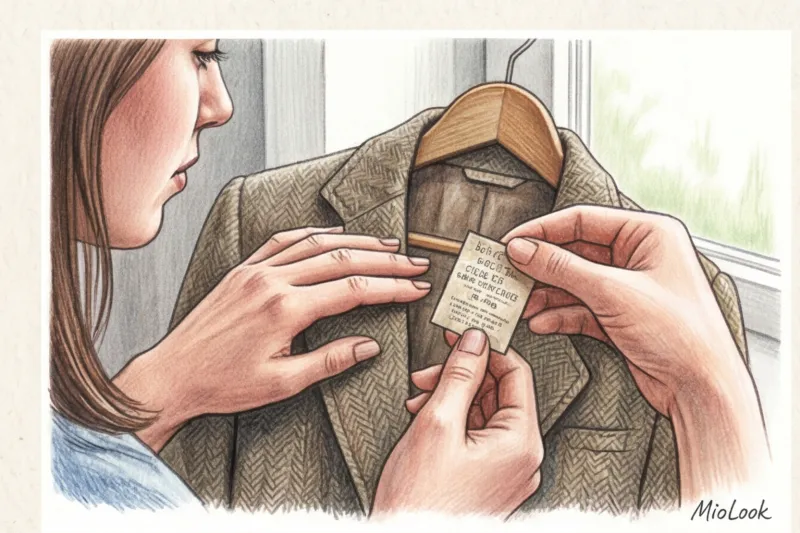
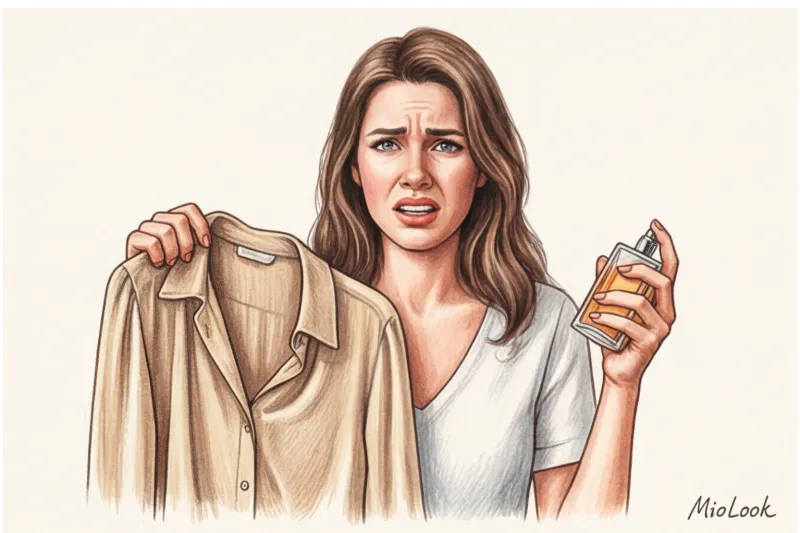
One day, a client came to me almost in tears. She was holding a stunning vintage silk Armani blouse from the '80s, bought at a European outlet. The blouse was perfect: impeccably cut, a deep emerald color that perfectly suited her complexion. But the garment was hopelessly ruined. Trying to remove the pungent odor, she first doused the silk with expensive perfume, then tried to "boil" it. The fabric lost its luster, the fibers shrank, and the chemical smell remained, only acquiring a sickly sweet tint.
This story is a classic example of how ignorance of the basic properties of fabrics can ruin perfectly good pieces. If you're building a unique wardrobe, sooner or later you'll have to learn how to get rid of that second-hand smell without damaging the cut or fibers. I've written more about why it's worth it in our complete guide: Vintage clothing in your wardrobe: how to find unique pieces.
Let's forget the advice from decade-old forums. As a stylist and colorist, I work with fabrics every day. We'll use the laws of chemistry and professional care protocols to save your finds.
Where does this smell come from? The anatomy of a second-hand scent
The first thing you need to do is change your attitude toward this smell. Most people feel disgust, believing the item is "dirty" or smells like "strangers." This is a myth.
In fact, this pungent aroma is a marker of absolute, sterile cleanliness. According to international sanitary protocols (especially when imported into the EU and CIS countries), all used clothing must undergo rigorous fumigation.
Items are treated in sealed chambers with a mixture of gases, most often formaldehyde and methyl bromide. This process kills 100% of bacteria, fungi, dust mites, and any biological traces of the previous owner.
"You don't smell the scent of old age, but the smell of industrial disinfection. Formaldehyde is alkaline and penetrates deeply into the porous structure of natural fibers (cotton, wool, silk). Therefore, regular washing with soap, which is also alkaline, is completely useless," state the basic principles of textile restoration.
Your task is not to “wash away dirt,” but to chemically neutralize the gas trapped in the microvoids of the fabric.
The biggest mistake: why you can't just pour perfume on something
The most common urge after buying vintage clothing is to spray it liberally with your favorite perfume or air freshener, or wash it with a heaping dose of fabric softener. This is a fatal mistake.
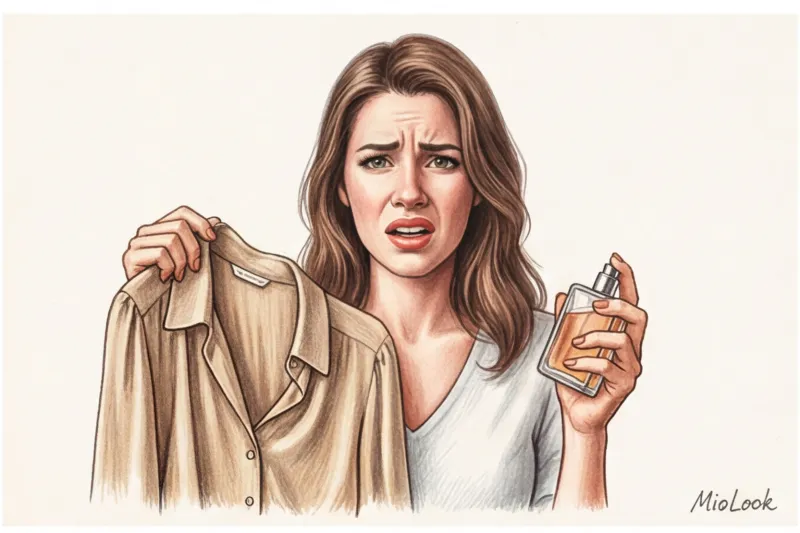
What's happening at the molecular level? Modern synthetic fragrances (especially musky and woody notes) react with residual formaldehyde. Instead of neutralizing it, they become "encapsulated." The result is a dirty sweetness: a harsh chemical note blends with the floral aroma, creating an even more nauseating, heavy aftertaste that can trigger a migraine.
Access to MioLook for €0.99 — one-time payment
A smart AI stylist will curate the perfect look from your vintage and basic pieces. Digitize your wardrobe in minutes!
Get access — €0.99 onceAnother common mistake is to try to iron the item with a hot iron or steamer. to Odor neutralization. High temperatures literally "bake" the chemical compounds inside the fibers. If you do this, your chances of saving the item are reduced by 80%.
How to Get Rid of the Second-Hand Smell: Basic Methods for Cotton and Synthetics
This method is only suitable for items that can withstand intense water exposure: jeans, cotton shirts, basic t-shirts, and synthetic sportswear. Never use this method on structured jackets or silk!
Vinegar bath: breaking chemical bonds
Let's recall our school chemistry lesson: alkali is neutralized by acid. Regular table vinegar is your best friend in the fight against formaldehyde.
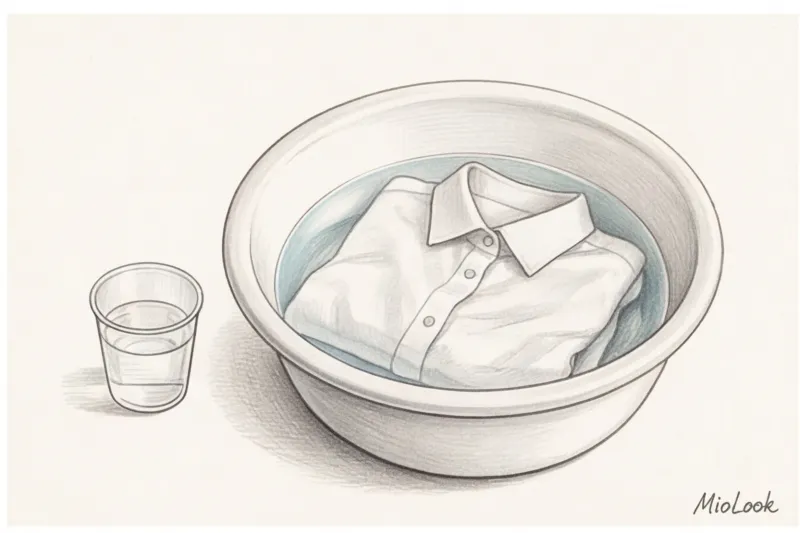
- Proportions: 100 ml of 9% clear table vinegar (not apple, not balsamic!) per 10 liters of warm water.
- Mechanics: Dissolve vinegar in water and immerse the item so that it is completely covered.
- Time: Leave for 2–6 hours. The denser the fabric (for example, heavy denim), the longer it will take.
After soaking, machine wash the item on a standard cycle. The vinegar smell will completely disappear when air-dried.
Saline solution and baking soda
If the item is brightly colored and you're concerned about the acid affecting the dye, use salt and baking soda. Baking soda acts as a powerful natural absorbent.
For brightly colored cotton dresses or shirts, I use this recipe: dissolve half a cup of coarse non-iodized salt and half a cup of baking soda in a basin of warm water. The salt acts as a color fixative (a trick used in textile factories), and the baking soda draws out odors. Soak for 4 hours, then wash.
Saving Delicate Fabrics: Vintage Wool, Silk, and Leather
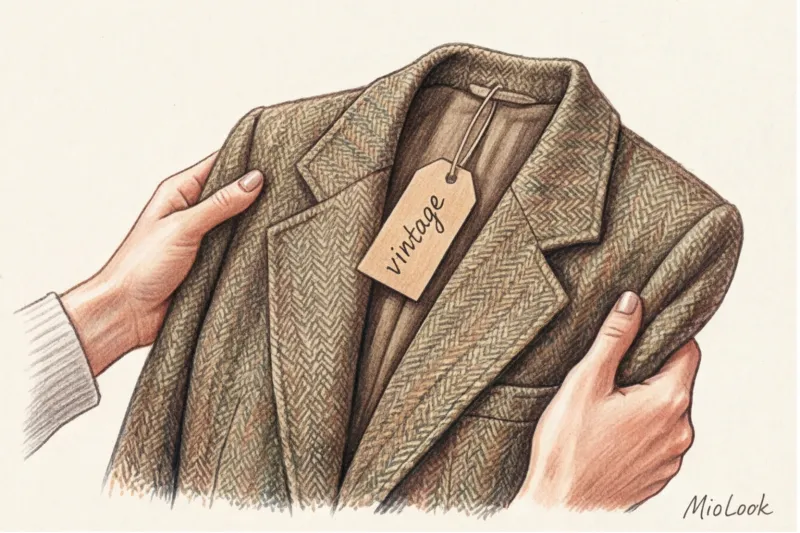
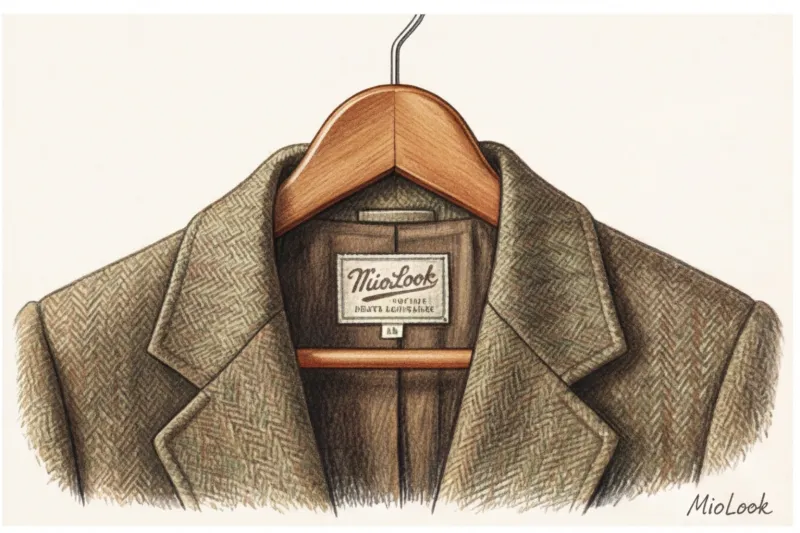
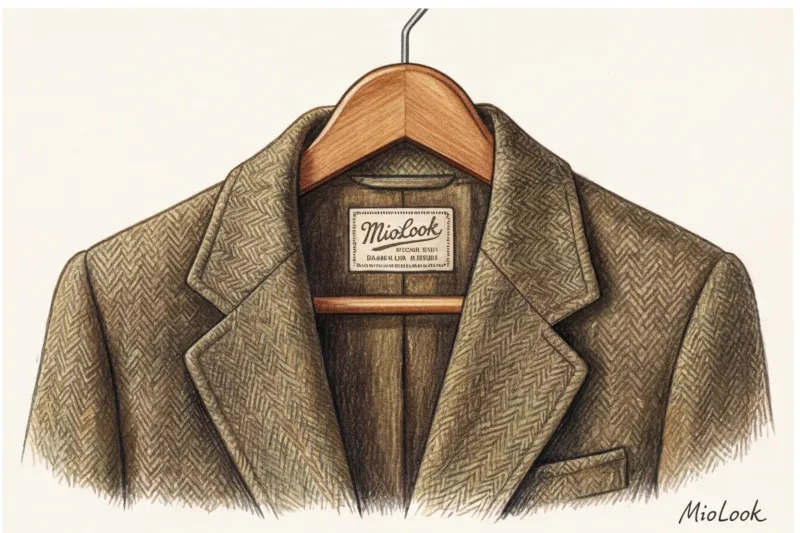
In my work as a stylist, assembling capsule wardrobes often involves finding the perfect men's tweed jackets to complement women's looks. In a good vintage store, such a blazer can cost between €50 and €150, yet it's superior in quality to a modern mass-market blazer for €300.
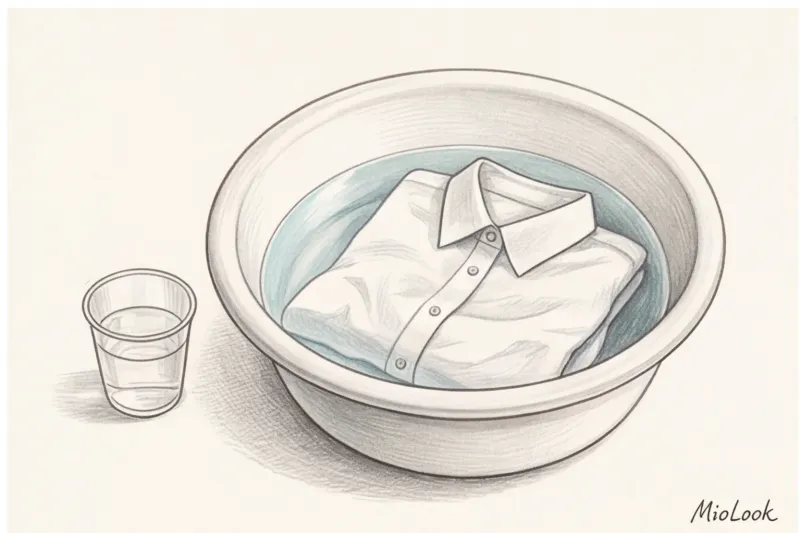
But there is a problem. Vintage wool, suiting fabric and silk are categorically it is forbidden Soaking in vinegar or baking soda. Jackets have an architecture: interlining (lining material), shoulder pads, and padding. In water, these will deform, and the garment will lose its shape forever.
Cold therapy (freezer)
This method is ideal for cashmere sweaters, fine mohair and delicate silk.
- Make sure the item is completely dry.
- Fold it and place it in a tight ziplock bag. Press out any excess air.
- Place in the freezer for at least 48 hours (or better yet, 3-4 days).
Extreme cold destroys residual volatile compounds and kills bacteria if they have developed during transportation. After defrosting, the item should be laid out horizontally on a dry towel at room temperature.
Dry cleaning: coffee, charcoal and silica gel
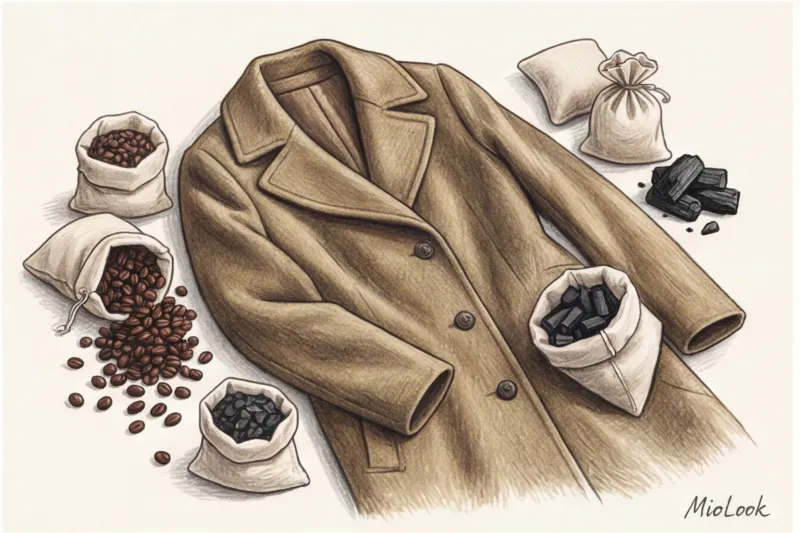
If you have purchased a heavy wool coat, sheepskin coat or leather biker jacket, use the dry absorption chamber method.
Take a large, heavy-duty garbage bag (120-liter capacity). Place the item inside on a hanger. At the bottom of the bag, without touching the fabric, place open containers containing a mixture: cheap, dark-roasted coffee beans, crushed activated charcoal, and silica gel packets (the kind you find in shoe boxes). Seal the bag tightly with tape and leave it on the balcony for 5-7 days. The charcoal and silica gel will draw out moisture and chemical fumes, and the coffee will impart a light, refined aroma.
Your perfect look starts here
Join thousands of users who look flawless every day with the MioLook app. Upload your items and get ready-made looks!
Get access — €0.99 onceModern Chemistry: When Folk Remedies Are Powerless
Sometimes the odor becomes so ingrained in the fibers that neither vinegar nor frost can remove it. According to research in the fabric care industry, the chemical composition of fumigants is constantly being updated, becoming more durable.
In such cases, I recommend that clients turn to professional chemicals. Forget about mass-market stain removers. You need enzyme odor neutralizers.
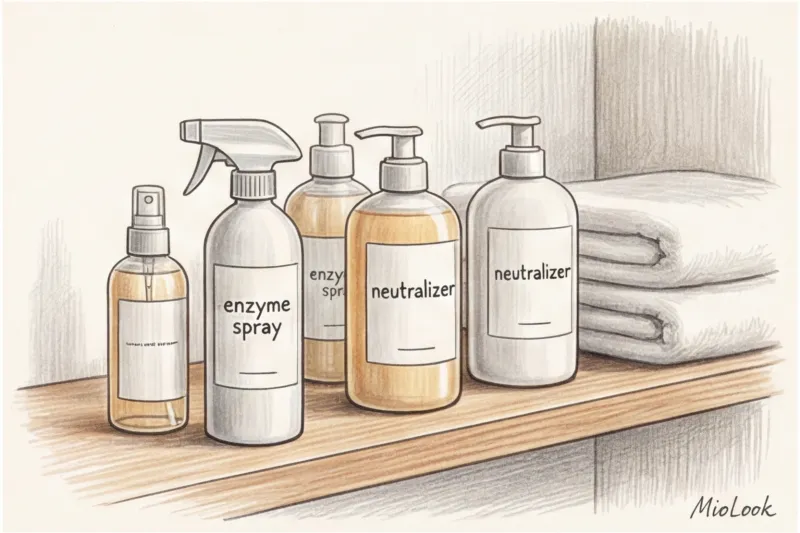
Insider tip: the best neutralizers are sold not in hardware stores, but in hunting departments and professional sports equipment stores. Hunters are critically concerned about completely eliminating human odor from their clothing, so these sprays (for example, those based on enzymes and bacteria-eating agents) break down odor molecules 100%, leaving no residual scent.
If you've purchased an archive designer item (for example, a Burberry trench coat for €200-€400), don't risk it. Take it to a professional dry cleaner and arrange for the service. ozonation Ozone (O3) is a powerful oxidizer that penetrates fibers and physically destroys formaldehyde molecules, converting them into safe oxygen and water. It costs about €15–20, but it's guaranteed to save your expensive item.
A Stylist's Checklist: A Step-by-Step Guide to Revitalizing a Vintage Find
To avoid getting confused with the methods, save this algorithm. This is how I process items before adding them to clients' wardrobes or uploading them to the virtual fitting room. MioLook applications.
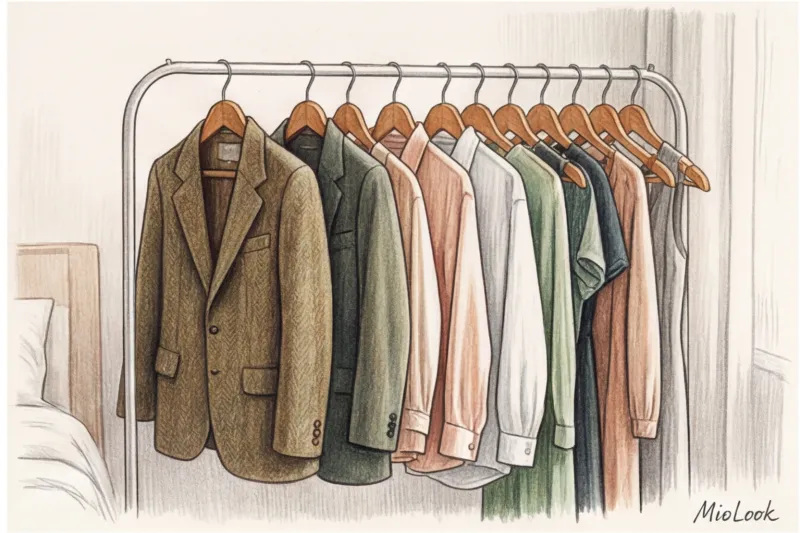
- Step 1: Quarantine and ventilation. Never hang an unwashed secondhand item in the closet with your other clothes! The odor will immediately transfer to clean fabrics. Hang the item on an open balcony in the shade (out of direct sunlight) for 2-3 days.
- Step 2: Dye Test. If you plan to wet clean the garment, apply a drop of warm, soapy water to the inseam. Apply a white cloth. If the cloth becomes stained, dry clean the garment only.
- Step 3: Select a method. Cotton/denim → vinegar bath. Wool/coats → dry clean with charcoal. Silk/cashmere → freeze.
- Step 4: Delicate wash. After neutralization (if the fabric allows), wash the item with a liquid detergent for delicate fabrics. Powders are harder to rinse out.
- Step 5: Dry properly. Dry items horizontally on a dryer, placing a terry towel underneath, in a well-ventilated area.
Vintage shopping requires a little more time and care than buying new clothes. But the results are worth it. You get unique patterns, superb fabric composition, and pieces that no one else has. The main rule: don't try to mask chemicals with chemicals. Use the right neutralization methods, and your wardrobe will smell clean and like your favorite perfume.