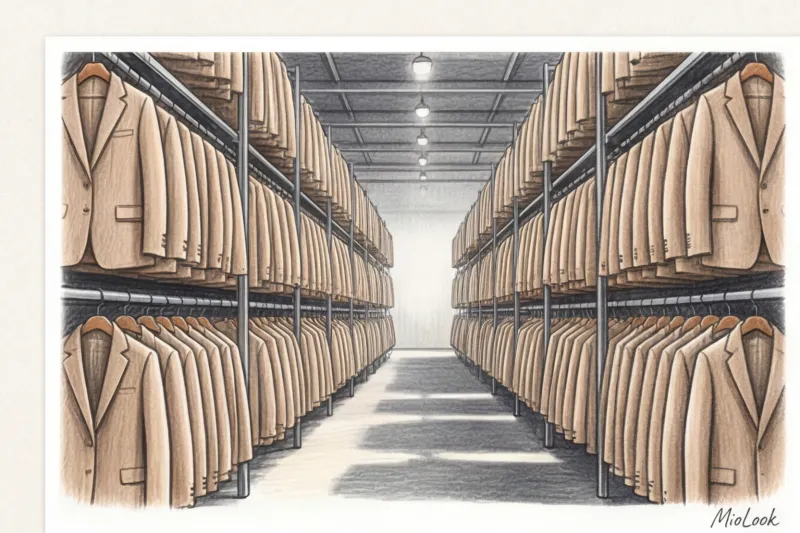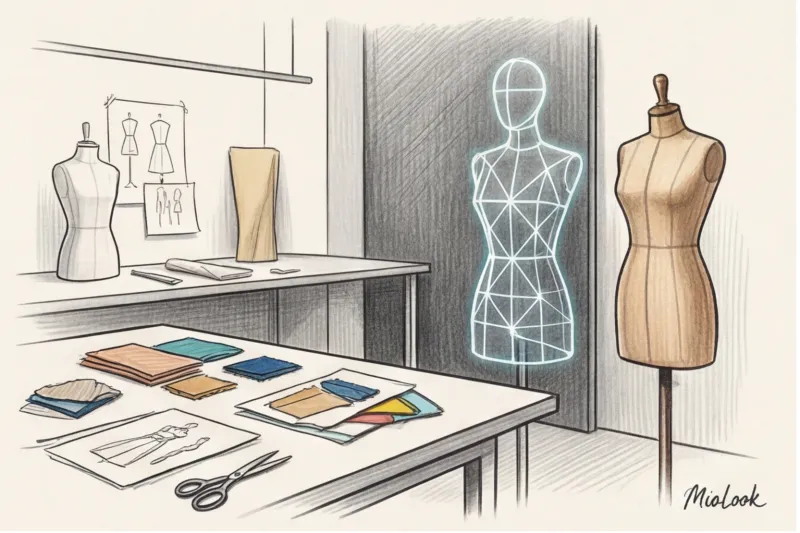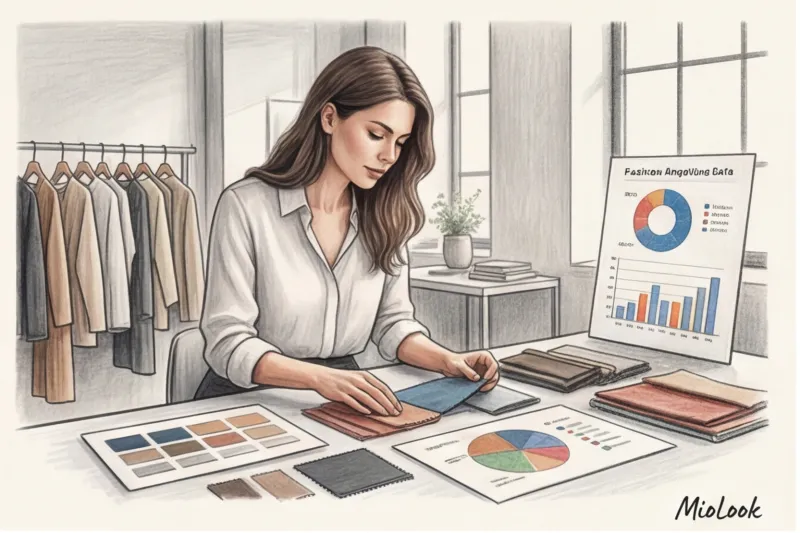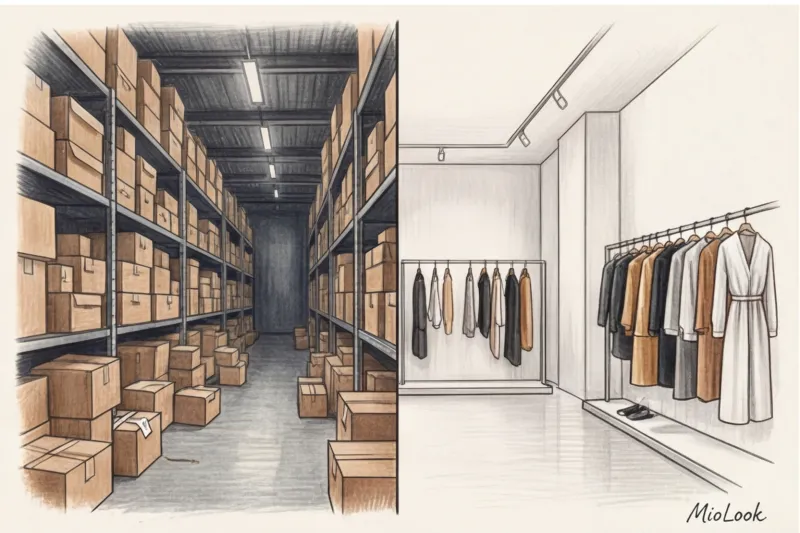
One day, the frustrated owner of a well-established local clothing brand came to me for a consultation. Ten thousand black jackets were sitting idle in his company's warehouse. "Darina, these are timeless classics! Why aren't they selling?" he asked, perplexed. The problem was that these were cropped, tightly fitted jackets from the 2010s, produced at the height of the masculine hyper-oversized trend. The brand lost around €50,000 simply by relying on intuition and faith in "timeless essentials."
If you're wondering right now, How to plan clothing purchases For next season, forget about show mood boards and buyer's sixth sense. Today, the winner is the one who can read the data. We discussed this global shift in the industry in more detail in our complete guide to analytics for fashion business and trend forecasting , and in this article, I'll show the inside story of purchasing: how artificial intelligence is digitizing such subtle matters as fit and color type.
The End of the Age of Intuition: Why Old Buyer Schemes No Longer Work
The buyer's profession used to be shrouded in romance. Specialists would fly to Milan and Paris, look at the street style near the show venues, and intuitively decide, "Next season, everyone will be wearing fuchsia." Today, such an approach is a surefire way to bankruptcy.
According to the latest State of Fashion report from McKinsey & Company (2024), approximately 30% of the world's clothing never finds a buyer. The problem of overstock has forced the industry to sharply rethink its approach. Brands can no longer afford to tie up millions of euros in unsold inventory simply because the creative director "seemed to."
The second reason for the death of the intuitive approach is speed. Micro-trends from TikTok (like aesthetics) mob wife or office siren ) flare up and burn out within 3-4 weeks. A human being is physically unable to track, analyze, and implement this volume of information without the help of machine learning.
How to Plan Clothing Purchases During Turbulent Conditions
The traditional model, where a brand would plan a collection six months before the launch, is falling apart. Giants like Zara and H&M have long since switched to an agile model: they sew a small test batch, release it for sale, and then algorithms analyze demand in real time.
If an item is a hit, factories immediately receive a signal to repurchase fabric and scale up production. Predictive analytics is implemented at the earliest stages: AI analyzes millions of Google search queries and clicks on competitors' websites, predicting demand with up to 85% accuracy.
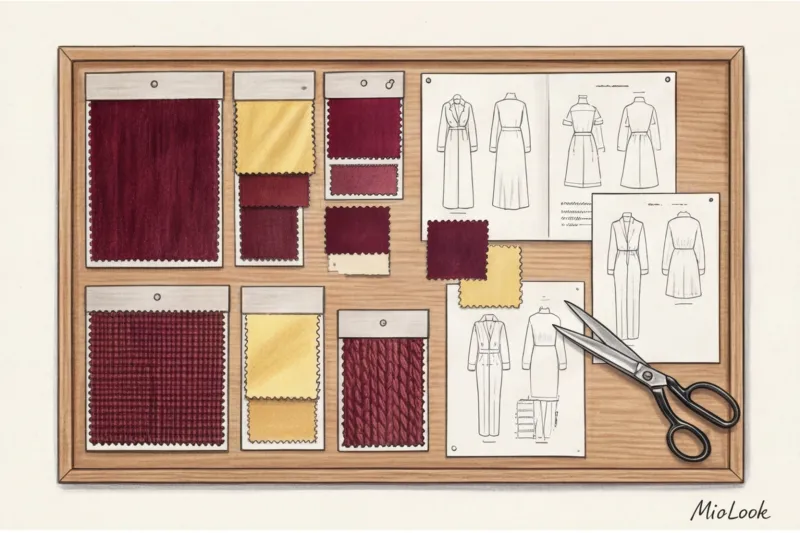
Artificial Intelligence as a Colorist: Predicting Shades
As a certified color analyst, I often encounter a common mistake brands make: they see an abstract "red" on the runway and buy fabric in the first shade of red they see. Then they're surprised by the decline in sales.
The Pantone Color Institute constantly emphasizes the difference between runway art and commercial color. And here, algorithms work their magic. AI parses millions of images from social media, calculating not just the base color, but the specific undertone. The machine will accurately predict that this fall, shoppers are looking not just for burgundy, but for a "cool burgundy with a blue undertone," while warm "tomato" will remain on the hangers.
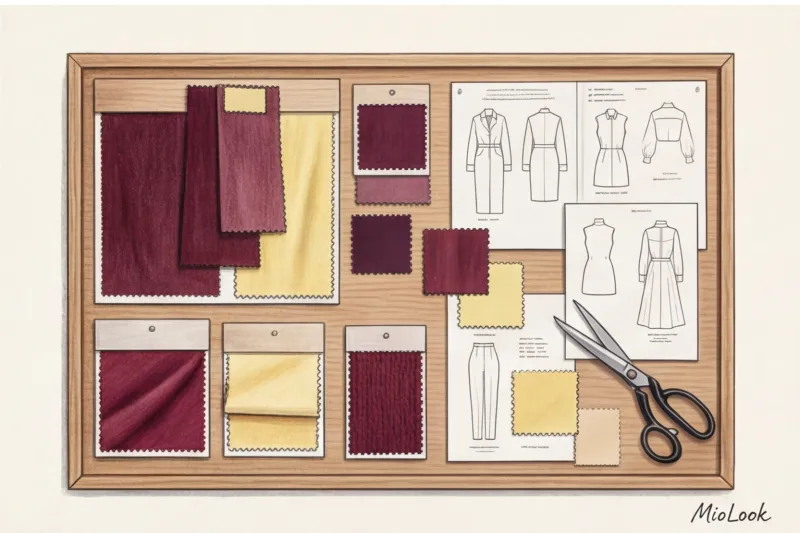
"Color sells a garment in the first three seconds. If the shade makes a face look tired or highlights dark circles under the eyes (as often happens with a poorly chosen taupe), a woman will instinctively return the item to the rack before even reaching the fitting room."
Moreover, AI takes into account the geography of color types. I once saw a case where a mid-market brand released a stunning sweater in a warm mustard shade. In Italy, the shipment was sold out in a week. In Scandinavia, where cool, light color types predominate, sales stalled. Now, smart distribution systems automatically distribute warm shades to southern regions and cooler palettes to northern ones.
Smart purchasing always follows the 60/30/10 rule: 60% of the budget goes toward commercial base colors (shades that appeal to your target audience), 30% toward seasonal accents, and only 10% toward risky, ultra-fashionable colors for display.
Optimize your inventory management
Use MioLook's virtual fitting room analytics to understand what items and colors your customers really need.
Get access — €0.99 onceThe Death of the "Eternal Base": The Costliest Mistake in Procurement
Perhaps the most dangerous myth in retail is this: "Classic straight-leg jeans and white shirts will always be popular. Invest your budget in them and you'll definitely not go broke." This is a disastrous misconception.
The basics are mutating. What we called the basic white shirt in 2018 (semi-fitted silhouette, darts, thin cotton) looks like a counter-trend in 2024. The modern basics are dropped shoulders, heavy cotton (from 180 g/m²), and a loose fit. Every 2-3 years, volumes, lengths, lapel widths, and trouser rises change.
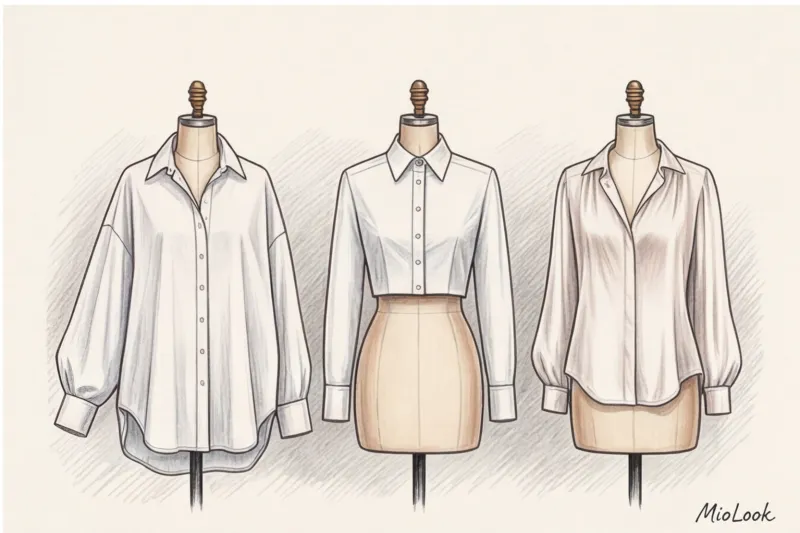
Buying basic items blindly, using five-year-old patterns, is guaranteed to freeze your money. Modern algorithms analyze not just the fact that you're buying a shirt; they also analyze its silhouette. AI can warn buyers: "Warning: interest in fitted silhouettes in the €50-€100 price range is falling by 15% every month. Reduce your purchases of this item for the next quarter."
Virtual Fitting Rooms and Data-Driven Boarding
Let's talk about the pain point of any e-commerce project: returns. In the fashion industry, about 30–40% of online orders end up back at the warehouse. And in 8 out of 10 cases, the reason is simply "didn't fit." If you want to know, How to reduce the return rate of clothing in an online store , the answer lies in working with patterns based on real data.
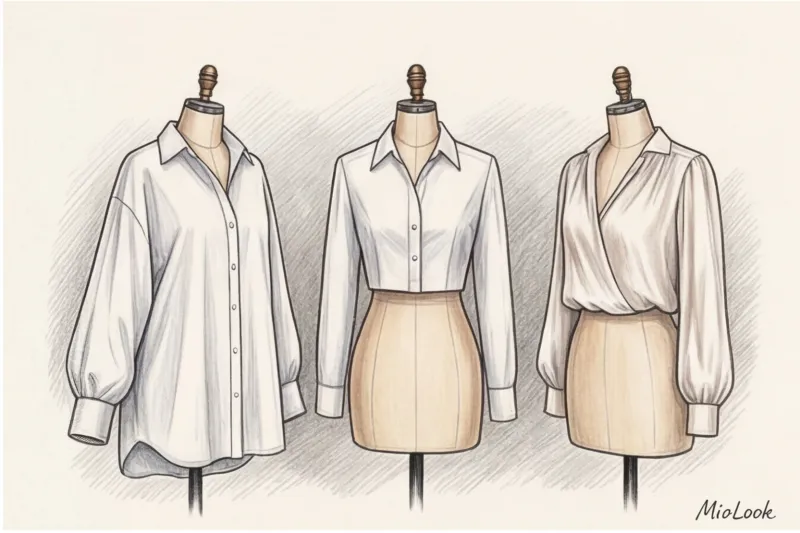
For a long time, brands have been sewing clothes on standardized mannequins, targeting an idealized hourglass figure. But real women look different. Working with algorithms MioLook virtual fitting room , I'm amazed at how much the data breaks stereotypes.
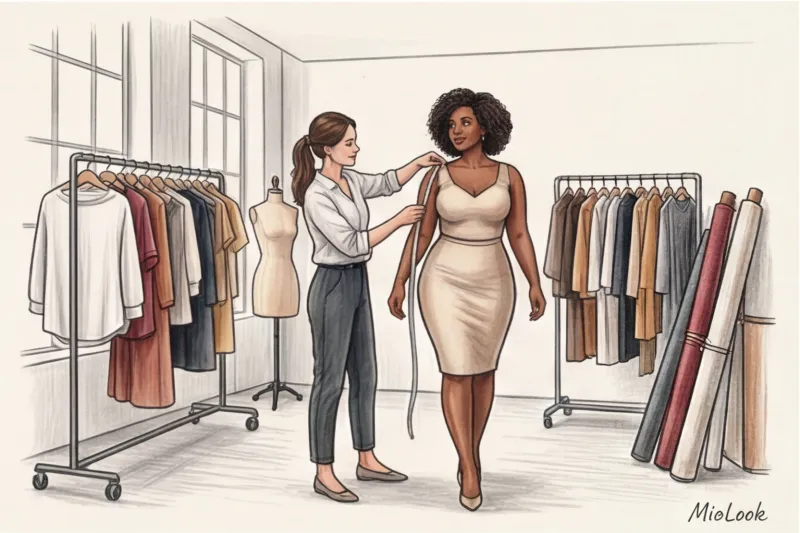
When users upload their photos and measurements to the app, the system aggregates anonymized data on actual body types. Brands using this analytics suddenly discover that 60% of their customers have an inverted triangle or rectangle body shape. This means standard trousers will constantly bunch up at the hips, and jackets will be tight at the shoulders.
The integration of AI fitting room widgets gives buyers an understanding of which styles will not fit their core audience, allowing them to eliminate these items at the matrix creation stage.
Reduce your return rate with MioLook
Offer your clients precise virtual fittings. A smart AI stylist will select the perfect look and size.
Implement technologyBuyer's Checklist: How to Plan Clothing Purchases Using AI
To turn all this theory into money, the process needs to be algorithmized. Here's a step-by-step plan I recommend brands implement.
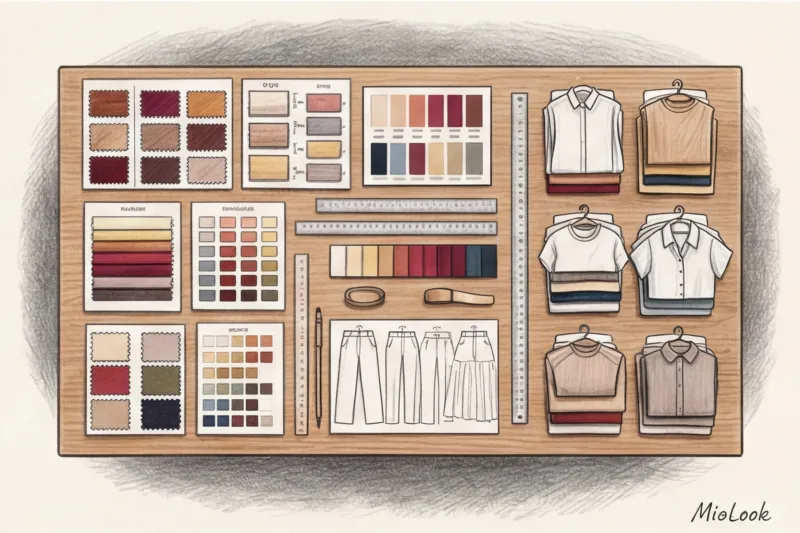
- Step 1: Deep analysis of historical data. Not just "which model sold best," but a breakdown by attributes. The algorithm should categorize your past collections by tags: sleeve length, neckline type, fabric density, composition (for example, viscose with 5% elastane). Identify patterns.
- Step 2: Integration with macro analytics platforms. Connect with services like WGSN or local AI parsers that analyze social media and show rising and falling micro-trends in your region.
- Step 3: Matrix color correction. Compare the designer's proposed palette with the color types of your actual audience. Eliminate shades that are "dead" for your market, even if they're considered the hottest trend in Paris.
- Step 4: Virtual testing. Before launching physical samples, test 3D clothing models (in Clo3D or similar) on virtual avatars with the parameters of your typical customers.
Fair Limit: This checklist doesn't work for niche couture brands or avant-garde design, where clients pay upwards of €1,000 for the designer's unique artistic vision. But for mass-market and mid-market brands with checks of €50–300, this is the only way to survive in the market.
Will the algorithm replace a live buyer and stylist?
Every time I talk about the potential of AI, my fellow stylists tense up. It seems like machines will soon put us out of work. In fact, that's not true.
The algorithm is brilliant at math. It can accurately answer questions like "what to produce?", "what color?", and "how much?" AI sees numbers, but it's completely blind to cultural context, irony, and the mood of the times.
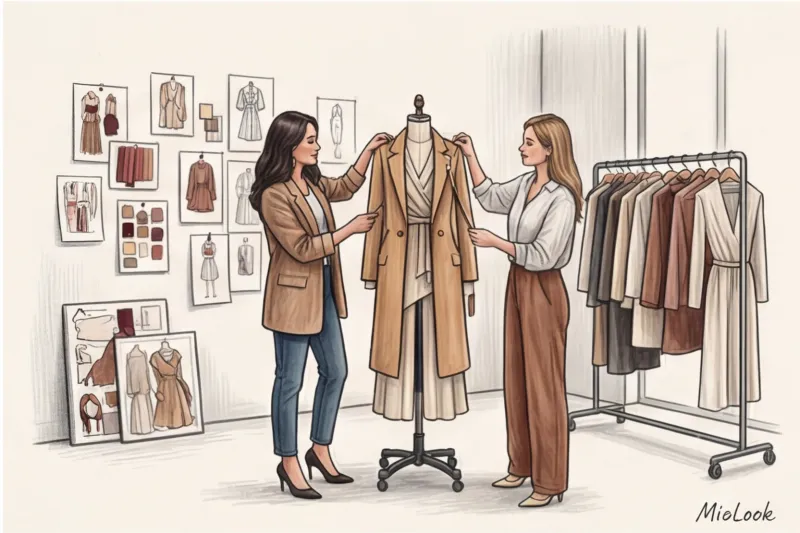
Let's say a machine predicts high demand for gray cardigans and lace skirts. But only a human stylist would figure out that they should be worn together, paired with chunky boots, and create a look that will evoke an emotional response from the customer: "I want those too!" The synergy between human and machine is where true success lies.
The future of fashion doesn't belong to brands run by soulless algorithms. The winners will be those companies whose creative directors are inspired by sales charts, and whose buyers use artificial intelligence as their most precise measuring tool.