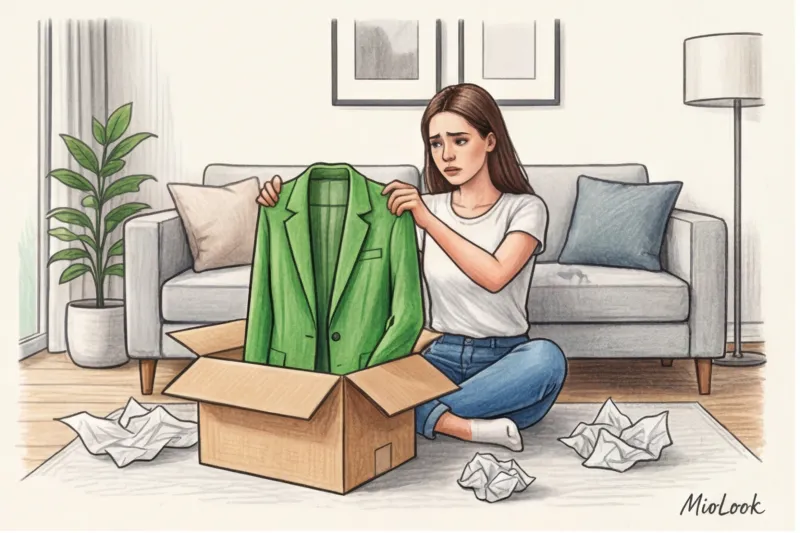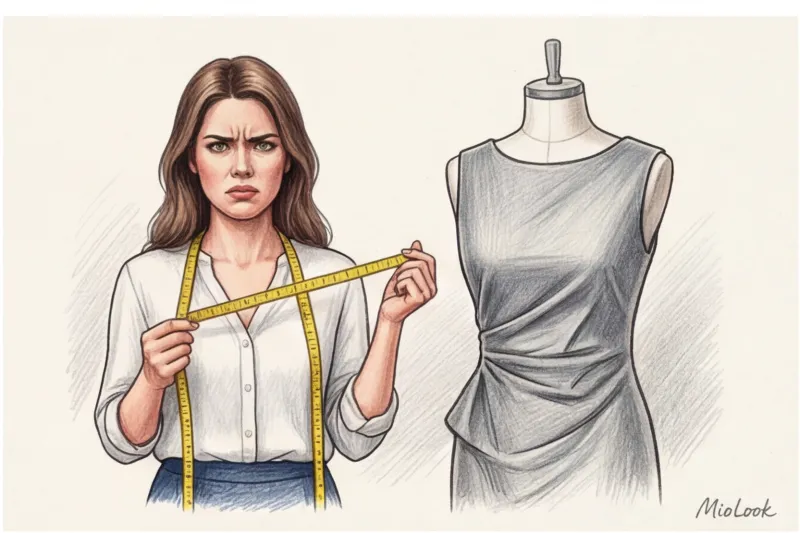
Do you know what the most expensive emotion in fashion retail looks like? It's a woman's quiet sigh of disappointment in front of the mirror in the pickup point fitting room. She's been waiting for a package for days, looking forward to wearing that jacket to an important presentation, but in reality, the garment mercilessly ruins her figure. The outcome is predictable: an immediate return. We've covered the logistics, penalties, and technical aspects of this issue in detail in our comprehensive guide: How to reduce returns in an online clothing store using AI But today I want to dissect the stylistic underbelly of losses.
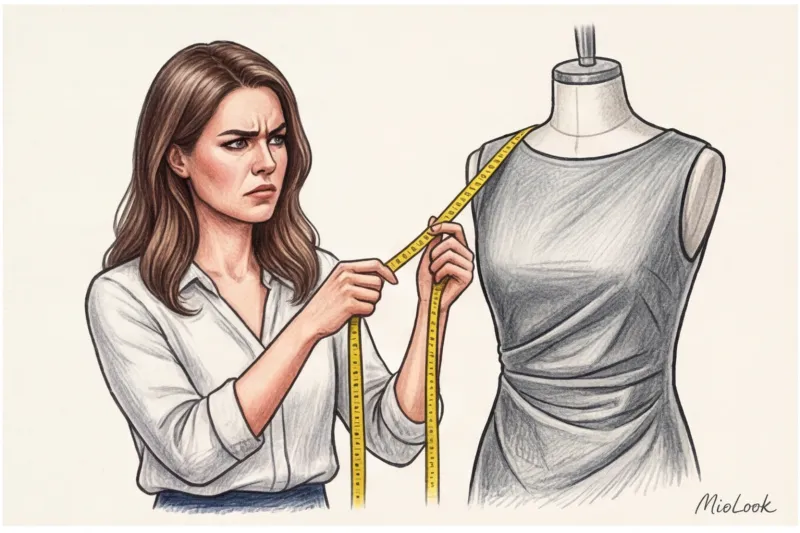
Studying Reducing returns in e-commerce: case studies Top brands revealed a paradoxical truth to me. A perfectly accurate size chart gives retailers a completely false sense of security. A mathematically correct size doesn't guarantee a purchase if the pattern doesn't conceptually fit the customer's body type. The problem lies not in the notorious "size M," but in the mismatch between the garment's architecture and the body.
The Illusion of Size: Why Measurement Charts No Longer Save Margins
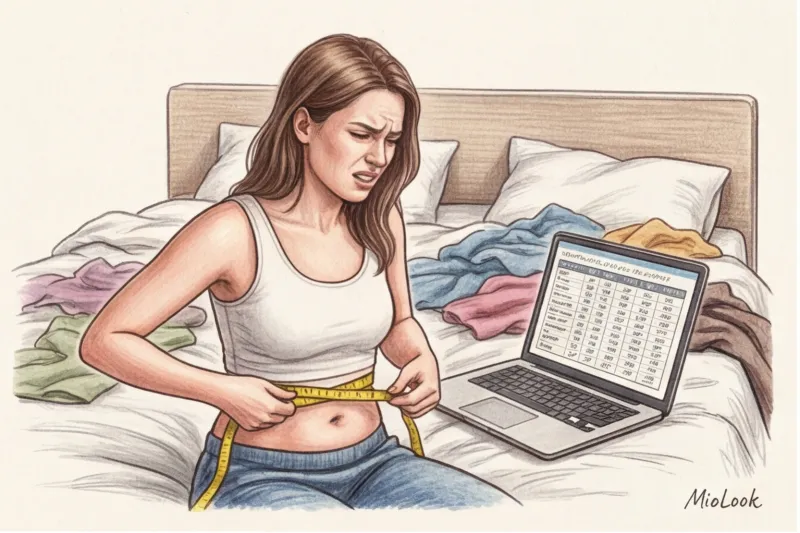
Over 12 years of wardrobe reviews, I've seen hundreds of items with the tags still attached. Women buy a size S, the jacket fits perfectly at the seams, the buttons aren't strained, but it visually adds 5 kilograms to the wearer due to the dropped shoulder and an awkward dart. Online, this is an immediate rejection after trying on, which businesses habitually classify as "wrong size."
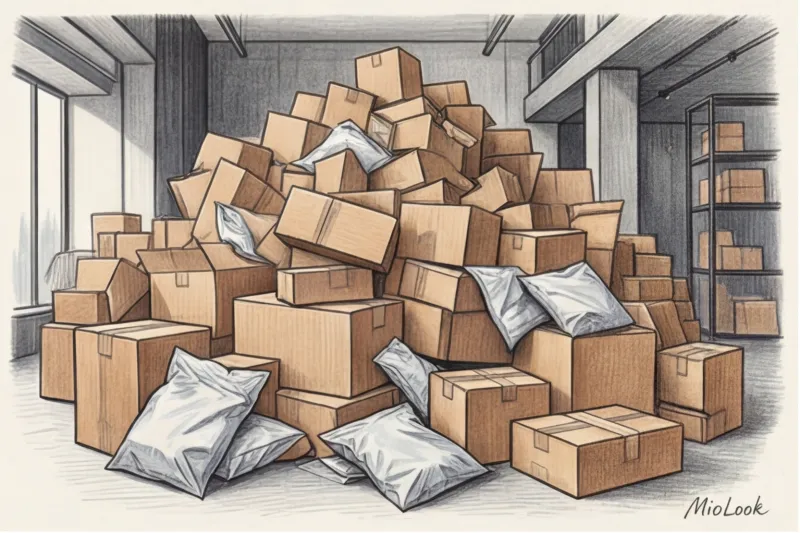
Let's look at the numbers. According to a 2023 report from the National Retail Federation (NRF), approximately 30% of online clothing purchases are returned to warehouses. But another metric is even more alarming: the cost of processing a single return (reverse logistics, dry cleaning, repackaging, markdowns) eats up 15% to 30% of its retail price. You can increase website traffic endlessly, but it's the 30% reduction in return rates that leads to explosive growth in net profit.
"We're used to thinking that customers don't know how to use a measuring tape. In reality, 70% of returns marked 'wrong size' actually hide the problem of 'the style didn't fit.' The customer simply doesn't know how to articulate it." This is the insight that all e-commerce giants are discovering after review audits.
Access to MioLook for €0.99 — one-time payment
A smart AI stylist will select the perfect look for you and help you implement smart wardrobe technologies.
Get access — €0.99 onceSuccessful Cases: Reducing Returns in E-Commerce Through Virtual Try-Ons
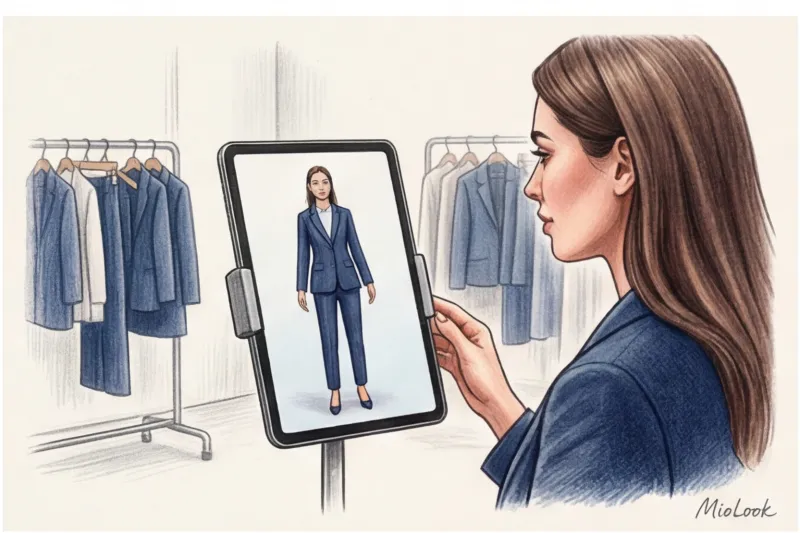
The massive shift from 2D photographs of ideal models to virtual fitting rooms isn't a PR exercise, but a rigorous revenue retention tool. According to McKinsey's "State of Fashion 2024" study, brands that have implemented AI for predictive fit analytics see an average drop in returns of 22-28%.
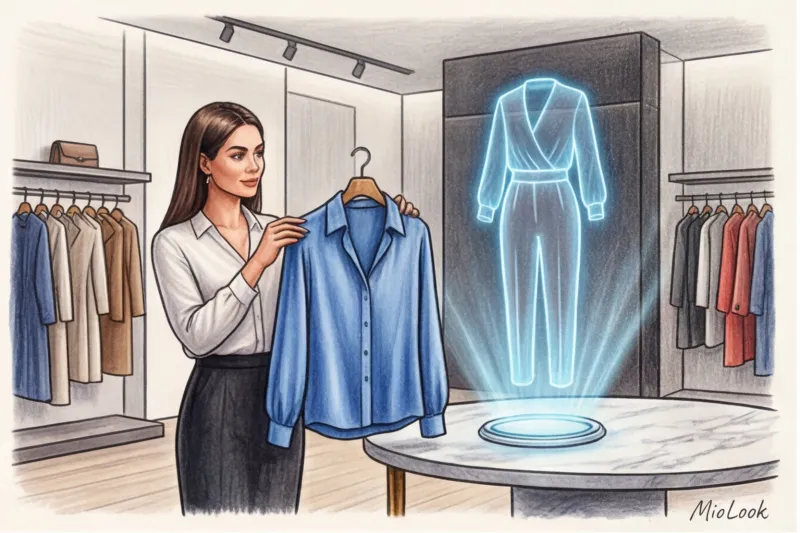
How does this work in practice? Advanced platforms create a digital twin of the customer. You enter your height, weight, and body proportions, and the algorithm doesn't simply "glue" a picture of the dress over your photo. It simulates the tension of the fabric. A customer with wide hips can see in advance that a viscose slip skirt will bunch up in unsightly folds at the crotch and cancels the purchase before paying, saving the retailer money on logistics.
Here I must make a fair disclaimer: This technology does not work for all things. When I tested the AI fitting room integration myself, it became clear that the algorithms aren't yet up to par with complex deconstructive cuts (in the spirit of Yohji Yamamoto) or multi-layered asymmetrical draping. But for a basic and smart-casual wardrobe, it's absolute magic.
How algorithms work with body geometry
The most beautiful thing about modern AI is the absence of stigmatizing, outdated terms like "pear" or "apple." The technology operates with vectors and geometry.
- Shoulder line analysis: The algorithm might warn: "This blazer style has a sharp shoulder line, which will visually widen your current silhouette."
- Product length: The AI calculates where exactly the hem of a midi skirt will end (at the narrow part of the calf or at the widest part), which is critical for visual slimness.
- Volume and air: assessing whether the required seam allowance will remain between the body and the fabric (for example, for 14 oz. heavyweight denim).
Color Analysis: How AI Prevents Returns Due to "Wrong Shade"
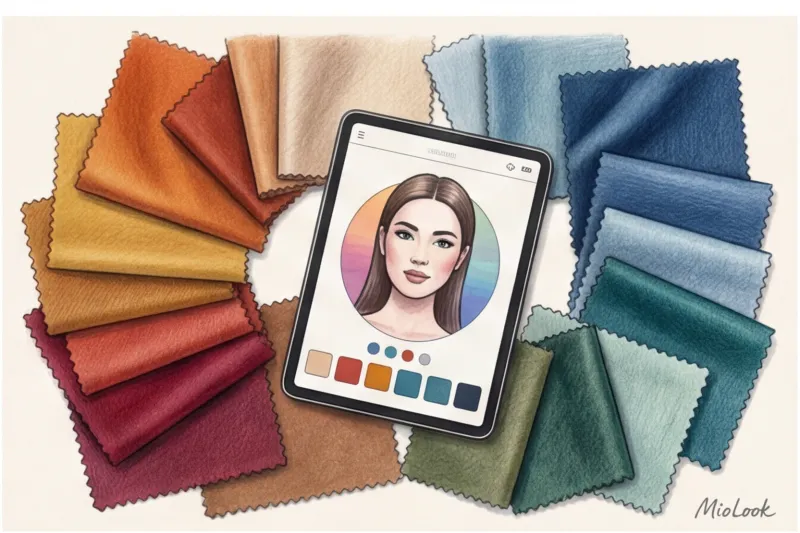
Color is the second most insidious enemy of e-commerce. Color distortion on different monitors is compounded by the physics of light reflection from faces. Remember PANTONE's 2024 Color of the Year, Peach Fuzz? It's become a logistical nightmare for brands.
The physics of color are unforgiving: if a client has a cool olive undertone, a warm peach sweater will cast a greenish, "sickly" shadow on her face. She puts the item on, looks tired, and immediately returns it with a note saying "I didn't like the color." The same basic beige top can make one woman look expensive and another look sleep-deprived.
Smart brands solve this through selfie-based filtering. The algorithm detects the contrast of a person's appearance and skin temperature in a split second. The product card displays a subtle hint: "This camel shade may blend with your skin tone. We recommend checking out the same style in cool taupe." This is a caring service that translates into the highest keep rate (buyout percentage).
Your perfect look starts here
Join thousands of users who look flawless every day with MioLook. See how colors affect your appearance.
Get access — €0.99 onceSmart Wardrobe Integration: Solving the "Nothing to Wear" Problem
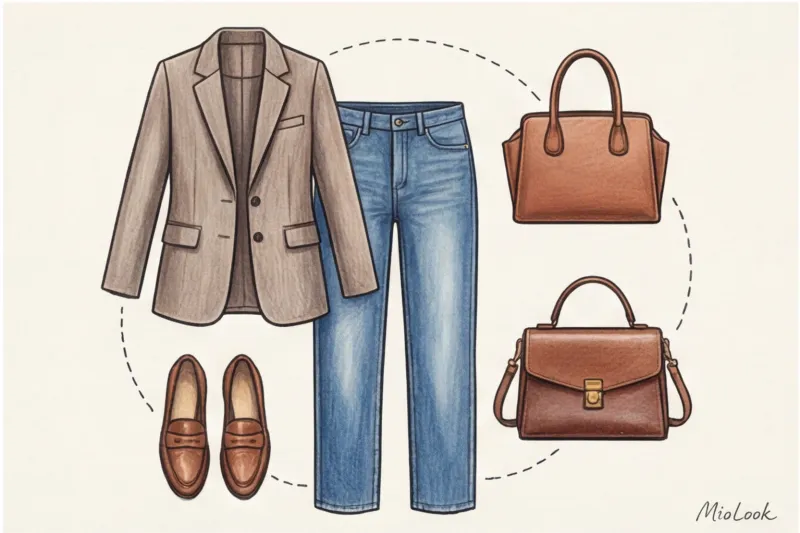
The third, and perhaps most hidden, reason for returns is impulse buying. A woman orders a stunning pair of fuchsia palazzo pants, receives them, and then realizes her closet is filled only with formal gray shirts and hoodies. The pants are returned to the store.
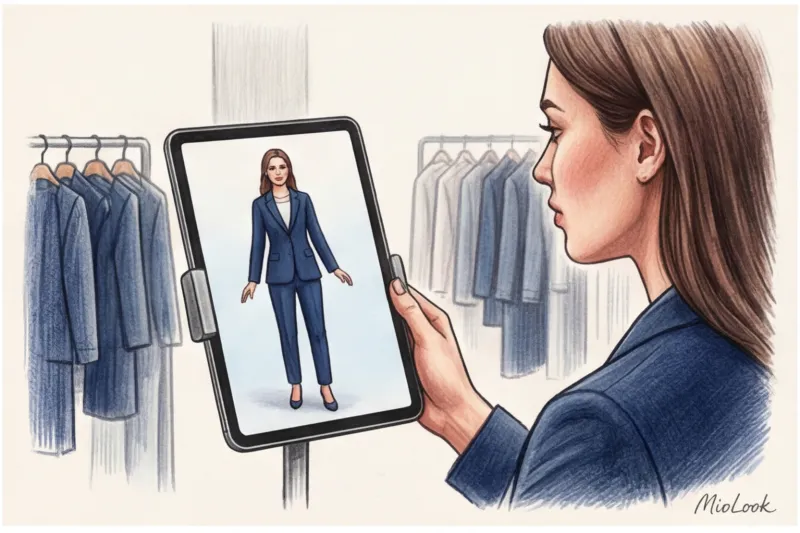
That's why the smart wardrobe concept is now being integrated into retail on a massive scale. Apps like MioLook allow users to digitalize their items. When a customer visits a partner online store, the AI creates 5-7 ready-made looks before making a purchase, mixing the new item with what's already there. it's already hanging in her closet.
The demonstration of stylistic compatibility hits the mark. If a woman sees that new trousers from Massimo Dutti or COS fit perfectly into four everyday scenarios with her current basics, any doubts are dispelled. This is pure psychology: we don't buy fabric, we buy a solution to the problem of "what to wear tomorrow morning."
Generate capsules directly in your cart
For businesses, this opens up incredible cross-selling opportunities. You're selling not just jeans, but a complete capsule solution.
- The algorithm analyzes the product in the cart.
- Instantly selects complementary products (a belt, a basic cotton T-shirt with a density of at least 180 g/m², suitable shoes).
- Reduces cognitive load: the client does not have to wander through the catalog, trying to mentally combine shades.
3D Fabric Visualization: The Battle for Tactile Expectations
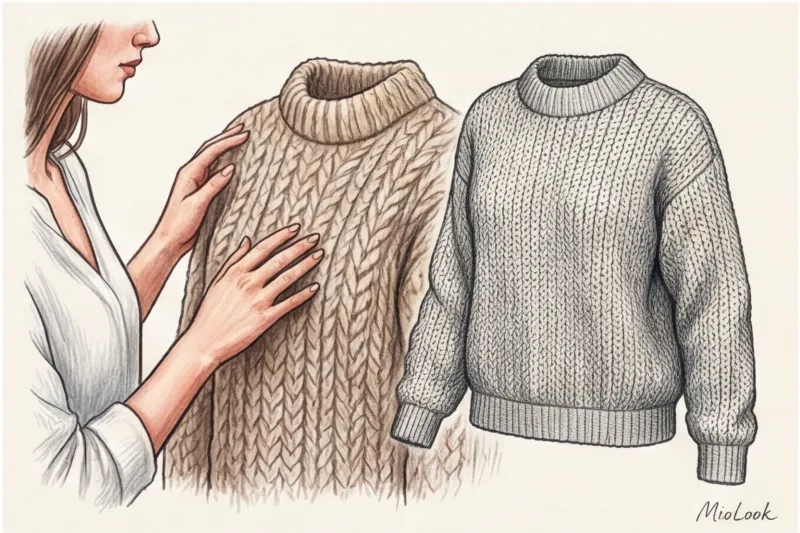
Expectation versus reality is a classic online shopping experience. In a studio flash photo, the fabric looks like flowing, dense silk (19mm+), but at the pickup point, the customer pulls out a thin, squeaky synthetic from the bag. Tactile disappointment kills brand loyalty forever.
According to Shopify's internal research (2023), product cards equipped with realistic 3D models with macro-zoom textures reduce abandonment rates due to "quality issues" by 40%. Modern AR renderings allow you to literally "feel" the item through the screen. You can spin a chunky knit sweater, experience the fluffiness of mohair, or the crisp texture of linen.
My personal recommendation for brand owners: stop airbrushing fabric textures to the point of making them look plasticky. The more honestly you show the material's true behavior (how it wrinkles, how it drapes, how much transparency there is), the more informed the customer's purchase will be.
Fashion Business Checklist: 5 Steps to Reduce Returns
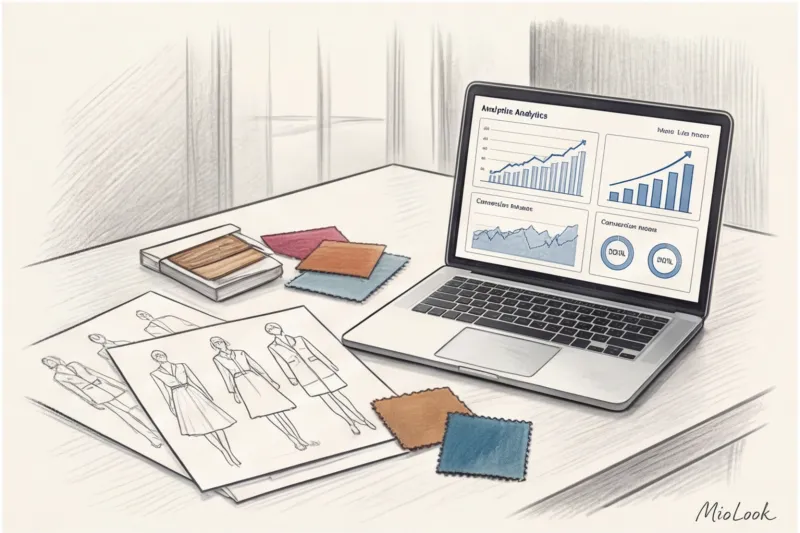
If you want to replicate successful cases of reducing returns, simply updating your sizing chart isn't enough. Create a pragmatic action plan for transitioning from logistical metrics to stylistic ones:
- Audit of the true causes: Stop believing the "size doesn't fit" reply. Implement a micro-survey upon return: "too tight in the shoulders," "uncomfortable length," "color fades." Collect the actual date.
- Basic AI recommendations: Set up an algorithm that analyzes a customer's purchase history. If they've returned slim-fit pants three times, the system should demote them and suggest straight or relaxed fit options.
- "On models of your build" feature: Shoot your best-selling images not only on size XS models with a height of 175 cm, but also on size M and XL models of various heights. This is a basic step before implementing expensive 3D avatars.
- Integration of compatibility widgets: Use smart wardrobe APIs to show customers how to style an item directly in the product card.
- Macro rendering: Add short, unedited videos of the model crumpling the fabric with her hands, demonstrating its density and elasticity (especially important for viscose with elastane and fine knits).
From Mass Catalogs to Personal Styling: The Future of E-Commerce
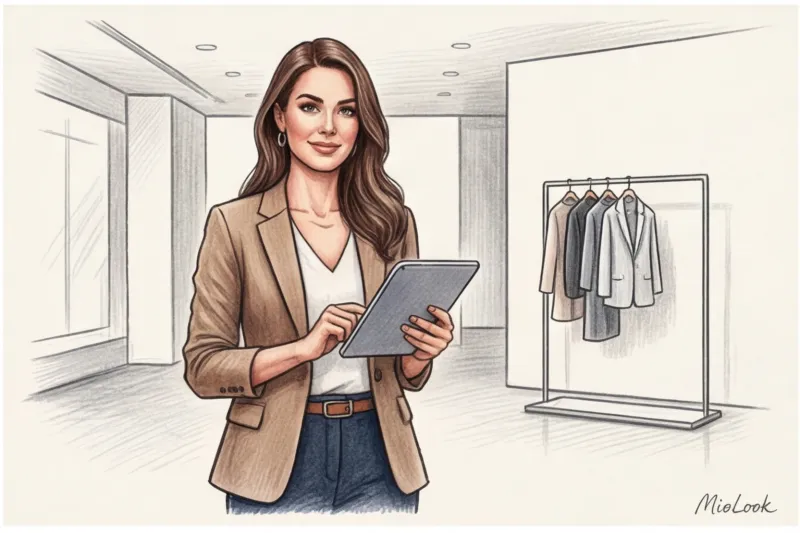
The era of mindlessly scrolling through endless catalogs is over. The fight for profitability today lies not in harsh penalties for buyers returning items, but in predictive analytics and digital styling.
It's time for brands to shift their paradigm: sell ready-made looks, self-confidence, and time saved in the mornings, rather than faceless inventory from a warehouse. The future of e-commerce is when every shopping cart is tailored to the customer's existing wardrobe, body shape, and personal coloring.
The technologies to reduce return rates to historical lows are already readily available. The only question is which market players will implement them first, turning the logistical headache into their main competitive advantage.
Ready to get started?
Try a free plan—no commitments. Digitize your wardrobe and start shopping mindfully with MioLook.
Get access — €0.99 once