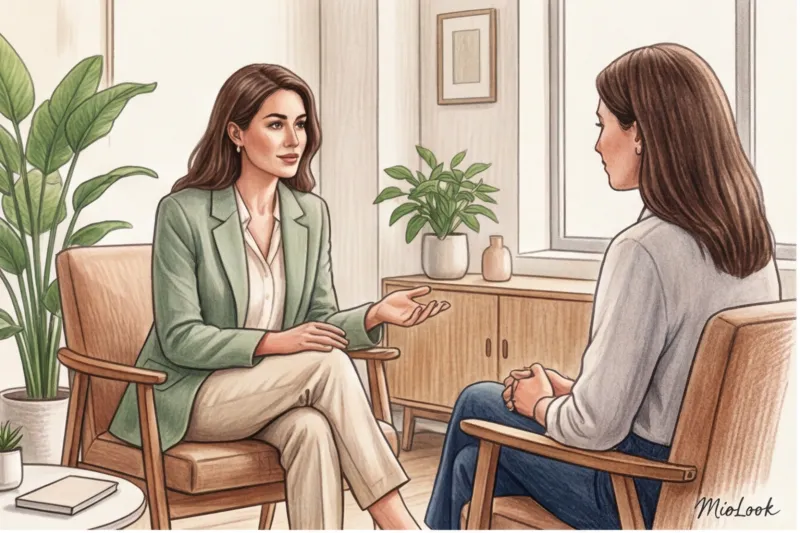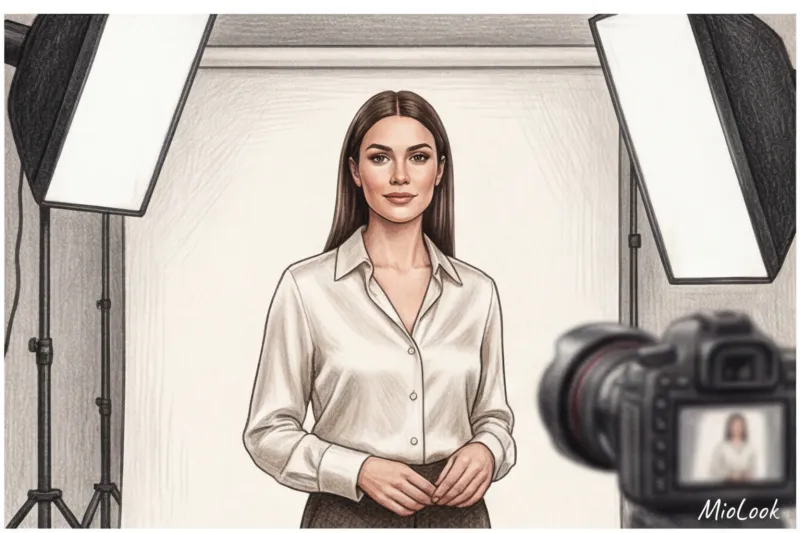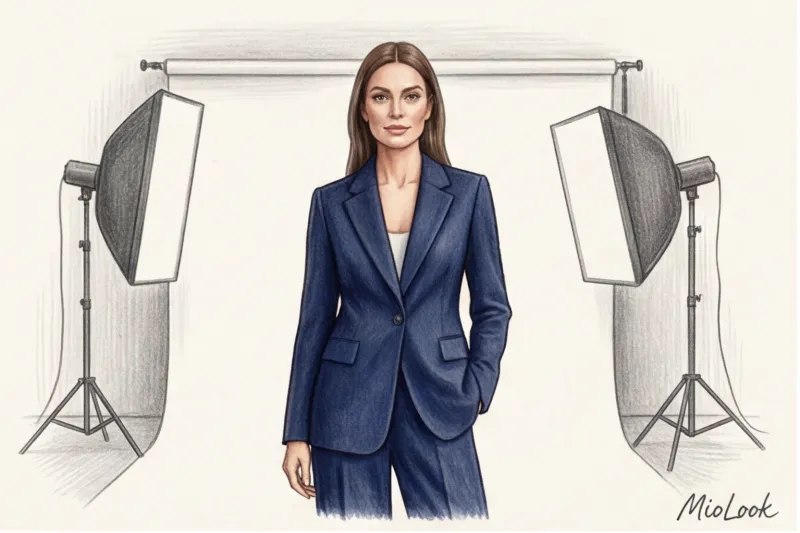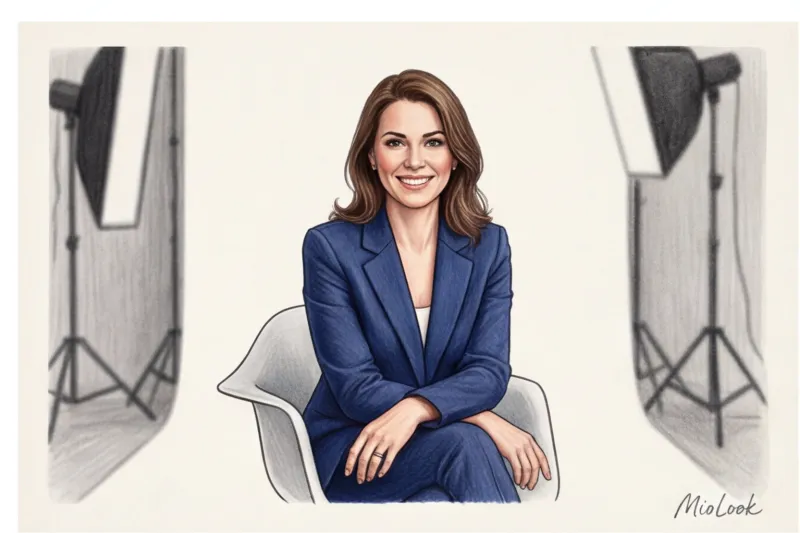
According to statistics from aggregators like B17 or Psychology Today, a potential client decides to click on your profile in exactly 3-5 seconds. And they do this not by poring over your credentials or hours of personal therapy, but by looking at your profile picture. Visual perception works faster than logic. If your image conveys anxiety, sloppiness, or excessive distance, the client simply scrolls down.
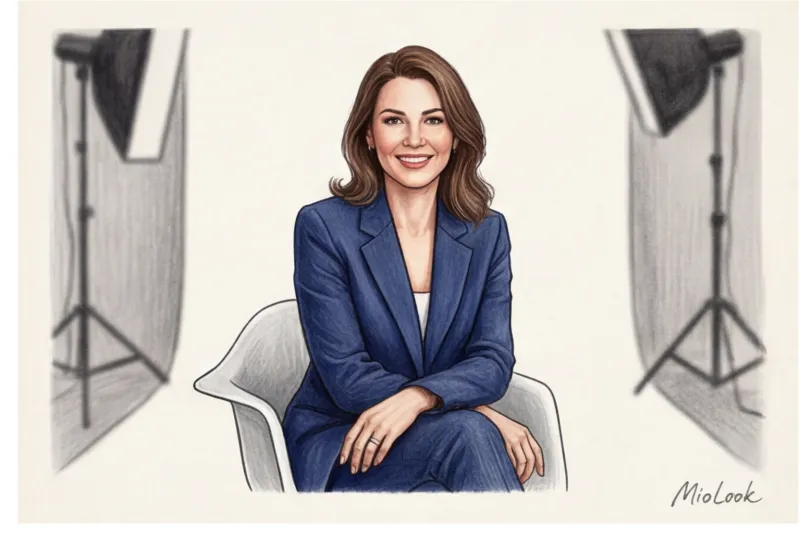
When we plan our wardrobe, Photo session for a psychologist requires a completely different approach than everyday life. We've already discussed the physics of studio lighting and posing in more detail in our A complete guide to looks for a business photo shoot , but today I want to explore the most nuanced niche. A niche where clothing must simultaneously heal, set boundaries, and sell your expertise.
The "cozy sweater" trap: why a psychologist's photoshoot looks are different from real life
The biggest misconception newbies to the helping professions make is trying to wear their most comfortable, fluffy, and soft sweater to a shoot. The logic is clear: "I want to seem like I belong, warm, and welcoming." But the camera sees it differently.
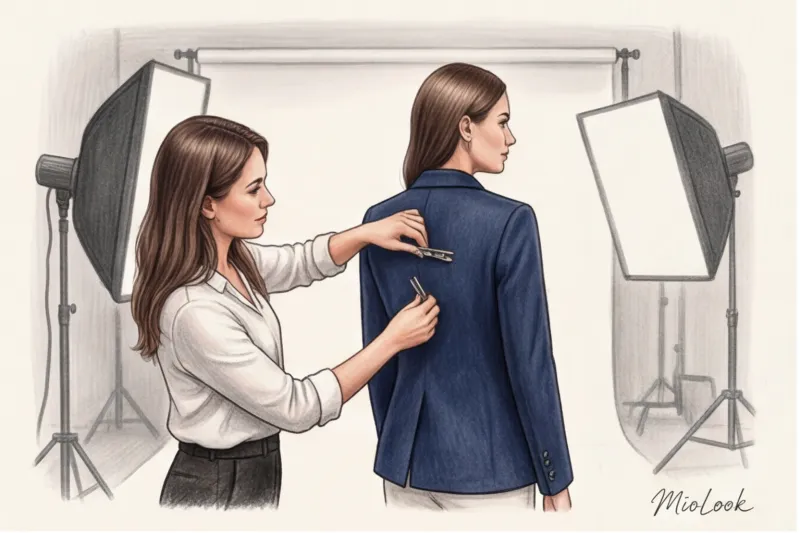
Last week, while shooting a family therapist, I literally had to save a shot. The client brought her favorite oversized chunky knit cardigan. It looked incredibly cozy in the office chair. But the 500W studio flash mercilessly "devoured" all the visual volume, and the shadows from the softboxes emphasized every fold. In the lens, the expensive garment turned into a shapeless dressing gown. I had to pin the fabric at the back with clothespins to create some kind of silhouette.
A popular myth holds that a psychologist should appear as soft as possible. The truth is, shapeless knitwear in a flat 2D photograph connotes sloppiness, not professionalism. Trust is instilled by the concept of "soft armor"—structured but not rigid garments.
You're not a kitchen helper; you're a support system for someone in crisis. Support systems need to have a form.
Niche dictates style: choosing images for a psychologist's photo shoot based on their specialization
There's no single "correct" therapist attire. A client seeking a business coach to scale a company and a client seeking a crisis counselor after a divorce respond to completely different visual cues.
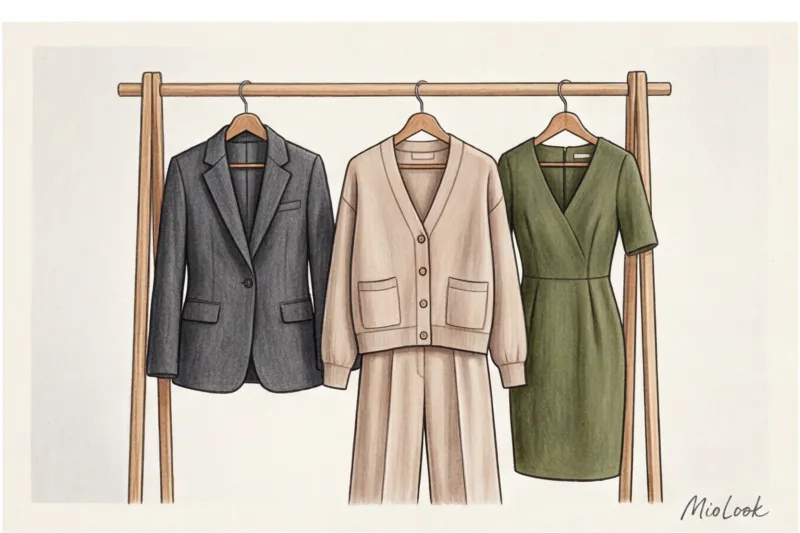
Business coach and executive therapist
Your target emotion is authority, dynamism, and effectiveness. Corporate clients are accustomed to a certain visual code, and you need to speak their language.
- Silhouette: Clean, architectural lines. Three-piece suits and sturdy shirts with a well-defined collar work perfectly. Consider the tailoring of brands like COS or Massimo Dutti—they provide the necessary rigidity without being overly pretentious.
- Colors: Deep blue (navy), graphite, contrasting combinations (for example, a dark jacket and a light shirt).
Family and child psychologist
The target emotion here is safety, warmth, and unconditional acceptance. A stiff black jacket with sharp shoulders would only be off-putting.
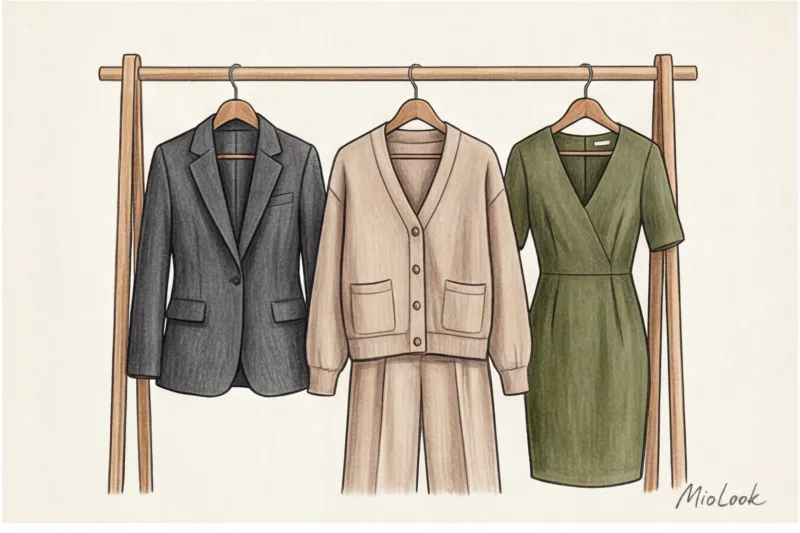
- Silhouette: Soft-tailoring. These include jackets without stiff shoulder pads, tightly knit cardigans (not loose!), and A-line midi dresses.
- Colors: A warm, natural palette. Terracotta, olive, beige. The main rule is that the color shouldn't clash with your skin tone, otherwise you'll look naked in photos.
Crisis therapist and sexologist
Two polar niches that require a precision approach to styling.
For a crisis therapist, conveying stability is important. Use thick textures, layering (for example, a turtleneck under a heavy cotton shirt), and closed-toe styles. This creates a feeling of security.
For a sexologist, the key goal is to convey a natural, modern look while categorically avoiding vulgarity. A great technique: a well-cut silk blouse (matte silk) under a tailored men's jacket. Deep wine or emerald shades work better than aggressive red.
Your perfect look starts here
Join thousands of users who look flawless every day with MioLook. Create your capsule photoshoot ahead of time!
Get access — €0.99 onceColor Palette in Film: How to Convey Empathy Without Words
The camera hates extremes. If you show up to a shoot wearing a crisp white shirt, it will act as a reflector, creating a glowing spot in the photo that will draw attention away from your face. Total black is the other extreme. The camera's sensor is often unable to capture the midtones of black, and your stylish black blouse will turn into a flat, volume-less black hole.
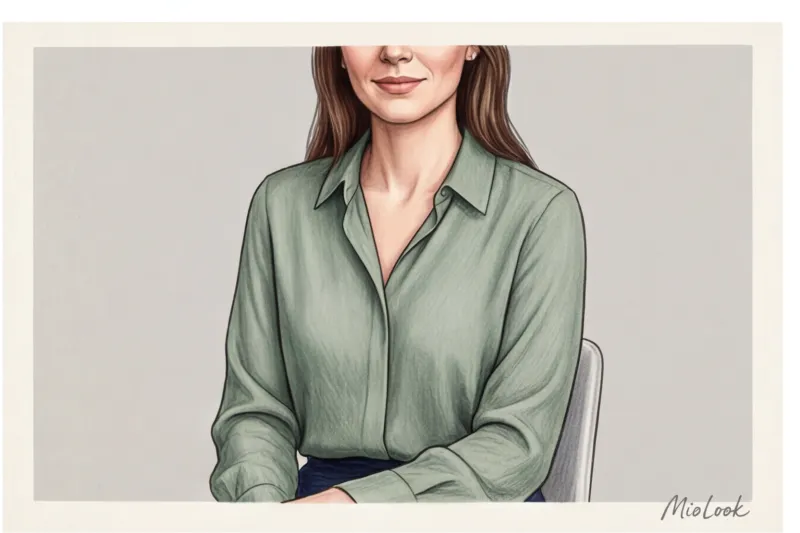
Research by the PANTONE Color Institute (2024) and data from the WGSN agency confirm that complex, muted shades with gray pigments physiologically lower the viewer's heart rate. Dusty rose, sage, blue-gray, and oatmeal—these tones literally say to the client, "It's safe here, you can breathe."
When choosing a color, always consider the contrast in your appearance. Strong softboxes often make skin appear paler. If you have a low-contrast complexion (light brown hair, light eyes), avoid overly pale pastel shades near your face—you risk looking tired and unhealthy.
Textures the Camera Loves: A Stylist's Insider Tips
Cheap polyester and shiny satin instantly ruin an expert's status. Shiny fabric looks damp and cheap in flashlight. Cameras prefer matte, dense surfaces.
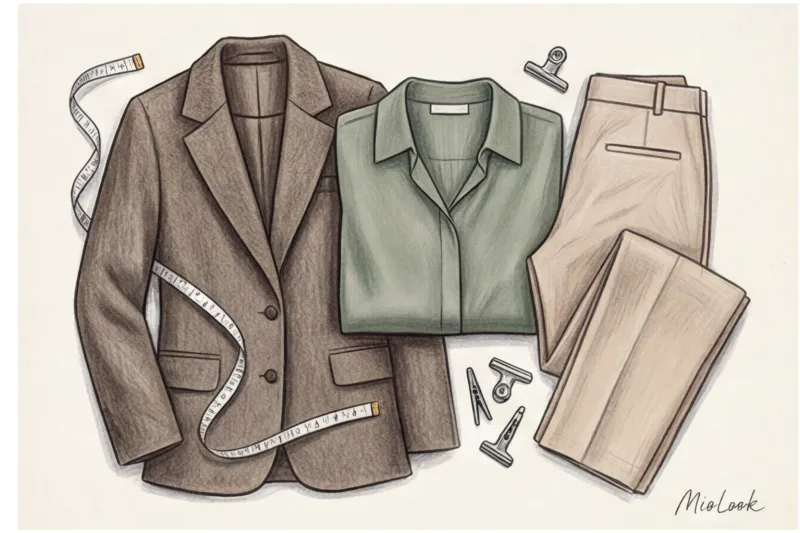
Remember the golden rule of studio photography: For a photo shoot you need fabric that is twice as thick as for life If it's cotton, it should be at least 180 g/m². If it's viscose, it should be highly twisted. Fine knitwear will highlight even the folds on your body that you don't have.
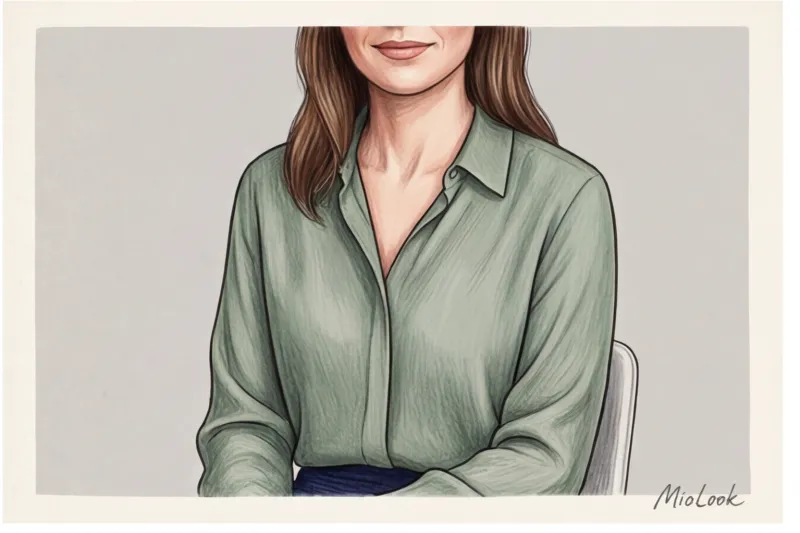
Texture is the best alternative to print. A small floral or a thin stripe often creates a moiré effect (a rippled pattern that's painful to the eyes) in photos. But ribbed fabrics, tweed, bouclé, and matte silk create a refined depth in the frame. Excellent, photogenic textures at reasonable prices can always be found in the basic collections of Zara, & Other Stories, or Uniqlo.
When it does NOT work: If you're shooting a lifestyle shoot outdoors in natural, diffused light, lightweight, flowing silk or fine linen can look stunning. But in a studio with artificial light, it's all about solidity.
Glasses, watches and jewelry: details that the client notices
Accessories in a psychologist's portrait are not just decorations, they are psychological markers.
A common mistake I regularly see (and which photographers hate): the expert arrives wearing their everyday glasses. The flash creates a harsh glare on the lenses. The photographer has to spend hours retouching the eyes, "drawing" the pupils anew. The end result is a glassy, lifeless look. My advice: buy beautiful frames without lenses for the shoot or use glasses with a high-quality anti-reflective coating.
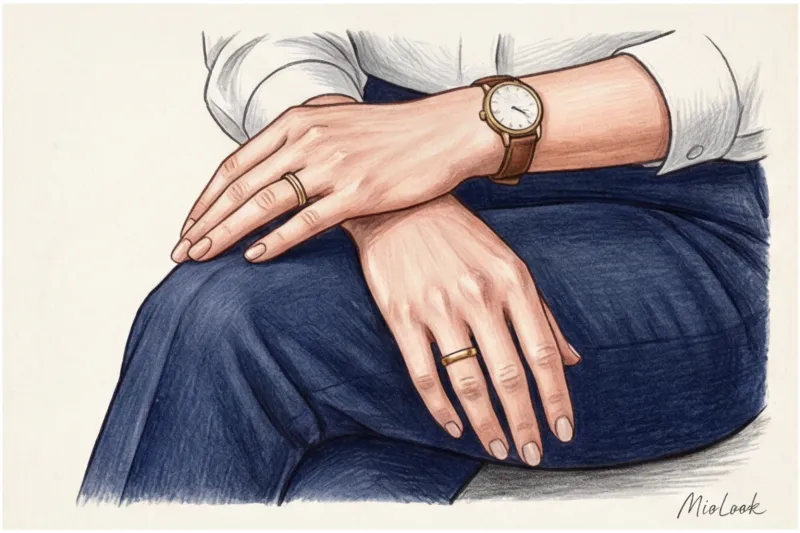
A watch is a must-have for a coach or therapist. Clients subconsciously perceive the presence of a watch on your wrist as a guarantee of adherence to timing and respect for the boundaries of the session. It's a powerful signal of trust.
When it comes to jewelry, use the "rule of two": no more than two statement pieces in the portrait area (for example, minimalist earrings and a ring). Jingling charm bracelets, oversized stones, and intricate necklaces draw the attention away from your eyes.
Access to MioLook for €0.99 — one-time payment
A smart AI stylist will select the perfect look from your items and suggest accessories to add.
Get access — €0.99 onceChecklist: How to Prepare for a Shooting Day
A perfect look can be ruined by one wrinkled crease or coffee stain. Here's my prep checklist, which I send to every client before a shoot:
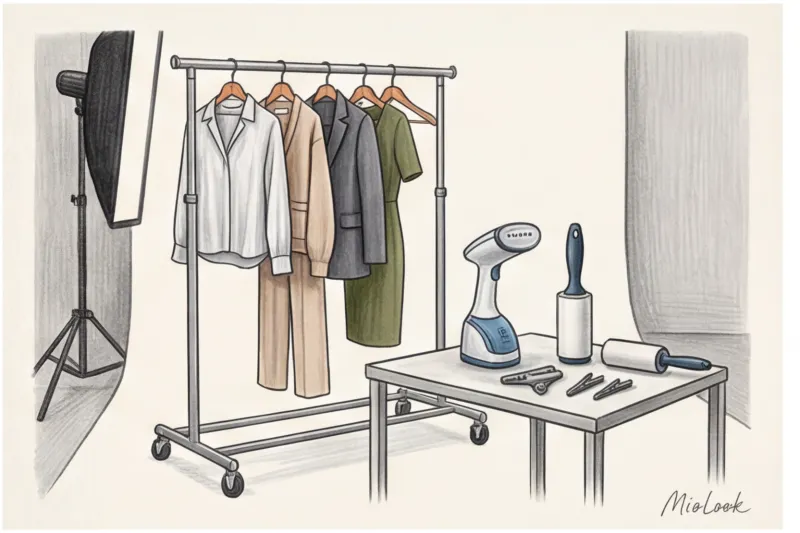
- A steamer and a roller are your best friends. Don't rely on an iron at home. Your clothes will wrinkle by the time you get to the studio. Bring a suitcase with your clothes and a portable steamer. A lint roller is essential, especially if you're shooting in the dark.
- Seamless nude underwear. No lace. And most importantly: never wear black underwear under dark clothing for a studio shoot. The strong light will cut right through the fabric, and the outline of your black bra will be visible under a dark blue turtleneck. Only smooth underwear that matches your skin tone.
- The rule of duplicates. Nervousness, spilled coffee, deodorant stains—anything can happen on set. Always bring a spare shirt or blouse of a similar cut. To avoid the hassle of finding a spare set, I recommend packing it in advance. MioLook app - this way you can be sure that your spare blouse will match your main trousers exactly.
- Clean shoes. Even if you've agreed to only shoot from the waist up, make sure you have the perfect footwear. Shoes change your posture, gait, and how you feel on camera. Slippers will never give off the vibe of an executive coach.
Preparing for a professional photo shoot is an investment in your personal brand. Trust in the frame isn't born from a forced smile and a fluffy sweater. It's built on visual predictability, a clear silhouette, and attention to detail. When your look is flawlessly put together, you stop worrying about the fit of your jacket and start truly looking your future client in the eyes.