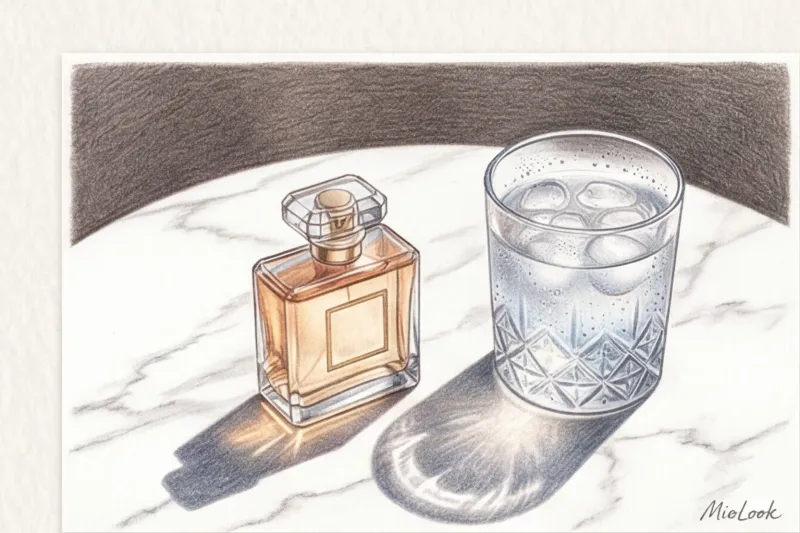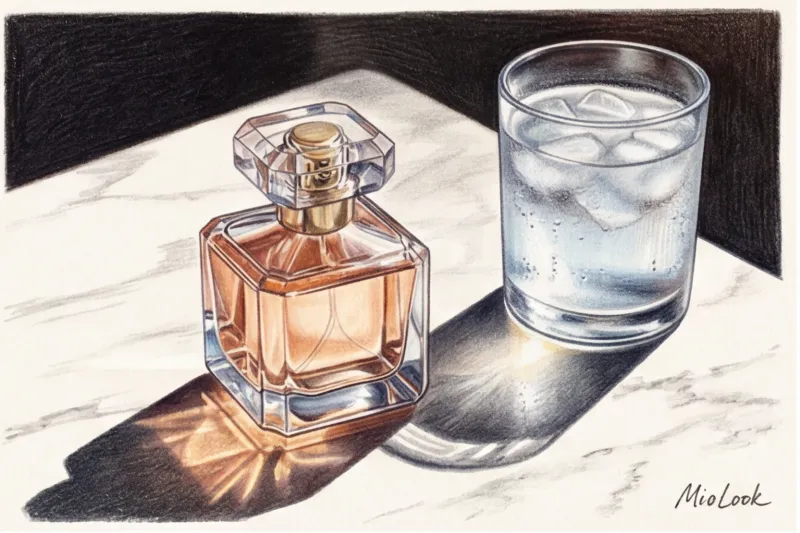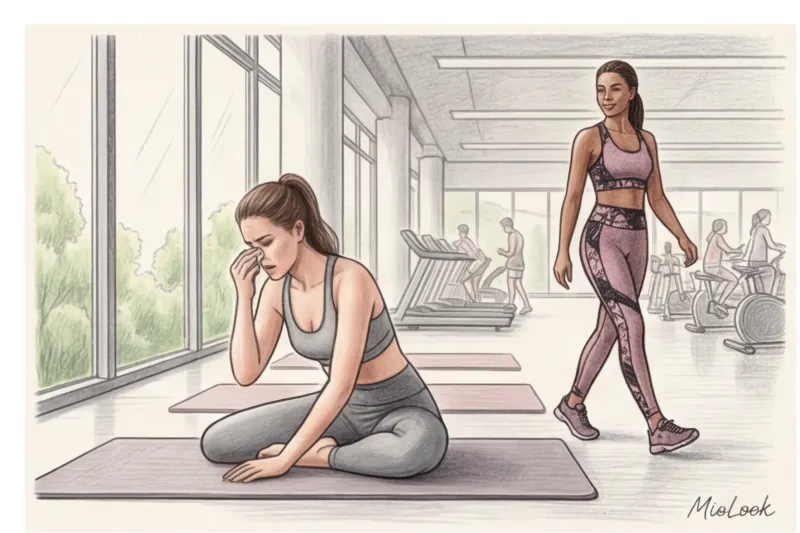
Have you ever wondered why the same scent smells like an elegant, invisible signature in the office, but turns into a veritable chemical weapon on the treadmill next door? For a long time, I was a proponent of a radical approach, advising my clients to leave any bottles outside the locker room.
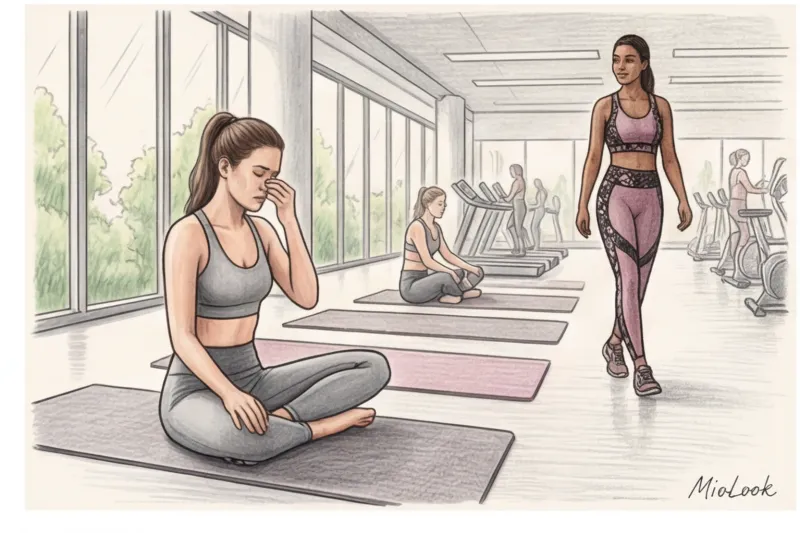
But six months ago, I conducted a personal experiment. I put on a heart rate monitor, chose five completely different fragrance profiles, and tested them during intense HIIT workouts, carefully recording my feelings and the reactions of those around me. The result surprised me: the right sports perfume isn't just an attempt to mask body odor. It's functional gear that impacts your endurance just like a pair of quality compression tights.
We have already discussed the basic rules of appropriateness of fragrances in more detail in our the complete guide to perfume etiquette Today, we'll explore extreme conditions: a heart rate of 140 beats per minute, hot skin, and active ventilation in the gym. I'll show you how to use fragrances to energize you without intruding on the privacy of others.
Why sports perfume isn't a taboo, but a matter of etiquette
The invisible dress code in a fitness club is much stricter than in the open-plan office of an investment bank. The reason lies in physiology and spatial constraints. During cardio, a person's oxygen consumption increases three to four times. We breathe deeper, more frequently, and literally inhale every molecule in the air.
In perfumery there is a concept sillage A trail (sillage) is the fragrant scent you leave behind. While a comfortable trail radius outdoors can reach up to two meters, in a gym with active ventilation and the deep breathing of neighbors at the gym, this radius should be reduced to a maximum of 30 centimeters. This is the so-called "bent elbow" rule—your scent should only be detectable by someone who comes close to you.
"The psychology of smell perception in the gym works against us. When a person experiences physical exertion, their nervous system goes into mild stress mode. The brain interprets any intense external stimulus, be it a loud scream or the thick odor of someone else's perfume, as a threat, causing immediate irritation," explain sports psychology experts.
Access to MioLook for €0.99 — one-time payment
A smart AI stylist will select the perfect look for training and everyday life.
Get access — €0.99 onceBody Chemistry: How a 140 BPM Heart Rate Changes the Sound of Your Perfume
Chemically, applying a classic, complex perfume before a workout is a disaster for its olfactory pyramid. Fragrance creators expect the composition to unfold gradually over several hours on skin at a temperature of approximately 36.6°C.
What happens when you start deadlifting? Your local body temperature rises by 1-2 degrees. According to perfume chemists, this heat accelerates the evaporation of volatile compounds by 40%. The light, sparkling top notes (bergamot, lemon, pink pepper), which should have delighted you for half an hour, literally "burn" off your skin in 5-10 minutes.
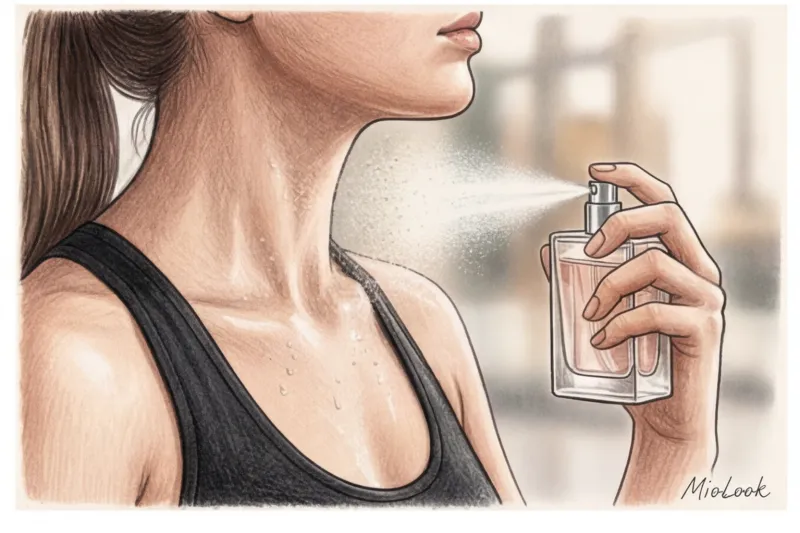
The result is only a heavy base. This is where sweat comes into play. Fresh sweat itself is practically odorless, but it changes the skin's pH, making it more acidic. Lactic acid reacts chemically with the base ingredients of the perfume. This is why your favorite office scent suddenly starts to have a sour, metallic, or downright "dirty" undertone.
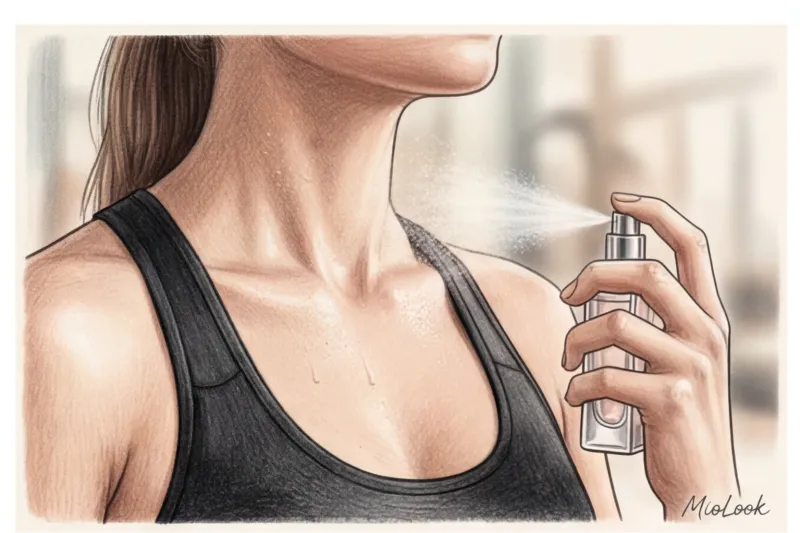
Skin hazard: risk of allergy and pigmentation
Beyond the aesthetic aspect, there's also the medical aspect. Most classic perfumes contain between 70% and 90% alcohol. When you exercise, your pores dilate. An alcohol-based formula on steamy, sweat-dampened skin is a surefire way to cause contact dermatitis and microburns.
If you prefer running outdoors, the situation is even more complicated. According to the 2023 IFRA (International Fragrance Association), many natural essential oils, especially cold-pressed citrus oils, are highly phototoxic. The furocoumarins they contain, when exposed to UV light and sweat, can leave permanent pigmentation marks on the neck that are extremely difficult to remove.
Your perfect look starts here
Join thousands of users who look flawless every day with MioLook.
Get access — €0.99 onceWorst notes: what you should absolutely not wear to the gym
In my 12 years as a stylist, I've heard countless stories of fashion fiascos, but one of my clients took them all to the extreme. She showed up to a morning group yoga class liberally slathered in Baccarat Rouge 540. The combination of ethyl maltol, Evernyl, and thirty deeply breathing, sweating bodies in a confined space forced the class to be cut short—two women became physically ill.
To avoid becoming the heroine of a similar story, permanently exclude the following profiles from your sports wardrobe:
- Oud wood, heavy amber and animalic musk. In warm weather, they take on fecal or unwashed flesh tones. What sounds like luxurious cashmere in the cold, smells of sloppiness in the gym.
- Gourmet (vanilla, praline, caramel, chocolate). Sweet, edible notes trigger nausea when inhaled intensely. The brain dissociates: the body works itself to the limit, while the receptors signal the need to eat cake.
- Indolic white flowers (jasmine, tuberose, lily). In nature, these flowers emit a scent to attract nocturnal insects, and their chemical composition contains indole, a substance that in high concentrations (and when mixed with sweat) produces a distinct odor of decay.
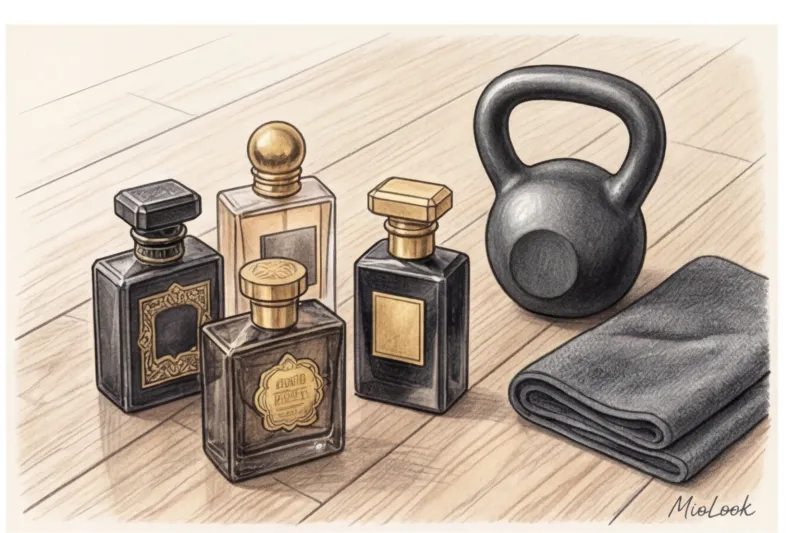
The perfect sports perfume: molecules, freshness, and skin scents
And now for the most counterintuitive insight I came to during my testing: sweat doesn't automatically make a perfume unpleasant. A terrible scent is always the result of using heavy bases. If you choose the right ingredients, moisture and warmth will actually enhance the scent.
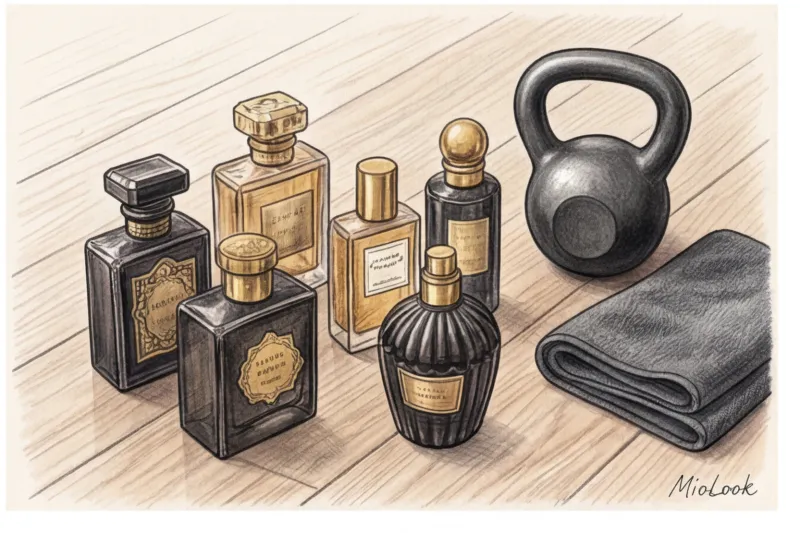
Packing your sports capsule MioLook , I always add not only sneakers to my uniform, but also a bottle from the category skin scents (Clean scents that sit close to the skin). This is what works flawlessly:
Synthetic molecules (Iso E Super, Ambroxan, Cetalox). These are absolute gym champions. The famous Escentric Molecules or Not A Perfume by Juliette Has A Gun don't have a classic pyramid. They don't disintegrate with heat. Moreover, these molecules love hot, moist skin. Mixing with clean sweat, they create a unique, sexy, yet completely unobtrusive scent of freshly ironed linen or warm wood.
Fresh and aquatic profiles. Green tea, cucumber, bamboo, ozone. They create the illusion that you've just stepped out of a cool shower. They wear off quickly, but that's exactly what we need—they provide a boost of energy for the first 30 minutes of your warm-up, and then disappear without a trace, without interfering with your main workout.
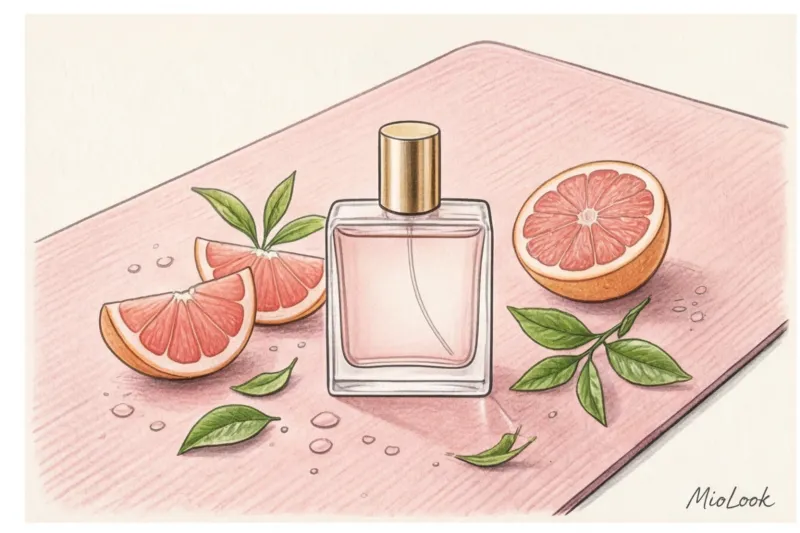
Functional perfumery. Sports psychology studies (specifically, those from Wheeling University) have proven that peppermint aroma can objectively improve focus and physical endurance, while pink grapefruit notes reduce subjective feelings of fatigue. Citrus colonies are an excellent legal boost for those tough days.
Ready to get started?
Try MioLook's free plan—no commitments or card required.
Get access — €0.99 onceSmart Alternatives to Classic Perfume During Workouts
Let me clarify right away: the concept of any perfume is absolutely unworkable if you're swimming in a pool. Chlorinated water reacts unpredictably with fragrances, producing a pungent chemical odor. For other sports, if you're wary of using alcohol-based perfumes, the industry offers excellent hybrid formats.
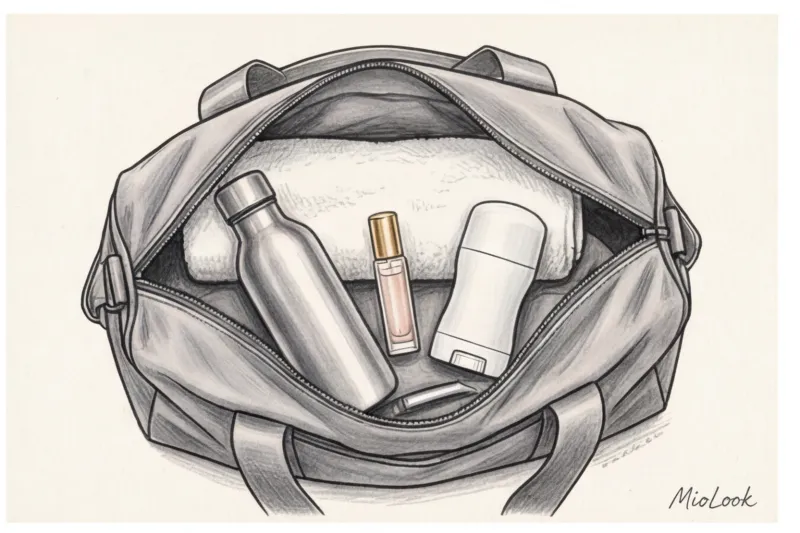
- Perfumed deodorants. Many niche and luxury brands produce deodorant sticks scented with their best-selling products. They're alcohol-free, block sweat odor, and leave a subtle, intimate trail.
- Hair mists and body mists. Hair mists contain reduced alcohol (to avoid drying out hair) and include caring ingredients. Hair retains the scent well, but it doesn't feel as warm as on the skin.
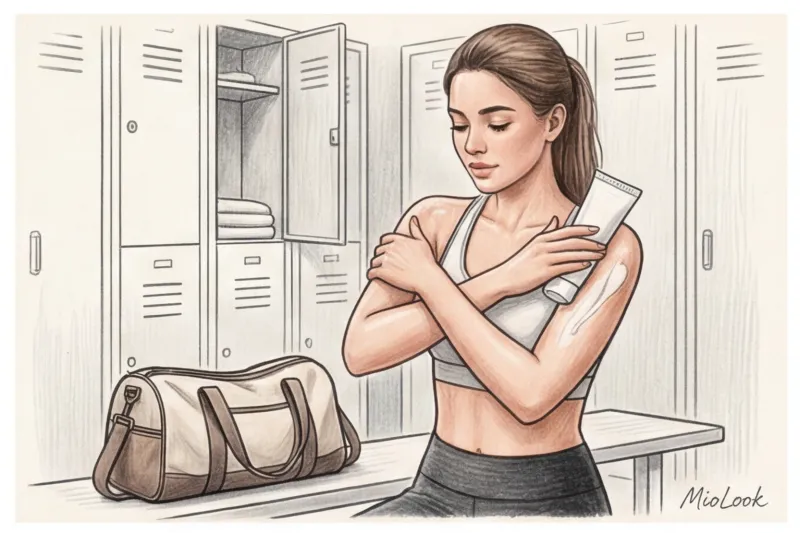
- Perfumed lotions. My favorite life hack: Apply a light lotion with a verbena or green tea scent to your shoulders an hour before your workout. The scent will soak into your skin and gently pulsate only when your muscles are really warmed up.
Checklist: Rules for Applying Perfume Before a Workout
Even the most perfect molecular fragrance can be ruined by improper application. To ensure your workout routine is flawless, follow this simple checklist:
- Microdosing is your everything. Forget the usual 3-4 sprays. For the gym, the rule is: exactly one micro-spray. The ideal format for your gym bag is a 10 ml rollerball. They allow you to apply the fragrance precisely, without creating a cloud.
- Change the pulse points. In everyday life, we apply perfume to our wrists, elbows, and collarbones. At the gym, these areas are the first to sweat and rub against the equipment. Apply perfume to the back of your neck (under your hairline) or spray one spray on the bottom of your sports bra.
- Timing matters. The worst thing you can do is spray perfume in a cramped locker room a minute before heading to the gym. You'll leave everyone in the room breathing in a cloud of alcohol. Apply the scent at home, 20-30 minutes before your workout. By the time you step on the treadmill, the harsh opening notes will have faded, leaving only the right base.
The gym is a place of strength, concentration, and self-improvement, not a branch of a perfume boutique. Think of your workout scent not as jewelry, but as an audio track in your headphones. It should set the rhythm, motivate you to finish your set, and be quiet enough not to disturb the person pressing the barbell on the next bench.