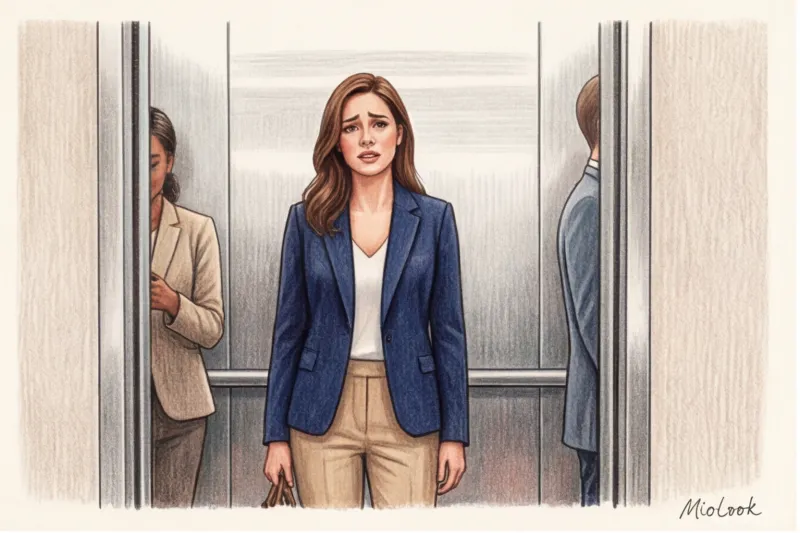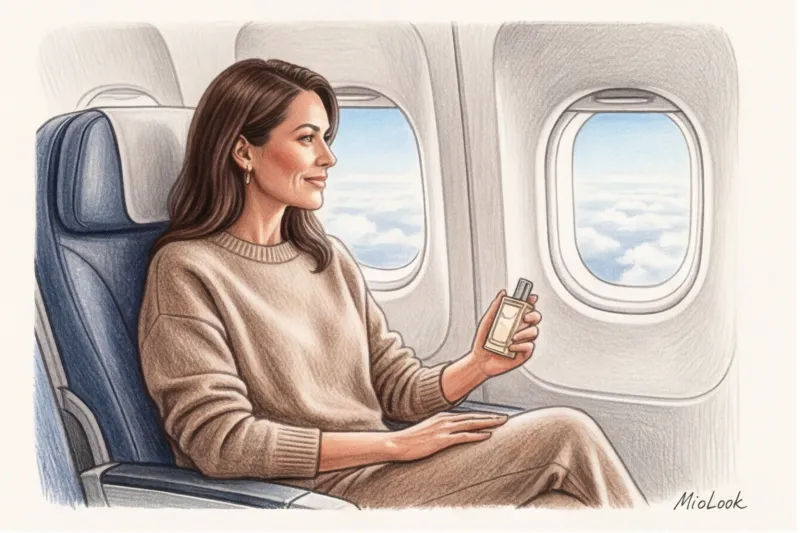
October 2023. An Air France flight from New York to Paris. Business class is filled with editors, buyers, and stylists flying to Fashion Week. And exactly forty minutes after takeoff, half the cabin begins quietly asking the flight attendants for migraine pills. The reason? The person sitting next to them had generously sprayed on a thick oud scent just before landing. In the pressurized cabin, the perfume became a veritable chemical weapon, impossible to hide from.
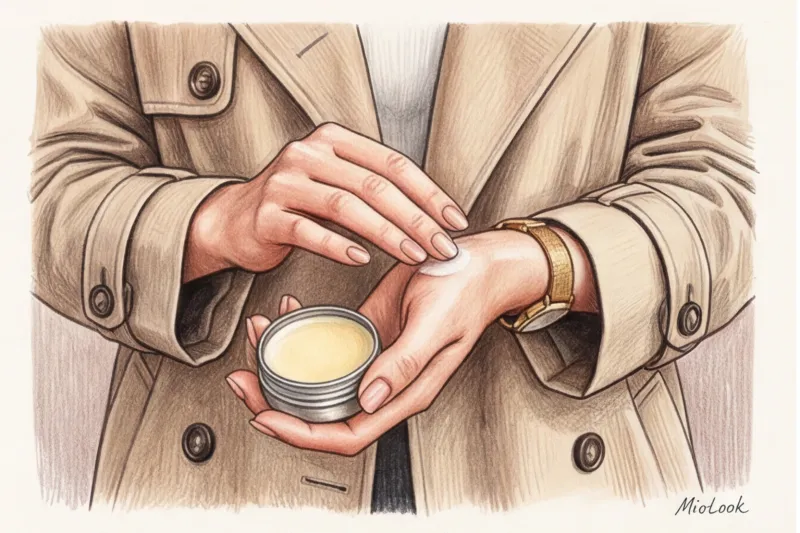
When choosing perfume for a plane or a high-speed train, we often forget that it's not just cramped quarters that change the rules of the game, but also simple physics. We've covered the basics of choosing fragrances for different situations in our the complete guide to perfume etiquette , but transportation requires a separate, almost scientific approach. Over 12 years of working in fashion journalism, I've learned one thing: what sounds luxurious on an open terrace can be hated in the sky.

Airplane Perfume: Why Your Perfume Smells Different at 10,000 Meters
According to aviation medicine research, humidity in a commercial airliner cabin during flight drops to an extreme 10–20%. By comparison, in the Sahara Desert, it remains at 25%. What does this mean for your fragrance composition?
Firstly, the rate at which volatile substances evaporate changes. The top notes of a composition fade approximately 40% faster than usual. Secondly, the dry air instantly dries out the mucous membranes of the nose. Our olfactory receptors are in a state of micro-stress, causing the brain to perceive any strong odors as a potential threat. What seemed like a light floral scent on the ground now sounds aggressive, flat, and intrusive at 10,000 meters.
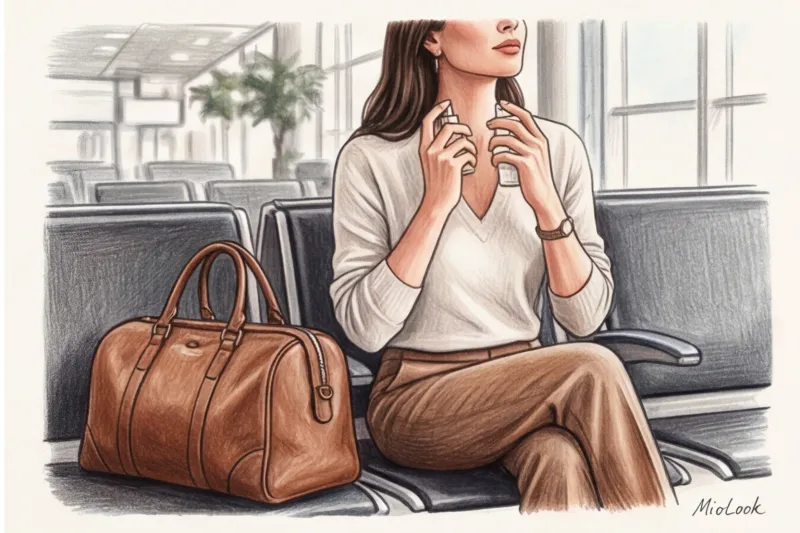
As perfume chemist and researcher WGSN (2024) notes, under reduced pressure, alcohol molecules behave differently – they literally “shoot” from the surface of the skin, taking with them heavy base notes that would normally take hours to unfold.
Access to MioLook for €0.99 — one-time payment
A smart AI stylist will help you find the perfect look for your next trip.
Get access — €0.99 onceAnatomy of a Train and Airplane Trail: The Zero-Radius Rule
There is a beautiful French word in perfumery sillage A scent's sillage is the invisible trace a fragrance leaves in the air after you've passed by. According to the unspoken rule of the International Fragrance Association (IFRA) and business etiquette, your sillage on public transportation should be exactly zero centimeters.

This is the basis of the concept of "olfactory quiet luxury." Your scent shouldn't intrude on someone else's personal space. It's easy to test this: use the arm's length rule. If your perfume can be smelled more than 30-40 centimeters from your body, you've overdone it.
"On a train or plane, where people sit side by side for hours in recirculated air, an aggressive scent creates a subconscious irritation, even if the scent itself is objectively expensive and pleasant. It's a matter of violating someone else's boundaries."
Even if you're taking the morning Sapsan train to a business trip where casual Friday attire is expected, your scent should remain composed and intimate. No exceptions.
The Myth of "Safe" Fresh Scents: Why Citrus Is Misleading
Here we come to the most interesting and counterintuitive point. Nine out of ten of my clients sincerely believe that fresh, aquatic, or citrusy perfumes are the ideal and most "polite" choice for the road. This is a dangerous misconception.

When I interviewed one of the leading perfumers in Grasse, he clearly explained the physics of this process. Citrus molecules (limonene, bergamot, neroli) are the lightest in the pyramid. In the dry, air-conditioned air of a train or plane, they disappear from your skin within 15–20 minutes. But the scent doesn't evaporate completely. Base fixatives—synthetic musks, ambroxan, or the Iso E Super molecule—remain on the skin.
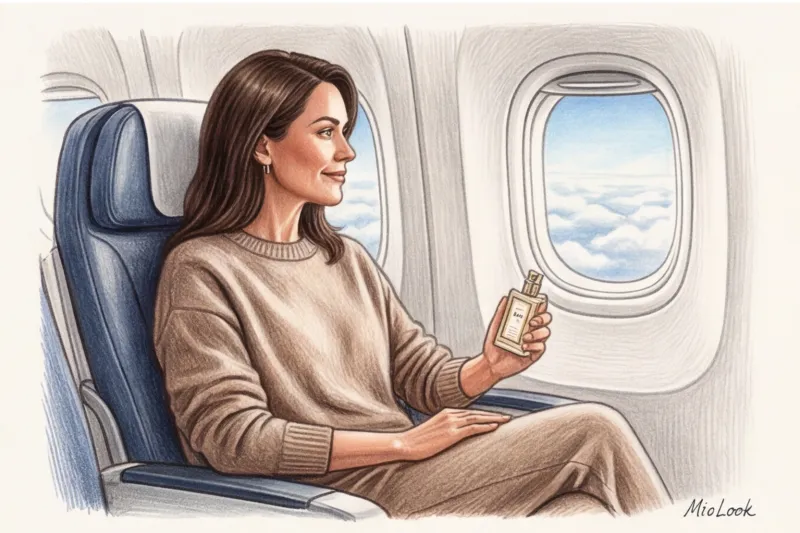
Without a softening citrus start, in conditions of total air dehydration, these molecules begin to sound harsh, inter-