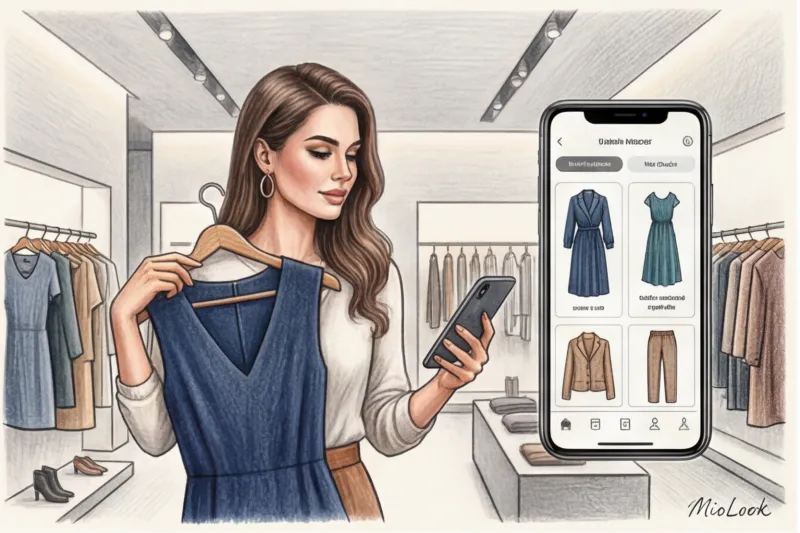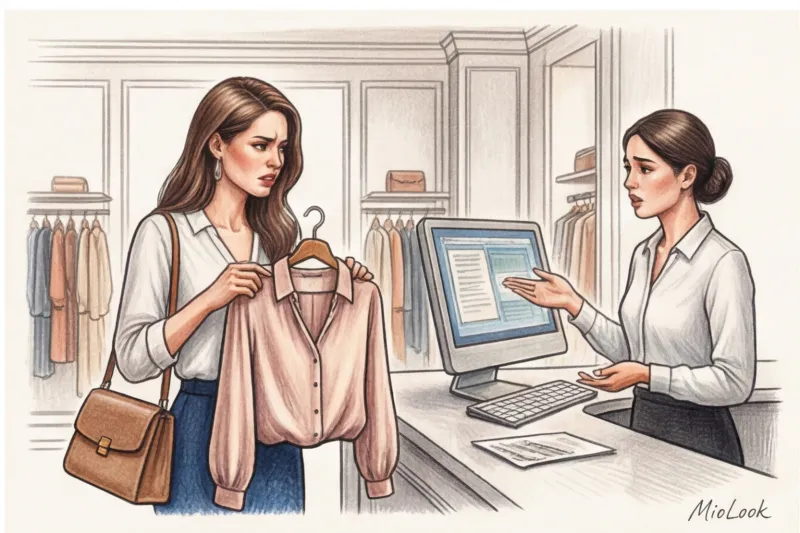
A few months ago, I accompanied a VIP client on a shopping spree at a high-end boutique. We picked out a stunning fall capsule collection: a cashmere coat, a pair of silk blouses, and the perfect pair of palazzo pants. The total bill was approaching €3,000. The client pulled out her phone to show her platinum status on the brand's app, and the salesperson said with an apologetic smile: "Sorry, but our checkout system can't see your online history. You purchased items online, and we have a physical store here. We can't apply the discount.".
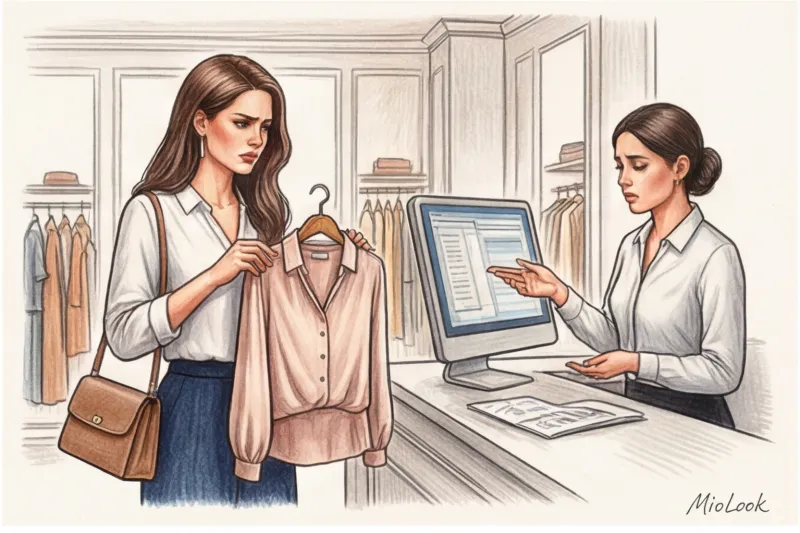
Do you know what happened next? The customer simply turned around and left. The brand lost not only €3,000 instantly, but also a loyal customer who had been bringing them money for years. It's moments like these that make it clear: a beautiful storefront and a user-friendly app mean nothing without action behind them. omnichannel loyalty program.
As a stylist and colorist, I constantly observe this gap between client expectations and brands' technical realities. We discussed the architecture of such solutions in more detail in our The Complete Guide to Omnichannel Retail But today I want to explore this topic not from the perspective of dry IT integration, but through the eyes of a fashion expert and client.
Why Multichannel Is Dead: A Stylist and Business Analyst's Perspective
Let's break the main retail illusion right off the bat. Just because your brand has a beautiful website, an iOS app, and three brick-and-mortar boutiques in the city center isn't omnichannel. It's simply multichannel, and more often than not, these channels exist in parallel universes.
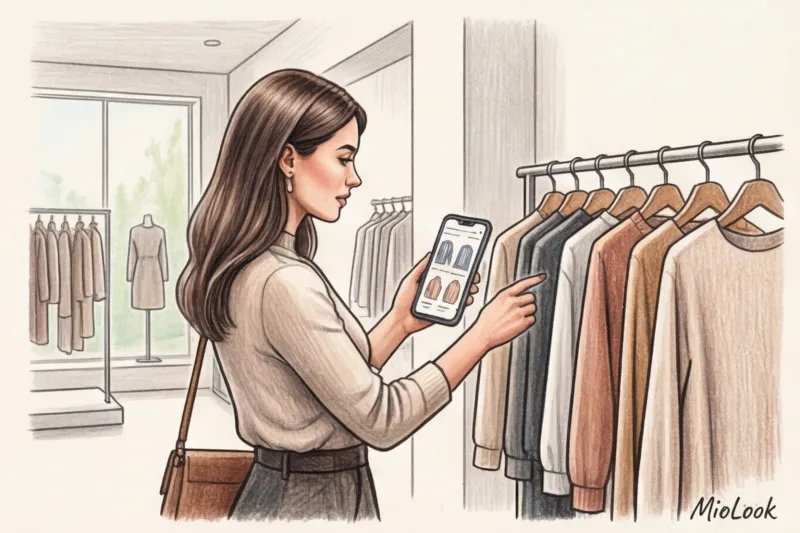
I regularly see my customers frustrated. They add items to their Favorites on their smartphones, come into the store to try them on, and the sales associate is forced to search for the items manually because their tablet isn't linked to the web version of the customer's profile. Separate KPIs and databases for online and offline stores literally kill loyalty.
The difference between being everywhere and being one
In a multichannel model, channels compete with each other for customers. A salesperson in a boutique doesn't want you to order a coat online because they won't receive their sales bonus. A true omnichannel loyalty program is an ecosystem. The customer is at its center, and all sales channels work seamlessly together, instantly sharing data.
Access to MioLook for €0.99 — one-time payment
A smart AI stylist will select the perfect look by analyzing your preferences and wardrobe.
Get access — €0.99 onceOmnichannel loyalty program – what is it really?
In simple terms, without complex IT jargon, an omnichannel loyalty program is a Single Customer View (SCC) system. No matter where you interact with the brand—like an Instagram post, access the web version on a laptop, or visit a physical store—the system knows exactly who you are, what your shoe size is, and what you returned two weeks ago because the fit didn't work.
According to a large-scale study by Harvard Business Review (2023), customers engaged in an omnichannel experience spend 4% more on each visit to a physical store and 10% more online compared to those who use only one channel.
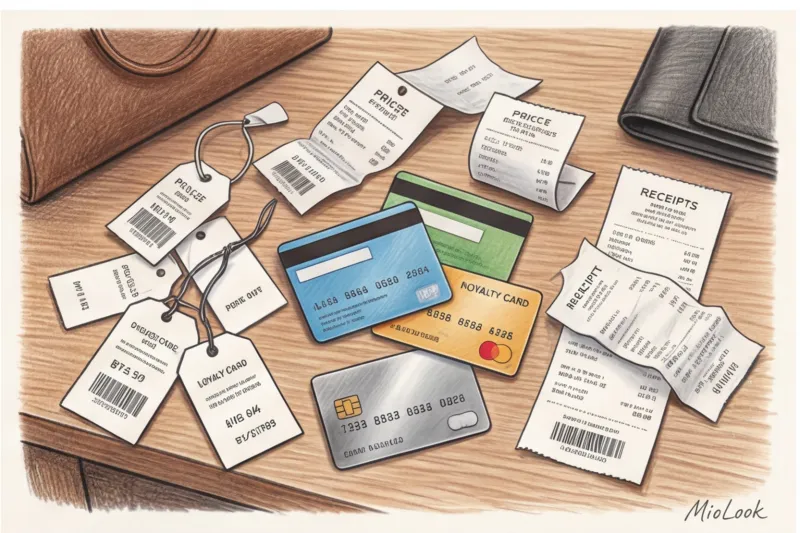
The problem is that many brands are stuck in the 2010s paradigm: "Make a purchase and get 5% back on your plastic card." That no longer works today.
From discounts to hyper-personalized service
I often tell my clients and fellow stylists: points are dead. Today's premium client doesn't want to stand at the checkout and figure out how many points they'll lose tomorrow. For mid-range and luxury customers, loyalty program status should mean physical recognition.
What is true loyalty? It's when you book a visit, show up at the boutique, and the items are already waiting for you in the fitting room. yours A size that fits perfectly into your wardrobe, and a cup of almond milk cappuccino. This includes early access to limited-edition collections, free fittings in the brand's atelier, and stylist consultations. Emotional attachment sells better than cashback.
How Disjointed Databases Are Killing Sales in Fashion Retail
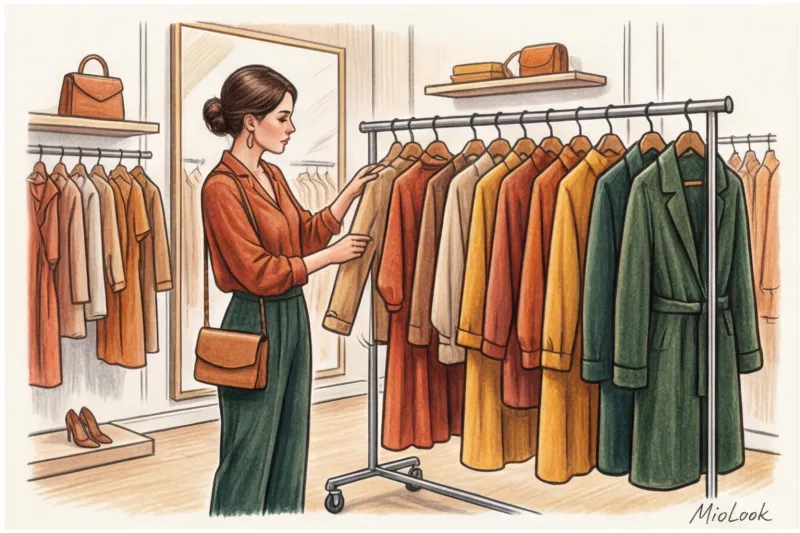
The classic and most destructive mistake in fashion retail is when the online store and the retail chain are registered under different legal entities with completely different KPI systems. This creates a monstrous internal conflict.
I've witnessed more than one situation where offline consultants discouraged customers from ordering the right size from the warehouse via the store's tablet. They'd say: "Oh, you know, delivery from the warehouse is often delayed. Let's find you something we have here instead." The consultant is simply afraid of losing their commission. As a result, the brand loses a €500 sale because the client leaves empty-handed.
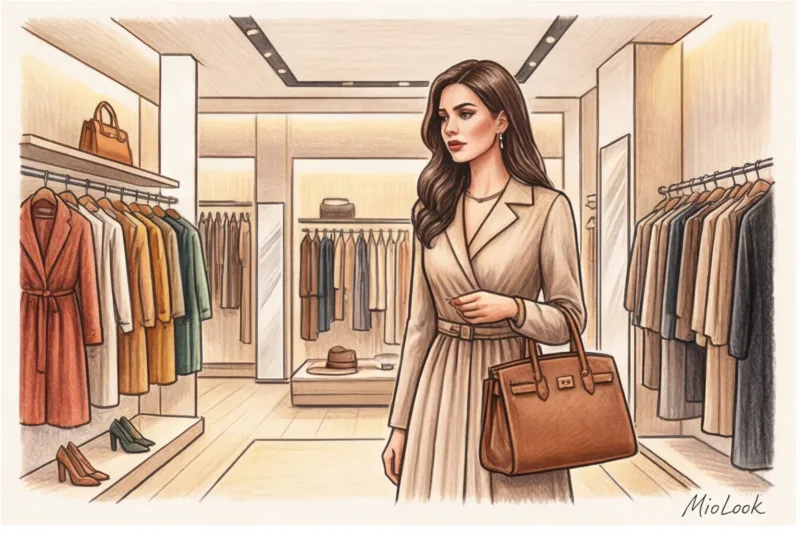
The second problem is blind spots. The brand is completely unaware of customer behavior. A woman might come into a store, try on a Massimo Dutti jacket, realize she needs a size 44, and then order it online that evening (this is called showrooming ). Or vice versa: study for a long time business wardrobe tips on the website, put together a basket, and then come to the boutique to make your purchase ( webrooming ). If the databases are separate, the company's analytics assumes they are two different people. Marketing budgets are wasted.
Try MioLook
Start creating your perfect looks with artificial intelligence. Your personal digital wardrobe.
Get access — €0.99 onceThe architecture of the ideal loyalty system for a fashion brand
The foundation of a successful system is instant, real-time synchronization between the point-of-sale (POS) software, CRM system, and e-commerce platform. But as a color and style expert, I urge brands to look deeper. Don't just collect purchase totals! Collect fashion data.
Over 12 years of practice, I have developed the perfect formula 12 color types of appearance Imagine if this logic were baked into a brand's CRM. The system knows that customer Anna is a "Deep Autumn." She often returns items in cool pink and gray shades because they don't suit her, but keeps everything in a palette of terracotta, mustard, and emerald.
The ideal architecture works like this: Anna adds a terracotta coat for €350 to her shopping cart online but doesn't buy it. Three days later, she visits a brick-and-mortar boutique. An automatic identification system (such as Wi-Fi radar or an Apple Wallet card scan) sends a signal to the consultant's tablet: "Anna's in the room. Her favorite colors are warm autumn. Remind her to try on the terracotta coat from the abandoned bin; your size M is in stock at the boutique." This is the magic of sales.
5 Steps to Implementing a Seamless Customer Experience
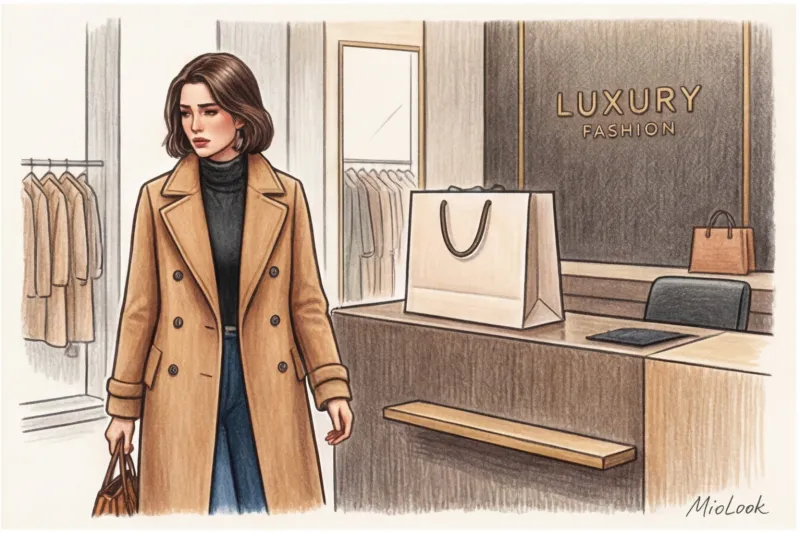
Implementing such a system isn't just about installing a single program. It's about transforming your business. If you want to build a system that retains customers for years, follow this checklist:
- Database audit and deduplication. First, we need to combine the disparate Excel spreadsheets, website data, and cash register data. Each client should have only one profile.
- Implementation of a single identifier. Forget plastic. Just use a virtual card in Wallet or seamless authentication using your phone number/FaceID.
- Revision of the motivation system. This is critically important! A store clerk should receive a bonus, even if they simply help a customer place an online order using a kiosk in the sales area.
- Staff training. Consultants must become analytical stylists. They must be able to read a digital profile: what fabrics a client prefers, what fits (slim or oversized) they choose most often.
- Integration with smart wardrobes. Connect your system with assistant apps. When a customer purchases an item, it should automatically be added to their digital wardrobe in an app like MioLook, so the AI can recommend new looks with it.
Mistakes That Will Turn Your Loyalty System into a Disaster
I have to be honest: not every technological innovation is beneficial. Sometimes, poor implementation only angers customers. There are situations where loyalty programs literally scare away customers.
For example, a complex checkout authentication system. Imagine: there's a sale, a line of five people. You're standing at the checkout with a €150 silk dress, and the salesperson asks you to provide your phone number, then wait for an SMS code that doesn't arrive due to poor reception in the mall, then confirm your date of birth... This isn't a service, it's an interrogation. Authorization should take two seconds: scanning a barcode from the screen or NFC.
The second common mistake is spamming instead of personalizing. There's nothing more annoying than sending push notifications with a "20% off men's business suits" promotion to a customer who's been buying exclusively women's evening dresses for the past five years. This immediately reveals that the brand is collecting data but has absolutely no idea how to use it.
The Future of Fashion Retail: AI, Smart Wardrobes, and Deep Integration
According to the report The State of Fashion According to McKinsey & Company (2024), AI-powered hyper-personalization will be the main growth driver in retail over the next five years. Companies with a strong omnichannel strategy already retain an average of 89% of their customers.
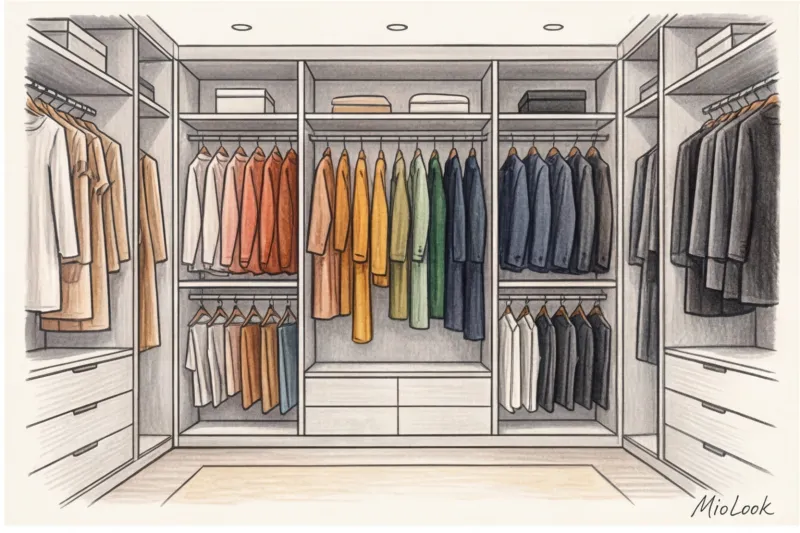
The future of loyalty is blurring the lines between the store and the customer's closet. Imagine integrating brands with smart apps like MioLook You're standing in a store, looking at a skirt, and your digital assistant instantly suggests: "This skirt would go perfectly with the three blouses you bought here last season." It's no longer just a purchase, it's an investment in thoughtful style.
Ultimately, an omnichannel loyalty program isn't about points, discounts, or IT codes. It's an investment in trust. It's your way of silently telling your customers: "We see you, we remember your tastes, and we value every minute you spend with our brand, whether it's scrolling through the website in bed or visiting our flagship boutique.".