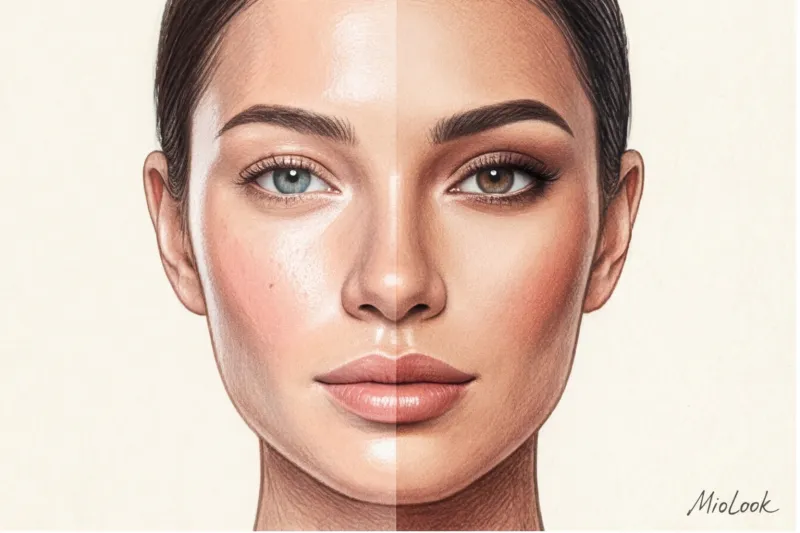
Picture this: you're at an important meeting, wearing a flawless cashmere suit worth around €2,000, your hair is perfectly styled, and... foundation that, by lunchtime, has become treacherously blotchy, clogged pores, and accentuated every wrinkle. Sound familiar? As a colorist and image consultant, I regularly see how luxurious clothes lose their luster due to one subtle detail—the condition of your skin. Women spend hours getting ready in the morning, layering primers and concealers, but the truth is different: the direct impact of nighttime skincare on morning makeup isn't a marketing ploy, but a rigorous physical and chemical process.

An evening routine isn't just a spa ritual for relaxation. It's a fundamental preparation of the "canvas." We've already discussed the architecture of this preparation in more detail in our a complete guide to basic facial skin care , but today I want to analyze this process through the prism of styling and makeup durability.
The secret to a status image that stylists are keeping quiet about
The visual perception of status and luxury is based on the harmony of textures. Smooth silk, matte wool, fluffy cashmere—fabrics resonate with the texture of our skin. If the skin is dehydrated and covered in micro-flaking, it acts like a merciless magnifying glass, ruining the aesthetics of even the most expensive outfit.
I had a telling case in my practice. A client, a top manager at an IT company, complained that she looked tired by midday, despite using premium cosmetics. We analyzed her look. She was wearing a stunning satin silk blouse that reflected the light, and a thick matte foundation clashed with the sheen of the fabric. Why was she choosing such a heavy cream? Because she was trying to conceal the dullness and unevenness caused by a complete lack of evening exfoliation. Once we established an evening routine, she was able to switch to translucent fluids, and her look instantly came together.
Your perfect look starts here
Join thousands of users who look flawless every day with a smart AI stylist.
Get access — €0.99 onceWhy Morning Prep Isn't Enough: The Physics of Foundation
There's a popular myth among my clients: "In the morning, I'll do a sheet mask, apply a hydrating primer, and my foundation will go on perfectly." I have to disappoint you. A quick morning prep routine for dry skin is a dangerous illusion.
Let's turn to chemistry. Foundation is an emulsion consisting of water, oils, and pigment. When you apply this emulsion to skin dehydrated overnight, the epidermis begins to greedily draw water from the cream. What's left on the surface? Dry, uneven pigment mixed with sebum. This is where that "plastered" effect comes from.
"If your skin is chronically dehydrated, applying a sheet mask in the morning before makeup will only loosen the stratum corneum. As a result, your foundation won't adhere to your skin and will start to run within an hour," my experience on photo shoots confirms the findings of cosmetic chemists.
Silicone primers don't help either: on dry areas, they simply cake up, leaving a mess on your face. The bottom line is: a good makeup base should be applied 8-10 hours before applying makeup.

The direct influence of nighttime skincare on morning makeup
Our bodies operate according to strict circadian rhythms. According to a study published in the International Journal of Cosmetic Science (2023), microcirculation and cellular renewal in the skin peak between 11:00 PM and 4:00 AM. But this process has a dark side.
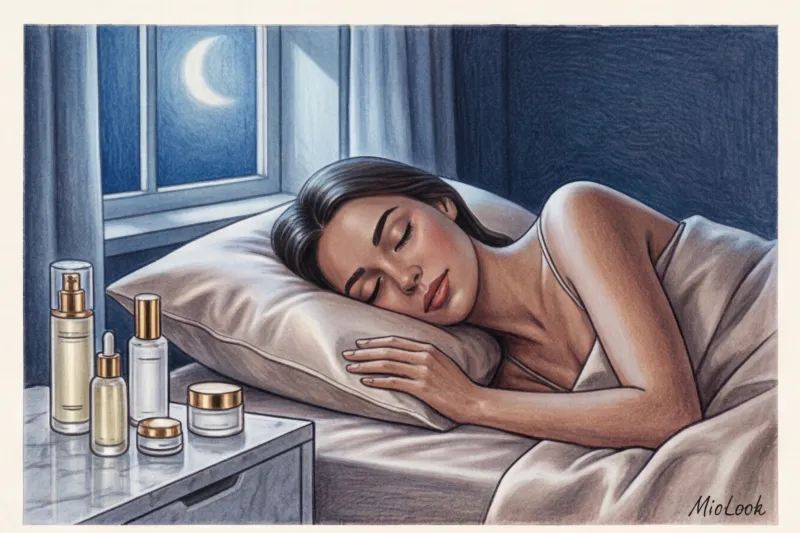
At night, skin temperature rises slightly, causing transepidermal water loss (TEWL) to increase by 20–30% compared to daytime. If you wash your face in the evening and apply only a light toner (or nothing at all), by morning your skin will have lost a critical amount of moisture. Night cream acts as a protective barrier, sealing water inside the cells. In the morning, such skin maintains its elasticity, or turgor, which allows anyone, even foundation selected online , distributed with sliding, even movements.
Three architectural steps to an evening routine for long-lasting tone
Having a background in painting, I always compare makeup to painting. You can't apply expensive oil paints to an unprimed canvas—they'll sink into the fibers and lose their color. Your evening skincare routine is your primer.
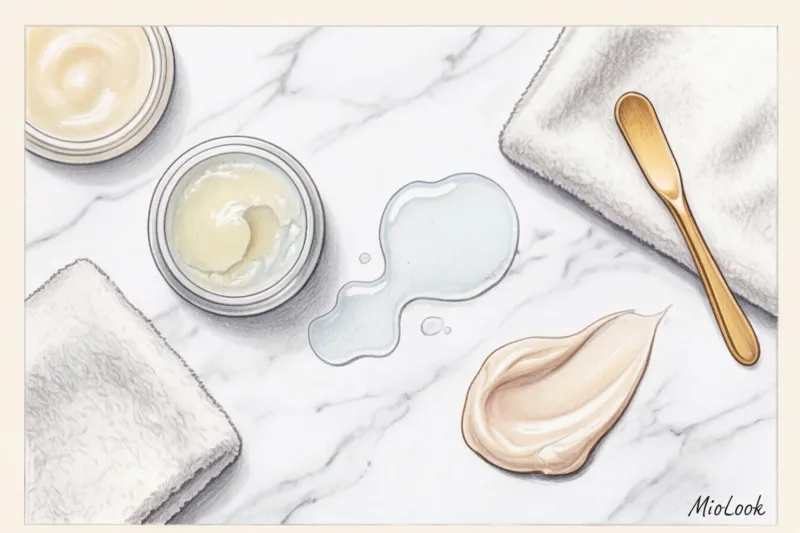
Step 1: Double Cleanse – Remove the Day's "Armor"
Cleansing foam alone isn't enough. Modern SPF filters and long-lasting foundations have oil-soluble bases. A regular water-based gel simply glides over them, leaving microparticles of pigment in the pores. Remnants of yesterday's foundation are the main reason why today's foundation looks lumpy.
The business woman's gold standard: a cleansing oil or balm (dissolves makeup and sebum) plus a gentle cleansing gel (washes away residual oil). Only on such a perfectly clean surface will subsequent serums be effective.
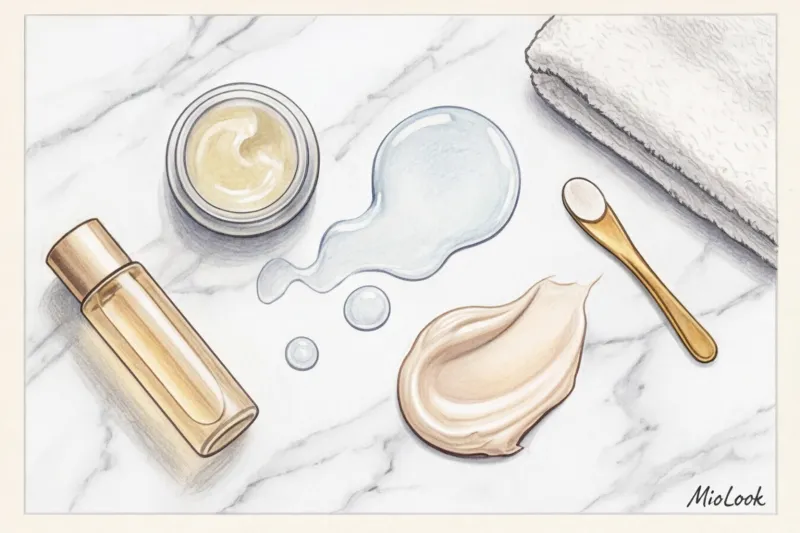
Step 2: Gentle exfoliation – smoothing out the skin texture
The microrelief of your skin directly affects how the light-reflecting particles in your foundation work. If the surface is uneven, the light scatters chaotically, making your complexion appear dull.

Let me point out an important limitation right away: harsh scrubs with seeds are a no-no. They leave micro-scratches. Use enzyme powders or gentle acids (AHA/PHA) 2-3 times a week. Fair warning: This tip does NOT work if you have been diagnosed with acne flare-ups, rosacea, or a compromised skin barrier—in these cases, exfoliation should only be prescribed by a dermatologist.
Step 3: Lipid Replenishment – Locking in Moisture
Moisturizing and restoring the barrier are two different things. To keep your makeup in place all day, you need lipids. Look for ceramides (Ceramides NP/AP), squalane, or niacinamide in night creams. They act like cement between the building blocks of your cells, preventing water from evaporating.
Access to MioLook for €0.99 — one-time payment
A smart AI stylist will select the perfect makeup and wardrobe, saving you time in the morning.
Get access — €0.99 onceNighttime Skincare Myths That Are Ruining Your Look
Over the years of sorting through makeup bags, I've collected a collection of misconceptions that prevent women from looking their best.
- Myth 1: “At night, my skin needs to breathe, so I don’t apply cream.”
Skin doesn't have lungs; it doesn't breathe in the physiological sense. Without cream, it simply evaporates moisture and becomes parchment-like by morning. - Myth 2: “The thicker the layer of the night mask, the better.”
Excessive occlusion (creating an impenetrable film with a thick layer of petroleum jelly or heavy oils) causes localized swelling. On a puffy face with enlarged pores, foundation immediately sinks into the skin. - Myth 3: “If your foundation starts fading, you just need to buy a more expensive brand.”
According to my consultation statistics, in 9 out of 10 cases, it's not the foundation jar that needs to be changed, but rather the approach to evening moisturizing. If the foundation isn't holding up, the problem is almost always with the "canvas."
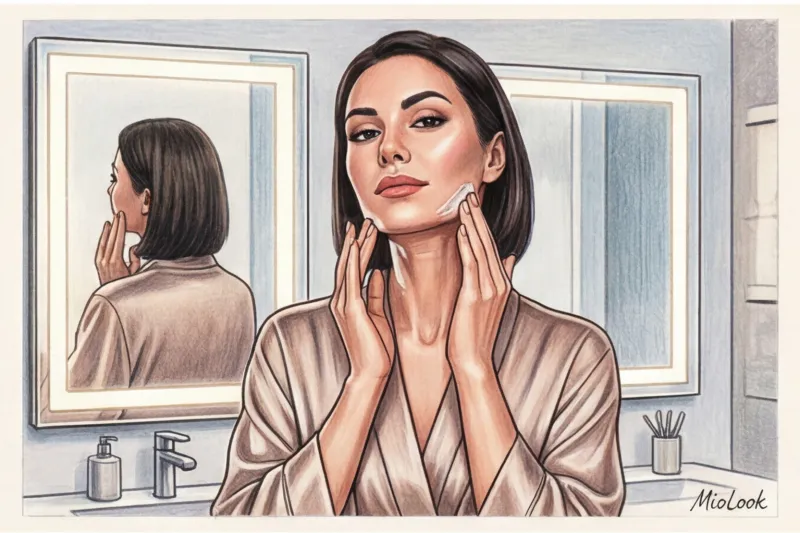
Checklist: Time Management for Evening Care
For a busy woman, system is essential. Effective time management in the evening saves up to 40% of the time spent on getting ready in the morning, eliminating the need to layer primers and cover up flaking. Here's how it works in practice:
- 2 hours before bedtime: Remove your makeup as soon as you get home. Apply active serums (for example, with vitamin C or peptides).
- 30 minutes before bed: Apply a sealing base cream. It needs time to absorb before it touches the pillow. Be sure to use a thick lip balm—that's the secret to how perfect matte lipstick will lie down in the morning without a single crack.
- Silk pillowcase rule: Rough cotton acts like sandpaper, rubbing off your skincare and damaging your skin. Switching to smooth silk (or high-quality satin) is a small investment that dramatically reduces morning puffiness and wrinkles.
Your morning result: from care to status
Perfectly prepped skin the night before is a game-changer. You no longer rely on thick, heavy concealers (or "cover-ups," as we call them in the professional world). Your makeup bag is transformed: mattifying primers are replaced by lightweight tinted fluids, tints, and cream blushes.

Light textures highlight the elegance of your wardrobe's fabrics. Whether you've chosen a tailored jacket made of thick viscose or a flowing dress, the vibrant, delicate glow of your skin will make your look cohesive and luxurious. And to find the perfect color combinations to complement your new, fresh makeup look, you can use the smart wardrobe feature in MioLook.
Remember the most important rule of stylists: no highlighter in the world will give you the natural, high-status glow that a healthy lipid barrier provides. Your evening skincare routine is the most reliable and cost-effective investment in your future look.