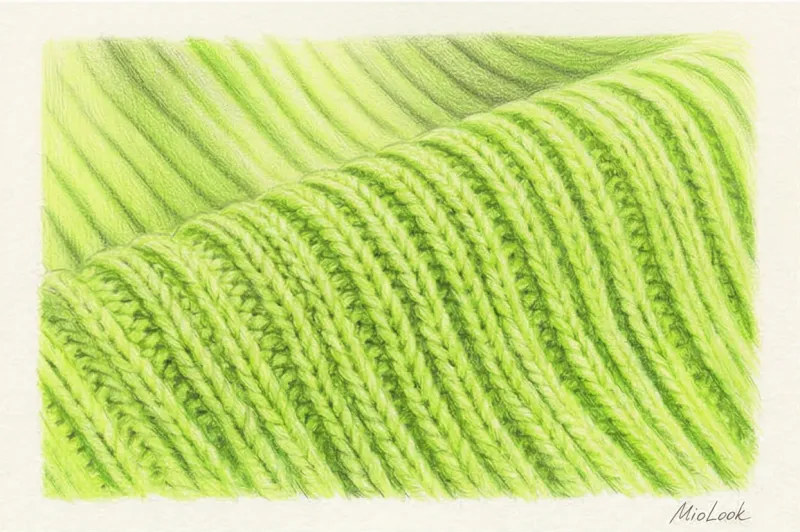
What is neon?
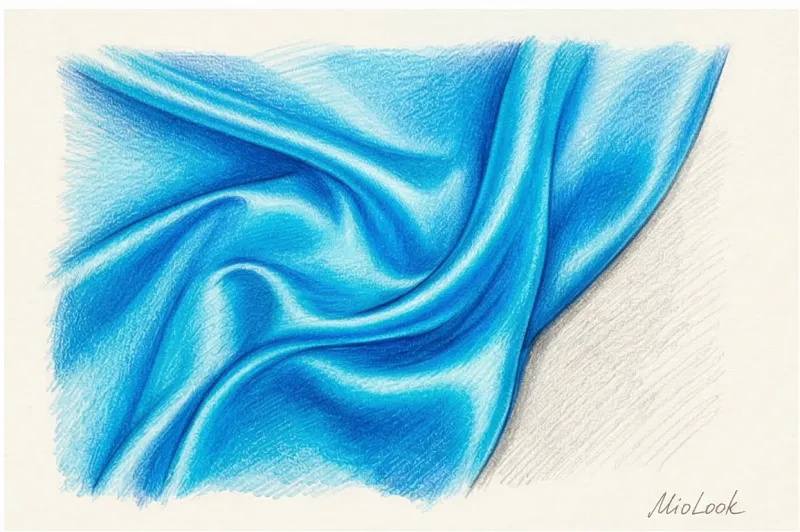
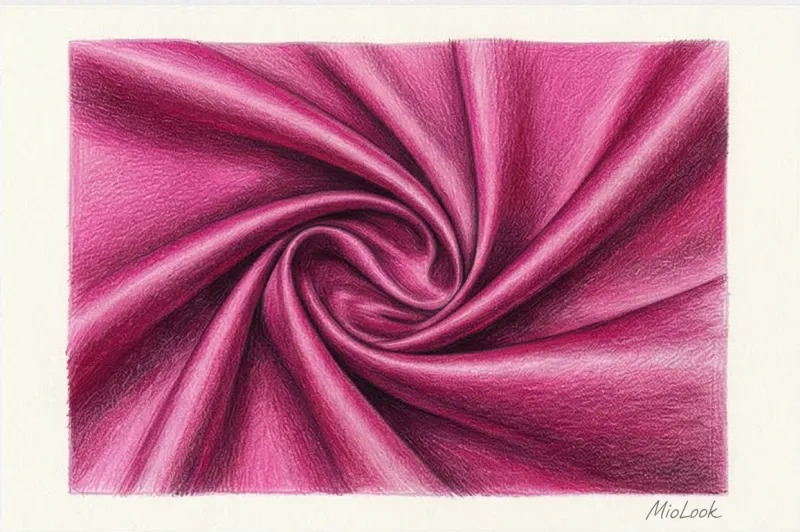
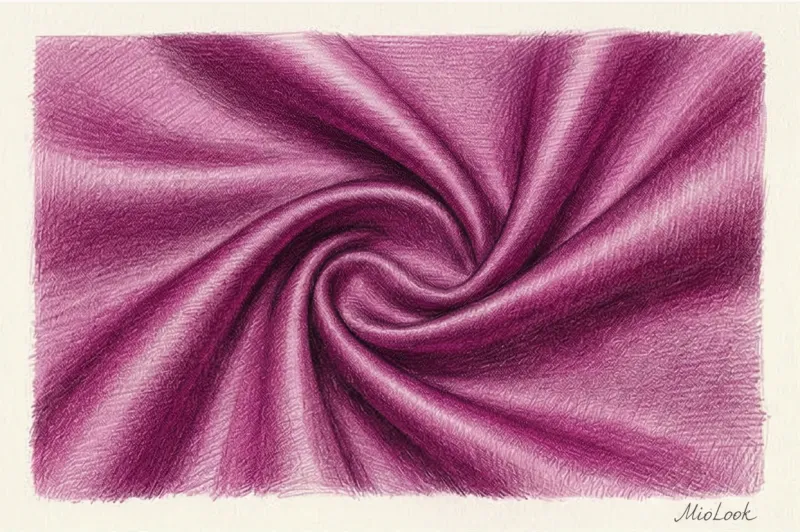
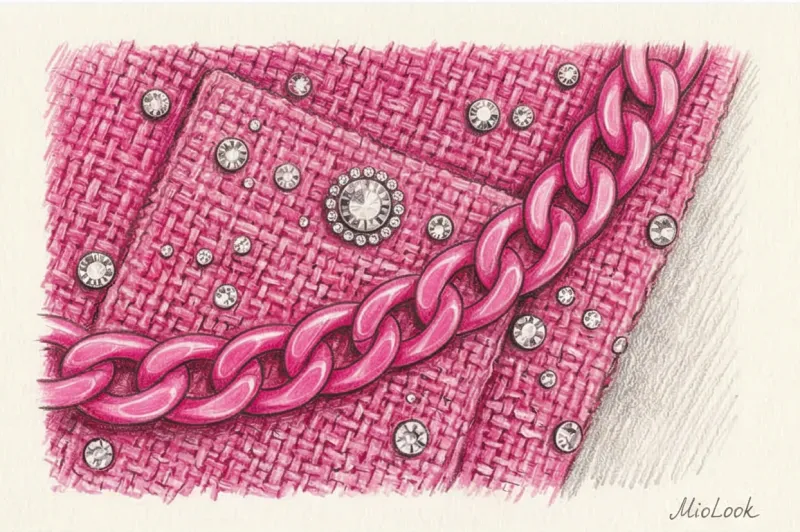
Neon colors — these are ultra-bright, fluorescent shades that visually emit light and have a high degree of saturation.
Initially, such fluorescent dyes were used exclusively for high-visibility workwear and rescue gear. Their main function was to ensure high visibility from a distance in all weather conditions. Neon entered the fashion industry in the 1980s, riding the wave of popularity of aerobics and athletic style.
These shades later became entrenched in the rave culture of the 1990s. In the 21st century, fluorescent colors have become a full-fledged part of high fashion collections and everyday street style.
Main types of neon shades
Neon yellow and acid green (lime) are considered the most contrasting tones with a distinctly sporty aesthetic. They are often used in the designs of chunky sneakers, nylon windbreakers, and fanny packs.
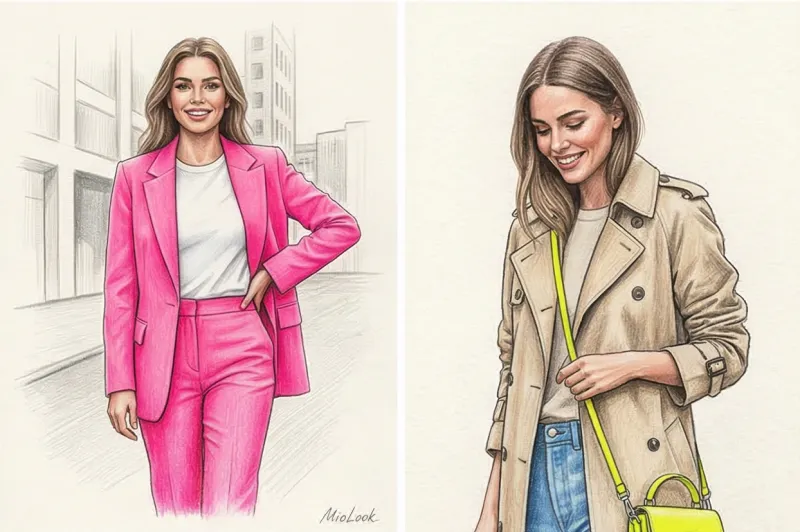
Neon pink, also known as magenta or hot pink, is a vibrant and bold shade. In modern fashion, it's used to create tailored pantsuits, asymmetrical evening dresses, and chunky knit sweaters.
Neon orange and electric blue add dynamism to looks. These colors are typical for voluminous outerwear, one-piece swimsuits, and cyberpunk-inspired wardrobe essentials.
How to wear neon colors
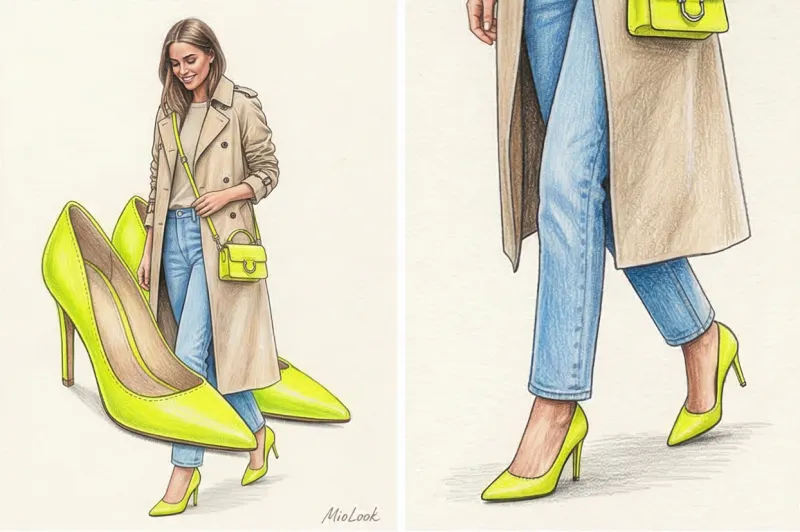
The safest way to incorporate neon into your wardrobe is with a single bright piece against a neutral base. Neon pumps, a mini bag, or a belt create a focal point when paired with black, gray, beige, or classic blue denim.
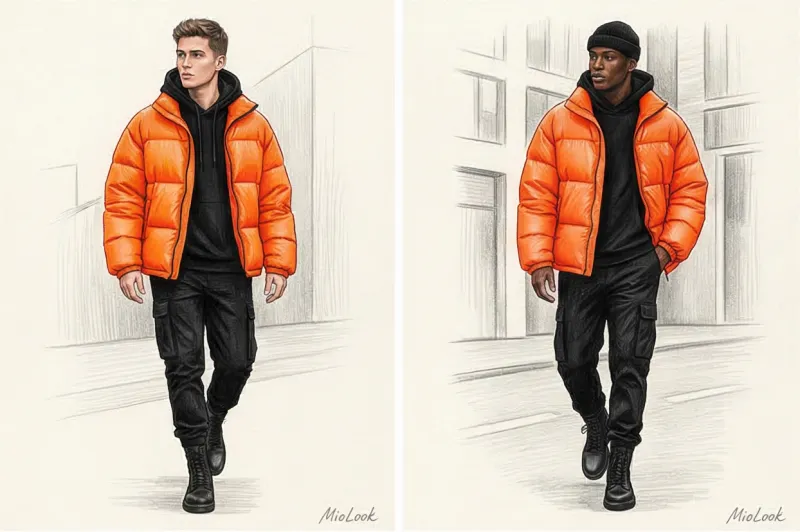
In sporty-chic and casual street style, fluorescent pieces are combined with utilitarian materials. Neon hoodies, cycling shorts, or sneakers look natural with rough leather jackets, straight-leg jeans, and cargo pants.
Color blocking is used to create avant-garde looks. Neon is combined with other rich pigments, such as acid pink with deep purple or emerald. An alternative option for maximalists is a total monochrome look, such as an all-neon two-piece pantsuit.