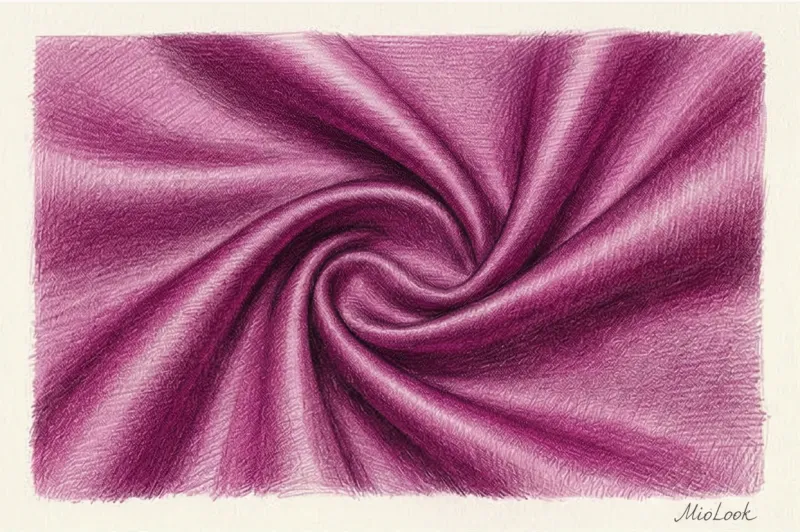
What is the color magenta?
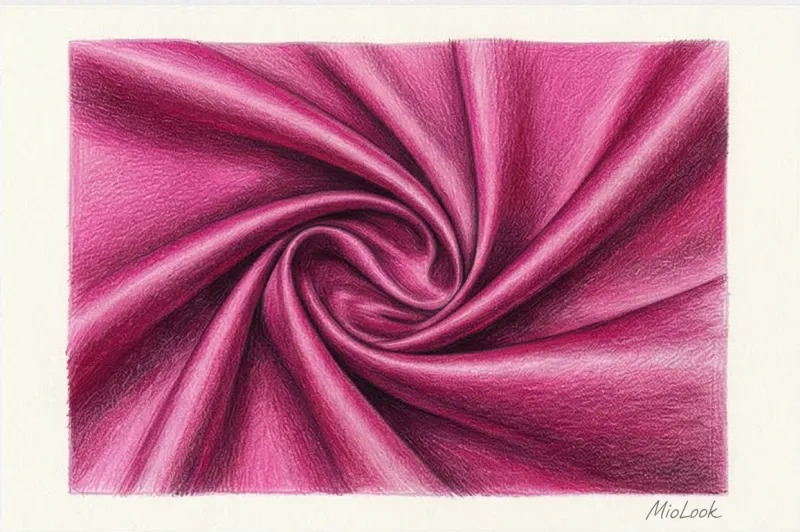
Magenta — is a rich purple-red color that is located exactly halfway between red and blue in the RGB color model.
The color's name originated in 1859, in honor of the Battle of Magenta in Italy. This historic event coincided with the discovery and mass production of the first synthetic aniline dye, fuchsin.
In printing using the CMYK color model, magenta is one of the three basic pigments needed to create all other hues. To understand what magenta really is, imagine a bright, vibrant hue, devoid of the powdery softness of classic pink. It harmoniously combines the visual warmth of red with the cool undertones of blue.
Distinctive features and shades
In the fashion industry, magenta is often used as a statement color. Thanks to its high contrast, this shade can take center stage in an outfit and draw attention to the architectural design of a garment.
In everyday life, magenta is often confused with fuchsia, but there is a technical difference between the two. Classic magenta has a more pronounced red undertone, while fuchsia leans more toward the cool violet spectrum.
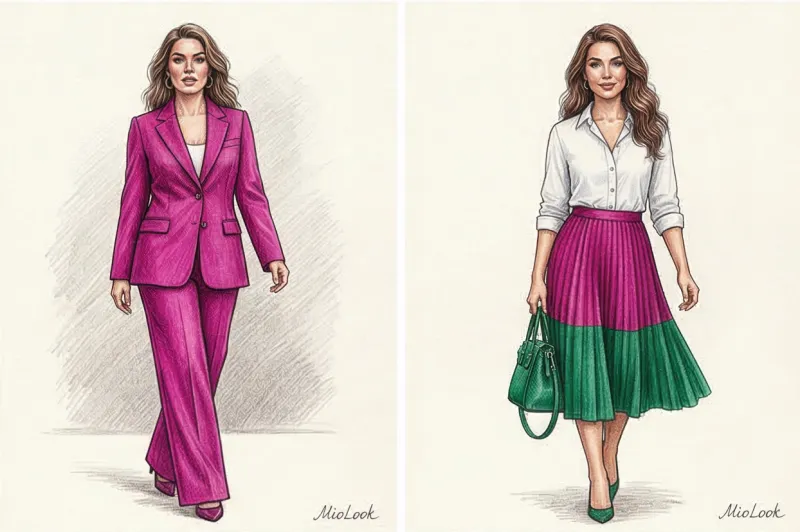
The shade has several popular variations in clothing design:
- Viva Magenta — a deep, slightly muted carmine tone with a perfect balance of warm and cool notes. In 2023, the Pantone Color Institute named it the shade of the year.
- Neon magenta — an acidic, extremely vibrant color option. It's typical of sportswear, swimsuits, and accent accessories in the 2000s (Y2K) aesthetic.
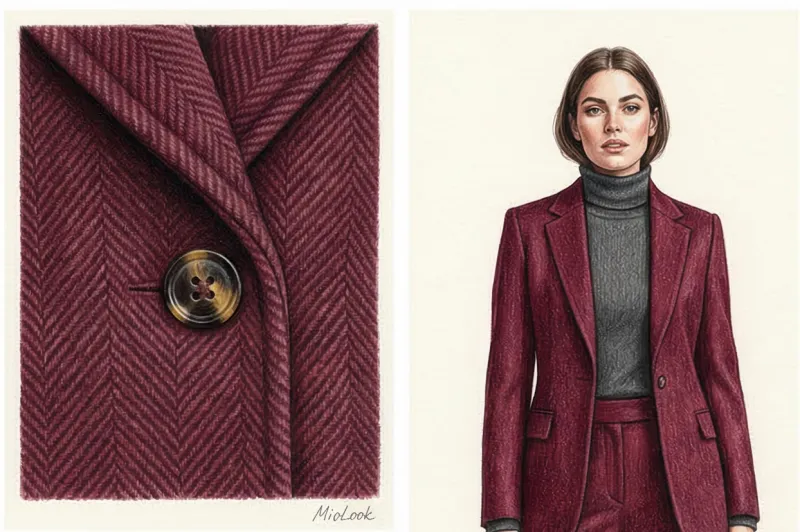
- Dark magenta — a more subdued variation, closer to plum or deep berry. This tone is often used in fall/winter outerwear collections.
What to wear with magenta
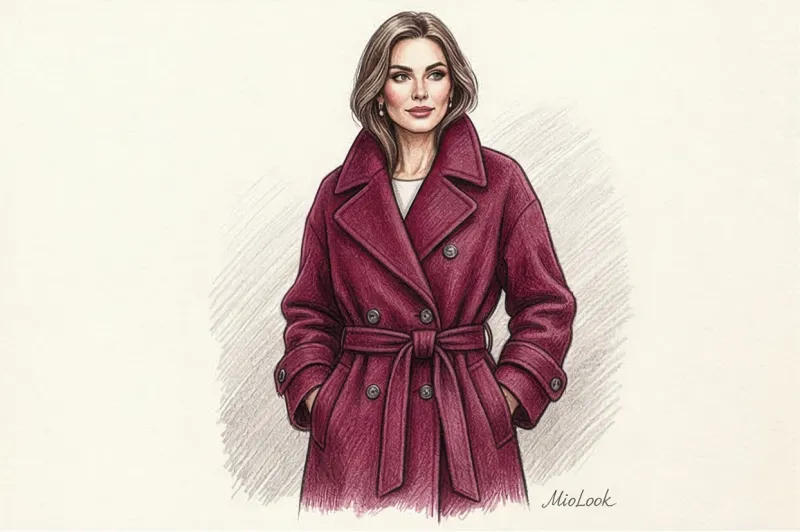
Magenta requires careful pairing due to its visual impact. Basic combinations are built on achromatic colors. The vibrant hue is harmoniously calmed by graphite gray, navy, and crisp white. An example of this look is a magenta silk blouse paired with tailored gray palazzo pants.
Analogous combinations involve working with tones adjacent to each other on the color wheel. Magenta looks great with deep burgundy, classic red, or violet, creating complex monochrome outfits.
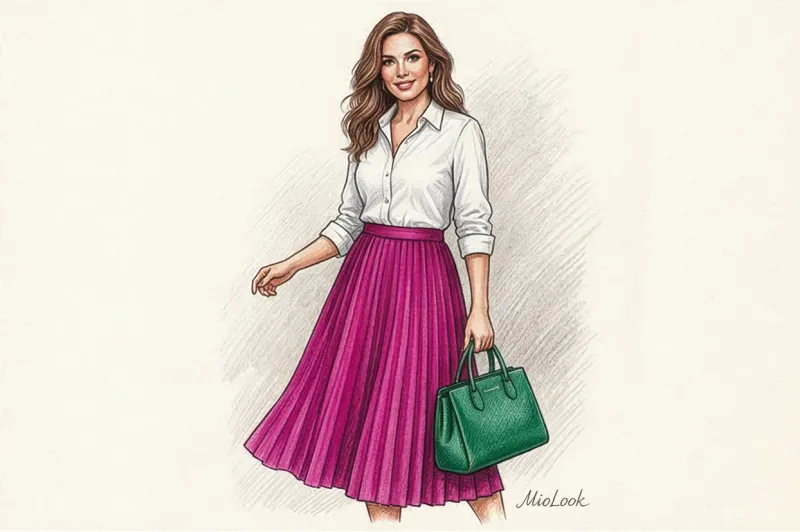
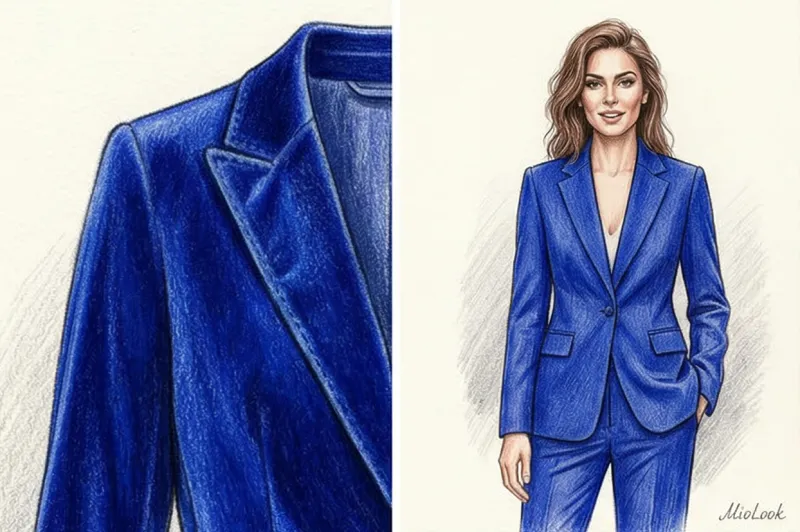
To create contrasting color-blocked looks, magenta is paired with emerald green, cobalt blue, or mustard yellow. A classic example is a heavy magenta jacket worn over an emerald slip dress.
In a formal dress code, this color is integrated through subtle details. A leather tote bag, silk scarf, or magenta suede pumps make a striking accent against a subdued monochrome suit.