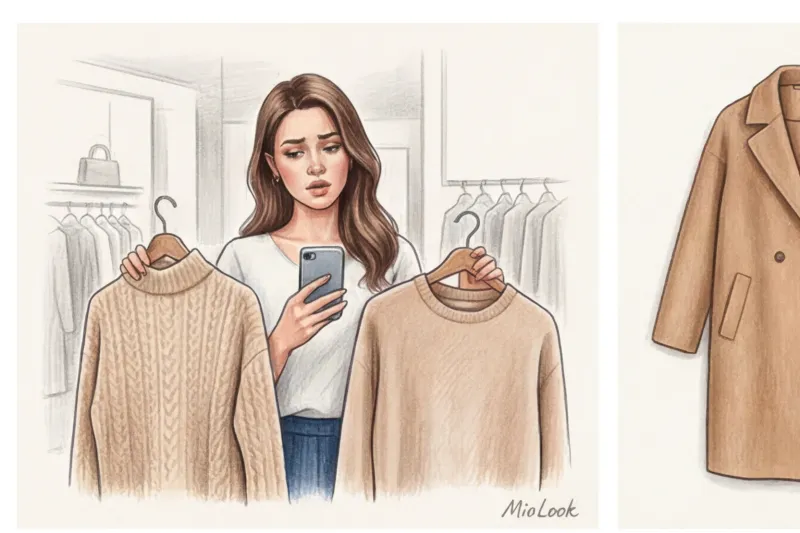
Why do you and your stylist need to know the correct names of colors and shades?
According to 2023 e-commerce market research, approximately 22% of online clothing returns are due to one simple reason: "the color in person didn't match the image on the screen." Over 14 years of working as a personal stylist, I've learned the key rule of successful shopping: if you want to look expensive and not waste money, you need to learn the right techniques. names of colors and shades This isn't just a fashion editor's whim, but your primary tool for creating a flawless look.
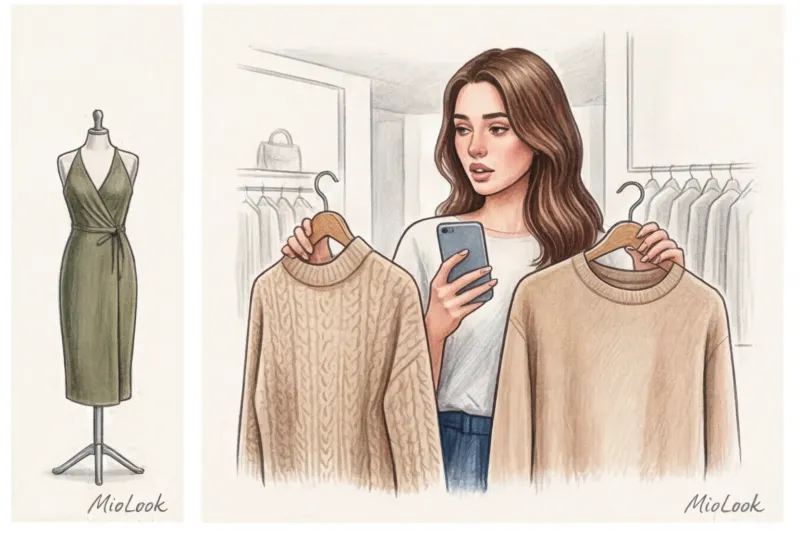
A client once complained to me that she'd spent three days searching for the perfect light-colored sweater on a major retailer's website. She'd typed in the basic search term "white sweater" into the filters and, time after time, received thousands of options in a harsh, almost medical-looking white, which, when used in knitwear, often looks cheap and isn't flattering. I suggested she change her search to just one word: "ecru sweater." The results instantly narrowed down to hundreds of elegant, soft options with warm undertones. This saved us hours and led to the perfect purchase.
In today's fashion glossary, the concepts of "just red" or "just blue" no longer apply. The same red can be a warm tomato or a cool ruby. If you try to combine items of different temperatures in a single look, citing that they are both "red," the outfit will fall apart. Moreover, knowing the terminology is crucial for communicating with stylists and tailors on the same page. If you ask a tailor to make you "blue trousers," don't be surprised if you get a garish electric blue instead of a subdued and classy shade of navy.
The secret to a truly luxurious wardrobe lies in the nuances. When you begin to discern the nuances and call them by their proper names, you move from casual consumption to consciously constructing your personal style.
This is where the psychology of naming comes into play. Have you ever noticed how brands sell us not just a pigment on fabric, but a whole palette of emotions? Marketers have long divided names into three powerful categories that compel us to open our wallets:
- "Delicious" shades: Cappuccino, caramel, mocha, pistachio. They evoke a feeling of coziness and comfort.
- "Natural" tones: Sage, terracotta, moss, sand. Associated with eco-friendliness and natural fabrics.
- "Precious" colors: Emerald, sapphire, amethyst. Subconsciously convey luxury and high status.
Agree, a basic cotton long sleeve T-shirt for 30 euros sounds and sells much better if the tag says "spicy mustard" rather than a dull "yellow-brown." By the way, when you digitize your items in MioLook I always recommend including the exact shade names in the description. The app's smart algorithm will help you create capsule wardrobes much more accurately if it understands that you have a khaki dress in your closet, not just a "green dress."
How Brands Confuse Us: Marketing vs. Real Color
Let's be honest: what we see on store tags is often pure marketing, which directly conflicts with the actual science of color. There's a huge gap between a commercial name designed to sell a product and professional coloristic terminology.
Take, for example, the beloved shade "dusty rose," which has been a staple on the runways for several seasons now. From a strictly coloristic standpoint, it's simply a "light gray-pink." But ask yourself: who would want to buy a silk blouse in a "gray-pink" color? It sounds bland and technical. But "dusty rose" instantly conjures up images of Parisian boudoir aesthetics and sophisticated vintage romance.
In my experience, another interesting trend has become clear: mass-market fashion is actively copying complex color names from high-end luxury brands. Fast fashion brands have long understood that the right word on the label automatically increases the perceived value of an item. If a renowned Italian fashion house releases a fall collection in burgundy, you can be sure that within a month, the mass-market brand will rename all its burgundy and dark red sweaters to give customers the illusion of high fashion. Knowing these tricks is essential to choosing items for their true color and quality, not for the fancy stitching on the price tag.
Basic palette: names of shades on which a status wardrobe is built
I often see the same picture during initial wardrobe reviews: the rails are filled with items the client describes as "just black," "plain white," or "some beige." And herein lies the answer to the eternal question, "Why does my look look flat?" A basic wardrobe isn't a boring uniform; it's a canvas. And how expensive, prestigious, and elegant that canvas will be depends solely on the complexity of the shades you choose.
Cheap dyes often produce dull, flat colors. Premium brands, on the other hand, use complex pigments that sparkle in the light and create optical depth. Let's explore the correct names for these nuanced shades so you can consciously manage your look.
Shades of White: Why 'Pure White' Is a Risk
Let's take a look at the most insidious color in the basic palette. Do you know why you almost never find optic white in the premium capsules I put together for my clients? This color is merciless. It reflects light so aggressively that it visually highlights even the slightest redness on the face, signs of fatigue, and can make teeth appear yellower. Optic white looks natural only on contrasting color types with ideal skin tones. For everyone else, a high-status wardrobe is built on complex, softened light tones:
- Ivory — has a subtle warm, yellowish undertone. Ideal for silk blouses and flowing dresses.
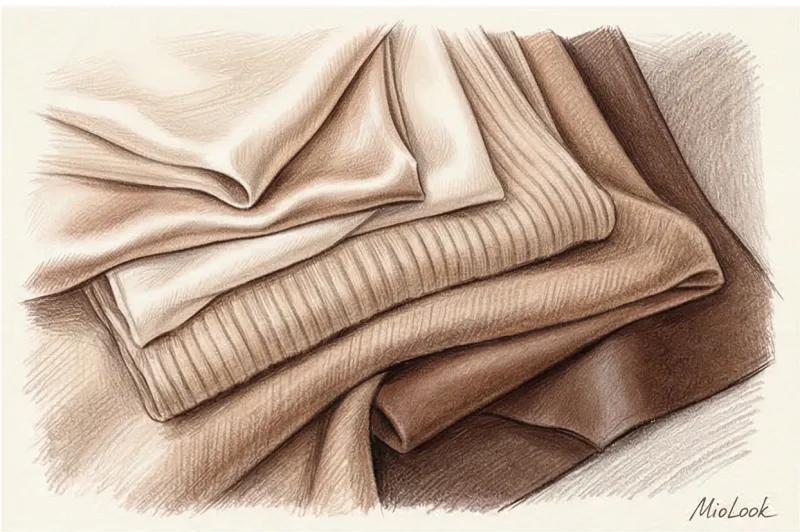
- Ecru — the color of unbleached linen or silk, grayish-yellow. My absolute favorite for basic knitwear and summer suits.
- Lactic — a soft white, as if a drop of heavy cream had been added to it. It's perfectly refreshing without creating a harsh contrast with the skin.
- Alabaster — a matte, cool shade with a slight sequin sheen. Ideal for heavy cotton shirts.
- Pearl — a light tone with a barely noticeable pinkish or grayish tint, which is stunningly revealed in satin and viscose textures.
"Switch your crisp white T-shirt for an ivory or off-white top, and you'll instantly see your face look rested, like you just got back from the spa," this tip saves the beauty spots of most of my clients.
Beige and brown tones: from camel wool to terracotta
If you've ever tried to buy a "beige coat" online, you know that the one you receive can be anything from a distinctly reddish color to a dirty gray. Knowing the exact names in this category saves not only your nerves but also your budget.
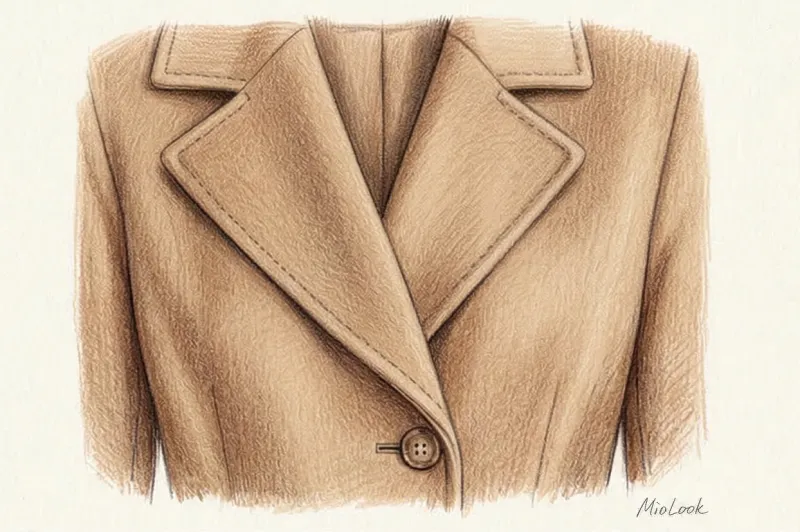
- Camel — a classic camel color, warm, with a refined golden undertone. The same color of the iconic Max Mara coats that instantly elevates a look.
- Mocha — a rich coffee-with-milk color, devoid of overt redness. A great alternative to black for fall coats.
- Cappuccino - a lighter, softer and airier brown.
- Ocher — an earthy, yellow-brown shade with a slight hint of mustard. Indispensable for warm complexions.
- Terracotta — the color of baked clay, a thick and complex mix of brown, red and orange.
The Secret of Taupe: Why Stylists Love It
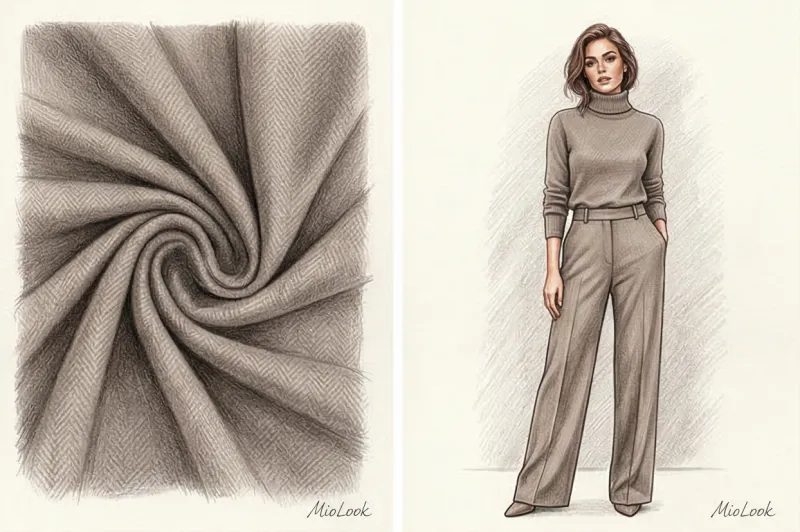
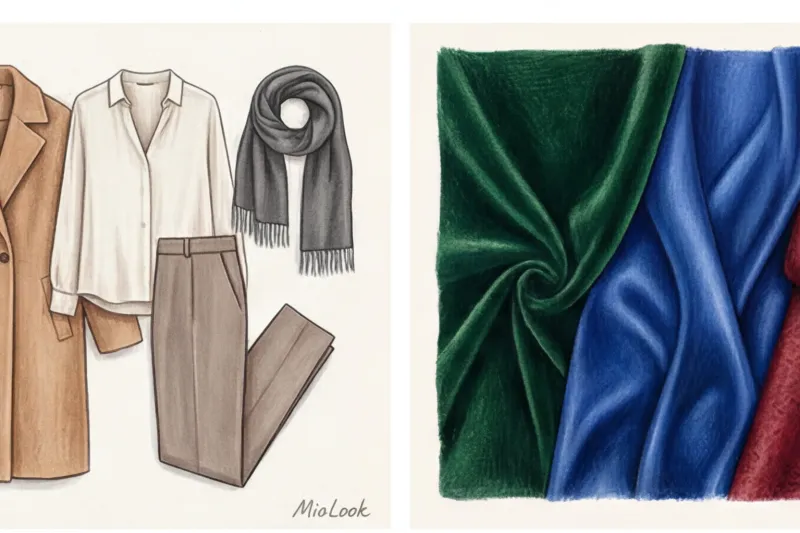
Taupe is, without exaggeration, any stylist's secret weapon. If I were asked to choose only one neutral shade to work with my clients, I would choose it without hesitation. The name comes from the French word for the European mole, but in coloristics, it's a perfect, millimeter-perfect balance of gray and brown.
Why is it so popular and the foundation of the "quiet luxury" aesthetic? The secret of taupe lies in its striking ability to blend with its surroundings and lighting. In the cool light of an office, it takes on a noble graphite undertone, while in the warm light of a restaurant, it reveals a soft cocoa.
Who does it suit? Unlike pure gray, which can make the complexion look sallow, or overtly warm brown, which clashes with cool skin tones, taupe is absolutely versatile thanks to its neutral temperature. Items in this shade always look several times more expensive than their actual price. A taupe cashmere jumper bought at a mass market for €80 easily visually reads as a premium item worth €500. I highly recommend pairing it with off-white, deep wine, or classic navy blue—these are surefire combinations for creating an intelligent, classy look.
Access to MioLook for €0.99 — one-time payment
A smart AI stylist will help you digitize your palette and select the perfect looks from your items.
Get access — €0.99 onceGray and Black: How to Avoid Gloom
Our status base is completed by a gray-black palette. As with white, jet black often works against us. One of my clients, a lawyer at a large corporation, constantly complained about looking tired at the end of the workday. The problem lay in her black jackets. Pure black absorbs light and casts harsh shadows on the face, emphasizing nasolabial folds and signs of aging.
In a status wardrobe, we replace "just black" with deep dark tones, which create the same slimming and austere effect, but look significantly more sophisticated:
- Graphite — the color of the pencil lead, dark gray, cold and restrained.
- Anthracite — a deep, rich dark gray with a subtle, subtle silver sheen. Ideal for wool suits.
- Carbonic - almost black, but with a soft, dusty texture that makes it less aggressive near the face.
- Marengo — a complex, dark gray-blue shade (sometimes with white threads). A marengo-colored pantsuit is the absolute pinnacle of business dress code.
- Steel - a light, cool grey with a metallic undertone that works great on silk and viscose.
When building your base, remember this simple rule: the more complex and precise the name of your neutral shade, the more interesting and expensive your overall wardrobe will look.
Bright and Accent Palette: A Fashion Glossary for the Bold
Have you ever noticed what speakers wear at major international conferences or top managers wear at Apple-level presentations? You'll almost never see pale, muted tones or vibrant floral prints. Instead, pure, deep colors take center stage. This isn't a coincidence, but strict protocol.
In business environments and public speaking dress codes, using the correct names of colors and shades is a matter of impression management. Deep cobalt or noble emerald They convey confidence and expertise, while neon green or garish pink can destroy an audience's trust in seconds. But how can you integrate these powerful colors into your everyday wardrobe without looking like a traffic light?
The golden rule of color that I hammer home like a mantra during every shopping session is to use the "one-accent rule." If you choose a complex, bold color, let it take center stage. The remaining 80% of your look should be neutral base shades (those taupe, ecru, or graphite we discussed earlier).
Let's explore the main accent color groups and learn how to name them correctly so that online shopping brings only the joy of hitting the mark.
Red and wine: energy and status
Red is the most difficult color to choose because its temperature is everything. If you simply search for "red dress," the algorithm will return thousands of options, half of which will make your complexion look sallow.
- Carmine — a cool, rich red with a subtle blue undertone. It visually whitens teeth and brightens the whites of the eyes. Ideal for a high-contrast appearance.
- Scarlet — a warm, fiery shade with a hint of orange. Requires a perfect skin tone.
- Ruby - a deep, slightly muted red color of the gemstone.
- Bordeaux — the classic color of French wine, dark red-brown.
- Marsala — an earthier, dustier wine shade (named after a Sicilian dessert wine). It was Pantone's Color of the Year and has since become a staple in premium brands' fall collections.
One of my clients, a finance executive, was terrified of red, considering it too aggressive for the office. We started small—a Marsala silk blouse paired with a tailored gray suit. This detail instantly elevated the look without undermining the formality.
Blue and Light Blue: Intellectual Base
According to research by the Pantone Color Institute, blue is the color that evokes the greatest sense of security and trust in people. That's why it's so popular in corporate environments.
- Navy (Navy blue) — the navy blue of the navy uniform. It's the "new black" for those who find classic black too gloomy on their faces.
- Cobalt — a piercing, vibrant blue. The very color that looks flawless on stage or on camera during Zoom conferences.
- Ultramarine — slightly lighter and more resonant than cobalt, the color of pure pigment.
- Indigo — deep blue-violet, the classic color of high-quality raw denim.
- Azure — the pure color of a summer sky or tropical sea. Ideal for resort capsules.
Greens: from military to fresh
The green palette is unique in that some of its shades have long since become basic.
- Khaki and olive — earthy, yellow-green tones. When done well (for example, in a heavy cotton trench coat or cargo pants), they act as a neutral backdrop.
- Sage — a muted gray-green. It's been a huge hit for the past few years. When clients ask for "a little color, but keep it calm," I always suggest sage.
- Pistachio — a bleached, warm light green. Perfectly refreshes spring looks.
- Emerald — a rich, saturated green with a cool undertone. The color of luxury.
Yellow and orange: complex spices
This group requires extreme caution. Overt yellow or orange often flatters the look and accentuates even the slightest redness on the skin. The secret lies in choosing complex, "spicy" names.
- Mustard — a muted yellow-brown. A chunky mustard-colored wool-blend sweater always looks more expensive than it is.
- Saffron — a deep, rich yellow-orange, the color of the world's most expensive spice. It looks luxurious on suede and thick cashmere (a saffron-colored scarf for 200-300 euros from Scandinavian brands is an investment for a decade).
- Coral - pinkish-orange shade.
- Peach - a gentle, warm pastel tone.
To avoid getting lost in this diverse palette and to integrate it into your closet wisely, I recommend digitizing your items. Upload them to the "smart wardrobe" feature in MioLook And when describing, please provide precise names: not just "blue jacket," but "cobalt jacket." The app's algorithm will help you create outfits, adhering to the one-accent rule, choosing the perfect base color of ecru or graphite to complement the cobalt.
Gemstone Colors: How They Elevate an Outfit
The so-called "jewel tones"—the colors of precious stones—deserve special attention in the accent palette. These traditionally include emerald, sapphire, ruby and amethyst Why do stylists love to use them for evening outings and status events?
It's all about the physics of color. Precious stones attract us with their depth and the way they refract light. For clothing in these shades to look truly expensive, they must imitate this property. That's why fabric texture plays a critical role.
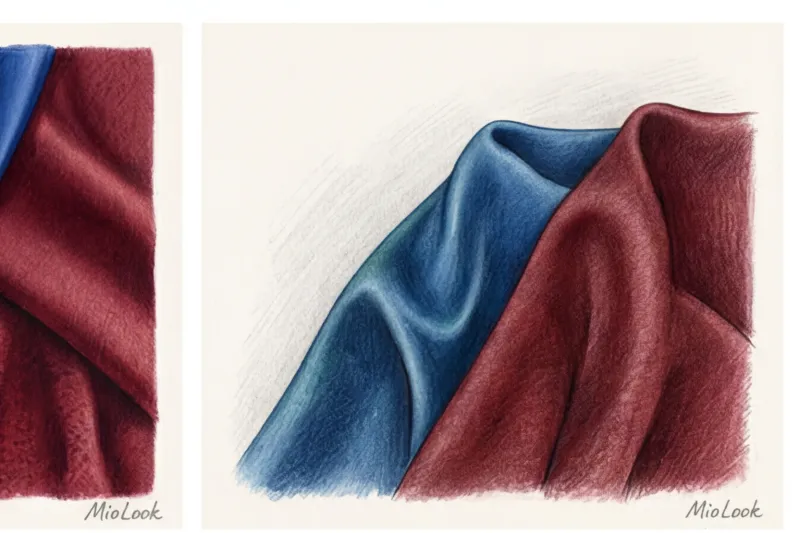
A deep ruby or sapphire color on cheap, matte cotton or thin polyester looks flat, dull, and instantly reveals mass-market appeal. The fabric absorbs the light, and the "precious" quality disappears. But place the same amethyst hue on heavy silk, flowing satin, viscose with a subtle sheen, or thick velvet—and the color comes alive. Shadows, highlights, and that very depth that makes heads turn.
If you're putting together an outfit for an important dinner or a theater premiere, ditch the usual black dress. Choose a sapphire silk blouse or an emerald velvet jacket. This choice will automatically elevate the dressiness of your look while still remaining elegantly understated.
Pastel and Powdery Shades: How to Wear Them Without Looking "Pale"
Every spring, brand windows are filled with marshmallow collections. We see these enticing names of colors and shades Dusty rose, cool lavender, refreshing mint, azure blue, and delicate peach powder. They're instantly tempting, hoping for a light, romantic look. But the paradox is that it's precisely these seemingly innocuous tones that most often make us look tired and unwell if chosen thoughtlessly.
The main danger of a powder palette is its insidious ability to blend with your skin's undertone. If you wear a peachy blouse and your skin has a warm, slightly yellowish undertone without a strong tan, the line between your clothes and your face blurs. You become a solid, pale blob. In professional circles, we call this the "washed-out canvas effect."
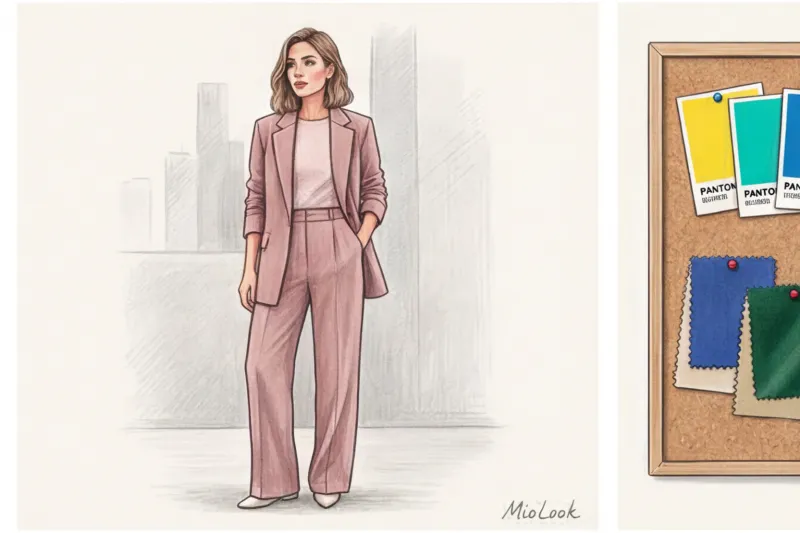
Here, the classic theory of 12 color types comes to the rescue, which remains a fundamental basis in color theory. The most common mistake women make when buying pastels is directly related to ignoring their natural contrast. For example, those with a "Dark Winter" complexion (porcelain skin, bright eyes, and dark hair) often choose pale, bleached pastels, wanting to "soften" their look. As a result, against the backdrop of their vibrant natural colors, a sky-blue or mint sweater looks washed-out. And the face itself instantly takes on a haggard appearance, visually deepening the nasolabial folds and emphasizing dark circles under the eyes, which are actually almost nonexistent.
Remember: the lower your natural contrast (for example, soft skin tone, light brown hair, and muted eyes—the "Light Summer" type), the more natural a total look in powder tones will look on you. Conversely, a bright, contrasting appearance requires either avoiding pale pastels near the face or supporting them with more saturated colors.
So how can you tame these complex shades and wear them stylishly? I have three tried-and-true rules:
- Move away from your face: If you absolutely love lavender but it makes you look pale, buy lavender pants or a bag and keep your face in a complementary base color (like deep graphite or navy).
- Increase fabric density: Pastels on thin, flimsy knits always flatter the look. Choose heavy cotton, structured linen, or suiting wool. A dusty rose jacket in a quality fabric for €150–€200 will look classy and hold its shape, unlike a translucent blouse in the same shade.
- Play with textural contrasts: Mix soft powdery tones with rough materials. A mint-colored silk top would look perfect with heavy denim or rough leather.
Want to check if your chosen powder shade suits you? Place the item against your face in natural daylight without makeup. If the color of the item appears first, and your face fades into the background, it's not the right shade for you. The right pastel shade should act as a subtle cosmetic filter, illuminating your skin from within.
Access to MioLook for €0.99 — one-time payment
Start creating perfect looks with AI and find pastel shades that will highlight your natural contrast.
Get access — €0.99 onceHow Pantone Dictates Fashion Color Names
Have you ever wondered why, one fine day, the windows of every brand—from high-end luxury to affordable labels—suddenly turn the same shade? It's not a coincidence, but a rigorous mathematical and sociological calculation. I'll give you a sneak peek into the professional behind-the-scenes: we, stylists and fashion buyers, receive confidential trend books from analytical agencies like WGSN and the Pantone Color Institute 18–24 months before the first item of that color hits the shelves at, say, Zara.
The Pantone Color Institute is more than just a paint factory; it's a global research center. Their specialists literally scan the world, studying box office sales, contemporary art exhibitions, popular travel destinations, and even macroeconomic crises. Based on this massive data set, they forecast the visual vibes society will need in two years. If the world is experiencing instability, expect calming, natural tones in the forecasts.
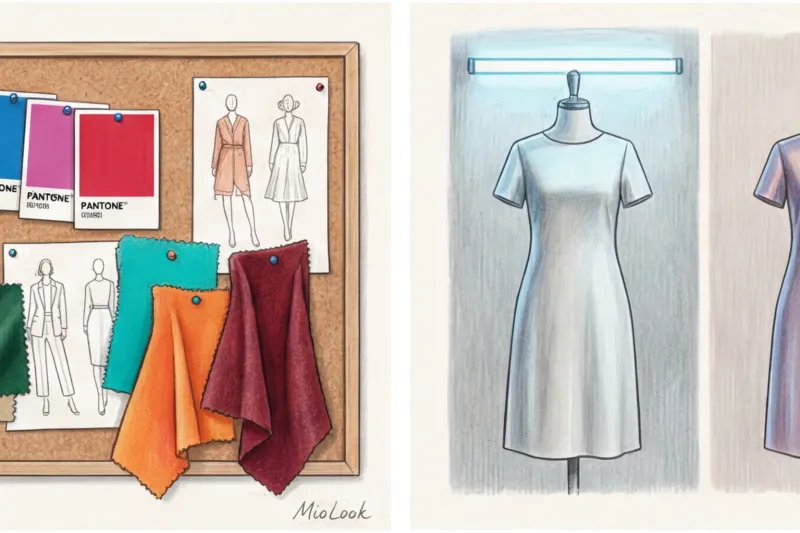
The culmination of this colossal work is the December announcement of the Color of the Year. And this is where the real magic begins, proving just how powerfully correct names of colors and shades influence our purchases. Why do Pantone brand names instantly go viral? Consider these recent hits: Peach Fuzz (peach fluff) or Very Peri (A dynamic blue-violet). The institute doesn't simply assign a dry serial number like 13-1023 to the color. They package the hue in pure emotion. The name "Peach Fluff" sounds tactile, cozy, and safe. It's brilliant linguistic marketing that makes the buyer want not just a pink-orange jumper for 120 euros, but the physical sensation of that promised "coziness."
The path of the Color of the Year is always predictable: first, it dominates the couture shows in Milan and Paris, then large textile factories purchase dyes strictly according to Pantone standards, and after 6-8 months, the shade takes over the shelves of mass-market stores.
An interesting fact from practice: if a trendy color is too aggressive or difficult for everyday wear, commercial brands get crafty. They adapt it by toning down the saturation. For example, the complex electric Very Peri quickly transformed into a more accessible and marketable dusty lavender in the fast-fashion segment.
To avoid falling victim to this global color marketing and buying up trendy, one-time items, I recommend a cool head of calculation. Before buying something in the "hottest color of the season," put together your current looks. MioLook Visualization will immediately show whether the much-hyped Peach Fuzz will fit in with your existing base, or whether this purchase will remain hanging in the closet with its tag.
Color illusion: why the same shade appears different
From an optics perspective, clothing color isn't a constant, but simply a result of how the material's surface reflects light waves. You can memorize all the correct names of colors and shades You can masterfully distinguish cobalt from sapphire, but still face bitter disappointment when unpacking an online order or leaving the mall. In the professional community, we call this phenomenon "optical wardrobe illusions." And understanding how they work can save you hundreds of euros in unsuccessful purchases.
The scientific term "metamerism" is a must-know for anyone who has ever tried to assemble an outfit from disparate items. Metamerism is a physical property where two colors appear absolutely identical under one light, but differ dramatically under another. This occurs because manufacturers use different chemical dyes. A jacket and trousers purchased in different departments may match perfectly under the store's spotlights, but on the street, their dissimilarity will be treacherously revealed.
This is my most important professional insight, gained through the mistakes of others. Several years ago, a client and I were putting together a complex monochrome look for an important evening event. In the fitting room of an expensive boutique, the heavy wool palazzo pants and flowing silk blouse seemed a flawless ensemble in a single wine shade. But as soon as we stepped outside into natural daylight, disaster struck: the pants faded to a dull, almost brown undertone, and the blouse flared a bright ruby. The outfit visually disintegrated into two distinct, mismatched pieces.
Why is this so? It's because the texture of a fabric has a profound effect on color. Matte surfaces—such as wool, cashmere, suede, or heavy cotton—absorb light. They make any shade appear deeper, darker, and visually heavier. Glossy surfaces—silk, satin, viscose, and smooth leather—conversely act like thousands of microscopic mirrors. They reflect light, making the color appear brighter, lighter, and more saturated. The same dye applied to a silk slip and a chunky knit cardigan will produce two completely different visual effects.
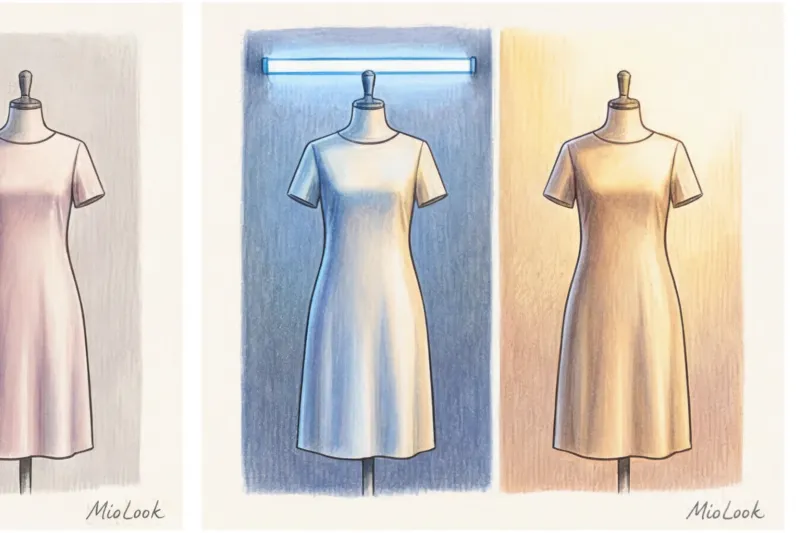
And here we come to the main enemy of successful shopping: fitting room lighting. You've probably noticed how a luxurious warm caramel sweater suddenly looks sallow when you try it on in front of the mirror. Most mass-market brands, in an effort to save money, use bright fluorescent lamps with a cool light temperature (around 4000-5000 Kelvin). This harsh, cold light literally kills warm undertones, drawing out blue and green pigments and highlighting even the slightest imperfections in your skin. Premium boutiques, on the other hand, use warm, diffused lighting that flatters both you and your clothes.
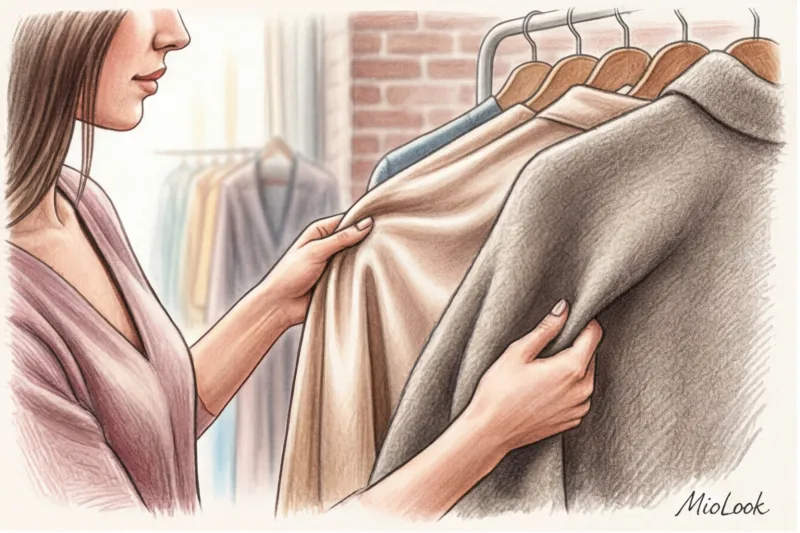
My ultimate advice: never buy an item (especially if you're choosing it to match an existing base) without looking at the fabric in daylight. Ask the salesperson to put the item aside, go to a large window, or go outside. And to know exactly what to combine the new item with, I recommend taking a photo of the fabric in natural light right in the store and uploading it to MioLook The app will help you visualize how a particular undertone will look with your wardrobe before you spend money at the checkout.
Your perfect look starts here
Join thousands of users who look flawless every day with MioLook. Digitize your wardrobe and create stylish combinations in just a few clicks.
Get access — €0.99 onceChecklist: How to create your perfect palette, knowing the names of shades
When I'm tasked with putting together a functional capsule wardrobe from scratch, I never start by browsing runway trends. I open a blank template and type in exactly six words. This is my signature step-by-step algorithm, which I use daily when creating wardrobes for clients in the app. MioLook It acts as a preventative against impulse purchases and helps you build a system where things serve you, rather than just hanging like dead weight in your closet.
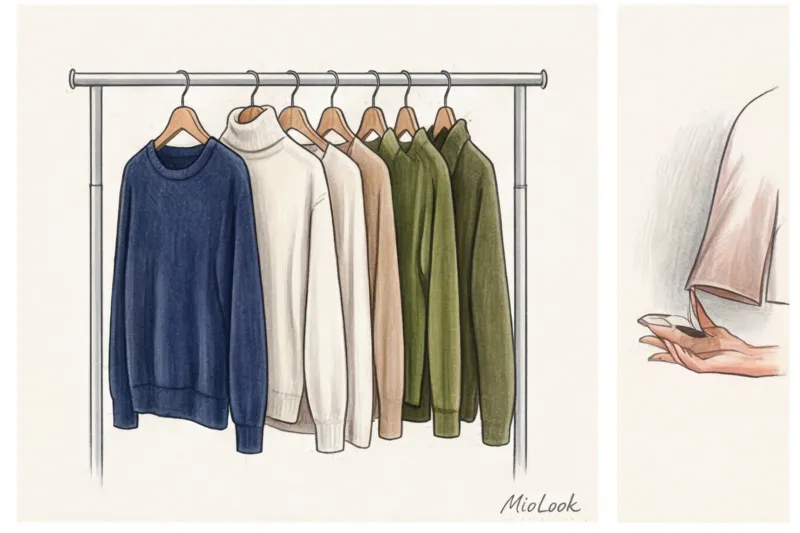
Step 1: Identify your 3 core neutrals.
Forget abstract concepts like "light" or "dark." Name them as specifically as possible: for example, deep navy, refined taupe, and warm ecru. These colors will form the foundation of your wardrobe—outerwear, business suits, quality shoes, and structured bags. If you invest in a cashmere coat or a wool jacket costing €200-300, precisely defining a complex shade will ensure the item looks classy and stays relevant season after season.
Step 2: Choose 2-3 accent colors that suit your color scheme.
Here we add character and dynamism to the wardrobe. If your base consists of cool tones (graphite, steel, marengo), a rich cobalt or deep emerald will be the perfect accent. For a warm base (camel, mocha, milky), terracotta or saffron are excellent. My personal styling advice: make sure your accent pieces have a similar level of purity. Avoid mixing a piercing neon lemon with a soft, slightly dusty sage in the same capsule.
Step 3: Use correct names when shopping online.
Knowing how to use color and shade names in practice is your primary filter against visual noise. Simply typing "green dress" into a search bar on a major retailer's website is dooming you to sift through thousands of irrelevant pages. Set up more precise text filters: "khaki dress," "pistachio sweater." Modern marketplace algorithms recognize these queries perfectly, allowing you to hit the target and save hours of your time.
Assembling an image: the 60/30/10 rule
Once the palette is assembled, it's important to properly distribute the colors within the outfit itself. I always refer to the 60/30/10 rule—it's a classic proportion from interior design that works phenomenally well in personal styling.
- 60% — your main base color. This is usually the largest piece of clothing (for example, an anthracite pantsuit or a long knit dress).
- 30% - an additional base or calm color that supports the main one (for example, an ivory silk blouse under a jacket).
- 10% — a bright splash of color. These are your micro-accents: carmine-colored shoes, an indigo-print scarf, or a textured bag.
This distribution is perceived by the human eye as the most balanced. It allows you to wear even the boldest colors from our fashion glossary while maintaining elegance and not overloading your appearance.
Conclusion: From Theory to Stylish Practice
Recently, at a private show in Milan, one of the coloristics professors at the Istituto Marangoni uttered a phrase that perfectly sums up the mechanics of modern fashion: "Color is in the eye of the beholder, and all that remains on the label is the marketer's ambition." A brand can write anything on the label of a €250 dress—from "mysterious nebula" to "ashes of a rose." But in the fitting room or in front of the mirror at home, these poetic metaphors lose all meaning.
That's why my final piece of advice to you as a stylist is to trust your eyes more than labels. Knowing the correct names of colors and shades by heart is purely a practical tool, not an end in itself. Your goal isn't to pass a test on all 2,390 shades of the Pantone palette, but to learn how to manage your own impressions and budget. You need this terminology so you can accurately search for "camel cashmere sweater" in an online store, not spend hours scrolling through 50 pages of results for "brown sweater," only to find everything from red to dirty brown.
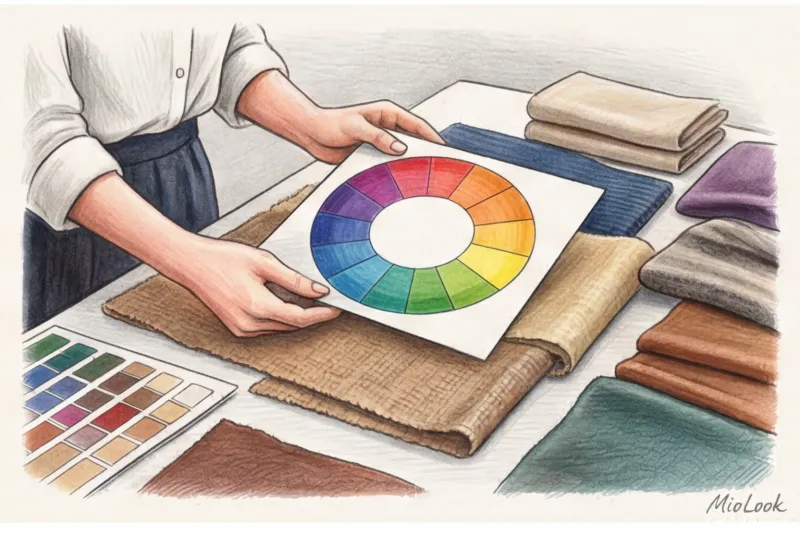
Now that you have this structured fashion glossary, I sincerely encourage you to experiment with shades within your base. We often get stuck in a stylistic rut simply because we're afraid to take a step away from our usual black or navy blue. There's no need to buy a garish fuchsia coat tomorrow if you're a fan of minimalism. Start with micro-steps. Swap your usual graphite belt for a deep marengo accessory. Instead of a stiff, crisp white shirt, try a flowing alabaster blouse. You'll be surprised how these subtle shifts in color will make your everyday looks feel significantly more complex, textured, and luxurious.
This same precision in terminology will save you when working with tailors. When you give your tailor your favorite silk top and ask for the straps to be shortened, the phrase "we need an ecru thread here, not just light beige" instantly elevates you to the status of a client who understands quality. The tailor will select a material that blends perfectly with the fabric, rather than leaving a cheap, yellowish seam on a delicate garment.
The next, and perhaps most important, step is integrating this knowledge into your wardrobe management. Conduct a thoughtful inventory review of what's already hanging on your hangers. Look at your pieces through a new, professional lens. Divide your beige sweaters and trench coats into warm (with ochre or caramel undertones) and cool (with a taupe undertone). I practically guarantee you'll immediately understand why some of them have been refusing to coordinate harmoniously for years, creating a "messy" look.
To make this system work for you every day, transfer it to a digital format. When you digitize your things in MioLook Don't simply write "green trousers" in the description. Consider "sage slacks" or "emerald palazzo pants." Smart wardrobe algorithms and your own visual memory will work at a whole new level when items are called by their true names. You'll begin to notice subtle patterns: for example, that you're desperately missing some light, refreshing accents in your portrait area, or that your favorite tailored navy pairs beautifully with a burgundy capsule.
Style isn't an innate gift reserved for a select few. It's a practiced skill built on observation, an understanding of proportions, and attention to detail. The ability to distinguish between tones and call them by their proper names is one of the most beautiful and effective ways to hone this skill.
Choose consciously, experiment with pleasure, and let color work for your personal confidence every day.
Guide Chapters
Chartreuse: What is this shade and what to pair it with?
Fuchsia is in fashion: shades and combination rules
Khaki: What is this shade and what to pair it with?
What Is Camel Color: Shades, History, and Styling Guide
Explore the timeless elegance of camel color, from its rich golden undertones to the best ways to style it for a sophisticated wardrobe.
What is nude clothing: shades and combination rules
What is monochrome in clothing: types and rules of combination
Ecru: What is this shade and what to pair it with?
Color blocking: what it is in clothing and its distinctive features
Burgundy: What is this shade and what to wear it with?
Terracotta: What it is, shades, and clothing combinations
Pastel Colors in Clothing: Types, Shades, and Styling Guide
Learn how to identify, choose, and style pastel colors to create elegant and balanced outfits for any season.
Emerald Green: Description, Features, and Clothing Combinations
Mustard color: what is this shade and what to combine it with
Magenta: What it is, shades, and clothing combinations
Taupe is trending: what is this shade and what to pair it with?
Marsala is in fashion: what is this shade and what to pair it with?
Dusty Rose Color: Shade Description and Style Guide
A complete guide to styling the dusty rose shade, featuring color combinations, fabric choices, and practical tips for your wardrobe.