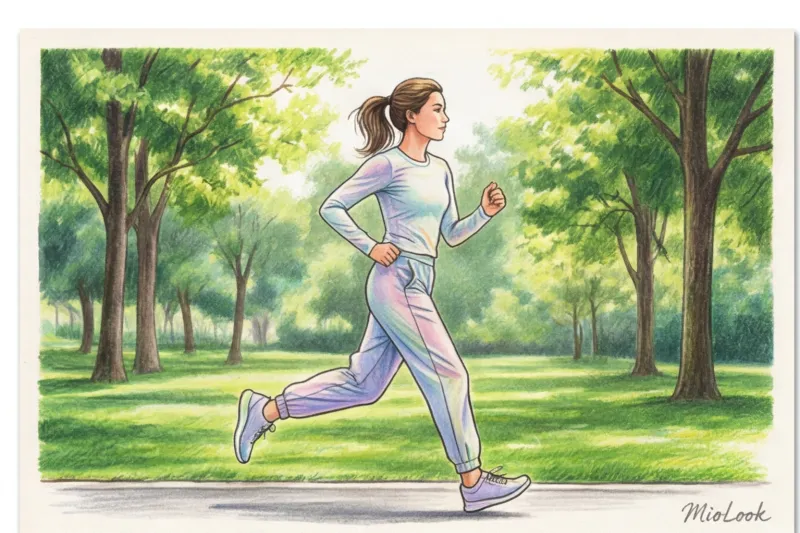
Five years ago, during a morning jog in Valencia in July at 30°C, I made a classic rookie mistake. Wanting to escape the scorching sun, I donned a minimalist sports bra and micro shorts. By the tenth kilometer, my skin was burning, my heart rate was skyrocketing from overheating, and for the next few days, I spent nursing a severe sunburn on my shoulders. It was then that my perspective on summer gear as a stylist and colorist changed forever.
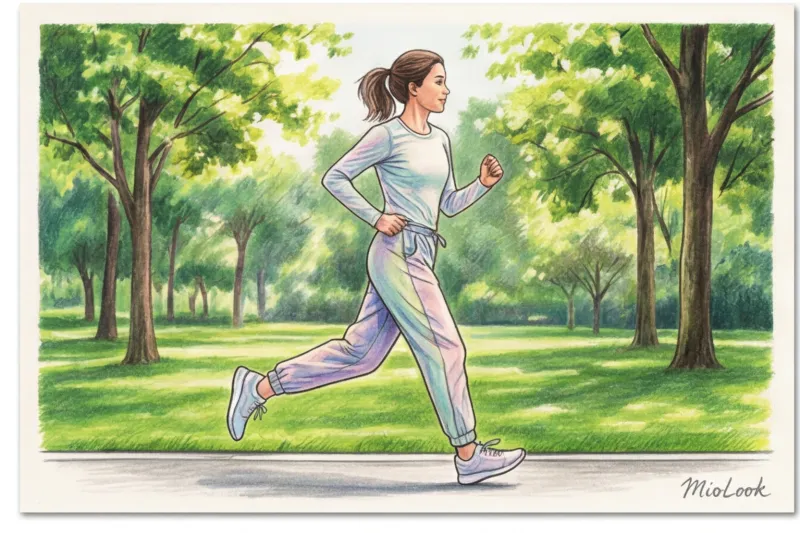
Have you ever noticed that ultra-distance marathon runners in the Sahara Desert never run half-naked? They cover their bodies completely with loose, light-colored fabrics. What was long considered a matter of religion or personal shyness has now been scientifically proven: properly chosen, modest athletic clothing for women is the most effective way to cool the body and protect the skin.
As I already mentioned in our The complete guide to modest fashion for summer Closed silhouettes are rapidly replacing ultra-sheer clothing. In this article, we'll explore the anatomy of the ideal closed-toe outdoor workout attire, drawing on physiology, color theory, and modern fabric technology.
Less Skin, More Cool: Why Modest Sportswear for Women Is Biohacking
For decades, the fitness industry has sold us the stereotype: the hotter it is outside, the less clothing you should wear. However, thermoregulation works differently. When direct sunlight hits bare skin, its temperature immediately rises. The body begins to urgently produce sweat, which evaporates too quickly in the scorching sun, failing to cool the body, leading to dehydration.
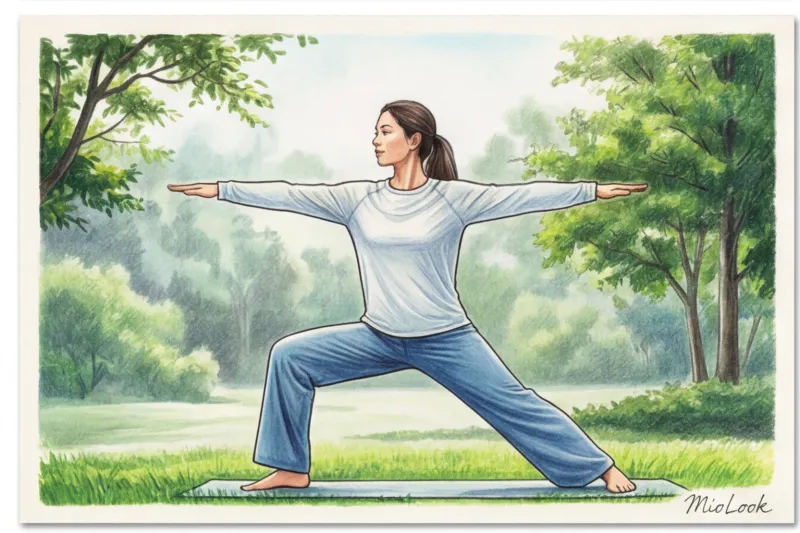
Loose, closed-fitting clothing made from high-tech materials works like a Bedouin robe: it creates an air gap between the fabric and the skin. As you move, this air circulates, ensuring smooth and efficient evaporation of moisture—the effect of a portable air conditioner.
"Exposed skin heats up faster and loses critical moisture. Proper gear doesn't block sweat; it manages its evaporation." This principle underlies the development of uniforms for professional track and field athletes.
A year ago, a VIP client named Anna contacted me. Her request was far from typical: after a season of morning workouts in revealing tops, she developed persistent hyperpigmentation on her décolletage, which required extensive laser treatment at a cosmetologist. We completely overhauled her workout wardrobe, replacing crop tops with lightweight long sleeves. The result? Zero pigmentation this summer and, according to her, a wonderfully cool feeling while running.
Furthermore, modest sportswear has become a clear signifier of the "quiet luxury" trend in fitness. The elegant, flowing silhouette of a closed-toe outfit exudes class, demonstrating a conscious approach to health rather than simply a desire to show off one's figure.
Heat-Breaking Technology: How to Choose the Right Closed-Loop Gear
If you wear a regular cotton turtleneck at 25°C, you'll get heatstroke. The secret to a closed summer shirt lies solely in the chemical composition and weave of the threads. Your main guide is the acronym UPF (Ultraviolet Protection Factor).
A typical white cotton T-shirt has a UPF rating of about 5, meaning it lets through up to 20% of harmful radiation. According to a 2023 report from The Skin Cancer Foundation, for safe sun exposure, clothing should have a UPF rating of at least 30, and ideally, UPF 50+ (blocks 98% of rays).
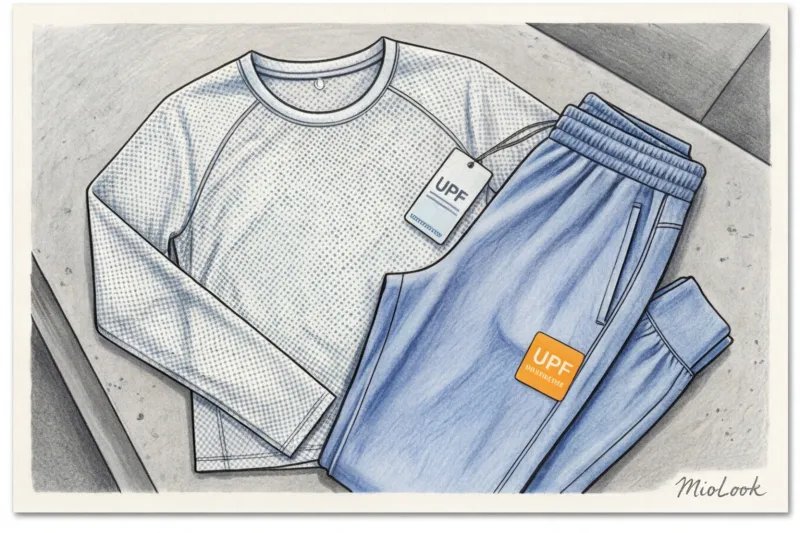
Modern brands (such as the high-tech lines from Lululemon or Oysho, where prices range from €60–€120) achieve this effect not through the thickness of the fabric, but by infusing the fibers with titanium dioxide microparticles—the same mineral filter used in sunscreens. The fabric literally reflects ultraviolet light.
Moisture-wicking properties: why cotton is your biggest enemy during summer training
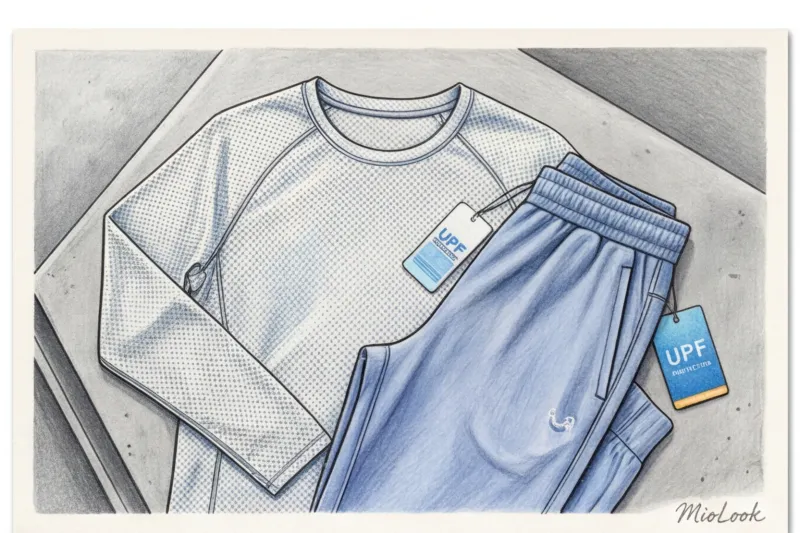
Cotton has one property that's fatal for sports: it can hold 14 times its own weight in moisture. As it absorbs sweat, it becomes heavier, clings to the body, blocks air circulation, and begins to chafe the skin in the creases.
For closed-toe summer clothing, choose only next-generation nylon, polyester with dry-fit technology, or micromodal. These fabrics are hydrophobic. The capillary structure of their fibers instantly wicks sweat away from the skin and distributes it across a wide surface area of the fabric, where the moisture evaporates instantly, taking excess heat with it.
Build the perfect sports capsule
Try MioLook for free: A smart AI stylist will find the perfect color and texture combinations for your workouts.
Get access — €0.99 onceA Color Palette for Sun-Drenched Workouts: A Colorist's Take
In my practice as a stylist and colorist, the most common question is: "Is it true that you should only wear white during the summer?" The answer is paradoxical: yes and no.
White is an excellent reflector of infrared radiation (i.e., heat), making it subjectively cooler. However, without special treatment, white allows UV rays to pass through like a sieve. Dark shades (black, deep blue), on the other hand, absorb UV rays, preventing them from reaching the skin, but they also become very hot.
The solution? Use high-tech fabrics in the "Ice Silk" palette. It's not just a fancy name; it's a strategy for visual and physical cooling.
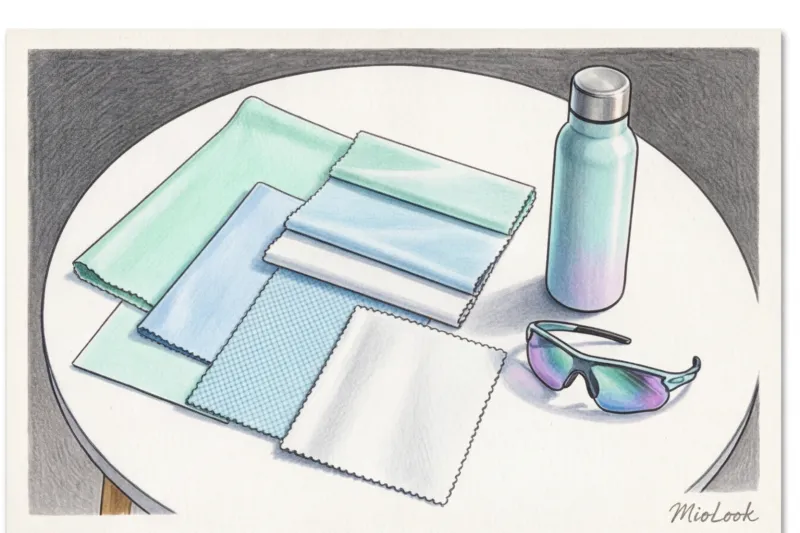
- Mint and Icy Blue: These shades have the highest reflectivity of any colored fabric, second only to pure white. They also have a calming effect on the nervous system during a rapid heartbeat.
- Light lavender: The perfect compromise between protection and freshness. The lavender shade with a gray undertone perfectly conceals sweat marks (unlike the light gray melange, which I categorically do not recommend for active sports).
- Dark accents: If you prefer black or dark blue joggers (as they tend to be slimming), make sure they have mesh panels in the knees and lower back. Without proper ventilation, dark fabric will turn into a sauna at 30°C.
Speaking of color combinations in your wardrobe, if you want to delve deeper into this topic, I recommend reading our article. 12 Color Types of Appearance: A Guide to Choosing a Palette.
What makes the perfect modest outdoor fitness capsule?
When putting together a basic wardrobe for my clients, I follow the principle: items should be easy to mix and match and be suitable for both yoga and a vigorous run. A basic functional capsule (usually priced between €150 and €300) includes the following items:
1. Loose rashguards and long sleeves.
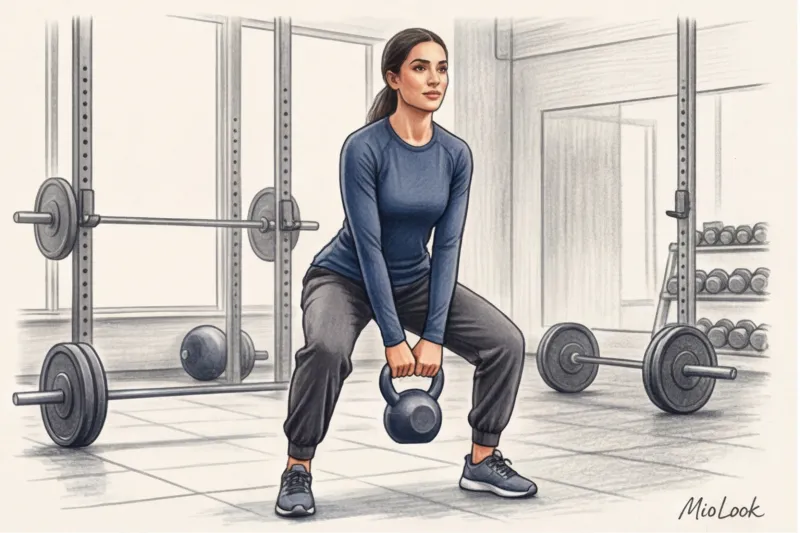
Forget skintight surfer rashguards. For running and fitness, choose a relaxed fit. Look for thumb slots—they protect the back of your hand, which is the fastest to develop age spots.
2. Sports joggers and skort-tights.
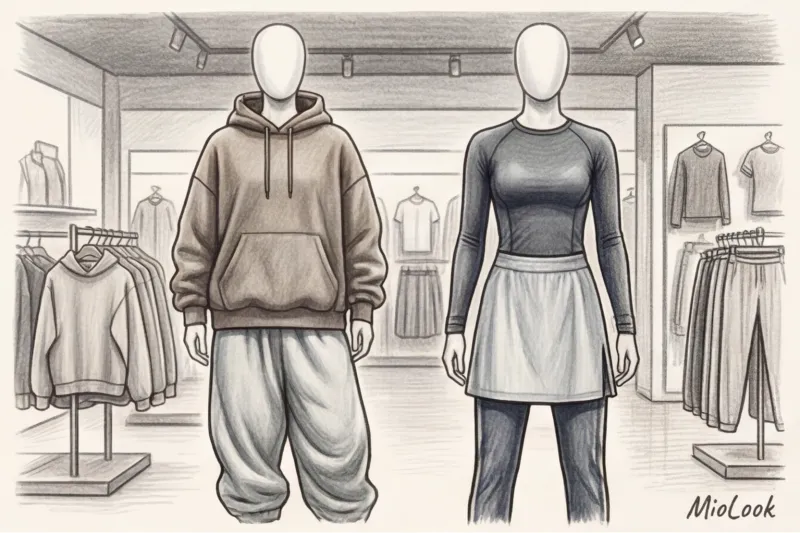
Wide-leg pants made of rustling parachute fabric with perforations at the calves are a godsend for those who don't like tights. If you prefer the support of tights (leggings), choose skort-tights—leggings with an integrated, lightweight skirt over them. This covers the groin and buttocks, adding a touch of elegance to the look.
3. Smart accessories.
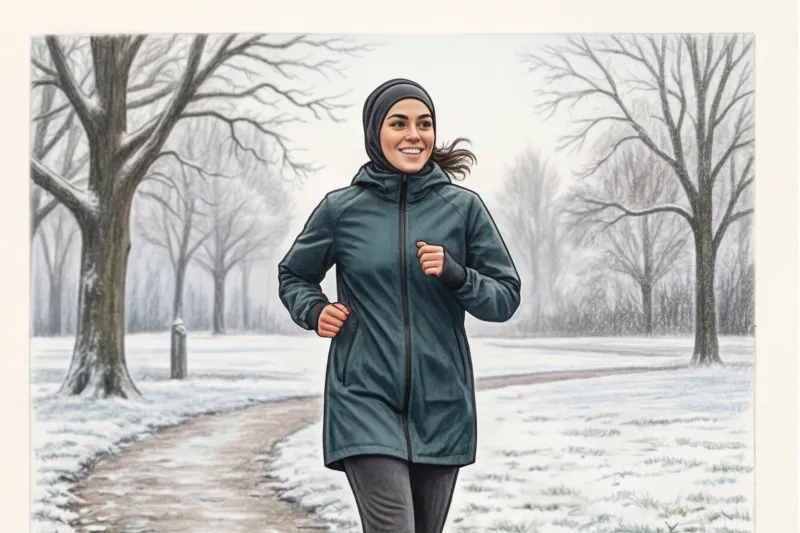
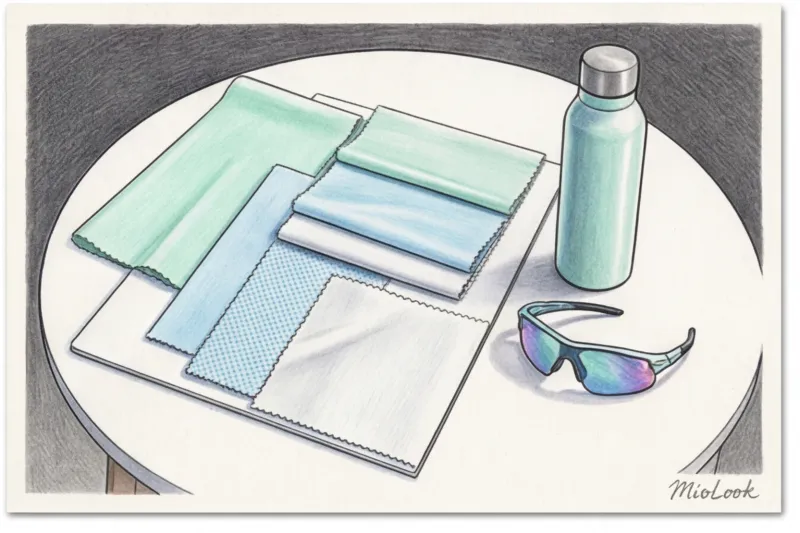
The neck burns unnoticeably but severely. Using cooling fabric buffs (ice-cooling microfiber) reduces the risk of head overheating. If you wear a sports hijab, look for models made of bamboo fiber with a micromesh mesh—they have natural antibacterial properties.
Common mistakes: what to avoid when choosing a closed summer uniform
Even with the best intentions, you can create a look that's dangerous to your health. Here are the three biggest mistakes I constantly see in parks.
Mistake 1: Second skin silhouette.
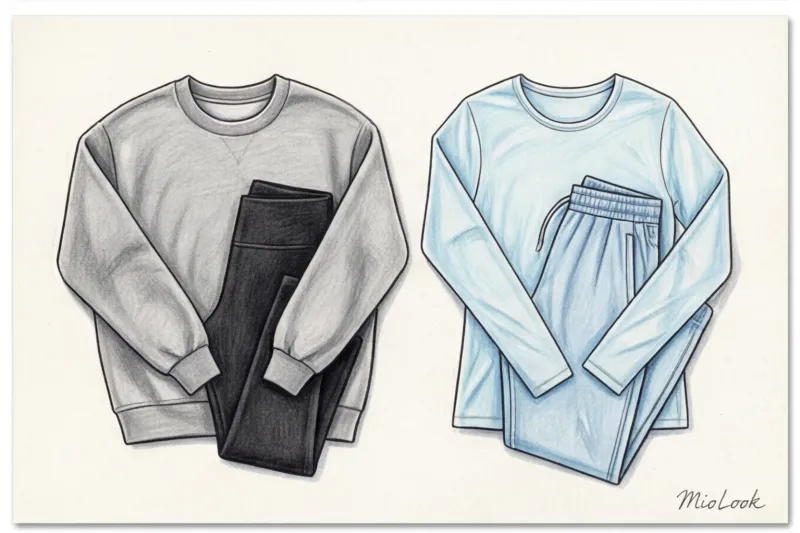
As I've already mentioned, there needs to be air between the fabric and the body. One of my clients, Marina, decided to "work up a sweat" and put on thick compression tights and a tight long-sleeve top on a sunny day. After 20 minutes, she felt dizzy. Compression is great for the gym, but in the blazing summer sun, it blocks natural evaporation and disrupts heat exchange.
Mistake 2: Everyday layering.
Throwing your favorite oversized t-shirt over a sports bra "to cover up" is a bad idea. Everyday knitwear isn't designed for intense exercise. Layering in the summer only works when both layers weigh no more than 100 grams and are made of moisture-wicking synthetics.
When Modest Gear Doesn't Work: Honest Limitation
Let's be honest: the closed-fit rules described above work perfectly in dry and moderately humid climates. If you're training in the tropics with 100% humidity (like in Bali), sweat simply won't evaporate into the air from your skin or fabric. In such extreme conditions, closed-fit clothing, even the most technical, will cling to your body. This is where ultra-perforated tops and generous use of water-resistant SPF 50 come into play.
Your perfect look starts here
Join thousands of users who look flawless every day with MioLook technology.
Get access — €0.99 onceStylist checklist: putting together an outfit for a morning jog or yoga in the park
To help you navigate the store, I've created a step-by-step guide to creating the perfect look. Take a screenshot of this section before shopping.
- Base (sconce): Highly breathable, made of high-tech mesh. No bulky foam cups (they act like sponges for sweat).
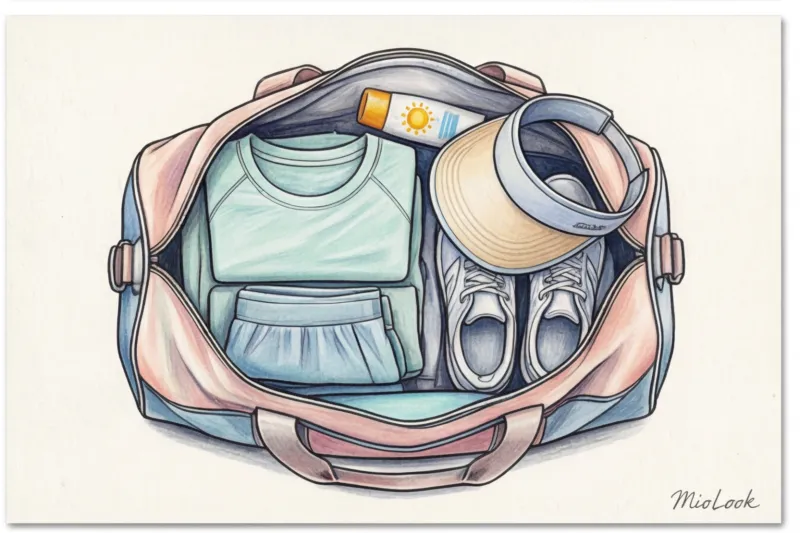
- Top: A straight-cut long-sleeve top with UPF 30+. Available in mint, lavender, and white (with a protective coating). Be sure to check for mesh underarm panels.
- Bottom: Flowing joggers made of thin nylon or tights with a skirt. Ankle-length options will protect your shins from UV rays and accidental scratches from branches in the park.
- Accessories: A wide sports visor (protects the face but allows the top of the head to release heat), polarized sunglasses, and SPF cream for exposed hands and ankles.
Athleisure style (integrating sport into everyday life) allows this style to be worn not only on the track. Swap your running shoes for minimalist leather sneakers, add a structured cotton shopper, and you're ready to hit the coffee shop after a workout without feeling out of place, as micro shorts often do. More ideas for similar urban looks can be found in the article. Sporty Chic for Women: How to Wear It in the City.
The main conclusion I've come to over the years of working with clients is that bare skin in the summer sun is always vulnerable. By investing in closed, technologically advanced, and aesthetically pleasing sportswear, you're buying more than just fabric. You're buying comfort, vascular protection, and youthful skin for years to come.