Did you know that approximately 80% of maternity wear ends up in the back of the closet or in the landfill exactly three to four months after purchase? As a personal stylist, I constantly encounter this problem during wardrobe reviews. Women spend huge sums on items that they'll never wear again. That's why insert in a maternity jacket has become a viral hit among fans of sustainable consumption. But is it really that perfect?
Unlike typical blogs that present this accessory as a panacea, I suggest looking at it through the lens of cut geometry and color. We'll honestly analyze when this hack saves your budget, and when it mercilessly ruins your silhouette, turning you into a shapeless cloud. We've covered the basic principles of creating such a wardrobe in more detail in our The complete guide to stylish maternity outerwear , and today we will focus exclusively on outerwear and its transformation.
What is a maternity jacket insert and how does this hack work?
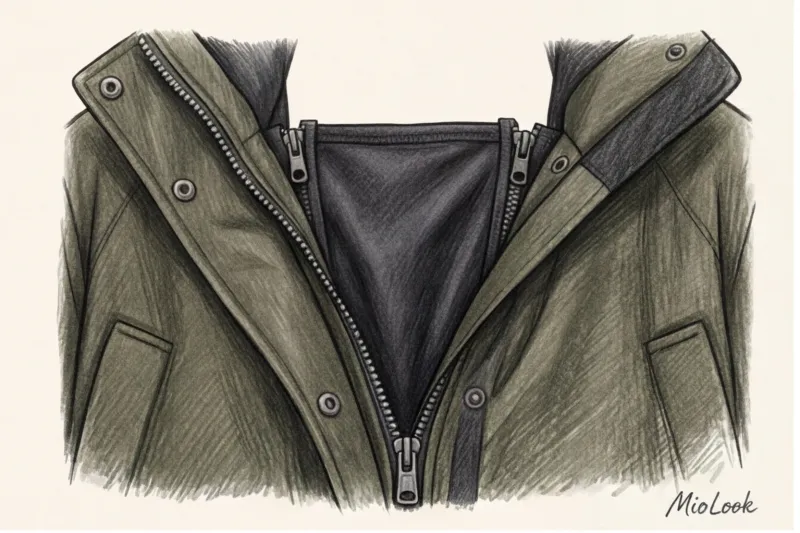
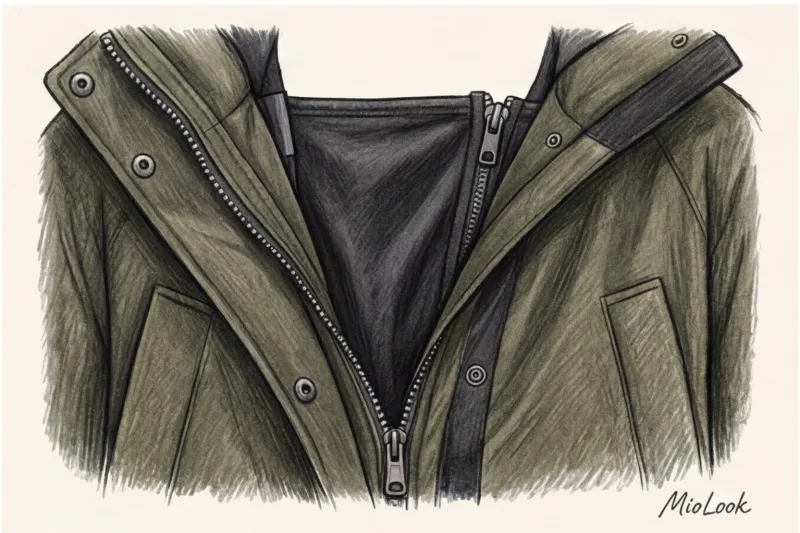
Let's break down the mechanics. A sling insert is an additional fabric panel that clips into the front of your regular outerwear. No sewing, scissors, or alterations are required. The secret lies in the adapter system.
An adapter is a piece of equipment with two zippers on each side. One side attaches to the teeth of your jacket, the other to the insert itself. This gives you an extra 15-20 centimeters of volume in the abdominal area. A technical detail that's often overlooked when ordering online: the type of your original zipper is critical. Tractor, metal, or coil zipper—each requires its own specific adapter.
This accessory has gained immense popularity thanks to the philosophy of sustainable fashion. Instead of creating disposable items, you adapt your favorite wardrobe item to the new realities of your body.
Advantages of the expander: strict Cost-Per-Wear calculation
I like to support stylistic decisions with mathematics. In a professional environment, we use the formula Cost-Per-Wear (CPW) — the price per output. Let's calculate the profitability.

The average price of a decent winter maternity parka in the mass-market segment is around €150–250. Its active lifespan is a maximum of 3–4 months (approximately 100 days). The price per jacket is around €2. Doesn't seem like much? But after you give birth, this item will sit idle in your closet. Meanwhile, a high-quality insert will cost you between €30–50. By integrating it into your everyday jacket, you reduce the CPW to mere cents, and you can continue wearing the jacket even after maternity leave.
- Psychological comfort: You stay in your favorite clothes, preserving the DNA of your personal style. You don't have to get used to a new cut or color.
- Eco-friendliness: Refusal to purchase items made from polyester, which cannot be recycled.
- Versatility: Most modern extenders feature a sling insert. After birth, you can carry your baby under a jacket in a carrier or sling, using the same panel.
Access to MioLook for €0.99 — one-time payment
A smart AI stylist will help you incorporate new proportions into your usual style without unnecessary expenses.
Get access — €0.99 onceCons and stylistic pitfalls: when an insert in a maternity jacket ruins the look
Popular opinion is that the expander is the ideal solution for any outerwear. As a practicing stylist, I categorically disagree with this. The insert disrupts the garment's geometry.
One of my clients, Anna, came to me in utter despair. She tried to sew a cheap black panel into her perfectly classic camel-colored Max Mara coat. The result was disastrous. Why? Adding 20 centimeters in the center inevitably pulls the armhole forward and "drops" the shoulder seam. The coat's design, which the designers had labored over, was completely destroyed.
The second pitfall is mismatch of textures and shades As a certified colorist, I often repeat: black has up to 50 different undertones (from bluish to warm brown). If you sew a matte black insert into a glossy black down jacket, it looks like a cheap patch. The difference in light reflectivity between the materials immediately reveals the inconsistency of the design.
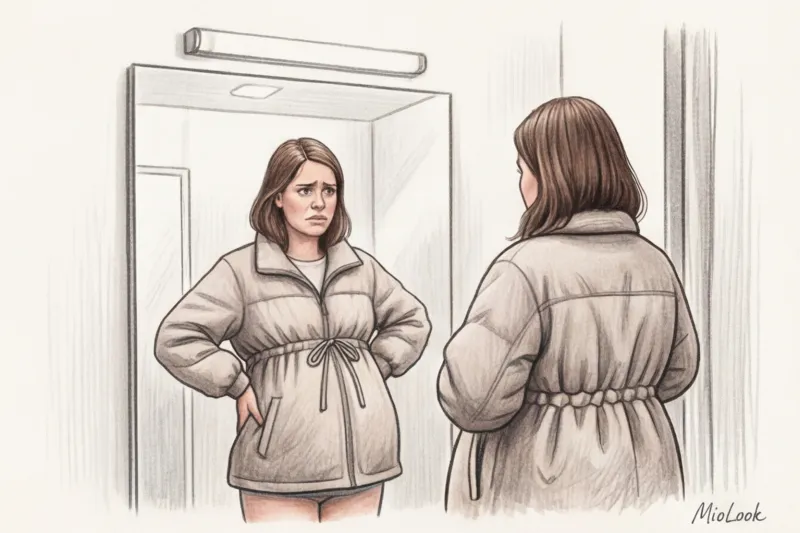
"The extra vertical panel in the center creates a tent-like effect, stripping the silhouette of its original lines. If the jacket was originally tailored, the flared panel will create a bell-shaped fit, making the figure appear heavy and squat."
Which jackets are compatible with the expander insert, and which are not?
To avoid a fashion faux pas, it's important to understand the laws of proportion. Based on my experience creating capsule wardrobes for pregnant clients, I've developed a clear rule.
Green light (where it works great):

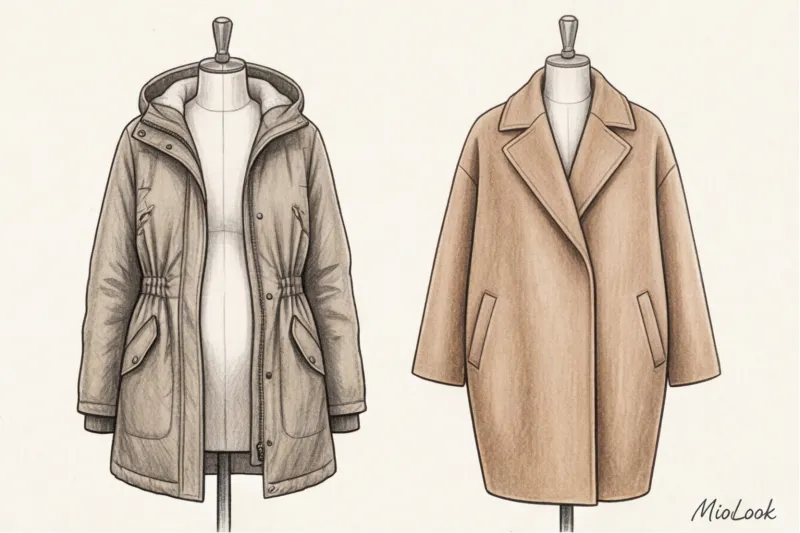
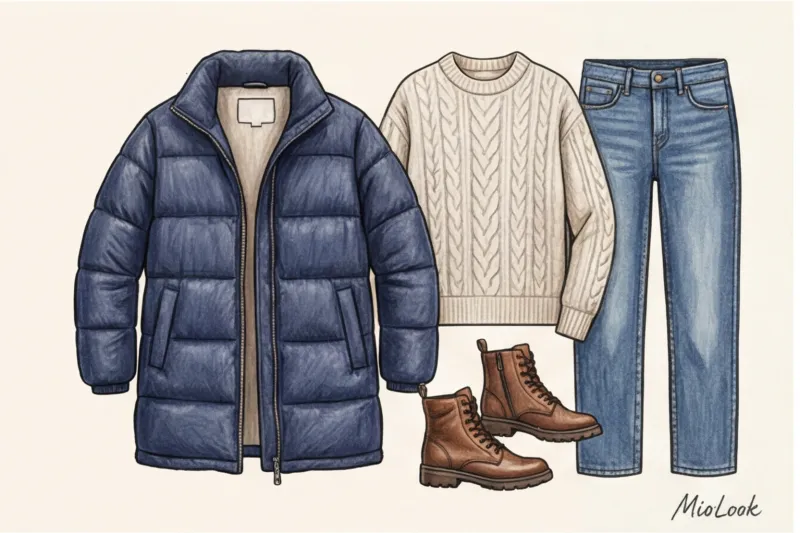
- Straight-cut parkas (in the style of classic Woolrich models).
- Long, straight down jackets without an emphasis on the waist.
- Sports winter jackets for active recreation (ski models).
- Jackets that have a hidden button placket (flap closure) that covers the zipper itself and the adapter attachment point.
Red flag (when the dilator is contraindicated):
- Classic double-breasted and single-breasted coats.
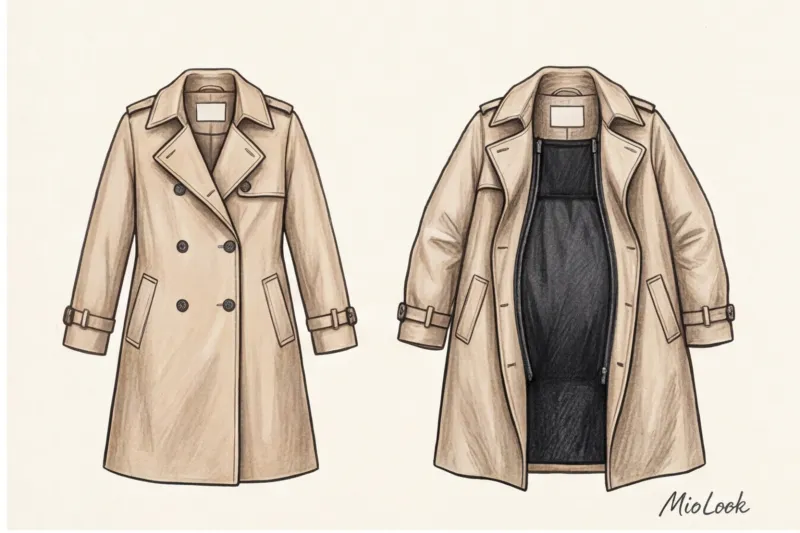
- Trench coats with English collars (the insert will distort the lapels).
- Shortened jackets, aviators and biker jackets (the extender will disrupt the horizontal balance of the garment).
- Down jackets with an architectural, complex cut.
Your perfect look starts here
Upload a photo of your jacket to MioLook, and the neural network will tell you whether the extender will fit.
Get access — €0.99 onceStylish Alternatives: How to Avoid Inserts and Maternity Clothes
A study by the analytical agency WGSN (2024) shows a global trend towards adaptive durability in fashion. This means that the best clothes for pregnancy are those that are carefully selected. ordinary Premium quality clothing that you will still wear in five years.
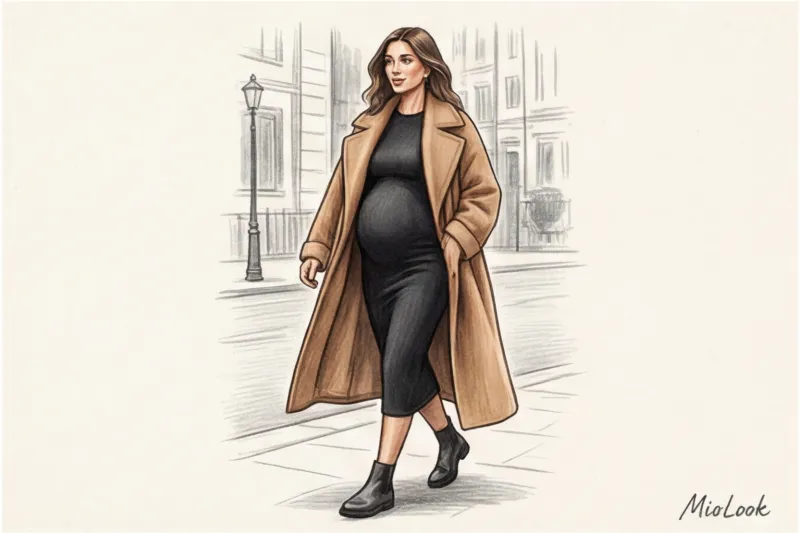
If you don't want to fiddle with adapters, consider a cocoon silhouette and relaxed oversize fit. A cocoon coat with dropped shoulders looks luxurious both with a baby bump and after childbirth, when cinched with a wide leather belt.
My secret weapon as a stylist is the men's department. Buying a men's straight coat or minimalist down jacket a size larger than usual solves several problems at once. Men's fits don't have darts at the chest or waist, but they do have a perfectly defined shoulder line that cinches the entire silhouette, preventing a shapeless appearance.
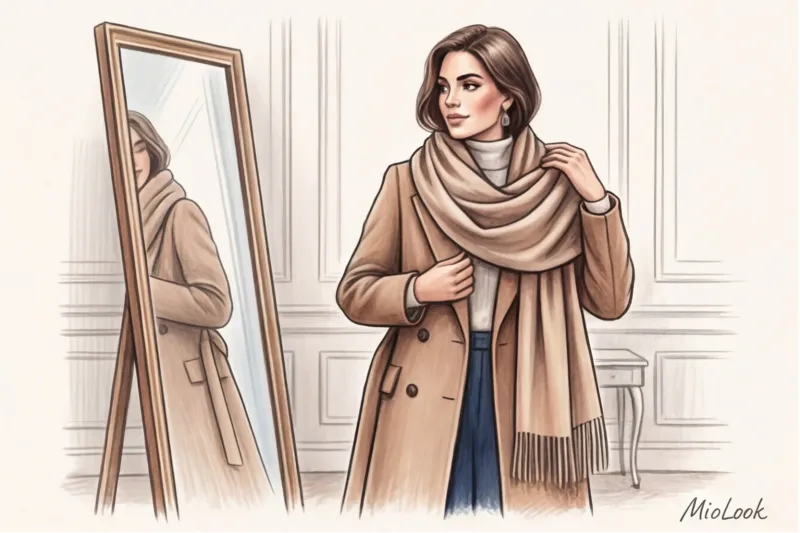
Before the harsh frost sets in, layering is a great idea. Wear your favorite coat unbuttoned! Throw on a warm cashmere sweater, a long, chunky knit cardigan, and a voluminous scarf. The vertical lines of the open coat will visually elongate your silhouette and make you look slimmer.
An investment in the future: a coat that will stay with you
If you decide to buy a new item, invest in the right blend. Look for merino wool, alpaca, or cashmere blends with a weight of at least 400 g/m². These fabrics provide maximum warmth with minimal bulk and weight. Leave those heavy drape coats at the store—they'll only add unnecessary fatigue. A loose, high-quality coat after maternity leave is easily styled with a play of textures: add a silk scarf, a statement bag, and some rugged boots.
Checklist: How to choose the right insert for a maternity jacket if you've decided to go for it
If, after weighing all the pros and cons, you've decided that an insert is the right choice for long walks, save this checklist before ordering.
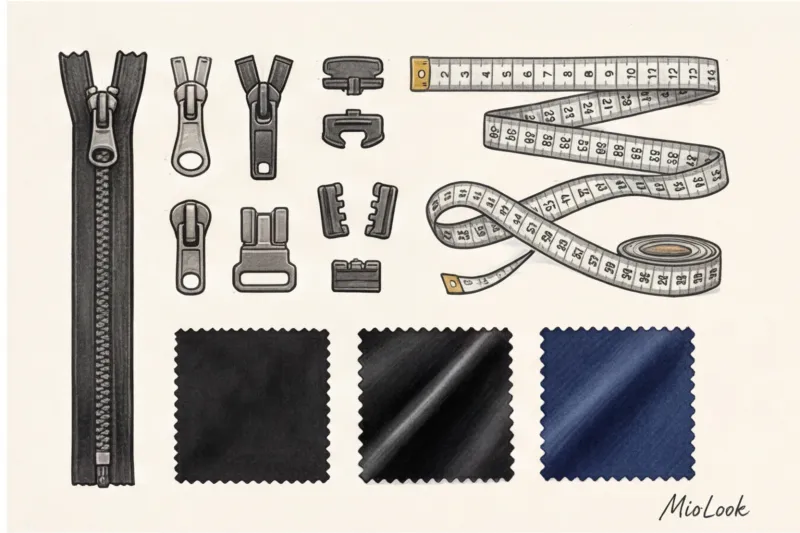
- Determine the adapter type. Look at your jacket's zipper pull (it's often marked YKK or SBS). A tractor zipper has large plastic teeth, a coil zipper is spring-like, and a metal zipper is stiff and shiny. The adapter should match millimeter for millimeter.
- Check the length. Measure your jacket's zipper from the bottom to the collar. The insert should be perfectly aligned. If it's shorter, a cold wind will blow in from underneath.
- Choose the right insulation. For European winters, fleece with a density of 200–300 g/m² is sufficient. For severe frosts, look for inserts with modern fillers (hollowfiber, thinsulate from 150 g/m²).
- Color Block Principle. If you can't find a tone-on-tone insert to match your jacket, don't try to find one that's "almost identical." As I mentioned above, it looks sloppy. Create a deliberate contrast. For an olive parka, choose a black insert, for a blue one, a dark gray one. Make it look like a deliberate design element, not a forced addition.
Ready to get started?
Organize your updated wardrobe with the MioLook app. Try the free plan—no commitments.
Get access — €0.99 onceStylist's Summary: Buy an Extender or Invest in a Wardrobe?
The final verdict depends on your lifestyle and personal aesthetic. If your wardrobe is based on casual style, down jackets, and sneakers, and you love long walks in the park, a high-quality insert for €40 will be your best purchase of the year. It will be worth the price and will easily transition into babywearing.
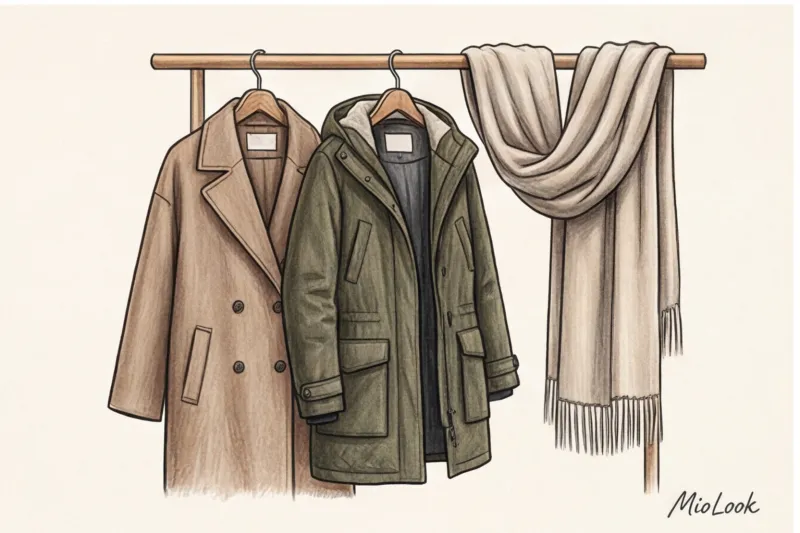
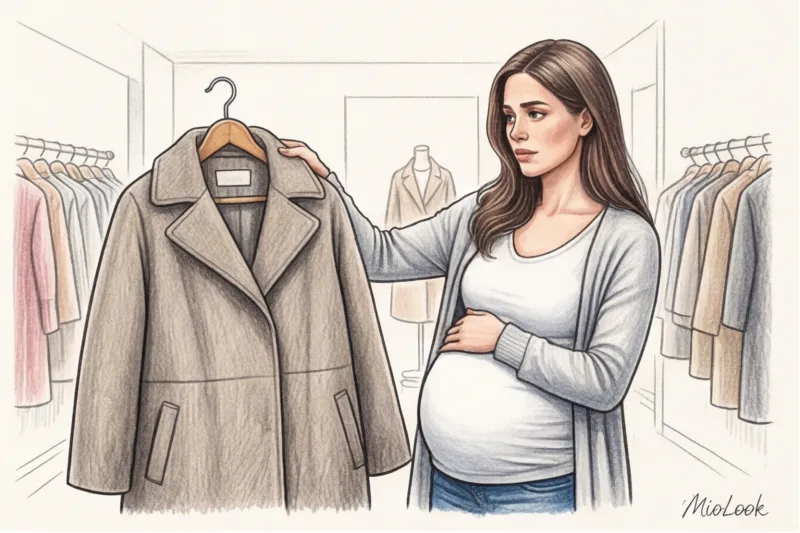
But if you're a businesswoman who prefers minimalism, structured shapes, and a clean cut, forget about this accessory. Invest in a quality oversized men's coat in the €200–€400 range, which will be a staple in your wardrobe for the next few years.
The main rule of style during a body transformation: comfort should never compromise beauty and individuality. Choose styles that make you feel like yourself when you look in the mirror.