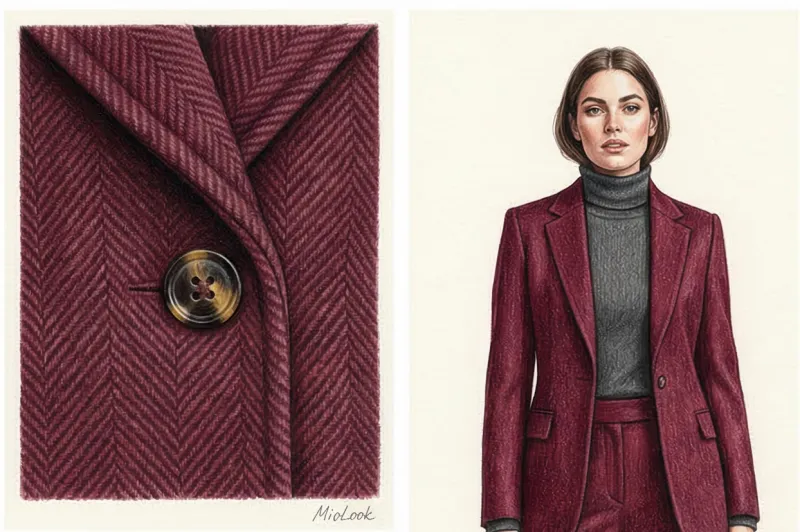
What is the color burgundy?
Burgundy Burgundy is a deep, dark red-purple shade named after a wine from the French region of Burgundy. To accurately determine the color burgundy, imagine mixing red with a small amount of blue and brown. This proportion gives the color both visual warmth and a slightly cool undertone.
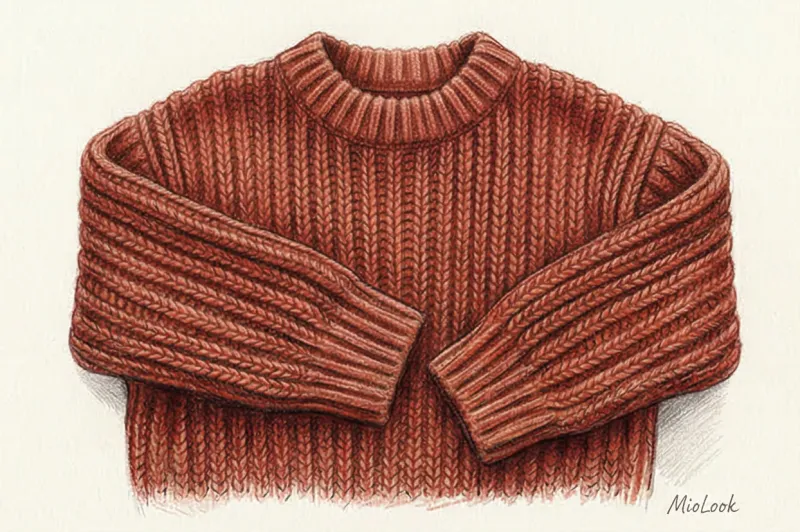
Historically, this shade has been associated with aristocracy and high status. In modern fashion, it is a classic choice for fall-winter collections. Designers often use burgundy in thick leather goods, voluminous knitwear, and evening wear.
Distinctive features of the shade
The main difference between burgundy and its related colors is its distinct purple-violet undertone. Burgundy contains more brown pigment, while cherry appears brighter and redder. Its complexity makes burgundy a popular choice for a wardrobe staple. It offers a softer, more elegant alternative to classic black, navy, or brown.
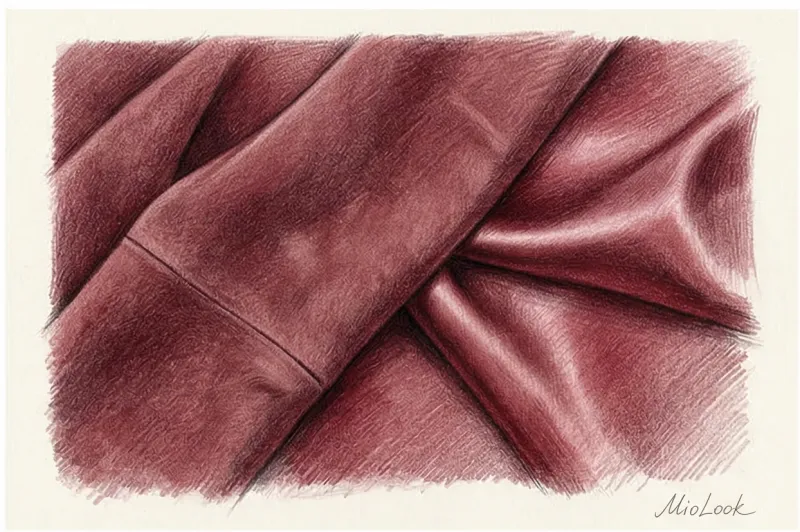
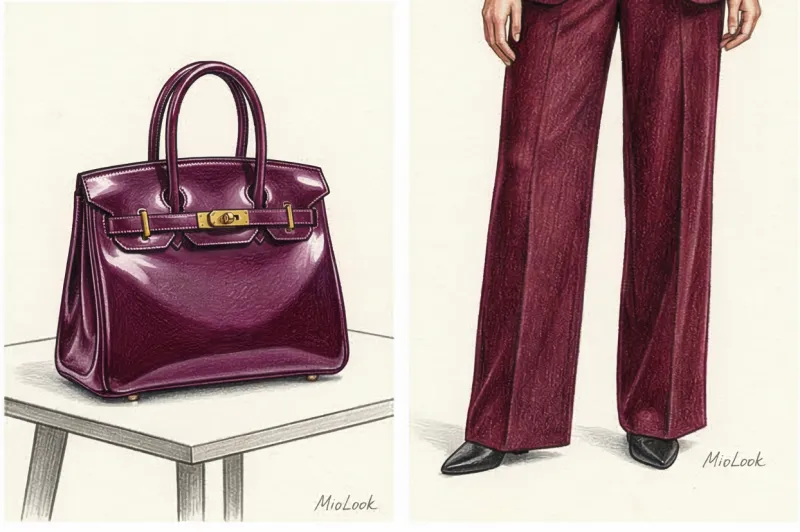
The perception of the shade changes dramatically depending on the texture of the material. On suede, velvet, and thick wool, burgundy appears matte, light-absorbing, and deep. When used on silk, satin, or smooth patent leather, the color takes on a rich, luminous sheen and appears more contrasting.
What to wear with burgundy
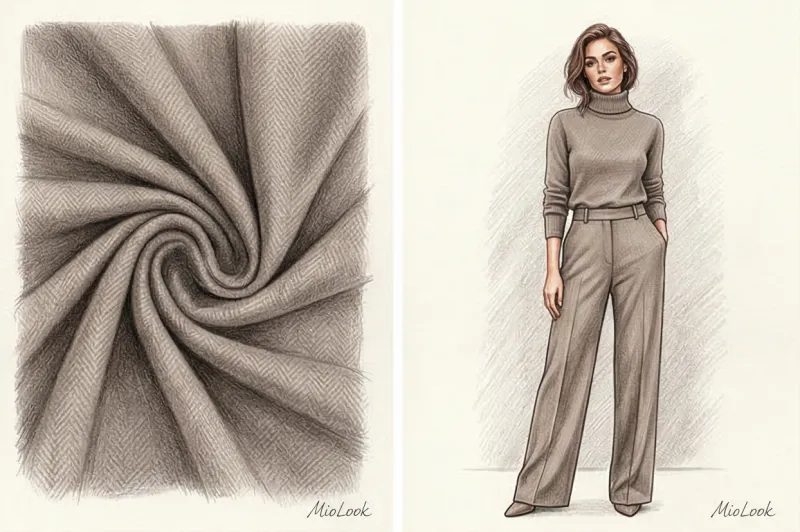
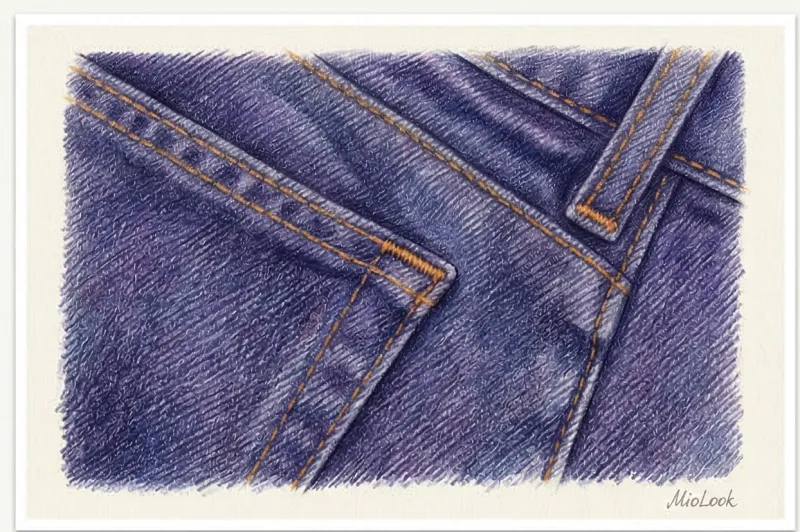
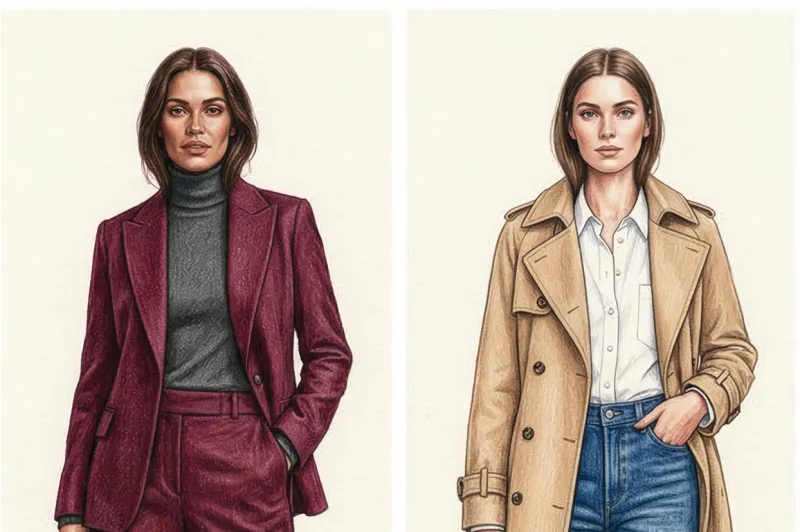
Burgundy pairs perfectly with neutral palettes: gray, beige, camel, and navy. A classic everyday look is pairing a burgundy turtleneck with a gray wool suit or straight-leg blue jeans. For more complex and contrasting looks, pair this color with emerald, mustard, or powder pink. For example, wide-leg burgundy trousers look natural with a dusty rose silk blouse.
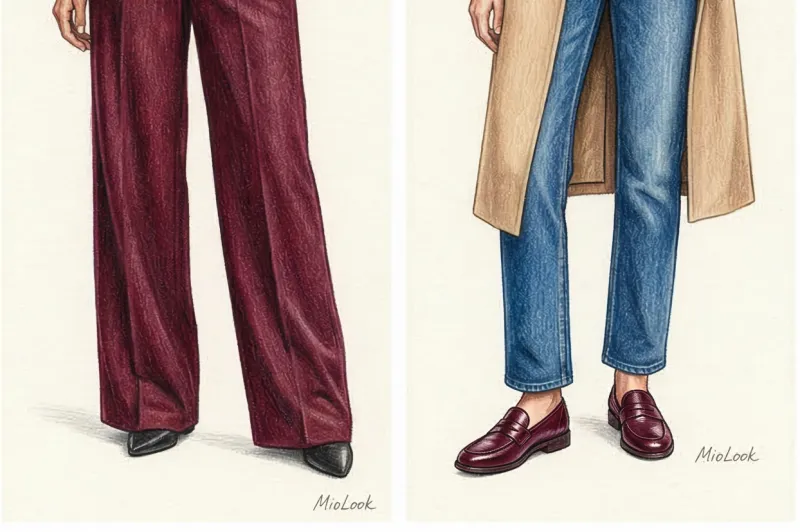
Monochromatic looks (total burgundy) visually elongate the silhouette and highlight the texture of fabrics. Burgundy is often used as an accent color in accessories. A leather bag, belt, or loafers in this deep shade add volume and completeness to minimalist outfits.