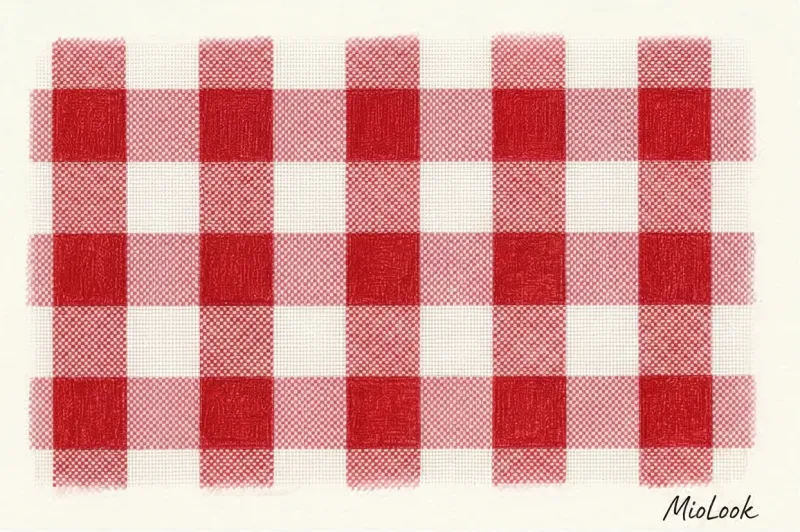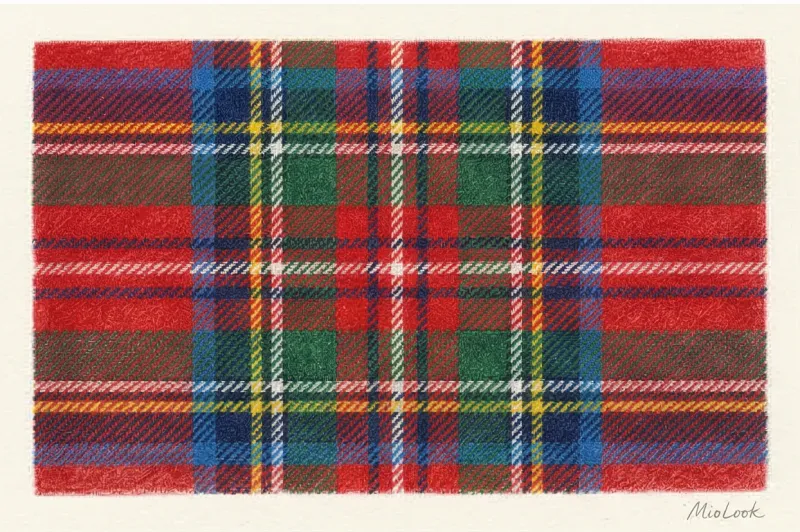
What is a Madras check?
Madras cell — is a lightweight cotton fabric with a bright multi-colored checkered pattern, which is also the name of this pattern.
The term comes from the Indian city of Madras (modern-day Chennai). It was there that this thin, breathable fabric, designed for hot climates, was traditionally produced.
In the mid-20th century, the material gained widespread popularity in the United States. Madras check became a key element of American preppy style, firmly establishing itself in the summer collections of classic casual wear brands.
Distinctive features
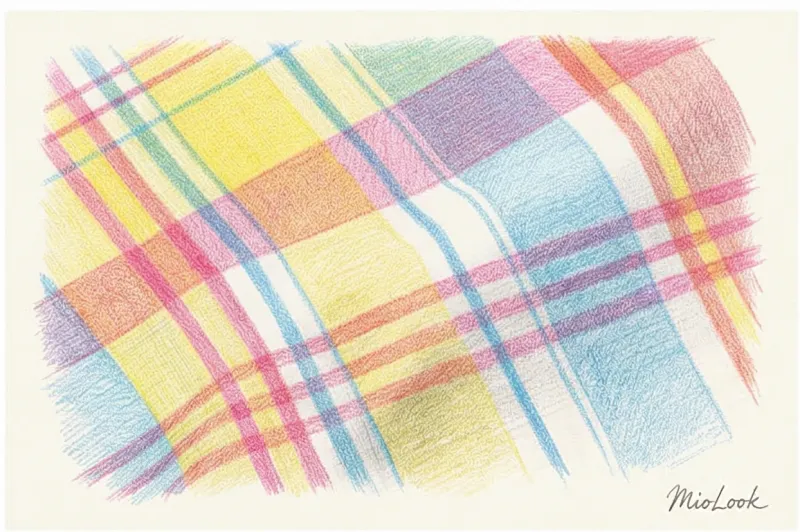
The main visual feature of the Madras tartan is its asymmetry. Unlike the strict Scottish tartans, the stripes here vary in width and do not form perfectly symmetrical squares.

The color palette is built on contrasting summer hues: yellow, pink, orange, blue, and light green. Classic madras is woven from a very fine, loose cotton, which ensures high breathability in hot weather.
Historically, fabric was dyed with natural dyes that faded significantly when washed. This effect was called bleeding madras and created a characteristic muted, sun-faded pattern, which was considered the main sign of the material's authenticity.
What to combine with
Because Madras check has a vibrant look, it's paired with solid, basic pieces in calm shades. White, beige, navy, or olive are ideal background colors.

For a preppy look, pair a short-sleeved Madras check shirt with beige chinos, boat shoes, or leather loafers. For a summery layered look, wear a lightweight Madras cotton blazer over a basic white T-shirt or polo shirt with straight-leg jeans.

In women's everyday looks, a summer dress or sundress with this pattern is a standalone element. They require only minimalist accessories: flat leather sandals and a woven straw tote bag.